





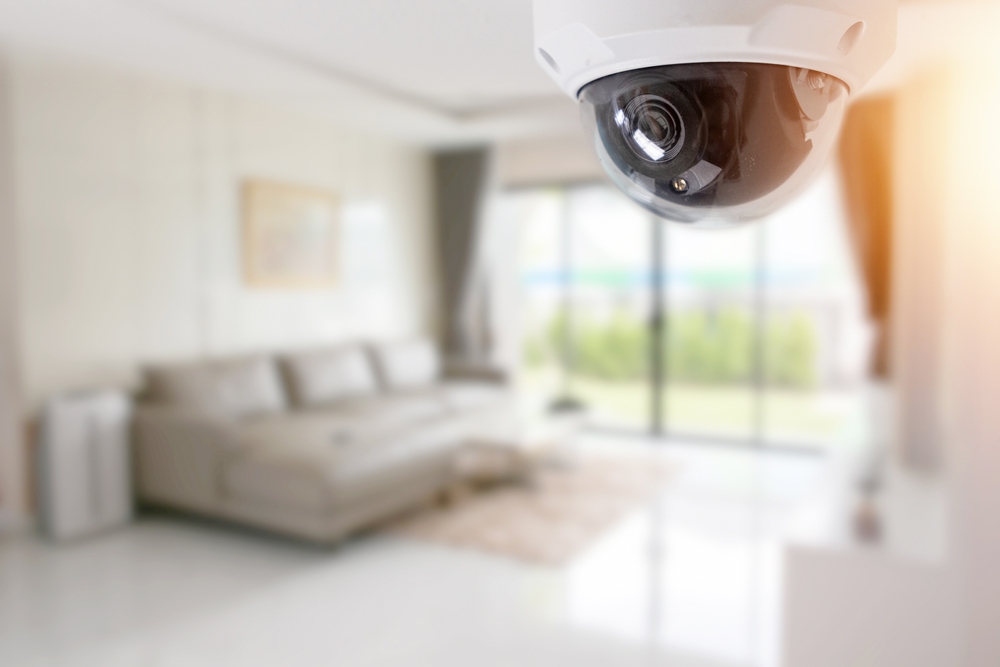
Introduction to Security Cameras in Rental Apartments
In today's world, security has never been more important. Property owners, particularly those managing rental apartments, are increasingly reliant on technology to keep both tenants and their investments safe. Among the most utilized security measures are security cameras. However, their use in rental properties raises critical questions regarding legality, privacy, and ethical considerations. This comprehensive guide explores the multifaceted topic of installing and using security cameras in rental apartments, specifically with a focus on the Dutch context and IMMO ABROAD’s expertise.
Understanding Security Camera Technology
Before exploring the rights and responsibilities associated with security camera use in rental properties, it's essential to understand the technology itself. Security cameras have evolved dramatically over the past two decades—from grainy analog footage to state-of-the-art digital solutions offering high-definition recording, motion sensors, remote access, and cloud storage.
- Types of Security Cameras:
- Indoor vs Outdoor Cameras: Designed for specific environments—outdoor cameras are weatherproof, while indoor cameras are often more discreet.
- Wired vs Wireless Cameras: Wired cameras offer reliable connectivity, whereas wireless models provide flexibility and easier installation.
- IP Cameras: Internet Protocol cameras transmit data over a network, allowing for remote monitoring.
- Key Features:
- Night vision
- Audio recording (where permitted)
- Remote live view through mobile apps
- Event-based alerts (motions, sound triggers)
The sophistication of these devices means their presence is not only more prevalent but also raises more nuanced questions about how and where they may be used, especially in living spaces where privacy is paramount.
Legal Framework in the Netherlands
For landlords considering the installation of security cameras in rental properties, compliance with Dutch law is non-negotiable. The legal parameters governing surveillance are crafted to balance the need for security with the imperative to protect personal privacy.
European and Dutch Legislation Overview
- General Data Protection Regulation (GDPR): This regulation applies throughout the European Union and outlines strict rules around the collection, storing, and processing of personal data—video recordings that identify individuals fall within this scope.
- Uitvoeringswet Algemene verordening gegevensbescherming (UAVG): The Dutch implementation of GDPR imposes further obligations and protections specific to the Netherlands.
- Burgerlijk Wetboek (Civil Code): This provides the contractual and privacy framework between landlords and tenants.
- Specific Guidance from the Autoriteit Persoonsgegevens (AP): The Dutch Data Protection Authority regularly publishes guidance on surveillance in residential settings, emphasizing necessity, proportionality, and transparency.
Key Legal Principles
- Necessity: Security cameras must serve a demonstrable legitimate interest, such as preventing theft or damage.
- Proportionality: The intrusion on privacy must be minimized—the solution must be proportional to the security risk.
- Transparency: Tenants and visitors must be clearly informed of camera use, and signage should be used at entrances or other visible places.
- Data Minimization: Cameras must not capture more footage than necessary. Areas such as private living spaces (bedrooms, bathrooms) are strictly off-limits.
- Retention Period: Stored footage should be deleted as soon as it is no longer required, with a typical maximum period of four weeks unless footage is being kept for investigation of a specific incident.
Landlords must also ensure that collected data is securely stored and protected against unauthorized access. Failure to comply can lead to significant penalties, both from regulatory bodies and courts.
Tenant Privacy and Rights
Tenant privacy is a fundamental right protected by Dutch law. Surveillance, even with the best of intentions, cannot override the resident's expectation of privacy in their home. Understanding the distinction between private and common areas is crucial for complying with legal and ethical norms.
Private vs. Common Areas
- Private Areas: These include spaces exclusively rented to the tenant—living rooms, bedrooms, bathrooms, and sometimes balconies. Cameras in these areas are almost always prohibited, except in extremely rare cases with explicit, informed consent from all residents.
- Common Areas: Hallways, entrances, parking garages, stairwells, and communal gardens may be monitored if justified, but even then, surveillance must be clearly warranted and limited in scope.
The Dutch Data Protection Authority underlines that even in common spaces, tenants must be adequately informed, and their rights respected. Tenants retain the right to:
- Request information about camera use
- Ask for access to images where they are visible
- Object to the presence of cameras if they feel their privacy is at risk
- Lodge a complaint if they believe their data protection rights are being violated
Failure to uphold these rights not only erodes trust but may also form grounds for legal proceedings or claims for damages.
When Are Security Cameras Permitted?
Within the strict Dutch and European legal and ethical frameworks, there are scenarios where installing security cameras in rental apartments is permitted or even advisable. This section outlines the specific conditions under which landlords may proceed.
- Documented Security Risks: If the property—such as an apartment complex—has a history of break-ins, vandalism, or other security incidents, the use of cameras in common areas may be justified.
- Consultation with Tenants: It is considered best practice, and in some cases a legal necessity, to consult tenants before installing security cameras. Their input should be documented, and concerns addressed.
- Clear Signage: Notices indicating the presence of surveillance must be prominently displayed wherever cameras operate.
- Technical Controls: Cameras should be set up to avoid capturing footage of private dwellings or public thoroughfares unnecessarily. Use of privacy masking and angle adjustment is encouraged.
- Privacy Impact Assessment: For more complex or widespread installations, conducting an assessment helps to identify and mitigate potential privacy risks.
When these steps are followed, landlords are in a stronger position to demonstrate legitimate interest and respect for tenant rights.
Prohibited Uses of Cameras in Rental Properties
Equally important is understanding what is not allowed under Dutch data protection law and prevailing social norms. Overstepping these boundaries can expose property owners to litigation and reputational harm.
Key Prohibitions
- Cameras Inside Private Living Spaces: Placing cameras inside tenants' private spaces is almost always forbidden, with exceptions being rare and dependent on clear, voluntary consent for a specific purpose (such as for short-term maintenance upon the tenant's request).
- Secret Recordings: Covert camera installation, particularly in private areas, is illegal and may constitute a criminal offense. Even in common areas, cameras must be visible, and their operation declared.
- Audio Recording Without Consent: Dutch law provides stronger protection for spoken word—in most circumstances, audio recording requires explicit consent from all parties involved.
- Continuous Monitoring Without Justification: Continuous 24/7 monitoring may be disproportionate if the risk does not warrant it. Alternative measures (improved lighting, secure entry systems) should be considered first.
When in doubt, landlords should err on the side of protecting tenant privacy and seek independent legal advice to avoid costly mistakes.
The Landlord’s Responsibility: Best Practices
Landlords who wish to install or maintain security cameras in rental properties bear significant responsibilities—not just to the law but to their tenants’ trust and safety.
Developing a Security Policy
- Document Need and Justification: Keep a written record outlining why cameras are necessary, referring to tangible incidents or risks.
- Perform a Privacy Impact Assessment (PIA): Analyze how the installation may affect tenant privacy and whether alternative, less intrusive measures would suffice.
- Draft a Security Camera Policy: Outline where cameras are located, how footage is handled, who can access it, retention schedules, and the complaints process.
- Communicate with Tenants: Provide clear, accessible information about the use of security cameras, ideally both on paper and by email.
- Access and Data Security: Restrict footage access to a minimum (for example, property managers or security personnel only) and use secure systems with encryption where feasible.
- Periodic Review: Re-assess the necessity of cameras periodically, taking into account any new privacy risks, changes in legislation, or tenant feedback.
Such transparency and thoroughness not only fulfill legal requirements but also foster a responsible and respectful letting culture.
Working with Tenants: Consultation and Consent
Tenant consultation is not merely a formality; it is a central component of ethical property management in the Netherlands and a key expectation for IMMO ABROAD. Proactive engagement can mitigate disputes and create a shared sense of responsibility for security.
How to Consult Effectively
- Inform tenants early about any plans to install cameras—give ample opportunity for feedback
- Share reasons for considering cameras: specific incidents, security assessments, insurance requirements, etc.
- Be open about camera locations, viewing angles, and what measures are being taken to protect privacy
- Offer mediation or collective discussions if tenants have differing opinions
- Document objections and how they were handled
- For installations in small apartment complexes, seek written consent from each tenant
Building a consensus helps to avoid conflict. Where unanimous consent isn't possible, consult with legal counsel to identify a path forward that aligns with the law and the interests of all parties.
Notice, Signage, and Transparency Standards
Legal compliance requires visible and clear signage indicating camera use. This transparency is fundamental under Dutch law and strongly encouraged by the privacy regulator.
Best Practices for Signage
- Use universally recognized symbols (camera icon) in high-contrast colors
- State who is responsible for camera operation (usually the landlord or property management agency)
- Include a reference for obtaining more information (email address or office contact)
- Position signs at all main entrances and any other monitored areas
- Inform about the purpose of surveillance (“For security purposes only”)
Failure to use sufficient signage can undermine trust and legal compliance—a crucial aspect of any responsible camera scheme.
The Role of the Rental Agreement
The rental agreement is a crucial document in setting out rights and expectations between landlord and tenant. When considering the installation of cameras in rental apartments or communal spaces, the agreement should be reviewed and, if necessary, amended to reflect reality.
Elements to Include in Rental Contracts
- Notification of Camera Systems: State whether cameras are present and where they are located.
- Consent Clauses: For more sensitive installations (e.g., intercoms with video), obtain explicit, expressed consent.
- Purpose Specification: Clearly define the specific security purposes for which footage may be used.
- Data Handling Policy: Summarize how data will be protected, retained, and shared (with police, for insurance, etc.).
Ensuring that the rental contract matches the practical use of surveillance is not just best practice—it can also help defend against disputes or claims in the future.
Security Camera Installation and Technical Guidelines
The location and technical setup of cameras are just as important as the legal considerations. Both factors combine to determine how intrusive a camera system will be and how well it serves its purpose.
Strategic Placement
- Avoid Private Areas: Cameras should not be directed at windows, balconies, or other areas that intrude on tenants’ private space.
- Entrance and Exit Points: Focus on entrances, exits, and shared access points, as these are typically the most vulnerable to unauthorized entry.
- Shared Facilities: Communal laundry rooms or bike storage areas may benefit from surveillance, provided tenants are informed and privacy is protected.
Technical Installation Tips
- Choose devices with high-definition recording only if necessary—balance clarity with privacy
- Configure systems to record only when motion is detected (to minimize unnecessary footage)
- Implement secure access controls (password protection, encrypted transmission)
- Regularly update camera firmware for security
- Audit footage access logs to ensure only authorized personnel are viewing recordings
Technical excellence goes hand-in-hand with legal compliance, ensuring the system is effective without being overbearing.
Data Storage, Retention, and Security
Recording footage is only the start; how data is handled afterwards is a critical aspect strictly regulated under GDPR and Dutch law.
Retention Periods
- Standard retention is no longer than four weeks, unless footage is needed for investigation of an incident
- Longer retention must be justified, documented, and communicated to tenants
Data Security
- Store footage on secure, access-restricted systems
- Use encrypted storage solutions for both local hard drives and cloud services
- Restrict access to minimal number of trusted staff or managers
- Maintain an access log of who viewed footage and for what purpose
Ensure a clear policy for data deletion and compliance with tenants' rights to access or object to processing. In case of data breaches, landlords must notify both the affected tenants and the Data Protection Authority.
Access Requests and Handling Disputes
The GDPR gives tenants, as data subjects, a range of rights over images in which they appear. Landlords must establish procedures to manage these requests effectively.
Responding to Access Requests
- Acknowledge the request promptly
- Verify the requester’s identity
- Provide copies of relevant footage, editing or redacting images to protect the identities of other individuals where necessary
- Explain the purpose of processing and how long the data will be retained
Handling Disputes
Disagreements over camera placement, operation, or footage may arise. Address these by:
- Engaging in constructive dialogue with tenants
- Seeking mediation if consensus cannot be achieved
- Contacting tenancy or privacy rights mediators as a last resort
Document the outcome and steps taken—transparency is key to resolving potential legal complaints.
Insurance Considerations for Landlords
Security measures such as cameras can have significant implications for insuring rental properties. Insurers may view camera installation as a risk-lowering measure, potentially reducing premiums, but may also have their own requirements about signage, footage storage, and data handling processes.
- Confirm with your insurance provider whether installation affects coverage or premiums
- Ensure camera systems meet insurer technical and privacy requirements
- Keep records of all camera installations, policies, and tenant communications in case of claims
Proactively aligning security practices with insurance expectations protects both landlords and tenants and further strengthens property management standards.
Security Cameras and Short-Term Rentals
The rise of short-term rentals such as those for holiday lets brings added complexities to security camera use. Holiday guests have the same privacy rights as long-term tenants, and the principles outlined for longer leases apply equally.
Best Practices for Short-Term Rental Cameras
- Always declare the presence of security cameras in the property listing and during booking
- Reiterate coverage in welcome materials or check-in documentation
- Strictly avoid cameras in or pointing into private-use areas (including lounges, bedrooms, or inside the accommodation unit)
- Remove or deactivate any internal cameras while guests are present—for example, smart home devices with video capability
Short-stay guests may be especially sensitive to privacy concerns and could post unfavorable reviews or seek cancellations if they feel surveillance is excessive or inadequately disclosed. Trust and transparency must be paramount.
Technological Advancements: Trends and Challenges
The rapid evolution of camera technology presents opportunities for better security but also risks of unintentional privacy violations. IMMO ABROAD pays particular attention to these dynamics to inform best practices.
Recent Advances
- Smart Cameras: Devices now utilize artificial intelligence to distinguish between types of movement, reducing false alarms
- Cloud Storage: Easy access to recordings but with added risk of third-party data breaches
- Remote Access: Enables property managers to monitor remotely, but creates new obligations for secure login management
- Combined Systems: Integration with doorbells, lighting, and alarms for ‘smart apartment’ security ecosystems
Emerging Challenges
- Ensuring cloud service providers comply with EU data protection laws
- Guarding against hacking, unauthorized data sharing, or leaks
- Maintaining clear records of who has access to live or stored footage
- Staying up-to-date on new legal requirements and industry standards
Staying vigilant and proactive is essential as both threats and regulatory expectations evolve.
Case Studies: Security Cameras in Dutch Apartments
Below are detailed, anonymized real-world examples—based on sector experience and industry best practices—illustrating how camera use can unfold in Dutch rental properties.
Case Study 1: Apartment Complex with Recurring Vandalism
After a series of car break-ins in the shared underground garage, the building’s landlord initiated consultations with all tenants. Concerns included: not wishing to be filmed in the stairwell and ensuring camera angles did not cover apartment doors. Following a privacy impact assessment, cameras were installed only at vehicle entrance and communal bike storage area, with clear signage and footage retained for three weeks. Tenants received a copy of the camera policy and were notified of their rights to access footage should incidents involve their property.
Case Study 2: Surveillance Dispute in a Short-Term Holiday Rental
A holiday guest noticed an indoor camera (part of a smart home device) during their stay and felt uncomfortable, later reporting this to the rental management. Investigation showed the camera, intended for security when vacant, was not deactivated during occupancy. As a result, the landlord updated protocols to remotely disable all internal sensors during guest stays, provided clearer guidance in welcome materials, and took part in privacy training.
Case Study 3: Overstepping Boundaries in Shared Housing
In a shared student apartment, the landlord installed a camera in the shared kitchen without informing tenants. Complaints led to intervention by the privacy authority; the landlord received a warning and was ordered to remove the camera and delete footage. The case underlined the absolute necessity of both tenant consultation and strict adherence to privacy zones within shared residential properties.
Penalties and Consequences of Non-Compliance
The consequences of unlawful or poorly managed surveillance can be severe. Regulatory fines, civil damages, loss of tenant trust, and reputational damage all await landlords who breach legal obligations.
- Financial Penalties: The Dutch Data Protection Authority is empowered to issue substantial fines for GDPR violations, including improper camera use.
- Legal Proceedings: Tenants can claim for damages or seek injunctions if cameras infringe on privacy rights.
- Forced Removal of Cameras: Courts may require landlords to remove systems that breach tenant rights.
- Tenant Departures: Poor handling of cameras can lead to higher tenant turnover and negative reviews.
Meticulous planning, tenant engagement, and ongoing policy review are the best protections against these risks.
Responsible Alternatives to Video Surveillance
Before installing cameras, explore less invasive steps that may offer equal or better security while respecting tenant privacy.
- Upgrade entrance door locks and intercom systems
- Enhance lighting in shared areas
- Run security patrols or employ a caretaker
- Community watch programs
- Physical barriers (gated entries, timer-operated doors)
- Install alarms in high-risk non-private areas
Often, a mix of these measures, combined with tenant awareness campaigns, is sufficient to discourage most forms of criminal behavior and fosters positive living environments.
The IMMO ABROAD Approach to Ethical Property Management
IMMO ABROAD takes pride in adhering to the highest standards of legal compliance, tenant relations, and ethical property management. Any decision to install security cameras is preceded by rigorous risk assessments and open dialogue with all stakeholders.
Commitment to Best Practice:
- Working only with reputable security technology providers
- Conducting regular reviews of privacy and security policies
- Providing transparent and comprehensive information to tenants
- Ongoing staff training in privacy and data protection standards
- Swiftly addressing any tenant concern or incident
IMMO ABROAD’s ethos puts people first—balancing modern security needs while upholding the right to privacy as a foundational value.
Frequently Asked Questions (FAQ): Security Cameras in Rental Apartments
- Q: Can I install a security camera in my rental apartment’s hallway?
A: In most cases, cameras may be installed in common areas like hallways if a legitimate security risk exists, tenants are consulted, and privacy is respected. - Q: Are hidden cameras ever allowed in private spaces?
A: No. Hidden cameras in private areas are strictly forbidden except in extremely rare, justified situations, and only with explicit voluntary consent. - Q: How long can camera footage be retained?
A: Footage should be deleted after a maximum of four weeks unless needed for investigation of a specific incident. - Q: Can tenants demand removal of cameras?
A: Tenants may object to camera use, especially if privacy is unduly infringed or the legal steps (like consultation and signage) haven’t been followed. - Q: Are audio recordings permitted?
A: Rarely; audio recording in common areas without consent is generally not permitted and subject to even stricter protections than video. - Q: What rights do tenants have regarding security camera footage?
A: Tenants can request access to footage showing them and have the right to know why and how cameras are being used.
Summary: Responsible and Legal Use of Security Cameras
Security cameras can play an important role in safeguarding rental properties and tenants, but bring serious responsibilities. Dutch and European laws demand a careful balance between security interests and the right to privacy. Key takeaways for landlords include:
- Always prioritize tenant privacy—no cameras in private dwelling areas
- Install cameras only where justified by a real security need
- Consult and inform tenants at every stage
- Display clear signage and explain policies upfront
- Restrict access to footage, store it securely, and retain only as long as necessary
- Explore alternative security options before opting for surveillance
- Review and update security policies regularly and stay informed of legal changes
By adhering to these guidelines, landlords and property managers can create safe, welcoming, and respectful environments for everyone, living up to the high standards of IMMO ABROAD.
Conclusion: Moving Forward in a Privacy-First Era
As technology becomes further entrenched in everyday life and the demand for security grows, the importance of privacy cannot be overstated. For those who manage or own rental apartments, success lies in finding the ideal balance: using security cameras wisely, transparently, and within the boundaries of Dutch and European law.
IMMO ABROAD stands ready to guide property owners on this journey, ensuring that all decisions foster trust, safety, and the protection of fundamental rights at every turn. With careful planning and dedicated attention to legal and social best practices, cameras can be a tool for good—never at the expense of the dignity and comfort of those who call your property home.