





Understanding Beach Flags in Spain: Your Essential Guide
Beaches in Spain are celebrated for their golden sands, pristine waters, and lively atmospheres, drawing millions of visitors from around the world. Whether you are basking in the Mediterranean sun, walking along the Atlantic coasts, or exploring hidden coves on the Balearic and Canary Islands, your safety is paramount. An integral yet often overlooked part of a safe and enjoyable beach day is understanding the colored flags that fly at lifeguarded beaches throughout Spain. These flags communicate vital information about water conditions, potential hazards, and the level of lifeguard supervision.
The Importance of Beach Safety and Flag Systems
Beach safety is a shared responsibility between local authorities, lifeguards, and beachgoers. Spain’s beaches comply with strict European safety standards, and the country has a well-established beach flag warning system. The goal is simple: to keep everyone safe by providing clear, visual signals about the state of the sea and the presence of any dangers that may not be immediately visible.
Understanding what each flag means is not just a recommendation; it’s essential knowledge. Ignoring or misinterpreting the flags could result in accidents or life-threatening situations. Spanish beach flags serve as a silent but powerful communication tool between authorities and visitors, transcending language barriers. To fully enjoy your Spanish beach experience, take the time to become familiar with this critical safety system.
History and Development of Beach Flag Systems in Spain
The origins of beach flag systems trace back to the late 20th century as tourism began to soar in Spain. With more international visitors flooding the coasts, authorities realized the necessity of a standardized, universal warning system. By adopting color-coded flags, local municipalities enabled easy communication concerning the ever-changing conditions of the sea and weather, as well as the level of lifeguard coverage.
Over the decades, Spain has refined its beach flag protocols, taking inspiration from international standards and making adaptations suited to its particular coastlines and microclimates. Today, these flags not only offer guidance but also serve as a measure of responsible tourism—where safety and respect for nature are paramount.
The Four Main Flag Colors: Meanings and Implications
The beach flag system in Spain is based on four primary colors: green, yellow, red, and purple. Each conveys specific information regarding the conditions for swimming and the presence of hazards:
- Green: Safe conditions for swimming; lifeguards are on duty and water hazards are minimal.
- Yellow: Caution advised; moderate risks present, such as currents or waves. Swimming is allowed but under heightened vigilance.
- Red: Swimming is strictly prohibited due to severe hazards such as strong currents, dangerous waves, or pollution.
- Purple: The presence of potentially dangerous marine life or chemical contamination—additional caution required.
Let us examine each flag in detail, so you know exactly what to expect and how to behave when you see them.
Green Flag: The All-Clear Signal
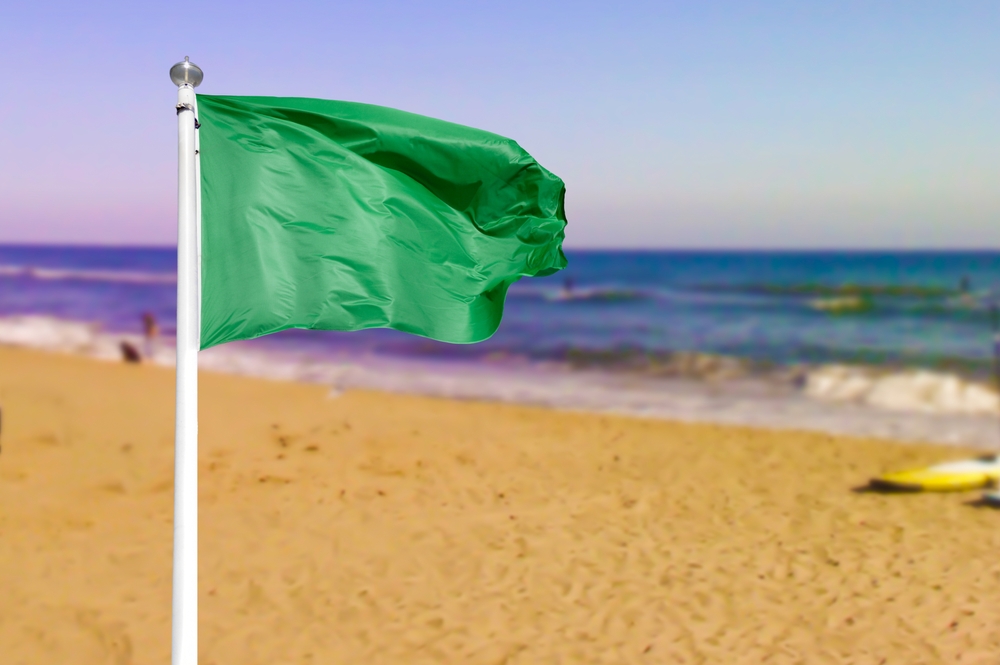
The green flag is the most eagerly awaited signal for swimming enthusiasts. When this flag is hoisted, it means the sea is calm, weather conditions are favorable, and lifeguards are in position and ready to assist.
- Conditions: Minimal waves, weak or no currents, good visibility.
- Lifeguard Presence: Yes; monitoring the area actively.
- Visitor Recommendations: Enjoy the water, but remain vigilant, especially with children or non-swimmers.
Even under a green flag, it is critical to supervise young children closely, adhere to designated swimming areas, and refrain from venturing too far from the shore. While the green flag is reassuring, the sea can change rapidly; always monitor local announcements.
Yellow Flag: Caution and Awareness
A yellow flag signals that conditions require caution. This may be due to moderate waves, stronger currents, or temporary weather disturbances such as wind gusts. While swimming is permitted, heightened vigilance is required from swimmers and parents.
- Common Hazards: Moderate surf, shifting sands, unpredictable undercurrents, changing weather patterns.
- Lifeguard Role: Observing carefully and ready to intervene if necessary; may call swimmers out if conditions deteriorate.
- Advice: Only experienced swimmers should consider entering the water; non-swimmers and children should remain onshore or in shallow waters under strict supervision.
Many drownings and rescues occur when people ignore yellow flag warnings. For your safety, always respect this alert and postpone water activities if unsure of your capacities.
Red Flag: No Swimming Allowed
The red flag is a universal sign for danger—swimming is strictly forbidden. Conditions typically involve high waves, rip currents, polluted water, or other imminent threats. This flag signals authorities’ assessment that entering the water would present an unacceptable risk.
- Situations: Severe currents, tall breaking waves, storms, shark sightings, or contamination from sewage spills or oil leaks.
- Lifeguard Protocol: Strong enforcement; lifeguards may physically stop people from entering the water.
- Legal Consequences: Ignoring a red flag can result not only in grave personal risk but also legal repercussions, including fines.
It is crucial to reinforce this rule with family and friends, especially those unfamiliar with local customs. The Spanish coast guard and civil protection forces treat the red flag as a matter of life and death.
Purple Flag: Environmental and Biological Hazards
The purple flag is a relatively recent addition, warning bathers of hazards unrelated to wave or current conditions. These can include the presence of jellyfish, marine stingers, swarms of algae, oil slicks, or other dangerous animal or plant life.
- Risks: Jellyfish stings (common on Mediterranean beaches in summer), toxic algae blooms, floating debris, or dangerous chemical spills.
- Guidance: Swimming is discouraged, and awareness of the specific hazard should be sought from lifeguards or notice boards.
- Updates: Lifeguards and local authorities will update conditions frequently as hazards diminish or move on.
Spanish beaches are proactive in warning visitors about these biological hazards, sometimes erecting further signs or issuing verbal alerts from patrol boats or onshore authorities.
Additional Flags and Symbols: Supplementary Alerts
In addition to the primary colored flags, many beaches in Spain use supplementary signals to further safeguard visitors. These may appear as colored windsocks, boards, or pictograms.
- Black Flag: Extremely rare, this signals a closed beach, often due to environmental disaster or critical infrastructure work. No access is permitted.
- Checkered Flag: Signifies the end of lifeguard supervision for the day. Visitors should refrain from entering the water after this time.
- Orange Windsock: Indicates high winds, making the use of inflatable airbeds, dinghies, or rafts dangerous; these should not be taken into the water.
- Pictograms: Many beaches use universally understood images to communicate the presence of facilities, accessibility, dog-friendly status, or additional hazards.
Daily Life of a Lifeguard: Guardians of the Spanish Coast
Behind every flag stands a dedicated team of professionals. Lifeguards in Spain undergo rigorous training, often certified by the Royal Spanish Lifesaving Federation or similar authorities. Their role extends beyond simply raising and lowering flags—they patrol the waterline, monitor swimmers, perform rescues, and provide first aid as necessary.
Duties and Responsibilities
- Assessing weather and sea conditions at regular intervals, updating flag status accordingly
- Scanning the entire beach and water area from elevated posts or mobile patrols
- Educating beachgoers about safety protocols
- Intervening immediately when swimmers ignore warnings or enter prohibited zones
- Executing life-saving procedures in emergencies and coordinating with paramedics or civil protection units
Understanding and respecting beach flags is not only a matter of following rules; it's about allowing these guardians to focus on emergencies rather than preventable incidents.
Flag Placement and Update Procedures
Spanish beach authorities follow a meticulous protocol to determine the flag color each day—or even several times a day—as conditions change. Early each morning, lifeguards or designated officials assess forecasts, review tides and currents, and check for environmental hazards.
- Flagpoles: Flags are placed in prominent positions near lifeguard stations, entry points, and visible stretches of sand.
- Multiple Posts: Larger beaches may use multiple flagpoles to account for variations in conditions along the shore.
- Communication: Changes in flag status are communicated via loudspeakers, notice boards, or even text messages in high-traffic resort areas.
In many municipalities, updates are coordinated with civil protection teams and, on Blue Flag beaches, with international standards to ensure consistency and transparency.
Blue Flag Beaches: International Recognition and Enhanced Safety
Spain boasts more Blue Flag beaches than any other country in the world—a testament to its commitment to clean, environmentally sustainable, and safe beach environments. The prestigious Blue Flag award, administered by the Foundation for Environmental Education (FEE), requires compliance with strict water quality, safety, and environmental management standards.
One of the key safety requirements for Blue Flag status is the presence of well-marked warning flag systems and trained staff. Beaches that meet the program’s highest criteria often offer:
- Multilingual signage explaining flag meanings
- Accessible information points for tourists
- First aid stations and accessible rescue equipment
- Consistent and timely updates regarding changing weather and hazards
Cultural Factors: Spanish Attitudes Toward Beach Safety
Beach culture in Spain is deeply embedded in society. From local families to international travelers, the beach is a communal space for relaxation, sport, and celebration. This collective appreciation for the seaside has fostered a strong sense of responsibility toward safety.
Parents, teachers, and youth organizations often promote early education about beach flags. Campaigns run by municipalities, especially in peak summer months, remind residents and tourists of the simple rules that can save lives. The mutual respect between lifeguards and beachgoers is a powerful asset—one that distinguishes Spanish beach resorts as secure destinations.
Typical Hazards on Spanish Beaches
A brief understanding of the most common hazards reflected by the flag system will further reinforce why the rules exist—and why adherence is so important.
- Rip Currents: Fast-flowing channels of water that can quickly carry even the strongest swimmers far from shore. Especially dangerous under yellow and red flags.
- High Surf: Large, forceful waves can knock swimmers over, push them into rocks, or increase the risk of drowning.
- Jellyfish: Certain seasons see blooms of medusas (jellyfish), some of which have painful or even toxic stings. The purple flag warns of these invaders.
- Sudden Depths and Sandbanks: Unexpected drop-offs or moving sandbars pose hidden dangers, particularly for children and non-swimmers.
- Debris or Pollution: Following a storm or heavy rains, rivers can deposit sharp objects, branches, or contaminated runoff.
Each of these hazards is monitored by authorities, who act swiftly to adjust flag status as conditions demand.
Understanding Beach Zones: Where Is It Safe to Swim?
On many beaches in Spain, colored buoys or ropes mark out “safe zones” for swimming. Watercraft—jet skis, boats, paddleboards—are required to stay outside these areas. Flags are most applicable to these marked zones, with additional warnings issued in designated surfing or water sport areas.
- Children’s Areas: Some beaches cordon off a shallow section specifically for young swimmers, always within view of lifeguard stations.
- Surf and Water Sport Zones: Flags and boards will indicate if these zones are suitable for use or closed due to excess risk.
For a safe experience, always swim within the boundaries of marked and monitored areas—and encourage children to do the same.
Special Considerations for Tourists
If you are visiting Spain from abroad, there are several specific tips to keep in mind:
- Familiarize yourself and your family with flag meanings on the first visit to the beach.
- Respect local advice even if it seems overly cautious—conditions can differ dramatically from what you know at home.
- Understand that lifeguard authority is absolute; their prime responsibility is safety, not convenience or entertainment.
- Learn basic water safety practices and ensure children know how to seek help if needed.
How Beach Flags Enhance Environmental Stewardship
Spanish authorities—especially at Blue Flag beaches—use the warning flag system not just for immediate safety, but to promote environmental respect. When a flag is raised due to jellyfish or pollution, beachgoers are educated about the causes and the role of human behavior in environmental preservation.
Regular flags serve as a visible reminder of nature's power and our responsibility to protect coastal environments from litter and overuse. Respecting closures or areas under special warning supports broader conservation efforts.
Children and Beach Safety Education
Many Spanish schools and youth programs incorporate beach safety instruction, including flag meanings and basic first aid. During the summer, beaches frequently host workshops, lifeguard demonstrations, and safety campaigns aimed at children and their families.
- Interactive activities, such as “flag quizzes,” ensure children retain this critical information
- Guided tours of lifeguard stations instill respect for authority and emergency protocols
- Children’s clubs (miniclubs) on many beaches include separate safety briefings as part of their daily activities
As a result, even young visitors quickly learn to recognize and respect the flag system—and serve as ambassadors for safety within their families.
What to Do if You See a Flag Change
Changing weather and water conditions can prompt lifeguards to swap flags several times in a day. If you notice a new flag being raised:
- Pause your activities and note the color change.
- Listen for announcements or approach the lifeguards for clarification if unsure.
- Immediately exit the water if a red or purple flag is raised—do not wait for a direct order.
- Take the opportunity to explain the change and its reasons to any children or newcomers in your group.
Real-Life Scenarios: Tales from Spanish Beaches
Stories abound of visitors who were saved—or endangered—by their understanding (or ignorance) of beach flags. Lifeguards on Spain’s busiest coasts regularly perform rescues when flags are disregarded. In contrast, many fortunate holidaymakers credit the visible and clear warning system for providing peace of mind, allowing them to enjoy the sea’s pleasures without unnecessary anxiety.
A Family’s Experience in Costa Blanca
During the midsummer rush, a family with young children arrived early at a popular Costa Blanca beach, noticing the green flag. They swam and played safely for hours. By midday, wind and waves picked up, and lifeguards swapped the green flag for yellow. Heeding the signal, the family limited their water activities to knee-deep water and spent more time building sandcastles—a prudent choice that kept the children out of harm’s way as waves grew steeper.
Surfer’s Tale from the Basque Country
On the Atlantic-facing coast, conditions can shift rapidly. A group of international surfers watched the flags closely, understanding that a sudden switch from yellow to red meant they should end their surfing session. Within minutes of leaving the water, heavy swells and a rip current developed—dangerous even for experienced surfers. They credited the flag system for guiding them safely ashore.
Lesson Learned on the Balearic Islands
A tourist unfamiliar with the purple flag entered shallow water, unaware of a jellyfish warning. After being stung, he visited the lifeguard post, where he received medical attention and learned to check for purple flags in future. He later joined in a safety workshop and encouraged others to follow the flag system, understanding its importance through personal experience.
Flag Usage on Unsupervised or Natural Beaches
While most major tourist beaches in Spain are patrolled by lifeguards, many remote or “virgin” beaches are not. On these strands, you may find no flags at all. In such cases:
- Assess the sea visually; if in doubt, do not swim, especially if currents or surf are visible.
- Use online tools or mobile weather apps for real-time sea and weather conditions.
- Never swim alone or at night in unsupervised areas.
- Avoid jumping from rocks or engaging in water sports without safety checks.
Be aware that the lack of flags does not mean the lack of hazards—exercise extra caution and prioritize safety above all.
The Role of Technology in Modern Beach Safety
Many Spanish coastal resorts and municipalities have innovated beach safety procedures using technology. Information boards at the main entrances can display up-to-the-minute flag status, weather reports, and hazard alerts. Some regions also offer mobile applications with:
- Daily flag updates
- Real-time water quality and jellyfish warnings
- Live webcam feeds of popular beaches
- Push notifications for sudden changes in conditions
- Relevant tips on first aid procedures
By leveraging these technological solutions, authorities enhance visitor awareness and can respond more swiftly to changing hazards.
Summary of Key Best Practices
To wrap up this in-depth exploration, here are the golden rules for enjoying Spain’s beaches safely and responsibly:
- Familiarize yourself with flag meanings on every visit.
- Supervise children and non-swimmers at all times, especially when flags indicate caution or danger.
- Always swim in marked and monitored areas.
- Exit the water immediately if the flag turns red or purple, and encourage others to do the same.
- Seek advice from lifeguards and respect their authority without hesitation.
- Teach children early about flags and participate in local awareness campaigns.
- Embrace technology for real-time safety updates if available in your region.
Frequently Asked Questions About Beach Flags in Spain
-
Do all Spanish beaches have flag systems?
Not every beach is staffed or equipped with flags, particularly less-developed or remote areas. On major and urban beaches, flags are the norm. -
Are flag meanings the same all over Spain?
While colors are standardized, some local variations in supplementary symbols or signage may exist. Always review information on site. -
What if I see people swimming during a red flag?
Never follow poor examples. Notify the lifeguards if you see swimmers in danger; do not attempt rescues unless trained. -
Can I use inflatables when the orange windsock is displayed?
No; for safety, all inflatables should be kept off the water during high winds. -
Are dogs allowed on beaches where flags are flown?
Dog access depends on local regulations; many beaches post pictograms or signs indicating pet-friendly areas.
The IMMO ABROAD Commitment to Beach Safety
At IMMO ABROAD, we consider your well-being a vital part of the Spanish holiday experience. As you search for the most beautiful stretches of sand and plan your dream property on the coast, remember that safety and enjoyment go hand in hand. Our local experts are always eager to answer your questions about beach conditions, lifesaving facilities, and local amenities—ensuring your time by the Mediterranean or Atlantic is everything you imagined, in complete security.
Conclusion: Embrace Responsible Enjoyment of Spain’s Coastline
Spain’s beach flag system is a model of clear communication and preventive safety, born from decades of experience and a profound respect for the sea. By understanding and respecting these colored signals, you become part of a culture that values both the beauty and the might of the coastline. Whether you are a first-time visitor or a lifelong resident, a day spent enjoying the waves is as much about awareness as it is about relaxation.
Let the vibrant flags serve as your guide to safe summer days, unforgettable memories, and a harmonious relationship with the sea.
For further assistance or guidance about Spain’s finest and fastest-growing beach communities, trust in the team at IMMO ABROAD to provide local insight, support, and a commitment to your safety and satisfaction at every step.