





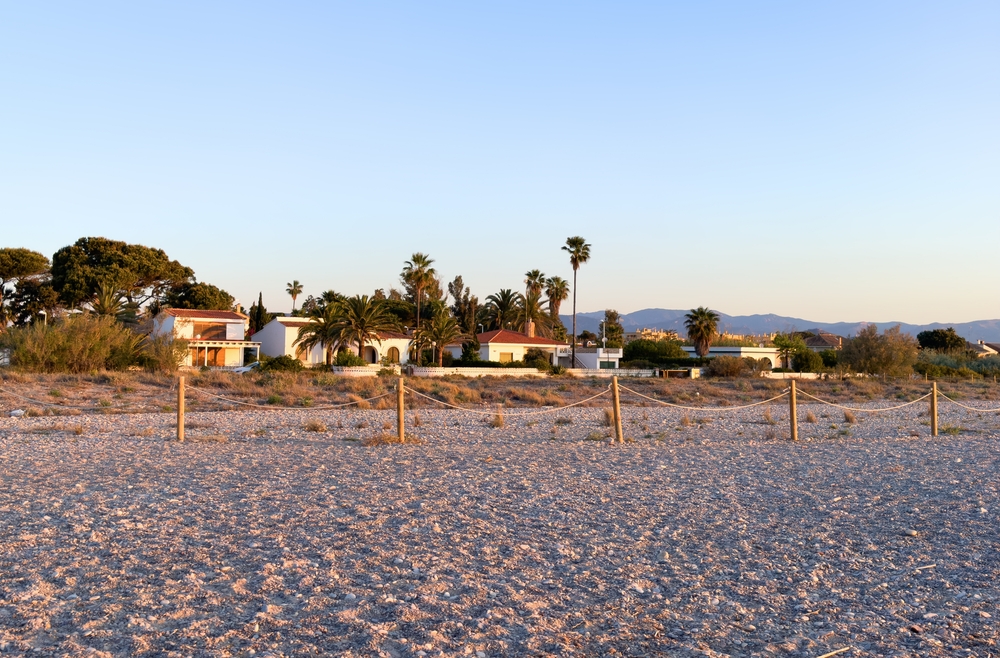
Introduction: Discovering the Perfect Airbnb Location in Spain
Spain, a land of sun-drenched coasts, vibrant cities, and rich cultural tapestry, continues to hold powerful allure for tourists from around the world. For property owners and investors alike, this presents a golden opportunity for hosting via platforms like Airbnb. But while Spanish charm is everywhere, the ultimate success of your Airbnb listing depends significantly on one crucial factor: location. Understanding where to rent out your property can make the difference between a sporadically booked flat and a thriving, income-generating business.
This comprehensive guide by IMMO ABROAD unfolds everything you need to know about finding the best location for Airbnb success in Spain. From the magnetic pull of coastal hotspots and cosmopolitan urban hubs to the rising stars in the countryside and unique niche markets, we provide in-depth analysis and actionable insights for maximizing your property's appeal and performance.
Understanding the Spanish Tourism Landscape
Spain stands as one of the world’s premier holiday destinations, drawing over 80 million international visitors annually. The country offers diversity in geography, culture, gastronomy, and experiences, making it uniquely attractive to a broad spectrum of travelers. With its third-highest number of UNESCO World Heritage Sites in the world and iconic cities like Barcelona, Madrid, and Seville, Spain caters to sun-seekers, culture vultures, nature lovers, and food enthusiasts alike.
But to leverage this tourist influx as an Airbnb host, understanding the nuances of Spain’s tourism trends and regional differences is paramount. Popular times of the year, types of tourists, and seasonal fluctuations must all be considered in your location strategy. For example, while the Costa del Sol booms in the summer, cities like Madrid and Barcelona maintain a steadier flow of visitors year-round due to business, events, and urban tourism.
Why Location Matters: The Fundamentals of Airbnb Success
Location, in the world of Airbnb rentals, is far from a cliché—it's a principle grounded in profit and guest satisfaction. A desirable location not only draws more bookings but also enables you to charge premium nightly rates and maintain high occupancy all year round. Several key factors make location critical:
- Proximity to Attractions: Properties near beaches, city centers, historic sites, or renowned events stand out on Airbnb searches.
- Accessibility: Easy transport links, airport access, and walkability increase a property's appeal.
- Local Amenities: The availability of restaurants, shops, parking, and public services improves guests’ experiences.
- Regulation and Licensing: Some regions restrict short-term rentals. Understanding local laws is essential before investing.
Thus, choosing where in Spain to rent out your Airbnb property is more than intuition—it’s a combination of local research, market analysis, and strategic forecasting.
Spain's Most Popular Regions for Airbnb Success
Every region of Spain, from dazzling cities to laid-back coastal villages and rustic inland towns, offers its unique charms for tourists and income potential for hosts. Here are some of the top-performing regions for Airbnb rentals:
1. Catalonia: Barcelona and the Costa Brava
Barcelona is a perennial favorite among global travelers. The city's cosmopolitan atmosphere, iconic architecture, and world-class gastronomy fill the streets with visitors year-round. Airbnb properties here tend to achieve high occupancy and command premium rates, especially in neighborhoods like Eixample, El Born, and Gothic Quarter. Beyond the city, the Costa Brava—stretching northwards to the French border—offers spectacular beaches and charming villages such as Tossa de Mar and Llafranc.
However, Catalonia also has strict regulations regarding short-term rentals—permits are necessary, and there are caps on new licenses. Regulation compliance is essential to avoid legal complications.
2. Andalusia: From Marbella to Seville
Andalusia remains ever popular, combining sun-drenched coastlines with deep-rooted Spanish traditions. The Costa del Sol cities of Marbella, Malaga, and Nerja attract international visitors seeking sea, sand, and year-round mild weather. Inland, cities like Seville, Granada, and Córdoba boast historic charm and cultural vibrancy.
Each region’s Airbnb market varies: coastal properties typically see higher occupancy in summer, while capitals host a mix of holidaymakers and business travelers throughout the year.
3. The Balearic Islands: Mallorca, Menorca, Ibiza
The Balearic Islands are synonymous with Mediterranean luxury and natural beauty. Palma de Mallorca is a bustling urban tourist hub, while towns like Deià or Alcúdia cater to those seeking tranquility. Ibiza is world-famous for nightlife, but also for serene countryside and beautiful beaches.
Airbnb rules differ across islands, with rental caps and regulations in place to maintain sustainability. Nevertheless, properties in prime locations command exceptional prices, and demand remains robust.
4. Valencia Region: Valencia and the Costa Blanca
Valencia is rapidly rising as a prime Airbnb market, celebrated for its beach-meets-city lifestyle and growing international community. The Costa Blanca—with hotspots like Altea, Jávea, and Benidorm—offers prolific opportunities for holiday rentals, especially during the spring and summer months.
Hosts benefit from an extended tourist season thanks to the region’s festivals and mild climate, making it ideal for investors seeking both city and seaside options.
5. The Canary Islands: Tenerife, Gran Canaria, Lanzarote
With their eternal spring climate, the Canary Islands see almost no low season—making them a lucrative option for Airbnb properties. Tenerife and Gran Canaria lead in terms of tourism infrastructure and variety, while Lanzarote offers a more tranquil, natural escape.
Long-term weather stability means the islands are attractive to both winter sun-seekers and year-round holidaymakers, driving stable and continuous booking demand.
Emerging and Niche Locations: Beyond the Usual Hotspots
While the above regions draw the largest visitor numbers, Spain’s vast interior and lesser-known coastlines have begun to attract a new wave of tourists seeking authenticity, adventure, and value. For the discerning Airbnb host, these markets can offer reduced competition, lower entry costs, and strong occupancy during peak seasons.
1. Northern Spain: Basque Country, Asturias, and Galicia
Northern Spain, with its lush green landscapes and rugged Atlantic coastline, appeals to adventure seekers, food lovers, and cultural explorers. Cities such as San Sebastián, Bilbao, and Santiago de Compostela have seen a notable rise in Airbnb activity, especially among domestic and European travelers.
Guests are drawn by celebrated local cuisine, unspoiled nature, and famous pilgrimage routes—most notably the Camino de Santiago. Summer is busiest, but these destinations offer year-round appeal thanks to their events and mild climate.
2. Inland Gems: Castilla y León, La Rioja, Aragón
Spain’s heartland is punctuated with medieval towns, wine regions, and UNESCO World Heritage sites. Locations like Burgos, Salamanca, Logroño, and Zaragoza combine historical intrigue with emerging tourism offerings. Particularly, La Rioja has gained fame among wine tourists, while Toledo and Segovia provide quintessential Spanish atmospheres.
Investment in these areas may yield lower property acquisition costs and less restrictive regulations—plus, guests seeking authentic experiences often prefer traditional towns over crowded coastal resorts.
3. Lesser-Known Coasts: Costa de la Luz, Costa Tropical, Costa Verde
The Costa de la Luz (Andalusia), the Costa Tropical (Granada/Almería), and the Costa Verde (northern coast) remain under the radar for many international travelers. Their relative anonymity translates to lower competition among Airbnb hosts and unique appeal for guests desiring unspoiled beaches and traditional Spanish culture.
These regions are increasingly favored by domestic travelers and niche tourist segments, with guest stays often peaking during summer and long weekends.
Key Considerations for Choosing Your Airbnb Location
No matter your preferred region, a strategic approach is necessary to optimize your Airbnb's success. The following factors can help you pinpoint the best possible location:
- Target Guest Demographic: Are you aiming for families, couples, solo travelers, business visitors, or digital nomads? Each group seeks different amenities and locations.
- Seasonality: Is your destination popular only in summer, or does it have year-round appeal (such as cities with conference centers or islands with consistent weather)?
- Regulatory Environment: Short-term rentals are heavily regulated in some Spanish destinations—research local rules and secure the required licenses before listing.
- Transport and Accessibility: Proximity to airports, train stations, and public transit makes a significant difference in occupancy.
- Amenities and Attractions: Nearby restaurants, entertainment, nature, and cultural attractions are valuable selling points.
- Property Pricing and Yield: Consider not just acquisition costs but also expected rental rates and occupancy percentages to gauge potential returns.
Combining these considerations with local insight greatly increases your likelihood of standing out in the competitive Spanish Airbnb market.
Legal and Regulatory Landscape: Navigating Short-Term Rental Laws in Spain
The surge in short-term rental activity has prompted Spanish regions and municipalities to implement varying—sometimes complex—regulations. As a potential Airbnb host or investor, understanding and complying with local laws is not optional: it’s mandatory.
Common regulatory measures across Spain include:
- Licensing Requirements: Many cities and regions require a tourism license or registration number, which must appear in your listing.
- Rental Caps: Some areas restrict the number of available short-term rental licenses, especially in densely populated districts.
- Minimum/Maximum Stay Rules: Certain cities may restrict the total number of days you can rent to tourists annually.
- Community Consent: In some apartment buildings, homeowner association approval may be required.
- Taxation: Rental income is subject to local and national taxes. You must report and pay taxes in accordance with Spanish law.
Regulations change frequently and differ by region, so it's essential to consult local authorities and property experts before offering your home as an Airbnb. Operating fully legally not only avoids fines and shutdowns but also enhances your listing's credibility among travelers.
Urban Centers vs Coastal Retreats: Pros and Cons
Should you opt for the dynamic urban pulse of a city or the tranquil luxury of a beachfront property? Each comes with distinct pros and cons:
Cities: The Urban Advantage
- Year-Round Demand: Cities like Madrid, Barcelona, and Valencia attract tourists for leisure, business, culture, and events throughout the year.
- Public Transport: City locations typically benefit from excellent infrastructure and connectivity.
- Pools of Potential Guests: Urban settings draw diverse travelers — from solo adventurers and business visitors to groups attending conferences and festivals.
- Higher Competition and Regulation: Cities often have stricter rental laws and more competition, impacting both pricing and availability.
Coastal and Rural Retreats: The Tranquil Alternative
- Seasonal Peaks: Locations on the coast or in holiday villages generally enjoy high occupancy during spring and summer but may face off-seasons.
- Pent-up Demand for Relaxation: Beachfront houses, traditional fincas, and countryside villas are especially attractive to families and groups wanting space and privacy.
- Unique Architectural Appeal: Many rural and coastal properties feature special design elements—think rustic stone walls, sea views, or traditional Spanish patios.
- Reduced Year-Round Footfall: Off-peak months can bring significantly fewer bookings compared to cities.
- Relaxed Regulations (Sometimes): Rural and less populated municipalities may have friendlier short-term rental laws compared to metropolitan centers.
Ultimately, your decision should align with your investment goals and management preferences. A mixed portfolio—city and coast—can also balance risk and reward.
Market Analysis: High Demand Neighborhoods and Micro-Locations
Within each popular region lies a mosaic of neighborhoods and micro-locations, each with its distinct Airbnb potential. Here’s a closer look at some high-demand urban and coastal neighborhoods:
Prime City Neighborhoods
- Barcelona - Eixample: Modernist elegance, walkability, and proximity to attractions make it the city’s Airbnb top performer.
- Madrid - Centro: Combining historic buildings with vibrant nightlife, this area sees both tourists and business travelers in high numbers.
- Seville - Santa Cruz: Narrow alleys, traditional patios, and major monuments ensure year-round demand.
- Valencia - Ruzafa: Lively, trendy, and close to both the city center and beach, Ruzafa is increasingly sought-after on rental platforms.
Notable Coastal Hubs
- Marbella - Golden Mile: Prestigious, glamourous, and home to luxury villas; ideal for guests seeking exclusivity and proximity to the beach.
- Jávea and Moraira (Costa Blanca): Family-friendly, beautiful coves, and a good balance of privacy and amenities.
- San Sebastián - Gros: Young and lively, with surfing beaches and culinary hotspots.
Choosing the right neighborhood requires not only awareness of tourist trends but also an understanding of the hyper-local market drivers—such as new transport links, emerging gastronomy scenes, or major event spaces.
Seasonality and Occupancy Trends: Maximizing Year-Round Performance
Spain's varied geography creates distinct tourist seasons across regions. Understanding—and planning for—these fluctuations can help optimize pricing, marketing, and occupancy.
City Properties: Balance and Stability
Urban areas tend to maintain more stable occupancy levels thanks to multiple visitor types. Business events, conferences, festivals, and cultural attractions ensure city apartments stay busy even in the heart of winter. City breaks and extended stays by digital nomads broaden the seasonal window.
Coastal Locations: Thriving During High Season
Seaside destinations experience distinct peaks—especially June through September. To maximize summer profits, ensure your property shines with professional photography, enticing descriptions, and competitive amenities (such as pools, terraces, or beach proximity). Consider lowering prices in the off-season to attract weekenders, retirees, or remote workers seeking longer stays.
Year-Round Destinations: The Islands and the South
The Canary Islands and the southernmost Mediterranean coast (parts of Andalusia and Murcia) enjoy long high seasons due to their warm climate even during winter. These locations can be ideal for investors looking for minimal off-seasons and steady annual returns.
The Importance of Amenities: Tailoring Your Offering to the Location
Once you have the location decided, tuning your Airbnb amenity offering to local guest expectations dramatically enhances appeal. Here’s what matters most in different regions:
- Coastal Properties: Air conditioning, proximity to beaches, swimming pools, terraces or balconies, fast WiFi, parking, sunbeds, and outdoor showers enhance any listing near the sea.
- Urban Apartments: Reliable WiFi, coffee machines, king beds, balconies with city views, elevator access, and in-unit laundry are some preferred features.
- Countryside and Village Houses: Traditional architectural elements, fireplaces or wood burners, gardens, barbecue equipment, and safe play areas for families.
Meeting and exceeding travelers' expectations—especially in high-competition locations—directly influences your review scores and booking frequency.
Competing in a Crowded Market: Stand-Out Strategies
Tourism hotspots often entail fierce competition. Here’s how you can differentiate your Airbnb and attract more guests:
- Professional Presentation: Invest in high-quality photography, compelling listing descriptions, and home staging to make your property stand out in search results.
- Personalized Guest Experiences: Offer unique local guidebooks, personalized welcome gifts (e.g., Spanish wine or tapas kits), and recommendations for hidden gems in the area.
- Flexible Booking and Check-in: Self-check-in, flexible arrival times, and clear communication reduce friction for international guests.
- Responsive Host Management: Fast, attentive responses to inquiries and issues build guest trust and translate into better reviews.
- Specialized Marketing: Tailor your listing to certain guest niches—family-friendly, pet-friendly, romantic retreats, or digital nomad-ready properties can each target specific Airbnb search needs.
Combining these elements with the right location sets you up for elevated occupancy and guest satisfaction.
Case Studies: Success Stories from Prime Locations
To illustrate the impact of location, let’s examine a selection of successful Airbnb rentals in diverse Spanish destinations:
Barcelona: Modern Loft in Eixample
A two-bedroom apartment in Eixample, steps from the Sagrada Familia, consistently achieves over 90% annual occupancy at premium rates. Its urban location, stylish interior, and proximity to dining, shopping, and transport have resulted in return guests and glowing reviews. Licensing compliance and diligent local management ensure continual legal operation.
Marbella: Luxury Villa on the Golden Mile
A private villa with sea views and a heated pool attracts families and high-net-worth guests, especially in summer and during major events (such as Marbella International Film Festival). Year-round mild climate and local golf courses extend the booking season, while personalized concierge services and in-villa catering offer added value.
San Sebastián: Penthouse in Gros
A sun-soaked penthouse apartment caters to couples and culinary tourists enjoying the city’s legendary restaurants. The host curates gastronomic tours and provides local wine tastings, ensuring positive guest experiences and a strong competitive edge.
Valencia: Designer Flat in Ruzafa
A centrally located, design-forward apartment sees consistently high demand due to its dual appeal to digital nomads and city breakers. Fast WiFi, work-friendly furnishings, and close proximity to hip cafes make it a favorite among remote workers. Extended stay discounts help fill winter months.
Ibiza: Countryside Finca
A renovated traditional finca outside Santa Gertrudis offers peace, privacy, and authentic island living. Its rural charm attracts wedding parties, groups, and yoga retreats during low season, demonstrating the value of thinking beyond conventional tourist profiles.
The Role of Local Expertise: Why Specialist Knowledge Matters
Spain’s property landscape is vast and intricate, with each region boasting unique regulations, traditions, and tourism trends. Succeeding as an Airbnb host is rarely a matter of luck—instead, it comes down to detailed market research, regulatory awareness, and continuous adaptation.
By working alongside professionals with deep local knowledge, hosts can gain insights into micro-markets, regulatory changes, tax obligations, and guest expectations that may not be immediately obvious to international investors. Such guidance is especially valuable for first-time Airbnb hosts or those considering investment in emerging regions.
Investment Considerations: Calculating Profitability and Risk
Before committing to an Airbnb property, rigorous financial analysis is essential. Some key metrics and factors to evaluate include:
- Average Occupancy Rate: How many days per month are similar listings booked in your desired area?
- Average Daily Rate (ADR): What price per night can you command for your property type and location?
- Seasonal Price Variation: How does your selling price fluctuate between high and low seasons?
- Operating Costs: Cleaning, utilities, repairs, management fees, and local taxes all impact your net profit.
- Upfront Costs: Acquisition price, furnishings, and renovation (if necessary).
- Licensing and Legal Fees: Include costs for securing any required permits or registrations.
Running simulations and “stress-testing” your projections for lower-than-expected occupancy or unexpected regulation changes ensures your investment remains robust in the face of market shifts.
Marketing Your Airbnb: Harnessing Local Flavor to Boost Bookings
The most successful Airbnb listings don’t just offer beds—they sell experiences. By infusing your property’s location and unique local flavor into every element of your listing, you can stand out and capture the imagination of prospective guests.
- Immersive Photography: Showcase not only beautifully staged rooms, but also local surroundings—iconic cityscapes, beaches, markets, trails, or views.
- Compelling Descriptions: Tell the story of your neighborhood and why it appeals to travelers. Highlight unique amenities or insider recommendations.
- Highlight Local Partnerships: Tie in discounts or experiences with local restaurants, guides, or activity providers.
- Seasonal Promotions: Offer deals during off-peak months or themed travel packages (such as culinary weekends in Rioja or hiking escapes in Asturias).
- User-Generated Content: Encourage guests to share their experiences with your property and location on social media for organic marketing reach.
By turning location into a tangible asset in your marketing, you reinforce the sense of place and drive both bookings and guest satisfaction.
Future Trends: The Changing Face of Airbnb Locations in Spain
The Spanish Airbnb market—like global tourism at large—is constantly evolving. Several emerging trends may shape the location landscape and guest preferences in the coming years:
- Shift to Rural and “Slow” Tourism: More travelers are seeking rural, peaceful destinations and sustainable travel experiences. The interior of Spain, charming villages, and nature reserves are likely to see increased demand.
- Digital Nomads and Remote Workers: Cities and regions known for connectivity and quality of life are receiving a new wave of longer-term stays from remote professionals. Properties with work-friendly amenities are thriving.
- Sustainable and Authentic Experiences: Listings that emphasize eco-friendly practices, local gastronomy, art, and traditional culture stand out among increasingly conscious travelers.
- Evolving Regulations: As more cities address over-tourism and housing shortages, regulations will continue to tighten in some areas and relax in others—affecting where new Airbnb supply can enter the market.
- Group Travel and Villa Rentals: Demand for larger properties—villas, country homes, and connected apartments—remains strong among families and groups seeking shared experiences.
Astute hosts who monitor these trends and adapt location strategies accordingly can maintain a competitive edge in Spain’s dynamic Airbnb landscape.
Checklist: Evaluating the Perfect Airbnb Location in Spain
For those seeking a step-by-step approach to selecting the optimal location for an Airbnb property, here is a detailed checklist:
- Assess Demand: Use Airbnb insights, local statistics, and seasonal data to check year-round tourism flow for your region and neighborhood.
- Understand Regulations: Research short-term rental permits, restrictions, taxes, and co-ownership rules for your chosen location.
- Calculate Financial Potential: Estimate nightly rates, occupancy, cleaning fees, and other expenses to determine profitability.
- Examine Guest Reviews: Study reviews of local Airbnb hosts to spot common guest complaints and identify region-specific expectations or issues.
- Test Accessibility: Consider how easily guests can reach your property via air, road, or rail, and the proximity of public transport and parking.
- Audit Local Amenities: Are there supermarkets, cafes, pharmacies, tourist information, and entertainment options nearby?
- Evaluate Safety and Environment: Neighborhood safety, cleanliness, and noise levels influence guest satisfaction and repeat business.
- Consider Future Growth: Are there planned infrastructure projects, new transport links, or area revitalizations that may enhance your property’s value and demand?
Following this roadmap ensures a well-informed, comprehensive approach to maximizing the value and performance of your Airbnb property in Spain.
Conclusion: Making the Most of Spain’s Airbnb Opportunities with the Right Location
Choosing the best location in Spain to rent out your Airbnb is as much a science as an art. With world-class cities, legendary coastlines, and timeless villages, Spain caters to virtually every traveler profile. But to capture consistent bookings and excellent returns, hosts and investors must blend market research, local insights, attention to detail, and a passion for hospitality.
Whether you’re drawn to the endless summers of the Costa del Sol, the cultural treasures of Barcelona, the authenticity of inland villages, or the year-round serenity of the islands, IMMO ABROAD is committed to helping you identify, prepare, and manage the ideal property. By staying attuned to shifting market dynamics, regulatory evolution, and guest preferences, your Spanish Airbnb venture can thrive for years to come.
Let the journey begin—choose your Spanish destination wisely and welcome guests to an unforgettable experience, season after season.