





Introduction: Buying a House in Spain—A Dream Within Reach
Spain is a country that captivates the hearts of millions with its sun-soaked coasts, cosmopolitan cities, lush countryside, and deep-rooted traditions. Whether you are searching for an idyllic seaside retreat, a vibrant urban haven, or a tranquil rural escape, Spain offers unparalleled diversity and opportunity. For those considering an investment in real estate, the question “Wat is de beste plek in Spanje om een huis te kopen?” is more relevant than ever. In this comprehensive guide, we will delve into the most coveted regions, their unique features, investment potential, and lifestyle benefits, equipping you with the insights needed to make the best choice for your Spanish property purchase. Everything you need to know about buying a house in Spain starts right here.
Understanding the Spanish Real Estate Market
The Spanish property market is celebrated for its variety, affordability compared to much of Western Europe, and its stable investment climate. Over the past decade, the market has matured significantly with improved legal protections for international buyers and a steady demand for second homes, rentals, and permanent relocations. Key factors to consider when evaluating locations include average property prices, infrastructure, rental yield potential, local amenities, climate, and proximity to airports and major cities.
Whether you desire coastal living, city excitement, rural tranquility, or proximity to world-class golf courses, Spain’s regional differences mean your decision should be driven by personal preferences, budget, and long-term objectives.
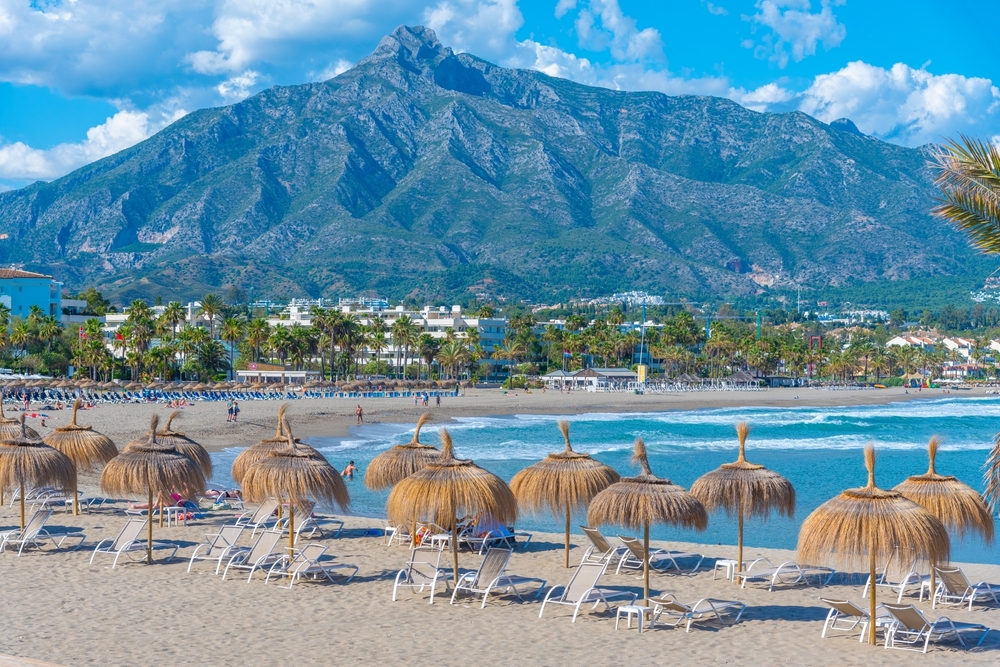
1. The Sun-Soaked Costa del Sol: Golden Sands and Mediterranean Luxury
The Costa del Sol is one of the most renowned regions in Spain for real estate investments, and for good reason. Stretching along the southern coast of Andalusia, this region boasts over 320 days of sunshine per year, making it a magnet for holidaymakers, retirees, and property investors from across Europe.
Key Locations within the Costa del Sol
- Marbella: Synonymous with glamour and luxury, Marbella is famed for its exclusive villas, international ambiance, golf courses, and designer boutiques. Property in Marbella ranges from opulent beachfront estates to contemporary apartments in the vibrant city center.
- Estepona: Once a quiet fishing village, Estepona has transformed into a sought-after destination, offering beautiful beaches, modern marina developments, and charming old townhouses.
- Benalmádena and Fuengirola: These areas are popular with families and buyers seeking beachfront living at more accessible price points. They offer extensive amenities, high-quality schools, and excellent transport links.
Lifestyle and Investment Potential
The Costa del Sol’s popularity means strong rental demand, particularly for holiday lets. Properties close to the beach, golf courses, and marinas offer higher yields. The region continues to attract international buyers due to its cosmopolitan community, abundance of restaurants, cultural events, and world-class healthcare. For those searching for a balance between leisure, luxury, and long-term value, the Costa del Sol stands out as a premier destination.
2. The Timeless Allure of Costa Blanca
The Costa Blanca, stretching from the vibrant city of Alicante in the south to the picturesque town of Denia in the north, is another prime location for property seekers. Known for its turquoise waters, stunning beaches, and mild winters, the Costa Blanca appeals to retirees, families, and investors alike.
The Cities and Towns That Shine
- Alicante: This bustling coastal city offers a perfect blend of urban conveniences, sandy beaches, and a lively cultural scene. Modern apartments, city villas, and seaside penthouses are available at comparatively reasonable prices.
- Benidorm: Famous for its vibrant atmosphere, nightlife, and high-rise apartments with unparalleled sea views, Benidorm is ideal for those who desire an active, cosmopolitan lifestyle close to the beach.
- Jávea and Moraira: These charming coastal towns have become favorites among Europeans longing for tranquility, natural beauty, and an authentic Spanish lifestyle. Villas nestled between mountains and sea offer privacy and spectacular panoramas.
- Torrevieja: With a thriving expat community, affordable properties, and salt lakes offering health benefits, Torrevieja’s real estate market is robust and diverse.
Why Invest Here?
The Costa Blanca’s property prices remain competitive, with steady appreciation and strong demand for both short and long-term rentals. Infrastructure is excellent, and the region’s international airports in Alicante and Valencia enable direct access to the heart of Europe. If you value a healthy Mediterranean lifestyle, affordable luxury, and proximity to blue-flag beaches, Costa Blanca merits serious consideration.
3. The Historic Heart: Andalusia’s Inland Charm
Not everyone dreams of a life at the beach. Spain’s interior, especially the region of Andalusia, offers dramatic mountain vistas, iconic white villages (pueblos blancos), olive groves, and a slower pace of life steeped in tradition. These areas are perfect for those seeking authenticity, tranquility, and heritage.
Gems of the Andalusian Countryside
- Ronda: A mountaintop city famous for its breathtaking gorge and historic bullring, Ronda features atmospheric townhouses and countryside fincas surrounded by vineyards and panoramic landscapes.
- Antequera: Often described as the “Heart of Andalusia,” Antequera’s beautiful architecture, dolmens, and proximity to Málaga make it a well-kept secret for property buyers.
- Arcos de la Frontera and Setenil de las Bodegas: These storybook villages offer traditional homes, a strong sense of community, and access to some of Spain's most picturesque landscapes.
Living the Andalusian Dream
Prices in inland Andalusia are significantly lower than on the coast, offering more room for customization, renovation, and large rural estates. For those interested in rental income, agritourism and rural retreats have become popular for eco-conscious travelers. The region’s food, festivals, and friendly locals ensure that every day feels uniquely Spanish.
4. The Buzz of Major Cities: Madrid and Barcelona
For buyers who thrive on urban energy, culture, and investment potential, Spain’s two largest cities—Madrid and Barcelona—offer dynamic real estate markets and a cosmopolitan lifestyle. Ownership here promises not just a pied-à-terre but a gateway to world-class arts, cuisine, and international business.
Madrid: Spain’s Pulsating Capital
- Historic districts like Salamanca, Chamberí, and Retiro attract buyers seeking majestic apartments with original features and high ceilings.
- Emerging neighborhoods such as Lavapiés and Malasaña are favored for their bohemian vibe, creative energy, and relative affordability.
- The city’s world-renowned museums, economic opportunities, and excellent schools make Madrid irresistible for families and professionals alike.
Barcelona: Mediterranean Metropolis
- Districts like Eixample, Gràcia, and Sarrià-Sant Gervasi offer a diverse mix of modernist apartments, grand boulevards, and leafy retreats just minutes from the beach.
- Barcelona’s international connectivity, strong rental demand, and innovative tech sector fuel a dynamic property market.
- Whether you seek architectural gems by Gaudí or urban penthouses with panoramic views, Barcelona delivers character and convenience.
Urban Investment Advantages
Both cities offer robust rental returns, especially for short-term and business-oriented leasing. Market resilience, long-term appreciation, and a thriving cultural scene make Madrid and Barcelona wise additions to any property portfolio—whether for lifestyle or investment.
5. The Balearic Islands: Island Glamour and Tranquility
Spain’s Balearic Islands—Mallorca, Ibiza, Menorca, and Formentera—offer some of the most exclusive real estate in the Mediterranean. Known for their idyllic beaches, high-end resorts, and vibrant nightlife, the islands are a haven for luxury seekers, celebrities, and discerning property investors.
The Islands at a Glance
- Mallorca: The largest island offers a seductive mix of bustling cosmopolitan life in Palma, romantic mountain villages like Deià and Valldemossa, and world-renowned marinas. Traditional fincas and seafront villas command premium prices backed by global demand.
- Ibiza: Global icons associate Ibiza with chic parties, electronic music, and bohemian soul. Yet, the island also nurtures tranquil retreats and rustic countryside estates hidden amid pine forests.
- Menorca and Formentera: These quieter gems focus on family-friendly living, natural scenery, and a slower pace of life. Smaller developments, historical towns, and unspoiled beaches make them perfect for those prioritizing tranquility.
The Unique Allure of the Balearics
Real estate in the Balearic Islands often sees higher values and stiff competition. The islands offer unmatched exclusivity, strong international appeal, and a seamless blend of tradition and innovation. For buyers seeking privacy, security, and access to a luxury lifestyle, investing in one of the Balearic Islands is an exceptional choice.
6. The Canary Islands: Eternal Springtime and Global Appeal
The Canary Islands, located off the northwest coast of Africa, are famous for their volcanic landscapes, year-round warm climate, and diverse culture. Tenerife, Gran Canaria, Lanzarote, and Fuerteventura are favorites among Europeans drawn by mild winters and affordable properties.
Popular Choices in the Canaries
- Tenerife: Known for its varied climate, lush north, sunny south, and vibrant expat communities. Costa Adeje, Santa Cruz, and Puerto de la Cruz present a range of apartments, villas, and resort-style properties.
- Gran Canaria: Offers urban living in Las Palmas, historic charm in Vegueta, and lively beach life in Maspalomas and Playa del Inglés.
- Lanzarote and Fuerteventura: Prized for their unhurried pace, distinctive landscapes, and lovely seaside villages. Eco homes and modern developments attract nature lovers and families alike.
Why Buy in the Canaries?
The Canary Islands’ tax incentives, affordability, and consistent tourist demand drive strong rental income potential. The islands attract digital nomads, retirees, and nature enthusiasts year-round. Whether you seek wellness, adventure, or simple relaxation, this “Eternal Spring” archipelago has something for every buyer.
7. Northern Spain: The Unexpected Gem
The north of Spain—encompassing Galicia, Asturias, Cantabria, and the Basque Country—remains largely undiscovered by international property seekers. Rolling green hills, dramatic coastlines, and lush forests define this region, which is prized for its authenticity, gastronomy, and high quality of life.
Regional Highlights
- San Sebastián: This jewel of the Basque Country is world-renowned for its beaches, pintxos bars, and Belle Époque architecture. Exclusive villas and modern apartments offer a luxurious, understated lifestyle.
- Santander and Oviedo: These elegant cities combine historic charm, excellent schools, and thriving business sectors with outstanding access to nature.
- Santiago de Compostela: Famous as the culmination of the Camino de Santiago, the city blends medieval streets, Renaissance buildings, and a strong sense of community.
Distinctive Advantages of the North
Property values in northern Spain are highly competitive, and the regions promise superb gastronomy, outdoor adventures, and a welcoming atmosphere. For those seeking a verdant landscape, cooler climate, and the opportunity to explore one of Spain’s best-kept secrets, the north is incomparable.
8. Valencia and Costa de Valencia: The Best of Both Worlds
Valencia, Spain’s third-largest city, and its stunning Costa de Valencia coastline, blend Mediterranean lifestyle with rich history, innovation, and affordability. The city is vibrant yet relaxed, featuring a mix of modern infrastructure, historic architecture, broad sandy beaches, and a world-famous culinary scene.
Highlights of the Area
- Valencia City: Home to the City of Arts and Sciences, lively street festivals, and a burgeoning tech scene, Valencia offers diverse neighborhoods catering to all tastes and budgets.
- Albufera and El Saler: Wonderful natural areas just south of the city famed for paella, rice fields, and pristine beaches. Tranquility and proximity to urban life go hand-in-hand here.
- Sagunto and Cullera: These historic towns combine Roman ruins, beautiful beaches, and a relaxed lifestyle, all within a short drive from the city center.
The Perfect Balance
Valencia’s real estate prices are considered excellent value for a major city. The region’s warm climate, safety, and international schools make it a favorite for family relocation as well as investment. Whether you crave city action or coastal calm, Valencia presents the best of both worlds.
9. Catalonia’s Costa Brava: Rugged Beauty Meets Refinement
The Costa Brava, stretching from the northeast of Barcelona to the French border, is characterized by rocky coves, scenic cliffs, and crystal-clear waters. This region exudes rustic elegance and appeals to those seeking privacy, culture, and sophistication away from the crowds.
Key Destinations
- Begur and Tamariu: Known for their discreet luxury homes, turquoise bays, and gourmet restaurants. Villas here offer seclusion amid spectacular natural scenery.
- Tossa de Mar: A photogenic town with medieval walls, hidden beaches, and a lively summer atmosphere.
- Empordà: Famed for its rolling vineyards, historic estates, and proximity to world-class golf courses.
Costa Brava’s Timeless Appeal
Real estate here commands a premium—reflecting exclusivity, privacy, and a commitment to preservation. The area is especially popular among discerning buyers interested in art, architecture, and authenticity. Summer rentals generate significant returns, especially for well-maintained properties with sea views.
10. The Cost of Property in Spain: What to Expect
Property prices in Spain vary dramatically depending on location, property type, proximity to the coast, and local amenities. On average, prime coastal areas and cities like Madrid, Barcelona, Marbella, and Ibiza command the highest prices per square meter. More remote inland areas, small villages, and less-developed coasts offer greater affordability—often at a fraction of the cost of comparable homes elsewhere in Europe.
Average Price Ranges by Region
- Costa del Sol (Marbella area): €3,000 to €10,000 per m² for prime properties
- Costa Blanca: €1,500 to €4,500 per m², depending on proximity to the sea
- Major cities: Madrid and Barcelona average €3,500 to €8,000 per m² in central districts
- Balearic Islands: €4,000 to €15,000+ per m² for luxury villas
- Inland Andalusia or Northern Spain: €1,000 to €3,000 per m²
Besides the purchase price, buyers should account for property transfer tax (typically 6–10% for resale properties), notary, registry, and legal fees—generally 10–12% of the property value in total. These costs may fluctuate based on local tariffs and transaction specifics.
11. Spanish Residency and Golden Visa Options
For non-EU nationals, Spain offers the opportunity to obtain legal residency through the “Golden Visa” program. By investing €500,000 or more in Spanish real estate, buyers and their immediate family members can secure residency permits that allow for free movement within the Schengen zone. This program has proved particularly attractive to international investors seeking both lifestyle and mobility benefits.
Application Requirements
- Minimum real estate investment of €500,000 (can be met through several properties)
- Proof of sufficient income and valid health insurance
- Clean criminal record
The Golden Visa does not require physical residence in Spain, although it can be converted into permanent residency and eventually citizenship after a qualifying period. This option has made Spain a top destination for global buyers interested in European residency.
12. Legal Considerations for Buying Property in Spain
Purchasing property in Spain is a transparent and secure process, thanks to well-regulated real estate laws and diligent property registries. However, buyers should always engage an experienced legal advisor to review contracts, conduct due diligence, and ensure a seamless transaction experience.
Critical Steps in the Purchase Process
- Obtain a NIE (Número de Identificación de Extranjero): This tax identification number is essential for any property transaction.
- Conduct a Property Search and Reserving the Property: Once a suitable property is found, a reservation contract is signed and a small deposit is usually paid to secure it.
- Legal Due Diligence: The lawyer will check for encumbrances, planning permissions, debts, and legitimacy of the seller.
- Private Purchase Contract: Typically signed after due diligence, a down payment (usually 10%) solidifies the commitment.
- Completion at Notary: The final deed (escritura) is signed in front of a notary, the balance is paid, and ownership is transferred.
- Registration: The buyer’s ownership is registered in the local property registry (Registro de la Propiedad).
Engaging credible professionals—such as lawyers, tax advisors, and agents familiar with the Spanish market—will help safeguard your interests and minimize unexpected challenges during the purchase journey.
13. The Importance of Location: Matching Lifestyle and Investment Objectives
Choosing the best place in Spain to buy a house is a deeply personal decision. Start by clarifying your key motivations: Do you want a vacation retreat, a year-round residence, a buy-to-let investment, or a future retirement home? Consider who will use the property most, the importance of local amenities, distance from airports and hospitals, rental regulations, and potential for appreciation.
Popular Buyer Profiles
- Families: Prefer safe areas close to international schools, parks, and healthcare—often in city suburbs or larger coastal towns.
- Retirees: Value accessibility, quality healthcare, community, and tranquil environments—leading many to Costa Blanca, Costa del Sol, or Mallorca.
- Holiday Rental Investors: Seek property in high-demand tourist areas to maximize occupancy and yield—such as Marbella, Barcelona, or Benidorm.
- Remote Workers: Increasingly look for space, connectivity, and a peaceful setting—often gravitating to rural fincas or up-and-coming towns near major hubs.
It is paramount to physically explore various regions, consult knowledgeable agents, and reflect on long-term needs before making your final choice.
14. Climate: Enjoying Spain’s Year-Round Appeal
Spain’s climate is as diverse as its regions, and the Mediterranean coast, in particular, offers some of Europe's mildest winters and sunniest summers. The Costa del Sol, Costa Blanca, and the Canary Islands promise sunshine almost every day of the year—ideal for beach and outdoor enthusiasts. In contrast, the north is lush and green with occasional rain, reminiscent of the Atlantic coast. The Balearics and Catalonia’s Costa Brava offer warm Mediterranean summers and gentle winters, while the central plateau (Madrid and Castilla-La Mancha) experiences greater seasonal variation.
Factoring climate into your property decision can have a major impact on lifestyle, rental demand, and year-round usability of your home.
15. Infrastructure and Accessibility
Spain benefits from world-class infrastructure, with an extensive network of high-speed trains (AVE), toll roads, international airports, and modern healthcare facilities. For homebuyers, accessibility to transport hubs, hospitals, shopping centers, and quality education is an essential consideration. Many top locations—such as Málaga, Alicante, Valencia, and Palma de Mallorca—offer direct flights to most European capitals, making them ideal for commuters, frequent travelers, or those with visiting family members.
Remote or rural areas may provide greater privacy and value, but it’s important to assess travel time to major amenities and transport links before investing.
16. Lifestyle Factors: Culture, Cuisine, and Community
Spain is celebrated for its cultural richness, regional diversity, and welcoming atmosphere. From Andalusia’s flamenco and festive ferias to Basque Country’s Michelin-starred restaurants, Catalonia’s avant-garde arts, and Valencia’s vibrant fiestas, every corner boasts a unique identity. Expat communities are found throughout the coasts, islands, and major cities, offering a supportive environment for new arrivals while enabling full immersion in Spanish culture and society.
Spanish Cuisine and Social Life
- Locally produced wines, olive oils, and seasonal produce form the basis of Spanish cuisine.
- Tapas bars, open-air markets, and seaside chiringuitos are central to everyday life.
- Regular fiestas, markets, and open-air concerts create a lively calendar throughout the year.
For many buyers, these “intangibles” are as important as practical considerations in making their property purchase a dream come true.
17. Understanding Rental Potential in Spain
Rental income opportunities vary by region, property, and season. Coastal areas with high tourist influx (Costa del Sol, Costa Blanca, Balearic and Canary Islands) generate excellent holiday rental returns, particularly for well-located apartments and villas with sea views. Major cities attract a mix of long-term renters (professionals, students) and high-yield short-term visitors (business, tourism). Inland rural areas offer increasing demand for authentic, eco-tourism experiences, boutique bed-and-breakfasts, and agritourism ventures.
Key Tips for Maximizing Rental Yield
- Ensure your property complies with local tourist rental regulations and licensing requirements.
- Invest in quality furnishings, amenities (such as pools, WiFi, air conditioning), and professional property management for superior guest satisfaction.
- Consider seasonality: high demand is typically from late spring to early autumn on the Mediterranean and islands.
- Promote your property in multiple languages to access a wider audience of international travelers.
Engage experienced rental managers and accountants to optimize your returns, stay compliant, and streamline operations.
18. Tips for Foreign Buyers: Navigating the Process Smoothly
Buying property in a foreign country requires careful planning and support. Here are essential tips for a successful experience:
- Research local markets, visit properties in person, and never rely solely on online descriptions or photos.
- Engage a bilingual solicitor specializing in Spanish property law to review contracts and manage legal checks.
- Plan for additional costs: taxes, legal fees, currency transfer charges, and ongoing expenses (community fees, utilities, local taxes).
- Open a Spanish bank account—required for most transactions and utility setups.
- Understand ongoing obligations as a property owner: local taxes (IBI), community of owners’ fees (if applicable), and non-resident tax declarations.
By taking a proactive approach and securing expert help, foreign buyers can ensure a safe, efficient, and rewarding property acquisition in Spain.
Conclusion: Finding Your Best Place in Spain
The answer to “Wat is de beste plek in Spanje om een huis te kopen?” depends on your individual goals, tastes, and circumstances. From the golden shores of the Costa del Sol to the dramatic cliffs of Costa Brava, from the cosmopolitan pulse of Madrid and Barcelona to the serene villages of Andalusia or the hidden treasures of the north, Spain offers an extraordinary range of options for every buyer.
Consider your lifestyle priorities, budget constraints, property usage, and long-term investment plans. Explore different regions, consult with local experts, and take time to savor the process—Spain is a country best experienced with all the senses.
With expert guidance from IMMO ABROAD, your Spanish property dream can become a confident reality. Discover the place that will become your sanctuary, investment, or new home, and let Spain’s culture, sunshine, and spirit enrich your life for years to come.
Frequently Asked Questions: Buying a House in Spain
1. What documents do I need as a foreigner to buy property in Spain?
You will need a valid passport, a NIE (foreigner’s tax identification number), a Spanish bank account, and proof of income or funds for the purchase. Engaging legal support is highly recommended to manage documentation and ensure a safe purchase.
2. What taxes and fees should I expect?
Purchase taxes range from 6–10% (depending on region and whether new or resale), plus notary, registry, and legal fees (totaling around 10–12% of the property’s value). Ongoing expenses include property tax (IBI), community fees, and utilities.
3. Can I rent out my property when I’m not using it?
Yes, you can rent out your property to holidaymakers or long-term tenants, provided it meets local licensing requirements. Coastal and city locations tend to offer the highest demand and yields, especially during peak tourist seasons.
4. How do I transfer money safely for my property purchase?
Open a Spanish bank account and use reputable currency transfer services for large transactions. Always send funds directly to the notary or seller via your lawyer’s escrow account for maximum security.
5. Are there restrictions on foreigners owning property?
No, foreigners can freely own property in Spain. Non-EU nationals who invest €500,000 or more can also qualify for the “Golden Visa” residency program.
6. Which areas are best for families or retirees?
Popular choices for families and retirees include the Costa Blanca, Costa del Sol, Mallorca, and Valencia due to their excellent healthcare, amenities, and community atmosphere.
7. What should I consider about property maintenance and management?
If you don’t live in Spain year-round, consider hiring a property management service to handle maintenance, utility bills, and rental guest support.
8. How long does the property purchase process take?
From making an offer to completion, a typical purchase transaction in Spain can take 1–3 months, depending on due diligence, financing, and legal checks.
Final Thoughts
Spain’s enchanting regions cater to every taste, from sun-baked coasts to lively cities, mountain retreats, and island escapes. Whether your aim is leisure, investment, or a change of lifestyle, Spain offers a property for everyone. By understanding your priorities, seeking trusted guidance, and immersing yourself in the unique culture and rhythm of Spanish life, you can ensure your property purchase is both successful and deeply fulfilling.
Let IMMO ABROAD be your trusted partner in this exciting journey, helping you find not just a house, but your dream home in Spain.