





Introduction: Why Spain is a Hotspot for Property Buyers in 2025
The allure of Spain’s sun-kissed landscapes, vibrant culture, and diverse regions continues to captivate property buyers worldwide. Even as the European real estate market evolves, Spain’s unique blend of tradition, modernity, and outstanding quality of life stands out as a beacon for homebuyers seeking investment opportunities and personal havens alike. This in-depth guide explores the best regions to buy a house in Spain in 2025, drawing on the latest market trends, local insights, and lifestyle considerations, so you can make a well-informed decision for your future in the Spanish property market.
Spain’s Property Market Overview in 2025
Spain’s housing market in 2025 is characterized by resilience and adaptability, shaped by changing global dynamics, remote work trends, and sustained international interest. The country’s robust infrastructure, political stability, and commitment to high-quality living standards make it a continued top choice for both domestic and international buyers. Certain regions now stand out, offering exceptional value, investment potential, and lifestyle benefits. Let’s first understand the overall landscape before exploring the standout regions.
The Economic Climate and Real Estate Trends
A decade after the recovery from the global financial crisis, Spain’s economy has stabilized, supported by thriving sectors such as tourism, technology, and renewable energy. The real estate market reflects this revival, with urban hotspots, coastal escapes, and tranquil inland havens all attracting different buyer profiles. Demand remains high for both primary residences and holiday homes, with overseas buyers accounting for a significant portion of transactions in some regions.
- Stable price growth in key regions, while emerging areas present better entry points for value investors.
- Increasing interest in sustainable and energy-efficient properties in line with European green initiatives.
- Expanding demand for remote-friendly homes, with space for home offices and outdoor living.
Factors Influencing Regional Attractiveness
When choosing the best regions to buy property in Spain, buyers consider various crucial factors:
- Accessibility: Proximity to international airports, major highways, and public transportation.
- Climate: Preferences range from Mediterranean warmth to cooler, verdant northern locales.
- Lifestyle: Amenities, healthcare, education, leisure, and cultural vibrancy matter.
- Investment Perspective: Price appreciation, rental yield potential, and future economic development are all key considerations.
1. Costa del Sol: Mediterranean Glamour and Investment Value
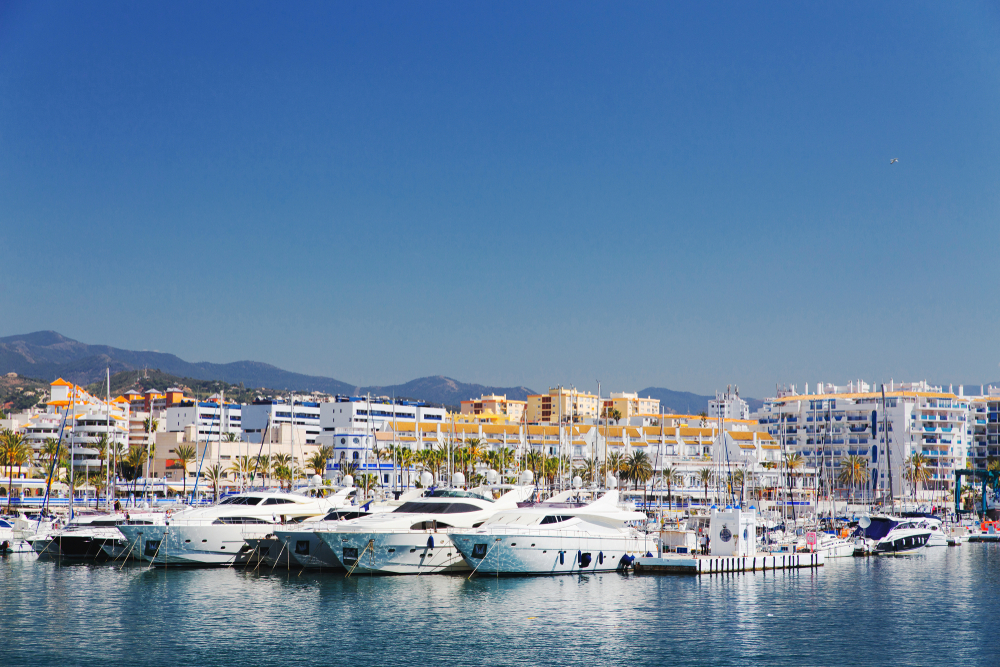
The Costa del Sol, renowned for its golden beaches, luxury resorts, and cosmopolitan atmosphere, remains a perennial favorite for property buyers. Stretching across the Malaga province, this region offers not only exceptional quality of life but also impressive investment potential.
Key Locations within Costa del Sol
- Marbella: Synonymous with luxury living, yacht marinas, golf courses, and high-end gastronomy. Property in Marbella is in continual demand due to its international cachet.
- Estepona: Often described as the "garden of the Costa del Sol," it combines authentic Andalusian charm with modern development and family-friendly environments.
- Benalmádena & Fuengirola: Attractive for their established expat communities, excellent services, and beautiful seafront promenades.
Why Buy in Costa del Sol in 2025?
- Strong demand from both European and international buyers ensures liquidity and capital appreciation.
- Top-tier amenities: International schools, private hospitals, Michelin-starred restaurants, designer shopping.
- Year-round rental market driven by tourism and business.
- Accessibility: Well-connected via Málaga International Airport and major roadways.
A combination of ultra-luxury new developments and charming traditional villas sustained buyer interest, making Costa del Sol an excellent choice for those wishing to blend the Mediterranean lifestyle with robust investment prospects.
2. Costa Blanca: Sun, Sea, and Affordability
The Costa Blanca, stretching along Alicante’s coastline, maintains its reputation as one of Spain’s best-regarded property markets. Famed for its white sandy beaches, turquoise waters, and a perfect climate, Costa Blanca offers both affordable and luxury options catering to a diverse international clientele.
Key Destinations on Costa Blanca
- Alicante: A bustling coastal city with a vibrant old town, modern shopping, and a beautiful marina.
- Javea (Xàbia) & Moraira: Picturesque towns known for their scenic coves, charming old quarters, and upmarket yet relaxed atmosphere.
- Benidorm: Renowned for its high-rise skyline, lively nightlife, and family-friendly attractions. Popular for short-term rentals and investment apartments.
- Torrevieja & Orihuela Costa: Great for those seeking value and lively local amenities, with substantial expatriate communities and year-round activities.
Why Costa Blanca in 2025?
- Excellent affordability compared to other major Spanish coastlines, with a wide variety of properties to suit every budget.
- Exceptional climate, with over 300 sunny days per year.
- High rental demand due to established tourism and long-stay visitors, including many "digital nomads."
- International accessibility via Alicante and Valencia airports.
Costa Blanca is not just a holiday haven; it’s a dynamic region where one can enjoy modern comforts, superb lifestyle benefits, and solid value appreciation—making it a top contender for buyers in 2025.
3. Balearic Islands: Mallorca, Menorca, and Ibiza’s Timeless Appeal
The Balearic Islands—Mallorca, Menorca, Ibiza, and Formentera—have long been the preserve of discerning buyers seeking privacy, natural beauty, and world-class lifestyle offerings. These Mediterranean gems continue to shine not only as holiday hotspots but also as prime property investment destinations.
Mallorca: Diversity in Luxury and Family Living
- Palm de Mallorca: The capital city offers a blend of medieval architecture, chic boutiques, ultra-modern marinas, and vibrant nightlife.
- Sóller, Deià, Valldemossa: Mountain villages renowned for their charm, scenic views, and luxurious rustic estates.
- Santa Ponsa, Andratx, Portals Nous: Prestige areas with spectacular sea views, golf communities, and famous yacht harbors.
Ibiza & Menorca: Contrasting Charms
- Ibiza: Beyond its famous nightlife, Ibiza offers serene rural retreats, beautiful beaches, and exclusive residential enclaves.
- Menorca: Quieter and greener, Menorca is perfect for those seeking privacy, crystal-clear waters, and a slower pace of life.
Why Buy in the Balearics?
- International prestige and high demand fuel property values and future appreciation.
- Strict development regulations preserve the natural environment and limit oversupply, protecting investment value.
- Accessibility via well-serviced airports and ferry links.
For those in search of a retreat with a cosmopolitan lifestyle, the Balearic Islands present an unrivaled Mediterranean option backed by proven long-term value.
4. Barcelona & Costa Brava: Urban Culture Meets Coastal Splendor
Few places offer the excitement of a world-class city coupled with breathtaking coastlines like Barcelona and the Costa Brava. This region attracts a rich mix of buyers—urban enthusiasts, families, investors, and retirees—seeking the best of both city convenience and seaside tranquility.
Barcelona: A Metropolis of Opportunity
- Diverse property options, from cutting-edge city apartments to stately historic homes.
- Thriving tech and creative sectors attract international professionals, boosting rental demand and price stability.
- Culture, education, and connectivity: Home to universities, museums, shopping, and internationally acclaimed gastronomy.
Costa Brava: Rugged Beauty and Prestige
- Begur, Tamariu, Calella de Palafrugell: Attractive cliffside towns with pristine beaches and luxury homes.
- Lloret de Mar, Blanes: Popular with families and second-home buyers.
- Lower density and preserved nature ensure peace and privacy, ideal for discerning buyers.
Barcelona & Costa Brava in 2025
- Strong economic fundamentals sustain property values.
- Excellent rental and resale market due to global appeal.
- High quality of life and sophisticated infrastructure.
Barcelona and its surrounding coast form a dynamic region that appeals to those who want to live, work, and invest in vibrant settings with exceptional connectivity and lifestyle options.
5. Madrid & Surroundings: Spain’s Glorious Capital Region
The Madrid region blends metropolitan excitement with elegant suburban and rural options. An economic and cultural powerhouse, Madrid attracts national and international buyers who desire urban living alongside superb investment potential.
Madrid: The Heart of Culture and Commerce
- Chamberí, Salamanca, Retiro, and Chamartín: Historic neighborhoods with upscale apartments and rich cultural offerings.
- La Moraleja, Pozuelo de Alarcón: Exclusive suburbs with detached family homes and lush green spaces.
- Excellent connectivity to every part of Spain and Europe via Barajas International Airport and AVE high-speed rail.
Investment Highlights in Madrid
- Stable year-round rental demand driven by professionals, students, and expatriates.
- Consistently strong capital appreciation in prime districts.
- Growing tech and innovation sectors offer long-term prospects for property owners.
Whether you seek cosmopolitan city life, vibrant nightlife, or tranquil suburban enclaves, Madrid presents a broad spectrum of opportunities for discerning buyers.
6. Costa de la Luz: Authentic Andalusia and Untapped Potential
The Costa de la Luz (“Coast of Light”) stretches along Andalusia’s westernmost coastline, bordered by the Atlantic Ocean. Distinguished by its unspoiled beaches, charming white-washed villages, and relaxed lifestyle, this region is emerging as a favorite for those seeking authenticity and value.
Key Destinations along Costa de la Luz
- Cádiz: The oldest city in Western Europe, brimming with history, culture, and vibrant festivals.
- Tarifa: Europe’s windsurfing capital with a laid-back, bohemian vibe—and direct views of Morocco.
- Chiclana de la Frontera and Conil de la Frontera: Family-friendly resorts with wide sandy beaches and traditional Andalusian atmosphere.
Costa de la Luz in 2025
- Comparatively affordable property prices with scope for appreciation as the region gains popularity.
- Growing popularity among Spanish and international buyers seeking tranquility and natural beauty.
- Lower-density tourism supports a less congested, more authentic lifestyle.
If you value authenticity, unspoiled nature, and potential for price appreciation, Costa de la Luz is an exceptional choice for 2025.
7. Valencia & Costa de Valencia: Urban Charm and Mediterranean Vibrance
The Valencia region, including its sun-drenched coastal areas, is an increasingly attractive hub for property purchases. Combining a vibrant city, spectacular beaches, and affordable cost of living, Valencia is rapidly climbing lists of top places to live and invest in Spain.
Why Valencia Stands Out
- Valencia City: Modern amenities, historic architecture, green spaces (like the Turia Gardens), top-ranked universities, and a dynamic food scene.
- Alboraya, El Saler, Cullera: Coastal options favored for quieter living near the sea.
- Excellent climate, efficient transport links, and manageable property prices compared to Barcelona and Madrid.
Investment and Lifestyle Benefits
- Strong local economy supporting healthcare, education, and cultural projects.
- Growing tech sector drawing remote workers and international professionals.
- Diverse property options—from city lofts to beachfront villas.
Valencia represents the best of urban Mediterranean living, offering extraordinary value and lifestyle advantages in 2025.
8. Andalucía Inland: Tradition, Tranquility, and Scenic Beauty
Inland Andalucía—spanning the provinces of Córdoba, Granada, Jaén, and inland Málaga—offers an alternative to coastal bustle. Here, buyers discover enchanting hill towns, traditional cortijos (country estates), and a rich tapestry of historic and natural wonders.
Notable Inland Regions
- Ronda: Dramatic clifftop setting, famous bridges, and an authentic Spanish lifestyle amidst olive groves and vineyards.
- Granada: Home to the UNESCO-listed Alhambra, thriving university culture, and picturesque Albayzín old quarter.
- Córdoba: Mezquita cathedral-mosque and flower-filled patios underscore this city’s rich Moorish heritage.
- Antequera and surrounding villages: Ideal for rural retreats and agrotourism investments.
Why Choose Inland Andalucía?
- Lower property prices compared to coastal areas, with excellent potential for price growth as remote living remains popular.
- High quality of life, great gastronomy, and friendly local communities.
- Ideal climate for agriculture and outdoor activities—walking, cycling, horse riding, and more.
For cultural explorers and those seeking a relaxed lifestyle, inland Andalucía combines tradition, community, and affordable opportunities for primary or secondary homes.
9. Northern Spain: Cool Climates, Greenery, & Prestige
Northern Spain, including Asturias, Cantabria, the Basque Country, and Galicia, offers a striking contrast to the Mediterranean south. Here, lush landscapes, rugged coastlines, and vibrant regional cultures create unique property opportunities for buyers prioritizing authenticity and tranquility.
Highlights of Northern Spain
- San Sebastián (Donostia): Known for its beautiful bay, cultural festivals, and world-renowned gastronomy. Property here commands a premium, especially for sea-view apartments and historical mansions.
- Bilbao: A post-industrial success story, now thriving on art, design, and technology, with attractive urban living and investment potential.
- Oviedo and Gijón (Asturias): Cities known for their green spaces, historic centers, and a blend of traditional and modern living.
- Santander (Cantabria): Elegant promenades, pristine beaches, and high-quality infrastructure attract discerning buyers.
- Santiago de Compostela (Galicia): Pilgrimage epicenter offering history, serenity, and distinctive regional architecture.
Why Northern Spain in 2025?
- Mild summer climate—an attractive option as heatwaves intensify elsewhere.
- Low-density tourism and untamed nature provide a tranquil escape.
- Strong cultural identity and culinary tradition.
- Sound property investment potential in prime urban and coastal settings.
Northern Spain’s blend of sophistication, green living, and exclusivity appeals to those seeking prestige properties with a difference, alongside understated luxury.
10. The Canary Islands: Year-Round Sun and Unique Investment Prospects
Off the coast of Africa, the Canary Islands are a year-round holiday paradise, each with a distinct character and real estate market. Popular with retirees, remote workers, and investors, the islands deliver attractive returns and stable weather regardless of season.
Canary Islands Hotspots
- Tenerife & Gran Canaria: Spain’s most populous islands, boasting vibrant city life, luxury resorts, and outstanding healthcare and educational facilities.
- Lanzarote & Fuerteventura: More tranquil, with dramatic volcanic landscapes and laid-back atmospheres. Increasingly sought after by Europeans seeking peace and unbeatable winters.
- La Palma, La Gomera: Smaller isles prized for their natural beauty and exclusivity.
Why Buy in the Canaries?
- Consistently mild climate all year and low cost of living.
- Strong demand for short- and long-term rentals.
- Tax incentives and business opportunities in certain sectors.
- International airports on each main island ensure connectivity.
The Canaries offer a secure property market with unmatched lifestyle convenience and investment resilience, suitable for both personal and rental-focused buyers in 2025.
11. Murcia & Costa Cálida: Spain’s Emerging Mediterranean Secret
The Murcia region and its Costa Cálida, lying between the Costa Blanca and Andalusia, combine value, sunshine, and authentic Spanish culture. Once overlooked, this area now attracts attention from smart investors and those seeking a slower pace of life.
Attractions of Murcia and Costa Cálida
- Mazarrón, Águilas, and La Manga Club resort: Beautiful, lesser-known beaches and resort communities.
- Murcia City: A youthful university city known for architecture, festivals, and fantastic local cuisine.
- Golf resorts and gated residential complexes appeal to families and retirees alike.
Why Invest in Murcia & Costa Cálida?
- Bang for your buck: Lower property prices than Spain’s more famous coasts.
- Growing international interest as buyers seek affordable alternatives to better-known regions.
- Strong rental and second-home market driven by European retirees and long-stay tourists.
- Excellent weather and special microclimate (over 320 sunny days per year).
Murcia is the smart choice for buyers looking for under-the-radar value, Mediterranean charm, and future appreciation potential.
12. Extremadura and Castilla-La Mancha: Rural Retreats for Authentic Living
For those dreaming of a life far from the crowds, Spain’s interior offers extraordinary value and untapped beauty. Extremadura and Castilla-La Mancha are regions steeped in heritage, graced by medieval towns, rolling landscapes, and a slower, more traditional way of life.
Highlights in the Heart of Spain
- Cáceres and Mérida (Extremadura): UNESCO World Heritage cities, famous for Roman and medieval architecture.
- Toledo and Cuenca (Castilla-La Mancha): Hilltop cities with dramatic settings and unparalleled historic charm.
- Traditional fincas and estates: Opportunities to restore classic properties or acquire large plots for agrotourism or eco-living.
Why Consider Rural Spain?
- Extremely affordable properties—vastly less expensive than coastal or urban markets.
- Unspoiled natural parks: ideal for hiking, birdwatching, and sustainable living.
- Growing appeal among teleworkers, artists, and eco-entrepreneurs seeking space and privacy.
- Financial incentives in certain areas for restoration and rural regeneration.
These regions are perfect for pioneers and those committed to rural lifestyles, ecological agriculture, or boutique hospitality projects.
Comparing the Best Spanish Regions for Buying a House in 2025
Before making your decision, it’s important to compare the regions across several criteria—investment potential, lifestyle benefits, connectivity, climate, amenities, and price trends.
Lifestyle Priorities
- For luxury and prestige: Costa del Sol, Marbella, Balearics, and Northern Spain’s San Sebastián.
- For affordability: Murcia, Inland Andalucía, Extremadura, and Costa Cálida.
- For remote working: Costa Blanca, Valencia, and Canary Islands—excellent digital infrastructure and year-round appeal.
- For family living: Madrid’s suburbs, Alicante/Javea, and even coastal areas of Costa Blanca and Costa Brava.
- For vibrant urban living: Madrid, Barcelona, Valencia.
- For retirement idyll: Costa Blanca, Balearic Islands, Canary Islands.
Investment Considerations
- Best potential for capital growth: Costa Blanca, Balearics, Madrid, and select up-and-coming cities in Valencia and Murcia.
- Rental yield focus: Barcelona, Madrid, Costa del Sol, Canary Islands, and holiday rental zones in Alicante, Murcia, and Costa Brava.
- Affordable entry points with upside: Inland Andalucía, Costa de la Luz, Murcia, and rural Castilla-La Mancha.
How to Choose the Right Region for You
Identifying the best region to purchase a house in Spain is as much about lifestyle as it is about numbers. Here’s what to consider when narrowing your options:
- Define your key priorities—Is it investment, lifestyle, climate, family needs, or remote work suitability?
- Assess your long-term plans—Will the property be for holidays, permanent relocation, or rental income?
- Visit shortlisted areas—Experience local culture, amenities, and pace of life.
- Evaluate infrastructure and services—Access to healthcare, education, airports, and transport.
- Consult reputable local professionals who understand both the market and legal framework.
Buying Process in Spain: What to Expect
A clear understanding of the Spanish property acquisition process is crucial for a smooth, successful purchase. Here is what you need to know when buying your dream home in Spain:
Step-by-Step Overview
- Preliminary Research: Identify regions, set a budget, and compile a shortlist of preferred property types.
- Engage IMMO ABROAD: Rely on experience and local knowledge throughout the property search, negotiation, and transaction phases.
- Property Visits and Due Diligence: Conduct thorough inspections, review property and land registry documents, and confirm building licenses.
- Reservation and Contracts: Once you select a property, typically sign a reservation agreement and place a holding deposit.
- Legal Checks: Spanish notaries and specialist lawyers conduct comprehensive due diligence to ensure legal ownership and absence of debts or charges.
- Completion: Sign the Title Deed (“Escritura de Compraventa”) at the notary office, pay the balance, and register the property in your name.
Important Legal and Financial Considerations
- Taxation: Be aware of property transfer taxes (ranging from 6% to 10%), notary and registry fees, annual council taxes (IBI), and, for some, non-resident ownership taxes.
- Financing: Spanish banks provide competitive mortgages to foreign buyers, usually up to 60-70% of the property value.
- Residency: Buying property may also facilitate residency via Spain’s “Golden Visa” program (with minimum investment thresholds).
IMMO ABROAD ensures your purchase is legally compliant and as stress-free as possible, supporting you through every step.
Future Prospects: What Will Shape Spain’s Property Market?
Looking forward to the rest of the decade, several trends will influence where and how buyers invest in Spanish real estate:
- Sustainability and Eco-Innovation: Demand increasing for energy-efficient homes, smart technologies, and properties in areas with protected natural surroundings.
- Changing Work Patterns: Hybrid and remote work will fuel interest in regions with digital infrastructure and lifestyle amenities.
- Health and Wellness: Proximity to outdoor spaces, healthcare, and wellness-oriented developments are increasingly valued.
- Diversification: Investors are spreading risk across multiple property types and regions, not solely relying on tourism hotspots.
- Urban Renewal: Spanish cities are revitalizing historic districts, boosting both residential appeal and investment opportunities.
- Population Movement: Ongoing demographic change favors regions offering affordable family housing, education, and employment.
By keeping an eye on these macro trends and choosing regions with stable fundamentals and future-facing potential, property buyers are well-positioned to benefit from their Spanish home purchase well beyond 2025.
Conclusion: Spain’s Best Regions—Where Opportunity Meets Lifestyle
By 2025, Spain's property market is defined by diversity, quality, and resilience. Whether you yearn for cosmopolitan excitement in Madrid or Barcelona, crave Mediterranean leisure on the Costa del Sol or Balearic Islands, or seek authentic rural living in lesser-known interiors, Spain offers a region to perfectly match your vision.
With careful research, professional guidance from IMMO ABROAD, and clarity about your personal and investment goals, you can confidently navigate the world of Spanish real estate and secure your dream home, whatever your priorities may be.
Start your journey today and discover the region that will become your perfect home in Spain in 2025.
Frequently Asked Questions About Buying in the Best Regions of Spain
Is it better to buy on the coast or inland?
Spain offers high-quality options both on the coast and inland. The coast is ideal for those seeking a sunny lifestyle, rental income from tourism, and easy access to beaches and amenities. Inland regions provide affordability, tranquility, and authentic Spanish culture. The best choice depends on your lifestyle, budget, and investment priorities.
Are property prices expected to rise in 2025?
Analysts project modest price growth in popular areas, especially coastal and urban centers, due to strong demand and stable economic conditions. Emerging regions—such as Murcia, inland Andalucía, and the Costa de la Luz—are also forecast to appreciate as buyers seek better value. Spain’s property market remains attractive for long-term investment.
Can foreigners buy property easily in Spain?
Yes, Spain makes it relatively straightforward for foreigners to purchase property. There are no specific restrictions, though buyers must obtain an NIE (Número de Identificación de Extranjero) and comply with standard legal and tax procedures. IMMO ABROAD can guide you through every step.
What types of properties are most in demand?
In 2025, high demand continues for:
- Villas with pools in the Mediterranean regions
- Luxury apartments in cities and established coastal markets
- Renovated rustic properties in traditional villages
- Modern, energy-efficient homes and apartments
Is rental income still strong in 2025?
Yes, especially in tourist hotspots, major cities, and regions with high international visitor numbers. Short-term letting is most lucrative in the Balearic Islands, Costa del Sol, and Barcelona, while long-term yields are robust in Madrid, Valencia, and coastal towns with expat populations.
How do I ensure a secure and legal purchase?
Always engage IMMO ABROAD and experienced legal professionals to conduct due diligence, confirm title and land registry details, manage contracts, and advise on taxes and financing. Avoid making payments before legal checks are complete.
What are closing costs and taxes when buying a home in Spain?
Typical closing costs include:
- Transfer tax: 6-10% of purchase price
- Notary and land registry fees: 1-2%
- Legal advisor fees: variable, typically a flat fee or 1-2%
- Minor administrative costs
Can I finance my property as a non-resident?
Yes, Spanish banks offer mortgages for non-residents, generally financing up to 60-70% of the purchasing price. Criteria include proof of income, credit history, and property appraisal.
Which regions are most suitable for remote work?
Coastal cities (Valencia, Alicante, Malaga), the islands (Canary & Balearic), Costa Blanca, and certain parts of Madrid and Barcelona have outstanding digital infrastructure, international transport links, and vibrant expat scenes—making them ideal for remote workers.
Should I buy new build or resale property?
New builds offer modern layouts, energy efficiency, and lower maintenance needs but can command a premium. Resale properties offer character, potential for renovation, and established neighborhoods. The best option depends on your taste, budget, timeframe, and willingness to oversee upgrades.
Every region in Spain has unique offerings suited to different lifestyles and investment preferences. With IMMO ABROAD’s expert guidance, you are sure to find the best fit among Spain’s most desirable regions in 2025—making your dream of owning a home in Spain a rewarding reality.