


Introduction to Eco Prefabricated Houses in Spain
In recent years, the concept of eco prefabricated houses has revolutionised the real estate and construction sectors across Spain. Blending sustainability, innovation, and efficiency, these homes present an attractive alternative for homeowners seeking both environmental consciousness and architectural sophistication. As Spain continues its journey towards greener living, eco prefabricated houses have emerged as a pivotal solution, offering streamlined construction processes, reduced ecological footprints, and remarkable adaptability to diverse climates and terrains.
This comprehensive guide delves into every aspect of building an eco prefabricated house in Spain. It explores the principles underpinning these structures, the nuances of the Spanish market, regulatory considerations, design strategies, advanced technologies, and the step-by-step process from concept to completion. Whether you are a prospective homeowner, investor, or simply interested in sustainable architecture, this article offers in-depth insights tailored to Spain's unique context.
Understanding Eco Prefabricated Houses
Defining Eco Prefabricated Houses
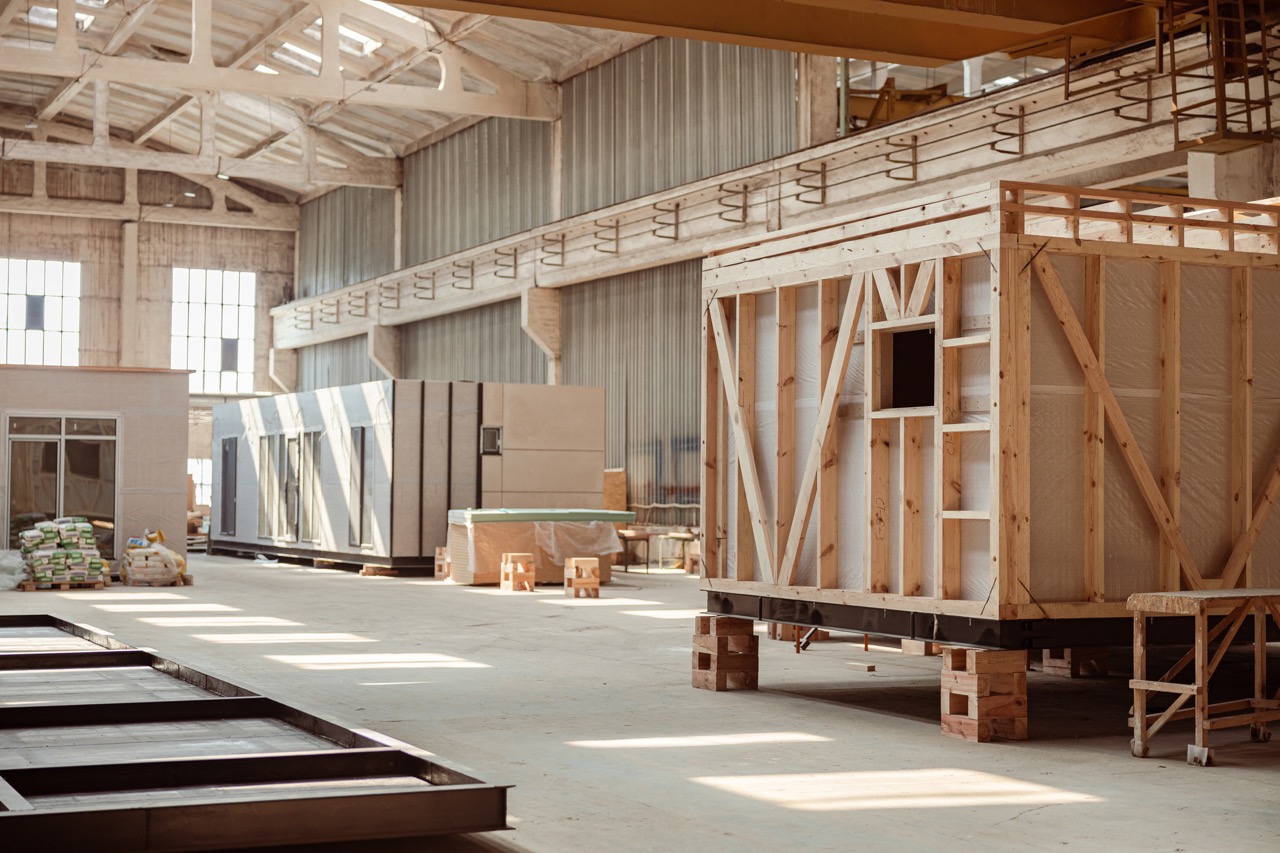
Eco prefabricated houses, often called "eco prefab homes," are dwellings constructed using environmentally friendly materials and energy-efficient methods, with components manufactured off-site in controlled environments. Prefabrication involves assembling sections—such as walls, floors, and roofs—at a factory before transporting them to the building site for final assembly. This method ensures precision, reduces waste, and speeds up construction timelines.
The “eco” aspect refers to both the materials used and the house's overall performance. These homes typically incorporate renewable resources, recycled content, superior insulation, and sustainable energy solutions. The result is a structure that minimises environmental impact, optimises resource use, and often achieves a healthier indoor environment for its occupants.
Key Features of Eco Prefabricated Houses
- Energy Efficiency: Advanced insulation, airtight construction, and often integrated renewable energy systems such as solar panels or heat pumps.
- Sustainable Materials: Use of responsibly sourced timber, recycled steel, low-VOC (volatile organic compounds) finishes, and non-toxic insulation materials.
- Precision Engineering: Factory production minimises material waste and ensures consistent quality.
- Reduced Construction Time: On-site assembly is significantly quicker than traditional builds, reducing disruption and labour costs.
- Adaptability: Designs can be customised to suit local climates, topography, and personal preferences, while maintaining ecological integrity.
The Spanish Context: Why Choose Eco Prefabricated Houses?
Spain’s Commitment to Sustainability
Spain has made considerable strides in sustainability, reflected in national and regional initiatives targeting energy efficiency, renewable energy adoption, and sustainable urban development. The Spanish government’s commitment to the European Green Deal and its own “Plan Nacional Integrado de Energía y Clima” underscores a long-term vision for a carbon-neutral future.
Eco prefabricated houses align seamlessly with these objectives, offering homeowners an effective means to contribute to environmental goals while enjoying modern, comfortable living spaces. The Mediterranean climate, with its warm summers and mild winters, further enhances the advantages of energy-efficient homes, reducing the need for excessive heating or cooling.
Market Trends and Demand
The demand for eco prefabricated houses in Spain has surged, driven by several factors:
- Eco-Conscious Buyers: Increasing environmental awareness among residents and expatriates seeking sustainable lifestyles.
- Efficiency and Cost Savings: Energy-efficient homes promise lower utility bills and long-term operational savings.
- Design Flexibility: Modern prefab technologies allow for bespoke designs, appealing to a broad spectrum of tastes and budgets.
- Regulatory Incentives: Government grants and incentives for eco-friendly construction bolster market growth.
- Rapid Urbanisation: Prefab solutions address the need for quick, high-quality housing amid growing urban populations.
Regional Preferences
While eco prefabricated houses are gaining traction nationwide, certain regions in Spain have become particular hotspots:
- Costa del Sol & Costa Blanca: Popular among international buyers, these coastal areas favour eco homes for their low maintenance and energy-saving capabilities.
- Catalonia and the Balearic Islands: Strong regional policies supporting sustainability make these regions fertile ground for eco prefab developments.
- Andalusia: The hot, dry climate intensifies the need for efficient cooling, making eco prefab homes especially attractive.
Planning Your Eco Prefabricated Home: Initial Steps
Establishing Your Requirements
The journey toward your dream eco prefabricated house in Spain begins with a thorough assessment of your needs and aspirations. Consider the following factors:
- Size and Layout: How many bedrooms and bathrooms are required? Do you need open-plan living, dedicated workspaces, or guest suites?
- Site Selection: Urban or rural? Coastal or inland? Accessibility, orientation, and plot characteristics will influence design and performance.
- Budget: While eco prefab homes offer long-term savings, initial investment varies based on size, finishes, and technological features.
- Design Preferences: Are you drawn to contemporary minimalism, rustic charm, or traditional Spanish architecture reinterpreted sustainably?
- Future-Proofing: Consider how your needs may evolve over time—flexible spaces, accessibility features, and expansion potential are worth factoring in.
Research and Inspiration
Gathering inspiration is a crucial step. Explore case studies of eco prefab homes in Spain, visit show homes, and engage with architectural publications. These resources can illuminate possibilities and help refine your vision. It is also beneficial to consult with architects and builders specialising in eco prefabricated designs to better understand current trends, materials, and innovations that can be tailored to your project.
Engaging Professional Support
Partnering with professionals experienced in Spanish real estate and eco construction is indispensable. From land acquisition to architectural design, permitting, and construction, expert guidance ensures your project proceeds smoothly, complies with all regulations, and achieves the desired standards of quality and sustainability.
Land Acquisition and Site Assessment
Choosing the Right Plot
Selecting a suitable plot is foundational to the success of your eco prefabricated house. Key considerations include:
- Orientation: South-facing plots maximise solar gain, enhancing energy efficiency.
- Topography: The slope, drainage, and soil type affect the foundation and overall design.
- Access: Proximity to roads, utilities, and amenities should align with your lifestyle needs.
- Local Climate: Microclimates within Spain can influence heating, cooling, and water management strategies.
- Legal Status: Ensure the plot is zoned for residential construction and free of legal encumbrances.
Site Surveys and Technical Assessments
Before purchasing land, conduct detailed surveys and technical analyses, including:
- Topographical Survey: Maps out the land’s contours, boundaries, and existing features.
- Geotechnical Study: Assesses soil composition and stability to inform foundation design.
- Environmental Impact Assessment: Especially important for protected or sensitive areas, this ensures compliance with environmental regulations.
Utilities and Infrastructure
Confirm the availability of essential utilities:
- Electricity and water connections
- Sewage or septic systems
- Internet and telecommunications
- Access roads and public transport options
Where infrastructure is lacking, alternative solutions—such as solar power, rainwater harvesting, or off-grid waste treatment—may be integrated into your design.
Spanish Legal and Regulatory Framework
Building Permits and Approvals
Navigating Spanish building regulations is a critical aspect of your project. Building permits are issued by local town halls (Ayuntamientos) and require detailed submissions, including architectural plans, technical reports, and proof of compliance with zoning laws.
- Preliminary Consultation: Engage with the local planning office early to understand specific requirements for your municipality.
- Project Submission: Your architect will prepare a comprehensive project dossier, including environmental and energy efficiency certifications.
- Review and Approval: Authorities review the submission, request modifications if necessary, and grant the building permit (Licencia de Obra Mayor).
Regulations Specific to Prefabricated and Eco Construction
While prefab homes are increasingly recognised, some municipalities may have specific stipulations regarding off-site construction or non-traditional materials. Additionally, eco features—such as living roofs, greywater systems, or biomass heating—may require supplementary approvals or inspections.
It is essential to ensure all technical documentation, energy performance certificates (Certificado de Eficiencia Energética), and environmental impact assessments are meticulously prepared and submitted.
Taxation and Incentives
Spain offers various incentives to encourage sustainable construction, including reduced VAT rates for energy-efficient upgrades, grants for renewable energy installations, and regional subsidies for eco-friendly building practices. Consult with a local tax advisor to maximise the benefits available for your project.
Design Principles for Eco Prefabricated Houses
Passive Design Strategies
Passive design harnesses natural energy flows to regulate indoor temperatures and enhance comfort:
- Orientation: South-facing windows maximise winter sun while overhangs or shutters prevent summer overheating.
- Thermal Mass: Materials such as concrete or stone can absorb and release heat, stabilising indoor temperatures.
- Ventilation: Cross-ventilation and strategically placed openings promote natural cooling and air quality.
- Insulation: High-performance insulation in walls, roofs, and floors minimises energy loss.
Material Selection
Eco prefabricated homes in Spain frequently utilise:
- Certified Timber: Sustainably sourced wood offers low embodied energy and a warm aesthetic.
- Recycled Content: Reclaimed steel, composite panels, or recycled insulation materials reduce resource consumption.
- Natural Finishes: Lime or clay plasters, low-VOC paints, and untreated wood enhance indoor air quality.
Renewable Energy Integration
Incorporating renewable energy systems is central to eco home design:
- Solar Photovoltaic (PV) Panels: Generate electricity for household use or feed excess energy back into the grid.
- Solar Thermal Panels: Provide hot water and supplement space heating.
- Air Source or Ground Source Heat Pumps: Extract ambient heat for efficient space heating and cooling.
- Biomass Boilers: Utilise organic waste or wood pellets for renewable heating.
Water Conservation
Efficient water use is especially important in Spain’s drier regions. Design features may include:
- Low-Flow Fixtures: Reduce water consumption without sacrificing comfort.
- Rainwater Harvesting: Collects and stores rainwater for irrigation or even potable use (with appropriate treatment).
- Greywater Recycling: Reuses water from showers or sinks for toilet flushing or landscaping.
Step-by-Step Construction Process
1. Detailed Design and Engineering
Following conceptual design, architects and engineers develop detailed plans, structural calculations, and specifications tailored to your site. This phase finalises floor plans, elevations, energy models, and the selection of prefabricated components and eco technologies.
2. Prefabrication of Components
In a climate-controlled factory, skilled technicians fabricate the house’s structural elements according to precise specifications. This process ensures:
- Consistent quality and finish
- Reduced material waste and environmental impact
- Minimised exposure to weather-related delays
3. Site Preparation and Foundations
While the house is being fabricated off-site, the building plot is prepared for assembly:
- Groundworks: Clearing, grading, and levelling the land
- Foundation: Laying slab, pile, or strip foundations suitable for the soil type and house design
- Utility connections: Installing necessary pipes, ducts, and cables for water, electricity, and waste
4. Transportation and On-Site Assembly
Prefabricated modules or panels are transported to the site using lorries or cranes. The assembly process typically takes a matter of days or weeks, depending on the complexity and size of the home. Precision fit and finish are hallmarks of modern prefab construction, ensuring airtightness and structural integrity.
5. Internal Fit-Out and Systems Installation
Skilled tradespeople complete the internal fit-out, including:
- Electrical and plumbing systems
- Heating, ventilation, and air conditioning (HVAC)
- Renewable energy systems installation
- Final finishes, flooring, and cabinetry
6. Quality Assurance and Handover
Comprehensive inspections ensure every aspect of the house meets design, safety, and environmental standards. Once approved, the house is handed over to the owner, ready for occupation.
Technological Innovations in Eco Prefabricated Houses
Smart Home Integration
Today’s eco prefabricated houses in Spain are often equipped with cutting-edge smart technologies:
- Automated Lighting and Climate Control: Smart thermostats, sensors, and voice-controlled systems optimise comfort and reduce energy consumption.
- Remote Monitoring: Mobile apps allow homeowners to monitor energy use, security, and system performance from anywhere.
- Integrated Renewable Management: Systems that balance solar, grid, and battery storage for maximum efficiency.
Advanced Building Materials
Innovation in building materials has propelled the performance of eco prefab homes:
- Structural Insulated Panels (SIPs): Pre-fabricated panels with superior insulation and strength.
- CLT (Cross-Laminated Timber): Engineered wood panels that offer robustness, fire resistance, and low carbon footprint.
- High-Performance Windows: Triple-glazed, low-emissivity glass enhances thermal performance and acoustic comfort.
Modular Design and Expansion
Modular construction enables homeowners to expand or modify their living space over time. Additional modules—such as guest suites, home offices, or studios—can be seamlessly integrated as needs evolve, offering unparalleled flexibility.
Interior Design and Finishing Touches
Creating Healthy Indoor Environments
Eco prefabricated houses place a strong emphasis on occupant well-being. Strategies include:
- Natural Light: Large windows and open layouts maximise daylight, reducing the need for artificial lighting.
- Air Quality: Mechanical ventilation with heat recovery (MVHR) ensures continuous fresh air and controls humidity.
- Non-Toxic Materials: Avoiding harmful chemicals in paints, adhesives, and finishes supports a healthier living environment.
Spanish Aesthetics with a Modern Twist
Marrying Spanish architectural traditions with contemporary eco design creates striking interiors:
- Terracotta Tiles: Durable and timeless, ideal for flooring or accent walls.
- Exposed Timber Beams: Celebrating natural materials and craftsmanship.
- Whitewashed Walls: Reflective surfaces brighten spaces and evoke Mediterranean charm.
- Indoor-Outdoor Living: Seamless transitions to terraces, courtyards, and gardens enhance lifestyle and connection to nature.
Bespoke Solutions
Custom cabinetry, built-in storage, and flexible furniture solutions optimise space and functionality in eco prefab homes. Kitchens and bathrooms are designed for efficiency, durability, and visual appeal, with a focus on water-saving appliances and recycled or renewable materials.
Landscaping and Outdoor Living
Eco-Friendly Landscaping
Outdoor spaces are integral to the Spanish lifestyle. Eco-friendly landscaping strategies include:
- Native Plantings: Indigenous species require less water and maintenance, supporting biodiversity.
- Permeable Surfaces: Gravel, permeable pavers, and green roofs reduce runoff and support groundwater recharge.
- Edible Gardens: Incorporate vegetable patches, fruit trees, and herb gardens for a sustainable food source.
- Water-Efficient Irrigation: Drip systems and moisture sensors minimise water use.
Outdoor Living Areas
Designing for the Mediterranean climate means creating inviting outdoor living spaces:
- Shaded patios and pergolas for al fresco dining
- Natural swimming pools with ecological filtration
- Solar-powered lighting for ambiance and security
- Rain gardens and bioswales for stormwater management
Cost Analysis and Financial Considerations
Initial Investment
The cost of building an eco prefabricated house in Spain varies based on location, size, design complexity, and the level of eco integration. While upfront costs may be comparable to or slightly higher than traditional builds, the long-term savings and added value often outweigh the initial premium.
- Land Acquisition: Prices fluctuate significantly by region and proximity to urban centres or the coast.
- Design and Engineering: Custom designs and advanced engineering may carry additional fees.
- Prefabrication and Construction: Factory fabrication streamlines costs and reduces on-site labour requirements.
- Eco Technologies: Renewable energy systems, high-performance insulation, and smart home features represent a significant but rewarding investment.
Operational Savings
Eco prefabricated homes are designed for efficiency, translating into tangible financial benefits:
- Lower heating and cooling bills due to superior insulation and passive design
- Reduced water costs with efficient fixtures and harvesting systems
- Potential earnings from feeding excess solar electricity back into the grid
Resale Value
As demand for sustainable living grows, eco prefabricated homes in Spain are increasingly attractive to buyers. Superior energy performance, modern amenities, and healthy environments enhance resale potential and can command a premium in the market.
Financing Options
Several Spanish banks and financial institutions offer green mortgages and favourable loan terms for eco-friendly construction projects. These often feature preferential interest rates, longer repayment terms, or additional incentives for achieving specific energy performance targets.
Common Challenges and Solutions
Overcoming Regulatory Hurdles
While Spain’s regulatory environment is evolving rapidly, some municipalities may be less familiar with prefabricated or eco construction. Proactive engagement with local authorities, clear communication, and thorough documentation are essential.
Logistics and Transportation
Transporting large prefab modules to remote or mountain sites can present logistical challenges. Early planning and collaboration with experienced logistics providers ensure smooth delivery and assembly.
Design Adaptation
Adapting international prefab designs to Spanish climatic and regulatory conditions is vital. Working with local architects and engineers familiar with regional nuances guarantees optimal performance and compliance.
Supply Chain Considerations
Sourcing certified eco materials may require additional lead time. Building relationships with trusted suppliers and maintaining flexibility in material selection can help mitigate delays.
Case Studies: Exceptional Eco Prefabricated Homes in Spain
Case Study 1: Mediterranean Minimalism in Andalusia
Nestled in the sun-drenched hills of Andalusia, this eco prefabricated house exemplifies the synergy of modern design and regional tradition. South-facing glass facades capture winter sunlight, while deep eaves shield interiors from summer heat. Locally sourced cork insulation, solar PV panels, and a greywater recycling system deliver year-round comfort with minimal environmental impact.
Case Study 2: Coastal Comfort in Costa Blanca
A family retreat on the Costa Blanca showcases the potential of modular construction for seaside living. Factory-built timber modules are assembled in just three weeks, minimising disruption to the surrounding ecosystem. Natural stone finishes, native landscaping, and a smart home system create a harmonious blend of technology and tradition.
Case Study 3: Urban Innovation in Barcelona
In the heart of Barcelona, a compact eco prefab house demonstrates how sustainable living can thrive in urban settings. Rooftop solar panels, high-performance glazing, and green walls reduce the urban heat island effect. Flexible interior spaces adapt to changing family needs, reflecting the versatility of modern prefab design.
Maintenance and Longevity of Eco Prefabricated Houses
Durability and Material Performance
Eco prefabricated houses are engineered for durability, with materials selected for their resilience and low maintenance requirements. Certified timber, composite cladding, and weather-resistant finishes withstand Spain’s varied climates, from coastal humidity to mountain frosts.
Routine Maintenance
Maintaining an eco prefab home involves:
- Periodic inspections of roofing, cladding, and windows
- Servicing renewable energy and mechanical systems
- Monitoring for moisture or ventilation issues
- Updating smart home software and controls
With proper care, eco prefab homes offer decades of comfortable, efficient living.
Frequently Asked Questions
How long does it take to build an eco prefabricated house in Spain?
From initial design to completion, most projects can be realised within 6 to 12 months—significantly faster than traditional construction.
Are eco prefab homes more expensive than conventional houses?
While the initial investment may be marginally higher due to advanced materials and technologies, long-term savings on energy, water, and maintenance often deliver a lower total cost of ownership.
Can I customise my eco prefab house?
Absolutely. Modern prefab systems offer remarkable design flexibility, enabling bespoke layouts, finishes, and integrated technologies to suit your preferences and lifestyle.
Is it possible to build off-grid?
Many eco prefab homes in Spain are designed for off-grid living, with solar panels, battery storage, rainwater harvesting, and advanced waste treatment systems supporting self-sufficiency.
Future Prospects: The Evolution of Eco Prefabricated Houses in Spain
Increasing Demand and Innovation
The Spanish eco prefab market is poised for continued growth, fuelled by evolving consumer preferences, technological advances, and strong policy support. The integration of artificial intelligence, robotics, and circular economy principles promises even greater efficiency and sustainability in future developments.
Community and Cohousing Models
Innovative community models, such as eco villages and cohousing projects, are gaining popularity. These developments leverage the scalability of prefab construction and the shared ethos of sustainability, fostering vibrant, resilient communities.
Policy and Urban Planning
Municipalities are increasingly incorporating eco prefab homes into urban and rural development plans. Streamlined permitting processes, financial incentives, and public-private partnerships are accelerating the adoption of sustainable building practices across Spain.
Conclusion: Realising Your Eco Prefabricated Dream Home in Spain
Building an eco prefabricated house in Spain represents a powerful convergence of innovation, sustainability, and lifestyle enhancement. From the sunlit coasts to the serene countryside, these homes offer a path to comfortable, efficient, and responsible living. With careful planning, expert guidance, and a commitment to quality, your vision of a modern, eco-friendly Spanish residence can become a reality—contributing to a brighter, greener future for you and generations to come.
Whether you are seeking a primary residence, holiday retreat, or investment property, eco prefabricated homes provide unmatched opportunities for design, efficiency, and value. As Spain continues its journey towards sustainable development, there has never been a more exciting time to embrace the possibilities of eco prefab living.