





Introduction: The Allure of La Palma Real Estate
La Palma, one of the most enchanting islands in Spain’s Canary archipelago, is steadily emerging as a prime location for property investment. Its mesmerizing landscapes, lush forests, volcanic wonders, and year-round temperate climate make it an irresistible location for those looking to purchase a house. Securing your dream home in La Palma not only opens the door to idyllic island living but also represents a sound investment in a thriving real estate market that remains fiercely sought after. This comprehensive guide, meticulously crafted by IMMO ABROAD, gives you a detailed and professional roadmap for buying a house in La Palma, from understanding the local market nuances to making your property investment a sustainable success.
La Palma: An Island Paradise for Property Buyers
Known as “La Isla Bonita”, or the beautiful island, La Palma has earned its reputation due to its unspoiled natural scenery, star-studded skies, and vibrant local culture. Unlike some of its busier neighbors in the Canary Islands, La Palma has retained its authentic charm, offering a relaxed pace of life amid striking landscapes. This blend of tranquility and natural splendor is one of the primary reasons international buyers and investors are turning their gaze toward La Palma.
The opportunity to own a home here ranges from traditional Canarian fincas nestled in lush valleys to sleek, modern villas perched atop volcanic cliffs with panoramic ocean views. Whether your ambition is a restful holiday retreat, an eco-friendly oasis, or a robust investment with rental potential, La Palma provides an array of options to suit every taste.
- Diverse Property Types: Historic cottages, newly-constructed residences, rural estates, and impressive seafront villas.
- Stable Real Estate Market: La Palma’s property values have remained relatively insulated from the volatility seen elsewhere, promising long-term growth.
- International Accessibility: With direct connections to several European cities and excellent local infrastructure, La Palma is both secluded and accessible.
Understanding the La Palma Real Estate Market
Any successful investment begins with a thorough understanding of the local real estate market. La Palma’s housing sector is characterized by its remarkable diversity and solid transparency. Unlike Spain’s most expensive tourist enclaves or mega-development zones, La Palma offers competitive prices and less speculation, which translate into prudent and sustainable investments for both residents and foreigners.
Key Market Trends
In recent years, La Palma has experienced a surge in demand, particularly from Northern Europeans seeking a milder climate, safe environment, and a strong sense of community. Inventory remains steady, with occasional peaks in demand triggered by macroeconomic shifts or global travel trends. Meanwhile, the average asking price for homes in both urban and rural zones has seen measured growth, reflecting the island’s increasing appeal without the “bubble” dynamics noted in other Spanish regions.
- Consistent Appreciation: While prices rise gradually, the increases are considered sustainable and supported by genuine demand rather than speculative activity.
- Robust Rental Market: Holiday and long-term rentals are in high demand, making buy-to-let opportunities especially attractive.
- Emphasis on Sustainability: Many buyers prioritize homes with traditional Canarian architecture, eco-friendly amenities, and integration into the landscape.
Neighborhoods and Regions: Where to Buy?
La Palma consists of a tapestry of regions, each with its own character. Deciding where to buy your dream property depends on your priorities, such as tranquility, proximity to amenities, breathtaking natural sights, or investment potential.
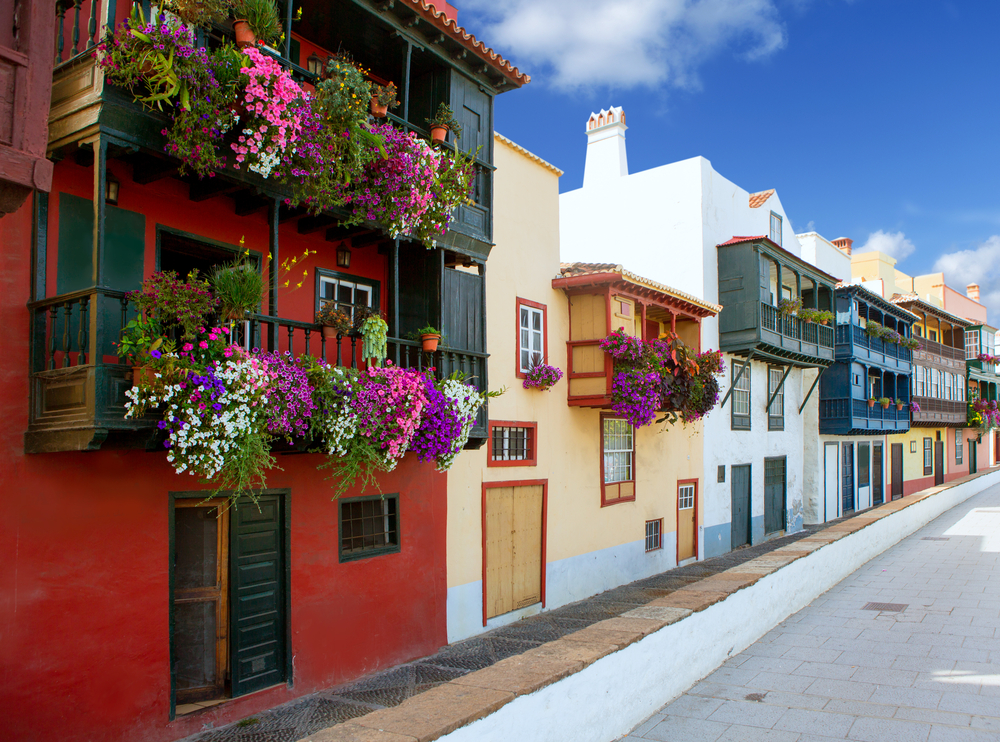
- Santa Cruz de La Palma: The vibrant island capital features colonial charm, colorful architecture, and a lively arts scene. Homes here appeal to cosmopolitan buyers.
- Los Llanos de Aridane: Set in the sunny west, this urban hub offers a blend of city convenience and proximity to nature, with shops, schools, and medical facilities.
- Tazacorte & Puerto Naos: Renowned for their sunny microclimate and beachfront atmosphere, these areas are perfect for lovers of sun and sand.
- Barlovento & Garafía: These northern zones attract buyers seeking privacy, lush greenery, and authentic rural experiences.
- El Paso, Tijarafe, Puntagorda: Smaller communities nestled on hillsides or in fertile valleys, offering tranquility, space, and opportunities for agricultural projects.
Types of Properties: From Traditional to Contemporary
La Palma’s real estate environment features a spectrum of property types, from centuries-old fincas rich in Canarian history to sleek, energy-efficient modern constructions. Each type caters to different preferences and lifestyles.
Traditional Canarian Fincas
Fincas, often characterized by thick stone walls, terracotta roofs, and wooden balconies, represent the island’s architectural legacy. Many have been lovingly restored while still retaining their old-world charm, making them coveted by those seeking authenticity and a connection to the land.
Contemporary Villas and Houses
Brand-new villas and houses in La Palma deliver a fusion of modern comfort and innovative design. Open-plan living, extensive glazing for panoramic views, private pools, and eco-conscious amenities are standard features.
Townhouses and Apartments
Urban centers and coastal towns offer townhouses and apartments, ideal for those prioritizing ease of maintenance, walkability, and community amenities.
Land and Renovation Projects
Some buyers are drawn to the idea of customizing their homes from the ground up. Plots of land, agricultural estates, and properties requiring renovation provide opportunities to create a bespoke residence harmonized with La Palma’s nature.
The Buying Process: Step-by-Step Guidance
Purchasing a house in La Palma, especially for foreign buyers, can initially seem daunting. However, with expert local guidance and a clear process, the journey becomes both straightforward and rewarding. Below, IMMO ABROAD outlines the critical stages to transform your dream of property ownership on the island into a reality.
1. Define Your Budget and Requirements
Begin by clarifying your budget, preferred location, property size, and priorities, such as ocean views, proximity to schools, or scope for renovation. Consider not only the acquisition cost but additional fees such as taxes, legal representation, notary, and registration.
2. Selecting the Right Property
Rely on a specialized, multilingual agency with in-depth local knowledge, such as IMMO ABROAD, to identify suitable properties and arrange viewings. Make a checklist of must-have features and allow flexibility for compromise, as true gems are sometimes found outside of a pre-set list.
3. Legal Due Diligence and Pre-Offer Checks
Before submitting an offer, your agent and an independent local lawyer will carry out extensive checks. This includes confirming the property’s legal status, checking for outstanding debts or encumbrances, zoning compliance, and ensuring the seller’s rightful title.
- Cadastral Registration: Ensures boundaries and ownership are officially recognized.
- Building and Planning Permits: Verifies all structures are properly licensed and legally compliant.
- Community Charges: For apartments, ensure there are no outstanding communal debts.
4. Making an Offer and Signing a Reservation Contract
Once satisfied, submit a formal offer. Upon acceptance, a reservation contract is usually signed, accompanied by a deposit (usually 10% of the sale price). This contract removes the property from the market and secures your purchase while due diligence concludes.
5. Signing the Private Purchase Contract
This formal agreement—signed by both parties and often overseen by a notary—sets out the conditions of the sale, payment schedule, inclusions (such as furniture), and date for completion.
6. Completing the Sale at the Notary
The pivotal moment arrives in the notary’s office, where both buyer and seller sign the public deed of sale (“escritura pública”). The final balance is paid, and the property is officially transferred.
7. Registration and Utility Transfers
Your purchase must then be registered with the property registry (Registro de la Propiedad). Additional administrative tasks include transferring utilities, setting up insurance, and updating community records for condominiums.
Legal Considerations for International Buyers
La Palma, like all Spanish regions, welcomes foreign buyers. However, Spain’s property laws require certain documentation and adherence to clear legal frameworks. Ensuring full legal compliance is essential for a smooth and secure transaction.
NIE: Número de Identificación de Extranjero
This unique identification number is mandatory for any foreigner buying property in Spain. It is used in all fiscal and legal matters, including the purchase contract, bank accounts, and utility applications. Apply well before your intended purchase date to avoid delays.
Opening a Spanish Bank Account
While not strictly obligatory, having a local bank account simplifies the payment process and enables efficient handling of utilities, taxes, and ongoing property management.
Taxes, Fees, and Ongoing Costs
Factor in additional expenses when purchasing a home:
- Property Transfer Tax (Impuesto de Transmisiones Patrimoniales): Generally 6%-8% for resale properties.
- Notary and Registration Fees: Roughly 1%-2% of the transaction amount.
- Legal Fees: Depend on your chosen legal representative, but usually between 1%-2%.
- Municipal Plusvalía Tax: Paid by the seller in most cases, but always confirm in advance.
- Ongoing Property Costs: Annual property tax (IBI), rubbish collection fees, community charges (if applicable), and maintenance.
Due Diligence and Protecting Your Investment
Engaging an expert to conduct meticulous due diligence is paramount. This includes:
- Title Search: Confirm no liens, debts, or claims exist against the property.
- Verification of Building Licenses: Ensure any renovations or outbuildings are legal and properly documented.
- Environmental and Zoning Checks: Especially important for rural or coastal properties, where development restrictions may apply.
Financing Your Purchase in La Palma
While many international buyers opt for cash purchases, competitive mortgage products and financial services are available for both residents and non-residents in Spain.
Spanish Mortgages for Non-Residents
Non-residents, including buyers from across Europe and further afield, are eligible for mortgages directly through Spanish banks. These typically finance up to 70% of the property value for non-residents, with slightly better terms for residents. Interest rates remain attractive by European standards.
- Documentation Requirements: Proof of income, credit history, property appraisal, and NIE.
- Term Length: Mortgages are available for 5 to 30 years, depending on your profile and age.
- Additional Costs: Banks will require property insurance and robust risk assessment.
Alternative Financing Solutions
Some buyers turn to home equity loans in their country of residence or employ cash generated by investment portfolios. IMMO ABROAD can introduce you to independent mortgage brokers to identify the best financing structure for your purchase.
Tax Implications and Fiscal Responsibilities
As a property owner in La Palma, you will be required to comply with various tax obligations. It is crucial to understand Spanish tax regulations to avoid any unwanted surprises and to ensure efficient financial planning.
Acquisition Taxes
As referenced earlier, purchasing property involves a one-time Property Transfer Tax (Impuesto de Transmisiones Patrimoniales) for previously-owned homes and VAT (IVA) for new constructions. Additional costs include notary, land registry, and legal fees.
Annual Property Taxes
- IBI (Impuesto sobre Bienes Inmuebles): A municipal property tax, generally modest, calculated based on rateable value (valor catastral).
- Rubbish Collection (Basuras): Paid to the local town hall for waste disposal services.
- Non-Resident Income Tax: If you do not live in Spain year-round, you may be liable for a notional income tax on your property, even if unused for rental purposes.
Capital Gains Tax
Should you sell your property at a gain, capital gains tax applies. The Spanish system is progressive, with rates for non-residents set at 19% on profits. Proper documentation of all purchase and improvement costs can minimize your final tax bill.
Inheritance and Wealth Tax
If you plan to pass on your property to heirs, understanding Spain’s inheritance and wealth tax laws is vital. These can vary by region and circumstance, and forward planning can optimize your liabilities.
La Palma Lifestyle: What Makes Living Here Unique?
Owning a home in La Palma is about much more than bricks and mortar—it's a passport to a privileged island lifestyle defined by wellness, slow-living, and connection to both nature and culture. Whether you plan to relocate permanently, split your time seasonally, or simply enjoy extended holidays, La Palma delivers a standard of living that is both accessible and exceptional.
Year-Round Outdoor Living
La Palma’s climate is among the softest in Spain, with mild winters and warm, sunny summers. This allows for a lifestyle centered on the outdoors. Hiking, cycling, birdwatching, or simply relaxing on a terrace with ocean views become everyday realities.
Stargazing and Scientific Heritage
The island’s skies are prized by astronomers worldwide for their clarity and low pollution. The Roque de los Muchachos Observatory is a testament to La Palma’s role as a global center for stargazing. Many homes take advantage of this with dedicated observation terraces.
Cultural Traditions and Island Festivals
Despite its size, La Palma vibrates with culture. Traditional festivals such as the Bajada de la Virgen, vibrant carnivals, and local markets animate the island calendar. The culinary scene is equally exciting, with fresh seafood, local cheeses, and renowned wines.
Safety, Community, and Wellbeing
La Palma boasts low crime rates and a welcoming atmosphere. Whether you are a couple, family, or retiree, you’ll feel at home within thriving multicultural communities, with robust healthcare and educational infrastructure supporting a high standard of living.
Renovating and Building in La Palma
Many buyers are attracted to projects—be it restoring an historic finca or developing a contemporary new build in harmony with the landscape. La Palma’s local authorities encourage sensitive, sustainable development, balancing progress with heritage protection.
The Permitting Process
Every significant renovation or new construction requires municipal permits. Plans must be approved for compliance with town planning, heritage protections (particularly in rural and historic zones), and environmental standards. The process involves submitting technical drawings, proof of legal ownership, and a construction timetable.
Choosing Professional Partners
Engage only licensed architects, engineers, and builders. IMMO ABROAD can provide trusted contacts to streamline your project, ensuring quality and accountability from design through completion.
Eco-Building and Sustainability
Sustainability is increasingly prioritized by both local authorities and new homeowners. Solar panels, rainwater collection, natural materials, and energy-efficient designs are widely adopted, not only reducing your carbon footprint but also lowering long-term costs.
Restoration Incentives
In certain rural or protected areas, grants or tax reductions may be available when restoring historic properties with traditional methods or materials.
Rental Potential and Investment Opportunities
La Palma is not only an excellent place to live but also a wise choice for investors seeking returns from the island’s buoyant tourism sector and limited housing supply. Well-located properties enjoy robust occupancy for both seasonal and long-term lets.
Holiday Letting Regulations
Owners wishing to rent their properties short-term must register and comply with local holiday home (vivienda vacacional) regulations, which include safety, insurance, and tax rules. With correct licensing, your property can earn significant returns, particularly during peak holiday seasons.
Long-Term Rental Income
High demand for secure, quality housing means long-term lets are continually sought by both local residents and international arrivals. This can ensure a stable, regular income with less seasonality than holiday rentals.
Yield and Capital Growth Outlook
La Palma’s modest, sustainable growth in property values and a healthy tourist economy forecast positive long-term returns for investors. IMMO ABROAD provides detailed rental yield analyses and investment strategies tailored to this unique market.
Integrating into the Local Community
A property purchase is just the first step in forging your new life on La Palma. The island is distinguished by its warm, inclusive spirit and a tradition of welcoming newcomers.
Learning the Language and Embracing Culture
While English and German are widely understood—particularly in tourist and service sectors—learning Spanish is encouraged. Not only does it make daily life easier, but it also opens doors to deeper relationships and full participation in island life.
Volunteering and Local Involvement
Many new residents enhance their La Palma experience by volunteering for local environmental, cultural, or sporting clubs. These opportunities foster deeper integration and are a wonderful way to give back to the community.
Accessing Healthcare and Education
Spain’s healthcare system is ranked among the best in Europe, and La Palma is no exception, offering public and private clinics, pharmacies, and modern hospitals. International schools and local academies provide quality education for families relocating with children.
Practical Advice for a Smooth Transition
The process of relocating and settling in La Palma can be streamlined with strategic planning and local knowledge.
Moving Logistics
Reliable international and local moving services, storage solutions, and customs advice are widely available for a seamless move.
Pets and Family Relocation
La Palma is a pet-friendly island with veterinarians, dog parks, and no breed restrictions for most common pets, provided you follow standard travel procedures.
Utilities and Connections
Setting up high-speed internet, water, electricity, and gas is straightforward, with providers accommodating non-Spanish speakers.
Why Choose IMMO ABROAD for Your La Palma Property Journey
IMMO ABROAD stands at the forefront of La Palma’s premium real estate market, offering an unrivaled combination of local expertise, multilingual service, and unwavering integrity. The team’s in-depth knowledge encompasses every aspect of the island’s property landscape, ensuring each client’s journey is secure, transparent, and enjoyable.
- Bespoke Property Search: Each search is tailored to your unique needs, eliminating wasted time and delivering targeted results.
- End-to-End Guidance: IMMO ABROAD manages the entire process, from initial viewings to closing and post-sale integration.
- Expert Legal and Fiscal Support: With up-to-date expertise in Spanish property law, taxes, and municipal regulations, clients enjoy total peace of mind.
- Multilingual Agents: Communicating fluently in several languages, facilitating clear understanding and eliminating barriers for international buyers.
- Innovative Marketing: For sellers and investors, IMMO ABROAD leverages leading-edge marketing to maximize your property’s visibility and value.
Frequently Asked Questions About Buying a House in La Palma
Is it possible for non-residents to buy property easily in La Palma?
Absolutely. The Spanish property market is open to all, with straightforward pathways for non-residents. The key step involves obtaining an NIE and working with competent professionals.
What are the typical buying costs over and above the purchase price?
Expect to budget an additional 8-14% of the purchase price for taxes, notary, registration, and legal fees. IMMO ABROAD provides detailed, property-specific forecasts at the outset.
Am I allowed to rent out my home to tourists?
Yes, provided the property meets local legal requirements and is properly registered. IMMO ABROAD can guide you through the application process, optimizing your rental income safely and legally.
How long does the property buying process usually take?
With thorough preparation, the average transaction takes 6-10 weeks from offer to completion. Factors such as mortgage approval or complex due diligence may naturally extend this timeline.
Are there risks of buying in rural or protected areas?
Purchasing in rural or environmentally protected zones does require extra diligence—particularly checking for legal building status and zoning restrictions. IMMO ABROAD’s specialist team ensures every detail is verified before proceeding.
Case Studies: Successful Buyers in La Palma
IMMO ABROAD has successfully matched numerous international clients with their dream homes in La Palma. Real-world case studies illustrate the possibilities:
The Renovation Dream
A Northern European family fulfilled their wish to restore a centuries-old finca nestled in Los Llanos. With careful project management, they retained original features while integrating modern comforts. Today, they enjoy an idyllic retreat and profit from successful holiday rentals in peak seasons.
Seaside Serenity
A retiree couple from the UK acquired a stylish, low-maintenance villa in Tazacorte, favoring sunny days, easy beach access, and a welcoming expat community. IMMO ABROAD facilitated all legal steps, from NIE acquisition through to electric utility transfer.
The Investment Property
A German investor secured an apartment in Santa Cruz de La Palma. With expert rental management, their property boasts year-round occupancy and a steady rental return, validating their investment strategy.
Future Prospects: The La Palma Real Estate Outlook
La Palma is positioned for continued, sustainable growth, shaped by the island’s commitment to harmony between development and conservation. Forward-thinking investors, retirees, and families alike are discovering an opportunity to enjoy exceptional value in a true island paradise.
Smart Investment in a Resilient Sector
The relative scarcity of buildable land, combined with wise regulation and an expanding international community, points to steady appreciation and vibrant rental yields. Opportunities remain for both buyers seeking personal enjoyment and investors focused on robust returns.
Continued Government Support
Efforts to support sustainable tourism, improve infrastructure, and attract remote workers will further enhance La Palma’s real estate popularity. Exclusive incentives may be available for certain investment projects and energy-efficient builds.
Conclusion: Making Your Move to La Palma with IMMO ABROAD
Taking the step to buy a house in La Palma is a life-changing decision, best made with the confidence that comes from partnering with trusted local professionals.
- Enjoy the unique blend of nature, culture, and modernity that defines La Palma.
- Invest securely with transparent, expert guidance at every stage.
- Unlock lucrative rental returns and the potential for strong capital appreciation.
- Begin your adventure in Spain’s most beautiful and welcoming island community.
IMMO ABROAD invites you to discover the endless possibilities of La Palma real estate—where your vision, dreams, and investment goals become a reality in one of the world’s most enchanting destinations.
Ready to take the first step? Contact IMMO ABROAD for a bespoke consultation tailored to your La Palma property aspirations.