





Introduction to Buying a House in Palma de Mallorca
Palma de Mallorca, the capital of the Balearic Islands in Spain, is an alluring destination that captivates people from around the globe with its Mediterranean charm, historic architecture, vibrant lifestyle, and stunning coastline. For those who dream of not just visiting but settling on this sun-drenched island, buying a house in Palma de Mallorca offers an exceptional lifestyle and a sound property investment.
As the principal gateway to Mallorca, Palma stands at the heart of the island’s cosmopolitan energy, combining modern amenities with traditional Spanish allure. If you are considering purchasing a property in this destination, it is crucial to approach the process with clarity, expertise, and a thorough understanding of the local market, legal framework, and lifestyle benefits. In this comprehensive guide, you will explore all aspects of the home-buying journey in Palma de Mallorca, providing the insight and detail necessary to make a confident, informed decision.
The Unique Appeal of Palma de Mallorca
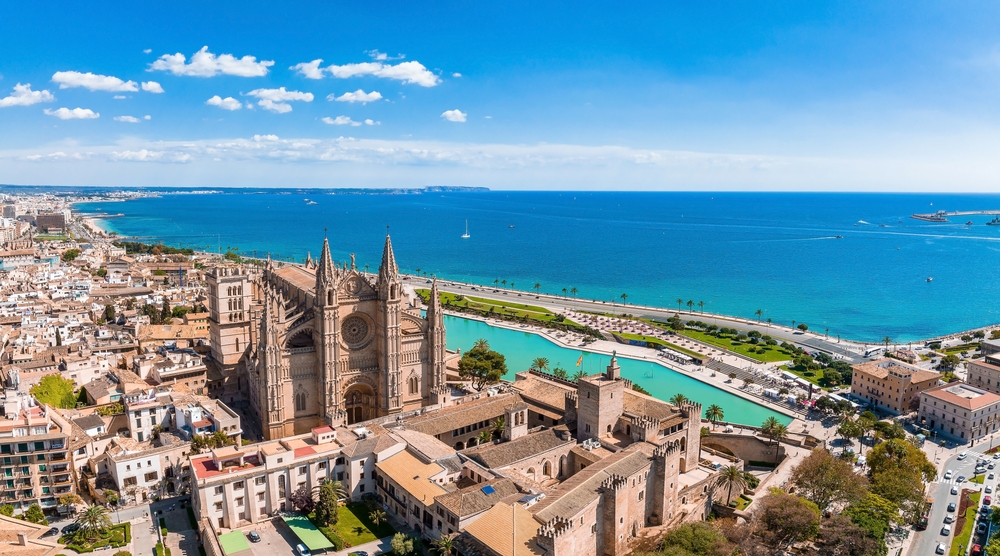
Palma de Mallorca exudes a unique blend of old-world character and modern living. The city is renowned for its imposing Gothic cathedral, lively harborside promenades, vibrant culinary scene, stylish boutiques, and beautiful stretches of golden sand. But its appeal goes far beyond tourism. It is a city with a thriving local and international community, excellent infrastructure, strong transport connections, and a rich cultural calendar year-round.
Buying a house in Palma de Mallorca means gaining access to the island’s best features. Whether you are drawn to the historic old town with its labyrinthine streets and centuries-old buildings, the chic districts of Santa Catalina and Portixol, or peaceful residential neighborhoods like Son Vida, every corner of Palma offers a distinct lifestyle choice. Beyond the city, the surrounding areas also present opportunities for serene hillside living or waterfront luxury.
Why Palma Attracts Buyers from Around the World
- Mild Mediterranean Climate: Palma enjoys over 300 days of sunshine a year, mild winters, and warm summers—ideal for year-round outdoor living.
- World-Class Amenities: International schools, modern hospitals, luxury shopping, gourmet dining, and a lively arts scene ensure every need is met.
- Accessibility: Palma de Mallorca’s international airport offers direct connections to major European cities, making travel easy and efficient.
- Safety and Stability: Spain is widely regarded as a safe, politically stable country. Palma boasts low crime rates and a reliable legal framework for property ownership.
- Diverse Property Selection: Options range from urban penthouses and elegant historical townhouses to modern villas and beachfront apartments.
- Investment Potential: Steady demand and attractive rental yields make Palma a desirable location for both lifestyle and investment buyers.
Understanding the Palma de Mallorca Property Market
To buy a house in Palma de Mallorca successfully, it is essential to have a nuanced grasp of the property market’s structure, pricing, and trends. Local market conditions differ not just from mainland Spain, but also from other parts of Mallorca.
Market Structure and Price Ranges
The Palma property market features several key segments. Central Palma—particularly in the old town (Casco Antiguo)—is characterized by historical buildings, many of which have been impeccably restored. These properties often command a premium due to their history, architectural detail, and exclusivity. Seafront areas like Portixol and Molinar are favored for their contemporary apartments and townhouses with unrivaled sea views, while inland districts like Son Vida are synonymous with spacious luxury villas and golf properties.
- Historic Old Town: Expect higher prices per square meter, especially for rare properties with terraces, patios, or exceptional views.
- Seafront Areas: Prices reflect demand for proximity to the beach, modern finishes, and panoramic vistas.
- Residential Suburbs: Areas such as Son Vida, La Bonanova, and Génova offer lavish villas and substantial plots, often within gated communities.
Prices have remained resilient due to consistently high demand, particularly from international buyers attracted by the lifestyle and investment potential. While prices can range significantly, it is common to find apartments starting from several hundred thousand euros, with historic homes and luxury villas reaching into the millions.
Trends and Market Dynamics
The Palma market is dynamic, shaped by both local and global influences. Some notable trends include:
- Continued Overseas Investment: Buyers from across Europe, especially northern countries, continue to invest in Mallorca real estate, often for holiday use or as a second home.
- Conversion and Restoration: Many buyers are interested in renovation opportunities, particularly in central Palma, taking advantage of the city’s beautiful historical stock.
- Focus on Outdoor Living: Demand has surged for homes with private terraces, gardens, or pools—reflected in new developments and refurbishments.
- Stable Rental Market: Palma remains a strong location for long-term rentals and high-end holiday lets.
Key Districts and Neighborhoods in Palma
Each district of Palma has its own character, history, and property offering. Exploring the differences between neighborhoods will help you identify the right fit for your lifestyle and investment objectives.
Casco Antiguo (Old Town)
Casco Antiguo is Palma’s historical heart, famous for its winding cobbled streets flanked by ancient stone facades, grand mansions, and small, picturesque squares. Properties here often retain original features—stone arches, wooden beams, and classic Mallorcan tiles—updated for contemporary comfort. Living in the old town means being steps away from acclaimed restaurants, galleries, boutiques, and historic landmarks.
Santa Catalina
Originally a fishermen’s quarter, Santa Catalina has evolved into one of Palma’s trendiest neighborhoods, renowned for its bohemian flair, international dining scene, and vibrant nightlife. The area is particularly popular with expats and younger buyers. Property options include stylish apartments with modern interiors, many located close to the famous food market.
Portixol and Molinar
Once sleepy fishing villages, Portixol and Molinar have become highly desirable addresses. Residents enjoy immediate access to the seafront promenade, sandy beaches, and a selection of waterfront cafés and bars. The area is particularly sought-after for its renovated townhouses and apartments, many offering enviable sea views and outdoor space.
Son Vida
For those seeking privacy, luxury, and exclusivity, Son Vida represents the pinnacle. This hillside neighborhood is renowned for its palatial villas, manicured gardens, and proximity to Palma’s top golf courses. Gated communities provide security and tranquility, while panoramic views over Palma Bay create a sense of grandeur.
La Bonanova and Genova
Located northwest of the city center, these residential suburbs offer a calm, family-friendly atmosphere. Spacious apartments and villas are common, many with private pools and gardens, and the area is popular among both local and international residents looking for a quieter lifestyle within easy reach of central Palma.
El Terreno
Bordered by green spaces and the sea, El Terreno is a historic neighborhood undergoing significant revitalization. It appeals to creative buyers seeking original properties to renovate, with potential for strong returns due to the area’s growing popularity and proximity to both the city and Paseo Marítimo.
Further Neighborhoods Worth Noting
- San Agustín: A popular choice for those wanting modern apartments with sea views, close to marinas and international schools.
- Arenal: Vibrant and energetic, this area is renowned for its lively seaside promenade and more affordable property options.
- Son Armadams: A prestigious area adjacent to both Palma’s parkland and the marina, famous for its elegant early 20th-century villas.
The Buying Process: Step-by-Step Guidance
The prospect of owning property in Palma de Mallorca becomes much more accessible with a clear understanding of each step involved. Navigating the Spanish property system requires the right support, thorough documentation, and a methodical approach.
Step 1: Define Your Priorities and Budget
Begin by determining your priorities: location, property type, size, required amenities, and lifestyle considerations. Establish your budget, factoring in all anticipated costs, including purchase price, taxes, notary fees, legal costs, and potential renovation expenses. It is strongly advised to secure financial pre-approval before starting the search in earnest, particularly if you require a mortgage.
Step 2: Engage a Trusted Real Estate Agency
Select an experienced real estate agency that specializes in Palma de Mallorca. IMMO ABROAD offers in-depth local knowledge, a handpicked portfolio of properties, and fluent support in several languages. This step ensures you have a dedicated team guiding you, providing access to exclusive listings, and assisting with negotiations and documentation.
Step 3: Search and Viewings
Your agency will arrange targeted viewings based on your requirements, allowing you to assess properties first-hand. Virtual tours may also be available for international clients. It is advisable to visit Palma in person, if possible, to experience neighborhoods and properties at different times of day, considering noise, accessibility, light, and ambiance.
Step 4: Make an Offer and Reserve the Property
Once you have selected a property, your agency will assist in presenting a formal offer to the seller. It is customary to secure the property with a reservation deposit (typically €3,000–€6,000), which removes the listing from the market while contracts are prepared. A preliminary reservation contract may be signed at this stage.
Step 5: Legal Checks and Due Diligence
Your appointed lawyer will undertake a comprehensive due diligence process: verifying property title, land registry data, debts or encumbrances, planning permissions, community fees, and the seller’s authority to transact. This stage is critical for protecting your interests and ensuring the legal soundness of the purchase.
Step 6: Sign a Private Purchase Contract (Contrato de Arras)
Upon successful due diligence, both parties sign the private purchase contract, often called the “contrato de arras.” It details the price, terms, and timeline, and is typically accompanied by a 10% deposit of the purchase price, held in escrow.
Step 7: Completion (Escritura de Compraventa)
The final step is the signing of the public deed of sale (escritura de compraventa) before a Spanish notary. The balance of the purchase price and all relevant taxes and fees are paid. Title is transferred, and the property is registered in your name at the Land Registry.
Step 8: Post-Completion Steps
Following completion, utility accounts are transferred, and you may wish to appoint a property manager or begin renovations. For investors, IMMO ABROAD can advise on tenant screening, maintenance, and rental management.
Legal Considerations and Requirements
The Spanish property system is renowned for its transparency, but thoroughness and diligence are required. Buyers, including non-residents and foreign nationals, enjoy the same property ownership rights as Spanish citizens.
Key Legal Elements to Consider
- NIE Number (Número de Identidad de Extranjero): All property buyers must hold a Spanish foreigner identification number. This is a tax identification number required for legal and financial transactions, including property purchases.
- Legal Representation: It is strongly recommended to appoint an independent Spanish lawyer who specializes in real estate law to represent your interests, review documents, and conduct title searches.
- Land Registry and Nota Simple: Your lawyer will obtain a “nota simple” to confirm the legal status, ownership, description, and encumbrances of the property.
- Purchase Contracts: Spanish property purchases generally involve two contracts: a private purchase contract (“contrato de arras”) and the notarized public deed (“escritura de compraventa”).
- Taxes and Fees: Buyers are liable for several taxes and additional costs, explored in detail below.
- Registering the Title: After completion, the notary will provide a copy of the new title deed so you can register your ownership at the local Land Registry office.
Residency and Foreign Buyer Rights
Spain welcomes foreign investment in real estate. Buyers do not need to be residents to purchase property. Depending on your purchase amount, you may also be eligible for Spain’s “Golden Visa” program, which offers residency to buyers investing €500,000 or more in real estate.
Non-resident buyers must appoint a Spanish bank account for payment of all purchase costs and ongoing utilities and taxes.
Financial Considerations: Costs, Taxes, and Mortgages
Understanding the financial aspects of buying a house in Palma de Mallorca is essential for successful planning. Total costs will include the purchase price, transaction taxes, and professional fees, and can influence your financing choices.
Purchase Costs and Taxes
- Transfer Tax (Impuesto sobre Transmisiones Patrimoniales, ITP): This tax applies to existing (second-hand) properties. In the Balearic Islands, ITP is generally progressive, ranging from 8% to 11% based on purchase price brackets.
- VAT (IVA) and Stamp Duty (AJD): For new-build properties, instead of ITP, buyers pay 10% VAT (IVA) plus 1.5% stamp duty (AJD).
- Notary and Land Registry Fees: Together, these often amount to around 1% of the purchase price.
- Legal and Advisory Fees: Lawyers may charge a fixed fee or around 1% of the transaction value for their services.
- Agency Commission: Typically paid by the seller, but always check the agreement with your real estate agency.
In summary, buyers should budget an additional 10%–15% of the property price for taxes and fees.
Financing Your Purchase: Mortgages and Loans
Spanish and international banks offer a range of mortgage products to buyers in Mallorca, including fixed- and variable-rate options. Generally, non-residents can borrow up to 60%–70% of the property’s appraised value.
Mortgage Application Process:
- Obtain mortgage pre-approval before property search, facilitating negotiations and speeding up completion.
- Submit documentation, including proof of income, bank statements, tax returns, and details of other assets or liabilities.
- Present the purchase agreement to the bank for final approval and valuation of the property.
- Attend the mortgage signing at the notary simultaneously with the purchase completion.
Professional mortgage brokers can assist in comparing rates, terms, and eligibility.
Living in Palma de Mallorca: Lifestyle and Quality of Life
One of the primary motivations for buying a house in Palma de Mallorca is the city’s enviable quality of life. The lifestyle here is as diverse as the properties on offer—universally marked by a relaxed pace, outdoor living, and a warm community atmosphere.
Health, Education, and Day-to-Day Living
- Healthcare: Palma offers state-of-the-art private and public hospitals, clinics, and specialist centers. Many doctors and staff speak English or German. Residents can use the excellent Spanish health system.
- Schools: There are several reputable international schools in Palma and its environs, teaching in English, German, French, or a bilingual curriculum. Local Spanish schools are also high quality, with additional language support for newcomers.
- Shopping and Services: You’ll find a full range of supermarkets, delicatessens, traditional markets such as Mercat de l’Olivar, designer boutiques, and artisanal stores.
- Leisure and Sports: Palma is home to marinas, yacht clubs, tennis centers, golf courses, and numerous gyms. Cycling, hiking, and sailing are widely popular.
- Transport: The city boasts efficient buses, rapid access to the airport, and a growing network of cycle lanes. Driving is straightforward, with excellent connections to the rest of the island.
Cultural and Social Life
From classical music in historic venues to vibrant contemporary art exhibitions, Palma hosts an energetic year-round cultural calendar. The city is dotted with theaters, art galleries, film festivals, and traditional fiestas. For nightlife, the bars and lounges of Santa Catalina and Paseo Marítimo are legendary.
Gastronomy is a pillar of Palma’s identity. Tapas bars, fine dining Michelin restaurants, charming bakeries, and beachfront seafood chiringuitos abound. The city’s culinary scene is enriched by international influences, while local specialties—ensaimadas, sobrasada, freshly caught fish—anchor the experience.
Outdoor Living and Natural Beauty
With over 300 days of sunshine each year, outdoor living is truly at the heart of the Mallorcan lifestyle. Palma’s beaches, from Can Pere Antoni to Cala Major, are renowned for their white sand and clean water. Beyond the city, the island’s dramatic coastline, the UNESCO-listed Serra de Tramuntana mountains, and lush interior provide endless opportunities for exploration, hiking, and rural gastronomy.
Year-round, Palma’s residents enjoy al fresco dining, open-air markets, and lively street life—a Mediterranean rhythm that leaves a lasting impression.
Investment Potential: Palma de Mallorca Real Estate
Purchasing property in Palma de Mallorca offers not only a superb lifestyle but also a secure and attractive investment. The region’s popularity among international visitors and residents ensures real estate here retains excellent long-term value.
Rental Yields and Short-Term Letting
Palma’s status as a holiday hotspot means both short-term vacation lets and long-term rentals are in steady demand. Buyers interested in generating income from their new property should be aware of the regulation surrounding tourist rentals in the city.
- Holiday Rental Licenses (ETV): Tourist rental activity requires an ETV license, subject to local restrictions and quotas. Not all properties, especially apartments, are eligible or may obtain one, so careful checking is essential.
- Long-Term Lets: Long-term rental contracts can offer consistent income and are less affected by regulatory change.
Given the ongoing interest from expatriates and workers relocating to Palma, the long-term rental market is robust. Quality, well-located homes can achieve solid yields.
Capital Appreciation
Over recent decades, Palma real estate has experienced steady capital growth, outperforming many mainland Spanish markets. The city’s limited supply of prime property, historic homes, and seafront locations underpin price stability. Demand is underpinned by lifestyle buyers, investors, and retirees alike.
Renovation and Value-Add Opportunities
Many historic homes and apartments in Palma present opportunities for restoration, often resulting in significant value appreciation. Professional guidance is essential to navigate planning approvals and ensure projects comply with preservation rules and local regulations.
Taxation and Investment Considerations
Owners must take into account Spanish income tax on any rental earnings, municipal property taxes (IBI), and wealth tax. Specialist tax advisory services can help optimize your investment and ensure compliance with both Spanish and international obligations.
Resale Market and Exit Strategy
The resale market in Palma is fluid, supported by a constant stream of new buyers attracted by the city’s enduring appeal. With proper presentation, quality properties tend to sell swiftly, particularly in sought-after neighborhoods.
Renovating Property in Palma de Mallorca
Restoring a traditional Mallorcan home or renewing an apartment in the city center is a popular option for buyers who want to create a bespoke residence. Though rewarding, renovation comes with its own considerations.
Types of Renovation Projects
- Full Restorations: Many old town properties require gut renovations, including structural reinforcement, new installations, and modernization.
- Cosmetic Upgrades: Some properties simply need new kitchens, bathrooms, or cosmetic updates to realize their potential.
- Extensions and Outdoor Spaces: Adding or revitalizing outdoor terraces, patios, and rooftop spaces is increasingly popular.
Planning and Permissions
All significant works require municipal permits. Properties in historic zones are subject to stricter controls to preserve architectural heritage. Professional architects, engineers, and project managers are invaluable for navigating regulations, budgeting, and coordinating contractors.
Budgeting:
Renovation costs vary widely according to scope and location. It is wise to build in a contingency budget for unforeseen issues common in older constructions. Reliable local contractors and property managers ensure high standards and timely completion.
Managing the Renovation Process
For international buyers, an experienced property management team can oversee the project, coordinate contractors, and report progress, making the process seamless even if you are not always on the island.
Post-Renovation Value and Lifestyle
A successful restoration can create a uniquely valuable home tailored to your tastes while increasing capital appreciation and rental value.
Practicalities: Moving In and Daily Life
After sealing your Palma property purchase, you can begin to enjoy the city’s many pleasures. Here’s what to keep in mind for a smooth transition.
Utilities and Services
- Electricity, water, and gas supply can be transferred to your name—your agency may help coordinate these changes.
- High-speed internet and cable TV services are widely available.
- Housekeeping, gardening, and maintenance services can be arranged for ongoing support.
Banking and Insurance
- Set up a Spanish bank account for utility payments, municipal taxes, and direct debits.
- Arrange comprehensive building and contents insurance suited to your property and contents.
Community Living
If your property is part of a residential community, attend homeowners’ meetings to stay informed on building maintenance, shared costs, and improvements. Understanding community rules and fees (gastos de comunidad) is vital, as these affect your monthly outgoings.
Language and Integration
While Spanish and Catalan are the official languages, English and German are widely spoken, making integration straightforward for newcomers. Language courses and social groups can further enrich your experience, allowing you to connect with local neighbors and cultural traditions.
Health, Wellness, and Recreation
You can access fitness centers, yoga studios, golf clubs, and wellness spas throughout Palma. Outdoor activities abound, from sailing excursions and tennis tournaments to guided island hikes.
Shopping and Dining
Major supermarkets, specialty stores, open-air markets, and gourmet food shops ensure you will never lack for options. The Palma food scene blends international innovation with local traditions, satisfying every palate and budget.
Frequently Asked Questions (FAQ) When Buying in Palma
Can foreigners buy property in Palma de Mallorca?
Yes, Spain has no restrictions on foreign property ownership. Non-residents and residents alike enjoy identical rights.
What is the average timeline for buying a house?
With efficient support, most purchases can be completed within 6–12 weeks from reservation to final signing, assuming financing and legal reviews proceed smoothly.
Are there any restrictions on holiday lets?
Short-term lets require an ETV license, and regulations are strict in Palma, especially for apartment properties. Always consult your agent for up-to-date guidance.
How much do I need for upfront purchase costs?
Typically, you should budget an additional 10%–15% of the purchase price to cover taxes, legal fees, notary costs, and other closing expenses.
Should I buy through a company or as an individual?
Most buyers purchase as individuals, but some choose company structures for tax reasons—this requires specialist advice tailored to your financial circumstances.
Is financing available to non-residents?
Yes, many Spanish banks offer mortgages to non-residents, usually at 60%–70% LTV, subject to financial assessment and property valuation.
Is it safe to buy a property remotely?
With the right legal, agency, and notary support, remote purchases are common and secure—particularly when using video viewings and digital document signing.
What annual expenses should homeowners expect?
Typical yearly costs include municipal property tax (IBI), community fees (where applicable), insurance, utility bills, and income/wealth taxes on non-residents.
What makes Palma’s old town so special?
It offers rare, characterful properties in the very heart of a historic Mediterranean city, within walking distance of all amenities, the marina, and vibrant public squares.
Why Work with IMMO ABROAD for Your Palma Property Search?
Successfully acquiring a home in Palma de Mallorca means more than just finding the right property at the right price. It requires knowledgeable advice, seamless support, and tireless advocacy on your behalf. IMMO ABROAD is dedicated to ensuring every aspect of your purchase is stress-free, transparent, and tailored to your needs.
- Extensive network and access to off-market properties and opportunities in every neighborhood.
- Multilingual team with deep local expertise—guiding you through every legal, financial, and practical step.
- End-to-end service: property search, negotiation, legal checks, completion, post-sale support, and renovation advisory if desired.
- Long-term support for owners, investors, and landlords, ensuring your ongoing satisfaction in the years ahead.
Buying a house in Palma de Mallorca is an investment in your future and lifestyle. With IMMO ABROAD at your side, you can make this dream a reality—confidently, securely, and without uncertainty.
Conclusion: Embrace Life in Palma de Mallorca
Palma de Mallorca remains one of Europe’s most desirable destinations for property buyers seeking an unmatched combination of natural beauty, historical grandeur, modern luxury, and cosmopolitan spirit. Its property market is robust and welcoming, offering opportunities for every lifestyle and investment strategy.
With the right guidance, you can unlock the full richness of Palma life—soaking up the sun on your terrace, wandering centuries-old streets, sampling local delicacies, and exploring dramatic mountain trails just minutes from your doorstep. Whether you seek a vibrant city apartment, an elegant townhouse, or a peaceful villa with panoramic sea views, Palma has a place for you to call home.
Let IMMO ABROAD guide you on your journey to becoming a homeowner in Palma de Mallorca, and discover all the exceptional rewards this magnificent island capital has to offer.