





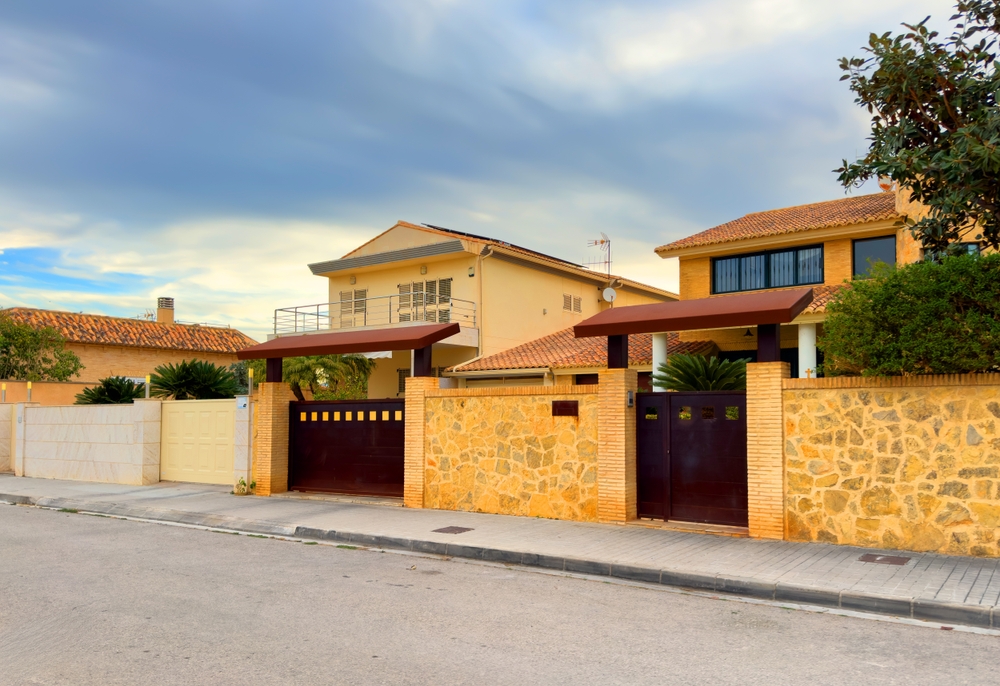
Introduction: The Allure of Buying Property in Spain Under €200,000
Spain’s real estate market has long captivated international buyers with its sun-soaked coastlines, rich cultural heritage, and accessible property prices. For those seeking to purchase a home in Spain on a reasonable budget, the prospect of finding a property under €200,000 is not only feasible but can grant access to diverse regions, from bustling cities to tranquil seaside villages and rustic countryside retreats. In this comprehensive guide, we delve into every step of buying a house in Spain under €200,000, highlight strategic locations, and explore the process to ensure a seamless and successful investment.
Why Consider Buying a Home in Spain?
Before examining the “how, what, and where,” it is essential to understand why Spain remains one of the top destinations for affordable and attractive property investments:
- Exceptional Climate: Over 300 days of sunshine in many regions, allowing for an enviable outdoor lifestyle.
- Cost of Living: Spain offers a high quality of life at a fraction of the cost of many other European countries.
- Vibrant Culture: From world-renowned gastronomy and festivals to historical landmarks, Spain offers endless opportunities for cultural enrichment.
- Accessibility: Excellent infrastructure and numerous international airports connect Spain to the rest of Europe and beyond.
- Investment Potential: With increasing demand for short- and long-term rentals, property in Spain presents strong rental yield opportunities.
Understanding the Spanish Property Market
The Spanish property market has undergone significant transformation over the last decade, making affordable homes available in various regions. Prices vary dramatically between autonomous communities and even between urban, coastal, and rural locales.
Current Market Trends
While property prices in premier urban centers or coastal hotspots like Barcelona, Madrid, or parts of the Costa del Sol can soar well above €200,000, there are countless emerging areas and inland towns where high-quality homes remain within reach of discerning buyers.
Market Stability and Growth
The Spanish real estate market has demonstrated steady recovery since the last financial crisis, with sustained interest from international buyers. Economic stability, growing tourism, and supportive government policies continue to bolster optimism for future growth, especially for properties in the lower and mid-market ranges.
Key Criteria When Buying a Home in Spain Under €200,000
A successful property purchase begins with clarifying your needs and priorities. Consider the following factors as you search for your ideal home in Spain:
- Purpose: Will the property be a permanent residence, holiday home, or rental investment?
- Location: Coastal vs inland; town vs countryside; proximity to amenities, transport, and services.
- Property Type: Apartment, townhouse, villa, or rustic house (finca)? New build or resale?
- Condition: Move-in ready versus requiring renovation.
- Budget: Consider not only the purchase price but also taxes, legal fees, and ongoing maintenance costs.
- Community: Preference for international environments versus traditional Spanish villages.
Where to Buy: Top Spanish Regions for Properties Under €200,000
Spain’s size and regional diversity mean that there is no one-size-fits-all answer for buyers. Instead, several regions stand out for their value, lifestyle, and potential return on investment. Here are some of the most promising areas to begin your search:
1. Costa Blanca
The Costa Blanca region, stretching across the Alicante province, is a perennial favorite among international buyers. With a Mediterranean climate, beautiful beaches, and lively towns, homes under €200,000 are abundant, particularly in areas such as Torrevieja, Orihuela Costa, and inland communities like Pinoso and Aspe.
2. Costa Cálida & Murcia Region
Less saturated than neighboring coastal regions, Costa Cálida and the wider Murcia area offer impressive value for money. Towns like Mazarrón, Los Alcázares, and the city of Murcia feature a wide selection of apartments and townhouses below the €200,000 mark, often with communal pools and proximity to the sea.
3. Costa del Sol (Select Towns)
While glamor hotspots like Marbella consistently fetch high prices, towns such as Manilva, Casares, and some inland villages provide a more affordable entry point to the Costa del Sol lifestyle. With strategic research, it is possible to acquire apartments or smaller townhouses within budget.
4. Valencia Region
Combining a cosmopolitan city with picturesque suburbs and rural escapes, the Valencia region is highly recommended for affordability and lifestyle. From apartments in Valencia city’s outskirts to fincas and homes in villages like Algemesí and Alzira, the variety is impressive.
5. Andalusian Countryside
For buyers seeking authenticity and tranquility, the rural heartlands of Andalusia are rich in traditional homes and fincas well under €200,000. Whitewashed villages in the provinces of Córdoba, Jaén, and Granada (outside of city centers) offer a true taste of Spanish culture.
6. Galicia & Northern Spain
Spain’s lush northwest boasts attractive property prices alongside dramatic coastlines and historic towns. Investigate cities like Lugo, Ourense, and smaller coastal villages for excellent value and a refreshingly green environment.
7. Canary Islands and Balearic Islands (Selected Areas)
While many island properties command premium prices, there are noteworthy exceptions. Certain areas on Tenerife, Gran Canaria, and even parts of Menorca occasionally offer apartments or modest homes under €200,000—especially if situated inland or away from tourist centers.
What Can You Buy for Under €200,000 in Spain?
Choosing a budget under €200,000 still opens up a myriad of property types and locations.
Common Property Types
- Apartments: In most coastal and urban areas, apartments dominate the market. Expect 1-3 bedrooms, often in complexes with communal pools and gardens.
- Townhouses: Traditional Spanish townhouses can be found in both villages and towns, sometimes offering more space and historical features than apartments.
- Villas: Though more challenging to find near the coast for this budget, detached villas are prevalent in inland and rural areas.
- Fincas: Rustic countryside retreats are abundant in Andalusia and other rural regions, typically offering land and a slice of traditional Spanish life.
Features to Expect at This Price Point
- Living Space: From cozy two-bed apartments to larger rural homes, typically 60–120 m² depending on region and property type.
- Outdoor Areas: Terraces, balconies, communal gardens, or even private plots in rural properties.
- Facilities: Many urbanizations provide pools, parking, and secure gated access, particularly in expat hubs.
- Renovation Potential: Some properties need modernization, representing excellent value for DIY-inclined buyers.
The Step-by-Step Process of Buying a House in Spain
Successfully buying a property in Spain involves several legal and practical steps. Understanding the entire process is crucial to avoid pitfalls and guarantee a smooth transaction.
-
Defining Requirements:
Identify your must-haves regarding size, location, amenities, and budget. Prepare a checklist of your property priorities before beginning your search.
-
Engaging with a Real Estate Specialist:
IMMO ABROAD offers deep knowledge of local markets, guiding buyers to suitable options, handling negotiations, and streamlining paperwork. A qualified agency is indispensable in eliminating uncertainty.
-
Finding and Visiting Properties:
Tour properties in person or virtually. Evaluate the neighborhood, proximity to essential services, and overall condition. Don’t hesitate to ask detailed questions about running costs, community fees, and any planned developments.
-
Making an Offer:
Once you have found your ideal home, a formal offer is made in writing. Negotiation regarding price, included furnishings, and completion timelines is standard.
-
Reservation Contract:
To secure the property, a reservation contract is signed and a small deposit (typically €3,000 – €6,000) is paid. The property is then removed from the market.
-
Legal Checks (Due Diligence):
Solicitors (abogados) verify property ownership, check for debts, ensure planning permissions, and confirm all documentation is correct before proceeding to the next step.
-
Signing the Purchase Contract:
The full private purchase contract (Contrato de Arras) is signed with a further deposit—usually 10% of the purchase price. This contract is legally binding.
-
Financing:
If financing is needed, buyers should arrange a mortgage with a Spanish bank. Non-residents can typically borrow up to 60–70% of the property value. Documentation and approval timelines vary.
-
Completion at the Notary:
The final deed (Escritura de Compraventa) is signed at a notary office. The outstanding balance is paid, and keys are handed over. The deed is officially registered to your name.
-
After-Sales Steps:
Arrange for utilities to be transferred, community charges set up, and, if desired, interior improvements or renovations to commence.
Essential Legal and Financial Considerations
A secure property transaction in Spain requires attention to legal details and awareness of all associated costs.
- NIE Number: This unique tax identification number (Número de Identificación de Extranjero) is required for all property purchases. It can be obtained in Spain or at a Spanish consulate.
- Opening a Spanish Bank Account: Essential for managing all subsequent payments and utility bills.
- Property Taxes and Fees: Budget for:
- Transfer Tax (Impuesto de Transmisiones Patrimoniales or ITP): 6–10%, depending on region and property type.
- Notary and Land Registry Fees: Typically 1–2% of the purchase price.
- Legal Fees: 1–1.5% for solicitor services.
- Other Costs: Mortgage arrangement fees, valuation, and insurance as applicable.
- Community Fees: For apartments and townhouses in complexes, monthly community costs cover shared facilities, maintenance, and sometimes security.
- Ongoing Taxes: Local property tax (IBI), waste collection, and non-resident income tax obligations for non-resident owners.
Financing Options for Non-Residents
While many international buyers purchase property outright, Spain’s mortgage market is evolving and offers competitive options for non-residents.
Eligibility and Requirements
- Non-residents can borrow up to 60–70% of the purchase price, subject to income and financial documentation.
- Spanish banks evaluate international creditworthiness; proof of steady income, bank statements, tax returns, and other financial credentials are required.
- Mortgage terms typically range from 5–30 years. Fixed and variable rates are available.
The Application Process
- Pre-Approval: Submit documentation and receive a pre-approval letter, signaling your financial readiness and strengthening your negotiating position.
- Property Valuation: After selecting a property, the bank will conduct a valuation to confirm the lending amount.
- Mortgage Offer and Signing: Review the offer, clarify terms, and sign the mortgage deed at the notary simultaneously with the property deed.
Tips for Successful Mortgage Approval
- Seek professional advice to compare bank offers and negotiate the best rates and conditions.
- Factor in all costs: arrangement fees, commissions, early repayment clauses, and insurance.
- Plan for possible currency fluctuations and consider hedging options if your income is not in euros.
Evaluating and Choosing the Right Location
Selection of the right location is paramount, as it greatly influences both your quality of life and the property’s long-term value. Precisely define your requirements and lifestyle expectations before narrowing your search.
Coastal, Urban, or Rural?
- Coastal: Offers beachside living, lively expat communities, and easy rental potential. However, demand can mean higher prices per square meter.
- Urban: Urban centers grant access to cultural attractions, top healthcare, transport, and employment but can feel crowded and may command slightly higher prices.
- Rural: Offers affordable prices, space, and tranquility. Ideal for those seeking a slower pace, though access to services and amenities may be limited.
Proximity to Amenities
Consider distance to hospitals, international schools, supermarkets, and airports. If planning to rent out the property, being close to the beach, city centers, or major transport links increases desirability and occupancy rates.
Potential for Growth
- Research future infrastructure projects, such as new highways or train stations, which can drive up property values.
- Check local zoning plans for planned developments that may impact your surroundings, both positively and negatively.
Community and Lifestyle
Decide if you wish to integrate into a mainly Spanish neighborhood or prefer a cosmopolitan setting with many expats. Each offers unique lifestyle benefits.
Navigating the Buying Process as a Foreigner
Spain welcomes foreign buyers, who account for a significant proportion of property sales in many regions. Nonetheless, it is essential to understand the nuances of buying as a non-resident.
Role of Real Estate Agencies
- Agencies like IMMO ABROAD play a critical role in presenting curated property selections, explaining market idiosyncrasies, and protecting buyer interests.
- They coordinate with local solicitors, notaries, and banks, helping overcome language barriers and ensuring full compliance with Spanish property law.
Legal Representation
Hire an independent solicitor who will check for charges, debts, or embargoes on the property and secure a flawless transfer of ownership. Relying solely on sellers’ representatives or advice is not recommended.
Documentation and Translation
- Official documents and contracts are in Spanish. Quality translation is vital for understanding all contractual obligations and rights.
- Request copies of the nota simple (land registry extract), energy certificate, and community statutes.
Planning Permanent Relocation
- Purchasing a home as a permanent move introduces additional considerations, including residency registration, healthcare access, and integration into local society.
- Seek guidance on registering for local health services, enrolling children in schools, and obtaining your Padron (town hall registration).
Common Pitfalls and How to Avoid Them
By being vigilant from start to finish, buyers can sidestep costly mistakes. Here are some common pitfalls—and effective strategies to prevent them.
- Insufficient Legal Checks: Always ensure a solicitor verifies that the property has no unresolved debts, liens, or unlicensed alterations.
- Underestimating the Full Budget: Account for transfer taxes, legal fees, community fees, and maintenance—typically an additional 8–12% of the purchase price.
- Ignoring the Local Market: Do not rush into purchasing in highly touristic areas without researching local market trends and resale prospects.
- Neglecting Due Diligence: Visit the property at different times of the day, ask about neighbors and future community plans, and test for noise levels or seasonal variation.
- Lack of Clarity on Renovation Needs: Carefully assess the cost and scope of refurbishment if choosing a fixer-upper, and ensure all necessary permits can be obtained.
- Language Barriers: Employ professional translators or bilingual legal experts for all key documents, especially the purchase contract.
- Failure to Understand Community Rules: Apartment and townhouse complexes have statutes and restrictions. Familiarize yourself with restrictions on vacation rentals, pet ownership, or renovations before committing.
Maximizing Your Investment: Rental and Resale Potential
Even if buying primarily for personal use, analyzing potential rental and resale value adds security to your investment.
Rental Yields
Properties in popular tourist areas, near the coast or city centers, typically enjoy high rental demand—especially for short-term vacation lets during the summer. Inland and rural homes may find appeal for long-term rentals or the booming rural tourism sector.
- Consider average nightly/weekly rates and occupancy levels across the year.
- Remember that some municipalities have strict licensing regimes for vacation rentals—always verify the property’s eligibility for a tourist license before purchase.
Resale Value
Choosing a quality location, maintaining the property, and making periodic updates can enhance future resale prospects. Monitor local market trends and avoid over-improving beyond the norms of the neighborhood.
Seasonality Considerations
Plan for possible off-season vacancies if buying for rental. Properties in year-round destinations (e.g., certain Canarian or city locations) have more consistent demand than purely summer holiday spots.
Frequently Asked Questions About Buying an Affordable Home in Spain
Can Foreigners Buy Property in Spain?
Yes. There are no restrictions on property ownership for foreigners in Spain. All buyers, regardless of nationality, enjoy the same property rights as Spanish citizens.
How Much Should I Budget in Total?
In addition to the purchase price, plan for an extra 8–12% to cover all taxes, legal fees, and notary expenses. Having a contingency fund for surprises is also advised.
Is It Difficult to Get a Mortgage as a Non-Resident?
While not overly complex, the process requires documentation and patience. Banks are accustomed to foreign buyers and provide a variety of products tailored to non-resident requirements.
How Long Does the Buying Process Take?
The timeline typically ranges from eight weeks to four months, depending on the complexity of the purchase, financing arrangements, and responsiveness of the parties involved.
Do I Need to Be in Spain for the Completion?
Not necessarily. With a power of attorney, your solicitor can represent you at the notary and throughout the process. However, many buyers prefer to attend the completion and collect the keys personally.
What Are the Running Costs of Owning a Home in Spain?
Ongoing costs include local property tax (IBI), waste collection, utility charges, community fees (if applicable), and maintenance. These are generally affordable compared to northern Europe.
Spotlight: Typical Example Properties Under €200,000
To offer inspiration, here are sample property profiles (for illustration purposes only) representing what might be available in different regions:
- Two-bedroom apartment in Torrevieja, Costa Blanca: Modern block, 80 m², terrace, communal pool, walking distance to the beach. Price: €129,000.
- Village townhouse in Pinoso, inland Alicante: Three bedrooms, traditional features, private patio, rooftop solarium. Price: €98,000.
- City apartment in Valencia (outskirts): Two bedrooms, elevator building, underground parking, excellent transport link. Price: €155,000.
- Rustic finca near Granada: Stone house, land with olive groves, panoramic mountain views, needs interior updating. Price: €89,000.
- Golf community bungalow near Murcia: Two bedrooms, private garden, access to on-site amenities. Price: €120,000.
Actual availability and prices will vary, but this range offers an idea of the diversity at this budget point.
Buying Off-Plan and New-Builds Under €200,000
Spain’s new-build sector has bounced back, and off-plan properties can occasionally be found for under €200,000 in emerging locations. Buying off-plan (before construction is complete) carries both risks and rewards.
Advantages of Buying Off-Plan
- Modern designs, energy efficiency, and high-spec finishes.
- Opportunity to customize features or choose layouts.
- Typical payment schedule spreads the cost over the construction period.
- Often comes with a builder’s guarantee of up to ten years.
Risks and Considerations
- Construction delays can postpone move-in dates.
- Always ensure the developer provides bank guarantees for deposits and all relevant licenses are in place.
- Verify the reputation and solvency of the developer before signing any agreements.
- Understand the staged payment schedule and how it aligns with your financial planning.
Renovation Opportunities: Breathing New Life Into Spanish Homes
Many buyers are drawn to Spain’s character-filled village houses, country homes, or coastal apartments that require updating. Renovation can unlock extraordinary value but must be approached wisely.
The Appeal of a Fixer-Upper
- Potential to secure a larger home or better location within your budget.
- Customization to your taste and standards.
- Often results in increased property value upon completion.
Challenges of Renovating
- Renovation projects can take longer and cost more than anticipated, especially if structural work is needed.
- Obtaining building permits and approvals can be complex, especially in listed or rural properties.
- Finding skilled local tradespeople requires diligence. Seek several quotes and verify references.
- Local culture may influence timelines and work practices—patience is a virtue!
Tips for a Successful Renovation
- Have a comprehensive survey conducted before purchase to identify hidden defects or legal issues.
- Secure all required licenses and permissions before commencing work.
- Budget realistically for labor, materials, and contingencies (at least 15–20% extra).
- Manage the project personally, or consider a local architect or project manager to oversee work.
Understanding Community Living: Apartments and Urbanizations
Many homes in Spain—especially in coastal or urban settings—form part of larger communities or urbanizations. Understanding the structure, rules, and costs of community living is crucial.
Structure and Governance
- All owners belong to the 'comunidad de propietarios', which manages communal areas, security, and amenities such as pools, lifts, gardens, or parking.
- Annual meetings allow residents to vote on budgets, fees, and community bylaws. Many communities elect a president and administrator from among the residents.
Fees and Expenses
- Monthly or quarterly community fees are mandatory and fund maintenance, insurance, and utilities for shared areas.
- Larger complexes with many facilities may command higher fees; basic buildings without lifts or gardens have lower running costs.
Community Rules
- Some communities restrict rentals, renovations, or pet ownership to preserve quality of life—review these before purchasing.
- All prospective buyers should request and review the latest community meeting minutes, budgets, and any outstanding owner debts prior to purchase.
Long-Term Residency and the Benefits of Homeownership in Spain
For those planning a permanent move, property ownership in Spain brings important lifestyle and legal advantages.
- Stability: Owning your own home secures your position in Spain and creates permanence for families, retirees, and remote workers.
- Long-Term Value: With prudent selection, Spanish property has shown good capital appreciation over time.
- Residency Pathways: Legal homeownership can support residency or visa applications (consult with an immigration adviser for details relevant to your circumstances).
- Access to Services: As a property owner and resident, you are entitled to access Spain’s world-class public healthcare and education (subject to registration).
Working with IMMO ABROAD: Your Trusted Partner in Spanish Property
The process of searching for, securing, and enjoying your Spanish home is simplified and enriched by partnering with an experienced, multilingual real estate team. IMMO ABROAD stands out for its deep market insight, network of professionals, and commitment to guiding clients from vision to move-in, and beyond.
- Personalized Consultation: Receive tailored advice and property recommendations that match your unique needs and aspirations.
- Full-Service Support: Benefit from assistance at every stage—property search, legalities, negotiations, and after-sales services.
- Vast Portfolio: Access exclusive listings and hidden gems across Spain’s best value regions.
- Local Knowledge: Navigate language, bureaucracy, and market nuances with seasoned experts by your side.
Conclusion: Your Spanish Dream Home Awaits
Buying a property in Spain under €200,000 is more than a financial investment—it is the gateway to a new lifestyle, fresh opportunities, and the timeless allure of Mediterranean living. Whether your heart is set on a sunlit coastal apartment, a tranquil rural finca, or a lively city pad, Spain’s rich diversity ensures a perfect fit for every taste and budget.
With the expert guidance, legal diligence, and creative vision, you can embark with confidence on this exciting journey. Let IMMO ABROAD be your trusted companion on the path to Spanish homeownership, making your next great chapter not only possible but truly unforgettable.