





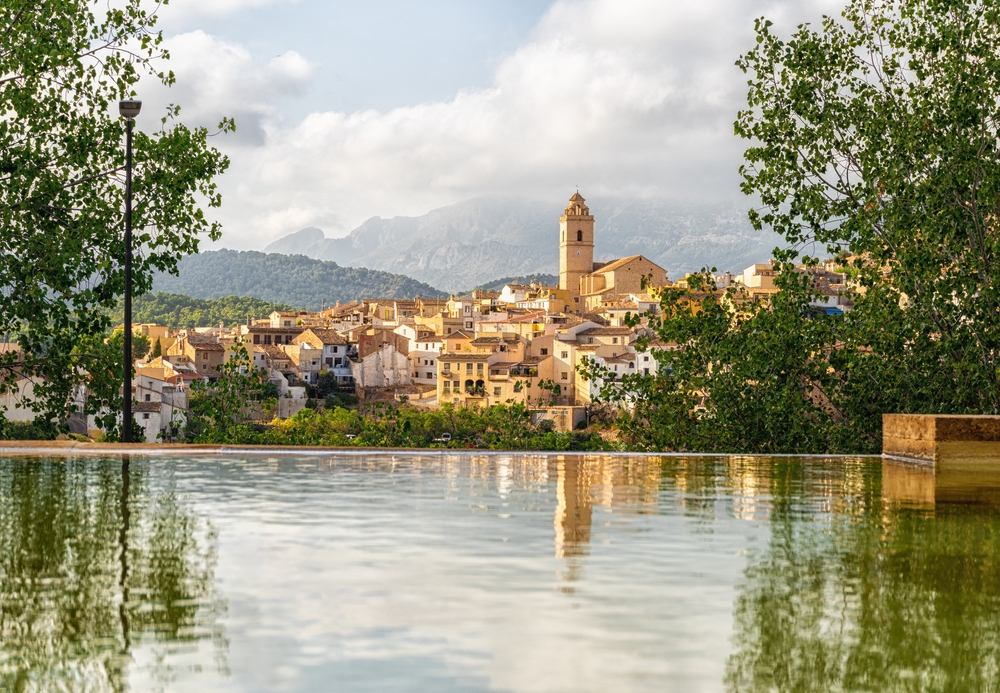
Introduction to Buying a Home on the Costa Blanca
The Costa Blanca, with its iconic white-sand beaches and charming Mediterranean villages, stands as one of Spain's premier destinations for property seekers worldwide. Whether you’re searching for a coastal retreat, an investment opportunity, or your dream family villa, houses along the Costa Blanca promise sunlit living, Mediterranean relaxation, and remarkable cultural experiences. This comprehensive guide delves into the heart of property purchasing on the Costa Blanca, exploring its most captivating villages, current pricing trends, nuanced buying tips, and essential local knowledge – all meticulously crafted to support your real estate ambitions.
Overview of the Costa Blanca: Geography, Climate, and Lifestyle
Stretching over 200 kilometers along Spain’s southeastern coast, the Costa Blanca encompasses a stunning variety of locales, from bustling resorts to tranquil inland valleys. The region's name, translating to "White Coast," evokes its sun-drenched beaches and brilliant whitewashed architecture. Its Mediterranean climate is defined by long, hot summers, mild winters, and over 300 days of sunshine a year – an ideal backdrop for outdoor pursuits, alfresco dining, and restful living. Whether you are drawn to lively cities such as Alicante, fishing villages like Villajoyosa, or mountain hamlets hidden among almond groves, the Costa Blanca offers a tapestry of lifestyles to suit every taste.
- Beaches: Over 74 blue-flag beaches offer crystalline waters and fine sands.
- Gastronomy: The region boasts a culinary heritage rooted in seafood, rice dishes, and local produce.
- Transport Links: Alicante International Airport provides easy access to Spain and Europe, underpinning the region’s popularity among international buyers.
With its reliable climate, diverse leisure activities, and esteemed infrastructure, the Costa Blanca is far more than a holiday destination – it is a place to live, invest, and thrive.
The Most Sought-After Villages and Towns on the Costa Blanca
Choosing the right location is the cornerstone of a successful property purchase. The Costa Blanca shines with a diversity of towns and villages, each exuding distinct character and appeal. Below, we examine several favored locales revered amongst home buyers:
Altea: Artistic Charm and Coastal Serenity
Nestled between the bustling city of Benidorm and the picturesque cliffs of Calpe, Altea is cherished for its cobbled old town, adorned with whitewashed houses, blue-domed churches, and panoramic sea vistas. It maintains a tranquil, bohemian ambiance, attracting artists, retirees, and families seeking authenticity and beauty.
- Charming old quarter with artisan shops and galleries
- Vibrant market scene and weekly produce fairs
- Peaceful coves and picturesque promenades
Moraira: Upmarket Living by the Sea
Moraira, once a simple fishing village, has transformed into an exclusive coastal town known for pristine beaches, award-winning restaurants, and a cosmopolitan yet intimate community. Strict planning limits on high-rise construction preserve its natural beauty and attract discerning buyers from across Europe.
- Luxurious villas and well-maintained urbanizations
- Excellent marinas and nautical facilities
- Family-friendly beaches with gentle waters
Jávea (Xàbia): A Blend of Tradition and Modernity
Set between the cape of San Antonio and the stunning Montgó Mountain, Jávea offers three distinct atmospheres: the quaint old town, the lively port area, and the beautiful sandy Arenal beach. Year-round activities, international schools, and a multicultural population make it popular for families and retirees alike.
- Scenic viewpoints and hiking trails
- Blend of Spanish heritage and international influence
- Family-focused amenities and healthcare
Benissa: Inland Elegance with Coastal Access
For those desiring proximity to the sea without the bustle of beachfront living, Benissa offers historic architecture, tranquil olive groves, and a cluster of charming coastal coves only minutes away. Its traditional town center features stone mansions, narrow streets, and an authentic Spanish lifestyle.
- Historic townhouses and luxury country estates
- Exceptional dining and local markets
- Easy access to scenic hiking and cycling routes
Other Notable Villages and Towns
- Villajoyosa: Known for its colorful seafront houses and vibrant fishing port.
- Calpe: Famous for its iconic Peñón de Ifach rock, bustling promenades, and family resorts.
- Denia: Renowned for its rich gastronomy and ferry connections to the Balearic Islands.
- Orihuela Costa: Offering golf courses, shopping centers, and expansive sandy beaches.
- Polop: An inland gem surrounded by lush almond groves and mountain vistas.
Understanding the Property Market: Types of Homes Available
The Costa Blanca’s real estate mosaic is as varied as its landscapes. Buyers can choose from seafront apartments, sprawling villas, rustic fincas, and modern townhouses. Below, we unravel each property type and its unique appeal:
Traditional Spanish Villas
Villas remain the most symbolically Mediterranean option. These properties often feature terracotta roofs, arched porticos, and lush gardens with private swimming pools. Many are situated in gated communities, designed for privacy and tranquility, while others dot rural landscapes or occupy prime frontline coastal plots.
- Generous plots with landscaping or orchards
- Indoor-outdoor living spaces
- Potential for sea, mountain, or valley views
Modern Apartments
Apartments along the Costa Blanca offer stylish, low-maintenance living with amenities such as communal pools, gyms, and security. Frontline beach apartments command premium prices but offer unrivaled views and easy access to the sea.
- New developments with smart home features
- Central locations near shops, restaurants, and marinas
- Appealing investment for rental yields
Townhouses and Duplexes
For buyers seeking a balance between space, affordability, and community feel, townhouses are a popular choice. These homes often come within secure urbanizations, sharing gardens, playgrounds, and pools, making them ideal for families and seasonal residents alike.
- Two- or three-storey layouts with terraces or solariums
- Sense of neighborhood without sacrificing privacy
- Flexible layouts tailored for both permanent and holiday living
Rustic Fincas and Country Houses
Inland, fincas and traditional cottages abound amid vineyards and citrus groves. These charming dwellings attract buyers looking for authenticity, self-sufficiency, and peaceful retreats away from the coast’s tourist activity.
- Original architectural elements: beams, stone walls, courtyards
- Ample land for gardening, animals, or vineyards
- Greater potential for customization and restoration
Current Price Trends and What Influences Them
The Costa Blanca’s real estate market remains vibrant and appealing thanks to its strong international demand, competitive pricing, and resilience through economic cycles. Understanding price trends and the forces shaping them is crucial for making informed investments or securing value for money.
Price Ranges across the Costa Blanca
Property prices vary widely by location, type, and proximity to the sea. Coastal properties with direct beach access or sea views command significantly higher prices than similar homes situated just a short distance inland.
- Seafront Villas: Typically range from €500,000 to several million euros, depending on size, amenities, and exclusivity of location.
- Apartments Near the Beach: Starting from €120,000 for one-bedroom units, rising to €400,000+ for luxury developments.
- Inland Fincas: Modest country homes can be found from €150,000, while historic estates or larger fincas may exceed €1 million, particularly if restored to a high standard.
- Townhouses: Prices start around €160,000 and scale with location and facilities offered by gated communities.
Key Factors Affecting Property Prices
- Proximity to the Sea: The closer a home is to the beachfront, the greater its price premium. Villas and apartments within walking distance of sandy coves or marina promenades are the most coveted.
- View and Orientation: Sea-view or south-facing properties obtain higher valuations due to optimal light and landscape panoramas.
- Local Amenities: Access to golf courses, international schools, high-end shopping, and gourmet dining elevates demand (and therefore prices) in some towns.
- Development Status: New builds and recently renovated homes command higher prices than older properties in need of upgrades.
- Market Demand: The Costa Blanca benefits from perennial interest among Europeans and an increasing number of remote workers. Political and economic trends in buyers’ home countries also impact demand and price movement.
Trends to Watch in 2024 and Beyond
The emergence of hybrid working has accelerated demand for year-round homes with ample space for home offices and recreation. There is an upward trajectory in sustainable homes, with energy-efficient features becoming a priority – especially among Northern European buyers. Additionally, luxury real estate on the Costa Blanca is experiencing heightened interest, buoyed by international confidence in Spain’s property market stability.
The Step-by-Step Process of Buying a Property on the Costa Blanca
The procedure for purchasing real estate in Spain is regulated and deliberate, designed to protect both buyers and sellers. Here, we draft an in-depth roadmap to guide your journey, from first viewing to ownership.
1. Define Your Requirements and Budget
Before embarking on property viewings, establish your criteria: location, property type, must-have features, and financial plan. Consider not just the price but also taxes, legal fees, and annual running costs.
2. Financial Planning and Mortgage Options
Many banks in Spain offer mortgages to international buyers, though requirements vary. A financial advisor specializing in cross-border transactions can help you secure the best rates and pre-approval, increasing your negotiating power.
- Typical deposits range from 20% to 30% of the purchase price for non-residents
- Mortgage terms usually run up to 25 years
- Credit checks and documentation will be required
3. Property Search and Viewing
With abundant property options, a focused search is essential. Organize property viewings that align with your criteria. Take time to explore the surrounding area, noting commuting distances, local amenities, and the general atmosphere at different times of day.
4. Making an Offer and Finalizing Terms
Once you find your ideal home, a formal offer is made through the representing agency, outlining price and conditions. Upon acceptance, it is customary to sign a "reservación" contract, withdrawing the property from the market with a deposit (typically €3,000–€6,000, or 1%–3% of the price).
5. Legal Due Diligence
An independent lawyer conducts all necessary legal checks: verifying property ownership, confirming the absence of debts, reviewing planning permissions, and ensuring utilities are up to date. The Nota Simple is a crucial registry document outlining legal status and any encumbrances.
6. The Private Purchase Contract (Contrato de Arras)
After due diligence, a 10% deposit (minus the reservation fee) is paid and a binding contract is executed. Terms, completion date, and liabilities for both parties are established. Should the buyer withdraw without cause, the deposit is forfeited; if the seller withdraws, double the deposit amount is returned to the buyer.
7. Completion at the Notary
On completion day, all parties meet at a public notary office for final documentation and payment. Title deeds (Escritura Pública) are signed, balance is transferred, and immediate possession is granted. Registration with the Land Registry finalizes legal ownership.
Legal Considerations When Buying a House in Spain
Spain’s property system offers robust legal protections for buyers. Nevertheless, understanding the key legal steps and required documentation is vital for a smooth, risk-free transaction.
Essential Documentation
- NIE Number: Foreigner Identification Number. Mandatory for all property buyers in Spain – apply early.
- Nota Simple: A registry extract confirming title, boundaries, and encumbrances.
- Energy Certificate: Reflects the property’s energy efficiency and is obligatory for all sales.
- Title Deed (Escritura): The official legal title to the property.
- Receipts for Utilities and Taxes: To ensure no outstanding debts will transfer with the property.
Role of the Notary and Land Registry
The notary’s office plays an essential role in authenticating the sale, safeguarding both parties and confirming legal status of the property. The Land Registry records the new owner, guarantees title, and reveals any existing restrictions.
Legal Fees and Taxes
In addition to the purchase price, buyers should budget for additional costs:
- Property Transfer Tax (Impuesto sobre Transmisiones Patrimoniales): Varies from 8% to 10% depending on region and value. For new builds, VAT (IVA) of 10% applies instead, plus a stamp duty of 1.5%.
- Notary and Registry Fees: Typically 1%–2% of the purchase price combined.
- Legal Fees: Often 1% of the sale price. It is essential to engage an independent lawyer.
Inheritance and Residency Implications
Non-residents can own Spanish property outright, with inheritance procedures largely harmonized across the EU. However, planning ahead is prudent: Spanish inheritance tax and succession rules may differ from your home country, warranting early professional advice.
Financing Your Costa Blanca Home: Mortgages, Costs, and Ongoing Expenses
Whether self-financed or mortgaged, planning for both purchase and running costs ensures long-term enjoyment without unexpected surprises.
Obtaining a Mortgage
Spanish banks welcome international buyers, though lending terms may differ from those in your home country:
- Loan-to-value ratios typically lower for non-residents (60%–70%)
- Proof of income and financial status required
- Property valuation by licensed professionals forms the basis of lending
- Repayment and interest terms can be tailored to your needs
Other Purchasing Costs
- Legal fees
- Stamp duty and notary charges
- Insurance (buildings and contents)
- Currency exchange fees for international buyers
- Survey costs (optional but recommended on older or rural properties)
Ongoing Ownership Expenses
After purchase, consider the following regular costs for budgeting purposes:
- IBI (Impuesto sobre Bienes Inmuebles): Local property tax, based on assessed value. Budget a few hundred to several thousand euros annually, depending on location and size.
- Community Fees: Applicable to apartments and townhouses in managed developments – these fund shared facilities and maintenance.
- Utilities: Water, electricity, and sometimes gas. Solar energy is increasingly popular for savings and sustainability.
- Insurance: Basic policies are affordable, but extended coverage is wise for valuable homes.
- Maintenance and Gardening: Particularly relevant for villas and fincas with pools or large grounds.
Key Tips for a Successful Property Purchase
Many international buyers succeed on the Costa Blanca thanks to thorough planning, trusted expert support, and a clear understanding of local practices. The following strategies will strengthen your position and streamline your journey:
1. Work with Specialist Advice
Partner with professionals who understand both Spanish and international purchaser needs, from independent lawyers to mortgage advisors and multilingual notaries.
2. Be Precise About Location
Shortlist villages or towns that truly fit your daily lifestyle, future plans, and investment criteria. Consider access to healthcare, schooling, and community infrastructure, rather than focusing on aesthetics alone.
3. Don’t Rush Decisions
The Mediterranean pace is a gift—use it! Visit at different times of year, assess noise levels and traffic, and make your choice an informed one.
4. Budget for All Costs
Include not only the sale price but also taxes, ongoing expenses, and a contingency for unforeseen repairs or legal costs.
5. Clarify Legal Status Early
A clear land registry, up-to-date taxes, and a compliant energy certificate are non-negotiable for a safe transaction.
6. Negotiate with Confidence
Spanish property markets allow room for negotiation, particularly for cash buyers or those with pre-approved financing. Understand the seller’s circumstances for greater leverage.
7. Plan for the Future
Think about rental possibilities, resale potential, and how your needs may change over time. Properties near prime amenities tend to retain value more robustly.
Highlighting Hidden Gems: Inland and Coastal Villages Off the Beaten Path
The Costa Blanca’s famed resorts are just the tip of the iceberg. Many exclusive, less-touristic villages offer incredible authenticity, stunning landscapes, and value potential that astute buyers increasingly seek.
Inland Retreats: Tranquility Among Almond Blossoms
- Guadalest: Perched atop a craggy mountain with a fairy-tale castle and panoramic reservoir views. Its timeless streets and artisan boutiques attract those wanting uniqueness.
- Sella: Popular with hikers and cyclists, Sella offers affordable townhouses amid breathtaking mountain scenery just 30 minutes from the coast.
- Jalón Valley (Vall de Pop): Revered for its vineyards, olive groves, and Saturday wine market. Here, rustic fincas and restored farmhouses provide a rural idyll with vibrant community life.
Coastal Enclaves Away from the Crowds
- El Portet (Moraira): A hidden cove with turquoise waters and elite villas. Quiet and exclusive, perfect for high-end retreats.
- La Mata (Torrevieja): Boasting sandy beaches next to wildlife-rich dunes and a natural park, it’s ideal for nature lovers wanting coastal living.
- Gran Alacant: A relaxed enclave close to Alicante airport, popular for its large expat community, excellent beach, and local amenities.
Living on the Costa Blanca: What to Expect After You Move
Settling into your new Costa Blanca home is a transition shaped by local culture, social opportunities, and the flow of daily life. The region accommodates newcomers with a blend of warm hospitality and vibrant expat communities drawn from across Europe.
Daily Life and Integration
- Social Fabric: From café terraces to bustling markets and annual fiestas, daily life is communal and celebratory.
- Language: Spanish and Valencian are the official languages, though English and other European languages are common in expat hotspots.
- Healthcare: Spain’s public health system is highly rated, with ample access to private providers as well.
- Shopping and Services: Weekly local markets offer fresh produce, while supermarkets and international goods stores cater to all needs.
Leisure, Culture, and Outdoor Pursuits
Outdoor living is at the heart of the Costa Blanca experience. Residents enjoy year-round hiking in the mountains, water sports on the coast, and access to world-class golf courses. A rich calendar of art exhibitions, food festivals, and music events ensures cultural engagement for all ages.
Potential Pitfalls and How to Avoid Them
While Costa Blanca property ownership holds strong appeal, buyers must be vigilant to common risks:
- Unlicensed or Illegal Building: Some older homes or rural dwellings lack full planning compliance, risking future fines or demolition orders. Always undertake comprehensive due diligence.
- Unclear Community Debts: Shared developments may harbor unresolved debts – your lawyer must check these are cleared before completion.
- Currency Fluctuations: For international buyers, exchange rates can subtly but significantly affect your budget. Consider specialist currency transfer services.
- Unrealistic Expectations: Adaptation takes time: learn about local customs, seasons, and service standards before making long-term plans.
- Inadequate Insurance: From natural disasters to water leaks, coverage is essential for peace of mind.
The Investment Potential of Costa Blanca Property
Historically, the Costa Blanca market has delivered strong returns for buy-to-let landlords and capital growth investors alike. Several factors underpin ongoing optimism for future gains:
- Year-Round Tourism: Not only a summer destination, but also popular in winter for golf, hiking, and cultural escapes, supporting rental demand.
- Rising Infrastructure and Accessibility: Continued investment in transport, healthcare, and education boosts the area's appeal and property values.
- Demographic Trends: A steady influx of retirees and remote workers has diversified demand, reducing volatility.
- Rental Yields: Well-located homes, especially near the beach, marinas, or golf courses, can achieve above-average rental returns during high season and long-term lets.
- Quality of Life: The draw of Mediterranean living is enduring, ensuring continued interest from international buyers.
When purchasing as an investment, consider property management options, local rental regulations, and tax implications to maximize your income and minimize administrative headaches.
Frequently Asked Questions About Buying a House on the Costa Blanca
1. Can foreign nationals buy property directly on the Costa Blanca?
Yes. Buyers from any nationality can own property in Spain, with very few restrictions. It is necessary to obtain an NIE number and comply with standard due diligence.
2. Are there any residency benefits or visas associated with property ownership?
Purchasing property over €500,000 may entitle non-EU citizens to the Spanish Golden Visa, enabling residency for themselves and close family. Residency also facilitates access to state healthcare and other benefits.
3. How fast is the home buying process?
Expect around 8–12 weeks from agreement to completion, but it can be shorter for cash purchases. Complex properties or overseas finance can extend the timeline.
4. Do I need to be present for all stages of the process?
While it is highly recommended to attend viewings and sign the title deed at the notary in person, you can appoint a legal representative via Power of Attorney to act on your behalf if needed.
5. Do I pay property taxes annually?
Yes. The main annual tax is IBI (local authority tax), plus rubbish collection and, in some cases, community fees. Non-residents must also pay a modest imputed income tax on their property.
Conclusion: Turning Your Costa Blanca Dream into Reality
Owning a home on the Costa Blanca is a multifaceted journey blending financial acumen, legal savvy, and the desire for Mediterranean enjoyment. The region offers an unparalleled mix of sun-kissed landscapes, enticing villages, and property options for every aspiration and budget. With thorough research, expert support, and smart planning, your Costa Blanca home can be both a secure sanctuary and a long-term investment in a lifestyle coveted the world over.
For those already captivated by the prospect, an experienced, reputable real estate partner will transform aspiration into accomplishment, removing barriers and guiding you every step of the way. Begin your adventure on the Costa Blanca with clarity, confidence, and the anticipation of years filled with warmth, culture, and relaxation.