

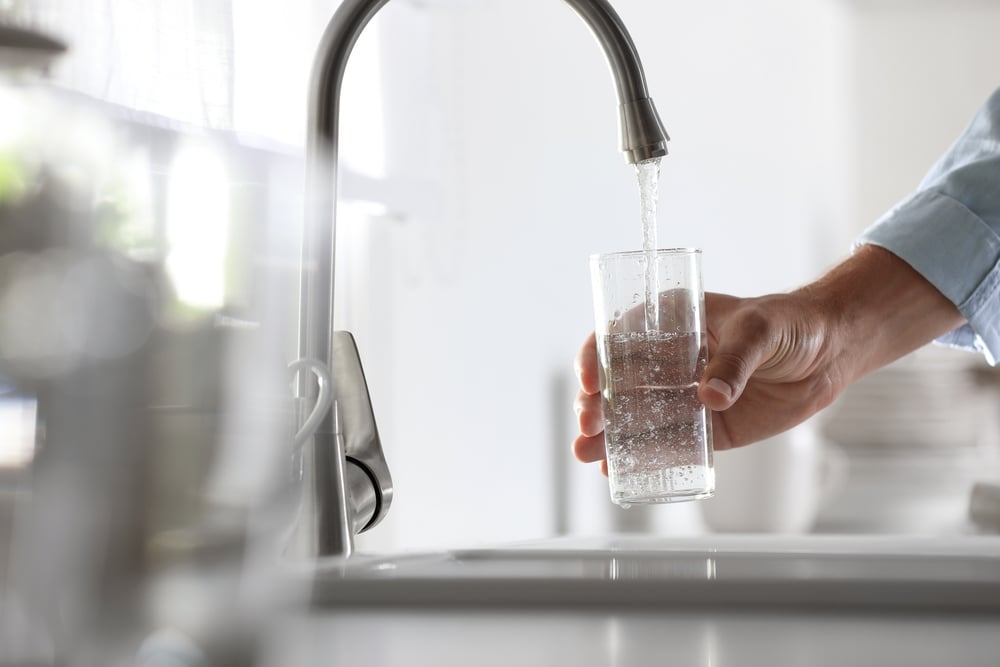
Understanding Tap Water in Spain: Quality, Safety, and Local Variations
Spain's appeal as a premier destination for both vacationers and long-term residents is partly due to its vibrant culture, pleasant climate, and beautiful landscapes. However, a frequently asked question among newcomers and travelers alike is: “Can you safely drink tap water in Spain?” This is an important consideration for health, convenience, and even environmental responsibility.
This in-depth article explores all essential aspects of tap water in Spain, delving into the origins, treatment standards, potential risks, myths, and the real-life experiences of residents. With expert insight, scientific data, and practical advice, this guide provides a comprehensive answer to the question: “Water uit de kraan in Spanje: wel of niet drinken?”
The Origins of Tap Water in Spain
To appreciate the status of tap water in Spain, it is crucial to understand its sources. Spain is a geographically diverse country, boasting mountains, valleys, and expansive coastlines. This diversity influences how and where municipalities source their water.
- Surface Water: Many Spanish cities collect water from rivers, lakes, and reservoirs, with major rivers such as the Ebro, Tajo, and Guadalquivir serving as essential sources.
- Groundwater: Regions with limited surface water, such as Alicante or Almería, often depend on subterranean aquifers.
- Desalination: Due to dry summers and sporadic droughts, especially along the Mediterranean coast and the Canary Islands, desalination plants are increasingly used to convert seawater into potable water.
These varied origins mean that the mineral content and taste of tap water can differ widely across the country, even before any treatment has occurred.
Legal Standards and Water Treatment in Spain
Spanish tap water quality is governed by stringent national and European standards. Spain, as a member of the European Union, adheres to the EU Drinking Water Directive 98/83/EC and its subsequent updates, regulating the presence of microorganisms, chemicals, and other potential contaminants.
National Regulations
Within Spain, water quality falls under the jurisdiction of the Ministry of Health and regional agencies. The Real Decreto 140/2003 sets out detailed protocols for water treatment, monitoring, and quality control.
Water Treatment Process
Almost all public water utilities in Spain follow a multi-stage process to ensure water safety:
- Coagulation and Flocculation: Removes suspended particles.
- Sedimentation: Allows for solid contaminants to settle.
- Filtration: Water passes through sand and other filtration systems to remove remaining particles.
- Disinfection: Usually achieved with chlorine or ozone to eliminate harmful microorganisms.
Regular testing ensures compliance with both national and EU standards. In most urban areas, the frequency of testing is high, guaranteeing the highest safety levels for consumers.
Regional Differences: Why Tap Water Quality Varies from Place to Place
While regulations are consistent, the experience of drinking tap water in Spain can significantly differ from city to city and village to village. Several factors are at play:
- Source Mineral Content: Water drawn from different geological sources may have varying levels of calcium, magnesium, and other minerals.
- Treatment Methods: Some areas, especially older towns or regions with aging infrastructure, might use distinct techniques.
- Distribution Networks: The quality of pipes, age of the infrastructure, and length of the distribution system can impact final water quality.
For example, cities like Madrid are renowned for their excellent water, sourced from pristine mountain reservoirs. Coastal cities like Barcelona, Malaga, and Valencia may have tap water that tastes saltier or more heavily chlorinated due to local treatment requirements or historical pipe systems.
Tap Water Taste: The Role of Minerals, Chlorine, and Pipelines
Taste is frequently cited as a reason why some avoid Spain's tap water, even when it's scientifically safe to drink. The flavor profile depends on several components:
- Minerals: Areas with "hard water" contain more calcium and magnesium, which can add a distinctive tang.
- Chlorine: Added for disinfection, chlorine can impart a chemical taste, especially if the local network requires higher levels for safe transport.
- Pipelines: Older pipes, particularly in historic districts, may introduce a metallic overtone or a faint odor, although these seldom pose significant health risks under standard monitoring.
Individuals unaccustomed to these flavors might perceive the water as unpalatable, even when safety is uncompromised.
Is Spanish Tap Water Safe to Drink?
From a legal and scientific perspective, tap water in Spain is generally safe for human consumption in most cities and towns. The extensive adherence to EU standards means that water quality is on par with many northern European countries.
However, certain exceptions do exist and should be considered:
- Rural or Isolated Areas: Small villages with independent water supplies may not always maintain the same rigorous control. Residents and travelers are advised to check with local authorities or their healthcare provider.
- Post-Disaster Events: Floods, earthquakes, or pipeline damage can temporarily compromise water safety. Announcements from authorities should always be followed in such circumstances.
- Old Buildings: In apartments or homes with very old internal plumbing, there may be occasional concerns about leaching metals, such as lead. Maintenance and periodic pipe replacement minimize these risks.
Health and Medical Perspectives on Drinking Tap Water in Spain
Medical professionals in Spain generally encourage the consumption of tap water, given its regulation and monitoring. Studies from prominent Spanish health institutes and universities consistently confirm a low incidence of waterborne illnesses traceable to municipally supplied tap water.
There are, however, certain cases where special precautions are advised:
- Immunocompromised Individuals: Those with weakened immune systems (due to illness, age, or medical treatment) should consult doctors about the best water practices, especially if staying in rural or less regulated areas.
- Infants: While tap water is usually suitable for infant formula, some pediatricians recommend using bottled water with low mineralization, mainly to avoid gastrointestinal upset.
- Travelers with Sensitive Digestive Systems: Those not accustomed to the mineral composition of Spanish tap water might initially experience mild digestive adaptation symptoms, such as minor stomach discomfort.
Overall, medical organizations in Spain and internationally do not recommend bottled water over tap water for the general population when tap water meets regulatory standards.
Bottled Water vs. Tap Water: Environmental and Economic Considerations
Bottled water consumption in Spain remains high—a trend inspired not only by taste preferences but also convenience and marketing. However, when compared objectively:
- Environmental Impact: Producing, transporting, and disposing of plastic bottles places strain on natural resources and contributes to environmental pollution.
- Economic Cost: Tap water is vastly cheaper; households relying predominantly on bottled water incur significantly higher annual expenses.
- Resource Sustainability: Prolonged droughts and climate variability in Spain highlight the necessity of sustainable water consumption habits.
For those averse to the flavor of tap water, simple domestic filters are an effective, sustainable alternative to bottled water.
Water Filtration Solutions: Improving Taste and Peace of Mind
If the taste or smell of tap water is off-putting or if there are concerns about potential contaminants in old pipes, a home water filtration system can be a practical investment.
Types of Home Filtration
- Activated Carbon Filters: Remove chlorine, some organic compounds, and can improve taste.
- Reverse Osmosis Units: Offer comprehensive filtration, eliminating most dissolved solids for households seeking ultra-pure water.
- Pitcher Filters: Provide convenience and moderate filtration, suitable for renters or holiday homes.
Before installation, it is wise to assess the underlying water quality and budget. Regular maintenance of filters is essential to avoid bacterial buildup.
Popular Myths and Misconceptions About Spanish Tap Water
Several widely held beliefs surround the safety and quality of tap water in Spain. Let’s address the most common myths:
- “All Spanish Tap Water Is Unsafe”: This is unfounded. Data and official testing reveal that virtually all urban Spanish tap water meets rigorous safety standards.
- “Chlorine Is Harmful”: The chlorine levels in Spanish tap water are kept well within safe limits and are regularly monitored.
- “Bottled Water Is Always Healthier”: Not necessarily. Tap water is often subject to stricter and more frequent testing than bottled alternatives.
- “Old Pipes Equal Danger”: While very old pipes can pose marginal risks, routine maintenance by municipalities and public awareness minimize this issue.
Being equipped with factual, scientific knowledge is the best way to make healthy, cost-effective choices.
Water Use in Cooking and Washing: Everyday Practicalities
Apart from drinking, water is integral to cooking, washing, and general hygiene. The Spanish standard for tap water safety extends to these uses as well. Dishes, produce, and utensils can be safely washed with tap water in virtually all parts of the country.
If ever in doubt (in the rare event of a municipal warning or advisory), simple measures such as boiling water before use can eliminate nearly all residual risks.
Cultural Attitudes Toward Tap Water in Spain
Cultural perceptions of tap water in Spain have evolved over the decades. Traditionally, bottled water was viewed as a “premium” option, leading to its popularity in homes, restaurants, and cafés. However, there is a growing movement—spurred by younger generations and environmental awareness—toward accepting and promoting “agua de grifo” (tap water).
- Many modern restaurants in urban centers are making tap water freely available upon request.
- Public fountains and dedicated refill stations are appearing in more cities, supporting tourists and residents alike in making sustainable choices.
- Educational campaigns aim to debunk myths and encourage rational, eco-friendly water consumption.
Legal Rights and Access: Tap Water in Public Places and Restaurants
In recent years, Spain has implemented regulations to promote drinking tap water over bottled alternatives as part of its sustainability initiatives. For example:
- Restaurants are now legally required to provide patrons with tap water for free upon request in many regions.
- Urban areas invest in public drinking fountains and community water taps.
These measures support both locals and visitors in making practical, environmentally conscious choices without incurring unnecessary costs.
Comparing Tap Water: Madrid, Barcelona, Alicante, and Malaga
Understanding regional nuances is essential to making informed decisions. Let’s review a few major destinations:
- Madrid: Universally praised for tap water purity and flavor, Madrid sources water from mountain reservoirs in the Guadarrama range. The taste is clean, and the mineral content is moderate, making it highly palatable.
- Barcelona: Heavily chlorinated owing to its source (largely the Llobregat River and desalinated seawater). Tap water meets safety standards but may have a saline or metallic aftertaste.
- Alicante: Water is safe by official standards but relatively high in minerals ("hard water"), which can affect taste and cause limescale build-up.
- Malaga and Costa del Sol: Safe to drink, though local reports often mention a somewhat robust mineral taste. Bottled water remains popular, but tap water is rigorously monitored.
Regardless of location, filtering options can help customize taste to individual preferences.
Water for Tourists and Short-Term Visitors: What to Know
Tourists frequently express concern regarding tap water, often prompted by stories or outdated information. Here’s what short-term visitors should consider:
- In cities and well-serviced towns, tap water is reliably safe for drinking, brushing teeth, washing fruits, and making ice.
- In rural villages or small islands, check with your host, hotel, or local authorities. Some rural dwellings may rely on well water or have older, isolated networks subject to periodic advisories.
- Travelers with chronic digestive issues or sensitive stomachs may choose to introduce tap water gradually or utilize filtered options.
Impact of Climate and Drought on Water Supply and Quality
Spain’s Mediterranean climate, with its cyclical droughts, places unique challenges on water provisioning. Across the past two decades:
- Drought: Extended dry periods can lower reservoir levels, affecting water taste (more concentrated minerals) or leading to temporary sourcing from alternative rivers or desalination plants.
- Quality Control: Water treatments are intensified during droughts to maintain consistent quality. In extreme cases, local authorities may recommend voluntary limits on consumption.
- Desalination Expansion: Recent investments in desalination technology have ensured a steady supply even during severe drought years, particularly along the Mediterranean coast and in the Canary Islands.
Consumers are not generally affected in terms of safety but may notice subtle fluctuations in taste or mineral composition.
Water Hardness and Its Effects on Daily Life
Many regions in Spain, especially along the Mediterranean, are known for “hard water”—that is, water rich in calcium and magnesium. This does not pose any notable health risk, but it has some practical implications:
- Hard water can cause limescale build-up in kettles, coffee machines, and pipes.
- Laundry detergents may not foam as much, and soap may leave more residue on skin and hair.
- Some individuals prefer using softening or filtering systems to improve household appliance longevity.
Implications for Real Estate and Relocation
Those moving to Spain—whether for a second home, long-term residence, or vacation rental investment—will find water quality to be a largely settled question in most urban and suburban areas. However, integrating local knowledge is wise:
- Ask neighbors or property managers about the local tap water’s taste and reliability.
- Inspect or request recent information on building plumbing and water maintenance, especially in older homes.
- Consider installing simple filter solutions for peace of mind or improved flavor.
Safe, accessible tap water enhances local quality of life and ensures everyday convenience for residents.
Water Safety for Pets and Plants
Most veterinarians agree that municipal tap water is suitable for pets (dogs, cats, birds) in the vast majority of Spanish localities. Likewise, household plants and gardens are unharmed by tap water, although hard water can leave deposits on leaves over time.
- For sensitive aquarium species, periodic testing and possible filtering is recommended due to mineral variability.
- Specialty plants may benefit from rainwater or filtered water in regions with very hard water.
Government and Consumer Transparency: Accessing Water Quality Reports
Spanish law entitles consumers to up-to-date information about tap water quality. Water utilities are obliged to publish regular reports detailing:
- Levels of key minerals and trace elements
- Presence (or absence) of microorganisms and contaminants
- Results from recent and historical tests
Residents can request these statistics from their town hall or local water provider. Transparency and accountability are foundational to public trust in Spain’s municipal water system.
Tips for Enjoying Safe, Refreshing Tap Water in Spain
- Acclimatize Gradually: If you find the taste unfamiliar, try alternating between filtered and unfiltered tap water at first.
- Chill Before Serving: Refrigerating tap water in a glass jug can reduce any lingering chlorine taste.
- Use a Filter: Even a basic pitcher filter can enhance flavor and clarity, providing bottled-quality water at a fraction of the price.
- Clean Fixtures: Regular cleaning of taps and faucet aerators helps maintain freshness.
- Stay Informed: Keep abreast of local advisories (rare as they are) for complete peace of mind.
Frequently Asked Questions About Tap Water in Spain
Can children safely drink Spanish tap water?
Yes, for the overwhelming majority of cities and towns, tap water is safe for children and pets. For infants under one year, consult your pediatrician regarding formula preparation based on the local mineral content.
Is it safe to drink water from public fountains?
Officially designated drinking fountains (“fuente de agua potable”) are regularly maintained and suitable for consumption. Decorative fountains should not be used for drinking.
What should I do if the water tastes odd?
Taste variations are common and generally not dangerous. If in doubt, run the tap for one minute before use or use a simple carbon filter. Persistent odor or discoloration warrants a call to your local water company.
Are there areas where bottled water is recommended?
In remote rural villages or temporary post-storm situations, advice may be issued for bottled or boiled water use. Always follow municipal guidance.
Does tap water contain fluoride?
Fluoride levels depend on the region. Some municipalities add fluoride under strict regulation to promote dental health; others do not. Detailed water quality reports will specify levels for your area.
How do I report a suspected water quality problem?
Contact your local water supplier or municipal health office. Most concerns are resolved swiftly via routine testing and inspection.
The Future of Tap Water in Spain: Innovation and Sustainability
Spain is actively investing in advanced water technologies to uphold supply reliability and quality. Current projects emphasize:
- Expanding desalination facilities along the Mediterranean coast and islands
- Pioneering water recycling and reuse for sustainable agriculture and industry
- Upgrading urban pipe infrastructure to minimize losses and contamination risks
- Public education promoting the health, taste, and environmental virtues of tap water
Official commitments to sustainability augur well for current and future residents, ensuring that tap water remains a safe, affordable, and eco-friendly resource.
Conclusion: Water uit de kraan in Spanje, wel of niet drinken?
The definitive answer for residents and visitors is clear: In almost all of Spain—especially in urbanized or well-maintained municipal areas—tap water is not only safe but also represents a sustainable, cost-effective, and healthy choice.
Concerns about taste or occasional local advisories can be easily managed with information, simple filtration, or following practical guidelines. Embracing tap water aligns with modern trends toward environmental responsibility and personal well-being.
Understanding local nuances and relying on official data allows everyone—whether relocating, investing, or exploring on holiday—to make the most of this vital resource with confidence and peace of mind.