





Introduction to Central Heating in Spain
Living in Spain is often associated with abundant sunshine, pleasant temperatures, and outdoor living. Yet, as any resident or homeowner will attest, many regions—especially in central and northern Spain—experience seasonal cold that can be surprisingly sharp. The traditional perception that heating is unnecessary in much of Spain is outdated, especially considering contemporary standards of comfort, efficiency, and property value. For those considering relocation, property investment, or simply seeking to enhance their living environment, understanding the ins-and-outs of centrale verwarming in Spanje—central heating in Spain—is paramount. This comprehensive guide from IMMO ABROAD covers every facet of the topic, ensuring informed decisions and optimal comfort.
Spanish Climate: Decoding the Need for Central Heating
Spain is a nation of climatic diversity. While the Costa del Sol and Mediterranean coastlines offer milder winters, the elevated central plateau—La Meseta—and northern regions such as Galicia, Asturias, and the Pyrenees can experience extended periods of cold, rainy, and even snowy weather. Many homes, particularly older ones, were built for summer living, emphasizing shade and ventilation over insulation and heat retention. As such, the demand for effective central heating solutions is on the rise, not just in chilly regions but as a marker of modern comfort throughout the country.
- Mediterranean Coast: Mild, wet winters; rare frost.
- Inland / Central Spain: Hot summers, cold winters, frequent sub-zero nights.
- Northern Spain (Green Spain): Damp, cool, significant rainfall, lower winter temperatures.
- Southern Spain: More arid, but mountain areas experience cold snaps.
- Islands (Canary/Balearic): Moderate climate, but occasional need for heating.
For many expatriates and second-home owners who are accustomed to homes with modern insulation and efficient heating, addressing the challenge of indoor warmth during winter months is essential for year-round enjoyment.
Central Heating: Definition and Types
Central heating is the method of providing heat to all or most parts of a building from a centralized source, commonly using hot water, steam, or air circulated via pipes, radiators, or vents. In the context of Spanish homes, several forms of central heating are used, each with distinct considerations for climate, dwelling type, and budget.
Key Types of Central Heating Systems in Spain
- Gas-Fired Central Heating (Caldera de gas): The most prevalent in urban settings, utilizing a gas boiler to heat water circulated to radiators or underfloor systems.
- Oil-Fired Central Heating (Caldera de gasóleo): More common in rural or isolated homes lacking mains gas supply.
- Electric Central Heating: Includes storage heaters, electric radiators, and underfloor heating using electrical resistance.
- Heat Pumps: Air-to-water, air-to-air, and geothermal systems gaining popularity for their efficiency and eco-friendliness.
- Solar-Assisted Heating: Integrates solar thermal panels, especially in sunny areas, reducing reliance on fossil fuels.
- Biomass and Pellet Boilers: Wood, pellet, or other organic materials fuel these efficient, renewable heating sources, often used in rural dwellings.
Choosing the right system involves a nuanced consideration of geographical location, house type, fuel availability, environmental impact, and personal preferences.
Assessing Your Property’s Heating Needs
To maximize comfort and minimize costs, it’s critical to assess the unique characteristics of your property before selecting or upgrading a central heating system. IMMO ABROAD works hand-in-hand with clients to evaluate crucial factors:
- Insulation Level: Older homes may lack double-glazed windows, quality roof insulation, or wall cavity treatment, leading to rapid heat loss.
- Building Materials: Thick stone walls may retain coolness in summer, but without proper design can stay cold in winter.
- Exposure and Orientation: South-facing rooms capture more winter sun, affecting overall heating requirements.
- Room Layout and Size: Large, open-plan spaces may need more powerful or distributed heating sources than compact, compartmentalized homes.
- Resident Preferences: Comfort temperatures vary from person to person; some prefer a cooler home, others want a consistent 21–23°C environment.
A professional heat-loss calculation or energy audit is highly recommended before committing to any system. This analysis identifies thermal weak points and provides the data necessary for right-sizing your installation—helping avoid underpowered systems or wasted investment.
Gas-Fired Central Heating: The Spanish Standard
Mains natural gas is the heating fuel of choice in many Spanish cities and towns, especially for newer builds. A modern gas-fired boiler (caldera) heats water that is then pumped through a network of radiators or into an underfloor system. Many boilers are also capable of handling the household’s domestic hot water needs, ensuring year-round efficiency.
Key Benefits:
- Quick and Even Heat: Radiators or pipes distribute warmth efficiently to all rooms.
- Control: Thermostat and timer functions enable precise temperature management and energy savings.
- Clean Operation: No smoke, soot, or indoor air pollution.
- Modern Condensing Boilers: Significantly more efficient and environmentally friendly, with lower emissions and running costs.
Installation Considerations
- Boiler Location: Usually installed in kitchens, utility rooms, or external casitas to minimize noise and save space.
- Gas Supply: Mains connection (if available) is cost-effective; bottled propane/butane may be needed in outlying areas.
- Regulatory Compliance: Annual inspections (revisión de caldera), proper ventilation, and certified installation are mandatory for safety.
Gas heating is well-loved for its balance of cost and comfort, but supply limitations and ongoing increases in natural gas prices are driving some homeowners to explore alternative or supplemental solutions.
Oil-Fired and Diesel Heating Systems
Where mains gas isn’t accessible—such as rural villas and fincas—oil-fired central heating remains an option. These systems work similarly to their gas counterparts but require an outdoor fuel storage tank and periodic fuel deliveries.
Pros and Cons of Oil Heating
- High Output: Capable of heating large or poorly insulated properties.
- Independence from Mains: Ideal for remote properties.
- Maintenance: Oil boilers require regular servicing to ensure efficiency and safety.
- Environmental Impact: Higher carbon emissions compared to gas or renewables.
- Fuel Price Fluctuations: Subject to volatility in international oil markets.
For larger estates or traditional country homes, oil sometimes remains the only viable traditional fuel source. However, due to tightening environmental standards and fluctuating operating costs, many are investigating new renewable energy alternatives.
Electric Central Heating: Flexibility and Coverage
Electric heating is a broad category encompassing wall-mounted radiators, underfloor heating, fan-assisted heaters, and storage systems that take advantage of off-peak electricity rates. In areas where gas or oil installations are impractical or prohibited, electric solutions fill the gap.
Types of Electric Heating Common in Spain
- Electric Radiators: Available in oil-filled or dry-panel models for both primary and supplemental heating.
- Storage Heaters (Acumuladores): Charge during off-peak hours and release heat over the day to spread costs.
- Direct-Air Electric Heaters: Quick to warm but less efficient for large areas or continuous use.
- Electric Underfloor Heating: Highly discreet and effective, particularly in bathroom and kitchen renovations.
While installation is often fast, simple, and unobtrusive (requiring no flues or fuel storage facilities), running costs for electric heating can be high—especially during Spain’s peak tariff hours. A common recommendation is to pair electric heating with modern insulation upgrades and smart thermostatic controls.
Heat Pump Technology: The Modern Heating Revolution
Heat pumps—whether air-to-air, air-to-water, or geothermal—transform outdoor energy into comfortable indoor warmth with remarkable efficiency. Acting like reversible air conditioners, they use small amounts of electricity to transfer ambient heat from exterior air or ground sources. In Spain’s temperate winters, this technology offers outstanding performance and environmental benefits.
Main Heat Pump Options:
- Air-to-Air Heat Pumps: Popular split-units, often marketed as air conditioners with heat mode.
- Air-to-Water Heat Pumps: Supply hot water for underfloor heating or radiators.
- Geothermal Heat Pumps: More expensive to install but offer superior consistency and output, ideal for high-end properties seeking long-term energy savings.
Advantages of Heat Pumps
- Efficient: For every kW of electricity consumed, up to 4 kW of heat can be delivered (COP of 4:1).
- Clean: No local emissions or need for flues/fuel storage.
- Dual Purpose: Heating in winter, cooling in summer.
- Low Maintenance: Minimal moving parts and full automation.
With government incentives and a growing emphasis on sustainability, heat pump adoption is surging nationwide. IMMO ABROAD collaborates with reputed installers to assess your property’s suitability and maximize efficiency.
Solar-Assisted Heating: Harnessing Spain’s Sun
No discussion of heating in Spain would be complete without addressing the extraordinary solar potential. Solar-thermal heating systems use roof-mounted collectors to generate hot water for domestic use and, in some cases, provide supplementary home heating.
System Types:
- Domestic Hot Water (DHW) Only: Most common, providing bath/shower water year-round.
- Combined Space and Water Heating: Integrates with underfloor or radiator systems to offset conventional fuel use.
Solar Heating Benefits
- Reduced Energy Bills: Significant savings on gas or electricity.
- Low Carbon Footprint: Environmentally friendly operation with minimal ongoing noise or emissions.
- Long-Term Investment: Systems require little maintenance and add lasting value to your property.
Optimal performance depends on orientation, shading, collector size, and integration with other heating types. IMMO ABROAD evaluates each case individually to ensure every installation achieves the owner’s objectives—whether that’s energy independence, ecological leadership, or simply lower monthly bills.
Biomass and Pellet Stoves: Sustainable and Stylish
Bioenergy systems using wood, olive pits, agricultural waste, or pellets are emerging as viable options for rural Spanish homes and modern eco-projects. Biomass boilers fuel traditional radiator and hot water systems, while stand-alone pellet stoves offer localized comfort with immense visual appeal.
Primary Features:
- Renewable Resource: Sustainable, locally-sourced fuel options.
- High Efficiency: Modern stoves boast combustion efficiencies of 80% or higher.
- Low Operating Cost: Pellets and bulk firewood can be considerably cheaper than fossil fuels.
- Aesthetics: Visible flame and contemporary designs make stoves a focal point in living areas.
Considerations for Installation
- Fuel Storage: Require dry, voluminous storage for wood or bags of pellets.
- Sourcing and Supply: Reliable suppliers are key to cost savings and system longevity.
- Chimney/Flue Access: Must comply with smoking regulations and safe venting standards.
For property owners favoring green credentials and rustic charm, biomass and pellet systems offer an alluring blend of reliability, affordability, and sustainability.
Underfloor Heating: Luxury Meets Efficiency
Underfloor heating is fast becoming the ultimate heating solution for renovations and new-build projects across Spain. By circulating warm water (hydronic) or using electric wiring beneath the floors, these systems deliver gentle, even heat—turning cold stone, tile, or laminate surfaces into pleasant walking areas throughout winter.
Types of Underfloor Heating:
- Hydronic (Water-Based): Typically connected to a gas, oil, or heat pump source; suited for large areas or full-home heating.
- Electric Underfloor: Easier and more cost-effective to retrofit, ideal for bathrooms, kitchens, and smaller spaces.
Advantages:
- Thermal Comfort: Consistent warmth from floor to ceiling; no cold spots.
- Invisible: No radiators or wall units occupy living space.
- Efficiency: Operates at lower temperatures, reducing running costs when well-insulated.
- Healthier Environment: Minimizes dust circulation—important for allergy or asthma sufferers.
Installation must be carefully planned for insulation, compatible flooring, and proper zoning. IMMO ABROAD frequently coordinates with architects and specialist engineers to ensure seamless integration and deliver the coveted spa-like comfort so many buyers crave.
Radiators in Spain: Traditional and Contemporary Options
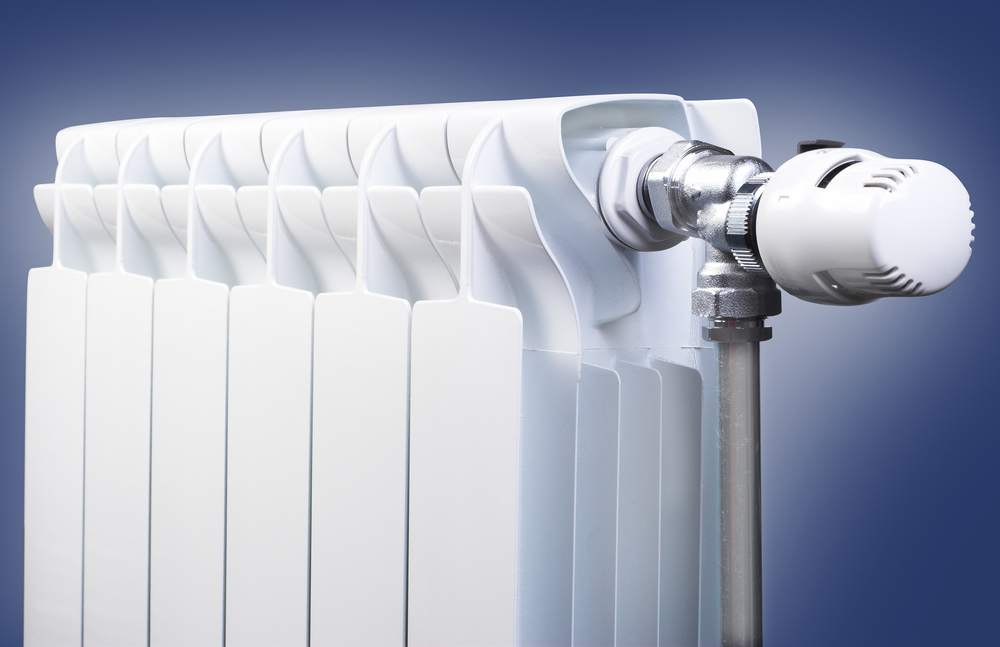
Radiators remain one of the oldest and most versatile means of dispersing heat in Spanish homes. Whether classic cast iron or sleek aluminum models, their modularity allows installation in nearly any room or configuration.
Types of Radiators:
- Hydronic Radiators: Connected to a central boiler; available in panel, column, or designer styles; support thermostatic valves for granular control.
- Electric Radiators: Independent units; plug-and-play installations; clever for guest rooms or additions where main pipework is impractical.
Placement Tips:
- Install beneath windows to combat cold drafts and boost convection.
- Allow for adequate space around radiators—blocked vents reduce performance.
- Consider oversized radiators in poorly insulated spaces for increased output.
Whether supplementing existing systems or deployed as the main heating method, radiators play a vital role as a flexible and effective solution for Spanish properties of all ages and sizes.
Energy Efficiency and Sustainability in Spanish Heating Solutions
Energy prices, environmental regulation, and climate consciousness drive ever-greater demand for efficient, sustainable central heating. Spain’s ambitious targets for renewable energy and the European Union’s legal frameworks shape the consumer choices, incentives, and available products in the market.
Key Efficiency Strategies:
- Condensing Boilers: Recycle exhaust gases for up to 30% better efficiency versus old atmospheric models.
- Smart Thermostats: Enable learning functions, mobile control, and zoning based on occupancy.
- Insulation Upgrades: Roof, wall, double glazing, and draught-proofing can halve heating bills.
- System Balancing and Maintenance: Annual checks, radiator bleed, and hydraulic optimization maximize performance.
- Hybrid Systems: Combine a heat pump or solar input with a conventional boiler for optimal cost and carbon reduction.
Government Incentives and Grants
Spain’s national and regional authorities periodically offer grants, rebates (subvenciones), or favorable financing for upgrading aging systems, installing renewables, or improving insulation. IMMO ABROAD stays ahead of policy changes and informs clients about available subsidies, guiding them through the application processes for significant savings.
Installation Process: What to Expect
The installation of a new central heating system in Spain is a logistical process requiring precise planning and expertise. IMMO ABROAD ensures each phase is executed with professionalism and transparency.
- Consultation and Assessment: A detailed property survey identifies needs, challenges, and owner priorities.
- Project Design: Engineers create bespoke plans addressing insulation, capacity, zoning, and existing infrastructure.
- Component Selection: Choosing the boiler, radiators, pipes, controls, and optional renewable integrations best suited to the client’s goals.
- Permitting: Where necessary, securing municipal approvals and ensuring compliance with prevailing regulations.
- Installation: Certified technicians execute the installation, typically in 3–10 days depending on scope, minimizing disruption wherever possible.
- Testing and Commissioning: Thorough system checks, user training, and handover documentation.
- Maintenance and Support: Advice on regular checks, service schedules, and warranty management.
Opting for a professional and experienced partner like IMMO ABROAD ensures not only compliance and efficiency but also peace of mind and ongoing support.
Costs: Budgeting for Comfort
Heating system costs in Spain vary widely based on the property’s size, the chosen technology, and the complexity of the installation. Below, we break down the major cost categories to expect.
1. Upfront Installation Costs
- Boiler: €900–€2,500, depending on output and manufacturer.
- Radiators: €100–€400 each, installed, plus pipework.
- Underfloor Heating: €50–€100 per m² installed, depending on technology.
- Heat Pump: €4,000–€12,000, based on system type and property needs.
- Solar Collectors: €2,500–€7,000 for a domestic hot water system with integration possible for space heating.
- Pellet/Biomass Boiler: €4,000–€10,000 depending on capacity and automation.
2. Operating Costs
- Gas: Typically 6–8 cents per kWh (as of 2024).
- Electricity: Highly variable; expect 20–30 cents per kWh.
- Fuel Oil: Priced per liter; total running costs typically €1,500–€2,500 per season for a family home.
- Biomass Pellets: €250–€350 per tonne; consumption depends on property size and insulation.
3. Maintenance and Servicing
- Annual Boiler Service: €80–€150, recommended for gas and oil systems.
- Heat Pump or Solar Inspection: €100–€200 for optimal performance.
- System Repairs: Allow for periodic part replacement, particularly for older or heavily-used installations.
While investment in modern and efficient systems can seem substantial, the payoff in comfort, energy savings, and property value enhancement is significant—especially when leveraged alongside grants and tax incentives available to Spanish property owners.
Retrofitting Central Heating in Traditional Spanish Homes
Many popular Spanish properties—whitewashed village casas, country fincas, and urban apartments—were constructed with minimal provisions for insulation or central heat. Upgrading these homes for modern comfort presents both challenges and exciting opportunities for creativity and value addition.
Common Obstacles:
- Limited Wall and Roof Space: Requires innovative pipework and radiator placement.
- Structural Concerns: Stone or brick walls need specialized tools and skills for concealed installations.
- Subfloor Restrictions: Not all floors are compatible with underfloor heating retrofits without substantial rework.
Recommended Strategies:
- Surface-Mounted Radiator Pipework: Tasteful trunking solutions that minimize intrusive building work.
- Zoned Systems: Enables comfortable heating without overloading supply in large or complex residences.
- Combined Heat-Pump and Electric Radiator Setups: For cost-effective, targeted comfort in principal living areas.
- Insulation Retrofits: Integrating roof, window, and door upgrades during the heating installation magnifies results.
With professional design and sensitive attention to architectural features, even the most historic homes can be transformed into warm, inviting retreats without compromising their unique Spanish character.
Smart Controls and Home Automation
Modern heating is no longer just about boilers and radiators. The arrival of smart thermostats and home automation is transforming Spanish central heating into a seamless, energy-savvy experience. Property owners can remotely monitor, adjust, and optimize their heating from anywhere in the world—vital for second homes and rental properties.
Popular Features:
- Remote App Control: Warm your home before arrival or dial back heating when away.
- Learning Algorithms: Thermostats adapt to your habits, minimizing waste.
- Multi-Room Zoning: Individual temperature control by area, perfect for larger or multi-floor homes.
- Integration with Solar and Renewable Inputs: Automatically prioritize eco-friendly sources when available.
Not only do these solutions enhance comfort and convenience, they can yield substantial energy savings. IMMO ABROAD recommends integrating smart controls during installation or upgrading existing systems for a future-proof setup.
Legal Requirements, Permissions, and Building Codes
Spain maintains robust standards regarding heating installations to safeguard property and personal safety. Homeowners and investors must ensure all works are certified and fully compliant with local, regional, and national laws.
Regulatory Aspects to Consider:
- Certified Installation: Only accredited professionals should carry out and sign off on gas, oil, solar, and electrical heating systems.
- Building Licenses (Licencias de Obra): Required for substantial works such as underfloor heating or structural insulation upgrades.
- Inspection and Insurance: Annual or biennial reviews for gas and oil systems; required for continued insurance coverage and property rentals.
- Energy Performance Certification: Any property for sale or rent must provide up-to-date energy rating documentation (Certificado de Eficiencia Energética).
- Urbanización Guidelines: In communal developments, certain external works (flues, panels) may require permission from the community of owners.
IMMO ABROAD guides every client through the paperwork maze, ensuring that your property complies with all current legislation, providing both peace of mind and future saleability.
Special Considerations for Second Homes and Rental Properties
Property owners who do not reside year-round or who rent out their Spanish home face unique heating challenges. Ensuring comfort, efficiency, and low running costs while minimizing maintenance and potential tenant misuse is top of mind.
Recommended Approaches:
- Programmable Thermostats: Set minimum and maximum limits, automate operation, and avoid unnecessary consumption when vacant.
- Zone Heating: Allow guests to heat only the areas they use, containing costs and complexity.
- Routine Servicing: Annual or seasonal check-ups before rental periods help prevent emergency callouts.
- Clear Manuals and Instructions: Leave tenants with easy-to-read guides to avoid confusion or damage.
IMMO ABROAD’s property management division can oversee seasonal switch-ons/offs, servicing, and even guest troubleshooting, maximizing property profitability and tenant satisfaction.
Comparing Central Heating to Traditional Wood Burners and Fireplaces
While the rustic wood-burning fireplace is part and parcel of the Spanish country home mystique, modern expectations for warmth and energy efficiency have shifted preferences towards central heating. However, many properties blend both options for maximum flexibility.
Fireplaces and Wood Burners:
- Atmosphere: Fireplaces create charisma, ambiance, and a sense of tradition.
- Local Heating: Ideal for spot-warming living rooms, but inefficient for whole-home coverage.
- Fuel Handling: Time-consuming sourcing, storage, and chimneys require ongoing maintenance.
- Emissions: Older models contribute to indoor and outdoor air pollution.
Central Heating:
- Consistent Warmth: Programmable coverage for all living areas.
- Convenience: No manual stoking or cleaning required.
- Integration: Can co-exist with open fires or wood burners for added charm without sacrificing comfort.
IMMO ABROAD frequently consults on hybrid solutions—pairing high-efficiency central heating with designer wood stoves or open hearths to deliver both visual romance and genuine thermal satisfaction.
Insulation: The Foundation of Efficient Heating
Investing in even the most state-of-the-art heating system yields diminished returns if your property suffers from poor insulation. Spain’s building legacy, which prioritized cooling over heat retention, often leaves “leaky” homes that bleed warmth—and money—through roofs, walls, and windows.
Priority Insulation Upgrades:
- Roof and Loft Insulation: Up to 25% of heat loss occurs via uninsulated roofs.
- Wall Cavity Treatment: Injected foam, mineral wool, or polystyrene beads can drastically improve performance.
- Double or Triple Glazing: Modern windows stop drafts and reduce noise.
- Sealing and Draught-Proofing: Window, door, and floor seals stop cold air ingress and eliminate “cold feet” syndrome.
IMMO ABROAD recommends a comprehensive energy audit as the first step in any heating improvement—it is often the least expensive, most impactful investment a homeowner can make.
Trends and Future Outlook for Central Heating in Spain
The future of central heating in Spain is being shaped by technology, policy, and environmental pressures. Several key trends are emerging, each influencing IMMO ABROAD’s advice to clients.
-
Major Shift to Renewables:
Solar panels, biomass boilers, and heat pumps are set to overtake fossil fuel heating in new projects and major renovations, spurred on by European targets and escalating gas/oil costs.
-
Smart Energy Integration:
The next generation of Spanish homes will feature heating solutions that flexibly balance grid electricity, on-site solar, battery systems, and automated controls for unbeatable efficiency and user experience.
-
Stringent Efficiency Requirements:
Expect building code amendments demanding higher insulation standards and lower emissions from both new build and retrofitted heating projects.
-
Hybrid Heating Solutions:
Systems that automatically prioritize renewables but “top up” with conventional fuels during extreme cold are rapidly gaining traction.
-
Decentralization and Independence:
Off-grid solutions, micro-CHP (combined heat and power), and building-scale renewables offer new levels of energy security and independence for forward-thinking buyers.
IMMO ABROAD actively monitors developments and advises clients on future-proofing investments—crucial in a rapidly-changing energy landscape.
Frequently Asked Questions: Central Heating in Spain
Below are insights into the questions clients ask IMMO ABROAD most often about central heating in Spain—their answers may help clarify your own ambitions and choices.
-
Does every Spanish property require central heating?
No, but in most inland, northern, or elevated areas, some form of heating is almost essential for winter comfort. Even in coastal zones, modern buyers increasingly prefer at least partial central heat.
-
What is the most cost-effective system?
The answer depends on property size, insulation, and local climate. Gas and heat pump systems are typically the most energy-efficient in well-insulated homes. Solar integration can offset costs, while electric heating is best for small spaces or infrequent use.
-
How long does installation take?
Simple radiator upgrades may take a few days. Full system installs—including boilers, radiators, and controls—usually require one to two weeks, with solar-thermal or underfloor heating potentially taking longer, especially in larger properties.
-
Can I manage my heating remotely?
Yes. Smart thermostats and home automation are widely supported and can dramatically enhance convenience for second-home owners.
-
Is it worth upgrading an old system?
In most cases, yes. Efficiency, comfort, and property values all benefit from investing in modern heating technology—especially when integrated with insulation improvements.
-
Are there grants for installing central heating?
Yes. IMMO ABROAD keeps abreast of national and regional grant schemes which can significantly defray installation costs for renewables and upgrades.
-
What maintenance is required?
Annual servicing is strongly recommended for gas, oil, and pellet boilers. Heat pumps and electric systems enjoy generally lower maintenance requirements but should still be checked yearly.
-
How can I improve my heating efficiency?
Insulation, smart controls, regular maintenance, and thoughtful system design have the greatest impact on running costs and comfort.
Choosing IMMO ABROAD: Expertise You Can Trust
For those seeking professionally-guided central heating solutions in Spain, IMMO ABROAD represents the gold standard in market knowledge, technical expertise, and client service. Whether your priorities are comfort, sustainability, cost control, or future-proofing your investment, IMMO ABROAD’s bespoke approach ensures every project meets your highest expectations.
Explore the possibilities. Experience living in Spain to its fullest: warm in winter, efficient year-round, and confident your property investment delivers both financial and lifestyle rewards.
Conclusion: The Art of Creating a Warm Spanish Home
Central heating is no longer a rarity or afterthought in Spanish homes; it has become a cornerstone of modern, comfortable living—one that responds to shifting climate, energy markets, and lifestyle aspirations. From radiant underfloor systems in stylish villas to invisible hydronic radiators in rustic farmhouses, today’s options have never been greater or more achievable.
IMMO ABROAD stands ready to guide you through every step—from property assessment and system specification, to seamless installation, smart integration, maintenance, and grant assistance. For every project, regardless of scope, our unwavering focus is on creating a beautiful, energy-efficient, warm home in Spain that will delight its occupants for years to come.
Contact IMMO ABROAD to begin your journey to unparalleled comfort and security—no matter where in Spain you wish to call home.