





Introduction to Home Security in Spain: Why It Matters More Than Ever
The allure of Spain—as a destination to live, vacation, or invest—has grown considerably in recent decades. With its vibrant culture, welcoming climate, stunning landscapes, and favorable real estate market, more people than ever are considering purchasing or renting a home here. However, the importance of securing your property cannot be overstressed. Whether you own a luxurious villa on the Costa del Sol, a chic apartment in Barcelona, or a rustic country house in Andalucía, protecting your home from burglary, vandalism, and unforeseen risks is crucial. This comprehensive guide explores every facet of home security specific to the Spanish context, empowering you to safeguard your residence with confidence.
Understanding Security Challenges: Risks Homeowners Face in Spain
While Spain is generally a safe country, property crime, such as burglary and theft, remains a concern for both locals and foreigners. Certain regions, particularly tourist hotspots and urban centers, tend to attract more unwanted attention due to seasonal population fluctuations and the perceived affluence of homeowners. Familiarizing yourself with these risks forms the bedrock of effective home protection.
- Burglaries: Break-ins often occur in unoccupied homes, especially in areas with high numbers of second homes.
- Vandalism: Properties left empty for long periods risk being vandalized, especially if security measures are visibly lacking.
- Squatting: “Okupas”—squatters—sometimes target uninhabited properties, leading to lengthy and costly legal processes for eviction.
- Fire and Natural Disasters: With Spain’s warm climate, fire protection is also a crucial aspect of home security.
Understanding these challenges underscores the need for a multi-layered security plan. Let’s dissect the components of a robust security strategy tailored to homes in Spain.
Assessing Your Property: Security Audit Essentials
A security audit is a systematic evaluation of your home’s vulnerabilities. Conducting a thorough assessment allows you to pinpoint weak points and prioritize improvements. In Spain, where architectural styles may include large terraces, interior courtyards, or ornate ironwork, audits must consider regional and historical nuances.
- Entry Points: Examine all doors, windows, gates, and garden access points for durability, lock quality, and visibility.
- Exterior Lighting: Darkness invites trouble. Assess whether your home’s exterior is well-illuminated at potential intrusion points.
- Landscaping: Overgrown shrubbery can provide cover for would-be intruders. Consider the layout and maintenance of gardens and hedges.
- Obvious Security Weaknesses: Old-fashioned locks, gaps in fencing, or exposed hinges are easy targets.
- Neighborhood Activity: Note the level of neighborhood surveillance, community activity, and presence of security patrols.
Document findings and itemize priorities. Awareness is the first line of defense.
Physical Barriers: Fortifying Doors, Windows, and Perimeters
Physical barriers form the foundation of any home security plan. In Spain, traditional designs–from wrought iron gates to robust wooden doors—offer both aesthetic charm and substantial protection when reinforced properly.
External Doors and Locks
Invest in high-grade security doors equipped with multi-point locking systems. Double-check the material—solid wood or reinforced steel doors are ideal. Ensure frames are bolted securely into masonry, and use anti-bump, anti-pick, and anti-drill locks for superior resistance.
Windows and Grilles (“Rejas”)
Install shatter-proof, laminated glass where possible. Classic Spanish “rejas,” or decorative iron bars, remain a popular and effective option, discouraging unauthorized entry without sacrificing style. In modern homes, explore roller shutters or smart glass solutions that darken or lock automatically.
Perimeter Fencing and Gates
Robust fencing minimizes easy access, especially for properties with extensive gardens or private pools. For entry gates, choose models with electronic access control, video intercoms, or reinforced locks. Ensure gates are tall enough to deter climbing and designed without footholds.
Modern Electronic Security: Alarms, Cameras, and Smart Solutions
Technological advancements have revolutionized home security in Spain. Contemporary systems offer real-time monitoring, integration with mobile devices, and swift emergency response. A layered approach combining alarms, surveillance, and smart automation brings peace of mind whether you’re at home or abroad.
Alarm Systems
Many Spanish homeowners install integrated alarm systems, with wireless models proving especially popular in older buildings where wired renovation is impractical. Key features to prioritize include:
- Motion Sensors: Detect unauthorized movement in and around the property.
- Door/Window Contacts: Trigger alerts if entry points are breached.
- Panic Buttons: Allow for immediate manual alarms in emergencies.
- 24/7 Monitoring: Professional security companies provide round-the-clock monitoring, often required for comprehensive insurance coverage.
Local regulations regarding alarm sounds, connections to emergency services, and false alarm protocols may vary, so consult a reputable home security specialist familiar with Spanish standards.
Video Surveillance
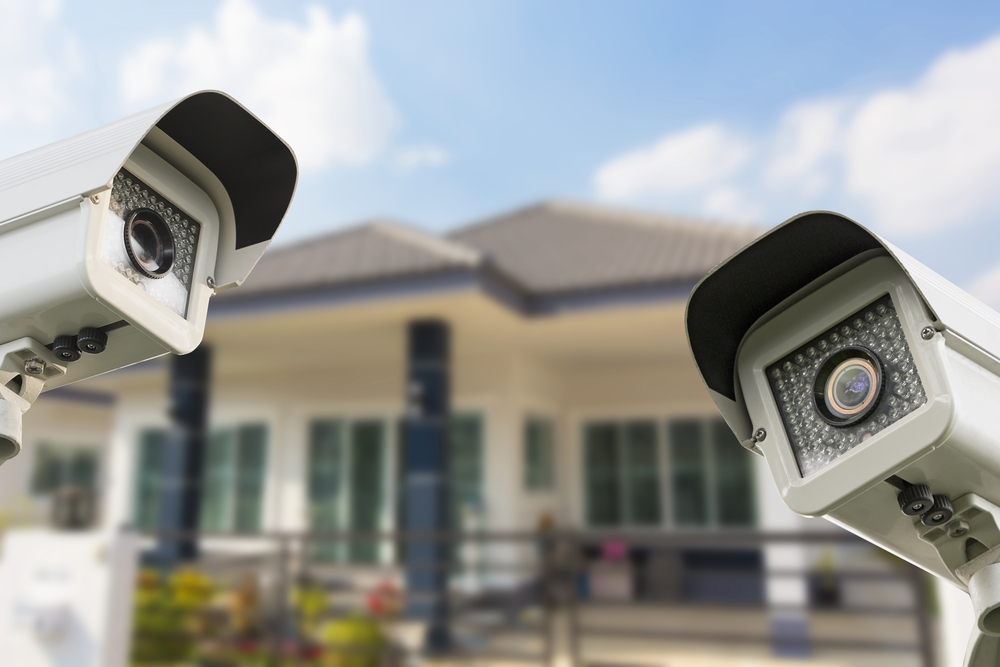
CCTV cameras offer invaluable visual deterrents and evidence in the event of a security incident. Choosing the right setup involves:
- Placement: Cover vulnerable angles without intruding on neighbors’ privacy rights (important under Spanish data protection laws).
- Remote Access: Via smartphone apps to monitor your home from anywhere in the world.
- Night Vision and Motion Activation: For effectiveness regardless of lighting conditions.
Install signage indicating camera surveillance; this is not just best practice but may also be mandated in certain municipalities.
Smart Home Automation
Smart home technologies—lighting, sound, blinds, and simulated occupancy—allow for proactive, adaptive security. Program lights to turn on and off while you are away, or integrate speakers to play ambient noise, giving the impression of an active household.
- Smart locks and entry systems permit remote granting of access to cleaners or delivery people, then instantly secure the premises.
- Interoperability with alarms and cameras means that alerts instantly trigger visual verification or emergency response.
Fire and Environmental Protection: Beyond Intruder Security
Comprehensive home security extends to protecting against fire, flood, and environmental hazards. With regions in Spain subject to arid seasons and unpredictable weather, these risks are nontrivial.
Fire Alarms and Smoke Detectors
Install interconnected smoke, heat, and carbon monoxide detectors on every level. Opt for systems that alert both inhabitants and emergency services directly—even when you are absent. Regularly test devices and replace batteries or sensors as recommended.
Flood and Gas Leak Detection
In vulnerable areas—such as near a kitchen, utility room, or basement—install water leak and gas detectors. Leak detection can trigger water shut-off valves and send mobile alerts, minimizing the risk and damage from burst pipes or accidental gas release.
Emergency Preparedness Plans
Prepare written and practiced emergency plans covering fire evacuation, contact details of local emergency services, and procedures for quickly securing the property when away. Keep fire extinguishers and blankets accessible, especially near kitchens and fireplaces.
Insurance Considerations: Protecting Your Investment
Securing your property in Spain involves more than physical and technological safeguards; robust insurance is a critical foundation of responsible ownership.
Understanding Local Insurance Requirements
While home insurance is not always mandatory under Spanish law, most mortgage providers require a minimum policy covering fire and structural damage. Contents insurance, personal liability, and protection against theft or vandalism offer added peace of mind.
Security Measures and Premium Reductions
Many insurers offer significant discounts to properties equipped with certified alarm systems, professional monitoring, high-quality locks, and reinforced doors or windows. Maintain documented evidence of all security upgrades—you may need to provide photos, installation certificates, or contracts with alarm monitoring companies to qualify for savings.
Understanding Coverage Limitations
Carefully review policy details. Some insurers limit payouts for properties left unoccupied for extended periods unless advanced protections are installed. Others require windows to be locked and alarm systems to be engaged during any absence for claims to remain valid.
Speak with an expert in Spanish property insurance to customize your policy based on the unique risks of your region, property type, and occupancy patterns.
Legal Aspects and Regulatory Compliance
Security upgrades in Spain may be subject to local, regional, and national regulations covering privacy, property modification, and neighborhood community rules.
Security Installations and Community Rules
For properties within formal communities (“comunidades”), such as apartment complexes or gated developments, check bylaws relating to:
- Modifications to common areas (e.g., installation of grilles, shutters, or cameras)
- External appearance regulations to preserve aesthetic harmony
- Permitted types of door and window installations
Data Protection and Surveillance Laws
Spanish and European (GDPR) data protection rules require that video surveillance does not capture public thoroughfares, common areas without consent, or neighboring properties. Clearly visible signage indicating CCTV coverage is generally obligatory.
Permission for Structural Changes
Some upgrades, such as the installation of high perimeter fences or alterations to historical facades, may require council permits—especially in protected urban, rural, or “casco antiguo” (old town) districts.
Always consult with local authorities or a legal professional before commencing significant work. Non-compliance can lead to fines or enforced removal of improvements.
Neighborhood Engagement and Community Initiatives
Collective vigilance and coordination among neighbors dramatically increase security in residential areas. Spain’s tradition of communal living and active “asociaciones de vecinos” (neighborhood associations) offers strong frameworks for collaborative safety.
Forming or Joining a Neighborhood Watch
Participate in, or help establish, neighborhood watch programs where residents agree to report suspicious activity, assist with property checks during absences, and pool resources for collective security improvements.
Community Alarms and Patrols
In many Spanish urbanizations, residents collectively fund entrance barriers, CCTV cameras in common areas, security lighting, and professional patrol services. Such shared investments lower individual costs and significantly deter criminal activity.
Holiday and Absence Coordination
Inform trusted neighbors when leaving for extended periods. Exchange contact details and request that they collect mail or adjust windows or blinds as necessary, to avoid visible signs of absence that might tempt opportunists.
Special Considerations for Second Homeowners and Expatriates
Spain’s thriving community of expatriates and owners of secondary residences face distinct security issues, particularly during seasonal absences.
Property Management and Key Holding Services
Engage professional property management or trusted key holders to perform regular inspections, simulate occupancy, and respond rapidly to any alerts—whether from your alarm system, neighbors, or environmental sensors.
Remote Security Management
Choose security systems that operate in your native language, allow remote monitoring and control, and offer integration with local emergency services for rapid intervention.
Legal Representation and Emergency Contacts
Maintain up-to-date documentation with local authorities of your current contact information and the details of a legal representative authorized to act on your behalf if you are abroad.
Securing Villas, Apartments, and Rural Properties: Tailored Strategies
The diversity of Spanish housing stock means that effective security plans require adaptation to each property’s specific characteristics.
Villas and Detached Homes
Large gardens, pools, and multiple access points demand extensive perimeter protection—robust fencing, motion-activated lighting, and comprehensive CCTV coverage. Gated driveways with remote access, video intercoms, and monitored alarms are highly recommended.
Urban Apartments
Security in apartment blocks depends on partnership with building management and fellow residents. Secure main entrances with controlled access systems, reinforce apartment doors, and consider individual alarm systems within each unit. Be vigilant regarding access to storage areas and communal garages.
Country Homes and Fincas
Rural isolation increases vulnerability. Invest in robust perimeter measures and consider utilizing local farm watch schemes. Satellite or radio-linked alarm systems are suitable where conventional monitoring may be unavailable.
Cost Analysis: Budgeting for Security Without Compromise
The costs of home security in Spain range widely depending on property size, location, and chosen level of protection. While initial investments may seem substantial, they pale in comparison to the emotional and financial costs of a break-in or disaster.
Hardware and Installation
- High-quality security doors: €800–€2,500 each
- Window grilles: €300–€1,000 per opening depending on complexity
- Basic alarm set-up: €400–€1,500, with optional monthly monitoring fees
- CCTV systems: €600–€2,500 for multi-camera networks
- Smart home automation: Varies; starter kits from €250, comprehensive systems €2,000+
Maintenance and Upgrades
Account for the periodic servicing of alarms, cameras, and detectors, as well as software updates for smart systems. Factor in potential costs for replacing worn locks or reinforcing frames after extreme weather.
Insurance Premium Impacts
Security investments frequently pay off via annual savings on insurance costs, as well as mitigating risk for premium increases after an incident.
Pooling Resources
Especially in communities or shared developments, collective security investments can lower individual contributions without compromising protection.
Security Best Practices: Daily Habits That Make a Difference
Even the best technology cannot substitute for sensible habits and consistent vigilance. Cultivating rigorous routines multiplies the efficacy of all physical and electronic measures.
- Always lock doors and windows when leaving—even for brief periods.
- Do not leave spare keys outside or in obvious places; entrust them only to reliable neighbors or professional key holders.
- Keep valuable items out of sight—avoid leaving electronics, handbags, or keys near windows.
- Use timers or smart systems to create the impression of occupancy during absences.
- Regularly inspect and maintain all hardware—faulty locks or sensors provide false assurance.
- Update alarm system codes and remove access for any former employees, tenants, or contractors.
- Stay informed about crime trends and scams specific to your area.
- Do not post vacation or travel plans on social media; wait to share until you return.
- Report suspicious behavior to local authorities or your neighborhood watch.
- Educate family members, children, and guests on basic security protocols.
Future Trends in Home Security for Spanish Properties
Spanish property security continues to evolve in tandem with global innovation and changing local realities. Several trends promise to redefine residential protection in coming years.
Artificial Intelligence and Predictive Analysis
AI-enhanced security systems can now distinguish between genuine threats and benign activity—such as pets or wildlife—reducing false alarms and allowing for more targeted interventions.
Biometric and Multi-Factor Access Controls
Fingerprints, facial recognition, and voice commands are increasingly incorporated as secure, convenient alternatives to traditional keys or PINs.
Smart Integration Across Devices and Platforms
Homes are moving toward seamless integration, where door locks, cameras, alarms, smoke detectors, and environment controls are managed from a single, user-friendly interface.
Eco-Conscious and Sustainable Security Choices
Green technologies—such as solar-powered alarms, energy-efficient lighting, and recyclable materials for fencing or sensors—are gaining traction among environmentally aware homeowners.
Localized, Real-Time Community Networks
Apps and platforms enabling instant reporting and coordination between neighbors, security services, and authorities are revolutionizing collective vigilance—especially in urban and suburban developments.
Sourcing Trusted Security Partners in Spain
Choosing the right security provider is fundamental. Look for companies with:
- Extensive experience with Spanish property types and local laws
- Positive client references and robust after-sales support
- Licensing and professional affiliations guaranteeing quality and accountability
- Technicians who speak your language and understand the unique concerns of international clients
Always insist on detailed, written quotations and contracts. Clarify warranty terms, emergency response protocols, and upgrade pathways to future-proof your investment.
IMMO ABROAD: Your Ally in Safe Spanish Home Ownership
A secure home is your sanctuary—whether it is for your family, as a second residence, or an investment asset. IMMO ABROAD understands the multifaceted challenges faced by property owners in Spain and is committed to supporting you through every step, from security audits to connecting you with verified local professionals and advising on best security practices for your situation.
With dedication to client safety and satisfaction, IMMO ABROAD serves as a trusted resource for both newcomers and seasoned residents. Your peace of mind is a paramount priority, ensuring your Spanish home remains a safe haven for years to come.
Conclusion: Creating a Bespoke Security Plan for Your Spanish Home
Securing your home in Spain is a dynamic process—combining physical resilience, technology, insurance, legal awareness, community cooperation, and daily vigilance. This guide provides a foundation to assess your unique risks, implement layered defenses, stay compliant with local regulations, and adapt to emerging security innovations.
Ultimately, home security is about more than protecting property—it is about safeguarding tranquility and lifestyle. With informed decisions and the right partners, you ensure that your Spanish retreat, urban residence, or countryside finca remains a space of joy, comfort, and serenity.
Appendix: Security Checklist for Homes in Spain
- Reinforced exterior doors with secure locks
- Window grills or shatter-proof glass on all accessible windows
- Perimeter fencing and electronic gates
- Alarm system with professional monitoring
- CCTV with remote and night-vision capabilities
- Smart home automation for lights, blinds, and access
- Smoke, heat, and gas detectors installed on every level
- Custom insurance policy reflecting all security measures
- Compliance with community, privacy, and local building regulations
- Active participation in neighborhood watch or community patrol
- Trusted key holder or property management for absences
- Emergency procedures posted and regularly rehearsed
- Routine property checks and system maintenance
By following this checklist and the guidance outlined in this extensive guide, you can confidently secure your home in Spain—whatever its style, location, or usage. IMMO ABROAD stands ready to assist, ensuring you benefit from all the rewards of Spanish living with none of the worries.