





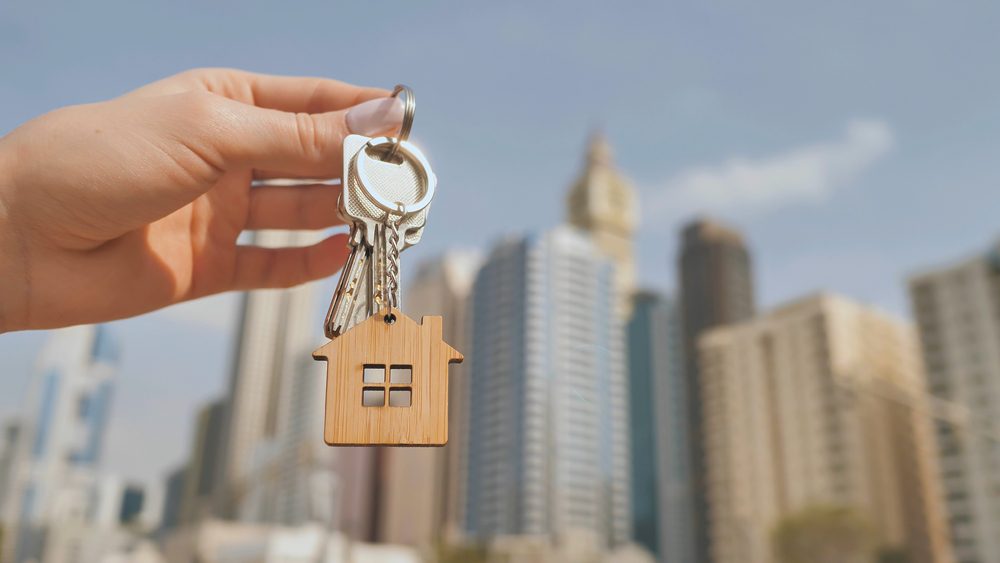
Introduction: The Allure of Dubai as an Investment Destination
Dubai, a city known for its futuristic skyline and dynamic real estate market, has emerged as an exceptional destination for international investors. Over the past two decades, Dubai has evolved from a desert outpost to a global metropolis, offering a harmonious blend of culture, luxury, and economic opportunity. For those considering real estate and financial investments, the city presents an array of compelling reasons to act now. This article explores, in detail, why investing in Dubai today is a strategically wise decision, examining everything from economic stability and lifestyle offerings to specific sector trends and legal frameworks.
1. Economic Resilience and Visionary Growth
Dubai’s robust economic framework is fundamental to its attractiveness as an investment hub. Strategic geographical positioning, progressive government policies, and an unwavering commitment to innovation have paved the way for consistent growth. Dubai is more than just a tourist attraction; it is a thriving business center actively diversifying away from oil dependency.
1.1. Diversified Economy: Beyond Oil
Although the UAE historically built its fortunes on oil, Dubai shifted direction decades ago. Presently, less than 1% of the emirate’s GDP stems from oil. Sectors such as tourism, trade, logistics, finance, technology, and real estate fuel Dubai’s onward march toward economic diversification. This balanced approach insulates the city from the volatility marking other regional economies.
1.2. Consistent GDP Growth
Even during turbulent global periods, Dubai has demonstrated remarkable economic resilience. With a GDP surpassing $110 billion and a stable growth trajectory averaging around 4% annually, the emirate stands firm as an economic powerhouse. Such performance instills investor confidence and signals sustainable long-term prospects.
1.3. Visionary Policies and Expo 2020 Legacy
Landmark initiatives such as the Dubai Plan 2040 and the legacy of Expo 2020 propel the city into a new era of opportunity. These efforts prioritize smart urban expansion, green sustainability, digitalization, and the scaling up of business ecosystems, ensuring Dubai’s allure persists for decades to come.
2. Favorable Regulatory and Legal Framework for Foreign Investors
Dubai has made significant strides to create a regulatory environment that is both transparent and protective for foreign investors. These efforts are particularly evident in the realm of real estate and broader business operations.
2.1. Full Foreign Ownership and Free Zones
With the introduction of freehold property laws and designated free zones, non-GCC nationals can now own property outright in many areas. Dozens of free zones allow 100% foreign business ownership without the necessity for a local partner. This progressive framework removes historical barriers, fueling inbound investment.
2.2. Investor-Friendly Regulations and Strong Rule of Law
The Dubai Land Department (DLD) maintains rigorous property registration standards and upholds investors' rights throughout transactions. Arbitration centers and property courts operate efficiently, providing recourse and confidence to international buyers. The government’s proactive stance in regulating off-plan sales, escrow accounts, and project completion fosters a secure atmosphere for investors.
2.3. Golden Visa and Residency Incentives
Recently, the UAE unveiled long-term residency programs such as the Golden Visa, catering especially to property investors, entrepreneurs, and skilled professionals. By investing a certain amount in real estate, individuals and their families can secure 5-10 years of renewable residency. This policy makes Dubai uniquely attractive to those seeking both fiscal returns and lifestyle benefits.
3. Real Estate Market Dynamics: A Land of Opportunity
Dubai’s property market is as diverse as its skyline—encompassing luxury penthouses, waterfront villas, downtown apartments, and lucrative commercial spaces. A combination of favorable prices, strong demand, and rental yields makes the current market rife with value.
3.1. Booming Residential Sector
The residential real estate segment in Dubai consistently ranks among the world’s most dynamic markets. Prime districts such as Downtown Dubai, Palm Jumeirah, and Dubai Marina attract global buyers seeking luxury and proximity to economic centers.
Notably, rental yields in Dubai often surpass those in other global cities, with annual returns of 5-8% for well-located properties. Moreover, properties across all classes—off-plan, ready-to-move-in, affordable, and luxury—show favorable price appreciation trends, buoyed by high international demand and limited new supply in premium segments.
3.2. Commercial and Hospitality Prospects
Dubai’s commercial real estate market reflects the emirate's global business ambitions. Office spaces in free zones, retail outlets in prime malls, and hotel assets all attract robust interest. The city’s role as a key events hub, its ever-growing tourism sector, and its international status as a conference destination create steady leasing and capital appreciation opportunities.
3.3. Off-Plan and Pre-Construction Investments
Off-plan property investments—purchasing units before construction completes—provide international buyers with attractive payment plans and potential high capital gains. Many reputable developers offer structured payment schedules, post-handover payment plans, and rent-to-own options. These innovative models broaden investor access and can yield substantial returns as projects near completion and handover.
4. Lifestyle Appeal: A Cosmopolitan Global City
Investors are drawn to Dubai not only for financial returns but also for its unparalleled lifestyle advantages. The city masterfully merges global sophistication with traditional Arabian hospitality, ensuring it stands apart as a destination to live, work, and invest.
4.1. Safety, Stability, and Social Harmony
Dubai consistently ranks among the world's safest cities, with low crime rates, exemplary infrastructure, and efficient governance. Residents enjoy peace of mind, whether strolling along illuminated boulevards or partaking in family-oriented leisure pursuits. The cosmopolitan community features over 200 nationalities living and working together harmoniously.
4.2. World-Class Infrastructure and Healthcare
Dubai’s ambitious infrastructure investments have yielded results: world-class roads, seamless public transport, modern airports, and public amenities abound. The city is also a growing hub for healthcare, featuring internationally accredited hospitals and wellness centers. This infrastructure supports both business and high living standards for residents.
4.3. Leading Education and Cultural Offerings
Top international schools and universities attract expatriate families, ensuring educational continuity. Beyond academics, Dubai offers a vibrant cultural calendar filled with film festivals, art exhibitions, food events, and sporting tournaments.
5. Tax Benefits and Financial Advantages
Dubai is celebrated for its investor-friendly tax environment. The absence of personal income tax, capital gains tax, and inheritance tax presents a unique advantage for global investors, particularly in real estate and business assets.
5.1. No Income or Inheritance Taxes
Income generated from Dubai-based assets—whether rental income or business proceeds—is not subject to personal income tax for non-residents or residents. With no estate taxes imposed on property inheritance, asset transfer across generations is straightforward and cost effective.
5.2. Strategic VAT Framework
While a value-added tax (VAT) of 5% applies to certain goods and services, it does not apply to residential property transactions involving a first-time property handover. As a result, investors in newly developed homes enjoy substantial savings compared to markets with hefty transaction taxes and stamp duties.
5.3. Double Taxation Treaties and Repatriation Freedom
The UAE maintains a robust network of double taxation avoidance treaties with over 100 countries, protecting investors against double taxation on their international earnings. Full repatriation of capital and profits is permitted, supporting business owners and property investors alike in maximizing returns.
6. Population Growth and Enduring Demand
Dubai’s demographic trajectory plays a central role in its sustained investment appeal. The city is both a magnet for international migration and a nucleus of organic population growth, creating ongoing demand for real estate, services, and infrastructure.
6.1. An Expatriate Melting Pot
Expatriates comprise over 85% of Dubai’s population, drawn by employment opportunities, high living standards, and stable governance. This constant influx fuels demand for new housing, especially in prime and emerging neighborhoods. Developers continue to respond with master-planned communities, vertical living spaces, and family-friendly neighborhoods.
6.2. Positive Demographic Trends
Dubai’s population has surpassed 3.5 million and is projected to reach over 5 million by 2040. This growth underpins future demand for residential and commercial real estate, ensuring property values and rental incomes remain resilient. Young professionals, remote workers, and entrepreneurs see Dubai as a desirable long-term home base.
6.3. Global Talent Attraction Initiatives
Dubai is actively cultivating its image as a magnet for global talent, entrepreneurs, and digital nomads. Initiatives such as remote working visas, tech hubs, and start-up programs not only attract new residents but also foster a creative, innovative business ecosystem that benefits investors.
7. Strategic Location and Connectivity
Dubai’s geographical position at the crossroads of Europe, Asia, and Africa makes it a vital trading center and travel hub. This strategic connectivity is a key driver behind its role as a top-tier investment destination.
7.1. Global Transport Infrastructure
Dubai International Airport is among the busiest for international passengers and connects the emirate to over 200 destinations worldwide. The burgeoning Dubai World Central (Al Maktoum International Airport), combined with one of the largest seaports in the region, cements Dubai’s status as a logistics giant.
7.2. Hub for Business and Tourism Events
Major international events, trade fairs, and business summits—such as the World Expo, GITEX, and Arabian Travel Market—take place in Dubai, attracting decision-makers, innovators, and investors from every continent. This activity sustains the city’s hospitality, MICE (Meetings, Incentives, Conferences, Exhibitions), and commercial real estate sectors.
7.3. Gateway to Innovation
Dubai’s strategic location is complemented by a commitment to innovation. The city is a leader in smart city initiatives, fintech, blockchain adoption, and digital infrastructure, positioning itself at the frontier of 21st-century global commerce.
8. Resilient Market Performance and Expert Predictions
Dubai’s property and investment markets have not only weathered global crises but often outperformed global benchmarks in terms of stability and recovery. Strategic government intervention, transparent regulation, and sustained foreign interest have shielded the market from significant downturns.
8.1. Strong Post-Pandemic Recovery
The COVID-19 pandemic initially impacted all global real estate markets, yet Dubai’s quick and coordinated response fostered a rapid rebound. Property sales reached record highs in 2022 and 2023, with prime neighborhood prices hitting all-time peaks. Increased off-plan sales and foreign direct investment signaled renewed optimism among both end-users and investors.
8.2. Ongoing Value Appreciation
The city’s best-performing sectors—luxury villas, branded residences, and off-plan developments—continue to post double-digit annual gains. Leading analysts expect continued price appreciation as the population increases and new international investors seek asset stability, portfolio diversification, and dollarized returns.
8.3. Institutional and Sovereign Investor Confidence
Dubai remains a preferred jurisdiction for institutional investors, sovereign wealth funds, and private equity, all seeking exposure to the emirate’s dynamism. Recent large-scale deals in logistics, hospitality, and infrastructure underscore the faith that global capital has in Dubai’s market fundamentals.
9. Innovations in Property Investment Structures
Dubai is at the cutting edge of new investment models, making real estate more accessible and profitable for a diverse range of investors. Several innovative structures are worth highlighting.
9.1. Real Estate Investment Trusts (REITs)
REITs allow investors to purchase shares in income-generating real estate portfolios without direct ownership of physical assets. Dubai’s REIT framework offers an attractive vehicle for those seeking liquidity, regular dividends, and diversified exposure to office, retail, and residential assets.
9.2. Fractional Ownership and Co-Investment
Fractional ownership schemes, where multiple parties own a stake in a single property, are gaining traction in Dubai. This democratizes high-end real estate, enabling access to trophy assets in locations once reserved for institutional buyers.
9.3. Proptech, Tokenization, and Blockchain Transactions
The adoption of property technology (proptech), digital platforms, and blockchain transaction protocols streamlines property transactions and opens new frontiers. Digital title transfers, tokenized real estate shares, and virtual property tours reflect Dubai’s willingness to embrace the future of real estate investment.
10. Sustainable Development and Environmental Concerns
As global investors become increasingly attuned to environmental, social, and governance (ESG) factors, Dubai’s focus on sustainability stands out. Ambitious new developments prioritize green building, smart infrastructure, and ecological balance.
10.1. Green Building Certifications
Dubai Municipality and major developers encourage LEED and WELL-certified projects, championing energy efficiency, reduced water use, sustainable landscaping, and healthy living environments. Eco-friendly master-planned communities set new global benchmarks in sustainable urban living.
10.2. Government Climate Initiatives
Initiatives such as Dubai Clean Energy Strategy 2050 and the implementation of solar power across new developments underline a citywide commitment to reducing carbon emissions and promoting renewable energy. These priorities enhance property values and appeal to ESG-conscious investors.
10.3. Smart City Infrastructure
With an extensive smart grid, integrated mobility platforms, and IoT-enabled public spaces, Dubai consistently ranks as one of the world’s leading smart cities. These investments make the emirate’s property market future-ready and resilient against global shifts.
11. Buyer Profiles: Who Is Investing in Dubai?
Understanding buyer demographics is critical to contextualizing the surge in Dubai property investment. Individuals and families from across the world see Dubai as a refuge of opportunity.
11.1. High Net Worth Individuals (HNWIs) and Ultra-HNWIs
Elite investors consistently gravitate toward Dubai’s luxury neighborhoods, waterfront properties, and branded residences. The appeal lies in security, exclusivity, and strong rental yields, with many global citizens establishing footholds in the city as part of wealth-diversification strategies.
11.2. Entrepreneurial Migrants and Remote Workers
Digital entrepreneurs, start-up founders, and location-independent professionals find Dubai’s liberal visa policies and advanced infrastructure compelling. Flexible office spaces, innovative business licensing, and remote work visas, combined with tax benefits, drive ongoing demand for mid-market and high-end residential units.
11.3. Institutional Investors and Family Offices
Major investment funds, institutional investors, and family offices routinely allocate capital to Dubai real estate, hospitality, logistics, and infrastructure projects. The city’s transparency, predictable returns, and capital appreciation prospects rival those of established global financial hubs.
12. Step-by-Step Guide to Investing in Dubai: Process and Considerations
Navigating Dubai’s investment landscape is straightforward but requires thorough understanding and preparation. Consider the following stepwise approach to ensure a smooth transaction:
- Research and Market Analysis: Identify asset types, neighborhoods, and growth sectors aligned with your goals. Analyze local market trends, developer credentials, and price appreciation histories.
- Financing and Budgeting: Determine your budget, financing sources, and preferred payment terms. Evaluate mortgage availability, especially for international investors, and pre-qualification requirements.
- Select a Reputed Agency: Engage with IMMO ABROAD—your trusted partner in navigating Dubai’s property sector, known for its professionalism, market expertise, and client-centered approach.
- Site Visits and Due Diligence: Conduct virtual or physical site inspections. Review property documents, title deeds, and developer backgrounds. Undertake legal and technical due diligence.
- Transaction and Registration: Sign a sales agreement and settle the required deposit. Complete the transaction at the Dubai Land Department, ensuring official property transfer and registration.
- Post-Sale Services: Arrange property management, tenant sourcing (if buy-to-let), utility set-ups, and community onboarding. Explore additional services tailored by IMMO ABROAD for turnkey investment solutions.
By following these steps and leveraging expert guidance, investors can optimize outcomes while minimizing risk.
13. Risks and Mitigation Strategies
Every investment carries inherent risks, but Dubai’s property and business markets offer strong mitigants. Being informed and prepared is crucial.
13.1. Market Volatility
While Dubai has historically demonstrated resilience, property prices can experience cycles. Diversifying across asset classes, favoring established neighborhoods, and leveraging professional insights reduce exposure to volatility.
13.2. Regulatory Changes
The regulatory environment, though generally stable, can evolve. Staying abreast of policy shifts and seeking ongoing advice from IMMO ABROAD helps protect long-term interests and ensures regulatory compliance.
13.3. Over-Supply Risks
Some city districts periodically face supply gluts. Conducting detailed neighborhood analysis and prioritizing locations with controlled development pipelines mitigates this risk. IMMO ABROAD’s advisors monitor supply-demand balances to offer informed recommendations.
14. Investment Hotspots: Neighborhoods and Sectors to Watch
An informed investor’s strategy should include identifying high-potential neighborhoods and asset types. Dubai boasts diverse districts, each with unique investment appeal.
14.1. Prime Residential Areas
- Downtown Dubai: Home to icons like Burj Khalifa and Dubai Mall, it attracts executive renters and international buyers seeking luxury and convenience.
- Palm Jumeirah: This flagship man-made island offers exclusive villas, apartments, and branded residences with panoramic water views and high yields.
- Dubai Marina: A cosmopolitan hub with high-rise living, vibrant nightlife, and strong demand from professionals and expatriates.
- Jumeirah Village Circle (JVC): Popular for its affordability, family orientation, and active tenant demand, providing excellent entry-level opportunities.
14.2. Emerging Districts
- Dubai Creek Harbour: Set to become a future downtown with sustainable master-planning, public parks, and signature towers.
- MBR City: Named after Dubai’s visionary ruler, this area blends greenery, luxury, and proximity to downtown attracts sophisticated investors.
- Business Bay: Combining commercial vibrancy with residential development, this district appeals to young professionals and corporate tenants.
14.3. Commercial and Industrial Hubs
- Jebel Ali Free Zone: The region’s logistics nerve-center attracts global manufacturing and supply chain operators.
- Dubai South: Master-planned for aviation, logistics, and residential development—home to Expo 2020 legacy assets.
15. Financing and Mortgage Options in Dubai
Flexible financing solutions are available to both residents and non-residents, enabling greater investment accessibility and portfolio leverage.
15.1. Mortgage Solutions for International Buyers
Major UAE banks and international lenders offer competitive fixed and variable-rate mortgage products. Loan-to-value (LTV) ratios typically range from 50% for non-residents up to 80% for residents, with varied documentation and income verification requirements.
15.2. Sharia-Compliant and Islamic Finance
Dubai’s large Islamic financial sector ensures that Sharia-compliant home financing is available, featuring no interest payments but profit-sharing or rental-based structures, catering to religious and ethical preferences.
15.3. Off-Plan Payment Plans and Developer Financing
Many developers in Dubai offer staged payment plans over the development cycle, sometimes extending post-handover for enhanced affordability. Investors can thus secure properties for a fraction of the upfront cost, benefiting from phased capital commitment and potential capital appreciation during construction.
16. The Role of Professional Advisors: Maximizing Value
Engaging informed, professional advisors is essential to maximizing investment value and safeguarding interests during Dubai transactions.
16.1. Market Expertise and Negotiation Skills
IMMO ABROAD’s experienced consultants combine up-to-the-minute market knowledge and strategic negotiation prowess. Clients receive tailored advice on asset selection, pricing trends, and timing strategies to optimize entry and exit points.
16.2. Legal and Regulatory Guidance
Comprehensive understanding of local regulations, documentation requirements, and compliance standards is critical. IMMO ABROAD’s legal teams and partner firms handle every aspect of the due diligence and registration process for a seamless experience.
16.3. Turnkey Management Solutions
Post-acquisition, IMMO ABROAD offers asset management, property maintenance, tenant sourcing, and resale support—ensuring end-to-end value realization for investors, whether seeking rental income or long-term appreciation.
17. Dubai’s Long-Term Vision: A Future-Proof Investment
Several established factors provide a glimpse into Dubai’s promising futurity—factors that assure ongoing opportunity and value growth for investors.
17.1. Dubai Vision 2040 Urban Masterplan
The Dubai 2040 plan aims to create sustainable, green, and accessible urban environments. Expanding parkland, revitalizing neighborhoods, and fostering knowledge-based industries all raise the forecast for real estate and commercial demand through the mid-century.
17.2. Persistent Innovation and Digitalization
Dubai is a global test-bed for tomorrow’s technologies—driverless transport, AI integration, blockchain governance, and the metaverse. For property and business investors, Dubai’s drive for innovation signals ongoing economic relevance and asset resilience as technology transforms industries.
17.3. Geopolitical Stability and Openness
As a beacon of stability in an often-volatile region, Dubai’s neutrality, openness, and pro-business governance contribute to investor peace of mind and sustained inflows of capital from around the world.
18. Why Now? The Unique Window of Opportunity
Seasoned investors recognize that timing is paramount in achieving outsized returns. The current convergence of economic recovery, robust population growth, legal reforms, technological transformation, and global capital flows creates an unprecedented window of opportunity in Dubai.
18.1. Early-Mover Advantages in New Districts
New master-planned communities in the city are offering first-mover rewards in the form of preferential pricing, innovative amenities, and lower entry costs. As supply solidifies and infrastructure completes, these areas often experience the sharpest capital appreciation.
18.2. Attractive Valuations and Strong Currency Linkages
Property values in Dubai remain competitive when benchmarked against global peers, especially in luxury and waterfront segments. The local dirham’s peg to the US dollar further shields international investors from currency volatility—a powerful value preservation feature in times of macroeconomic upheaval.
18.3. Pent-Up Global Demand
Post-pandemic, pent-up demand from Europe, Russia, Asia, and Africa is translating into record transaction volumes and surging price indexes. This global demand surge may compress future supply, making today’s purchase timing exceptionally favorable.
19. Ethical Investment and Social Responsibility
Modern investors increasingly seek opportunities that align with their ethical values and contribute positively to society. Dubai’s commitment to responsible business underpins its status as a forward-thinking destination.
19.1. Corporate Governance and Transparency
Dubai exerts rigorous regulatory oversight, promoting transparency, anti-money laundering compliance, and shareholder protection. High corporate governance standards reassure stakeholders across the investment lifecycle.
19.2. Community Development and Philanthropy
Developers and major corporations in Dubai contribute heavily to social projects, affordable housing, and philanthropic initiatives. Investors can be confident of supporting a city where economic growth is matched by social progress.
19.3. Supporting Diversity and Inclusion
Dubai’s multicultural ethos and anti-discrimination laws provide a supportive ecosystem for people from every background—empowering innovation, idea exchange, and community enrichment as a living reality, not just a slogan.
20. Frequently Asked Questions About Investing in Dubai
- Q: Can foreigners own property outright in Dubai?
A: Yes, foreigners can own freehold real estate in designated areas. Legal structures protect all buyers, and IMMO ABROAD can guide you through the full acquisition process. - Q: Are there taxes on property investment income?
A: Dubai imposes no personal income tax, capital gains tax, or inheritance tax on real estate assets. - Q: What is the minimum required investment to qualify for residency?
A: As of now, investments of AED 2 million (~USD 545,000) in real estate may qualify the primary investor and their family for a Golden Visa. - Q: How liquid is the property market for sellers?
A: Dubai’s market enjoys high liquidity, with efficient transfer systems, active secondary markets, and growing international buyer demand driven by IMMO ABROAD’s network. - Q: What due diligence should I conduct before buying?
A: Investigate the developer’s credentials, the property’s legal status, community fees, and projected yields. IMMO ABROAD’s pre-purchase checklists ensure comprehensive coverage.
Conclusion: Dubai’s Investment Promise—Act Now with IMMO ABROAD
Dubai stands at the forefront of global investment destinations. Its vibrant economy, world-class infrastructure, forward-thinking governance, and unique tax advantages continue to draw smart investors seeking enduring growth, safety, and a best-in-class lifestyle.
The current convergence of opportunity—driven by rapid economic recovery, population expansion, ongoing innovation, and structural reforms—sets the stage for outsized returns and long-term security. The time to invest in Dubai is now; waiting could mean missing out on first-mover advantages, early-stage asset appreciation, and the residency benefits of an ascendant metropolis.
IMMO ABROAD offers discerning investors exclusive access, personalized guidance, and end-to-end support in capitalizing on Dubai’s unprecedented opportunities. Whether your ambitions include portfolio expansion, diversification, or securing a future home in the world’s most exciting city, IMMO ABROAD is your trusted partner for every step of your Dubai investment journey.
Reach out to IMMO ABROAD today to discover tailored solutions that maximize your investment and unlock Dubai’s unique promise—for today, for tomorrow, and for generations ahead.