





Understanding the Spanish Energy Certificate: Certificado Energético
The Certificado Energético—commonly known as the energy certificate—has become an essential document for property transactions throughout Spain. Its role, legal requirements, and broader implications matter greatly to homeowners, buyers, real estate professionals, investors, and renters alike. In this comprehensive guide, we will explore every aspect of the Spanish energy certificate, ensuring that you not only meet compliance but also appreciate its wider impact on sustainability, property value, and the future of real estate in Spain.
What Is the Certificado Energético?
The Certificado Energético is an official document that summarizes the energy efficiency of a property in Spain. Its main objective is to inform prospective buyers and renters about the building’s or dwelling’s energy consumption and carbon dioxide (CO2) emissions. This mandates transparency in the Spanish real estate market and encourages energy improvements within the housing stock.
First introduced through royal legislative decrees in alignment with European Union directives, the energy certificate now stands as a compulsory requirement for nearly every property offered for sale or rent. It not only influences property transactions but also plays a role in Spain’s broader climate change and energy efficiency strategy.
The Purpose Behind the Certificado Energético
At its core, the energy certificate aims to foster a more sustainable built environment. By providing a clear measurement of a property’s energy performance, it:
- Promotes energy-efficient renovations.
- Encourages transparency and informed decision making for buyers and tenants.
- Supports national and EU energy targets by reducing the carbon footprint of buildings.
- Aligns the Spanish real estate sector with international best practices regarding environmental responsibility.
The Legal Framework: Spanish and European Regulation
The legal basis for the energy certificate in Spain derives from European Directive 2010/31/EU on the energy performance of buildings, alongside complementary national regulations. The Spanish government transposed these requirements into law, culminating in Royal Decree 235/2013, which established procedures for the certification of energy efficiency in buildings.
These regulations detail the requirements for consultants performing certification, the data to be reported, legal obligations for owners, and penalties for non-compliance. Over the years, further regional legislation and recommendations have been issued, leading to nuanced differences across Spain’s autonomous communities.
Enforcement and Oversight
Enforcement typically falls under the jurisdiction of regional and municipal authorities. Inspections, quality checks, and penalties are in place to ensure that certificates are obtained, displayed, and accurately reflect property conditions. Ignoring or falsifying a certificate can result in fines or even impediments to property transactions.
Properties Requiring the Certificado Energético
Not all buildings in Spain demand an energy certificate, but the vast majority do. The regulations apply broadly to residential, commercial, and public buildings, with a few narrowly defined exemptions.
Mandatory for the Following Situations:
- Sale of a property: Any property being sold, regardless of age or type, must obtain and present a valid Certificado Energético at the time of transaction.
- Rental or lease: The same rule applies to any property placed for rent. Prospective tenants have the right to view the certificate before signing any contract.
- Construction: New builds are certified upon completion before being inhabited or put on the market.
- Major renovations: Properties undergoing substantial reconstruction affecting their energy usage may require reassessment and certification.
Exemptions from Certification
There are a small number of well-defined exemptions, including:
- Buildings or parts of buildings with a usable floor area under 50 square meters, separate from others.
- Properties intended for demolition or with a demolition contract in place.
- Religious buildings and officially protected buildings—where obligations for historic preservation would be compromised by energy-efficient works.
- Temporary-use properties occupied for fewer than four months per year, or with annual energy use under 25% of that which would be used all year.
It is advisable to verify individual cases with professionals who stay current with regional guidelines.
What Information Does the Certificado Energético Include?
A credible energy certificate provides exhaustive data points to potential buyers or tenants. This insight transcends mere formalities: it offers a real understanding of a property’s running costs, comfort, and even its environmental impact.
Main Components of the Certificate
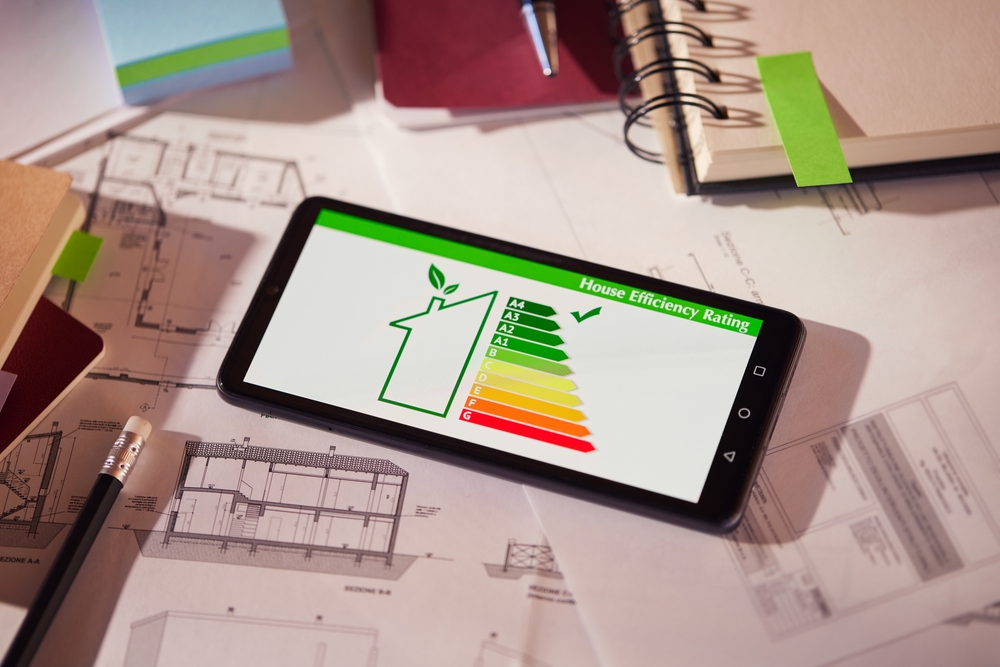
- Energy rating (Etiqueta energética): Properties are rated on a color-coded scale from “A” (most efficient) to “G” (least efficient). This rating illustrates both energy use and CO2 emissions.
- Annual energy consumption: Expressed in kilowatt-hours per square meter per year (kWh/m²·año).
- Estimated annual CO2 emissions: Expressed in kilograms per square meter per year (kg/m²·año).
- Property details: Address, cadastral reference, type of building (apartment, villa, commercial premises).
- Data on thermal envelope: Walls, windows, roofs, and any existing insulation measures.
- Building installation data: Information about heating, cooling, domestic hot water, and renewable systems.
- Assessor’s details: Name, official registration, qualifications, and signature of the certified professional responsible for the assessment.
- Advisory recommendations: Custom suggestions for improving the property’s performance and potentially its energy rating.
- Certificate reference number: Unique identifier issued upon official registration with the relevant regional or municipal authority.
The Process of Obtaining the Certificado Energético
Securing a valid energy certificate requires a structured process involving certified specialists. The process is both technical and standardized, aiming for objectivity and reliability regardless of the type, age, or locality of the property.
Step 1: Engaging a Qualified Certifier
Certification can only be performed by specially accredited architects, engineers, or technical experts. Their eligibility is recognized by regional authorities, and their credentials must be verifiable. Owners should ensure that the professional engaged is registered and insured.
Step 2: On-site Property Inspection
A meticulous on-site inspection is mandatory. During the survey, the certifier evaluates:
- Building orientation and exposure to sunlight
- Type and efficiency of existing insulation (walls, roof, floors)
- State of carpentry, windows, and airtightness
- Age and efficiency of heating, ventilation, and air conditioning (HVAC) systems
- Hot water systems and integration of renewable energies
- Usage patterns and occupancy levels, if applicable
Step 3: Technical Calculation and Report Preparation
After data collection, the certifier applies specialized software to model the property’s performance based on official methodologies. These calculations yield the property's rating and produce technical documentation compliant with regulatory standards.
Step 4: Registration with the Authorities
The completed certificate is submitted electronically to the corresponding regional energy office—each of Spain’s autonomous communities maintains its own register. Upon acceptance, the authority issues an official electronic reference and sometimes a label, which is then made available to the property owner.
Step 5: Delivery and Validity
The certificate and its energy label must be delivered to prospective buyers or tenants before a transaction is finalized. The certificate is typically valid for 10 years, with reassessment required upon significant renovation or at the end of that period.
Displaying and Using the Energy Certificate in Property Listings
To ensure complete transparency and regulatory compliance, property owners (or their agents) are legally obliged to display the Certificado Energético rating in all public marketing materials. This includes property portals, brochures, window posters, and any other medium through which the property is advertised.
- The full certificate or the official energy label must be clearly visible in listings, typically alongside the asking price and main features.
- Failure to present the certificate in advance can result in administrative sanctions.
- Omitting the certificate from the publicity stage cannot be rectified later in the selling or rental process; it is a prerequisite, not an afterthought.
The legal intention behind this regulation is to prevent misleading advertising and give consumers ownership over their decision-making process, based on the real running costs and environmental profile of a property.
Understanding the Energy Rating Scale: A to G
One of the most notable aspects of the Certificado Energético is its color-coded scale from A to G, echoing the practices seen in appliance labels or in other European countries. The scale provides fast, user-friendly insight—but what do the letters mean in practice?
- A (dark green): Outstanding energy efficiency. New builds or recently, comprehensively renovated properties featuring advanced insulation, renewable energy systems, and efficient installations. Low bills and minimal CO2 emissions.
- B (light green): Very good, often incorporating some renewable elements and modern construction techniques.
- C (yellowish green): Above-average efficiency. Solid insulation, modern windows, and efficient systems are present.
- D (yellow): Spain's average. Typical post-1980 buildings with modest energy-saving features.
- E (orange): Slightly below average. Older homes, basic insulation, and conventional heating.
- F (red): Poor efficiency, generally associated with much older dwellings or those without substantial upgrades.
- G (dark red): Lowest rating. Very high running costs, minimal insulation, inefficient systems, and a major opportunity for improvement.
The specific criteria for each band are reviewed periodically based on evolving building standards and environmental policies, so the scale remains meaningful and challenging.
The Benefits of the Energy Certificate to Owners, Buyers, and Tenants
Possessing a Certificado Energético is far more than fulfilling a legal formality. It delivers a host of practical advantages to all parties involved in property transactions.
Advantages for Owners and Sellers
- Market differentiation: A higher-rated certificate can make your property stand out and justify a premium price or accelerate a sale/rental.
- Actionable insights: Certification comes with recommendations that, if followed, can enhance comfort, save money, and boost resale value.
- Regulatory confidence: Full compliance avoids fines, legal delays, or disruption during notary signings.
- Commitment to sustainability: Demonstrates environmental stewardship, attracting conscious investors and tenants.
Advantages for Buyers and Tenants
- Full transparency: The rating provides reliable information on energy costs, cooling, heating, and overall comfort—the freedoms and limitations of owning or occupying the property become evident before commitment.
- Clear improvement pathways: Recommendations on the certificate identify potential upgrades and future-run savings for investors looking to refurbish or modernize.
- Environmental impact: Knowing the emissions makes it possible to match lifestyle or CSR (Corporate Social Responsibility) principles with your home or business location, supporting greener choices.
The Role of Energy Certificates in Sustainable Property Investment
With the increasing weight placed on Environmental, Social, and Governance (ESG) criteria, an energy certificate becomes a strategic tool for property investors. In Spain’s evolving housing and commercial property market, ratings can significantly affect marketability, asset value, and even the ability to access certain kinds of green financing or subsidies.
- Preferred by institutional investors: Many investment funds target energy-efficient portfolios or properties with identifiable upgrade potential.
- Green mortgages and subsidies: Banks may offer preferential loans or conditions if a property achieves a certain rating or if the buyer commits to improvement works post-acquisition.
- Risk management: Lower energy bills equate to less exposure to energy price volatility, which is increasingly factored into investment decision-making.
- Portfolio differentiation: Properties boasting “A” or “B” ratings are starting to command higher prices, both for resale and in the rental markets, especially in Spain’s most competitive urban and coastal segments.
How Energy Certificates Influence Property Value
There is a growing body of evidence that an energy certificate rating influences property value in Spain—especially for newer, urban, or high-end dwellings. Market studies suggest that properties with higher energy efficiency ratings are able to:
- Sell faster compared to similar homes with poor ratings.
- Achieve higher selling prices, in some cases a premium of 5–10% (or more in the most desirable segments).
- Reduce negotiation times and foster competition between buyers.
- Attract high-quality, solvent tenants in the rental market.
Meanwhile, homes languishing in the “F” or “G” categories often become harder to sell, face larger price reductions, and frequently require significant investment to reach market standards.
Recommendations: Improving Your Property’s Energy Rating
The Certificado Energético’s assessment includes tailored recommendations—an invaluable tool for owners, whether preparing to list a property or simply aiming to reduce utility bills and environmental impact.
Most Common Recommendations
- Thermal Insulation
- Upgrading or adding insulation to walls, roofs, floors, and ceilings to reduce heat loss in winter and gains in summer.
- Improved Glazing
- Installing double or triple-glazed windows, or improving window frames to minimize air leaks and solar gain.
- Efficient Heating and Cooling Equipment
- Switching to heat pumps, condensing boilers, or split-system air conditioning rated A or better.
- Lighting Upgrades
- Replacing outdated fixtures with LED lighting, presence detectors, and daylight sensors.
- Domestic Hot Water (DHW) Systems
- Opting for solar-thermal panels or high-efficiency electric or gas water heaters.
- Renewable Energy Integration
- Installing solar panels (photovoltaic), solar-thermal for water, or small-scale wind turbines where feasible.
- Building Automation & Control Systems
- Implementing thermostats, zoning, and building management systems to fine-tune heating and cooling distribution.
The impact of every intervention is detailed in the certification report, giving owners the confidence to prioritize upgrades according to their budget and the projected improvement in the certificate rating.
Typical Costs: How Much Does a Certificado Energético Cost?
The fee for an energy certificate in Spain depends on several factors:
- Size and type of the property
- Year of construction and degree of complexity
- Geographical location (urban vs. rural, by region)
- Market competition among certifiers
- Additional services (e.g., if thermal imaging or advanced diagnostic tests are needed)
On average, residential flats in cities may cost between €100 and €250, while larger single-family homes or commercial premises can range from €200 to €700 or more. These charges are set by the individual consultant or firm and should always include registration fees and taxes. It’s wise to request an official quotation before work commences.
Who Pays for the Certificate?
The certificate is commissioned and paid for by the property owner or developer. This is a non-negotiable legal obligation, with the cost factored into the broader costs of selling or renting a property.
Penalties for Non-Compliance in Spain
The Spanish government and its regional authorities treat non-compliance with energy certificate obligations seriously. Enforcement is comprehensive, including random inspections, audits, and public complaints.
- Failure to obtain or renew a certificate: Administrative fines range from €300 to €6,000, depending on the seriousness of the violation.
- Incorrect, incomplete, or deceptive reporting: Severe infractions leading to inappropriate or fraudulent certificates carry higher fees and, in rare cases, can impact final sales or rental contracts.
- Failure to display the certificate: Not showing the rating in advertisements is also sanctionable, with penalties varying by region.
Ultimately, ignoring the requirement delays or blocks the signing of notarial deeds, lease agreements, or can create future liability for buyers (who may then claim damages from the seller or property owner).
How to Read and Interpret Your Certificate
At first glance, the Certificado Energético can appear highly technical. However, with a little background knowledge, any property owner, buyer, or tenant can interpret the results and use the certificate as a decision-making tool.
- Look for the label: The main information—energy efficiency class, consumption in kWh/m²·año, and CO2 emissions—is usually summarized in a prominent color-coded section.
- Compare to local averages: Ask your consultant to put your rating into context with similar properties in the area or building.
- Consult recommendations: The improvement suggestions may be staged by level of investment or expected energy savings.
- Note specifics: The certificate identifies strengths (e.g., reinforced insulation, solar integration) and weaknesses (e.g., outdated windows), allowing targeted investment to boost value.
It’s advisable to discuss the certificate with your technical consultant to clarify questions, especially if you are considering immediate improvement works or are planning a significant investment.
The Certificado Energético and Renovation Planning
One of the most practical uses for the energy certificate is as the baseline for renovation planning. Many homeowners leverage this documentation to:
- Comply with future requirements to improve poorly rated properties (some regions may force gradual upgrades of “F” and “G” dwellings in coming years).
- Apply for local or EU-funded incentives and subsidies targeting energy retrofits (especially insulation, renewables, and efficient heating/cooling).
- Structure phased improvement plans, using the certificate as a before-and-after benchmarking tool.
- Communicate transparently with contractors, architects, and financiers regarding the property’s existing state.
Given Spain’s ambitious decarbonization targets by 2030 and 2050, experts predict that owning an energy certificate—and especially investing to improve one—will become part of routine property management just as much as other building maintenance tasks.
Trends and the Future: Towards Net-Zero and Green Homes in Spain
With real estate representing around 40% of Spain’s total energy use and a significant share of carbon emissions, energy certificates are just the first step towards holistic decarbonization. Several trends are shaping the landscape of energy efficiency in the Spanish property market:
- Stricter future requirements: EU “Fit for 55” policies and new building codes are likely to require minimum energy ratings for rental or sale in many property types by the mid-2020s and beyond.
- Smart buildings and digitalization: Remote energy monitoring, smart thermostats, and integrated control systems can optimize household energy performance and will likely be reflected in future certification standards.
- Expansion of green financing: Mortgages, grants, and tax credits are increasingly favoring “green” properties—proving highly influential for buyer and investor behavior.
- Energy communities and collective self-consumption: Particularly relevant in apartment blocks or new suburban developments, these initiatives will deliver new ways of achieving high ratings through shared renewable sources.
- Increasing consumer awareness: Buyers and tenants are proactively seeking information on running costs, environmental impact, and the overall sustainability of the housing stock, making the certificate a more important factor in every transaction.
In the long term, energy certification may evolve into a more dynamic, real-time assessment of property performance, accounting for actual occupancy patterns, smart home integration, and collective neighborhood efficiency projects.
Energy Certificate for Commercial and Mixed-use Properties
It’s not just homes: commercial properties (offices, shops, hotels), industrial premises, and mixed-use buildings are also subject to energy certification.
- Additional complexity: Commercial certification usually considers lighting, escalators, IT rooms, HVAC zoning, and variable occupancy schedules, often requiring more detailed technical surveys.
- Utility savings: For retail and office tenants, the energy rating may determine whether a lease is attractive, sustainable, or even permissible for certain corporate ESG criteria.
- Legal requirements: Large public buildings must display their certificate in a prominent manner (in lobbies or near entryways) to foster transparency and promote energy-saving culture.
FAQ: Frequently Asked Questions about the Certificado Energético
How long is my energy certificate valid?
The standard validity in Spain is 10 years, after which it must be reissued. However, if you make extensive upgrades or change the property’s characteristics (insulation, window replacement, major installations), an updated certificate is required to reflect the improvements.
What happens if my property receives a low rating?
You can still legally sell or rent your property. However, lower ratings must be disclosed, and buyers or tenants are likely to ask for price adjustments, rent reductions, or guarantees on future improvement works. Upgrades are encouraged, and in some regions may gradually become obligatory for the lowest bands.
Who issues the certificate, and how can I check their credentials?
Only specially trained and accredited professionals—such as registered architects, engineers, or technical experts—are permitted to issue energy certificates. Always ask for proof of credentials and, if in doubt, consult your local energy registry or professional associations.
Can the same certificate be used for multiple apartments in the same building?
Generally, each dwelling or unique unit (with its own entrance and systems) must have its own certificate, as usage patterns, insulation levels, and systems can differ considerably even within the same building.
If my home stands empty, do I still need the certificate to sell or rent it?
Yes. The certificate pertains to the building’s technical features, not the occupancy status. It must be obtained and available before the property is marketed for sale or rent.
IMMO ABROAD: Your Partner in Spanish Property Compliance
Navigating the legal and technical landscape of the Spanish property market requires local expertise. IMMO ABROAD ensures clients meet and exceed the requirements connected to the Certificado Energético, supporting all related processes: from engaging qualified certifiers to interpreting results, prioritizing improvements, and facilitating every stage of sale or rental.
- Streamlined process: Guidance on every regulatory step, from document collection to registration and display.
- Vetted technical partners: Access to our trusted network of officially sanctioned assessing professionals.
- Full transparency: Assistance explaining the certificate’s details to buyers, tenants, or third parties involved in approvals or financing.
- Market positioning: Advice on using a favorable energy rating as a marketing tool, maximizing both value and attraction to eco-conscious clients.
As sustainability, compliance, and transparency set new benchmarks in Spanish real estate, partnering with professionals assures smooth, secure, and forward-thinking transactions.
Preparing for Your Energy Certificate Assessment: Tips for Owners
Property owners have a direct role to play in ensuring an accurate, efficient certification process. Here’s what you can do to prepare:
- Provide all available building documentation—floor plans, previous technical reports, records of upgrades, warranty papers for insulation or systems, and so on.
- Inform the certifier in advance about recent renovations, especially those affecting insulation, windows, or energy installations.
- Grant full access to all areas of the property, including attics, basements, and service rooms.
- Describe typical occupancy patterns and major seasonal use if the property is a second home or rental unit.
- Ensure access to any communal spaces if your building uses shared systems (e.g., central heating or hot water).
- Be ready to address questions about the age and brand of appliances, heating/cooling, and energy bills if available.
Energy Certificates and the Notarial Sale Process
During the conveyancing phase of a property transaction, the notary’s office (notaría) will request proof of a valid energy certificate. Without this document, neither the buyer nor the seller can sign the official transfer deed (escritura de compraventa), and no registration in the Property Registry (Registro de la Propiedad) is possible.
- The certificate must be submitted and, in some cases, physically attached to the sales deed or rental contract.
- A copy should also be delivered to the purchaser or new tenant for their records.
- Failure to present the certificate can delay or invalidate the final transaction, creating legal exposure or financial losses.
IMMO ABROAD works hand-in-hand with legal advisors and notaries to ensure no document is missing at any stage, avoiding unwanted surprises on transaction day.
The Impact of Certifications on Tourism and Holiday Rental Markets in Spain
Spain’s thriving short-term rental economy—from urban tourist apartments to coastal villas—faces intensified scrutiny from both local authorities and the wider public.
- Even temporary or vacation rentals often require energy certificates, especially for listings on popular rental platforms or through regulated local tourism registries.
- An “A” or “B” certificate can be a decisive factor for eco-minded travelers or families sensitive to comfort, noise, or the risk of high energy bills.
- Regional authorities may apply stricter enforcement or request the certificate be visible both online and within the property.
Investment in energy efficiency is increasingly framed not just as a legal requirement, but as an added-value feature in an ever more competitive Spanish holiday rental market.
Energy Certificates and Regional Approaches within Spain
While national laws set out the general requirements and methodologies, Spain’s autonomous regions (comunidades autónomas) frequently issue specific regulations, guidelines, and administrative practices. They also manage the certification process, issue reference numbers, and provide regional support or subsidies.
- Registration procedures, costs, and documentation may vary slightly between regions, for example between Catalonia, Andalusia, Valencia, or Madrid.
- Some regions offer “mapas de eficiencia energética,” permitting you to benchmark your property against others locally.
- Subsidies and renovation grants are often managed regionally and may link to energy certificate improvements (e.g., the "Plan Renove" in select areas).
- Local authorities may introduce additional obligations, especially for larger buildings or those involved in public or commercial activities.
Conclusion: Certificado Energético—Central to Property Success in Spain
For homeowners, landlords, buyers, and investors, the Certificado Energético is no longer just a formality—it is a central document underpinning market transparency, compliance, value creation, and Spain’s commitment to sustainability.
An up-to-date, accurate, and positive energy certificate adds credibility, enhances property appeal, and positions your asset for future shifts in regulation, consumer preference, and green investment criteria. It transforms a legal obligation into an actionable advantage.
Rely on expert guidance and consider the broader dimension of the Certificado Energético—not simply as a certificate, but as an integral aspect of your property’s identity and market potential in Spain’s vibrant, ever-evolving real estate landscape.