



The Importance of Filtering Tap Water in Spain
Spain’s temperate climate, magnificent landscapes, and vibrant culture attract millions of visitors each year—and even more choose to make Spain their permanent home. As settling into Spanish life prompts questions about home comfort and health, one topic recurs with urgency: the quality of tap water and the need for filtration. Though Spain boasts impressive modern infrastructure, the water in many regions still raises concerns for residents and newcomers alike.
This comprehensive guide delves into why filtering tap water in Spain is a prudent choice for health, taste, and convenience—addressing common misconceptions, regional variations, and the best strategies for enjoying clean, safe water in your Spanish home. For those seeking clarity and safe solutions, this article aims to provide all the essential knowledge.
The Quality of Tap Water in Spain: Myths and Realities
Tap water in Spain is technically potable throughout almost all regions, thanks to rigorous national and EU standards. However, the experience of drinking tap water in Spain can differ greatly depending on where you are. Let’s break down the realities behind the reputation.
Factors Affecting Tap Water Quality by Region
- Source of Water: In the north, natural springs and mountainous origins often mean fresher, purer water. Southern Spain and coastal areas, however, may rely on reservoirs, rivers, and even desalinated seawater—each with unique challenges.
- Aging Infrastructure: Older pipes, especially in historic towns or small villages, can add impurities even if the water leaves the treatment plant in perfect condition.
- Hardness and Mineral Content: Spanish water is known for high calcium and magnesium content (hardness)—particularly in regions like Alicante, Murcia, and parts of Andalucía. This not only affects taste but also limescale build-up in appliances and plumbing.
- Chlorination: To ensure safety, Spanish authorities often add higher levels of chlorine than some other countries. While this controls bacteria, it can affect odor and flavor.
Common Perceptions and Concerns
- Many Spanish locals may reassure you that ‘el agua del grifo es buena’ (the tap water is fine)—and they’re not entirely wrong. It is safe by legal standards.
- Nevertheless, foreign residents and tourists frequently report a disliking of taste, odor, and occasional adverse health effects (such as upset stomach or skin irritation).
- Visible Limescale: Hard water and residues often cause unsightly stains on sinks, kettles, and glassware, prompting aesthetic and practical complaints.
Health and Safety: Understanding What’s In Your Water
Most major Spanish cities regularly publish comprehensive water quality reports, demonstrating compliance with EU drinking water standards. So what, exactly, might still be lurking in your tap water—and why should you consider additional filtration?
Common Contaminants Found in Spanish Tap Water
- Chlorine and Chloramine: Essential for disinfection, but can affect taste and irritate sensitive stomachs or skin. High levels may also create byproducts with potential long-term health effects.
- Heavy Metals: Aging infrastructure sometimes leaches lead, copper, or zinc into water supplies, particularly in older buildings.
- Pesticide and Agricultural Runoff: In agricultural regions, trace amounts of herbicides, pesticides, and nitrates can make their way into drinking water (even after treatment).
- Microplastics: Recent studies have detected microplastics in tap water samples worldwide, including Spain.
- Limescale Minerals: Calcium and magnesium are not health hazards in moderate amounts, but very hard water may cause digestive discomfort for newcomers and exacerbate kidney stones in vulnerable individuals.
- Bacteria and Viruses: While rigorous treatment usually removes these, localized issues can arise during floods, pipe work, or system failures.
Risks for Sensitive Groups
- Infants and Young Children: Babies require water free from pathogens, high nitrates, and excessive minerals; filtered water is often recommended for infant formula.
- Elderly and Immunocompromised: Individuals with weaker immune systems may be at risk from any bacterial intrusion or trace chemical contamination.
- Tourists and New Residents: Those unaccustomed to local minerals and microbes might experience digestive upsets when first drinking the tap water.
The Benefits of Filtering Tap Water in Spain
Why invest in a water filter when your municipality states the water is safe? The answer lies in the specific needs and expectations of modern households—from health optimization to culinary preference.
1. Improved Taste and Odor
Filtration systems can dramatically enhance the palatability of Spanish tap water. By removing chlorine, sulfur compounds, and sediments, they eliminate chemical and musty tastes often reported by residents.
2. Enhanced Health Confidence
While the risk of serious disease is low, a filter provides extra assurance against unexpected contaminants—especially important for families with children, vulnerable adults, and anyone with sensitive digestion.
3. Appliance Protection
Hard water’s calcium and magnesium hasten limescale deposits in kettles, coffee machines, and dishwashers. Filtration reduces these minerals, potentially extending appliance lifespan and efficiency.
4. Environmental Responsibility
Opting for filtered tap water can drastically reduce plastic waste from single-use water bottles, a persistent ecological problem in Southern Europe. For every filtered liter, a plastic bottle is spared from landfill or ocean.
5. Economic Savings
Buying bottled water quickly adds up—especially for large families or frequent guests. A quality filtration system pays for itself surprisingly quickly, delivering high-purity water on demand without trips to the store.
Spanish Tap Water: Regional Variations
To make the best decision, it’s essential to understand the regional differences in water composition across Spain. Not all filters suit every circumstance—your solution should match your local water profile.
North and Inland Spain
- Major Cities: Bilbao, Santander, Madrid, Oviedo
- Water Characteristics: Typically softer, with mountain spring sources; low to moderate chlorine levels; rare hardness or mineralization issues.
- Common Concerns: Occasional taste and odor complaints, iron from old pipes in some towns.
Coastal and Southern Spain
- Major Cities: Barcelona, Valencia, Alicante, Málaga, Sevilla, Murcia, Almería
- Water Characteristics: Frequently hard or very hard; high mineral content; pronounced chlorine flavors—especially in summer.
- Special Cases: In heavily touristic or arid regions (Costa del Sol, Costa Blanca, Canary and Balearic Islands), water may be sourced from desalination, giving it a slightly “flat” or “chemical” taste.
- Common Concerns: Limescale, dryness on skin and hair, dislike of taste for coffee/tea.
Rural Areas and Villages
- Possible intermittent quality due to old pipes or less frequent testing.
- Generally advisable to filter tap water for safe, consistent quality—especially if sensitive family members are present.
Types of Water Filters for Spanish Homes
Modern technology offers a range of water filtration solutions, each with advantages and limitations. Choosing the right type depends on your needs, budget, and goals for water purity.
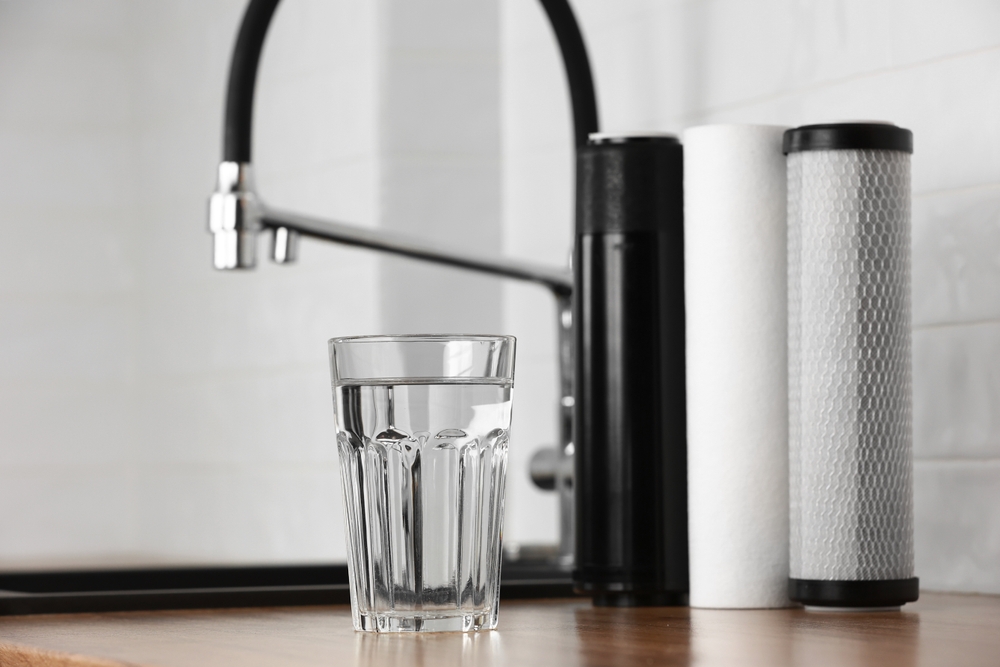
1. Activated Carbon Filters
- Description: These filters use carbon granules or blocks to adsorb contaminants, particularly chlorine, VOCs (volatile organic compounds), pesticides, bad odors, and tastes.
- How Effective? Excellent for removing chlorine flavors and common chemical pollutants, but limited against dissolved minerals, microplastics, or micro-organisms.
- Where Used? Countertop filter jugs, faucet attachments, refrigerator filters.
- Maintenance: Cartridge replacement every 2-3 months is typical.
2. Reverse Osmosis (RO) Systems
- Description: Utilizes a semi-permeable membrane to remove up to 99% of dissolved solids, heavy metals, pesticides, nitrate, fluoride, and even viruses or bacteria.
- How Effective? Delivers exceptionally pure water, often comparable to bottled mineral water. Removes minerals and some beneficial trace elements, so remineralization filters are sometimes recommended.
- Where Used? Undersink installations with a separate tap; increasingly popular in Spanish coastal homes.
- Maintenance: Regular membrane and pre-filter changes needed every 6-12 months.
3. Ion Exchange and Water Softening
- Description: Swaps calcium and magnesium ions for sodium or potassium, reducing hardness and preventing limescale.
- How Effective? Perfect for hard water areas (coast, south) or for protecting dishwashers and washing machines. Usually installed at the main water supply to treat the whole house.
- Where Used? Whole-house filters (“descalcificadores” in Spanish).
- Maintenance: Regeneration with salt; periodic upkeep required.
4. Ultraviolet (UV) Disinfection
- Description: UV lamps destroy bacteria, protozoa, and viruses by damaging their DNA.
- How Effective? Invaluable for rural properties or those on private water wells. Does not address chemical contaminants or limescale.
- Where Used? Inline with home plumbing systems, often combined with other filters.
- Maintenance: Bulb replacement after designated hours of operation.
5. Ceramic and Microfiltration Filters
- Description: Porous ceramic cartridges physically block bacteria, sediments, and fine particles.
- How Effective? Good for improving clarity and microbiological safety—less effective for chemical contaminants.
- Where Used? Portable jugs, portable emergency filters, specialized faucet filters.
- Maintenance: Periodic cleaning and replacement needed.
6. Multi-Stage or Combination Filters
- Description: These systems combine several filtration technologies (carbon, RO, UV, remineralization) for maximal purification and taste improvement.
- How Effective? Delivers high-purity water and broad contaminant coverage.
- Where Used? Premium home installations, especially in luxury properties or new builds.
- Maintenance: Higher cost and more complex maintenance regime, but delivers top-tier results.
Choosing the Right Filter for Your Needs
With so many options, how does one choose wisely? Here are the key steps for selecting the ideal filter for your Spanish residence.
Step 1: Identify Your Primary Concerns
- Is bad taste, odor, or chlorine the main culprit? A quality carbon filter may suffice.
- If hardness and limescale are the problem, consider a water softener or RO system.
- For rural or well water, combine UV sterilization with another filter for safety.
Step 2: Consider Water Usage Patterns
- Do you want filtered water for all household taps, just the kitchen, or for drinking/cooking only?
- Is portable convenience important, or is an integrated system acceptable?
Step 3: Estimate Budget and Maintenance Tolerance
- Countertop and faucet filters are affordable and easy to install, but less comprehensive.
- Integrated, multi-stage or reverse osmosis systems have a higher initial cost but superior long-term performance.
- Factor in routine filter changes or membrane replacement into ongoing costs.
Step 4: Test and Monitor Your Water
- Consider having a local water analysis performed. Many services in Spain offer reasonably priced testing for minerals, heavy metals, chlorine, bacteria, and more.
- Use this information to tailor your filter choice—and monitor water quality periodically once your system is installed.
Installing and Maintaining Your Water Filter
Once you’ve selected the right system, proper installation and upkeep is crucial for safety, economy, and peace of mind.
Installation Options
- Most countertop and jug-style filters can be set up by anyone, without tools.
- Undersink and integrated systems are best installed by qualified plumbers, ensuring pressure, flow, and compliance with warranties.
- Whole-house filters and softeners usually require professional plumbing and may need local permits or periodic inspections.
Routine Maintenance Schedule
- Filter Change: Replace cartridges per manufacturer’s recommendations—usually every 2 to 6 months for smaller units, and annually for larger filters.
- System Sanitation: Clean and flush filters when prompted. Bacteria can accumulate if not properly maintained.
- Monitor Performance: Watch for any change in taste or pressure. After storms, floods, or construction, consider a precautionary filter flush.
- Record Keeping: Track installation and renewal dates to schedule prompt service and prevent lapses in filtration.
Filtered Water for Cooking and Appliances
The benefits of filtered water go beyond direct consumption. Clean, mineral-balanced water delivers superior cooking results and protects your most valuable kitchen appliances.
Coffee and Tea Preparation
- Filtered water brings out the flavors in coffee and tea, avoiding bitterness or “flatness” often associated with hard, metallic tap water.
- Barista-level results are much more achievable in the home with simple filtration.
Baking and Cooking
- Water quality can dramatically influence the taste and appearance of baked goods, pasta, and risotto. Filtered water ensures consistent culinary outcomes.
- Filtering minimizes unsightly spots on cookware and glassware post-wash.
Kettle, Coffee Machine, and Dishwasher Longevity
- Hard water scale is a menace to appliances—clogging pipes, burning out heating elements, and necessitating frequent descaling.
- Using a filter saves time, electricity, and money by extending equipment lifespan and avoiding repairs.
Cleaner Water for Personal Care
Just as filtered water enhances food and drink, it also improves personal care routines in the Spanish climate.
Showering and Bathing
- Filters in showerheads or main supply lines can soften water, alleviating dry skin and brittle hair caused by high mineral or chlorine content.
- Sensitive skin types often report marked improvements after switching to filtered water for bathing.
Laundry
- Filtered or softened water prevents stubborn mineral stains in white fabrics and improves cleaning efficiency, requiring less detergent per load.
- Reduces wear on washing machines and helps clothing retain colors and softness.
The Environmental and Social Impact of Assuming Filtered Tap Water
Switching to filtered tap water is not only a household improvement—it’s an environmentally enlightened choice for the wider Spanish community.
Reducing Single-Use Plastic
- With over 12 billion plastic bottles used annually in Spain, bottled water is a major environmental stressor.
- Everyary resident who chooses a filter avoids adding hundreds of bottles each year to local landfill or ocean waste.
Lighter Ecological Footprint
- Bottled water requires energy-intensive production, packaging, and transport, especially in sprawling coastal or inland regions of Spain.
- Filtered tap water is delivered through existing infrastructure, lowering carbon emissions.
Community Health and Awareness
- Encouraging households to filter their water fosters healthier communities and greater self-sufficiency in rural or semi-urban areas.
- Local water stewardship results in heightened political engagement and positive reform, improving municipal services for all.
FAQs: Common Questions About Filtering Tap Water in Spain
Curious minds often ask specific, practical questions about filtering tap water in Spain. Here are clear answers to the most frequently raised queries.
Is Spanish Tap Water Safe to Drink Without Filtration?
Technically, yes—Spanish tap water almost everywhere meets strict EU and Spanish health standards. However, taste, mineral content, and possible pipe contaminants vary by region and property. Filtering provides extra peace of mind and taste improvement.
Do I Need a Filter If I Only Use Water for Cooking?
Yes, since boiling doesn’t remove chemical residues or improve taste. Filtered water upgrades the flavors and appearance of food and drink.
Can I Install a Home Filter Myself?
Small, portable units can be easily installed. For built-in, under-sink, or whole-house systems, professional installation is strongly recommended for safety and compliance.
How Often Do I Need to Replace Filter Cartridges?
Follow your manufacturer’s guidelines, but as a rule of thumb: jug and faucet filters = every 2-3 months; reverse osmosis or multi-stage systems = every 6-12 months; water softener resin = every few years.
Will Filtering Tap Water Save Me Money?
Virtually always—bottled water costs mount quickly, especially for families or frequent visitors. Filtering pays for itself within a few months in most Spanish homes.
Which System is Best for Hard Water?
For southern and coastal Spain, a reverse osmosis or ion-exchange water softener is most effective at curtailing limescale and mineral deposits.
Is It Safe to Give Filtered Tap Water to Babies or Immune-Compromised People?
Yes, provided the filter is maintained and designed to remove bacteria and micro-contaminants. Always consult with a pediatrician or GP for infants; some recommend boiling filtered water or using specific baby-safe filters.
The Future of Tap Water in Spain
Spain continues to invest in modernizing water infrastructure, reducing agricultural runoff, and improving public transparency about water quality. Still, wise homeowners and residents take personal responsibility for their drinking water.
Technological Advances
- Smart Filters: Systems now exist that monitor filter condition, track household usage, and alert you via mobile app when maintenance is needed.
- Renewable Materials: Filters are moving toward biodegradable and recyclable components, further reducing environmental impact.
- Integration: New builds often include filtration in the home design, making clean water a modern standard for all residents.
Local Participation and Advocacy
- Many municipalities encourage residents to seek information, participate in waterway cleanup efforts, and report concerns, promoting a cycle of improvement and mutual care for shared resources.
How to Start: A Practical Roadmap
For those moving to Spain, already settled as residents, or helping loved ones relocate, here’s a step-by-step guide to ensuring safe, delicious tap water in your home.
- Assess Your Water Source: Collect a sample, review the latest municipal report, or commission a local lab for a water analysis.
- Note Your Priorities: Consider who uses the water (all ages, guests), the main complaints (taste, odor, limescale), and any health issues.
- Define Your Budget: Decide if you want a quick fix or a future-proof investment.
- Consult Qualified Experts: Skilled local plumbers or water professionals can advise on filter selection and compliance with local codes.
- Coordinate Installation: Schedule work for minimal disruption and test thoroughly before use.
- Educate Household Members: Explain filter use, maintenance, and benefits to all residents and guests.
- Establish a Maintenance Routine: Keep simple records and commit to periodic filter changes—and always have spare cartridges on hand.
- Be Community-Minded: Share your positive experience with neighbors, help raise water awareness, and participate in dialogues about ongoing improvements.
The Role of Clean Water in a Modern Spanish Lifestyle
Whether embracing Spanish life year-round or enjoying an extended stay, access to clean, pleasant-tasting water is a defining element of modern comfort and health. Adopting an effective filtration strategy bridges the gap between Spanish infrastructure and international expectations—delivering confidence, pleasure, and peace of mind.
A modern filtration system is as intrinsic to a well-appointed Spanish home as a sun-drenched terrace or sea breeze. Residents who filter their water enjoy not just practical benefits but a daily assurance of wellbeing and quality living befitting Spain’s renowned hospitality and culinary culture.
Conclusion: Embracing Filtration for Safe, Tasty Spanish Tap Water
Drinking, cooking, and living with filtered tap water in Spain is a simple, vital step toward a healthier, tastier, and more sustainable lifestyle. The science and experience concurs: even in a country famed for its beauty and modernity, water quality at the tap can always be improved.
By understanding your region’s specific needs, choosing the right filtration system, and maintaining it diligently, you make a meaningful investment in your family’s health, your home’s value, and the planet’s future. May every refreshing glass remind you of the best Spain has to offer—purity, vitality, and peace of mind in every drop.
For guidance tailored to your location and the unique requirements of your property, trust the expertise and commitment to quality that IMMO ABROAD offers throughout Spain’s most desirable destinations. Let every sip from your tap be a toast to comfort, safety, and lasting satisfaction in your Spanish home.