





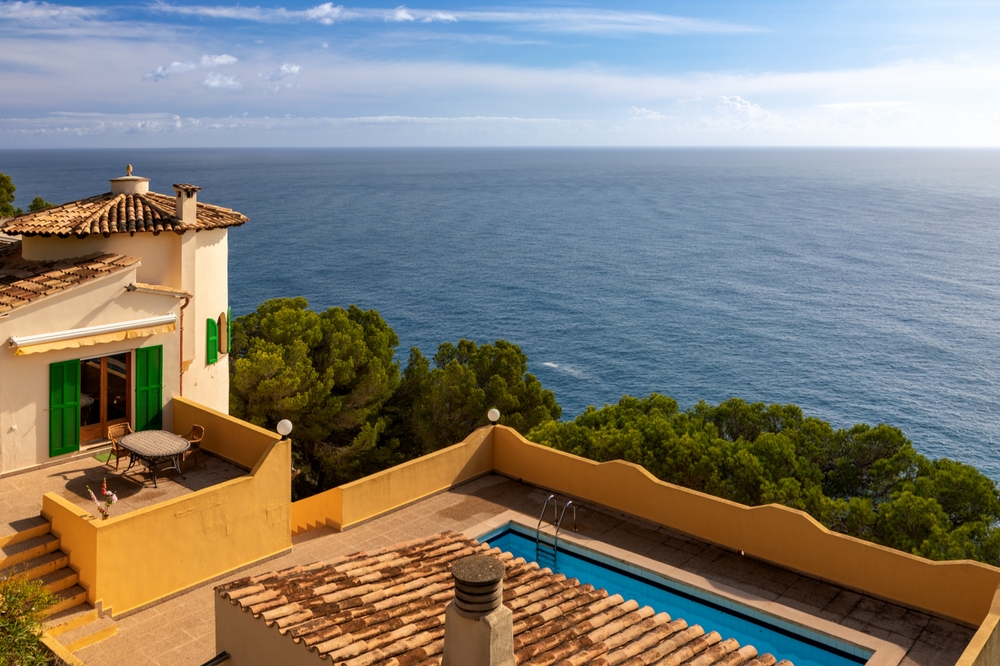
Introduction: The Allure of Owning a Finca in Spain
Spain, with its sun-drenched landscapes, authentic culture, and inviting climate, has always been a dream destination for many seeking a new lifestyle or an exceptional investment opportunity. Among the various property types available in this Mediterranean paradise, the rustic charm of a traditional finca stands out. Whether you are captivated by rolling vineyards, olive groves, or the tranquility offered by acres of land, buying a finca in Spain offers an incomparable blend of privacy, space, and a unique sense of history.
This comprehensive guide—crafted for discerning buyers and investors—will equip you with everything you need to know before purchasing a finca in Spain. From legal considerations and financing to the nuances of Spanish rural life, this article is your ultimate roadmap for making one of life’s most exciting acquisitions.
What Is a Finca? Understanding This Unique Spanish Property
The word “finca” in Spanish refers to a rural property, typically located on expansive tracts of land. While the term encompasses a wide array of real estate, it most commonly describes a country estate, farmhouse, or a rural retreat—often with significant agricultural land attached. The scope of a finca can vary dramatically. It may be a centuries-old stone house surrounded by almond trees in Andalusia, a modern villa with a vineyard in Catalonia, or even a rustic cottage nestled among olive groves in Mallorca.
Types of Fincas
- Working Fincas: These properties function as active farms or agricultural facilities, often cultivating olives, grapes, oranges, almonds, or raising livestock.
- Country Estates: Historically significant homes that once belonged to landowning families. These may feature extensive grounds, outbuildings, and even historic architecture.
- Recreational Fincas: Properties intended mainly for leisure, designed for tranquility, privacy, and enjoyment of nature—rather than active farming.
- Modern Developments: Newly constructed homes emulating the traditional rustic finca style but equipped with contemporary amenities.
Why Choose a Finca?
Country living in Spain offers unparalleled quality of life: privacy, lush natural surroundings, centuries-old architecture, and in many cases, the potential to cultivate your own produce. Fincas promise authenticity and a lifestyle deeply connected with the land, which urban residences simply cannot match.
Prime Locations for Fincas in Spain
When searching for the perfect finca, location is paramount. Each region in Spain offers its own personality, climatic advantages, and varying regulations regarding rural property. While fincas can be found across the country, several regions distinguish themselves as prime areas for discerning buyers and investors.
Andalusia
This southern region boasts rolling hills, whitewashed villages, and a reputation for olive oil production. Andalusia’s fincas are famous for their traditional architecture—think thick stone walls, terracotta roofs, and shaded patios. Málaga, Seville, Córdoba, and Granada offer some of the most scenic and authentic fincas for sale.
Mallorca and the Balearic Islands
The Balearic Islands, particularly Mallorca, are dotted with exclusive fincas nestled among almond blossoms and vine-laden valleys. These properties often combine rustic charm and modern luxury, providing breathtaking sea or mountain views.
Catalonia
Catalonia’s rural heartland, from the rolling vineyards of Penedès to the dramatic landscapes of Girona, features elegant country homes and productive farms. Fincas here are often sought after for their proximity to Barcelona and the region’s rich culture.
Valencian Community
Here, fertile plains and mountainous tiers offer a lush backdrop for both functioning farms and stylish country estates. Orange, almond, and olive groves dominate the landscape, providing abundant opportunities for buyers interested in agricultural pursuits.
Castilla-La Mancha and Castilla y León
For those seeking remote, unspoiled countryside or large tracts of agricultural land, the Castillas offer expansive fincas at excellent value, with the added allure of historic architecture and traditional rural communities.
Finca in Spanje Te Koop: Current Market Overview
The Spanish property market, especially for rural estates and fincas, has witnessed renewed interest in recent years. Buyers are attracted not only by Spain’s affordable prices compared to other European countries, but also by its lifestyle advantages, accessibility, and enduring popularity with international residents and investors.
Key Market Trends
- Increased Demand for Rural Living: Driven by changing lifestyle priorities, more buyers now favor peace, space, and self-sufficiency, which are hallmarks of finca living.
- Steady Price Growth: Quality fincas, especially those close to the coast or in prestigious areas, have seen steady appreciation.
- Renovation and Restoration: Buyers frequently target properties requiring refurbishment, attracted by the opportunity to blend traditional architecture with modern comforts.
Property Sizes and Value
Finca sizes can range from small plots under two hectares to large estates of several hundreds hectares. Prices depend on location, land size, building condition, and legal status of the property. Prestigious, fully equipped fincas in Mallorca, for instance, can command prices in the millions, while similarly sized properties in inland provinces may be much more affordable.
The Legal Landscape: What You Need to Know Before Buying a Finca
Purchasing a finca in Spain involves a series of unique legal and administrative steps. These rural properties often have particular legal nuances that differentiate them from urban properties. Due diligence is essential to ensure a secure and smooth acquisition.
Land Registry and Ownership Title
Confirm that the finca is correctly registered in the Spanish Land Registry (Registro de la Propiedad) and that the seller is the legal owner, with full rights to sell. Pay special attention to discrepancies between the size of land/buildings on the registry and what exists in reality—a common scenario with older properties.
Classification of Land
- Rustic (Rústico): Most fincas are classified as rustic land, which comes with stricter regulations about what can be built or renovated.
- Urban (Urbano): Less common, but some rural properties lie within urban boundaries and offer more development flexibility.
Understanding the land classification is vital, as it influences renovation possibilities, obtaining licenses, and even mortgage eligibility.
Building Permits and Planning Regulations
Royal Decree and municipal planning regulations determine what can and cannot be built on rural land. For fincas:
- Not all buildings on a finca may be legal; verify permissions for all outbuildings, extensions, and structures.
- Alterations and expansions often require local government approval and adherence to heritage or environmental standards.
Consulting experienced legal professionals ensures compliance and avoids costly mistakes.
Water and Utility Rights
Rural properties often operate with private wells, boreholes, or access to community water sources. Ensure all rights are documented and legally transferable. Reliable electricity, internet, and sewage solutions must also be confirmed.
Debts and Encumbrances
As a best practice, verify that the finca bears no hidden debts (such as mortgages, taxes, or embargos). This can be checked through a Nota Simple—an official extract from the Land Registry—which details ownership and all charges against the property.
Residency and Purchase Rights for Non-Residents
Spain permits non-residents, including non-EU buyers, to purchase rural properties. However, legal and tax implications may vary. For example, buyers from outside the EU may consider applying for Spain’s Golden Visa, conditional on property investment above a certain threshold.
Step-By-Step Guide: The Process of Buying a Finca in Spain
The journey to owning your idyllic Spanish finca involves careful planning, consultation with experts, and diligent follow-through. Let’s walk through the essential stages:
- Define Your Requirements: Determine your priorities—purpose (residence, investment, working farm), location, land size, budget, property condition, proximity to amenities.
- Engage a Reliable Agent: Choose an experienced agency, such as IMMO ABROAD, whose expertise in rural Spanish property is invaluable for a safe and efficient purchase.
- Legal Due Diligence: Appoint a bilingual lawyer versed in local property law, who will ensure all paperwork, land registry, and permits are in order.
- Negotiation and Reservation: Once your ideal finca is found, a reservation contract (contrato de reserva) and deposit (typically €3,000–€6,000) secure the property.
- Preliminary Contract (Contrato de Arras): This private purchase agreement details the terms. A further deposit (traditionally 10%) is paid; if you withdraw, you forfeit the deposit, but if the seller withdraws, they must pay double to you.
- Final Checks and Mortgage (If Required): Your lawyer conducts final investigations, including urbanistic and cadastral checks. If financing, your bank completes its due diligence and appraisal.
- Completion and Title Deeds (Escritura de Compraventa): Transfer of ownership takes place before a public notary. Remaining funds are paid, and the title deeds are signed.
- Registration and Taxes: The new ownership is registered at the local Land Registry, and relevant taxes (property transfer tax, notary fees, registry, and legal fees) are paid.
Financing Your Finca Purchase
While some buyers can invest outright, many prefer, or require, financing to secure their chosen finca. Financing rural properties in Spain involves unique considerations compared to urban real estate.
Mortgage Availability
Spanish banks often offer mortgages on fincas, but the conditions may be stricter due to the rural nature of the property. Key points:
- Loan-to-value ratios are typically lower (40–60%), especially for non-residents or undeveloped land.
- Properties with completed and legal dwellings are preferred over properties with only agricultural land.
- You must provide proof of income, tax returns, and possibly higher deposits than for urban homes.
Special Considerations
- Properties needing extensive renovation or with unregistered structures may not qualify for a mortgage, or may require alternative financing options.
- Interest rates and terms may differ based on the borrower’s residency, asset liquidity, and the intended use of the finca.
Alternative Financing Solutions
- Private loans or bridging finance, especially when the bank will not lend against the entire property value.
- Vendor financing arrangements (owner will finance the sale), sometimes possible in rural settings.
- Releasing equity from existing properties in other countries.
Renovation and Restoration: Breathing New Life Into a Finca
Many buyers are enticed by the prospect of restoring an authentic Spanish finca. This process can be immensely rewarding, but it also demands careful planning, robust budgeting, and a keen eye for legal compliance.
Assessing the Potential of Your Finca
Before undertaking any renovation, commission a professional building survey to assess structural integrity, roofing, plumbing, electrical systems, and dampness issues. This helps quantify the scope and cost of necessary work.
Restoration Regulations
Regulations governing renovation—especially for listed, heritage-protected buildings—vary by region and municipality. Always:
- Apply for local planning permission before starting any major work, extension, or change of use.
- Use registered tradespeople and architects experienced with rural properties.
- Ensure compliance with modern safety, insulation, and energy-use standards, which may mean integrating advanced technology sympathetically within old walls.
Sustainable Upgrades
- Solar panels and renewable energy solutions,
- Modern, efficient water management or filtration,
- Restore lime plaster, terracotta, and traditional materials to preserve character,
- Opt for energy-saving glass and underfloor heating for year-round comfort.
Renovation Budgeting
Account for unexpected expenses, including heritage issues, delays, or the need to upgrade water/electricity connections. Add a 10–20% contingency to your forecast, and carefully plan your timeline if the work is to be phased.
Living the Dream: Everyday Life on a Spanish Finca
Acquiring a finca is a lifestyle choice that offers tranquility, freedom, and the delight of a slower pace, but rural living comes with its own challenges and rewards.
Daily Pace
Enjoy the rhythms of rural life, where days are marked by the rising sun, tending to gardens or groves, leisurely al fresco lunches, and evenings beneath starlit skies. The connection to nature is profound.
Community and Services
- Local Markets: Discover the joys of fresh produce, regional cheeses, and hand-pressed olive oil at nearby markets.
- Access to Healthcare, Schools, and Transport: Rural locations may offer less immediate access; however, many villages and towns have robust services. Consider proximity to key amenities when choosing your finca.
- Expat Communities: Increasingly, rural Spain is home to vibrant international communities, welcoming new residents and providing social, cultural, and practical support.
Property Maintenance
- Land management: Regular pruning, pest control, and irrigation are vital for productive land.
- Building care: Stonework, roof tiles, and wooden beams require periodic attention.
- Electricity and water management: Arrange periodic systems checks, and back-up generators/water storage if needed.
Sustainable Living
Many finca owners embrace permaculture principles, organic farming, and self-sufficiency—growing their own vegetables, keeping chickens, or making artisanal products. Solar energy, rainwater capture, and eco-friendly building materials are increasingly common.
Investment Potential: Financial Benefits and Risks of Buying a Finca
Buying a finca in Spain is often more than just a lifestyle decision. For many, it represents a significant investment—be it financial, emotional, or both.
Rental Income and Agritourism
- Short-Term Rentals: Well-appointed fincas in attractive regions yield strong demand for holiday lets—especially during peak seasons. Features like pools, privacy, and authentic architecture command premium rents.
- Agritourism: With the trend toward experiential travel, many owners convert their finca into boutique accommodation, farm stays, or event venues—offering guests hands-on experiences such as wine-tasting, cookery, and outdoor adventures.
Land Appreciation
- Rural estates in sought-after regions display strong appreciation, particularly those near the coast or within easy access of major urban centers.
- Proactive restoration and the addition of amenities—swimming pools, guest houses, vineyards—increase property value and marketability.
Tax Advantages and Considerations
- Spanish property tax rates are competitive with other EU destinations. Owners may benefit from certain tax deductions, especially when the finca is used for agricultural or rural tourism purposes.
- However, taxes on non-resident rental income and local property levies (IBI, or Impuesto de Bienes Inmuebles) must be factored into financial forecasts.
Risks to Consider
- Market liquidity: Rural properties sometimes take longer to sell than urban residences.
- Maintenance costs: Large grounds and older buildings can entail higher ongoing expenditures.
- Legal and environmental compliance: Fincas must meet evolving zoning and sustainability regulations.
Taxation and Ongoing Ownership Costs
Owning a finca in Spain comes with specific taxes and running costs. Understanding these obligations ensures you protect your investment and enjoy your property to the fullest.
Acquisition Taxes
- Property Transfer Tax (Impuesto de Transmisiones Patrimoniales, ITP): Paid when buying a second-hand finca. Rates vary by region (typically 6–10%).
- VAT (IVA): Generally applies to new constructions or land purchases from a company, at a rate of 10–21%.
- Notary and Registry Fees: Payable on completion, (~1–2% of the purchase price).
- Legal Fees: Typically 1–2% of the purchase price, covering due diligence and contract work.
Annual Running Costs
- IBI (Municipal Property Tax): Levied annually based on cadastral property value.
- Rubbish Collection Tax (Tasa de Basura): Applied by local municipalities.
- Insurance: Buildings, contents, and land liability insurance are essential, with costs varying according to value and location.
- Utility Bills: Water, electricity, and internet—often higher in rural areas due to independent solutions.
Income and Wealth Taxes
- Rental Income Tax: Non-resident owners are liable for rental income tax, with allowances for expenses subject to bilateral tax treaties.
- Wealth Tax (Impuesto sobre el Patrimonio): Depending on the region and total asset value.
Inheritance and Gift Tax
Spanish inheritance and gift tax rates and allowances are region-specific and should be included in estate planning if the finca is to remain in the family.
Key Features and Amenities of a Desirable Finca
In choosing your finca, consider which features and amenities best suit your aspirations, as these details influence both the quality of life and the property’s investment profile.
Essential Infrastructure
- Good road access—essential for ease of travel and delivery of goods or guests.
- Established connections to water, electricity, and reliable internet.
- Modern septic systems or ecological sewage solutions.
Buildings and Outdoor Spaces
- Main residence with comfortable living and sleeping quarters, ideally restored to preserve local character.
- Guest accommodation—either separate casitas or converted outbuildings.
- Terraces, patios, and shaded areas for outdoor meals.
- Swimming pools—attractive for both personal enjoyment and rental demand.
- Functional barns, stables, or wine cellars for those interested in agriculture, horses, or winemaking.
Agricultural and Natural Features
- Orchards, olive groves, or vineyards producing on-site revenue or personal supply.
- Landscaped gardens, ancient trees, and natural water sources (wells, streams).
- Protected status or ecological reserves, which can encourage responsible land stewardship and may offer grants.
Finca Use Cases: Personal Retreat, Family Home, or Business Venture?
The beauty of Spanish fincas lies in their versatility. Here are some ways owners choose to experience their estates:
Family Estate
- Multi-generational living: Large fincas offer ample space for extended family, enabling relatives to gather, live, and celebrate together.
- Children’s education: Rural Spain offers excellent alternative and bilingual schooling options.
- Space for hobbies: Equestrian facilities, gardening, art studios, or outdoor sports.
Holiday and Investment Property
- Purchase as a holiday home with the potential to rent during off-periods.
- Market as luxury accommodation, leveraging rural tourism's growing popularity.
Working Farm or Vineyard
- Revive traditional agriculture—olive oil, organic vegetables, artisanal cheese, or wine-making.
- Participate in cooperative networks for finance, distribution, and regional branding.
Wellness or Creative Retreat
- Transform the property into a yoga or wellness retreat, artist residency, or culinary school, drawing international clientele.
Seasonal Considerations and Climate
Spain’s climate is as varied as its landscapes. Understanding weather patterns and regional nuances helps buyers make informed decisions about comfort, agriculture, and property management.
Mediterranean Regions
Enjoy warm dry summers and mild winters. These zones are ideal for olive trees, vineyards, and year-round outdoor living.
Interior Highlands
Central Spain presents greater temperature extremes—hot, dry summers and colder winters. Fincas in these regions require insulation and consideration of heating systems.
Northern Spain
The Basque Country, Asturias, and Galicia benefit from lush green scenery and ample rainfall but require attention to damp-proofing buildings.
Canary and Balearic Islands
Island climates are temperate, with milder winters and cooling sea breezes, making fincas exceptionally attractive for seasonal rentals and year-round residence.
Working With IMMO ABROAD: Your Expert in Finca Acquisition
Selecting the right partner vastly simplifies the journey from dream to selection, negotiation, and ownership. With decades of experience specializing in Spanish rural properties, IMMO ABROAD provides an unrivaled combination of local insight, legal expertise, and personalized service.
Personalized Property Search
- Consultative approach: IMMO ABROAD listens to your aspirations and offers tailored recommendations based on your lifestyle and investment goals.
- In-depth knowledge: Comprehensive listings of exclusive, off-market, and unique fincas across Spain, ensuring access to the very best opportunities.
Legal and Administrative Guidance
- Thorough due diligence, ensuring all documentation, permissions, and title deeds are clear.
- Collaboration with trusted lawyers, notaries, and surveyors to streamline complex transactions.
After-Sales Services
- Post-transaction support: From property management connections to renovation oversight and seasonal rentals.
- Long-term relationship: IMMO ABROAD remains your trusted advisor for every aspect of your finca journey.
Buying a Finca: Frequently Asked Questions (FAQs)
-
Can foreigners buy rural property in Spain?
Yes, Spain places no restrictions on foreign ownership of rural or urban properties. Buyers from the EU and beyond can purchase and enjoy full rights. -
Are all buildings on a finca legal?
Not always. Many rural properties may include unauthorized extensions or outbuildings. Always verify legal status and permissions. -
Do fincas always have mains water and electricity?
No—many rely on wells, solar panels, or off-grid solutions. Assess systems carefully, as upgrades may be required. -
Can I obtain a mortgage for a finca?
In most cases, yes, but terms will depend on land classification, property features, and legal compliance. -
What taxes will I pay as a finca owner?
Purchase taxes (ITP or IVA), annual IBI, possible rental or wealth taxes, and local fees. -
How do I ensure reliable internet in remote locations?
Satellite and 4G/5G wireless solutions are widely available, supplementing or replacing traditional broadband.
Case Studies: Transforming Fincas Across Spain
To illustrate the vast potential of finca ownership, let’s explore several real-life examples:
The Restored Andalusian Cortijo
A Dutch family purchased a dilapidated, 19th-century cortijo on 6 hectares outside Ronda. With the help of IMMO ABROAD, they secured all building permits and worked with local architects to restore the property—retaining its thick stone walls and classic arches while installing modern amenities, eco-heating, and a pool. Today, it is their full-time residence and occasionally hosts boutique wine-tasting events.
Seaside Finca in Mallorca
A Parisian couple found their dream finca on Mallorca’s west coast: a sprawling farmhouse surrounded by almond trees with panoramic sea vistas. After extensive landscaping and addition of a guest cottage, they operate it as a high-end holiday rental—enjoying both private holidays and significant rental yields.
From Olive Grove to Organic Farm
A British entrepreneur bought a neglected olive finca in Valencia, transitioning it to organic certification and launching a line of cold-pressed olive oils. The property now draws visitors for “olive oil experiences,” contributing to the region’s rural tourism economy.
Checklist: What to Ask and Inspect When Viewing a Finca
- Is the land and all buildings fully registered and free from encumbrances?
- Are property boundaries clearly delineated and accepted by neighbors?
- Is there legal and practical access to clean water and reliable electricity or alternative sources?
- What are the ongoing maintenance demands and estimated costs (gardens, roof, plumbing, etc.)?
- Does the property allow for additional construction, renovation, or business activities?
- Are there any environmental restrictions or protected zones?
- Is high-speed internet available?
- Are there nearby amenities, healthcare facilities, and transport links?
- What is the status of local taxes and community fees?
- Is the property affected by any planned infrastructural changes (roads, wind farms, etc.)?
Tips for a Successful Finca Purchase
- Always work with property experts and bilingual lawyers familiar with local rural laws.
- Visit the finca multiple times—at different times of day, and across seasons—to assess sunlight, weather, and accessibility.
- Engage a professional surveyor to uncover structural or environmental issues.
- Prepare a realistic budget that includes purchase price, upgrades, and ongoing maintenance.
- Consider your long-term goals: residence, occasional retreat, or rental/investment.
- Plan for the transition period—utilities, furniture, repairs—so your first months are smooth and enjoyable.
Conclusion: Embracing the Spanish Finca Lifestyle
The allure of owning a finca in Spain is both timeless and contemporary. It beckons not only with the promise of stone walls, ancient trees, and sweeping vistas, but with a lifestyle rooted in authenticity, independence, and creativity. Whether your dream is an olive grove in Andalusia, a vineyard in Catalonia, or a Mediterranean sanctuary in the Balearics, the journey is as rewarding as the destination.
With the right preparation, clear vision, and expert guidance from IMMO ABROAD, acquiring a finca in Spain is accessible for buyers of all ambitions. It is an investment in quality of life, a legacy for your family, and a gateway to a richer, more connected way of living. The possibilities are endless—let your adventure begin.