



Understanding the French Holiday Home Dream
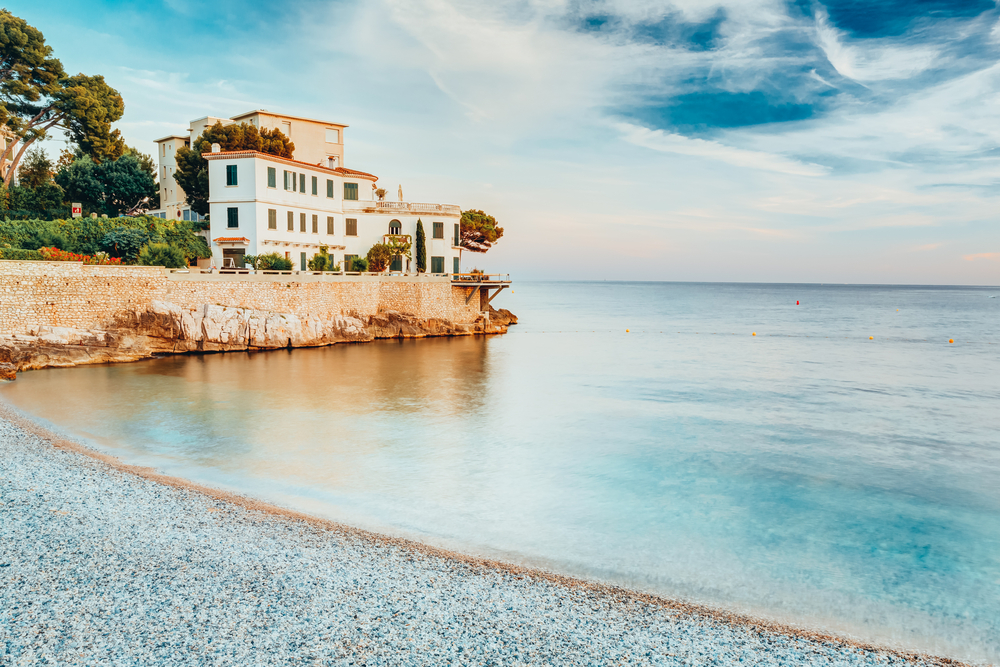
The allure of owning a holiday home in France is well-established, with its enchanting countryside, exquisite cuisine, and rich cultural heritage. From the rolling lavender fields of Provence to the chic beaches of Côte d’Azur, each region offers a unique backdrop for a second home. For many, the idea of escaping to a French retreat promises both investment returns and a haven of relaxation. But before diving headfirst into the exciting world of French real estate, it’s vital to understand the process's complexities and the pitfalls that can arise. This comprehensive guide unpacks the ten biggest pitfalls when buying a holiday home in France — and, more importantly, how to avoid them — ensuring your path to French homeownership is smooth and successful.
1. Inadequate Research Into Regions and Locations
France is a tapestry of different regions, each with its own market dynamics, lifestyle, climate, and regulations. One of the most common mistakes is to be enticed by dreams of lavender-scented air or rustic stone villas without objectively analyzing which location aligns with your goals.
A. Climate and Accessibility
France boasts a remarkable geographical diversity, ranging from snowy Alpine retreats to sun-kissed Mediterranean villages. Consider your preferences in terms of weather, seasonal temperature extremes, and proximity to airports or major train lines. A charming house in rural Limousin may offer tranquility but could be challenging to reach, especially during winter.
B. Regional Laws and Taxes
Each French region can have its own property taxes, transaction fees, and planning regulations. Failing to delve into these specifics can lead to unforeseen costs or restrictions, especially when renovating or letting.
C. Neighbourhood Dynamics
A picturesque hamlet may dazzle in summer, but what is the year-round reality? Is the area vibrant or deserted in the off-season? Are nearby amenities — shops, markets, healthcare — sufficient for your lifestyle or rental prospects?
- Solution: Prioritize a detailed reconnaissance of several regions. Visit at different times of year and talk with local residents and experts to get an authentic snapshot of daily life.
2. Underestimating Legal Complexities and the Role of the Notaire
The purchase process in France differs substantially from many other countries, with its own legal vocabulary and actors. Central to the process is the notaire — a state-appointed legal specialist who drafts contracts, oversees due diligence, and collects taxes.
A. The Notaire’s Duties Explained
Unlike solicitors in countries such as the UK, French notaires represent the transaction as a whole, rather than the interests of either buyer or seller. Assuming the notaire will protect your interests specifically is a classic misconception.
B. Bilingual Contracts and Translation Needs
French purchase contracts are binding and drafted in French. For non-native speakers, misunderstandings can easily arise unless a comprehensive, professional translation is arranged. Relying on rough translations can spark costly legal disputes down the line.
- Solution: Consider engaging an independent, bilingual advisor or legal specialist to represent your interests. Insist upon and carefully review translations of all documents before signing.
3. Failing to Consider All Ownership Structures
Determining how you hold the property has deep implications for taxes, inheritance, and future sales. French property may be acquired personally, jointly with a spouse or partner, via a company structure such as a Société Civile Immobilière (SCI), or even as a group of friends.
A. Taxation and Inheritance Law
France operates under “forced heirship” rules: regardless of your wishes, certain heirs have predefined claims to your estate. These rules differ greatly from those in many other countries, especially in the Anglo-Saxon legal world.
B. Joint Ownership and Shared Equity
Planning to purchase the home together with family or friends? Ensure a written agreement exists clearly establishing contribution, usage rights, and the decision-making process for repairs and eventual resale.
- Solution: Collaborate early with tax and legal experts to decide the optimal ownership form. Balancing flexibility, tax efficiency, and inheritance protection will help you avoid future disputes.
4. Inaccurate Assessment of the Total Cost
There’s far more to the cost of a French holiday home than the listing price. Many buyers concentrate on the headline figure, neglecting substantial additional expenses that accompany the transaction.
A. Notaire and Agency Fees
Notaire fees, agency commissions, and registration charges can add 7-12% to the property price, depending on the region and value. A miscalculation here can break carefully crafted budgets.
B. Ongoing Costs
Owning in France brings recurring expenses: local property taxes (taxe foncière and taxe d’habitation), insurance, utilities, maintenance, and occasionally, contributions to shared amenities (e.g., swimming pools, tennis courts).
C. Renovation and Upkeep
If the property requires renovation, reliable building quotes must be researched. Labour and material costs fluctuate considerably between regions. Older “character” homes are notorious for uncovering unforeseen issues — from outdated electrics to ancient plumbing — leading to escalating renovations.
- Solution: Prepare a comprehensive spreadsheet detailing all acquisition and ongoing expenditures. Include a “contingency fund” for emergencies, and consult with established property management professionals for realistic cost estimates.
5. Neglecting Comprehensive Building Surveys and Technical Due Diligence
In France, pre-purchase technical diagnosis reports (diagnostics immobiliers) are required, but these are relatively basic; they only cover certain elements like asbestos, lead paint, termites, gas/electric installations, and, in some areas, septic tank compliance.
A. The Limits of Mandatory Diagnostics
It’s a misstep to assume that these reports provide a full bill of health for the property. Roof integrity, structural stability, damp issues, and drainage are outside their scope.
B. Arranging Specialist Surveys
Particularly in the case of period homes or countryside farmhouses, hidden structural or environmental problems can cost tens of thousands of euros to fix. Specialist surveys -- from structural engineers, roofers, or groundwater experts -- are relatively rare but absolutely indispensable.
- Solution: Always commission a detailed building survey, even if the vendor’s diagnostics exist. Allocate extra time for this in your purchase timeline and be ready to renegotiate—or walk away—if major defects are uncovered.
6. Overlooking French Taxation and Fiscal Responsibilities
Foreign buyers must understand their French fiscal obligations from day one. Taxation doesn’t end at the point of acquisition; it continues with annual property taxes, income taxes (in case of letting), and eventual capital gains tax on resale.
A. French Income Tax
Even as a non-resident, you may be liable for French tax on rental income. This revenue is also often declarable in your home country—triggering double taxation agreements and, sometimes, headaches.
B. Wealth Tax
France imposes an annual "Impôt sur la Fortune Immobilière" (IFI) for property assets above certain thresholds. Non-residents with substantial real estate portfolios are not exempt.
C. Capital Gains Tax
On resale, capital gains tax applies, although an abatement system grants reductions over time. Understanding the rules in advance helps with structuring both your purchase and your long-term goals.
- Solution: Enlist a tax professional familiar with Franco-international situations. Structured early planning can minimize tax liabilities while ensuring full legal compliance.
7. Failure to Secure Financing and Currency Management Mishaps
Foreign buyers often encounter surprises when seeking mortgages or transferring large sums for property purchase. French banks can be conservative with lending criteria, especially to overseas clients without local income streams.
A. Mortgage Criteria
French lenders typically require a significant deposit (between 20-40%), proof of stable income, and a debt-to-income ratio at or below one-third. Some buyers make offers without solid financing approval, only to see their dream crumble at the bank’s desk.
B. Currency Fluctuations
With property transactions running into hundreds of thousands of euros or more, a swing in exchange rates can have a sizeable effect—sometimes turning affordability on its head in days.
- Solution: Begin the mortgage approval process early—well before viewing trips—and secure a “mortgage in principle” document. For currency transfer, consult foreign exchange specialists to lock in favourable rates or consider hedging strategies to shield yourself from last-minute surprises.
8. Misjudging Bureaucratic Procedures and Timeline Expectations
The charm of rural France can be eclipsed by bureaucratic delays. Many buyers underestimate the elapsed time between offer acceptance, legal checks, and final completion.
A. The French Conveyancing Timeline
Property sales in France generally require 2-4 months after acceptance of the offer, but this can balloon with complications — such as complex ownership structures, missing paperwork, or difficulties securing planning permissions for works.
B. Administrative Challenges
Transferring utilities, obtaining required residence permits (where applicable), or even opening a French bank account can be time-consuming if you’re unfamiliar with procedural norms.
- Solution: Set realistic expectations and buffer your plans with ample extra time. Proactive engagement with local administrative offices and utility companies, ideally via local contacts or experienced advisers, can avert many holdups.
9. Overestimating Rental Income and Investment Returns
The notion of a “free holiday home” paid for by steady rental income is appealing. However, rental yields from French holiday homes are often grossly overestimated, especially in saturated markets or remote regions.
A. Local Rental Realities
The golden coastal belts and alpine resorts have seasonal peaks and low periods. Elsewhere, demand can be unpredictable, and the proliferation of holiday lets has diluted average occupancy rates in recent years.
B. Regulations and Restrictions
Some regions have introduced tighter controls on short-term rentals. Urban centres such as Paris, Nice, and Bordeaux require registration or limit the number of rental days per year; failing to comply can incur substantial penalties.
- Solution: Conservative, data-driven projections are key. Scrutinize local occupancy rates, average rents, and regulations. If possible, test the market by renting a similar home short-term before purchasing and review your strategy annually to react to market changes.
10. Lack of Clear Exit Strategy
Every property investment should have an eventual exit plan. Many buyers focus on acquisition, ignoring critical questions such as “How easy will it be to resell?” or “Who is my likely buyer later on?”
A. Liquidity Considerations
Unlike major metropolitan centres, some rural and remote French areas can suffer from stagnant resale markets. Properties might linger on the market for years—especially those with highly customized features or those requiring extensive upkeep.
B. Inheritance and Succession
Without proper estate planning, heirs can inherit unwieldy obligations (maintenance, taxes) or, worse, face legal tussles over forced French inheritance laws.
- Solution: Identify and document your exit goals early, whether it’s eventual resale, generational transfer, or capitalizing on potentially rising markets. Organize succession and estate planning with experts to provide clarity — and flexibility — to your heirs.
Navigating Cultural and Lifestyle Differences
The French lifestyle is a major attraction, but cultural gaps—especially in rural areas—are often underestimated by newcomers. Building relationships with neighbours, acclimating to local customs, and adopting slower administrative rhythms can help you integrate gracefully.
A. Language Barriers
Living in or regularly visiting France is vastly more rewarding if you invest in learning the language. This not only smooths daily life but also helps build rapport with local tradespeople, officials, and neighbours.
B. Community Expectations
From attending local fêtes to understanding the etiquette around public services and communal facilities, familiarizing yourself with local habits nurtures goodwill — and future assistance when you need it.
- Solution: Commit to learning French and immersing yourself in the local way of life. Seek out community groups, join a club, or volunteer locally to deepen your sense of connection.
Assessing Property for Year-Round Use
A dreamy summer escape can prove inhospitable during colder months. Many older stone houses lack efficient heating, insulation, or weatherproofing. Assess whether the property will be comfortable and cost-effective to use in every season.
A. Heating and Energy Efficiency
French homes may rely on dated oil-fired systems or open fireplaces. Upgrading to modern alternatives can be expensive but ultimately saves on energy bills and carbon emissions.
B. Water and Drainage
Winter rains can cause issues with flooding, damp, or unsealed roofs. Ensure all drainage and waterproofing measures are up to standard—not just for livability but for the long-term preservation of the asset.
- Solution: Commission energy and insulation audits before committing. Consider the cost-benefit of retrofitting and factor potential grants, discounts, or regional subsidies into your plans.
Engaging With Local Professionals and Craftsmen
One of the most significant advantages in your French property journey is robust local expertise. Seasoned agents, notaires, architects, builders, and property managers offer invaluable knowledge, especially when working through technical, linguistic, and bureaucratic challenges.
A. Importance of Accreditation
French real estate professionals are regulated, and reputable agents and notaires must hold valid government-issued licenses. Always verify credentials and ask for local references.
B. Choosing Reliable Tradesmen
Skilled craftsmen can transform a renovation project. However, the demand for reliable tradespeople is high, particularly in desirable regions. Booking early and thoroughly vetting reputations is essential.
- Solution: Cultivate a network of trusted local experts and be wary of “fly-in-fly-out” advisers. Consistently employ professionals with established records and ensure contractual arrangements are clear and documented.
Thinking Long Term: Sustainability and Environmental Considerations
Homeowners around the world are increasingly compelled to factor in sustainability when buying property. France, with its diverse climate and landscape, can present particular environmental challenges—and fantastic opportunities, too.
A. Renewable Energy and Efficiency Upgrades
Solar panels, ground-source heat pumps, rainwater collection systems, and energy-efficient windows are becoming ever more important — whether to reduce ongoing operating costs, meet emerging regulations, or improve resale value.
B. Environmental Hazards
Certain regions of France are vulnerable to environmental risks: flooding plains, wildfire-prone forests, or geological instability. Understanding these dangers—and insurance implications—is critical.
- Solution: Evaluate all environmental diagnostics, and plan for energy and safety upgrades as needed. Consider properties with existing green features, and consult with eco-specialists who understand the nuances of French property law and incentives.
Case Studies: Lessons From Real Buyers
With so many factors at play, learning from the experiences of past buyers can yield powerful insights. Below are anonymized vignettes illustrating how buyers who were informed and prepared avoided major pitfalls—and, conversely, how neglecting due diligence led to regret.
A. The Unseen Structure
One UK buyer fell in love with a charming 18th-century cottage in Brittany. No comprehensive survey was conducted; after purchase, they discovered costly foundation issues and ancient, hazardous electrics. Had they spent the modest extra amount on a structural engineer, years of frustration and heavy unplanned expenditure would have been averted.
B. The Region’s Hidden Costs
A family seeking summer sun bought in the Languedoc region, attracted by a seemingly low price and no apparent competition. However, they overlooked high local water rates, annual septic tank inspections, and mandatory fire-safety upgrades demanded by the local commune—all of which significantly eroded their budget. Consulting locals and researching each region’s regulations in advance would have ensured their investment stayed on track.
C. The Success Story
A Belgian couple methodically researched three French regions, spent months speaking with local residents, and hired both legal and technical experts. Their transaction unfolded seamlessly, they developed strong ties with the community, and their property has grown steadily in value due to proactive renovation and keen awareness of local market shifts.
French Holiday Home Ownership: Strategic Tips for Success
Avoiding the biggest pitfalls requires foresight, organization, and the willingness to seek specialist guidance at every phase. Here are strategic tips to increase the likelihood of a successful, rewarding French holiday home investment:
- Allocate generous research time. Don’t rush; allow yourself a full year if necessary to visit regions, properties, and meet local officials and residents.
- Catalogue all administrative, regulatory, and tax requirements before proceeding.
- Budget for every possible expense, always including a contingency fund.
- Document your goals and strategic intentions for the property—including exit considerations and usage intentions (private, rental, or both).
- Engage local professionals, translators, and surveyors with proven track records.
- Plan upgrades and renovations in phases, allowing time for permissions and unforeseen maintenance needs.
- Integrate with the local community from day one to nurture helpful local contacts and lasting enjoyment of your home.
Conclusion: Turning Your French Property Dream into Reality
The dream of a French holiday home endures for good reason. France offers a rare blend of old-world charm, stable property markets, and an enviable quality of life. Yet buying here, especially as a non-resident, is a complex journey requiring diligence, patience, and local insight.
By approaching the process with eyes wide open — mindful of the major pitfalls detailed above — and supported by trustworthy professionals, you position yourself to enjoy the very best of France, worry-free. Whether your vision is of rolling vineyards, bustling market towns, or tranquil Alpine landscapes, thoughtful planning is the key to unlocking a lifetime of memories in your very own French retreat.
Above all: stay informed, remain proactive, and never hesitate to seek expert help at every step. With the right guidance, your own corner of France can be an asset that delivers not just joy for years to come, but also the security and satisfaction of a wise investment.