




Understanding the Importance of Garden Irrigation in Spain
Spain’s diverse climate and extensive periods of sunshine make garden irrigation a crucial component of successful landscaping. Whether you’re managing a cozy patio in Málaga, a sprawling finca in Andalucía, or a city terrace in Barcelona, efficient irrigation is the cornerstone for vibrant, lush outdoor spaces. Without adequate watering solutions, plants will wilt during harsh dry spells, which are common in many Spanish regions.
In this comprehensive guide designed for discerning property owners, estate managers, and passionate gardeners, we delve into every aspect of tuinirrigatie—garden irrigation—in Spain. From regulatory considerations to the latest technologies, we unravel the know-how you’ll need to cultivate flourishing gardens wherever you reside on the Iberian Peninsula.
Climate Overview: Why Spanish Gardens Need Reliable Irrigation
To truly appreciate the necessity of tuinirrigatie in Spain, one must first understand the climatic realities of the region. The country boasts several distinct climate zones:
- Mediterranean Climate: Dominant in coastal regions, with hot, dry summers and mild winters. Droughts are commonplace during peak summer months.
- Continental Climate: In interior provinces, this climate yields extreme temperature fluctuations, with sweltering summers and cold winters.
- Oceanic Climate: Characteristic of the northern coast, this zone is humid and receives more consistent rainfall, but summer dry periods still affect lush gardens.
- Semi-arid and Arid Climates: Found in southeastern Spain and parts of Andalusia, these areas experience severe water scarcity.
Regardless of location, water is a precious resource in Spain. Addressing irrigation is not merely about plant survival—it’s about responsible stewardship, ensuring gardens thrive while safeguarding water efficiency.
Legal Regulations for Garden Irrigation in Spain
Before installing or altering any tuinirrigatie system in Spain, it’s essential to be informed about local and national regulations. Water conservation is a governmental priority, with rules frequently updated according to drought periods and municipal supply constraints.
Obtaining Permissions and Meeting Local Guidelines
It’s standard for municipalities in Spain to require permits for large-scale irrigation installations, especially if they involve groundwater extraction, rainwater harvesting, or connection to the mains water supply. Prior to commencing work:
- Consult with the ayuntamiento (local town hall) to verify the latest regulations and obtain necessary permits.
- Ensure compliance with laws regarding the installation of wells and boreholes. Unauthorized extractions may result in hefty fines.
- Adhere to any water use restrictions during drought alerts, including restrictions on irrigation timings and quantities.
Proactively addressing these regulations will ensure harmonious relations with authorities and neighbors, protecting your investment for years to come.
Anatomy of a Modern Spanish Irrigation System
Effective tuinirrigatie comprises several integrated components, each designed to optimize water use and support various plant needs. While the complexity of systems can vary, a well-designed solution typically includes:
- Water Source: Mains supply, rainwater tanks, wells, or recycled water tanks.
- Pump: Facilitates water pressure, especially when gravity is insufficient.
- Filtration Unit: Removes sediment and protects emitters in drip systems from clogging.
- Distribution Network: Pipes and tubing that transport water throughout the garden.
- Emitters: Sprinklers, drippers, bubblers, or soaker hoses—selected according to plant and soil type.
- Control Systems: Manual or advanced automatic timers, sensors, and smart controllers.
Advancements in Smart Irrigation Technologies
The evolution of smart home devices has revolutionized tuinirrigatie in Spain. Modern systems can now be operated via smartphone apps, integrating soil moisture sensors, local weather data, and even AI-driven scheduling to minimize waste and maximize results. Adopting these innovations can reduce water bills, preserve resources, and promote healthier gardens.
Assessing Your Garden’s Watering Needs: Analysis and Planning
Every Spanish garden is unique, governed by its microclimate, soil, plant varieties, and sun exposure. Crafting an effective irrigation plan begins with a careful site evaluation:
- Soil Assessment: Sandy soils drain quickly and require more frequent watering, while clay retains moisture longer.
- Plant Mapping: Group plants according to similar water requirements (hydrozoning) to prevent under- or over-watering.
- Exposure Analysis: Identify sunnier, wind-exposed, or shaded zones—each will have different evaporation rates and hydration needs.
- Slopes and Topography: Sloped gardens may need special provisions to prevent runoff and ensure even soaking.
Professional planning at this stage sets the foundation for a sustainable, low-maintenance irrigation solution.
Types of Irrigation Systems Used in Spain
Spaniards and international homeowners employ several irrigation methods, each with unique benefits and ideal applications. Let’s explore the leading options:
Drip Irrigation (Riego por Goteo)
Drip irrigation is the method of choice for most Spanish gardens, particularly in water-restricted areas. By delivering precise, slow drips of water directly to plant roots, this system drastically reduces evaporation losses and discourages weed growth. Key advantages include:
- Maximum water efficiency by targeting only the root zone.
- Prevents foliar diseases by keeping leaves dry.
- Customizable layout to accommodate diverse planting schemes.
Drip systems are suitable for vegetable beds, ornamental borders, fruit trees, and even potted terraces. Modern variants include pressure-compensating emitters for consistent delivery across uneven terrain.
Sprinkler Irrigation (Riego por Aspersión)
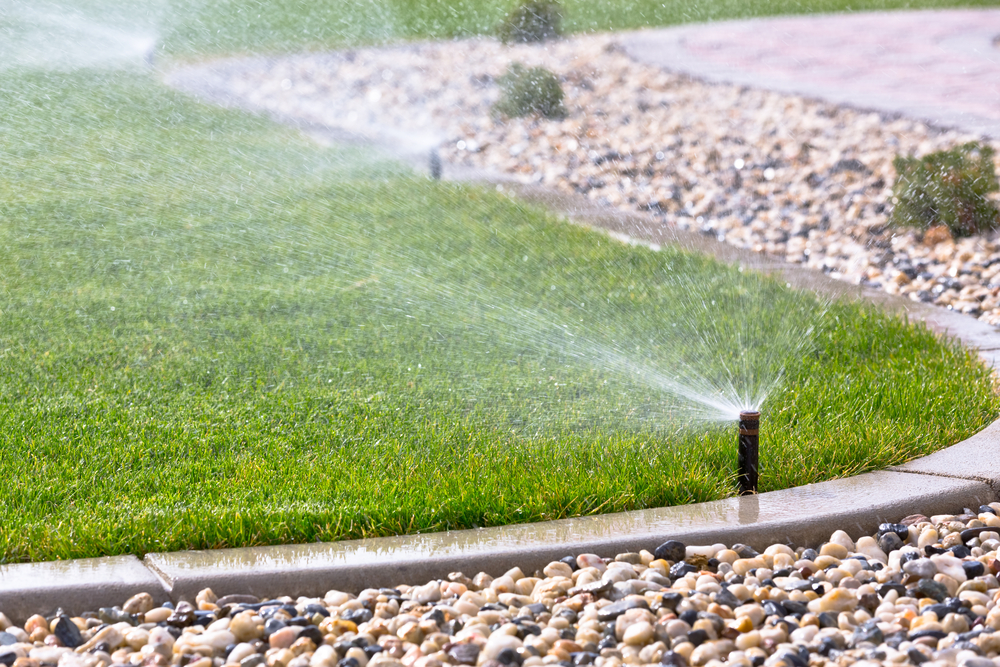
Sprinkler systems are widely used for lawns and large open areas. They mimic natural rainfall, covering expansive surfaces quickly. While effective, they do carry the risk of higher evaporation, particularly on windy or hot days. Best practices for sprinkler use in Spain include early morning or late evening operation to reduce moisture loss and fungal risks.
Micro-sprayers and Bubblers
For flower beds, shrubbery, and delicate plants, micro-sprayers and bubblers provide gentle, targeted watering. They bridge the gap between drip and traditional sprinklers, ideal for Mediterranean landscaping featuring native aromatic plants such as lavender, rosemary, and sage.
Soaker Hoses
Soaker hoses offer a simple, affordable solution, particularly for established rows of hedges or vegetable plots. They ooze water along their length, ensuring an even, gentle soak.
Manual Watering Options
Though less efficient, manual watering via hoses or watering cans remains popular for smaller terraces and urban gardens. It allows for a personal touch and instant environmental assessment, but is generally discouraged for larger properties due to time, inconsistency, and water waste concerns.
Selecting the Right Water Source for Irrigation
The water source is the backbone of any irrigation system, dictating both architectural design and operational costs. In Spain, these are the predominant options:
- Mains Water (Agua Potable): Readily available but subject to local pricing tiers and restrictions, especially during drought. It’s chemically treated—generally safe for most garden uses.
- Wells and Boreholes: Rural properties often utilize groundwater. Regulation is strict and usage requires licensing, but it can be a cost-effective and autonomous solution.
- Harvested Rainwater (Captación de Aguas Pluviales): Increasingly popular, rainwater collection conserves resources. Proper tank sizing, filtration, and legal requirements must be considered.
- Greywater Recycling: Forward-thinking homeowners sometimes install greywater systems, recycling lightly used domestic water for outdoor use. This eco-conscious method demands careful management and adherence to hygiene standards.
Strategically integrating alternative water sources will yield both environmental and economic benefits—vital for long-term garden health and compliance with evolving Spanish water laws.
Automating Your Irrigation: Controllers, Sensors, and the Internet of Things
The advent of automation has revolutionized tuinirrigatie across Spain. Integrating controllers, timers, and sensors into your system empowers you to tailor watering schedules with precision, adapting in real time to climatic variations and garden needs.
Controllers and Timers
Traditional electromechanical or digital timers remain widely used, offering set-and-forget convenience for basic schedules. However, for those seeking maximum flexibility and efficiency, smart controllers allow programming based on zones, weather forecasts, and user-defined parameters via smartphone apps.
Soil Moisture and Rain Sensors
Soil moisture sensors can halt irrigation cycles when sufficient hydration is detected, avoiding overwatering, root rot, and unnecessary expense. Rain sensors similarly suspend watering during and after rainfall, aligning operation with the prevailing weather—an essential feature in sync with water-saving best practices.
Integrating the IoT for Full Control
Internet-connected controllers represent the cutting edge, enabling remote monitoring and refined management. Some models analyze local meteorological data, automatically adjusting irrigation in response to heatwaves or unexpected showers—true “smart gardens” for modern living.
Installation: Steps to Set Up a Professional Irrigation System in Spain
While handy gardeners may attempt small installations, larger or complex systems are best entrusted to professional landscape and tuinirrigatie specialists. Here’s a typical installation workflow:
- Site Assessment: Map out garden zones, note water pressure and availability, identify slopes and drainage.
- System Design: Select the appropriate type of irrigation, emitter layout, and control systems based on analysis.
- Trenching and Pipe Laying: Carefully excavate and install mains and lateral lines with correct flow calculations to avoid leaks and pressure drops.
- Emitter and Valve Installation: Position emitters and valves precisely for uniform coverage across all zones.
- Pump and Filter Integration: Install pumps if needed to boost pressure, and filters to keep debris from clogging emitters.
- Control System Configuration: Program controllers, calibrate sensors, and test automation routines.
- System Testing and Fine Tuning: Check for leaks, calibrate pressure, and evaluate plant responses over several days. Adjust emitters as necessary.
- Owner Training: Ensure homeowners or gardeners are familiar with system operation and seasonal adjustment requirements.
Professional installation guarantees longevity, water efficiency, and trouble-free operation—protecting your outdoor investment in Spain.
Ongoing Maintenance and Troubleshooting Tips
Even the most sophisticated tuinirrigatie system requires periodic maintenance. Neglect can lead to uneven watering, waste, and plant distress. Here are practices to ensure optimal performance year-round:
- Seasonal Inspections: At least twice per year, inspect all lines, valves, emitters, and control systems for leaks, cracks, or blockages.
- Emitter Cleaning: Remove mineral build-up and debris to prevent clogging, especially in hard water areas common to much of Spain.
- Filter Replacement: Some filters need frequent changing to keep water flow smooth and free from particles.
- Controller Updates: Review and adjust watering schedules based on seasonal needs and the latest weather patterns.
- Winterization: In areas with cold winters, drain lines and store above-ground equipment to prevent freeze damage.
Troubleshooting Common Problems
Should you encounter dry patches, over-saturated soil, or erratic operation, consider the following diagnostic steps:
- Check water pressure for drops that could indicate leaks or clogged emitters.
- Inspect controller programming to verify correct timing and zone allocation.
- Look for signs of mechanical damage from rides-on mowers, rodents, or gardening tools.
- Review recent plantings, as roots or growth may obstruct emitters or pipes.
Prompt, thorough maintenance is integral to the sustainable success of your garden investment.
Water Conservation: Best Practices for Sustainable Irrigation
With Spain’s increasing focus on conservation, responsible tuinirrigatie is both an ecological duty and a regulatory necessity. Implementing these best practices will enhance both compliance and the longevity of your garden:
- Hydrozoning: Grouping plants with similar water profiles reduces waste and risk of overwatering drought-tolerant species.
- Mulching: Organic mulch conserves moisture, suppresses weeds, and stabilizes root temperatures—a must for Spanish summers.
- Early/Late Watering: Operating systems at dawn or dusk minimizes evaporation losses and optimizes root uptake.
- Rainwater Harvesting: Capturing and storing rain helps offset municipal water use and complies with sustainable norms.
- Regular System Checks: Proactive maintenance ensures water is delivered efficiently where it’s needed most.
Embracing these principles demonstrates stewardship—essential for property owners who value quality, beauty, and environmental responsibility.
The Value of Native and Drought-Resistant Planting
Intelligent planting dramatically reduces irrigation demands. Spain boasts a rich palette of native and Mediterranean species that thrive with minimal care:
- Olive and Almond Trees: Stalwarts of the Spanish landscape, adapted to dry conditions.
- Lavender, Rosemary, and Thyme: Fragrant, rugged, and self-sufficient once established.
- Cistus, Oleander, and Euphorbia: Ornamental shrubs with impressive drought tolerance.
- Agave and Aloe: Succulents famed for surviving weeks without supplemental watering.
Integrating these species into your garden design reduces both costs and workload, ensuring long-term sustainability with or without advanced irrigation solutions.
Cost Considerations: Budgeting for Quality Irrigation in Spain
While tuinirrigatie is a worthwhile investment, understanding the financial aspects is crucial for informed decision-making. Factors influencing cost include:
- System Type and Complexity: Advanced drip or smart irrigation systems generally carry higher upfront costs, offset by long-term savings.
- Garden Size: Larger spaces require more materials, labor, and potentially more sophisticated control systems.
- Water Source: Rainwater harvesting or well integration adds expenses for tanks, pumps, and additional filtration/monitoring devices.
- Professional Design & Installation: Expert planning ensures quality, but adds to initial outlays.
Ongoing costs must also be planned for—water bills, maintenance, seasonal adjustments, and periodic upgrades. However, the positive impact on property value and garden longevity more than justifies the expense for most Spanish homeowners.
Tailoring Irrigation to Popular Spanish Garden Styles
Spain’s rich horticultural tradition encompasses diverse styles, each with its own approach to tuinirrigatie:
Formal Mediterranean Gardens
Characterized by geometric hedging, gravel walks, stone fountains, and parterre beds—formal gardens benefit from discreet in-ground drip systems and micro-sprayers to maintain both order and hidden infrastructure.
Rustic Cortijo or Finca Design
Large country estates with olive groves and xeriscaped borders suit a hybrid of automated drip and localized hand-watering—preserving rustic charm while guaranteeing reliability during long absences.
Contemporary Urban Oasis
Modern city gardens often favor automated systems, complete with app-based controls and integrated lighting for 24/7 management—particularly vital when owners are frequently traveling.
Pitfalls to Avoid in Spanish Garden Irrigation
Even well-intentioned gardeners can run afoul of common mistakes. Learning from the experience of professionals helps prevent costly errors:
- Neglecting Soil Type: Designing irrigation based on plant needs without analyzing soil drainage and retention often leads to waste or waterlogging.
- Overwatering: A frequent mistake that promotes root rot and fungal issues—less is often more, particularly with Mediterranean plants.
- Poor Zoning: Failing to separate high and low water-use areas can swamp some plants while starving others.
- Ignoring Maintenance Needs: Clogged drip lines, broken sprinklers, and outdated controllers quickly undermine system efficiency.
- Outdated Technology: Persisting with manual watering or old non-automated systems in drought-stressed regions is a recipe for failure.
Avoiding these pitfalls from the outset guarantees years of lush, trouble-free gardening.
Integrating Water Features and Pools with Garden Irrigation
Spain’s love for water features—fountains, reflective basins, and swimming pools—influences both garden ecology and overall irrigation planning. Integrating these elements requires careful consideration:
- Water Balance: Large features may increase overall evaporation, necessitating higher irrigation volumes around their perimeters.
- Runoff Management: Proper drainage is critical to prevent localized flooding or salt buildup near sensitive plants.
- Reuse Strategies: In some cases, pool backwash or excess fountain water can be redirected to ornamental beds, provided correct filtration is in place and local regulations permit.
Consulting with experienced professionals ensures all features harmonize within a cohesive tuinirrigatie strategy, maximizing both beauty and efficiency.
Preparing for Heatwaves and Water Restrictions
Spanish summers can be fierce, with extended heatwaves and ‘olas de calor’ presenting significant challenges for gardeners. Drought contingencies include:
- Regular System Checks: Confirm all emitters are delivering as designed before peak heat.
- Emergency Scheduling: Temporarily increase watering frequencies for sensitive areas, then reduce as soon as conditions moderate.
- Complying with Local Bans: Always observe provincial or municipal ordinances regarding watering hours and methods during officially declared drought periods to avoid penalties.
- Mulching and Shade Netting: Supplement irrigation by shading vulnerable plants and renewing mulch layers to cut moisture loss.
Anticipatory management preserves both plant health and legal compliance during extreme conditions.
The Environmental and Lifestyle Benefits of Efficient Irrigation
Modern tuinirrigatie delivers profound rewards beyond aesthetics:
- Resource Responsiveness: Advanced systems limit waste, contributing to Spain’s ambitious sustainability targets.
- Enhanced Garden Enjoyment: Relieves owners from daily watering chores, freeing them to relax and entertain amid beautiful surroundings.
- Property Value: Meticulously irrigated landscapes boost curb appeal and overall asset worth, appealing to discerning buyers and tenants.
- Microclimate Improvement: Healthy gardens help moderate local temperatures, filter dust, and improve air quality—especially crucial in urban areas.
These factors make an advanced tuinirrigatie system a “must-have” feature for both new developments and established properties across Spain.
Future Trends in Spanish Garden Irrigation
As climate change accelerates and technology matures, several cutting-edge developments are reshaping the landscape:
Expanded Use of Renewable Energy
Solar-powered pumps and controllers are gaining ground, especially in remote or rural properties, offering reliable operation with minimal carbon footprint.
IoT and AI Integration
Smart sensors, cloud-based analytics, and AI controllers will soon predict needs and auto-correct schedules, eliminating guesswork and continually improving efficiency.
Community Water Management Schemes
Some areas experiment with communal rainwater harvesting or greywater redistribution, allowing entire neighborhoods to share resources sustainably and in line with regulation.
Frequently Asked Questions About Garden Irrigation in Spain
-
Can I install my own irrigation system in Spain?
While DIY installations are possible, especially for small terraces or patios, professional consultation is strongly advised for larger or more complex gardens—this ensures proper design, adherence to local laws, and lasting value.
-
Is rainwater harvesting legal in all parts of Spain?
Rainwater collection is generally encouraged, but rules vary. Always consult your local authorities to confirm tank sizes, overflow management, and plumbing standards.
-
How often should I adjust my irrigation schedules?
At minimum, update timing with each new season. Advanced systems can auto-adjust, but manual review—especially after planting changes or extreme weather—keeps things optimized.
-
What’s the best way to save water during droughts?
Early morning/evening cycles, mulching, hydrozoning, rain sensors, and ongoing maintenance all play vital roles in drought resilience.
-
Are subsidies or incentives available for sustainable irrigation?
Some Spanish regions and municipalities offer programs to support eco-friendly upgrades—check with local authorities or agricultural offices for details.
Partnering for Success: The Role of Expert Guidance
With the complexity and variety of tuinirrigatie options available, expert guidance is indispensable. Choosing seasoned professionals ensures your system aligns with the unique requirements of your property and the realities of Spain’s evolving water landscape. Their experience encompasses everything from regulatory compliance to cutting-edge integration—yielding outcomes that are beautiful, robust, and responsible.
Conclusion: Embracing Sustainable Garden Irrigation in Spain
Mastering tuinirrigatie in Spain is a blend of art and science. By embracing modern technologies, understanding local legalities, selecting the right systems, and adopting sustainable practices, you’ll enjoy thriving outdoor spaces that enhance quality of life while protecting precious resources. Let your irrigation strategy reflect both respect for tradition and the best of 21st-century innovation—a hallmark of outstanding Spanish living.
Whether transforming a city balcony, a lush family garden, or vast estate grounds, excellence in tuinirrigatie is within reach for every property owner committed to quality, stewardship, and the enduring allure of Mediterranean landscape.