





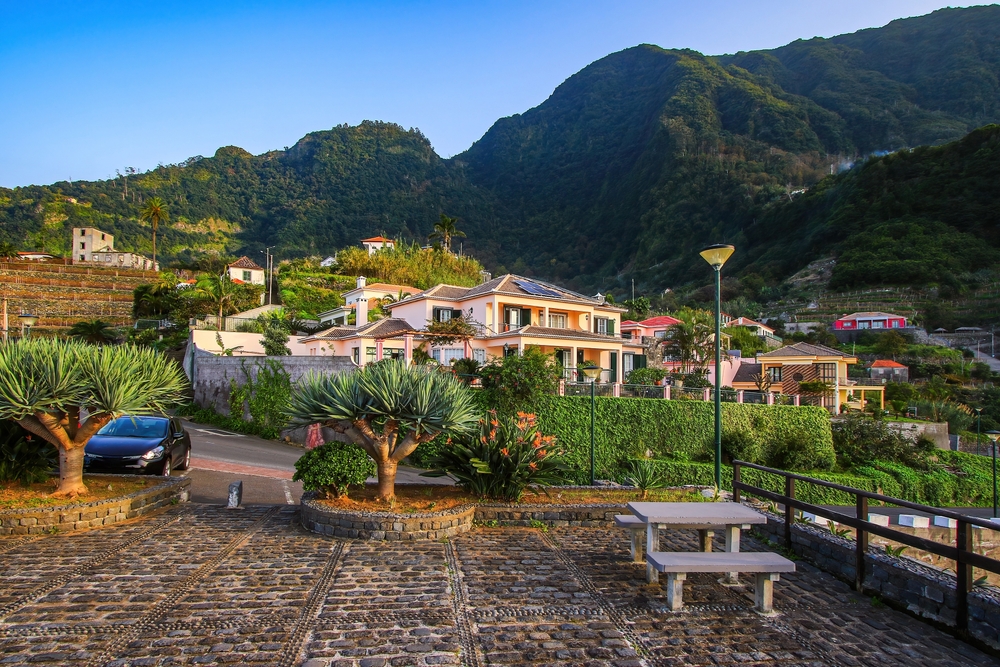
Introduction: Investing in a Portuguese Holiday Home in 2025
If you've ever dreamed of owning a slice of sun-drenched paradise, Portugal routinely rises to the top of European real estate wish lists. With its picturesque beaches, charming villages, rich culture, and favorable climate, the allure of purchasing a holiday home here continues to grow each year. But as more international buyers turn their eyes to Portugal, one crucial question arises: Hoeveel kost een vakantiehuis in Portugal? In 2025, pricing patterns, local market dynamics, and regional differences are shaping investment opportunities in new ways.
This comprehensive guide explores in depths every key factor that impacts the cost of a holiday home in Portugal in 2025, meticulously breaking prices down by region and property type. Whether you seek a modern villa in the Algarve, a cozy cottage in the Douro Valley, or a sleek apartment in Lisbon, you’ll find all essential factors for a well-informed decision. As IMMO ABROAD, we are dedicated to providing strategic insights on Portuguese real estate — ensuring you have everything you need to embark on your journey toward the perfect vakantiehuis.
Understanding the Portuguese Real Estate Market in 2025
Before delving into regional price breakdowns, it's crucial to understand the broad market dynamics influencing property prices in Portugal in 2025. The Portuguese real estate sector has undergone significant transformation over the past decade, fueled by increased foreign investment, government incentives, and sustained domestic demand. In recent years, several core drivers have shaped the market:
- Steady Price Growth: While prices have increased steadily across major regions, Portugal remains comparatively affordable versus other Western European destinations.
- Foreign Demand: Buyers from across Europe, North America, and beyond continue to see Portugal as a secure and attractive haven for both lifestyle and investment.
- Government Policies: Schemes such as the Non-Habitual Resident (NHR) tax regime and Golden Visa have stimulated demand, impacting pricing and inventory in select areas, even as some of these policies evolve in 2025.
- Supply Constraints: With prime properties in high-demand regions being snapped up quickly, scarcity is a key price driver, particularly in hotspots such as the Algarve and the Lisbon area.
- Growing Infrastructure: Significant improvements in transportation and amenities continue to make previously overlooked regions newly attractive and accessible for holiday home ownership.
By 2025, Portugal presents a dynamic, diverse real estate landscape, with marked differences between coastal hotspots, bustling urban centers, tranquil countryside, and emerging inland gems. In the following sections, we systematically analyze property prices per region to give you a crystal-clear overview, no matter your budget or preferences.
Overview: Key Regions for Holiday Homes in Portugal
Portugal’s appeal lies in its rich regional diversity. The country is traditionally divided into several key areas, each with its unique attractions and real estate profile. When searching for a vakantiehuis, the main regions to consider are:
- The Algarve: Southern Portugal’s celebrated coast, prized for its beaches, golf resorts, and affluent expat communities.
- Lisbon & Greater Lisbon: The bustling capital and its surrounding areas, blending cosmopolitan living with proximity to historic towns and beaches.
- The Silver Coast (Costa de Prata): A scenic stretch north of Lisbon featuring quieter beach towns and authentic Portuguese communities.
- Porto & Northern Portugal: The vibrant city of Porto and its surrounding valleys and vineyards, home to dramatic landscapes and unique architectural heritage.
- Central Portugal: Encompassing inland cities, rolling hills, and charming villages with affordable real estate options.
- Alentejo: Known for its peaceful plains, olive groves, and whitewashed villages — an emerging haven for tranquil escapes and growing investment interest.
- The Islands (Madeira & Azores): Unique Atlantic getaways, each with distinct culture, lush nature, and rising popularity among international buyers.
Let’s analyze property pricing in each region, breaking down the cost factors and trends shaping the 2025 market.
The Algarve: Premium Coastal Living in 2025
Regional Overview and Popular Locales
The Algarve’s allure is legendary. Golden beaches, warm climate, luxury golf resorts, renowned seafood cuisine, and an exceptionally strong expat network make it Portugal’s premier holiday home destination. From the sophisticated resorts of Quinta do Lago and Vilamoura to the picturesque towns of Lagos, Albufeira, and Tavira, the Algarve offers a wide price range — but expect to pay a premium compared to other regions.
Average Price Ranges in 2025
- Apartments: In 2025, prices for two-bedroom apartments in coastal hotspots (Albufeira, Lagos, Vilamoura) typically range from €350,000 to €800,000, depending on proximity to the sea, amenities, and luxury level. Inland or secondary towns offer more accessible entry points, with prices starting at €180,000.
- Villas: Detached villas or semi-detached townhouses are highly sought-after. Standard villas (3-4 bedrooms, with private pool) near the prime coastline (Quinta do Lago, Vale do Lobo) can command prices from €850,000 to over €4 million for top-tier properties. Inland areas or less touristy coastal locales, such as Silves or Monchique, offer villas from €400,000.
- Rustic Quintas: Traditional Algarve country houses (“quintas”) with land, often requiring renovation, start around €300,000 but can reach €1.5 million+ for fully restored luxury estates.
Key Insights: Prices in the Algarve have grown approximately 6-9% year-on-year since 2020, with continued upward pressure due to limited land availability in prime locations. Gated communities, golfing real estate, and beachfront plots command the highest premiums.
Factors Affecting Algarve Property Costs
- Location: Proximity to beaches, towns, marinas, and golf courses heavily influences prices. Western Algarve areas (Lagos, Sagres) tend to offer slightly more value than the “Golden Triangle” (Quinta do Lago, Vale do Lobo, Vilamoura).
- Rental Potential: The Algarve’s perpetual tourist demand means properties here can offer robust rental yields — especially during the peak summer months. Properties with licenses for short-term rentals (AL licenses) fetch higher sale prices.
- New Build vs. Resale: New developments featuring modern amenities, energy-efficient design, and luxury finishes command a sizable premium above traditional resale properties.
Lisbon & Greater Lisbon: Urban Elegance Meets Atlantic Charm
Unique Appeal and Micro-Regions
Lisbon blends old-world elegance with vibrant, modern energy. As Portugal’s cultural and economic heart, it attracts both lifestyle buyers and investors. Around the city, suburbs and satellite towns such as Cascais, Estoril, and Sintra offer alternative settings for luxury holiday homes with easy access to the metropolis.
Price Ranges for Holiday Homes in 2025
- City Apartments: In the historic districts of central Lisbon (Baixa, Chiado, Alfama), expect prices for renovated two-bedroom apartments to start at €500,000, rising to €1.2 million or more in the most exclusive areas and for penthouse units with river views.
- Suburban Villas: Cascais and Estoril, renowned for their coastal luxury and amenities, feature villas from €1.2 million to €4.5 million. More accessible areas such as Sintra or Oeiras offer detached homes from €650,000 to €1.5 million.
- City Townhouses: Traditional townhouses or “palacetes” in Lisbon’s leafy districts (Lapa, Estrela) range from €1.5 million upwards, with unique historic features commanding additional premiums.
Key Insights: Lisbon’s real estate market has seen staggering growth since 2015, driven by urban renovations, growing population, and foreign interest. While the city center is pricey, up-and-coming neighborhoods and satellite towns offer relative value and strong growth prospects.
What Influences Property Prices in Lisbon?
- District and Accessibility: Central neighborhoods with metro or tram access, river views, and proximity to historic sights see the highest demand.
- Restoration and Features: Authentic period architecture, balconies, and outside space add substantial value, as do luxury renovations with modern amenities.
- Regulatory Landscape: Licensing for short-term rentals is restricted in central Lisbon, impacting buy-to-let investment strategies. Instead, medium-term and residential letting is growing in popularity.
The Silver Coast (Costa de Prata): Portugal’s Emerging Gem
Overview and Most Sought-After Areas
Stretching north from Lisbon through picturesque beach towns, fishing villages, and unspoiled countryside, the Silver Coast is fast gaining recognition among buyers seeking authenticity and quieter settings. Towns like Nazaré, Foz do Arelho, Óbidos, and Peniche are especially popular.
Holiday Home Prices in 2025
- Apartments: Spacious two-bedroom apartments with sea views typically range from €200,000 to €350,000. Beachfront developments or penthouse units can cost up to €500,000.
- Villas: New-build or renovated villas with private pools, within reach of well-known beaches such as São Martinho do Porto, start from €350,000 and can rise to €1 million+ for premium properties.
- Cottages: Traditional village homes or "casas rústicas," often featuring stonework and gardens, start from as low as €120,000, though modernized options hover between €180,000 and €350,000.
Key Insights: Compared to the Algarve and Lisbon, the Silver Coast boasts better value for money. It's especially attractive to buyers seeking tranquil retreats near the Atlantic, with healthy capital growth potential as the region's infrastructure and profile grow.
Insights Into Pricing Drivers on the Silver Coast
- Proximity to the Ocean: As throughout Portugal, proximity to beaches and sea views substantively increase property prices.
- New Developments vs. Period Homes: Newly constructed or expertly renovated homes are commanding a growing premium in 2025, while there remains a vibrant market for restoring authentic properties.
- Accessibility: Improved highways, good rail links, and the short drive to Lisbon’s airport drive both holiday and investment demand.
Porto & Northern Portugal: Tradition and Opportunity
An Evolving Market with Deep Roots
Northern Portugal, anchored by Porto and the Douro Valley, is a unique blend of urban sophistication, lush valleys, historic architecture, and the world-renowned port wine culture. As Portugal’s second-largest urban center, Porto’s property market has matured rapidly but offers considerable diversity and value compared to the south.
2025 Price Range Snapshot
- Porto City Apartments: Central apartments, including beautiful period conversions and new builds, range from €280,000 to €700,000 for two-bedroom units. Prime riverfront or garden view apartments exceed €900,000.
- Villas and Townhouses: Family villas in desirable Porto suburbs (Foz do Douro, Vila Nova de Gaia, Matosinhos) begin at €550,000, reaching up to €2 million for luxury homes with premium finishes and views.
- Douro Valley Estates: Country houses, small vineyards, or stone quintas in the Douro can vary widely: projects needing renovation start from €220,000, while fully restored estates with land and views fetch between €600,000 and €1.5 million.
Key Insights: Porto’s dynamic tourism, business, and student scene make it attractive for holiday and rental investment. Demand is rising for countryside retreats as well, particularly among buyers seeking a slower pace and spectacular natural surroundings.
Factors in Northern Portugal’s Property Market
- Location: River views, historic quarters (Ribeira, Miragaia) and proximity to amenities and the UNESCO-listed city center drive premium pricing.
- Tourism Trends: The region’s growing popularity among international travelers means properties suitable for tourism and short-term lets see stronger appreciation and incomes.
- Restoration Opportunities: Buyers willing to restore older properties can unlock greater value, especially in less developed or emerging pockets near Porto.
Central Portugal: Tranquility, Affordability, and Space
Profiling the Region
Central Portugal is the country’s best-kept secret for buyers prioritizing budget and rural charm over easy access to the coast or big city buzz. This vast, diverse region spans from the forested hills of Serra da Estrela to the historic cities of Coimbra and Tomar. It offers buckets of authenticity, generous plot sizes, and competitive pricing.
Holiday Home Price Breakdown in 2025
- Rural Cottages and Farmhouses: Renovated stone cottages or small farmhouses are available from €95,000, with more substantial homes (multiple bedrooms, larger plots) typically ranging from €140,000 to €350,000.
- Village Homes: Properties in small towns with local amenities start at €70,000 for restoration projects, moving up to €230,000 for move-in-ready houses with gardens or small pools.
- Villas and Modern Homes: In and around the region’s moderate-sized cities (Coimbra, Viseu), contemporary villas with land and pools range from €250,000 to €500,000.
Key Insights: Central Portugal is the destination of choice for value-driven buyers, those seeking eco-friendly or off-grid living, and anyone desiring calm away from the tourist hotspots. Modern amenities, high-speed internet, and strong expat communities are increasingly available — enhancing the region’s long-term attractiveness.
Price Influences Unique to Central Portugal
- Property Condition: Prices are especially low for properties requiring renovation — presenting opportunities for savings, but also challenges with local planning and building regulations.
- Land Size: Even modest homes often include large gardens, orchards, or even forested land, raising their appeal for those seeking privacy and self-sufficiency.
- Connectivity: Proximity to major highways, international schools (especially near Coimbra), and regional airports increase desirability and price.
Alentejo: Rustic Retreats and Expanding Investment
Defining the Alentejo Experience
Stretching from the southern banks of the Tejo river to the Algarve border, Alentejo is Portugal’s answer to Tuscany: rolling wheat fields, olive and cork groves, quaint villages, and a distinct slow pace of life. Increasingly, more buyers are discovering the charms of this region for holiday homes away from the crowds, with excellent opportunities for investment and restoration.
Alentejo Holiday Home Pricing for 2025
- Village Houses: Traditional homes in towns such as Évora, Monsaraz, and Castelo de Vide start around €130,000 for smaller properties needing work, rising to €400,000 for fully renovated, ready-to-move-in homes with gardens.
- Country Estates and Monte Alentejano: Larger homes set on substantial land parcels, often with potential for agri-tourism (olive groves, vineyards) start from €350,000 for restoration projects and go up to €1.8 million+ for top-tier, fully developed properties.
- Coastal Alentejo: Properties along the less-developed Atlantic coastline (Zambujeira do Mar, Vila Nova de Milfontes) are increasingly sought after, with prices for sea-view villas from €500,000 upward.
Key Insights: Alentejo’s market remains less volatile than the Algarve or Lisbon, though prices have begun to rise as buyers discover its unique mix of space, serenity, and investment opportunity. The region’s tranquil environment makes it exceptionally attractive for those seeking slow living, creative restoration, and eco-friendly lifestyles.
Main Pricing Drivers in Alentejo
- Land and Agricultural Potential: Properties with established groves, vineyards, or viable farming land are in high demand, especially among buyers seeking additional income streams or hobby agriculture.
- Proximity to Major Towns: While remote homes typically offer more land for less, those near key towns such as Évora or the coast command a significant premium.
- Restoration Opportunities: Restoring a centuries-old Monte Alentejano (traditional farmhouse) can yield unique properties at much lower overall investment, as long as buyers budget for the hidden costs of renovation and bureaucracy.
Portugal's Islands: Madeira and the Azores
Distinctive Island Living and Price Profiles
For those seeking unique settings and subtropical climates, the Atlantic archipelagos of Madeira and the Azores beckon. Both sets of islands enjoy increasing air connectivity, lush natural beauty, and a slower pace of life, making them rising stars for holiday home investments and personal retreats. While prices are generally lower than mainland hotspots, prime properties are also in limited supply.
Madeira Real Estate Pricing (2025)
- Funchal Apartments: Centrally located two-bedroom apartments start at €220,000, with luxurious sea-view penthouses reaching €700,000 and above.
- Villas: Modern villas in the Funchal area command €450,000 to €1.2 million, with beachfront or panoramic properties at the top end.
- Rustic Homes and Quintas: Stone-built or traditional Madeiran homes in countryside villages begin around €160,000, moving upwards to €400,000 for fully restored estates.
Azores Holiday Home Pricing (2025)
- City Apartments: Ponta Delgada, the Azores’ capital, offers flats from €105,000 with well-appointed central units around €180,000 to €350,000.
- Country Cottages and Farmhouses: Restorable country properties can be found from as little as €75,000, while larger renovated homes or guesthouses reach €350,000+.
- Villas: Modern villas with ocean views typically range from €325,000 to €700,000, depending on size, view, and amenities.
Key Insights: Island real estate markets are niche, with less inventory and comparatively slow transaction rates. Demand is highest for well-maintained, centrally located, or panoramic view properties—especially those with tourism or rental potential, given the islands' growing popularity with global travelers.
Island Pricing Influences
- Accessibility: Proximity to international airports and ferry terminals dramatically influence ease of access and property values.
- Natural Hazards: Both Madeira and the Azores have unique geological considerations (landslides, seismic activity) that can impact property maintenance costs and insurance premiums.
- Tourism Potential: Short-term rental licensing and commercial tourism opportunities are increasingly relevant on the islands, adding value to homes with flexible accommodation options.
Extra Costs: Beyond the Purchase Price
Taxes, Fees, and Ongoing Ownership Expenses
Calculating the true cost of a Portuguese holiday home goes far beyond the initial purchase price. Both the acquisition and ongoing ownership entail several fees, taxes, and other expenses that buyers must carefully consider.
- IMT (Imposto Municipal sobre Transmissões): This is the property transfer tax, calculated on a sliding scale depending on property value and residency status. In 2025, buyers can expect rates from 2% to 8% for a second home, with higher-tier properties incurring the biggest charges.
- Stamp Duty (Imposto de Selo): Paid by the buyer at a standard rate of 0.8% of the declared purchase price.
- Legal and Notary Fees: Typically 1-2% of the purchase price, covering the cost of lawyers, notaries, and document registration.
- Registration Fees: Fees to register new ownership in the local Land Registry Office, usually a modest flat rate plus small additional charges.
- Ongoing Taxes (IMI): Annual municipal property tax, usually between 0.3%-0.8% of the "taxable value" (VPT) of the property, depending on the region and property type.
- Maintenance and Utilities: Costs vary by region, property size, and level of services (gardening, security, pool maintenance). For a typical holiday villa: €2,000-€6,000/year. Utilities average €120-€350/month, depending on usage.
- Property Management and Condominium Fees: Apartment owners may pay shared service fees (€50-€300/month). Owners who don’t reside in Portugal full-time will also need to budget for local property managers, especially if planning short-term rentals.
- Insurance: Property and liability insurance is affordable, usually €200-€500/year for most second homes, though higher-value properties or those in geographic risk zones may require more extensive (and expensive) coverage.
- Short-Term Rental Licenses: If renting your holiday home, you must obtain an AL (Alojamento Local) license. Costs vary by municipality and property size.
Important Note: Buyers are strongly advised to work with qualified legal, tax, and real estate professionals who can ensure compliance with all regulatory and fiscal requirements, especially if purchasing as a non-resident or establishing part-time residency.
Cost Comparison Table: Holiday Homes by Region (2025)
Below is a regional summary comparing typical price ranges for holiday homes across Portugal in 2025. Please note that exact prices fluctuate by specific location, property size, and luxury level:
| Region | Apartments (2-bed) | Villas (3-4 bed) | Traditional Homes |
|---|---|---|---|
| The Algarve | €350,000 - €800,000 | €850,000 - €4,000,000+ | €300,000 - €1,500,000+ |
| Lisbon & Greater Lisbon | €500,000 - €1,200,000+ | €1,200,000 - €4,500,000+ | €1,500,000+ |
| Silver Coast | €200,000 - €500,000 | €350,000 - €1,000,000+ | €120,000 - €350,000+ |
| Porto & North | €280,000 - €900,000+ | €550,000 - €2,000,000+ | €220,000 - €1,500,000+ |
| Central Portugal | €105,000 - €250,000 | €140,000 - €500,000 | €70,000 - €350,000 |
| Alentejo | €140,000 - €300,000 | €350,000 - €1,800,000+ | €130,000 - €400,000+ |
| Madeira | €220,000 - €700,000+ | €450,000 - €1,200,000+ | €160,000 - €400,000+ |
| Azores | €105,000 - €350,000 | €325,000 - €700,000 | €75,000 - €350,000+ |
Holiday Home Investment: Trends and Opportunities for 2025
Market Dynamics Shaping Property Values
As we approach 2025, several notable trends are influencing the Portuguese holiday home market and creating new investment opportunities:
- Eco-Friendly New Builds: Sustainability is increasingly vital in new developments, especially in the Silver Coast, Alentejo, and Central Portugal. Buyers value renewable energy solutions, insulation, and modern efficiency, which all add to property value.
- Work-from-Anywhere Demand: Following the global shift to flexible work, properties with office space, excellent connectivity, and reliable fiber internet are commanding higher prices — not only in cities, but also in rural and coastal regions.
- Restoration and Rehabilitation: Government grants and local incentives in select areas encourage the purchase and restoration of historic and rural properties. For buyers with vision and patience, this presents the chance to create bespoke holiday homes with significant upside potential.
- Luxury and Wellness Amenities: Demand is growing for developments offering wellness amenities (spas, gyms, organic gardens), especially in upscale markets such as the Algarve, Cascais, and upscale Porto suburbs.
- Rental Yields and Regulations: While tourist demand is robust throughout Portugal, local restrictions on short-term letting licenses (especially in Lisbon and Porto city centers) are creating new opportunities in less saturated neighborhoods and regions.
Potential Returns on Investment
Holiday homes in Portugal are increasingly seen not just as lifestyle purchases, but as smart, income-generating investments. In 2025, gross annual rental yields can vary by region and property type:
- The Algarve: 4% - 7% on quality villas and apartments, with peak summer weeks commanding premium lettings.
- Lisbon/Porto: 3% - 6% for city apartments, generally higher for properties with legal AL licenses for short-term rentals.
- Silver Coast/Central Portugal: 3% - 6%, with potential increases as regional tourism and infrastructure improve.
- Islands (Madeira, Azores): 4% - 8% for well-located homes catering to both local and international tourists.
Investment returns depend on location, property characteristics, occupancy rates, management efficiency, and evolving regulatory frameworks. Working with a knowledgeable agency such as IMMO ABROAD ensures optimal property selection for both private enjoyment and financial return.
Buyer Profile: Who Is Purchasing Holiday Homes in Portugal?
Understanding the typical buyer profile helps explain pricing, demand surges in certain regions, and the evolving property landscape across Portugal in 2025:
- Retirees: Drawn by Portugal’s sunny climate, affordable healthcare, and relaxed lifestyle, many retirees from Northern Europe, North America, and beyond choose Portugal for their second home or eventual main residence.
- Families: International families are increasingly purchasing second homes or relocating permanently, attracted by a high standard of living, excellent education options, and coastal safety.
- Young Professionals and Digital Nomads: The work-from-anywhere movement has seen more younger buyers investing in flexible holiday homes in both cities and rural/coastal retreats — especially those offering high-speed internet and creative spaces.
- Investment Buyers: Both individual investors and funds are acquiring properties in growth regions with a focus on rental yields, portfolio diversification, and long-term capital appreciation.
This broad demand base helps drive market stability, resilience, and ongoing international appeal.
Key Considerations Before Purchasing
Due Diligence and Strategic Planning
Purchasing a holiday home in Portugal is a significant investment. Prospective buyers should work methodically through various key steps to ensure a successful, stress-free experience:
- Define Your Objectives: Clarify whether you are buying primarily for lifestyle, family use, part-time relocation, investment, or a mix of these goals.
- Regional Research: Spend time visiting different areas — not all of Portugal’s regions will suit every taste or objective.
- Legal Checks: Ensure clear property title, check for any planning infringements, verify all permits (especially for older or rural properties), and ensure there are no debts or liens attached.
- Financing: Some Portuguese banks lend to non-residents, though conditions vary. Be prepared with documentation and consider international mortgage options, if needed.
- Tax Planning: Seek professional advice on Portuguese tax, inheritance regulations, and any double taxation agreements (especially if you reside abroad).
- Ongoing Costs: Factor in all recurring expenses (taxes, management, maintenance, insurance). Don’t underestimate “hidden” costs, especially in rural or period properties.
- Short-term Rental Rules: If you plan to rent, research AL license requirements, local limits, and evolving regulation. Some city centers now have strict quotas or prohibitions.
- Currency Risk: If buying from outside the eurozone, consider how currency fluctuations might impact your overall investment.
Most importantly, always work with trustworthy, locally experienced professionals who understand the nuances of the Portuguese market and can guide you from property search through to signing the final deed.
FAQs: Common Questions About Buying a Holiday Home in Portugal
- Can foreigners buy holiday homes in Portugal?
Yes, there are no restrictions on foreign property ownership in Portugal. EU and non-EU buyers enjoy equal rights, although certain residency and tax benefits may differ depending on nationality and length of stay. - Are property prices expected to keep rising in 2025?
Expert forecasts suggest that while growth will continue in high-demand areas (Algarve, Lisbon, Porto), less-developed regions offer the strongest medium-term appreciation. The pace of increases may moderate as supply constraints and regulation are addressed. - Is it better to buy new or renovate an older property?
It depends on your objectives. New developments offer convenience, amenities and energy efficiency, but older homes present unique character and value — especially if you’re willing to invest in restoration. - What is the buying process timeline?
From property search to final deed signing generally takes 6-12 weeks, depending on due diligence, finance, and administrative steps. - What languages do professionals speak?
In key regions, English, French, and other languages are widely spoken among realtors, lawyers, and notaries. - How can I ensure my property is legally “tourist rental ready”?
You must apply for an Alojamento Local (AL) license and meet safety, hygiene, and taxation requirements. Hiring local experts for compliance is highly recommended, as rules can vary significantly by city and region.
Case Studies: Real Portugal Holiday Home Purchases
Case Study 1: Family Villa in the Algarve
In 2025, a Dutch family purchased a modern four-bedroom villa in Lagos, opting for a newly built property with panoramic ocean views and private pool. Purchase price: €1.17 million.
Key Factors: Minimal renovation needs, high resale value, strong summer rental bookings, and proximity to international schools for eventual relocation.
Case Study 2: Rustic Restoration in Central Portugal
A German couple sought a rural retreat for creative projects and self-sufficiency. They acquired a stone farmhouse north of Tomar needing full renovation for €110,000.
Key Factors: Significant investment in modernization and energy upgrades, but achieved a unique property with low annual taxes and exceptional privacy.
Case Study 3: Silver Coast Beachfront Apartment
A Belgian investor purchased a new two-bedroom apartment in Nazaré for €330,000, based on strong data on short-term rental yields and future tourism infrastructure.
Key Factors: Modern amenities, secure building, high ratings from international guests, and excellent long-term appreciation prospects.
Case Study 4: Madeira Ocean View Villa
A Canadian couple, frequent travelers to Madeira, chose a luxury villa near Funchal with breathtaking Atlantic views for €780,000.
Key Factors: Year-round climate, lock-and-leave convenience, robust local management services, and successful use as both personal getaway and tourist rental.
Future Outlook: What to Expect in the Next Five Years
Portugal’s real estate landscape is evolving. Between 2025 and 2030, several macro-trends are likely to influence holiday home pricing and investment returns:
- Urban Regeneration: Ongoing rehabilitation of historic centers and expansion of infrastructure increase values in secondary urban markets.
- Sustainable Development: Properties boasting eco-certifications, renewable energy, and high-efficiency design will command growing premiums—across all regions.
- Tourism Diversification: New flight routes, integrated resort developments, and expanded cultural tourism are propelling growth in the Silver Coast, Alentejo, and island markets.
- Regulatory Adjustments: Expect continued evolution regarding tourist licensing, taxation, and foreign owner incentives, especially as Portugal balances neighborhood concerns with economic priorities.
- Affordability Pressures: While Portugal remains a value destination, desirable holiday home regions will face increased competition and price rises—meaning early movers may benefit most.
Conclusion: Matching Your Dream Holiday Home to Your Budget in Portugal
In 2025, Portugal offers a dazzling spectrum of holiday home options, from sparkling beachfront villas to tranquil countryside cottages and sophisticated city apartments. Regional price differences are profound, shaped by supply, demand, and unique local characteristics. The Algarve and Lisbon command the highest premiums, but the Silver Coast, Central Portugal, Alentejo, and the islands offer remarkable value and untapped potential.
By understanding the fine-grained details of each area, and being methodical in assessing all costs and investment drivers, you can secure not only the vacation escape of your dreams, but also a rewarding and resilient investment. With strategic advice, in-depth local insight, and expert guidance every step of the way, IMMO ABROAD is your ideal partner for discovering the best that Portugal’s real estate market has to offer in 2025 and beyond.
Ready to start your adventure? Define your priorities, choose your region, and let Portugal’s magic welcome you home.