





Introduction: Painting Your Home in Spain – A Comprehensive Guide
For many property owners, painting a home in Spain is a rewarding undertaking that not only enhances curb appeal but also offers a layer of protection against the Mediterranean climate’s unique challenges. Whether renovating a charming village cottage or modernizing a coastal villa, understanding local regulations, materials, and techniques is essential. In this guide, IMMO ABROAD explores every facet of giving your Spanish property a beautiful, durable finish. We dive into national and regional rules, climate considerations, color trends, expert advice, and much more – empowering you to approach your project with confidence and clarity.
Understanding Spain’s Painting Climate: Challenges and Opportunities
Spain’s varied landscapes present homeowners with delightful aesthetics but also demand careful consideration of climate when painting. The sun-drenched coasts of Costa Blanca and Costa del Sol bring high UV exposure, while interior regions such as Castilla-La Mancha and Aragón may face extreme temperature shifts. Success with your paint project hinges on selecting methods and materials that stand up to specific local conditions.
Coastal Areas: Sun and Salt
- Sun Exposure: Constant, intense sunlight accelerates fading and breakdown of lesser paint finishes.
- Humidity & Salt: Proximity to the sea means exposure to salt-laden air, promoting corrosion and erosion of exterior coatings.
- Best Choices: UV-resistant, weatherproof exterior paints; flexible, salt-inhibiting primers; and frequent maintenance cycles.
Inland & Mountain Regions: Heat and Cold
- Temperature Variations: Inland homes can experience brutal heat in summer and frosty winters, requiring adaptable, robust paints.
- Risk of Cracking: Swings in temperature may lead to expansion and contraction of walls, challenging paint adhesion.
- Best Choices: Elastomeric paints, breathable masonry coatings designed for thermal stress, and extra attention to surface preparation.
Urban Versus Rural: Pollution and Dust Factors
- Urban Environments: Airborne pollutants and grime in cities like Madrid or Barcelona can discolor paint and increase cleaning needs.
- Rural Properties: Dust and pollen may require more frequent rinsing and use of anti-mold additives.
Legal and Regulatory Considerations
Before embarking on a painting project, it’s vital to be aware of legal requirements at both local and national levels in Spain. Ignorance of these regulations can result in fines or costly redos.
Permissions and Community Rules
- Exterior Color Restrictions: Many Spanish municipalities, especially in historic centers or coastal resorts, impose strict regulations on exterior colors. White, ochre, and earth tones are often mandatory to maintain traditional aesthetics.
- Community of Proprietors’ Rules: If your property forms part of an urbanization, apartment complex, or shared development, consult with the president or administrator of your community. There may be statutes specifying color, type of paint, or even the period in which work is permitted.
- Heritage Listings and Protected Zones: Extra permissions may be needed for properties within heritage zones. Applications are made through the local Ayuntamiento (Town Hall).
Work Notifications and Permits
- Minor Works License (Licencia de Obra Menor): For simple repainting in the same color, no permit is usually required, but notifying your Town Hall is advisable.
- Major Works License (Licencia de Obra Mayor): Changing architectural elements or façade style (even color in some zones) may require formal permission. Always clarify with local authorities before commencing work.
Environmental Regulations
Certain regions in Spain mandate low-VOC paints and environmentally friendly materials for health and sustainability. Be sure to purchase paints that adhere to these regulations, especially for interiors.
Choosing Colors: Trends, Tradition, and Personal Taste
Color selection is both a creative and strategic process. Spanish homes are celebrated for their whitewashed walls, but recent trends and regional traditions offer a fascinating array of possibilities.
The Allure of White
White remains a dominant choice, especially in the southern regions of Andalucía and the Balearics, for its cooling and reflective properties. It embodies Mediterranean charm and keeps interiors bright and airy—a practical boon during hot months.
Regional Color Traditions
- Andalucia: White with blue, green, or ochre details.
- Catalonia & Valencia: Rustic ochres, earth reds, and warm sand tones.
- Galicia & Northern Spain: Slate blues and greys reflecting cloudy skies and rocky coasts.
- Canary Islands: Contrasting colors: deep greens, burgundy, and pastel hues on window moldings and doors.
Modern Trends in Spanish Home Painting
- Two-tone Facades: Using subtle contrast on architectural details such as window frames, cornices, or baseboards.
- Accent Walls: Creating a bold impact inside or outside with feature colors to highlight texture or structural beauty.
- Terracotta and Natural Greens: Growing in popularity for blending homes with natural surroundings.
Tips for Making Your Color Choice
- Consider the orientation and exposure to sunlight—lighter colors reflect heat, while darker colors can accentuate features.
- Test a small area before committing—daylight can significantly alter appearance.
- Factor in longevity—trendy colors may fade or date quickly; classics remain timeless.
- Check with local regulations and your neighborhood’s existing palette for harmony and compliance.
Selecting Exterior Paints: Best Products for Spanish Conditions
The right paint product forms the foundation of a lasting job. Spanish suppliers and international brands offer a myriad of formulations suitable for harsh sun, sea air, and shifting seasons.
Types of Paint for Exterior Surfaces
- Acrylic Paints: Widely favored for Spanish exteriors, acrylics provide strong UV resistance, flexibility, and breathability – essential for preventing blistering and flaking.
- Silicate (Mineral) Paints: Ideal for porous stone or lime render, silicate paints bond chemically, are highly breathable, and resist algae and mold—even in humid climates.
- Limewash and Traditional Whitewash: For historic buildings, these natural coatings offer exceptional breathability and a classic finish, albeit with more frequent reapplication needed.
- Elastomeric Paints: For cracked or movement-prone walls, these paints stretch and flex without breaking, offering excellent waterproofing.
Key Properties to Seek
- UV protection – won’t fade or yellow prematurely.
- Mold and mildew inhibitors – vital for humid coasts or north-facing walls.
- Permeability – allows moisture vapor to escape, preventing trapped damp.
- Ease of cleaning and maintenance – especially in dusty or urban settings.
Spanish Paint Brands and Availability
Spain boasts established, high-quality brands alongside international names. Look for suppliers specializing in “pinturas para exterior” or “revestimiento de fachada” for proven, locally formulated options.
Preparation: Cleaning, Repairs, and Priming
Proper preparation is the make-or-break stage for any painting job. Spanish exteriors – from rustic stone to rendered facades – demand meticulous cleaning and repair to ensure paint bonds effectively and lasts for years.
Step 1: Surface Cleaning
- Wash down surfaces with a pressure washer (with care on delicate or crumbly renders).
- Scrub with a stiff brush and mild detergent to remove dust, cobwebs, salt deposits, and algae.
- Rinse thoroughly and allow all surfaces to dry completely before proceeding.
Step 2: Repair and Filling
- Structural Cracks: Examine facades for cracks or movement. Use masonry filler suitable for exteriors, and on larger cracks, employ a flexible caulk that can expand and contract.
- Damp and Salt Damage: Address damp at its source—blocked gutters, faulty tiles, or rising damp can undermine paintwork soon after application.
- Flaking Paint: Sand down all loose or peeling areas. Remove stubborn debris with a scraper, paying special attention to corners and edges.
Step 3: Priming
- Porous Masonry: Apply a deep-penetrating sealer or fixative (“fijador acrílico” available in Spanish hardware stores) to stabilize chalky renders.
- Damp-Prone Surfaces: Use an anti-humidity or anti-mold primer. For salt-exposed walls, consider a “salitre” primer to resist efflorescence.
- Repainting Over Older Paint: A universal primer can improve adhesion and extend finish longevity.
Application: Professional Techniques for a Lasting Finish
Even the highest-quality paint is only as good as its application. Spanish craftspeople have refined techniques over centuries, harnessing the local climate while managing common pitfalls unique to the Iberian peninsula.
When to Paint: Timing and Weather
- Avoid Spain’s midday sun—heat can cause premature drying, leading to poor adhesion and visible brush marks.
- Ideal temperatures: between 10°C and 30°C, with no rain predicted for 48 hours.
- Painting during spring and autumn is generally preferable, with lower humidity and comfortable conditions.
Tools of the Trade
- High-quality rollers and wide masonry brushes ("brochas para fachada") are favored for exterior surfaces.
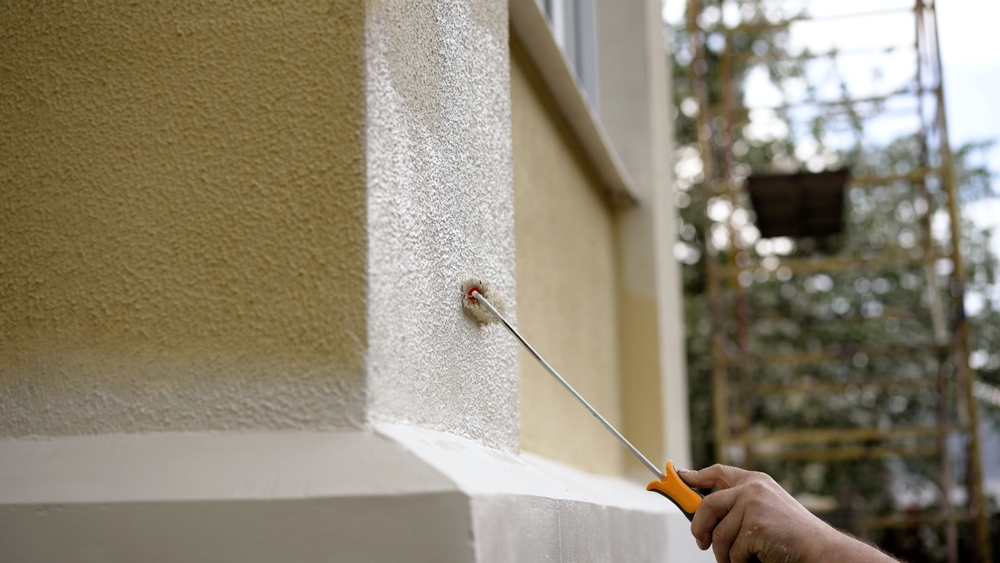
- For textured or uneven surfaces, heavy-nap rollers or specialized "pistolas de pintura" (paint sprayers) ensure even coverage.
- Use painter’s tape and plastic sheeting to meticulously mask windows, doors, and decorative tiles.
The Painting Process
- Mix Paint Thoroughly: Stir and, if specified, dilute paint according to the manufacturer’s instructions.
- Apply Primer: Allow full drying before topcoats (check product label for recommended times).
- First Coat: Apply vertically, focusing on even and thorough coverage.
- Second (and Third) Coats: Wait the specified interval, then apply horizontally, ensuring all voids and textures are neatly filled.
- Final Checks: Inspect at different times of day for missed spots or uneven coloration and touch up as needed.
Interior Painting in Spain: Styles, Products, and Practicalities
While exterior painting often receives the spotlight, interior painting in Spain is an art in itself. Regional styles and modern influences blend, and product selection matters as much indoors to achieve healthy, beautiful living spaces.
Popular Interior Paint Finishes
- Matt Emulsion: Favored for most walls, hiding minor imperfections and offering a chic, low-sheen finish.
- Silk/Satin: Easier to clean, commonly used in hallways or children’s rooms.
- Specialty Paints: Anti-mold paints for humid bathrooms or kitchens, and “pintura anti-humedad” (moisture-resistant paint) where houses lack damp proof courses.
Mixing Traditional and Contemporary Flavors
Homes in classic villages often feature lime-plastered walls, which breathe and shift color subtly throughout the day. Modern interiors increasingly mix stone accents with bold Mediterranean shades such as teal, mustard, or olive. Ceilings may be whitewashed, or accented with exposed beams in darker hues.
Health and Eco Considerations
- Low-VOC and Hypoallergenic Paints: Spain’s major paint suppliers offer low-odor, non-toxic options ideal for sensitive occupants or homes with poor ventilation.
- Anti-Bacterial Additives: For peace of mind, especially in rental properties or hospitality settings.
Hiring a Professional vs. DIY: What to Consider
Homeowners face a critical choice: tackle painting as a DIY project or engage a professional. Each option carries distinct advantages, costs, and timelines—this section equips you with the nuanced understanding necessary to make an informed decision.
Benefits of Hiring a Professional
- Expertise: Local painters know how to prepare and finish surfaces for maximum durability, using products best adapted to Spanish substrates and climate.
- Efficiency: A dedicated team can complete work much faster and safer, especially on multi-story or uneven terrain.
- Compliance: Professionals keep projects within municipal rules and can assist with any necessary permissions or neighborhood notifications.
- Finish Guarantee: Should issues arise, most professionals in Spain offer a warranty on materials and workmanship.
Advantages of DIY Painting
- Cost Savings: Renting or buying quality tools and dedicating your own labor can significantly reduce expenses.
- Creative Control: DIY projects allow you complete flexibility on colors, techniques, and timings.
- Pride of Accomplishment: Transforming your own space can be deeply rewarding, creating a personal connection with your home.
Special Considerations for Second-Home Owners
If you reside abroad or only visit seasonally, coordinating works can be challenging. It’s advisable to engage reputable, registered painters who are familiar with working for international clients, providing detailed reporting and schedules.
Budgeting and Cost Breakdown
Knowing what to expect financially ensures your Spanish home painting project remains on track and stress-free. While prices fluctuate by region and property type, the following insights offer a realistic breakdown.
What Influences the Cost?
- Surface Area: The size and complexity of your walls, including doors, windows, and details.
- Surface Condition: Extra time or materials for repairs, cleaning, or stripping older paints elevate costs.
- Paint Type: Premium and specialty coatings cost more but may deliver savings in longevity and maintenance.
- Access and Equipment: Scaffolding, ladders, and safety systems may be required for tall or inaccessible facades.
- Labour: Skilled, insured professionals typically charge by the square meter, with rates higher in metropolitan or tourist-rich zones.
Sample Cost Estimates (2024)
- Interior Walls: €6 - €10 per m² (materials and labor included), depending on paint and preparation needed.
- Exterior Walls: €12 - €25 per m² for standard finishes; higher for restoration or premium paints.
- Full Villa (150 m² villa): €2,000 - €4,500 for exteriors, and €900 - €2,000 for interiors, with wide variations according to complexity and finishing choices.
It’s wise to request detailed quotes, ensure all services (surface prep, scaffolding, disposal, protective coatings) are specified, and confirm VAT (IVA) inclusion in your contract.
Maintenance: Keeping Your Paintwork Pristine
Spanish homes demand ongoing care to preserve freshly painted surfaces from environmental and structural wear. Preventive maintenance extends the life of your investment and sustains your property’s visual appeal.
Routine Cleaning and Inspection
- Lightly rinse exteriors every few months to remove surface dirt, bird droppings, or salt deposits—use a garden hose at low pressure.
- Inspect for cracks, damp patches, or flaking paint, especially after winter or heavy storms.
- Remove mold or mildew with a diluted bleach solution or specialist cleaner found in Spanish hardware stores (“limpiador antimoho”).
When to Touch Up or Repaint
- Touch up minor scuffs on an annual basis to prevent water ingress.
- Repaint entire facades every 5–10 years, depending on exposure, materials, and paint type (coastal homes may require more frequent refreshes).
- Prioritize south- and west-facing walls, which bear the brunt of sun, wind, and rain.
Preventive action—clean gutters, repair leaks, and trim vegetation near walls—will reduce required painting frequency and deliver better results over decades.
Regional Nuances: Advice for Painting in Andalusia, Valencia, and More
Spain’s rich tapestry of climates, aesthetics, and culture creates substantial variation in best painting practices by region. Here are tailored insights for some of Spain’s most popular destinations for homeownership:
Andalusia
- Strict adherence to traditional whitewashing is enforced in historical towns and villages.
- Use breathable lime-based paints for older stone walls to prevent trapped humidity.
- Choose high-reflectivity exterior paints and anti-mold additives to combat southern heat and humidity.
Valencia & Costa Blanca
- Warm, earthy tones blend with terra cotta or sand-colored accents.
- Seek high-UV resistance, especially on south-facing façades; annual cleaning is a must.
Catalonia & Costa Brava
- Regulations often encourage ochres, ochre-pinks, and pastel tints to protect historic charm.
- Weather can be wetter—choose exterior paints with mold-resistant properties.
Balearic and Canary Islands
- Paints must contend with intense sun and salt air; only top-tier, marine-grade products suffice.
- Breezy, open designs demand thorough attention to window and door frame sealing.
Spanish Paint Vocabulary: Essential Terms for Homeowners
Navigating Spanish hardware stores is easier with a working knowledge of relevant terminology. Below, find the most common terms you’ll encounter when undertaking a home painting project:
- Pintura exterior: Exterior paint
- Pintura interior: Interior paint
- Imprimación: Primer
- Lijar: To sand
- Rodillo: Roller
- Brocha: Brush
- Fachada: Facade
- Masilla: Filler
- Sellador: Sealer
- Antimoho: Anti-mold
- Revestimiento: Coating
- Albañil: Builder (sometimes refers to repair person handling preparatory wall work)
Painting for Property Value: Maximizing ROI and Attractiveness
A professional paint job is among the most cost-effective ways to increase your property’s value, whether preparing for sale or optimizing rental appeal. First impressions are crucial in Spain’s competitive property market.
Curb Appeal and Buyer Psychology
- Fresh, clean facades instantly boost desirability and perceived home value.
- Neutral, regionally appropriate colors attract more buyers and ensure compliance with regulations.
- Matching trims and careful detail work signal attentive maintenance, reassuring prospective purchasers.
Rental Properties and Holiday Homes
- Vivid accent walls and thoughtful color schemes distinguish listings in a crowded short-term rental sector.
- Durable coatings and regular touch-ups reduce wear-and-tear costs for high-turnover vacation homes.
A modest investment in paint—when planned and executed properly—can yield a significant increase in both rental income and eventual sale price, making it a smart strategic move for all property owners.
Eco-Friendly and Health-Conscious Painting Solutions
Spain’s shift towards sustainability has fueled innovation in eco-friendly paints and finishes. Conscious owners can now achieve style and resilience without compromising the environment or indoor air quality.
Types of Green Paints
- Low-VOC and Zero-VOC Paints: Reduced volatile organic compounds protect health and minimize odors, now widely available in Spain.
- Natural and Mineral Paints: Limewash, clay-based, and silicate coatings deliver breathability and long life, suit both modern and historic homes.
- Recycled and Renewable Materials: Paints using plant-based oils or recycled pigments combine performance with lower ecological impact.
Maintenance with Green Principles
- Use biodegradable cleaners and avoid harsh detergents on painted surfaces.
- Dispose of unused or spoiled paint in accordance with Spanish environmental regulations – consult your local “punto limpio” (clean point) for hazardous waste handling.
Frequently Asked Questions About Painting in Spain
How long does a typical exterior paint job last in Spain?
With correct products and preparation, expect 5–10 years of protection, with coastal and heavily exposed homes at the lower end of this range. Interior painting typically endures 7–12 years before major refreshes are required.
Can I paint my home during summer?
Avoid the peak midday heat, which can exceed 35ºC and ruin paint adhesion. Early mornings and evenings, plus cooler months, are preferable for best results.
What if my property is listed or within a protected zone?
Obtain all necessary permissions from your town hall and adhere strictly to stipulated colors and products. Non-compliance can result in restoration orders and fines.
Which paints work best on historic Spanish stone or render?
Mineral (silicate), limewash, or breathable masonry paints respect historic substrates, allowing moisture exchange and preventing structural damage from trapped damp.
Does humidity affect interior paint?
Yes—select high-performance anti-humidity or anti-mold paints in kitchens, bathrooms, or north-facing rooms.
Conclusion: Bring Spanish Color and Quality to Your Home
Painting your home in Spain is more than a maintenance task; it’s a celebration of the country’s beauty, resilience, and cultural pride. With the guidance provided above, you can approach your project assured of compliance, longevity, and visual delight—whether you wield the brush yourself or entrust the work to seasoned professionals.
Reach out to IMMO ABROAD for nuanced, region-specific advice and personalized support in bringing your vision to life. From color selection and legal compliance to sourcing the finest craftsmen, we are honored to partner with you in making your Spanish property truly shine.