




Understanding Spain’s Climate: A Deep Dive into Sunshine Days
Spain is well-renowned for its vibrant culture, architectural wonders, delectable cuisine, and, perhaps most iconically, its gloriously sunny weather. The country’s location on the Iberian Peninsula affords it a climate that many regions around the globe envy. Whether you are considering a move, searching for a vacation spot, or simply curious about Spain’s allure, understanding the number of sunny days the country enjoys annually is both fascinating and valuable.
This comprehensive analysis explores the intricate patterns of sunshine across Spain, regional differences, historical records, and how its unique climate shapes both lifestyle and investment opportunities. All insights are provided with the attention to detail and professionalism you expect from IMMO ABROAD, which has long guided clients in discovering their ideal Spanish paradises.
Spain’s Climate Zones: Why Location Matters
Spain boasts a dynamic geographical landscape, stretching from the green, cool coast of Galicia in the northwest to the sunbaked lands of Andalusia in the south, encompassing both soaring mountain peaks and fertile plains. This diversity gives rise to several different climate zones, each with its own weather characteristics and number of sunshine days per year.
Mediterranean Climate
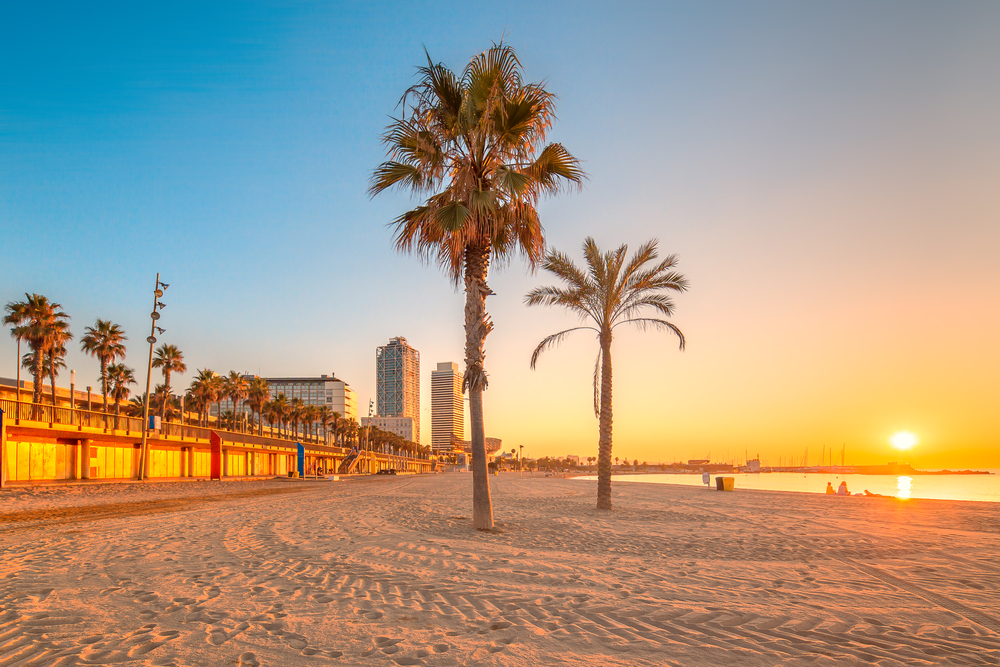
The Mediterranean region—including renowned coastlines such as the Costa del Sol, Costa Blanca, and the Catalonian coast—enjoys hot, dry summers and mild, wet winters. This area, typified by cities such as Málaga, Alicante, Valencia, and Barcelona, is famous for being bathed in sunlight for most of the year.
Continental Climate
Central inland areas, encompassing Madrid and much of Castilla-La Mancha, experience a more continental climate. Here, the summers are hot, though with greater temperature variation, and winters can be surprisingly cold.
Oceanic Climate
The green northern coast, from Galicia to the Basque Country, receives more rainfall and fewer sunshine hours, lending the region its lush landscapes. Cities here, such as San Sebastián, Bilbao, and Oviedo, have a notably different weather pattern compared to the south.
Subtropical Climate
The Canary Islands, an archipelago off the northwest coast of Africa, enjoy a subtropical climate year-round. The trade winds temper the heat and endow the islands with spring-like weather and abundant sunny days.
Average Sunny Days per Year: National Highlights
The question, “Hoeveel dagen zon heeft Spanje per jaar?” or “How many sunny days does Spain have per year?” entails more than a single number. The answer depends on geography and microclimates, with large discrepancies from region to region.
- Southern Spain: Regions such as Andalusia regularly experience over 300 sunny days per year, with cities like Seville and Málaga as prime examples.
- Mediterranean Coast: Cities like Alicante and Valencia see between 270 and 300 days of sunshine annually.
- Central Spain: Madrid typically records 250 to 275 sunny days per year.
- Northern Spain: The Atlantic-facing north averages 150 to 200 sunny days, with many cloudy or rainy days, especially during winter and autumn.
- Canary Islands: The islands enjoy perhaps the highest sunshine count, easily exceeding 300 sunny days each year, particularly in Lanzarote and Fuerteventura.
These variations make Spain a year-round destination—each region offers its own seasonal charms, shaped by sunshine and shade.
Defining a “Sunny Day” in Meteorological Terms
Before delving deeper, it’s important to define what constitutes a “sunny day.” Meteorologists classify a day as “sunny”—or “clear”—when the sky is mostly free of clouds for the majority of the day, allowing for direct sunlight.
In Spain, most meteorological agencies consider a “sunny day” to be when the sky is clear for more than 75% of daylight hours. Days with partial cloud cover may be logged as “partly cloudy” rather than fully sunny, adding nuance to the annual totals reported by region.
For property buyers, holiday-makers, and residents, understanding this distinction is vital: even in regions famed for sunshine, there are inevitably variations due to seasonal or climatic shifts.
Sunshine Distribution Throughout the Year
The sunshine enjoyed in Spain is not distributed evenly throughout the calendar year. Seasonal changes affect not only the amount of daylight but also the quality and intensity of sunshine. Exploring this seasonal variation is crucial for anyone planning a move, visit, or investment in the country.
Spring (March – May)
Spring in Spain tends to be bright and comfortable. The Mediterranean coast and southern provinces already see a high number of sunny days. Temperatures begin rising, trees and flowers bloom, and the countryside is alive with color, all under generally sunny skies.
Summer (June – August)
Summer is the sunniest season across Spain—particularly in Andalusia, the Balearic Islands, and the Mediterranean coast. Here, it’s common to have several weeks with continuous sunshine, and cloudless skies become the norm.
Autumn (September – November)
Autumn sees more variability. The south still experiences many sunny days, but rainfall increases, especially in October and November. The north becomes cloudier and wetter, with sunshine becoming increasingly precious yet, when it shines, all the more appreciated.
Winter (December – February)
Winter brings the sharpest contrasts. The south and east maintain many clear, sunny days, though with cooler temperatures. In contrast, the north faces wetter, cloudier conditions, while inland regions may have crisp, clear mornings and foggy afternoons. The Canary Islands, true to their subtropical claim, remain a haven for winter sun seekers, boasting the highest year-round sunshine levels.
Sunniest and Cloudiest Cities in Spain: A Comparative Perspective
For prospective residents and investors, understanding regional differences in sunny days is invaluable. Let’s explore some of Spain’s sunniest and cloudiest cities, based on long-term meteorological data:
- Alicante: Regularly topping the charts with close to 320 sunny days per year, Alicante is a magnet for sun devotees. This consistent sunshine contributes to its lively tourism industry and robust real estate market—a top choice for northern Europeans seeking warmth and light.
- Murcia: Another southeastern gem, Murcia boasts between 300 and 320 sunny days annually, supporting both its agricultural and tourism sectors.
- Seville: Andalusia’s capital, famous for its hot summers, enjoys around 290 to 300 sunny days each year.
- Málaga: On the Costa del Sol, Málaga combines cultural riches with roughly 300 days of sunshine, reinforcing its reputation as both a holiday and retirement destination.
- Santa Cruz de Tenerife: In the Canary Islands, the capital of Tenerife often records over 300 sunny days, making it a haven for visitors all year round.
- Bilbao: Situated in the north, Bilbao experiences far fewer sunny days, typically between 130 and 150 per year—a testament to its Atlantic weather patterns.
- San Sebastián: Another city in the north, marked by lush landscapes and gourmet cuisine, San Sebastián averages about 140 to 160 sunny days annually.
- Santiago de Compostela: In Galicia, it receives fewer than 130 sunny days per year, often shrouded in gentle mist or invigorating rain.
These figures underline the importance of selecting a location tailored to your sunshine preferences, whether for quality of life, tourism, or long-term investment returns.
Historical Sunshine Trends in Spain
Understanding how sunshine patterns have evolved over the decades is critical for long-term planning. The Spanish climate has been studied meticulously, and historical records reveal both stability and minor fluctuations in sunshine levels across regions.
Data from the Spanish Meteorological Agency (AEMET) indicate that, despite global climatic shifts, overall sunshine hours have remained relatively constant, especially in the Mediterranean and southern regions. Occasionally, factors such as El Niño or Atlantic weather patterns introduce brief periods of variance, but the majority of Spain maintains its well-earned reputation for abundant sunshine.
Notably, in some northern and interior regions, periods of increased rainfall have been observed in certain decades—but these trends have not significantly diminished annual sunshine day counts in the regions most prized for their luminous climate.
Impact of Sunshine on Lifestyle: Health, Leisure, and Productivity
Sunshine is more than a pleasant backdrop—it is a fundamental driver of quality of life in Spain. The availability of abundant sunny days influences nearly every facet of Spanish living.
Health Benefits
Sustained exposure to natural sunlight is linked with numerous physical and mental health benefits, including the synthesis of vitamin D, regulation of circadian rhythms, mood enhancement, and even lower rates of certain chronic diseases. Residents and visitors alike often note an improvement in well-being after extended stays in sunlit Spanish locales.
Outdoor Recreation and Social Life
The preponderance of sunny days fuels Spain’s much-loved social and recreational culture. From open-air plazas and bustling terrazas to the iconic Spanish tradition of the paseo (evening stroll), sunny weather transforms city planning, work-life balance, and the rhythms of daily life.
Beaches, golf courses, hiking trails, and festivals are woven into the fabric of Spanish society, flourishing under consistent sunshine. The nation’s climate is thus both a magnet for tourists and a facilitator of year-round outdoor enjoyment for residents.
Economic Productivity
Sunshine positively impacts several economic sectors. Agriculture, especially in the fertile south and east, benefits from the long growing seasons and abundant light, yielding olives, grapes, citrus, and countless other Mediterranean staples. Tourism, of course, thrives on the promise of guaranteed good weather, drawing millions annually from across Europe and beyond.
Even day-to-day productivity is buoyed by the climate. Fewer weather-related interruptions mean more consistent working conditions in outdoor industries and the hospitality sector.
Sunshine and the Real Estate Market in Spain
For many, the promise of year-round sunshine is a primary motivation to invest in Spanish real estate. The connection between climate and property demand is both direct and profound, shaping buying trends among both locals and international purchasers.
Key Regions for Sun Seekers
Areas with the greatest number of sunny days—Alicante, Murcia, Málaga, the Balearics, and the Canary Islands—witness consistent demand from buyers seeking second homes, retirement properties, or high-yield rental investments.
These regions attract not only those prioritizing holiday convenience or seasonal escapes but also digital nomads and remote workers who can luxuriate in the sunshine while maintaining productivity.
Price Trends and Market Dynamics
The desirability of sun-drenched locations is reflected in property values, with coastal and southern areas commanding premium prices compared to less sunny inland or northern locales. While other factors (such as amenities, accessibility, and cultural offerings) also influence values, the climate remains a crucial determinant.
As remote work and lifestyle migration become more prevalent in modern society, the importance of abundant sunshine in real estate decision-making has only intensified.
Special Focus: The Canary Islands – Spain’s Sunniest Paradise
For those in search of virtually uninterrupted sunshine, the Canary Islands represent Spain’s sunniest frontier. This subtropical archipelago combines idyllic weather with striking volcanic scenery and vibrant island life. Let’s explore what makes the Canaries a model for year-round solar bliss.
The Climate of Perpetual Spring
Thanks to their proximity to the African coast and influence of the Atlantic trade winds, the islands enjoy what is often described as “the world’s best climate”—temperatures steady between 18 and 25°C and more than 320 sunny days per year on islands such as Lanzarote and Fuerteventura.
Sunshine’s Role in Island Life
Unlike other regions of Spain, where autumn and winter can dim the skies, the Canaries offer consistent sunshine regardless of the season. This makes them uniquely appealing for both winter escapes and long-term living.
Tourism here is driven by the certainty of sun, which supports a booming hospitality sector and a dynamic rental market.
Climate Change: Future Projections for Sunshine in Spain
With the growing influence of global climate change, long-term projections are an essential consideration for those contemplating life or investment in Spain. How might the number of sunny days fluctuate in the decades ahead?
Predicted Trends
Studies by Spanish and European meteorologists suggest that southern and eastern Spain may become even drier over the coming decades, potentially increasing the count of sunny days. In contrast, some models indicate that increased atmospheric instability could bring more extreme weather events, including sporadic storms or heatwaves.
The overall consensus, however, is that Spain’s sunniest regions are likely to retain their enviable climate, with any changes occurring gradually over the course of many decades.
Risks and Opportunities
While increased sunshine boosts tourism and supports traditional lifestyles, it also brings challenges, such as water management and the risk of heat-related weather extremes. Spain is already a leader in sustainable adaptation, investing in solar energy, drought-resistant agriculture, and climate-resilient urban planning.
For those drawn to the country’s climate, these investments promise to maintain Spain’s reputation as one of Europe’s sunniest and most welcoming destinations.
Practical Advice for Enjoying Spain’s Sun Safely
While the prospect of endless sunshine is enticing, it also necessitates responsible enjoyment. Prolonged exposure demands careful self-care, particularly for newcomers and those unused to southern climates.
Sun Protection
- Use Sunscreen: High SPF creams are essential, especially during midday hours.
- Wear Protective Clothing: Lightweight, light-colored fabrics, hats, and sunglasses all help to minimize the risks of sunburn and UV exposure.
- Hydration: Drink ample water throughout the day, as the dry climate and high temperatures increase the risk of dehydration.
- Timing: Plan outdoor activities for morning or late afternoon, avoiding peak intensity times (typically 13:00–17:00 in summer).
Adapting to the Climate
Embrace the Spanish tradition of the siesta—an afternoon rest—when the sun is most intense. Local architecture and city planning also reflect centuries of practical adaptation, with shaded plazas, narrow streets, and whitewashed buildings designed to keep occupants cool.
Cultural Influence of Spain’s Sunny Climate
The prevalence of sunshine has deeply influenced Spanish culture, from daily routines to major festivals and artistic expression.
Outdoor Lifestyle
The abundance of sunny days fosters a culture that prizes outdoor gatherings, whether in bustling city plazas, tranquil village squares, or on the seashore. Markets, concerts, and street festivities burst with life, much of it under open skies.
Festivals and Fairs
Many of Spain’s most celebrated festivals are open-air, relying on predictable sunshine. Ferias, Semana Santa processions, and countless local fiestas are organized around the near-certainty of good weather in spring and summer.
Artistic Reflections
From the sun-dappled masterpieces of Joaquín Sorolla to the evocative landscapes of the Golden Age, Spain’s art history is illuminated—literally and figuratively—by its radiant climate.
Frequently Asked Questions about Sunshine in Spain
The practicalities of Spain’s sunny climate prompt a wealth of questions. Here, we address some of the most common:
- Is Spain sunny all year round?
While coastal and southern areas enjoy sunshine throughout the year, seasons do affect conditions. Winters are milder and sunnier in the south and east, while the northern Atlantic coast has more variable weather year-round.
- Where in Spain is the sunniest place to live?
Alicante, Murcia, Málaga, Almería, and the Canary Islands rank among the sunniest locations in Spain, each offering over 300 days of sun annually.
- Does climate change threaten Spain’s sunshine?
No immediate decline in sunny days is projected for the main sunbelt regions, though careful management and sustainability policies remain important to adapt to shifting weather patterns.
- How do Spaniards cope with the heat?
Adaptation is both cultural and practical: siestas, architectural design favoring shade and coolness, fluid social hours, and prioritizing morning or evening outdoor activities all reflect the nation’s intuitive relationship with its climate.
Conclusion: The Lasting Allure of Spain’s Sunny Climate
Spain’s resplendent sunshine is more than a climate statistic—it is a defining feature of the nation’s identity, shaping lifestyle, commerce, culture, and opportunities for residents and visitors. The country’s diverse geography means there is a perfect corner for everyone, from those who crave relentless rays to those who welcome a mix of sun and shade.
Understanding the nuances of Spain’s sunshine—by region, season, and year—enables informed decisions, enriching both everyday living and long-term planning. As you consider your own journey under the Spanish sun, rest assured that this radiant climate will continue to brighten the lives and dreams of all who embrace it.
In-Depth Regional Analysis: Sunny Days by Province
A granular approach to Spain’s sunshine reveals striking inter-regional differences, not only between large climate zones, but even between neighboring provinces. Let’s take a detailed look at key provinces and their sunshine patterns.
Andalusia: The Kingdom of the Sun
Renowned worldwide for its flamenco dance, historic cities, and sweeping Moorish architecture, Andalusia also leads Spain in sunshine days. Inland cities such as Córdoba and Seville easily record 300 days of sun, while the Costa del Sol, which includes Málaga and Marbella, is aptly named for its year-round good weather.
In Almería, record-keeping shows an average of roughly 3,000 to 3,100 sunshine hours per year—a benchmark achieved by few cities internationally. It is no wonder that this region has become synonymous with the archetype of Spanish sunlight.
Valencia and Murcia: The Sunny Southeast
Murcia is among Spain’s agricultural powerhouses, thanks largely to its consistent sunny climate and fertile soils. The city of Murcia measures close to 2,800 hours of sun per year, reaching over 300 clear days. Similarly, Valencia’s coastline receives about 2,700 hours, giving rise to thriving communities and a sought-after lifestyle for expatriates and retirees.
Catalonia: Between the Pyrenees and the Sea
Barcelona and Tarragona enjoy classic Mediterranean weather with about 300 days of sun, but the province includes mountainous areas where conditions can be cloudier. Nonetheless, the coastline from Barcelona to the French border remains warm, dry, and bright for the majority of the year.
Basque Country, Cantabria and Asturias: The Green North
These northern provinces experience a higher frequency of Atlantic weather fronts. While sunshine is less predictable, there are still beautiful, sunny spells during late spring and summer. The lush green scenery and comfortable summer temperatures attract those seeking a milder climate.
Castile and León, Castilla-La Mancha, and Extremadura: The Spanish Heartland
Inland Spain endures hotter, drier summers than the coastline, offering between 2,400 and 2,800 sunshine hours per year. Winters can be crisp and even snowy at altitude, but there remain ample clear, sunny days. Here, the seasons are sharply defined, and sunlight accentuates the dramatic landscapes of Spain’s ‘meseta’ (high plateau).
Sunshine’s Economic Influence: Tourism, Agriculture, and Beyond
The economic upsides to Spain’s sunny climate are vast, encompassing tourism, agriculture, and renewable energy. Let’s explore how sunshine powers modern Spain.
Tourism: The Sunshine Economy
Each year, millions of visitors are drawn by the promise of Spanish sun, from spring to autumn and even through winter in locations like the Canary Islands and southern coasts. The country’s tourism sector is geared toward maximizing outdoor pleasures—sunbathing, swimming, city tours, and rural escapes. From urban sophistication in Barcelona to laid-back beach towns, sun is the single thread connecting disparate destinations.
Agriculture: The Fruits of the Sun
Almonds, olives, grapes, and citrus thrive in regions where sunshine is assured. Spain’s south and southeast account for much of Europe’s fruit and vegetable exports. Modern irrigation techniques and climate-sensitive crop selection allow for multiple harvests per year, maximizing value from every hour of sunlight.
Solar Energy: Harnessing the Sun
Spain is a leader in solar power. Its sunniest provinces host extensive photovoltaic fields, providing renewable electricity for both local use and export. Investment in solar infrastructure leverages the sun not just as a benefit for leisure and agriculture, but as a cornerstone for future sustainable growth.
Popular Activities Enabled by Spain’s Abundant Sunshine
The sheer number of sunny days in Spain underpins an enviable outdoor culture. Here are just some of the activities that thrive thanks to the favorable climate:
- Beach Sports: Windsurfing, sailing, beach volleyball, and paddle tennis can be enjoyed nearly all year round on Mediterranean coasts and in the Canary Islands.
- Golf: Spain boasts more than 400 golf courses, many in sun-soaked regions, drawing enthusiasts worldwide.
- Hiking: National parks such as Sierra Nevada, Picos de Europa, and Teide offer world-class hiking during virtually any season.
- Cycling: Consistent weather makes Spain a cycling mecca, with the Vuelta a España and countless local routes.
- Al Fresco Dining: Spanish cuisine truly comes alive on a sun-dappled terrace, with open-air markets and chiringuitos (beach bars) operating most of the year.
These lifestyle advantages play a significant part in the country’s appeal for locals and newcomers alike.
Seasonal and Monthly Breakdown: When is the Sun Most Reliable?
For those planning travel or relocation, knowledge of monthly sunshine patterns can be immensely practical. Below is an illustrative breakdown for key regions in Spain.
Andalusia
- May-September: Peak sunny period—virtually uninterrupted sunshine, perfect for beach and pool culture.
- October-April: Still mostly sunny, with occasional short rain showers, cooling breezes, and clear, chilly nights.
Valencia & Costa Blanca
- June-September: Practically every day is clear and luminous; rain is rare.
- Rest of the Year: Winters are short and bright, with sunshine often outpacing cloudy days.
Barcelona & Costa Brava
- June-August: High sun, occasional humidity; sea breezes offer comfort.
- September-May: Mild and sunny with rainy intervals, especially in autumn.
Madrid & Central Plateau
- May-October: Extended period of warmth and bright skies.
- November-April: Sunny but colder, some fog and frost in valleys.
Northern Spain
- July-September: Best period for sun-seekers; long, balmy days.
- Rest of the Year: Mix of sun, clouds, and rain; unpredictable but beautiful when clear.
Canary Islands
- Year-round: Consistent sunshine; minor variations between the islands, but even in “winter,” over 20°C and plenty of clear skies.
How “Sunny Days” Influence Spanish Architecture and Urban Planning
The built environment in Spain reveals centuries of adaptation to a luminous climate. From ancient Moorish fortresses to contemporary eco-villas, these characteristics stand out:
- Whitewashed Buildings: Ubiquitous in the south and on the islands, white exteriors deflect solar rays, preserving cool interiors.
- Internal Courtyards: Traditional homes (casas andaluzas) use shaded patios to supply natural light while protecting occupants from midday heat.
- Shaded Terraces: Throughout Spain, homes are oriented to maximize morning and evening light, while terraces and pergolas provide protection during hotter hours.
- City Squares and Plazas: Designed as communal meeting places, these benefit from extensive sunny exposure in winter and clever shading in summer via trees and awnings.
These architectural solutions enable residents to embrace the sun’s benefits while minimizing its potential discomforts.
Sunshine and Expat Living in Spain
A top draw for expatriates, the Spanish sun can be transformative, both physically and mentally. Many expats cite climate as their main reason for settling in Spain. Here’s how abundant sun enhances expatriate life:
- Active Lifestyle: More time outdoors stimulates physical fitness—walking, cycling, gardening, and team sports.
- Social Connectivity: Outdoor dining and events foster friendships, integration, and cultural exchange.
- Mental Health: Sunlight correlates with reduced rates of depression and seasonal affective disorder.
Whether building new routines or enjoying leisure, the climate is a key contributor to the well-being and satisfaction of Spain’s international communities.
Planning Your Travel: When to Visit Spain for Maximum Sunshine
Visitors focused on sunbathing, festivals, or reliable outdoor activities should consider timing. For most of Spain, May through September delivers near-guaranteed sun, particularly in the south and east.
- Spring (April-May): Pleasant temperatures and increasing sunshine, perfect for sightseeing without mid-summer crowds.
- Summer (June-August): The height of sun and heat; ideal for beaches, pools, and high-altitude escapes.
- Autumn (September-October): Still warm, with the Mediterranean Sea at its mildest, and fewer crowds.
- Winter (November-March): Best in Canaries, Andalusia, and the Mediterranean coasts; the ultimate winter-sun destinations in Europe.
Be aware that August sees many locals take vacation, especially in Madrid and inland cities. Coastal resorts are lively and festive, while northern and interior cities may be quieter.
Conclusion: Embracing Spain’s Radiant Future
Above all, Spain’s unrivaled abundance of sunny days per year is a defining grace—a gift that shapes its vibrant societies, thriving economies, and rich traditions. From the sparkling Mediterranean shores to the verdant northern valleys and from the cosmopolitan energy of cities to sleepy whitewashed villages, the Spanish sun is itself a form of heritage.
At IMMO ABROAD, our expertise helps you appreciate and leverage the power of the Spanish climate—whether for relocation, investment, or holiday dreaming. Understanding precisely how many days of sunshine each year you can expect allows you to plan, adapt, and enjoy every single moment spent beneath Spain’s golden sky.
As you contemplate a brighter future in Spain, may the knowledge of its sunny days inspire both your decisions and your dreams, for now and for many years to come.