





Understanding the Italian Dream: Why Buying a Holiday Home in Italy is So Popular
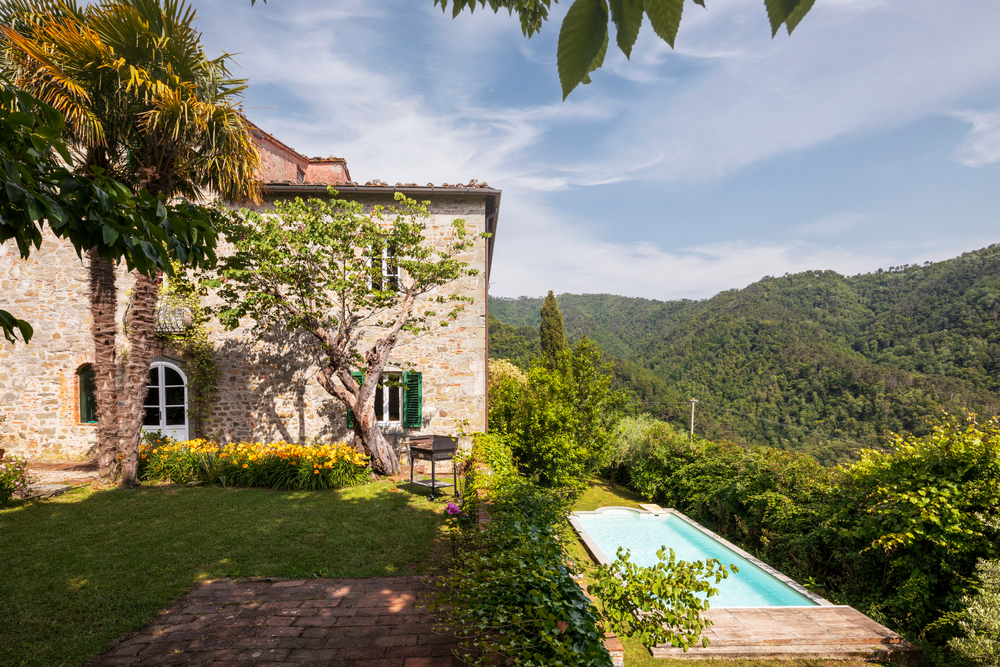
Italy holds an unrivaled enchantment for global travelers and property seekers alike. The idea of owning a holiday home among the rolling Tuscan hills, along the sun-bathed Amalfi Coast, or within the vibrant cultural settings of cities like Florence or Venice, is a vision shared by many. However, while the allure of Italian living is undeniable, the journey to acquiring a holiday home in this beautiful country is interspersed with unique challenges and potential pitfalls.
Prospective buyers, especially those venturing from abroad, are often drawn to the romanticism of Italy's landscapes and lifestyle. Yet, without thorough knowledge of the local regulations, customs, and market peculiarities, the process can be fraught with unforeseen obstacles. This comprehensive guide is designed to unveil the greatest pitfalls and provide indispensable advice for anyone considering the purchase of a holiday property in Italy – ensuring your Italian dream doesn’t become an unexpected ordeal.
The Allure of Italian Holiday Homes: Geographic and Lifestyle Appeal
From the lush lakes of the north to the sun-drenched coasts of the south, Italy offers a remarkable range of locales for holiday homes. The country’s mild climate, rich historical tapestry, world-class cuisine, and vibrant local culture make it a second-home destination of choice. Moreover, Italy’s regions – each with distinct character and attractions – cater to a wide spectrum of tastes, from lovers of art and architecture to enthusiasts of wine, skiing, or seaside relaxation.
- Tuscany and Umbria for their hilltop towns, vineyards, and Renaissance charm.
- Lakes District offering serene waterfront scenery around Como, Garda, and Maggiore.
- Amalfi Coast and Sicily for dramatic coastlines and Mediterranean flair.
- The Alps and Apennines for mountain and ski-oriented retreats.
- Cities like Rome, Florence, and Venice prized for their cultural and historic depth.
Despite this diversity, the process of purchasing property in Italy is universally intricate, requiring careful planning, local insight, and the ability to navigate complex legal and administrative requirements.
Initial Steps: Assessing Your Motivation, Budget, and Long-Term Goals
The first step in the Italian holiday home journey is a clear definition of your objectives. Are you seeking a property for personal seasonal use, a combination of vacation and rental income, or a future permanent residence? Pinpointing your main motivation will shape your property search, location choice, and renovation expectations. Equally important is a realistic assessment of your budget, not only for purchase but for renovations, taxes, ongoing maintenance, and management.
Key Questions to Consider
- How often do you plan to use the property?
- Will you rent it to tourists or keep it for private use?
- Do you prefer a hands-on restoration project, or a turnkey home?
- Are you financially prepared for hidden costs, such as taxes, utility upgrades, or legal fees?
- Do you require proximity to amenities, airports, or specific cultural sites?
Many buyers underestimate the true cost and commitment involved. Italian properties, especially those in picturesque but remote locations, may require extensive restoration and ongoing attention. Establishing your limits and priorities at the outset is crucial to avoid disappointment and unnecessary complications later.
Pitfall #1: Underestimating Bureaucratic Complexities and Legal Procedures
Italy’s property market is intertwined with a famously complex bureaucracy, involving numerous steps, legal documents, and provincial variations. This complexity can catch even the most seasoned buyers unprepared, especially when navigated without local expertise. The legal process typically unfolds as follows:
- Proposal of Purchase ("proposta d'acquisto") – a written offer, sometimes with a small deposit.
- Preliminary Contract ("compromesso" or "contratto preliminare") – a legally binding agreement detailing terms, timelines, and further deposit, typically 10-30% of the price.
- Final Deed of Sale ("rogito notarile") – a contract formalized before an Italian notary, transferring ownership.
Each stage involves its own documentation, due diligence, and potential liabilities. Key legal challenges include:
- Title verification: Confirming clear ownership and the absence of liens or legal disputes.
- Urban planning compliance: Ensuring the property is legitimately built and conforms to zoning laws.
- Payments and deposits: Understanding which funds are binding, and the implications of withdrawal or default.
- Transfer taxes and notarial costs: Calculating accurately, as these can add 7-10% or more to the purchase price.
Buyers unfamiliar with Italian property law risk contractual missteps, costly delays, or even loss of funds. Engaging trustworthy local professionals for guidance is not just prudent – it is essential.
Pitfall #2: Failing to Conduct Robust Property Due Diligence
Property due diligence is far more intricate in Italy than in some other markets. Rather than assuming a home’s documentation is in order, buyers must undertake rigorous verification. Issues to look for include:
- Building permits: Many older or rural properties have undocumented renovations or unauthorized structures. These must be checked against municipal records.
- Boundaries and land registry ("catasto") accuracy: Italian records may be outdated. Confirming the precise boundaries, sizes, and usage of the property is crucial.
- Title searches: Verifying there are no outstanding mortgages, debts, easements, or shared ownership claims.
Neglecting these checks can result in purchasing a home that cannot be legally sold, renovated, or lived in as intended. Extra caution is warranted for "rustici" (rural cottages), farmhouses, and inland properties that were often subject to informal modifications.
Importance of Professional Support
A qualified surveyor and an experienced attorney well-versed in Italian property law are invaluable. They will inspect the property’s physical and legal status, liaise with local authorities, and ensure your investment is solid and secure from the outset.
Pitfall #3: Language Barriers and Miscommunication
When buying a holiday home in Italy, language barriers can quickly turn minor misunderstandings into major setbacks. Critical details are frequently lost or mistranslated, especially in legal contracts where nuance and precision are paramount. Non-Italian speakers should never rely solely on translations or verbal assurances from sellers or intermediaries.
- Legal contracts should always be reviewed by a bilingual legal advisor who is fully familiar with the Italian property market and its terminology.
- Clarify all terms and negotiate in writing.
- Insist on comprehensive explanations of any ambiguous clauses by qualified professionals.
Taking shortcuts with translations or communicating via informal channels increases risk, particularly when finalizing binding agreements. Insist on absolute clarity at every step and never sign documentation that you do not understand completely.
Pitfall #4: Underestimating Renovations and Restoration Challenges
Many Italian holiday homes, particularly in rural areas or historic towns, are alluring precisely because they need restoration. While the prospect of transforming an ancient farmhouse into a dream retreat is undeniably romantic, it is also an arena where many fall into expensive traps.
The True Costs of Restoring Italian Properties
- Budget overruns: Estimates for labor and materials often escalate, sometimes doubling if unforeseen structural or infrastructural issues arise.
- Delays: Regulatory checks, permit applications, and artisan shortages can extend timelines unexpectedly.
- Regulatory compliance: Properties subject to heritage protection or landscape regulations require special permissions. Renovations can be constrained and closely supervised by local authorities.
Buyers must obtain official estimates, secure all legal permits before commencing work, and plan for contingency funds. Collaborate exclusively with reputable local architects, surveyors, and craftsmen, as they are familiar with the regulatory intricacies and regional expectations.
Pitfall #5: Misunderstanding Taxes and Ongoing Ownership Expenses
Owning a property in Italy entails a suite of taxes and costs beyond the initial purchase price, and misunderstanding these can lead to unpleasant surprises. The principal taxes include:
- Purchase taxes: Registration tax ("imposta di registro"), value-added tax (VAT or "IVA"), and cadastral or mortgage taxes. The rates vary—higher for non-residents and second homes.
- Annual property taxes: IMU (municipal property tax), TARI (waste collection), and occasionally TASI (for municipal services).
- Income tax on rentals: If you plan to let your property, assess rental restrictions and applicable income taxation.
In addition to taxes, there are utilities, condominium fees (for apartments), maintenance, insurance, and sporadic regional levies. It is essential to obtain a full financial projection of ongoing costs before completion, as these can impact both affordability and resale value.
Pitfall #6: Underestimating Regional Variations and Local Regulations
Italy’s national charm is mirrored in its distinctly different regions – each with unique property regulations, building codes, and administrative procedures. For instance:
- Mediterranean coastal zones are often more restrictive due to environmental protection policies.
- Properties in art cities like Florence or Venice may be subject to special historical preservation orders.
- Mountain and rural properties face strict seismic and zoning standards.
What is permissible in one province may be prohibited in another. Understanding municipal and regional differences – from allowable uses to property modifications or rental licenses – is vital. Consult with professionals embedded in the locality where your target property is located.
Pitfall #7: Overlooking the Importance of a Reliable Local Network
The importance of establishing a trustworthy and knowledgeable local network cannot be overstated. Local professionals – estate consultants, notaries, lawyers, surveyors, and contractors – are critical allies. They offer insight into the nuances of the local market, help avoid common traps, and can handle essential communications and negotiations in your absence.
Relying on impersonal internet research or distant intermediaries is a well-trodden route to mishaps. Instead,
- Seek recommendations for established local experts.
- Meet with service providers in person to evaluate their suitability and experience.
- Establish relationships with neighbors and community members, who often know invaluable details about local practices and regulations.
A reliable network enhances your confidence in making well-informed decisions and protects your interests now and in the future.
Pitfall #8: Underestimating Language and Cultural Differences in Negotiations
Negotiating property transactions in Italy is as much a cultural engagement as a financial one. The Italian approach to negotiation can be more nuanced and relationship-oriented compared to certain other markets. Patience, diplomacy, and an understanding of local etiquette are frequently as important as monetary offers.
- Expect negotiations to be conducted in person or via trusted intermediaries rather than by email or phone alone.
- Small gestures of goodwill or respect for tradition often help smooth the process.
- It is common for negotiations to include furnishings, fixtures, or additional land; clarify what is included in the sale, in writing.
Attempting to rush negotiations or make aggressive demands is likely to meet resistance. A flexible, respectful approach is more likely to achieve the desired outcome – and foster positive ongoing relations post-purchase.
Pitfall #9: Overlooking Community Integration and Lifestyle Compatibility
A magnificent holiday home is only as satisfying as your comfort with its surroundings. Those who purchase property solely on aesthetic or price often overlook questions of daily accessibility, public services, and social compatibility. Key considerations include:
- Accessibility: Is the property within reasonable proximity to airports, healthcare, and essential services?
- Community: Are there year-round residents, or is the area seasonally deserted? How welcoming is the local culture to foreigners and part-timers?
- Utilities and infrastructure: Rural properties may have irregular water/electricity supplies and limited internet connectivity.
- Local economy and amenities: Assess whether shops, restaurants, and transport links meet your needs.
Take time to visit the area at different times of year to evaluate seasonal changes, local friendliness, and the rhythms of daily life. The right environment is essential to achieving lasting satisfaction and true enjoyment from your Italian home.
Pitfall #10: Failing to Plan for Long-Term Management and Upkeep
A holiday home is a long-term commitment, and many buyers underestimate what is required to maintain, secure, and manage the property when they are not present. Particularly in rural or isolated settings, responsibilities can include:
- Seasonal maintenance of gardens, pools, heating, and water systems.
- Routine repairs and security oversight.
- Arrangements for cleaning and guest management, if letting the property short-term.
- Handling local bill payments, taxes, and emergencies.
Investing in a reliable property management solution is often sensible, particularly for buyers residing abroad. Evaluate service providers carefully, opting for those with a reputation for quality and transparency. Long-term management must be factored into ongoing budgets and considered as part of your initial decision-making process.
The Purchase Process Explained: Step-by-Step with Key Considerations
1. Property Search and Site Visits
Searching for a property in Italy involves a blend of online research, engaging trusted local consultants, and in-person site visits. While photographs and listings offer a starting point, nothing can substitute for personally inspecting the property and its context. Assess the condition, orientation, views, and immediate surroundings on the ground.
2. Making a Formal Offer (“Proposta d’Acquisto”)
Once a property is identified, making a formal offer involves a written proposal, stating the price and other purchase conditions. This is usually accompanied by a small escrow deposit, which, if the seller accepts, secures the property for the buyer pending contracts. While not binding to complete the sale, it does impose legal obligations on parties regarding negotiation in good faith.
3. Preliminary Contract (“Compromesso”)
The next stage is the signing of a preliminary contract. This spells out the purchase terms, payment schedule, and expected timetable for completion. A substantial deposit – usually 10% to 30% – is paid at this stage. The contract should be prepared or scrutinized by your legal representative, and typically signed in the presence of agents for both buyer and seller.
4. Due Diligence and Title Verification
Your lawyer and surveyor will now undertake a thorough investigation of the property’s legal status, including verifying title, ownership, and compliance with planning and building regulations. All documentation (identification, land registry records, certificates of occupancy, and, if relevant, energy performance) is checked before proceeding.
5. Final Deed of Sale (“Rogito Notarile”)
The transaction is concluded with the signing of the final deed before a notary public – a neutral legal authority responsible for ensuring all legalities are fulfilled. The notary will read the contract aloud, ensure both parties understand its content, execute the transfer of ownership, and register the sale in the national land registry.
6. Post-Sale Registrations and Taxes
Immediately after completion, various agencies must be notified – for property taxes, utilities, and municipal records. Your advisers or management service will help ensure these regulatory obligations are met without delay.
The Role of the Notary (“Notaio”): Guardian of Legal Integrity
The notary is a pivotal figure in the Italian buying process, unlike in many other countries where the role is less central. A public official rather than a buyer’s agent, the notary ensures the legality of the transaction, verifies the identity and intent of both parties, and registers the property transfer.
- Verification of documents: The notary checks all ownership, land registry, and compliance certificates.
- Tax management: The notary calculates and collects all relevant taxes at closing.
- Legal guarantees: The notary protects both parties against fraud or omission.
Buyers should note that while the notary is impartial, it remains prudent to retain a separate legal adviser solely focused on your interests, as the notary offers no specific duty of care to the buyer alone.
Case Studies: Real-Life Lessons from Italian Homebuyers
Case 1: A Renovated Umbrian Farmhouse and Permitting Surprises
A Northern European couple fell in love with a rustic villa in Umbria and purchased it with the intention of restoring it as a vacation home and guest house. However, they overlooked verifying all past modifications with the local planning office. Once work began, authorities discovered unlicensed extensions from a previous owner, halting all renovations until costly legal steps were taken. Their experience underscores the importance of researching municipal records and not assuming previous works were appropriately permitted.
Case 2: Language Barriers Delay Successful Purchase in Puglia
An American buyer negotiated for months to purchase a trullo near Ostuni, only to encounter significant contract delays due to a misunderstanding of “usufruct” rights still retained by a distant relative. Absence of skilled translation during the initial stages allowed the issue to go undetected, nearly derailing the deal. Ultimately, the situation was remedied, but only after additional legal fees and time were required, highlighting the pitfalls of inadequate communication.
Case 3: Unexpected Taxes for an Amalfi Coast Apartment
A French family purchased a small coastal flat, expecting minimal yearly taxes. Though advised on initial transfer taxes, they were unprepared for annual IMU and increased waste collection fees, which had recently risen for non-residents. Full due diligence on ongoing local fiscal duties was vital to budgeting for the total cost of ownership.
The Importance of Financial Planning and Currency Management
Purchasing in a foreign currency adds a further layer of complexity, particularly as exchange rates may fluctuate significantly over the transaction period. Large sums can be lost if currency markets move unfavorably between signing the preliminary contract and the final transfer of funds.
- Consider securing professional currency transfer services to fix rates or hedge against volatility during the purchase.
- Assess any additional bank fees or cross-border restrictions that might impact the speed or cost of moving funds to Italy.
- Always ensure that all funds for deposits and balances are available in a timely manner to avoid procedural delays or penalties.
Long-term owners should also consider the impact of currency shifts on ongoing property expenses and potential rental income, building these elements into their financial planning.
Renting Out Your Italian Holiday Home: Procedural and Tax Considerations
Many buyers intend to offset ownership costs by letting their Italian holiday home to tourists. This is possible in many locales, but it involves local regulation, administration, and tax implications, including:
- Obtaining appropriate rental licenses, which differ by region and municipality.
- Fulfilling safety and accessibility requirements, including fire safety certification, emergency lighting, and suitable sanitation facilities.
- Registering guests with the local police (“Questura”) for all short-term lets.
- Declaring rental income in annual Italian tax returns; non-residents must take particular care to understand double taxation treaties and reporting obligations in their home country.
Professional management companies can assist with marketing, bookings, guest reception, cleaning, and compliance – but their fees must be calculated when assessing rental profitability.
Inheritance and Succession Issues for Foreign Owners
Italian succession laws differ from other nations, notably in imposing “forced heirship” rules, which can affect the division of assets upon the owner’s death. There are prescribed shares for close relatives, and while recent European regulations may allow foreign owners to elect the inheritance law of their country of residence, this must be explicitly stipulated in legal documents and discussed with both Italian and home country legal advisors.
- Make certain your will is valid under Italian law and, if necessary, harmonized with that of your home country.
- Consider tax implications for inheritors, both in Italy and their country of residency.
- Seek professional advice early to avoid complications or litigation for your heirs.
Insurance and Risk Management for Your Italian Holiday Home
Italy’s geographical and climatic diversity brings varying risk factors, from seismic activity in central regions to flooding or landslides in others. Comprehensive insurance protects not only your structure and possessions but also addresses third-party liability and rental coverage. Consider:
- Building and contents insurance suited to local risks, including earthquakes or flooding.
- Liability insurance in case of guest or visitor accidents.
- Specific coverage for periods of vacancy or unoccupied homes.
Work with experienced local brokers who understand the particular needs and legal requirements of foreign property owners. Regular risk assessments and maintenance checks further safeguard your investment.
Understanding Local Etiquette and Community Life
Italian culture thrives on community life, social interaction, and respect for tradition. Becoming an accepted member of your new locale begins with observing and embracing local manners:
- Learn basic Italian phrases and respectful greetings; language bridges more than communication gaps.
- Attend local festivals or market days to meet neighbors and engage in village life.
- Be considerate about renovation noise, parking, and use of communal spaces to foster goodwill with residents.
Integration often yields unexpected rewards, from helpful neighbors to insider knowledge about services, local customs, or hidden destinations.
Environmental and Eco-Friendly Considerations when Buying in Italy
Sustainability is increasingly valued by local authorities and prospective buyers. Many regions offer incentives for eco-friendly renovations (such as solar power, upgrading insulation, water conservation, or efficient heating). However, environmental restrictions can also limit development or modernization.
- Check eligibility for government grants or tax benefits (“Ecobonus”, etc.) for energy-saving works.
- Confirm all proposed upgrades align with local zoning, landscape, and planning laws.
- Consider future-proofing your investment by incorporating green technologies, which enhance desirability and reduce running costs.
Balancing heritage preservation with modern comfort is both a challenge and an opportunity in Italy. Early consultation with local authorities and sustainability experts helps ensure your investment is compliant as well as environmentally responsible.
Top Ten Tips to Avoid Common Pitfalls When Buying a Holiday Home in Italy
- Always conduct full legal and building due diligence before signing any agreements or parting with money.
- Secure professional legal and property advice from trusted local experts.
- Visit the property and neighborhood in person, at different times and seasons.
- Budget for all costs, including taxes, management, and contingency funds for unforeseen expenses.
- Understand local regulations, from planning to short-term letting requirements.
- Insist on detailed, translated contracts and refuse all verbal agreements.
- Develop a relationship with your local notary and municipal offices.
- Plan for long-term management or partner with a reliable property service.
- Take time to integrate with the community and embrace local customs.
- Continually review relevant taxation, insurance, and legal obligations, especially if your circumstances or Italian laws change.
Frequently Asked Questions about Buying Holiday Homes in Italy
Can foreign nationals freely purchase holiday homes in Italy?
Yes, citizens from the EU, as well as many non-EU countries with reciprocal agreements, may buy property in Italy with no restrictions. Some specific visa or residency requirements may apply for extended stays.
How much are typical purchase costs and taxes?
Purchase costs including taxes, notary, and professional fees range from 7% to 10% above the agreed price for non-residents buying a holiday home. Tax scales vary based on property type, location, and buyer status.
How long does the process take?
A smooth transaction typically takes 2-4 months from making an offer to closing, although complex properties, legal reviews, or financing issues can extend timelines.
Is renovation expensive?
Renovation costs vary widely based on scale, property condition, and region. Older or listed properties may require significant investment to meet modern standards or comply with heritage requirements. Always obtain multiple quotes and build in a contingency fund.
Can I finance the purchase through an Italian bank?
Yes, but foreign buyers may face stricter lending requirements, lower loan-to-value ratios, and a need for thorough documentation. Seek advice to assess eligibility and best rates.
Conclusion: Achieving Your Italian Dream – A Well-Prepared Journey
The journey to owning a holiday home in Italy is as rewarding as it is intricate. By arming yourself with in-depth knowledge, meticulous preparation, and the support of seasoned local professionals, the greatest pitfalls can be anticipated and avoided. Dreaming of la dolce vita becomes reality not by luck, but by careful planning, respect for local traditions, and an openness to discovering the true spirit of Italian life.
The right approach transforms your property purchase from a leap of faith to a well-managed step toward a more fulfilling lifestyle. Remember, Italy’s enduring charm rests not only in its beauty but in the wisdom and patience of those who choose to make it their second home.
For tailored guidance, local insight, and absolute peace of mind, expert support is indispensable at every stage. That way, you can enjoy your Italian retreat for years to come – secure in the knowledge that your investment and your dreams rest on solid ground.