





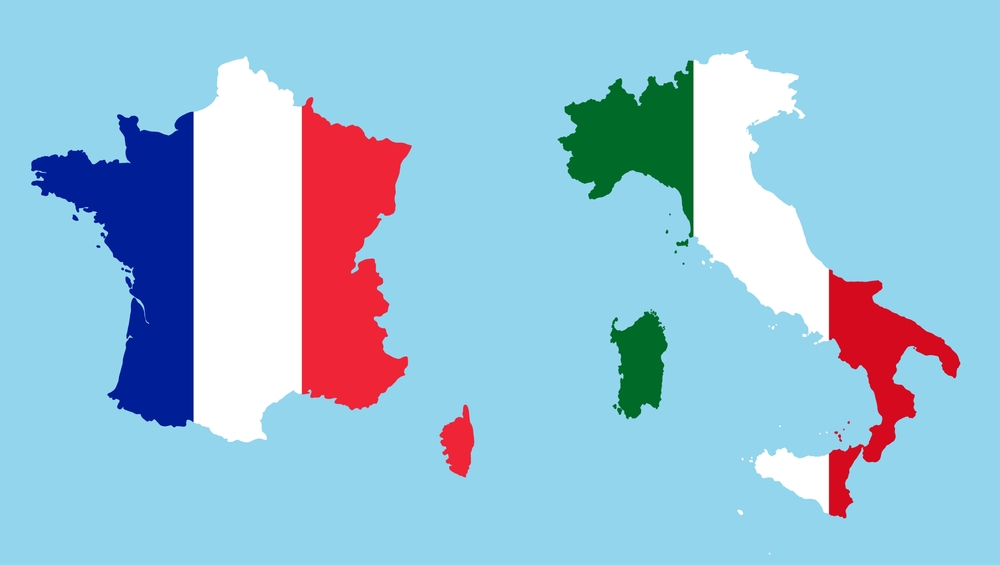
Introduction: The Allure of a Second Home in Southern Europe
The prospect of purchasing a second home is an aspiration shared by countless individuals across the globe. Amongst the broad spectrum of international options, two destinations stand out as perennial favorites: Italy and France. Famed for their breathtaking landscapes, rich histories, vibrant cultures, and world-renowned gastronomy, both countries invite buyers seeking a slice of la dolce vita or la vie en rose. Yet, even as the dream remains similar, each destination offers a uniquely distinct experience, market dynamics, regulatory environment, and investment potential.
For those weighing the decision of “Italië vs. Frankrijk: Waar Koop je het Slimste je Tweede Huis?” ("Italy vs. France: Where is the Smartest Place to Buy Your Second Home?"), this article serves as a comprehensive, in-depth exploration. We will meticulously compare all aspects—lifestyle, property markets, legal considerations, financial implications, and more—to empower your most informed choice.
1. Lifestyle Comparison: Italy and France
1.1. The Italian Lifestyle: Dolce Far Niente
Italy seduces homebuyers with its philosophy of dolce far niente—the sweetness of doing nothing. This translates into a lifestyle imbued with relaxation, community, and an appreciation for lived experiences. From the bustling piazzas of Florence and Rome to the sun-kissed olive groves of Tuscany and Puglia, Italian life is deeply rooted in tradition and the tangible enjoyment of everyday pleasures.
- Cuisine: Exquisite, region-specific dishes and the culture of slow food.
- Social Life: Strong emphasis on family, gatherings, and local festivals.
- Cultural Offerings: Art, history, opera, and age-old architecture at every turn.
- Scenery: From Alpine grandeur in the north to idyllic Mediterranean coastal villages in the south.
1.2. The French Way of Life: Joie de Vivre
France, too, conjures a vision of resplendent, indulgent living—a nation built on the concept of joie de vivre, the joy of life. Whether it’s the sophistication of Paris, the lavender fields of Provence, the rugged coastline of Brittany, or the sunlit glamour of the Côte d’Azur, France presents a lifestyle offering both refined elegance and rustic charm.
- Gastronomy: Legendary cheeses, wines, and a global influence on fine dining.
- Culture: Renowned museums, festivals, cinema, and literature.
- Quality of Life: High standards in healthcare, infrastructure, and public services.
- Diversity of Regions: From Alpine ski towns to sunny Mediterranean resorts.
2. Real Estate Market Overview: Key Regional Trends
2.1. The Italian Property Market: Diversity and Opportunity
Italy’s property market is as diverse as its regions. Prices and demand fluctuate dramatically between major cities like Milan and Rome and rural villages in Abruzzo, Le Marche, or Calabria. Particularly compelling are restored farmhouses in Tuscany, seaside apartments along the Ligurian Riviera, or historic villas in Umbria. The pandemic has shifted some demand towards countryside homes, reinforcing trends for rural retreats.
- Value for Money: Rural Italian homes often provide more space and land for your investment.
- Market Fluidity: While metropolitan cities see rising prices, remote areas often present bargains due to depopulation.
- Rental Potential: Strong in tourism hotspots but more modest in remote regions.
2.2. The French Property Market: Robust, Regulated, and Resilient
The French property market is known for its resilience and clear regulation, making the buying process transparent and secure. From chic Parisian apartments to picturesque cottages in Provence and ski chalets in the Alps, the French market caters to a wide variety of tastes and budgets.
- Price Stability: Historically steady with reliable long-term appreciation.
- Rental Demand: French tourist regions—Provence, the Riviera, and the Alps—attract consistent rental demand.
- Regional Variations: Paris and the Côte d’Azur are pricier; central and southwestern France offer better deals.
3. Legal Considerations: Navigating Property Laws and Procedures
3.1. Buying in Italy: Legal Steps and Nuances
Foreigners are generally permitted to purchase property in Italy, but the legal process can be intricate. It's common to work with a notaio (public notary), a real estate agent, and potentially a local lawyer to ensure all contracts and titles are clear.
- Preliminary Agreement (Compromesso): Seller and buyer agree on price and terms.
- Due Diligence: Ensures the property is free of debts and legal impediments.
- Final Deed of Sale (Rogito): Signed before a notary; keys change hands upon registration.
While efficient, the Italian process can reveal hidden complications, such as unresolved inheritance or zoning issues, especially in rural properties.
3.2. Buying in France: Clarity and Buyer Protection
France has a highly regulated property market, praised for transparency and buyer safeguards. Strict legal protocols are observed, and the notaire's role is central for both private sales and agency purchases.
- Sales Agreement (Compromis de Vente): Binds the seller and buyer, securing the deal with a deposit.
- Cooling-off Period: The buyer has 10 days to withdraw after signing without penalty.
- Completion (Acte de Vente): Official transfer occurs before the notaire, with all details publicly registered.
French property law protects buyers rigorously from hidden defects and misrepresentation, giving additional peace of mind.
4. Financial Aspects: Costs, Taxes, and Investment Potential
4.1. Purchase Costs in Italy
The overall purchase costs in Italy are influenced by property type, location, and buyer profile (EU versus non-EU residents).
- Agent Fees: Typically 3–8% split between buyer and seller.
- Notary and Legal Fees: Around 1–2.5% of the purchase price.
- Registration and Taxes: Vary from 2% to 9% for non-residents, potentially lower for first-home buyers.
4.2. Purchase Costs in France
The cost structure in France is more standardized and thus easier to anticipate.
- Agent Fees: Usually 4–8%, often incorporated in the asking price.
- Notary Fees: About 7–8% on older properties (lower on new builds).
- Registration Taxes: Largely included in notary fees.
4.3. Ownership Taxes and Ongoing Costs
Italy: Annual property tax consists of IMU (on second properties), TARI (waste collection), and TASI (services). Exemptions may apply for first homes but not for second residences. Rates are set by municipalities and can be complex.
France: Litigation includes taxe foncière (ownership) and taxe d’habitation (residency/occupancy, but being phased out for many). Fees for utilities, local services, and maintenance are generally comparable to Italy.
4.4. Rental Yields and Capital Appreciation
In popular tourist zones, short-term holiday rentals can offer significant yields in both countries but face growing regulation. France offers strong protections for landlords and clear tax regimes for rental income, while Italy’s “cedolare secca” tax regime can be advantageous.
Capital appreciation in prime areas is historically superior in France, particularly Paris and the Riviera, but Italy’s rural and emerging markets present untapped opportunities for long-term investors.
5. Regional Analyses: Where to Buy?
5.1. Best Regions in Italy for a Second Home
- Tuscany: Quintessential countryside villas, vineyards, and hilltop towns.
- Lake Como/Garda: Dramatic natural beauty, prestigious properties, celebrity appeal.
- Puglia: Affordable masserias, olive groves, and unspoiled coastlines.
- Sicily: Island charm, baroque towns, excellent value especially inland.
- Veneto: Cultural riches, historic city apartments, and lakeside retreats.
5.2. Best Regions in France for a Second Home
- Provence-Alpes-Côte d'Azur: Lavender fields, Mediterranean beaches, and cosmopolitan Nice or Cannes.
- Paris and Ile-de-France: Timeless apartments, investment security, and world-class amenities.
- The French Alps: Year-round appeal for skiing and summer hiking, with robust rental demand.
- Brittany and Normandy: Rugged coasts, historic villages, distinct architecture, and maritime lifestyle.
- The Dordogne and Southwest: Gastronomic heartland, châteaux, rivers, and relaxed pace of life.
6. Cultural and Language Considerations
6.1. Integrating into Italian Rural Life
While Italy’s rhythms are enchanting, successful integration—especially in remote villages—may require patience and some grasp of the Italian language. Integration is rewarded with community bonds, local support, and enhanced enjoyment of seasonal festivities and daily rituals.
Cultural differences can appear in bureaucracy, social expectations, and even mealtimes. Many rural Italians value tradition over novelty and may be less accustomed to foreign homeowners, making openness and courtesy critical.
6.2. Adapting to French Living
France, particularly outside its major cities, also invites buyers to appreciate local customs. French is indispensable, and polite formalities are greatly valued—particularly in initial interactions. French neighbors, once relationships are forged, can be warm and caring, and village life is often vibrant with markets, festivals, and a strong spirit of community.
7. Infrastructure, Accessibility, and Services
7.1. Italian Infrastructure: Accessibility Varies
Italy’s infrastructure reflects the country’s diverse geography. Urban centers are well connected by high-speed rail and airports, but remote rural or mountainous properties may face limited transport options and slower broadband speeds. Medical services are high-quality in cities but more basic in isolated areas.
7.2. France: Modern, Well-Connected, and Comprehensive
France generally boasts a more uniform—sometimes superior—infrastructure, particularly regarding transport (TGV trains, regional airports), healthcare, and public administration. Even rural areas tend to have reliable broadband and healthcare, making it easier for remote workers and retirees to settle comfortably.
8. Restoration Projects and Traditional Architecture
8.1. Renovating a Second Home in Italy
Italy is renowned for its abundant heritage properties—rustic farmhouses, townhouses in medieval villages, Italianate villas needing loving restoration. Restoration can be a passion project but may raise challenges:
- Condition and Regulation: Many properties require substantial investment. Local laws strictly align with heritage preservation but can be labyrinthine to navigate.
- Cost Control: Construction and materials can be less expensive than in France, but timelines can run long due to bureaucracy.
- Creative Opportunities: Restorations allow you to blend modern comfort with historic character, increasing the property’s value.
8.2. French Renovation Projects: Clear Guidelines and Strong Support
French properties—be they country cottages, stone maisons de maître, or traditional chalets—also abound in character. France provides clear guidelines regarding permitted works, and there is a strong industry of qualified artisans and architects specializing in such projects.
- Permit System: Transparent, though rigorous for protected properties.
- Cost: Higher labor and material costs than Italy, but often balanced by reliability and efficiency.
- Financial Incentives: France may offer tax breaks for restoring listed or energy-efficient properties.
9. Bureaucracy and Administration
9.1. Administrative Realities in Italy
Italy is notorious for its bureaucracy; processes can be slow, and paperwork plentiful. Transfers, permits, and bank transactions require patience, and administrative staff may not always speak English. That said, engaging a local expert can streamline the process and ensure compliance with regulations.
9.2. The French Administrative Approach: Predictable but Formal
France’s bureaucracy is famous, but it is also highly codified: this brings predictability, albeit sometimes at the expense of speed. Almost every property transaction step is defined by statute, reducing risks. English-speaking professionals are increasingly available in popular regions, easing the experience for international buyers.
10. Healthcare, Residency, and Long-Term Living
10.1. Healthcare Standards in Italy
Italy’s healthcare system performs well internationally, especially in the north. For non-resident homeowners, emergency services and private health care are accessible. Non-EU buyers may need private insurance or specific residency status to access the public system fully.
10.2. French Healthcare: Excellence and Accessibility
France boasts an exceptional healthcare system, among the best in the world. Residents benefit from universal coverage; second-home owners may opt into the system with temporary or permanent residency or may use comprehensive private insurance. Systems are advanced and accessible even in rural departments.
11. Buying Process Timeline and How to Prepare
11.1. Expectation-Setting in Italy
The timeline from property search to keys in hand can range from 3 to 6 months in Italy, depending greatly on the complexity of due diligence, the responsiveness of local offices, and any restoration plans. Familiarizing yourself with the regional market and assembling your Italian-speaking professional team early is prudent.
11.2. The French Timetable: Structured Progression
France’s process is well structured: once a sales agreement is signed, a 2–3 month period follows to allow all statutory checks, financing, and legal controls to complete. For buyers prepared with financing and documentation, this makes for a relatively predictable path.
12. Financing Your Dream: Mortgages and Cross-Border Funding
12.1. Italian Mortgages: Challenges and Opportunities
Though cross-border lending is less common in Italy than in France, some Italian banks and international lenders will consider non-resident buyers. Requirements include substantial documentation and due diligence but can open opportunities for those not wishing to commit all cash reserves.
12.2. Mortgages in France: Accessible and Flexible
French banks regularly lend to non-residents, and mortgage rates are highly competitive. The process is streamlined, provided buyers have prepared financial statements and credit histories. Euribor-linked rates and interest-only options are available for suitable buyers.
13. Taxation Implications: Income, Capital Gains, and Inheritance
13.1. Tax on Rental Income and Capital Gains in Italy
Italy taxes rental income after allowable expenses, with a simplified “cedolare secca” regime (a flat rate, currently 21%) possible on residential lets. Capital gains tax applies on properties resold within 5 years unless they were the primary residence.
13.2. Taxation Regimes in France
France levies income tax on rental earnings, with two main regimes: “micro-foncier” for low income (flat-rate deduction) and “régime réel” (actual expenses deduction), and social contributions apply to EU/EEA buyers. Capital gains are taxed on properties resold within 22 years, but taper relief is applied over time.
Both nations have rules regarding double taxation, and inheritance tax stipulations can impact the long-term transfer of properties to heirs, often incentivizing lifetime gifting.
14. Environmental and Sustainable Living: Green Credentials
14.1. Eco-Homes and Energy Requirements in Italy
Italy increasingly requires energy certificates (APE) for sales, categorizing homes by efficiency. Solar panels, insulated windows, and green building methods are incentivized in some regions, especially in new builds and major reconstructions.
14.2. The French Ecological Transition
France leads Europe in encouraging energy-efficient upgrades and climate-conscious living. Homes for sale must disclose energy ratings and properties rated “G” or “F” may lose rental eligibility. The state offers substantial subsidies for renovations that cut carbon emissions.
15. Citizenship, Residency, and Golden Visa Opportunities
15.1. Italy: Residency through Investment
Italy’s elective residency visa allows longer stays for retirees or financially independent foreign buyers. The “golden visa” scheme provides residency for major investors. Over time, this may lead to full citizenship via naturalization.
15.2. France: Long-Stay Options
France offers non-EU buyers “visiteur” long-stay visas; residency is possible for economic investors or retirees who can demonstrate means and health coverage. Citizenship is possible after sustained legal residency.
16. Insurance, Security, and Peace of Mind
16.1. Italian Insurance Products
Comprehensive home insurance is available and advisable, especially given risks such as earthquake (in some regions), flooding, and theft. Italian insurance markets are regulated, and working with an agent familiar with rural/rustic properties can ensure the right coverage.
16.2. French Insurance Landscape
France mandates insurance on mortgaged or co-owned properties. Extensive products exist, covering elements from liability to storm damage. Crime rates in both countries are low compared to northern Europe, but appropriate insurance is an integral component of property ownership.
17. The Expat Community and Support Network
17.1. Italy: A Growing International Scene
Expats and second-home owners form lively communities in regions like Tuscany, Umbria, and Lake Garda. Access to bilingual services, international schools, and social groups is highest in these areas, offering newcomers support as they adjust to Italian life.
17.2. France: Established Networks
France’s expatriate networks are especially robust in the Dordogne, Riviera, and the Alps, complete with English-language media, clubs, and events. This network can ease bureaucracy, social integration, and adaptation for new homeowners.
18. Comparing Return on Enjoyment: Beyond the Balance Sheet
While economic analysis is essential, second home ownership is equally about joy, fulfillment, and enrichment. Italy offers a slow, sunlit pace full of rustic pleasures and artistic grandeur. France tempts with elegance, outdoor adventure, and culinary mastery. Ultimately, the “smartest” buy for your second home is as much about your dream lifestyle as your investment return.
19. Practical Tips and Buyer Checklist
- Define Your Priorities: Is rental income paramount, or are personal use and experience equally important?
- Get to Know Your Chosen Region: Spend extended time there off-season to measure lifestyle fit.
- Engage Trusted Local Advisors: For legal, financial, and construction matters, always use vetted professionals familiar with non-resident purchases.
- Understand Tax Implications: Consult cross-border tax advisors to prevent costly errors.
- Plan for Ongoing Care: Budget for annual maintenance, insurance, and utilities, especially for heritage properties.
- Embrace the Local Culture: Learn basic Italian or French and participate in local events.
- Prepare Your Documentation: Residence, identity, finance, and insurance—have all paperwork ready before offers are made.
- Consider Long-Term Changes: Each country’s legal environment evolves—review residency, Airbnb regulations, and property taxes regularly.
20. Case Studies: Buyers’ Journeys in Italy and France
Case 1: A Tuscan Farmhouse Dream
A Dutch family with a passion for wine selected a centuries-old farmhouse in the Chianti hills. After a two-year search and extensive restoration—including solar and geothermal upgrades—their property is both a rental destination and a beloved summer retreat. Their advice: patience, a love for local tradition, and a sense of humor are vital for success.
Case 2: The Allure of Provence
A Belgian retiree fell for a Provencal village house nestled among lavender fields. The buying process was straightforward, thanks to robust local support, and she quickly integrated into village life—joining local book clubs and mastering French. The high-speed rail and regional healthcare made visits from her grandchildren both easy and safe.
21. Conclusion: Italy vs. France—Making the Smartest Choice
The decision between Italy and France for a second home is complex, nuanced, and intensely personal. Both countries offer superb real estate, rich cultural tapestries, and enduring investment appeal, yet their property markets, lifestyle intricacies, and regulatory environments differ in meaningful ways.
If your soul craves rolling vineyards, opera under the stars, and sun-baked evenings in fields of sunflowers, Italy might speak to your heart. If prestige, gastronomic adventure, and seamless infrastructure are what you desire, France could be your perfect match.
Whichever you choose, preparation is key. Work closely with seasoned professionals, research your desired region in depth, and ensure your financial and legal standing are robust. This approach will not only optimize your return on investment but also maximize the rewards of European second home ownership—turning your dream into a lasting reality.
IMMO ABROAD is devoted to helping clients explore the possibilities, overcome challenges, and realize the full potential of European real estate. Your second home is not just a financial asset, but an investment in a richer, more fulfilling life.
22. Frequently Asked Questions (FAQ)
- Can I buy property in Italy or France as a non-resident? Yes, non-residents are welcome in both countries, with no major restrictions outside of certain regulated coastal or protected areas.
- Which country offers better value for money? Italy tends to offer more space and heritage properties for the price, especially in rural areas, while French properties hold their value better in prime regions.
- Can I generate rental income from my second home? Yes, but local regulations on holiday lets are tightening. Both Italy and France require formal registration for short-term rentals and payment of local taxes.
- Is healthcare accessible as a part-time resident? Both nations boast excellent healthcare systems but access varies by residency status. Private insurance is recommended for non-EU buyers until eligible for public services.
- What are the pitfalls to avoid? In both markets, hidden structural issues, unforeseen tax liabilities, and incomplete documentation are key risks. Rely on trusted, local professionals to mitigate these.
23. Resources for Further Preparation
Your second-home journey to Italy or France can be as seamless and rewarding as you make it. Remember to:
- Request comparables for properties and data on local rental yields.
- Clarify legal steps and taxes up front.
- Prepare for language and cultural differences—it will serve you well.
- Inspect properties personally if possible, or engage a trusted proxy.
With expert advice and clear expectations, you can embrace your chosen European escape with the excitement and security you deserve.
IMMO ABROAD—Your partner in realizing the smartest second home investment in Italy or France.