





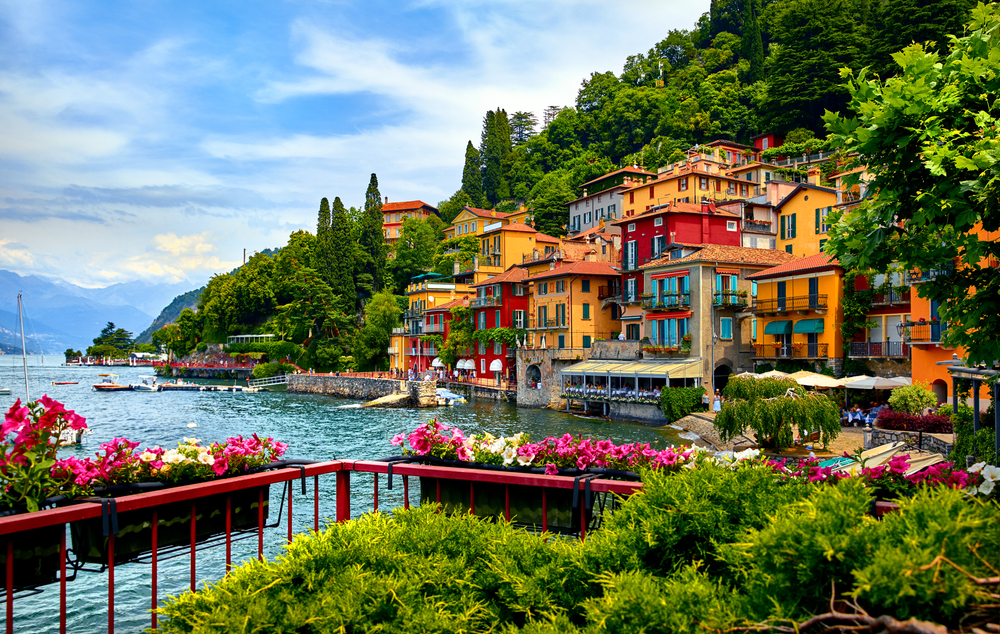
Introduction: The Timeless Allure of Italian Holiday Homes
Italy’s landscape—where cinematic coastlines, rolling hills, and storybook towns blend seamlessly—has always captivated international dreamers. From cosmopolitan cities to bucolic countryside escapes, the allure of owning a holiday house, or vakantiehuis, in Italy continues to gain ground, especially as remote work, lifestyle investment, and cultural appreciation blend with favorable market trends.
As we approach 2025, the Italian property market displays unique opportunities and variations across its celebrated regions. Whether you envision sipping wine in Tuscany, unwinding by Lake Garda, or basking under the Sicilian sun, understanding the price landscape is crucial. This comprehensive guide, curated by IMMO ABROAD, examines the evolving costs of buying a holiday home in Italy—region by region—so you can navigate your dreams with clarity and confidence.
Understanding the Italian Property Market in 2025
Before diving into prices per region, it is essential to contextualize Italy’s property market as of 2025. The past few years have seen subtle shifts influenced by external economic factors, post-pandemic travel trends, changes in local regulations, and evolving buyer demand.
- Stability and Growth: Despite occasional fluctuations, Italian real estate remains attractive for both domestic and international buyers, offering both lifestyle and investment value.
- Foreign Buyer Interest: Interest among non-Italians, especially from Western Europe, North America, and the UK, remains robust, spurring increased competition in certain regions.
- Remote Work Influence: The growing acceptance of flexible and remote work has made semi-rural and rural areas in Italy—even once-overlooked villages—desirable destinations for secondary residences.
- Heritage and Investment: Many buyers are drawn to properties that combine historical charm with the promise of renovation, adding both personal and market value.
Let us now analyze the property market across the heart, soul, and hidden gems of Italy to answer the quintessential question: What does a holiday home in Italy cost in 2025?
The North: Iconic Lakes & Alpine Allure
Lombardy: The Magic of Lake Como and Lake Garda
Lombardy, home to Milan’s metropolis and the serene shores of Lake Como and Lake Garda, is a perennial favorite. Properties here are often synonymous with luxury, exclusivity, and a high standard of living.
- Lake Como: In 2025, average prices for a well-situated apartment start at about €5,000 per m², with villas on the waterfront often exceeding €10,000–15,000 per m², depending on the level of luxury, heritage, and accessibility.
- Lake Garda: A favorite for both Italians and international buyers, prices around towns like Sirmione or Desenzano average between €3,500 and €6,000 per m² for apartments, with premium detached villas reaching up to €9,000 per m² or more.
The high demand continues to be fueled by rental opportunities and the global cachet of these lakeside communities.
Piedmont: Vineyards, Villas, and Value
Piedmont, famous for its Barolo wines and rolling vineyard landscapes, offers compelling choices that blend tradition with relative affordability.
- Langhe and Monferrato: Expect prices between €2,000 and €3,500 per m² for restored country houses, with grander villas in prestigious wine areas sometimes exceeding €4,500 per m².
- Lake Orta and Lake Maggiore: Waterfront luxury can command €5,500–€7,500 per m², though off-lake sites are more accessible at €2,500–€4,000 per m².
Piedmont remains a magnet for buyers seeking authenticity, privacy, and breathtaking scenery.
Trentino-Alto Adige & Valle d'Aosta: Alpine Elegance
These northernmost regions enchant buyers longing for alpine sports, breathtaking winter vistas, and wooden chalets.
- Cortina d’Ampezzo and Val Gardena: These prestigious winter destinations see property prices from €7,500 to €14,000 per m² for prime ski chalets or apartments, reflecting their world-renowned status.
- Valle d’Aosta: In authentic mountain towns, apartments and rustic houses range from €3,500 to €6,000 per m².
Rental markets are strong during the ski season, adding to the investment value.
Ligurian Coast: Riviera Sophistication
The Ligurian coastline, including the celebrated “Italian Riviera,” is famed for its cliffs, turquoise waters, and pastel-colored towns like Portofino and Cinque Terre.
- Portofino and Santa Margherita: Exclusive properties command between €10,000 and €15,000 per m² for apartments, with detached luxury villas soaring higher depending on view and proximity to the sea.
- Cinque Terre and Levanto: In these picturesque villages, expect €6,500–€9,000 per m². More accessible towns, slightly inland or less known, offer homes from €3,500 per m².
Due to limited inventory, prices remain high, and new listings often draw swift interest.
Tuscany: Rural Glory to Renaissance Splendor
Florence & Chianti: Global Icons
Tuscany aligns with the quintessential vision of Italian beauty: stone farmhouses, olive groves, rolling vineyards, and timeless cities. The Florence and Chianti areas are the epicenter of prestige.
- Florence city: Historic apartments in the center fetch €6,000–€10,000 per m², with signature villas and palazzi reaching far beyond €12,000 per m² for exceptional examples.
- Chianti region: Artfully renovated farmhouses (casali) and country estates range from €3,500 to €7,000 per m². Larger wine estates or iconic villas tend to be highly individualized, with values from €8,500 per m² and up based on unique features and historical status.
The combination of cultural cadence and landscape artistry keeps Tuscany at the top of international wish-lists.
Pisa, Lucca, and Versilia: From Beaches to Medieval Walls
Northwestern Tuscany, stretching from Pisa and Lucca to Versilia’s beaches, offers a rich mix of culture and coast.
- Lucca: Within the city walls, historic apartments may cost €4,000–€5,500 per m². Surrounding countryside homes range from €2,500 per m² for modest farmhouses to €6,500 per m² for restored villas.
- Versilia (Forte dei Marmi, Viareggio): Exclusive coastal homes, particularly in Forte dei Marmi, command €8,000–€12,000 per m², sometimes more for direct beachfront.
These regions combine accessibility and varied investment potential with strong seasonal rental markets.
Umbria & Le Marche: The Undiscovered Heart
Umbria: Tranquility and Tradition
Known as the ‘Green Heart of Italy’, Umbria offers serenity, medieval villages, and deep-rooted traditions, often at lower prices than Tuscany.
- Spoleto, Todi, Assisi: Elegant apartments in historic towns average €2,500–€4,500 per m²; restored farmhouses in rural settings begin around €1,800 per m² and can rise to €4,000 per m² for prime condition and locations.
Umbria appeals to buyers seeking authentic Italian living in a less-touristed region, making it ideal for both personal use and subtle investment.
Le Marche: Seaside and Countryside
Stretching from the Apennines to the Adriatic, Le Marche provides a diverse landscape of golden beaches and mountain villages.
- Coastal hotspots (Sirolo, Porto Recanati): Prices range from €3,500 to €5,500 per m² for sea-view apartments. Countryside homes and restored casali typically fall between €1,700 and €3,500 per m², offering rare value compared to neighboring regions.
Recent years have seen increased international attention, thanks to the region’s authenticity and affordable luxury.
Lazio: Roman Grandeur and Seaside Escape
Rome and Its Environs
Rome’s eternal appeal is matched by a diverse property market. From city grandeur to coastal tranquility, Lazio offers a broad palette for holiday home investors.
- Rome city center: Premium apartments within the historical center range from €7,500 to €12,000 per m². More peripheral neighborhoods and the picturesque Trastevere area offer options in the range of €4,000–€7,000 per m².
- Roman coastline (Ostia, Santa Marinella): Apartments and houses close to the sea generally cost between €2,500 and €5,500 per m², increasing with proximity to the beach and transportation links to Rome.
Holiday homes here deliver a blend of investment potential, cosmopolitan lifestyle, and enduring historic charm.
The South: Sun, Sea, and Sincere Hospitality
Campania: Amalfi Coast Dreaming
Campania’s Amalfi Coast is one of the world’s most celebrated destinations, renowned for its winding coastal villages, cliff-hugging houses, and bright Mediterranean palette.
- Amalfi, Positano, Ravello: Home prices here are among Italy’s highest, reflecting constrained supply and infinite demand. Elegant apartments and houses routinely exceed €10,000–€15,000 per m², with sea-view villas reaching rarefied levels above €18,000 per m².
- Sorrento and Ischia: These popular secondary destinations average slightly lower, at €6,000–€9,000 per m² for prime apartments and houses.
Rental income is exceptionally strong throughout the summer, making these areas ideal for discerning investors.
Puglia: The Trulli and the Sea
Puglia—Italy’s sun-drenched heel—has ascended rapidly as a must-see region for discerning buyers and tourists alike. Its iconic ‘trulli’ stone houses, whitewashed towns, and turquoise coast are highly sought after.
- Valle d’Itria (Alberobello, Ostuni): Trulli and masserias (historic farmhouses) typically sell for €2,200–€5,500 per m², toggling by condition and uniqueness. Restored homes with pools and land can command up to €6,500 per m².
- Salento Coast: Seafront apartments and villas in fashionable towns like Gallipoli or Otranto are available from €3,000 to €7,000 per m², depending on sea views and luxury features.
Puglia offers rare value for buyers seeking both culture and coastline, along with potent rental demand in summer.
Calabria & Basilicata: Hidden Mediterranean Gems
These two southern regions offer Italy’s most untamed coastline and some of its best-value property options.
- Calabria (Tropea, Soverato): Apartments near the beach can be found from €1,500 up to €3,000 per m²—unmatched for Italian seaside locations.
- Basilicata (Maratea): Known as “the pearl of the Tyrrhenian,” Maratea’s prestigious homes are slightly higher (€2,500–€4,500 per m²), still offering excellent value compared to Campania or Puglia.
For those seeking the undiscovered Italy, these regions deliver remarkable affordability and unspoiled beauty.
Sicily: The Island of Contrasts and Opportunity
Sicily remains one of Italy’s most dynamic regions, blending Greek, Arab, and Norman influences with a coastline that rivals anywhere on the peninsula.
- Taormina and Cefalù: These exclusive coastal towns offer apartments and houses from €3,500–€7,000 per m², with the very best waterfront homes exceeding €12,000 per m².
- Palermo, Siracusa, Noto: Urban apartments in cultural centers average €2,000–€4,500 per m², with stylishly renovated period properties on the higher end. Inland and less touristed villages offer opportunities from as low as €1,000 per m².
Holiday home buyers are drawn by the blend of value, character, and extraordinary lifestyle potential.
Sardinia: The Emerald Isle
Sardinia, home of the legendary Costa Smeralda, is synonymous with rarefied luxury and breathtaking Mediterranean beauty.
- Costa Smeralda (Porto Cervo, Porto Rotondo): Italy’s most sumptuous coastal properties often cost between €12,000 and €18,000 per m², rivaling French Riviera levels. Even standard apartments in these enclaves exceed €8,000 per m².
- Southern Sardinia (Cagliari, Villasimius): While still exceptional, homes are relatively more accessible, at €2,500–€5,500 per m² for sea-view apartments and €4,500–€7,000 per m² for luxury villas.
The combination of exclusivity and natural splendor secures Sardinia’s place among Italy’s most desirable holiday locales.
Veneto & Friuli Venezia Giulia: From Canals to Castles
Venice and Its Lagoon
Few cities fuse romance and heritage quite like Venice. Demand for properties in the city and on Murano, Burano, or the Lido remains resilient.
- Central Venice: Apartments in historical buildings start at €5,000–€8,000 per m², reaching up to €12,000 per m² for canal or palazzo settings with unique aesthetics.
- Venetian Lagoon islands: Pricing is variable, with homes in lively towns from €2,800–€5,500 per m² and greater bargains on the less-touristed islands.
Verona and Lake District
Beyond Shakespearean Verona, the Veneto region offers lake homes and country retreats at more accessible prices.
- Garda Veronese: Lake-view apartments range from €3,500–€6,500 per m², with lakeshore villas exceeding €9,000 per m².
- Verona city and surroundings: Urban and suburban apartments cost between €2,500 and €4,500 per m², with country villas climbing depending on land and heritage status.
For those seeking investment security or a romantic escape, Veneto ticks all the boxes.
Emilia-Romagna: Gourmet Living and Adriatic Beaches
Bologna to the Adriatic Coast
Emilia-Romagna blends cultural cities with the fun-loving spirit of Italy’s Adriatic coastline. The region is celebrated for both gastronomy and accessible property options.
- Bologna and Parma: Apartments in historic centers sell for €3,000–€5,500 per m², depending on renaissance features and restoration.
- Rimini, Riccione, Cattolica: Beachfront apartments rise from €2,500–€4,500 per m²; luxury villas or penthouses edge towards €6,500 per m² or more in super-prime locations.
The area is a perennial favorite for Italian holidaymakers and increasingly in the sights of international buyers for its combination of lifestyle, cuisine, and coastline.
Property Types and What Influences Price
With such variety, several factors heavily influence the price of a holiday home in Italy—not just region, but also property type, structural condition, and access to amenities.
- Luxury villas: Command the highest prices, especially with panoramic views, historical significance, and unique features.
- Restored farmhouses and casali: Especially in Tuscany, Umbria, and Le Marche, these are prized for their rustic appeal and land; recent, high-end restorations significantly raise value.
- Seafront apartments: Particularly on the Ligurian, Amalfi, and Sardinian coasts, premium for water views is substantial.
- Historic townhouses and apartments: Often more affordable but require careful examination of renovation costs and legal status.
- Inland village properties: Present superb value but may require additional investment for restoration or modernization.
Additional key factors include:
- Provenance and historical protection (vincolo storico): May limit modifications but also protect long-term value.
- Access and infrastructure: Easy road/rail access, proximity to airports, and availability of services/amenities all generate a price premium.
- Tourism and rental potential: Affects both price and investment performance, especially in high-demand areas.
Costs Beyond the Purchase Price
Calculating the real cost of a vacation home means anticipating legal, fiscal, and recurring expenses. Here’s what to expect:
- Purchase taxes: Range from 2% (first home, resident buyers) to 9% (second-home/non-resident, on cadastral value). VAT applies to new-builds (usually 10%).
- Notary and legal fees: Typically 1-2.5% of the property price, covering due diligence, registration, and completion.
- Agency fees: Usually 3–4% of the sale price plus VAT, paid by the buyer.
- Annual property taxes (IMU, TASI): Variable based on municipality and cadastral value. Non-residents often pay higher rates on second homes.
- Maintenance and utilities: Ranges dramatically depending on location, age, and style of property.
- Renovation/Restoration: Major upgrades can add from €1,000 to €3,000 per m² for high-quality projects; always consult with a local surveyor or architect for detailed estimates.
Prospective buyers should budget 7–12% above the purchase price to cover transaction and incidental costs.
Buying Trends and Regional Comparisons in 2025
Market observations for 2025 show marked differences by region:
- Super-prime areas (Lake Como, Amalfi, Venice, Costa Smeralda) remain strongholds for global buyers, with limited inventory and high prices safeguarding investments.
- Appenine and central regions (Umbria, Le Marche, Abruzzo) entice with affordability, tranquility, and growing amenities—prime for lifestyle buyers and moderate investors.
- Southern Italy (Puglia, Calabria, Sicily) combines moderate prices with rising demand, fueled by improved connectivity and international media attention.
- Urban centers (Florence, Rome, Milan, Bologna) are seeing renewed interest for apartments within historic pano-ramas, pairing culture with rental returns.
Buyers are also seeking energy-efficient and sustainable homes, with many restoring older properties with modern eco-friendly upgrades (solar, insulation, geothermal).
How to Choose Your Ideal Region in Italy
Selecting where to buy is a personal journey shaped by preferences, lifestyle ambitions, and practical needs.
- Coast vs. Countryside: Do you dream of the beach, the mountains, or rolling vineyards? Each region has its ‘signature’ environment.
- Accessibility: Proximity to airports, cities, highways, and railways should be weighed carefully, especially for those traveling frequently.
- Culture and Community: Consider the language, services, medical care, and the presence of international communities—or the delight of complete immersion.
- Rental Potential: Regions with strong tourism (Amalfi, Tuscany, Lake Garda, Sicily) offer greater rental yields, offset by higher purchase prices.
- Budget: Compare what your budget buys across target regions. Inland and southern areas often present exceptional value and space.
Take time to visit in every season, understanding not only the climate but also the lifestyle rhythm.
Practical Steps to Buy a Holiday Home in Italy
- Define your vision and budget: Establish clear must-haves and nice-to-haves. Set a realistic budget factoring in transaction fees and possible renovations.
- Select preferred regions and property types: Use research and perhaps several “property tours” to narrow your geographic focus.
- Engage with a trusted property professional: IMMO ABROAD provides bespoke guidance throughout your search, with deep regional knowledge and robust due diligence.
- Legal, fiscal, and technical due diligence: Secure a surveyor or architect to assess property condition. Ensure all paperwork is in perfect order, confirming land titles, building permissions, and compliance with national and regional regulations.
- Negotiate the offer and sign a preliminary contract: A deposit (usually 10–20%) is paid upon exchange of a bilingual sales agreement.
- Completion and registration: Completion happens in the presence of a notary. The balance and all taxes/fees are paid, after which the buyer is registered as the official owner.
Working with professionals who understand both international and Italian practices ensures your purchase is secure and stress-free.
Restoration and ‘One Euro Homes’ – Italian Adventure or Mirage?
Italy’s much-publicized “€1 homes” and restoration projects in semi-abandoned villages have attracted global headlines. While tempting, these initiatives require caution and a full understanding of the obligations.
- Availability: True €1 homes are rare, and most require significant investment—and mandatory renovation within a short timeline.
- Renovation costs: Easily run €1,000–€3,000 per m²; unforeseen works may arise in older properties.
- Legal and structural checks: Documentation, surveys, and clearances must be meticulous; local bureaucracy can be complex.
- Community incentives: Many towns support buyers with tax breaks or subsidies, especially for full-time residency.
While not suitable for every buyer, these projects can be deeply rewarding for those committed to restoration and immersed in Italian rural life.
Investment Outlook: Returns, Trends, and Future Prospects
Looking ahead to 2025 and beyond, the Italian holiday home market offers a mix of heritage preservation, lifestyle enrichment, and solid investment prospects.
- Rental Yield: Coastal and city centers with robust year-round tourism offer the most attractive yields, particularly in Amalfi, Rome, Florence, and Milan where short-term rentals flourish.
- Capital Appreciation: Super-prime and under-discovered regions are both likely to outperform the broader market, with solid gains expected as foreign buyers return in strength.
- Renovation and Eco-upgrade: Significant value-add is possible through quality restoration, especially in central and southern regions; energy-efficient upgrades are increasingly favored both for value and government incentives.
- Market Resilience: Historic volatility is typically lower than in “purely investment” destinations, bolstered by lifestyle demand, rental popularity, and stringent historic protection laws.
The prevailing consensus is that Italy’s holiday home sector will remain resilient, combining emotional appeal with reliable returns.
Summary: The Journey Towards Your Italian Holiday Home
Italy, with its constellation of regions, historic cities, and idyllic landscapes, offers aspiring holiday home owners a spectrum unlike anywhere else in Europe. From the alpine elegance of Trentino to Sardinia’s dazzling coastline, and from Tuscany’s rolling splendor to Sicily’s volcanic drama, every region presents its own price point, lifestyle, and investment profile.
As of 2025, holiday home prices reflect a blend of tradition, demand, and regional vibrancy. Whether your priority is luxury, investment, or transformative restoration, the Italian market remains as enchanting as ever—especially with expert guidance and in-depth research.
IMMO ABROAD is dedicated to serving your journey with integrity, insight, and a passion for la dolce vita. Immerse yourself in the possibilities, and let Italy’s timeless magic become your reality—one exceptional property at a time.