

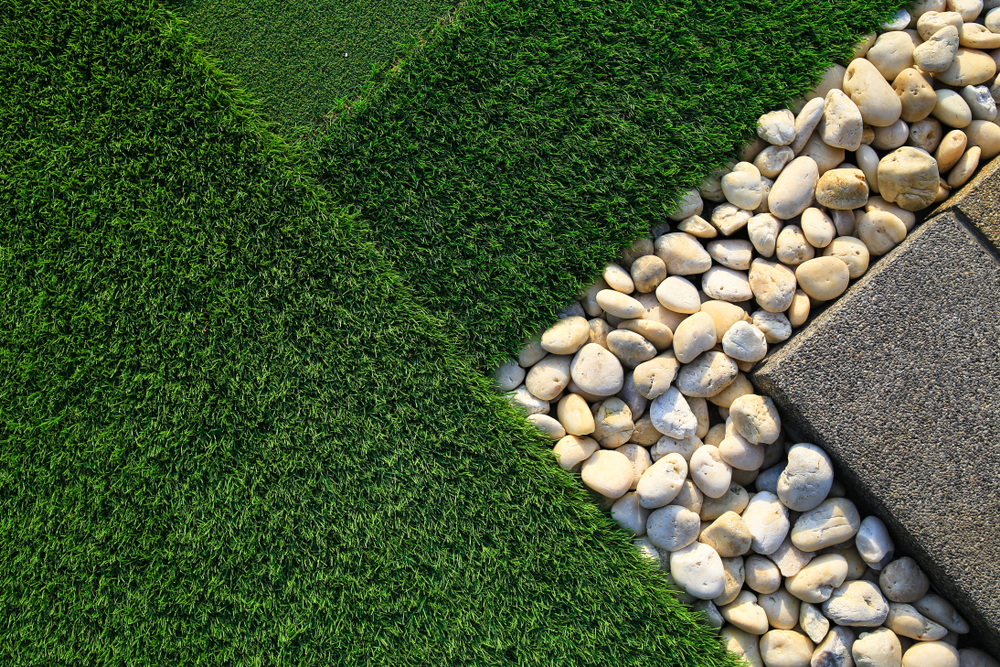
Understanding Artificial Grass: A Practical Solution for Spain
As the popularity of artificial grass—known locally as “kunstgras”—grows across Spain, homeowners, businesses, and landscape designers are beginning to fully appreciate the beauty, vibrancy, and environmental benefits that this modern solution offers. Whether in the sun-drenched gardens of Costa del Sol, the terraces of Madrid, or the communal spaces in Cataluña, kunstgras has become a premium choice for creating lush, green spaces with minimal maintenance.
This comprehensive guide will help you navigate all aspects of artificial grass in Spain. From the unique climate considerations to installation, maintenance, legalities, styles, benefits, and buying tips, our aim is to arm you with the knowledge and insights necessary to confidently consider and implement kunstgras in your Spanish property.
The Climate of Spain: Why Kunstgras is Gaining in Popularity
Spain’s climate is remarkably diverse, ranging from Mediterranean warmth and subtropical coastlines to the dry, arid interior. This climatic diversity presents various challenges for natural lawns, making artificial grass an increasingly attractive alternative. Let’s delve deeper into why kunstgras is ideally suited for Spanish environments:
Mediterranean and Coastal Conditions
Regions such as Andalucía and Valencia are blessed with almost year-round sunshine, but are also bedeviled by water shortages, high summer temperatures, and periodic droughts. Traditional lawns struggle under such conditions, requiring significant irrigation, constant mowing, and heavy chemical treatments to stay vibrant. Artificial grass, on the other hand, remains evergreen, lush, and cool to the touch regardless of the season.
Urban and Rooftop Applications
City dwellers in places like Barcelona and Madrid face yet another challenge: space. Compact outdoor areas, rooftop patios, and small balconies simply aren’t suitable for soil-based lawns. Kunstgras provides a visually pleasing and practical alternative—transforming even the smallest terraces into green retreats, free from mud and messy maintenance.
The Impact of Water Conservation
Spain’s frequent water restrictions make maintaining natural grass a costly, often unsustainable, endeavor. The ecological and financial impact of using artificial turf—especially in terms of water savings—cannot be overstated. Many regions now actively promote water-wise landscaping, of which kunstgras is a champion.
Types of Kunstgras Available in Spain
The market for artificial grass has evolved rapidly, offering homeowners and developers a wide selection of products. Selecting the correct type is pivotal to ensuring long-lasting satisfaction. Below are the most popular categories of kunstgras available across the Spanish market:
Landscape Grass
Specially engineered for gardens, courtyards, and private lawns, landscape kunstgras mimics the soft texture and variable tones of natural grass. It often features multiple shades of green and brown “thatch” to create a hyper-realistic appearance, and the blades are designed for softness underfoot—ideal for families and pets.
Sports Turf
Spain’s passion for sports, from fútbol to tennis and padel, has led to the rapid expansion of artificial sports surfaces. These turfs are built to withstand heavy usage, offering optimal performance for sports ranging from football and hockey to multipurpose recreational areas.
Playground Grass
Safety is paramount for children's play areas, and kunstgras designed for playgrounds incorporates specialized shock-absorbing underlayers. These products are non-toxic, hypoallergenic, and crafted to soft standards, making them perfect for schools, comunidades, and urban playgrounds.
Commercial and Decorative Grass
Retail parks, restaurants, pool surrounds, and office courtyards increasingly use decorative kunstgras for visual appeal. These applications demand a grass that is not only attractive but also highly durable and resistant to heavy foot traffic.
Pet-Friendly Grass
Spain’s pet owners have specific requirements—easy-to-clean, non-absorbent, and odor-resistant turf is a gamechanger for animal-friendly spaces. Specialized pet kunstgras includes efficient drainage and antimicrobial technology to keep outdoor areas inviting for both pets and people.
Materials and Technologies: What Makes Modern Kunstgras Exceptional?
Technological advances have transformed artificial grass from the “plastic carpet” of yesteryear into a sophisticated landscaping solution. Here’s what you’ll find in today’s best kunstgras products:
Polyethylene, Polypropylene, and Nylon
The majority of high-quality kunstgras is made from polyethylene (PE)—valued for its lush, soft texture and vivid green hues. Polypropylene (PP) is often used in commercial-grade turf for its resilience and affordability, while nylon, though more expensive, offers unmatched strength in sporting applications. Some premium grass combines these materials for optimal results.
UV Stabilization & Colorfastness
Spain’s blazing sun could easily fade artificial turf, but high-end products now boast advanced UV stabilizers, ensuring years of vibrant color. Colorfastness guarantees that your lawn won’t lose its rich appearance even in the most sun-exposed conditions.
Perforated Backings & Advanced Drainage
Modern kunstgras incorporates specialized backing with precision-placed drainage holes. This feature is critical in Spain’s sudden storms and for spaces frequented by pets. Water drains rapidly, preventing puddling, odors, or mold growth.
Realistic Blade Technology
Innovative blade shapes, such as “C,” “U,” or multi-directional yarns, introduce an unprecedented realism and softness. Thatch layers and fiber variations give depth and authenticity, ensuring visual appeal from every angle and seamless integration with existing landscaping.
The Benefits of Choosing Kunstgras for Your Spanish Property
Why are more homeowners and businesses making the switch to kunstgras? The reasons are compelling and far-reaching:
- Water Savings: Kunstgras requires no irrigation—perfect for drought-prone Spain and areas with water usage restrictions.
- Low Maintenance: Say goodbye to mowing, fertilizing, weeding, or reseeding. Maintenance is limited to occasional brushing and rinsing.
- Year-Round Greenery: Your lawn remains rich and vibrant in all seasons, unaffected by heat, cold, heavy rains, or shade.
- Eco-Friendly: Reduced water use, no chemical fertilizers or pesticides, and durable materials that minimize waste.
- Durability and Longevity: High-quality artificial grass can last over a decade with minimal signs of wear.
- Safe for All: Non-toxic options ensure safety for children and pets alike, and the consistent surface reduces tripping hazards.
- Versatility: Enjoy grass on rooftops, terraces, around pools, in play areas, and even indoors.
- Cost-Efficiency: Although the upfront investment is higher, the long-term savings on water, gardening, and maintenance make kunstgras extremely economical.
Installation Process: From Site Preparation to Finishing Touches
Proper installation is key to the long-term success and enjoyment of your kunstgras investment. Here’s a detailed overview of how the process unfolds in Spanish properties:
Site Evaluation and Planning
It’s essential to begin with a thorough assessment of the intended area—measuring dimensions, evaluating sun exposure, drainage, existing vegetation, and intended use. This planning phase ensures accurate material orders and prepares for any landscaping challenges specific to Spanish soils.
Subbase Construction
The next step involves preparing the foundation—laying a subbase of crushed stone or decomposed granite. This base must be compacted and graded to promote drainage and create a firm, level surface. In regions with clay or poor drainage, additional steps may be taken to install geotextile membranes or revision of slope.
Cutting and Fitting the Grass Rolls
High-quality kunstgras typically comes in large rolls, which must be measured and cut to fit the designated area perfectly. Seaming tape and adhesives ensure joints are invisible, creating a seamless expanse of green. Edging may be installed to anchor the grass and prevent displacement.
Infill and Brushing
Most types of landscape kunstgras require infill—either silica sand, rubber granules, or organic alternatives such as cork. Infill supports the grass fibers, helps drainage, and adds weight to hold down the turf. Specialized equipment is used to lift the blades upright and evenly distribute infill for a natural look.
Final Checks and Clean-Up
Installers perform a careful inspection, trim any excess, and ensure transitions to patios, tiles, or flowerbeds are smooth and safe. The area is swept and the result is verified for flatness, drainage, and aesthetics. For small or DIY installations, careful adherence to these steps ensures professional results.
Maintenance: Keeping Your Kunstgras Pristine
Unlike natural lawns, kunstgras is nearly maintenance-free, but a little regular care ensures it continues to perform and look its best:
Routine Cleaning
- Sweep or brush the surface regularly to remove dust, leaves, and debris.
- Rinse with water to keep the grass clean—especially important in high-traffic or pet zones.
- Occasionally use a mild detergent and brush to address spills or stains.
Seasonal Maintenance
In autumn and spring, when trees shed leaves and pollen is abundant, more frequent brushing prevents build-up. In areas with pets, regular rinsing and use of enzymatic cleaners prevent odors.
Dealing with Wear or Damage
- Pile flattening can be resolved with a power brush or stiff broom.
- Small repairs, such as fixing a seam or patch, are straightforward and rarely visible with quality materials.
- Annual professional inspection is recommended for larger installations or commercial areas.
Legal Considerations and Community Regulations in Spain
Integrating kunstgras into Spanish properties sometimes requires navigating legal and community guidelines—understanding these ensures hassle-free enjoyment of your new green space:
Urbanizaciones and Communities of Owners
Most urbanizaciones (residential communities) and multi-family buildings (comunidades) in Spain manage shared outdoor spaces by community vote. Installation of kunstgras in communal areas typically requires prior authorization by the comunidad and must follow their maintenance and aesthetic standards.
Building Permits and Local Ordinances
For individual residential gardens, kunstgras rarely requires a municipal permit. However, if the installation requires significant landscaping, grading, or changes to water management (such as drainage rerouting), it’s wise to consult the local town hall (ayuntamiento). Legal restrictions may exist in protected ecological zones or historical areas.
Water and Environmental Incentives
Some regions and municipalities promote artificial turf as part of water-saving initiatives, offering incentives or discounts on installations that reduce potable water usage. Consult local programs for possible benefits and guidelines to maximize environmental impact.
Choosing the Right Kunstgras: Key Questions and Considerations
Selecting the best artificial grass for your Spanish property requires detailed consideration of aesthetics, usage, climate, and value for investment. Here is a breakdown of essential selection criteria:
Density, Pile Height, and Stitch Rate
Density refers to the number of fibers per square meter—the higher the density, the lusher and more resilient the grass. Pile height, typically ranging from 25mm to 45mm, affects both the comfort and realism of the lawn. For example:
- Short Pile (20-30mm): Ideal for balconies, sports, and play areas where a tighter, more resilient surface is desired.
- Medium Pile (30-40mm): Perfect for most residential gardens, balancing softness and durability.
- Long Pile (40mm+): Highly realistic for premium lawns but may require more infill and regular brushing.
Color and Texture
Quality kunstgras blends several hues of green and brown to mimic native grasses—consider samples in the sun and shade to ensure a harmonious look. Textured or “curly” thatch layers add realism and reduce visual flatness.
Backing and Drainage Rate
Well-engineered backings with adequate perforation (draining at least 60 liters per minute per square meter) are essential for Spain’s intense rainstorms or high-use pet areas.
Warranty and Certification
Look for products that offer at least 8–10 years of warranty, and certifications for UV resistance, toxicity, and fire safety—important both for peace of mind and compliance with local regulations.
Trends and Innovations in the Spanish Kunstgras Market
Artificial grass technology continues to advance, responding to growing demand and heightened expectations. Here are notable innovations reshaping Spain’s kunstgras landscape:
Eco-Friendly and Recyclable Products
Industry leaders are developing fully recyclable artificial grass and infills made from cork, coconut fibers, or organic composts. These options combine environmental responsibility with performance, perfectly suiting Spanish eco-conscious buyers.
Cooling Technologies
New fibers with heat-reflective coatings and cooling infills help reduce “hot lawn” syndrome. These innovations maintain pleasant temperatures, especially vital for terraces, pool surrounds, and playgrounds exposed to full sun.
Pollen-Free and Hypoallergenic Solutions
For allergy sufferers, pollen-free kunstgras provides a valuable respite—free from grass pollens, insects, and allergenic weeds often found in traditional lawns.
Smart Grass and Modular Systems
Modular, interlocking kunstgras tiles allow for swift installation, perfect for renters or those seeking quick upgrades for events. Smart grass, equipped with built-in sensors, may soon monitor surface temperature or foot traffic, providing data for optimal maintenance scheduling.
Custom Applications: Transforming Every Space
Artificial grass extends beyond traditional lawn use—its applications are as diverse as Spain’s landscapes and lifestyles:
Terraces and Patios
From Madrid’s chic rooftop bars to private penthouses along the Costa Blanca, kunstgras brings a breath of nature to outdoor entertainment spaces. Easy to install over tiles or concrete, it adds vibrancy and comfort to any exterior zone.
Swimming Pool Surrounds
Kunstgras is ideal for poolside installation—its slip-resistant fibers and efficient drainage make it a safer, cleaner alternative to tiles or natural grass, free from mud and pest problems.
Golf Greens and Putting Areas
Golfers in Spain can enjoy custom putting greens at home or in community leisure spaces. Specialized short-pile artificial turf simulates the speed and feel of professional courses without constant maintenance.
Vertical Gardens and Green Walls
Artificial turf is also used to create lush green walls—dramatic vertical installations that enhance courtyards, offices, shopping centers, and feature walls in homes.
Event and Exhibition Spaces
Modular kunstgras solutions allow for temporary transformations of event venues, exhibition halls, or even vehicle showrooms. These roll-out and interlocking systems create inviting, brandable “green carpets” in a matter of hours.
Pets and Families: Maximizing Safety and Comfort
Spanish households often welcome children and pets—meaning their choice of outdoor surfaces must prioritize safety, hygiene, and comfort. Kunstgras meets and exceeds these standards:
Safe Play for Children
- Soft Landings: Shock-absorbent underlays reduce risk of injury during falls, meeting international playground safety standards.
- All-Weather Use: No muddy shoes or patchy, slippery grass means year-round enjoyment.
- Non-Toxic: Certified lead-free and allergen-free fibers guarantee peace of mind.
Pet-Friendly Advantages
- Odor Control: Advanced infill and drainage systems minimize smells and easy waste removal.
- Stain Resistance: Synthetic blades are impervious to digging, urine, and stains, and do not harbor fleas or ticks.
- Freedom from Chemicals: No pesticides, herbicides, or fertilizers mean a safer backyard for pets to explore.
Budgeting and Cost Analysis: What to Expect
Investment in kunstgras is both an aesthetic decision and a practical one. Understanding the various cost components allows you to budget appropriately for your Spanish property:
Product Cost
Artificial grass is priced by the square meter. Entry-level options for small balconies can be quite affordable, but high-end products, especially those with advanced technology or specialized infill, command a premium. Expect prices for quality landscape grass in Spain to range from 20 to 45 euros per square meter, depending on density, pile height, UV technology, and brand.
Installation Charges
Professional installation ensures optimal drainage, leveling, seam work, and longevity. Installation costs vary by complexity—simple garden overlays cost less than large, sloped, or pet areas requiring advanced groundwork. In general, labor in Spain may range from 15 to 35 euros per square meter, with additional charges for elaborate landscaping or subbase modifications.
Additional Materials and Upgrades
- Base materials (gravel, membranes) for drainage and stability.
- Edging for borders and transitions.
- Infill materials (sand, rubber, organic options).
- Shock-absorbent padding for play or sports areas.
Lifecycle Savings
Factor in long-term savings: zero irrigation, no lawnmower fuel, no fertilizing or pest control costs, and sharply reduced gardening labor. Most property owners realize their investment pays off in less than five years—sometimes sooner in water-restricted zones.
DIY versus Professional Installation: Making the Right Choice
The Spanish kunstgras market caters to both do-it-yourselfers and those seeking turn-key, professional service. The best choice depends on scale, complexity, and end-use expectations.
DIY Advantages and Considerations
- Cost Savings: Hands-on homeowners can achieve a significant reduction in installation costs by handling preparation and laying themselves.
- Simplicity: Small patios, terraces, or standard rectangles are easily tackled in a weekend, and manufacturers provide detailed guides and tool kits.
- Customization: DIY lets you experiment with curves, patterns, or creative layouts without additional labor charges.
However, without proper leveling, drainage planning, and seam skill, issues such as puddling, visible joints, or uneven surfaces may arise—especially for large, sloped, or heavily used properties.
Professional Installations
- Expertise: Professionals bring years of experience in soil assessment, drainage, pattern alignment, and securing edges.
- Warranty: Most contractors offer warranties on both product and labor, ensuring peace of mind in case of future issues.
- Complex Projects: Large gardens, pool surrounds, play areas, and rooftop installations frequently demand specialized tools, materials, and expertise.
Environmental Impact and Sustainability
Eco-friendliness is increasingly a decision factor for Spanish homeowners and developers. Let’s examine the sustainability credentials of kunstgras:
Water Conservation
Perhaps the greatest green credential of artificial grass is water conservation. With drought becoming an ever-present reality, a kunstgras lawn may save thousands of liters annually—directly supporting Spain’s water conservation priorities.
Pesticide and Fertilizer Reduction
No chemical treatments are required—reducing groundwater contamination and protecting pollinators and local fauna sensitive to common lawn chemicals.
Material Recyclability
Top manufacturers now use recyclable materials, and end-of-life recycling programs are developing rapidly. When choosing your grass, inquire about recyclability or make arrangements for responsible disposal to keep non-biodegradable materials out of landfills.
Urban Heat Island Reduction
Next-generation kunstgras with cooling infill and reflective coatings can reduce ground-level temperatures, benefitting urban microclimates.
Case Studies: Kunstgras Transformations in Spain
To further understand the full scope and transformative power of kunstgras, let’s look at several successful applications throughout Spain:
Private Villa in Costa del Sol
A family villa with challenging, sloped soil and limited irrigation was transformed with a premium landscape kunstgras—delivering year-round vibrancy, safe space for children, and zero mud dragged indoors after heavy rains.
Community Playgrounds in Alicante
Replacing patchy, dusty grass with shock-absorbent, non-toxic artificial grass above a playground surface allowed children safer play while drastically reducing community gardening costs. The result: fewer injuries, less mud, and happier parents.
Urban Rooftop in Madrid
An unused cement rooftop in central Madrid was reinvented as an urban oasis for apartment residents. Kunstgras installation brought instant color, comfort, and usability, inspiring social gatherings and relaxation in the heart of the city.
Commercial Pool Deck in Valencia
Continuous foot traffic and intense sun required a durable, cool surface for a pool club. Artificial grass provided an elegant, safe, and low-maintenance alternative—with a professional finish that elevated the club’s entire aesthetic appeal.
Frequently Asked Questions About Kunstgras
Below, we answer the most common queries from those considering kunstgras in Spain:
- Is kunstgras safe for children and pets?
Yes. Modern artificial grass is certified non-toxic, hypoallergenic, and designed to minimize tripping and slipping hazards. - How long does artificial grass last in Spain?
High-quality kunstgras lasts a minimum of 8–12 years, with proper installation and regular care. - Does kunstgras drain well during Spain’s rainstorms?
Premium products offer high drainage rates, handling even intense storms without puddling if installed over a correct subbase. - Can weeds or moss grow through artificial grass?
If installed with a proper weed membrane, growth is rare. Occasional moss or windblown seeds may require light spot treatment. - Will kunstgras feel hot in Spain’s summer sun?
It may get warm but not scalding, especially with cooling technologies and light-colored infill. Shaded areas and periodic rinsing help control temperatures. - How do I clean up after pets?
Solid waste is simply removed, while urine or spills are rinsed through. Regular cleaning with water and mild odour-removing cleaners maintains freshness. - Can I install kunstgras on a balcony or rooftop?
Yes. Artificial grass is ideal for balconies and rooftops, provided drainage and surface stability are addressed. - Are there regulations on artificial grass in Spain?
Some urbanizaciones may have aesthetic or color requirements. Always check with your local community or property manager. - Is discoloration or fading a problem?
No—if you select UV-stabilized grass from reputable suppliers, your lawn should maintain its color for many years even under the Spanish sun.
Kunstgras for Businesses and Public Spaces
In commercial settings, the benefits of artificial grass go far beyond low maintenance:
Hotels and Resorts
Resorts along the Costa Brava and Canary Islands frequently choose kunstgras to ensure pristine green surroundings all season, enhancing guest experiences, reducing water consumption, and minimizing downtime for gardening.
Restaurants and Cafés
Enjoyable outdoor dining is amplified on kunstgras terraces—providing a soft, inviting ambiance and reducing mess or mud blown in from traditional lawns. Owners appreciate quick clean-ups after events and the ability to host more guests in all conditions.
Office Buildings and Business Parks
Modern business complexes integrate artificial turf into courtyards, break zones, and entranceways—delivering a professional, welcoming green space that requires no ongoing gardening service contracts.
Malls and Retail Parks
Creative interior landscaping and pop-up stores in Spain’s bustling retail scene employ kunstgras for its instant impact, even in areas with limited or no direct sunlight.
Troubleshooting Common Issues with Kunstgras
While artificial grass is renowned for its trouble-free nature, occasionally you may encounter some issues:
Pile Flattening
High foot-traffic areas can experience some flattening of grass fibers. Regular brushing (especially against the direction of the pile) restores upright blades and revitalizes the surface.
Weed Intrusion
With correct subbase and membrane installation, weeds are highly unlikely. Any appearing weeds are typically windblown seeds and can be easily removed manually or with gentle spot weed treatments (never with harsh chemicals).
Seam Visibility
Poor seam alignment can lead to visible joins. If DIYing, always use recommended seam tape and high-quality adhesive, ensuring fibers are brushed together naturally. Professional installation avoids this issue entirely.
Drainage Issues
Pooling water indicates a base or drainage problem. Small installations on balconies can be easily addressed by releveling or increasing drainage access. Large areas may need professional correction of the subbase grading.
Future of Kunstgras in Spain: An Outlook
The future for kunstgras in Spain is exceptionally bright. Climate change, urbanization, and shifts toward sustainable, low-maintenance lifestyles mean demand will only increase in the coming years. Key trends to look for include:
- Expansion of eco-friendly, fully recyclable products.
- Development of smart, sensor-equipped lawns for sustainable water management.
- Increased customization—in color, pile, and application—to reflect Spain’s diverse landscapes and cultures.
- Wider use in public infrastructure, city beautification, and urban living.
By staying informed about technological advances and best practices, Spanish homeowners stand to benefit from artificial grass solutions that offer true luxury, sustainability, and long-lasting value.
Conclusion: Elevate Your Space with Kunstgras
In the context of Spain’s unique climate, fast-evolving lifestyles, and water conservation priorities, kunstgras represents a smart, stylish, and sustainable step forward. Whether your property is a private villa on the coast, a family home in Andalucía, a city apartment in Barcelona, or a commercial resort in the Canaries, artificial grass promises:
- Ease of maintenance and significant cost savings.
- Stunning, evergreen vibrancy under even the harshest conditions.
- Greater safety and comfort for both children and pets.
- A powerful contribution to water conservation and reduced environmental impact.
By carefully selecting the right products and installation methods, and by adhering to Spain’s local guidelines and best practices, you will enjoy years of hassle-free beauty and usability. Kunstgras, once a niche product, now stands as a cornerstone of elegant, sustainable landscaping in Spain—and its popularity is only set to grow.
For tailored advice and hands-on guidance throughout your kunstgras journey in Spain, IMMO ABROAD is ready to assist you in transforming your property with unparalleled expertise and dedication to quality.