





Introduction to the Outdoor Kitchen Trend in Spain
The allure of Spain is undeniable — sun-kissed coastlines, rustic mountain villages, and a culture that celebrates both the art of relaxation and the joy of entertaining. Amidst this backdrop, the trend of installing a buitenkeuken (outdoor kitchen) has grown exponentially. Homeowners, expatriates, and holidaymakers alike are investing in alfresco cooking spaces that serve as both functional culinary zones and vibrant social hubs. Whether your Spanish property is nestled in a coastal paradise, perched in a bustling city, or hidden in rural tranquility, a well-designed buitenkeuken can dramatically elevate your lifestyle.
This comprehensive guide will immerse you in every detail you need to know about creating the ideal buitenkeuken in Spain — from design inspiration and practical considerations to local regulations and maintenance, we leave no stone unturned. Join us as we explore how this Mediterranean dream can become your reality.
Why Choose a Buitenkeuken in Spain?
Why is the buitenkeuken more than just a trend in Spain? It's a lifestyle transformation. For centuries, Spanish life has revolved around outdoor gatherings, tapas with friends, and long family dinners under open skies. Integrating a modern outdoor kitchen into your Spanish home allows you to fully embrace this heritage — blending convenience, luxury, and tradition.
- Year-Round Enjoyment: Thanks to Spain's temperate climate, an outdoor kitchen can be used from spring through late autumn, and in many regions, even in winter.
- Combined Social and Culinary Experiences: Instead of isolating the cook indoors, you can engage with guests and family while preparing meals.
- Increased Property Value: A professionally-designed buitenkeuken adds significant market appeal and value to your property, making it a worthwhile investment.
- Flexible Entertaining: Host everything from intimate dinners to festive parties with comfort and flair.
- Energy Efficiency: Cooking outdoors during warm months can help keep your home cooler, reducing indoor energy needs.
Popular Styles and Design Inspirations for Buitenkeukens
Creating your perfect buitenkeuken involves harmonizing style, function, and the natural beauty of the Spanish setting. The country's diverse regions offer ample inspiration, from rustic Andalusian courtyards to sleek, minimalist Costa Brava villas. Some popular styles include:
1. Mediterranean Classic
Infuse your outdoor kitchen with classic Spanish charm — think terracotta tiles, whitewashed walls, wrought-iron detailing, and warm wooden accents. Add mosaic touches, decorative ceramics, and vibrant textiles for a fiesta-inspired feel.
2. Modern Minimalism
For those preferring clean lines and simplicity, opt for polished stone, stainless steel, and monochrome palettes. This style suits contemporary villas and urban terraces, emphasizing open spaces and state-of-the-art equipment.
3. Rustic Farmhouse
Channel rural Spanish fincas with sturdy wooden beams, stone counters, traditional fire pits, and open-air grilling structures. Herbs in terracotta pots and rustic dining furniture complete the look, creating an inviting and homey atmosphere.
4. Coastal Chill
Inspired by the balmy costas, this style centers on natural light, weather-resistant rattan, shell or sea-glass décor, and soothing colors. Built-in barbecue grills, small bars, and chill-out zones are must-haves for seaside entertaining.
5. Urban Chic
In smaller spaces or city settings, maximize functionality with compact countertops, modular appliances, and stylish lighting. Incorporate greenery with vertical gardens or potted olive trees for a fresh, lively ambience.
Planning Your Buitenkeuken: Key Considerations
Creating an outdoor kitchen in Spain requires thoughtful planning to maximize both form and function. Here are some crucial factors to evaluate before beginning construction:
Choosing the Location
- Sun Exposure: Position your buitenkeuken where you can enjoy sunshine but still access shade when necessary. Consider the path of the sun and how it changes with the seasons.
- Wind and Shelter: Place the kitchen in a spot protected from prevailing winds, particularly in coastal or mountainous areas.
- Proximity to Indoor Kitchen: For convenience, many opt to locate their outdoor kitchen near the main indoor kitchen, allowing easy transport of ingredients and equipment.
- Views and Privacy: Capitalize on scenic vistas or ensure privacy with strategic landscaping or pergolas.
Laying the Foundations
- Stable Surfaces: Ensure the chosen area is level and can support the weight of counters, grills, and other fixtures.
- Drainage: Plan for effective water drainage, especially after rain or washing up.
- Materials: Select weather-resistant, low-maintenance materials suitable for outdoor use and Spain’s climate.
Essential Utilities
- Water Supply: Consider plumbing for sinks and cleaning stations.
- Electricity: Required for fridges, lighting, and possibly small appliances.
- Gas Lines: If you plan on utilizing a gas grill or hob, professional installation and safety checks are vital.
Features and Components: What to Include in Your Buitenkeuken
An exceptional outdoor kitchen adapts to your unique needs and cooking style. Here are key features to consider, each designed for performance, durability, and Spanish living:
Cooking Appliances
- Built-In Barbecue (Barbacoa): The heart of most buitenkeukens. Choose between charcoal, gas, or wood-fired models for authentic Spanish grilling.
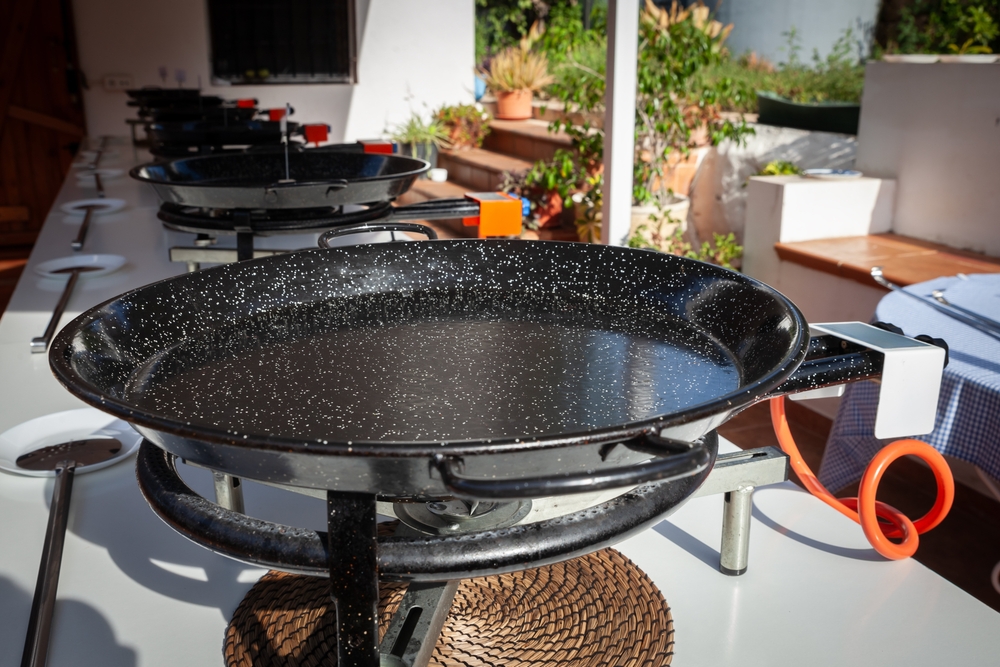
- Paella Burner: Essential for authentic Spanish gatherings; these specialized gas rings accommodate large paella pans.
- Pizza Oven: Popular for both pizza and traditional Spanish breads.
- Grill and Plancha: Spanish planchas are perfect for sizzling seafood and vegetables at high temperatures.
- Smoker: Add new dimensions to your repertoire with a dedicated smoker for meats, fish, and cheeses.
Preparation and Washing Areas
- Countertops: Generous work surfaces in natural stone, granite, or concrete.
- Sinks: Stainless steel or ceramic basins connected to a water supply for easy cleaning.
- Food Prep Zones: Separate areas for prepping vegetables, marinating meats, and assembling plates.
Refrigeration and Storage
- Outdoor Refrigerators: Specialized models are weatherproof and energy-efficient.
- Coolers and Wine Cabinets: Ideal for entertaining and preserving beverages.
- Cupboards and Shelves: Store utensils, plates, and dry goods in sealed cabinets to protect against moisture and pests.
Dining and Entertaining Spaces
- Dining Table and Chairs: Choose durable, weather-resistant sets to accommodate guests comfortably.
- Bar Area: High counters and barstools for drinks and tapas before the main meal.
- Lounge Area: Sofas, daybeds, and outdoor cushions invite lingering conversations long after dessert.
Lighting and Ambience
- Ambient Lighting: String lights, lanterns, or LED strips set the mood.
- Task Lighting: Focused illumination above grills and counters ensures safe cooking at dusk or night.
- Fire Features: Fire pits or chimeneas add warmth and visual appeal.
Material Selection: Balancing Style, Durability, and Maintenance
Spanish weather is as varied as its landscapes. From the humid Mediterranean coast to the dry plateau of the interior, your buitenkeuken’s materials must stand up to sunlight, humidity, seasonal rain, and even salty sea air. Here’s how to choose wisely:
Countertops
- Granite: Luxurious, durable, and low-maintenance; ideal for heavy outdoor use.
- Porcelain and Ceramic Tiles: Available in a variety of patterns reminiscent of Spanish mosaics, they are weatherproof and easy to clean.
- Concrete: Customizable and robust, fits both rustic and modern designs.
Cabinetry
- Stainless Steel: Resistant to weathering and pests, and gives a sleek, contemporary feel.
- Teak or Iroko Wood: Naturally weatherproof and treated for extra longevity, they offer a warm, organic touch.
- High-Density Polymers: Lightweight and unaffected by water or insects.
Flooring
- Stone or Slate: Non-slip, withstands sun and rain, adds a natural look.
- Terracotta Tiles: Enhance a traditional Spanish vibe but require sealing to maintain their finish.
- Composite Decking: Modern, splinter-free, and resistant to rot.
Climate and Regional Adaption
Spain’s regions each present different microclimates that influence buitenkeuken planning considerably:
Mediterranean Coast (Costa Blanca, Costa del Sol)
- Emphasize shade (pergolas, retractable canopies) to keep cool during hot afternoons.
- Use salt-resistant materials for properties near the sea.
- Opt for breathable construction techniques to withstand humidity.
Interior and Central Plateaus
- Priority on insulation and wind protection to counter hot summers and cool winters.
- Fire features extend outdoor use into the colder evenings.
Northern Spain (Galicia, Basque Country)
- Rain protection is a must. Covered terraces and full-roof structures excel in these climates.
- Select flooring that does not become slippery when wet.
Southern Spain (Andalucia, Murcia)
- Plan for extreme summer heat. Think misting systems, fans, and reflective décor.
- Maximize ventilation to keep air fresh and cool.
Adapting your buitenkeuken to the locale preserves its beauty and utility for years to come.
Installing a Buitenkeuken: Process, Timeline, and Professional Advice
A successful Buitenkeuken project requires collaboration, creativity, and careful execution. Here is a step-by-step overview of the process:
Initial Consultation and Design
- Work with experienced professionals who understand Spanish construction standards and local trends.
- Develop concept sketches and 3D renders to visualize layout, materials, and features.
- Confirm utility locations, clearances, and access points.
Permit Application and Legal Requirements
- Most municipalities require some form of permit for substantial installations involving gas, electricity, and plumbing.
- Research local bylaws regarding construction, especially in protected or historic zones.
- Obtain written approvals before starting groundworks.
Site Preparation
- Clear the area of vegetation, debris, and old structures if necessary.
- Lay foundations and ensure proper leveling.
- Prepare rough-ins for utilities (water, gas, electricity).
Construction and Installation
- Frame and build structural elements such as counters, walls, and shade structures.
- Install appliances, sinks, and weatherproof cabinetry.
- Connect utilities with attention to safety and efficiency.
- Test all systems before finalizing surfacing and décor.
Final Touches and Furnishing
- Decorate with furniture, planters, lighting, and décor tailored to your style.
- Apply protective finishes to wood, stone, or metal elements.
- Conduct a final review to ensure everything meets expectations.
Timeline and Project Management
The entire process can take from four weeks (for a simple installation) to several months (for custom, large-scale buitenkeukens). Reliable project management, clear communication, and detailed planning are key to timely delivery and lasting satisfaction.
Costs Involved: Budgeting for Your Buitenkeuken
A buitenkeuken, like any major home improvement, involves a spectrum of costs based on size, materials, appliances, and location. Here is a breakdown of what to expect:
Basic Installations
- Modest barbecue setup with minimal counters and basic shelter.
- DIY or compact pre-fabricated models run from €3,000 to €8,000.
Mid-Range Projects
- Mainly custom-built layouts with professional appliances, expanded storage, and seating areas.
- Budgets between €10,000 and €25,000 are typical.
High-End Luxury Kitchens
- Sprawling designs with integrated technology, premium materials, and elaborate landscaping.
- Budgets from €30,000 and above — the only limit is your imagination.
Running and Maintenance Costs
- Utilities (water, electricity, gas) are generally modest, but usage can increase in peak seasons.
- Annual maintenance for cleaning, sealing, and equipment servicing typically costs 3–5% of the initial investment.
Legal and Regulatory Considerations
Spain’s property laws and municipal codes set specific frameworks regarding outbuildings and significant modifications. To ensure compliance:
- Contact the local Ayuntamiento (town hall) for zoning regulations and necessary permits.
- Check for restrictions in community regulations, especially for apartments and shared estates.
- Respect minimum setbacks from property lines and neighboring homes.
- Plan for safety: gas appliances require certified connections and regular inspections.
- Consult architects and licensed contractors familiar with the region.
Non-compliance can result in fines or legal action, so due diligence is essential.
Sustainable and Eco-Friendly Practices
Building a buitenkeuken in Spain offers an exciting opportunity to incorporate sustainable and environmentally friendly solutions:
Energy Efficiency
- Solar Lighting: Install photovoltaic lighting and solar panels to reduce electricity costs and footprints.
- LED Fixtures: Use high-efficiency bulbs for ambient and task lighting.
Water Conservation
- Low-Flow Faucets: Help minimize water wastage.
- Rainwater Collection: Harvest rainwater for irrigation or cleaning purposes.
Materials and Sourcing
- Choose locally-produced stones, woods, and ceramics to reduce transportation emissions and support regional artisans.
- Opt for certified sustainable woods and recycled materials where possible.
Waste Management
- Incorporate smart storage for recycling and composting food scraps.
- Install built-in bins for easy waste separation and disposal.
Cooking with Consciousness
- Favor energy-efficient appliances and low-emission grills.
- Grow your own herbs and vegetables right next to the kitchen.
Styling and Decorating Your Outdoor Kitchen
Beyond utility, the buitenkeuken is a canvas for creativity. Spanish style offers a palette of colors, textures, and patterns — from earthy rusticity to modern elegance.
Color Schemes
- Warm terracotta, sunlit yellows, Mediterranean blues, and crisp whites evoke Iberian charm.
- For modern tastes, lean toward greys, blacks, and natural stone hues with sleek metals.
Textiles and Furnishings
- Choose high-quality, weatherproof fabrics for cushions, throws, and seat covers.
- Use traditional Spanish textiles for bold patterns and splashes of color in table settings.
Plants and Greenery
- Potted citrus trees, olive shrubs, rosemary, and lavender provide both aromatics and a lush, green backdrop.
- Vertical gardens and hanging planters maximize space in urban settings.
Tiles and Surface Finishes
- Hand-painted Spanish tiles add artistry and vibrancy to backsplashes and counters.
- Polished or brushed stone keeps surfaces easy to clean and maintain.
Maintenance: Keeping Your Buitenkeuken Beautiful Year After Year
Preserving the beauty and function of your buitenkeuken is an ongoing commitment. Here’s how to keep your investment in optimal condition:
Seasonal Cleaning
- Wipe down surfaces after every use and deep clean periodically with non-abrasive cleaners.
- Descale and sanitize grills, smokers, and burners to prevent build-up and prolong lifespan.
- Clean and inspect refrigeration units regularly.
Weatherproofing and Protection
- Cover appliances and furniture during heavy rain or extended periods of non-use.
- Apply protective sealants to wood, stone, and metal elements annually.
- Check for leaks or cracks in plumbing and promptly address any issues.
Appliance Servicing
- Have gas and electrical installations inspected by licensed professionals to ensure ongoing safety.
- Replace hoses, filters, and worn-out parts as recommended by manufacturers.
Pest Prevention
- Store food and perishables in sealed containers to deter rodents and insects.
- Regularly clean bins and compost stations.
Entertaining in Your Spanish Buitenkeuken: Tapping into Local Traditions
The Spanish buitenkeuken is at its vibrant best when filled with good food, laughter, and the aroma of grilling. To truly embrace local culture, why not host traditional fiestas and family meals designed for sharing?
Paella Parties
Master the art of the communal paella — authentic rice cooked over a dedicated paella burner, often with saffron, seafood, chicken, or vegetables. Invite friends to gather and participate in the process.
Tapas Evenings
Serve an array of small plates: Spanish tortilla, gambas al ajillo, albondigas, patatas bravas, and charcuterie. Set up a wine bar with local Rioja or Cava and encourage guests to mingle and share.
Barbecue Gatherings
Lean into the widespread barbacoa culture of Spain with meats, fish, vegetables, and local sausages grilled to perfection. Complement with homemade sides and crunchy fresh bread.
Alfresco Dining Tips
- Offer sun and shade with retractable awnings or umbrellas.
- Use citronella candles and natural repellents to keep summer insects away.
- Invest in durable, elegant tableware for an upscale dining experience.
- Introduce Spanish music for festive ambience.
Year-Round Use: Adapting Your Buitenkeuken for Every Season
While Spain’s climate is exceedingly outdoor-friendly, thoughtful adjustments can expand your buitenkeuken’s utility 12 months a year.
Spring
- Prepare for entertaining by deep cleaning surfaces and servicing equipment after winter.
- Add new planters and flowering accents as nature awakens.
Summer
- Shade is your ally; install misting fans and canopies to offset heat.
- Plan summer menus focusing on light, grilled fare and refreshing drinks.
Autumn
- Use fire pits and outdoor heaters to take the chill off evenings.
- Celebrate harvest with roasted vegetables, hearty stews, and local wines.
Winter
- Weatherproof delicate appliances and furniture with covers.
- For milder climes, embrace winter alfresco with blankets, warm beverages, and simple comfort foods.
Case Studies: Inspiring Buitenkeukens Across Spain
To spark your imagination, here are profiles of distinctive buitenkeukens in some of Spain’s most desirable locales.
Luxury Villa in Marbella
This coastal showpiece features a double-sized grill, stone pizza oven, built-in wine fridge, and spacious dining terrace framed by bougainvillea. Featuring hand-painted tiles, retractable screens, and a swim-up bar — this buitenkeuken is the centerpiece for both grand parties and tranquil evenings.
Modern Hideaway in Barcelona
A sleek, urban look with stainless steel counters, induction grill, minimalist planters, and elegant lighting accents. Space-saving appliances and smart storage allow for efficient culinary production in a compact city garden.
Rustic Finca in Andalusia
Here, an open-air canopy shelters an expansive stone countertop, wood-fired oven, and herb wall. Weathered teak benches and a reclaimed wood table invite family gatherings under the olive trees.
Working with IMMO ABROAD: Turning Vision Into Reality
As a trusted name in Spanish real estate and lifestyle services, IMMO ABROAD’s role doesn’t end at finding your perfect property. A seamless, stunning buitenkeuken demands local expertise, reliable networks of licensed tradespeople, and an impeccable eye for design. IMMO ABROAD guides you through every step — from inspiration and planning to project management and aftercare — ensuring your Spanish outdoor kitchen exceeds your highest expectations.
- Comprehensive Consultation: Define your needs, preferences, and vision with expert support.
- Local Insights: Benefit from insider knowledge of the best materials, craftsmen, and suppliers in Spain.
- Regulatory Assistance: Navigate permits, compliance, and legal requirements with ease.
- Custom Solutions: Every buitenkeuken is tailored to the client — in style, budget, and function.
- Long-Term Support: From initial concept to annual maintenance, IMMO ABROAD is your all-in-one partner.
Frequently Asked Questions
How do I protect my buitenkeuken from weather damage?
Choose high-quality, weather-resistant materials. Invest in protective covers for appliances and furniture and regularly apply sealants to wood, metal, and stone. In storm-prone areas, removable furniture and secure closing systems for shutters and cabinets provide extra safety.
Can I install a buitenkeuken in an apartment or townhouse?
Smaller outdoor kitchens can be created for terraces, balconies, and patios. Check community and building regulations first, and be mindful of neighboring units regarding smoke and noise.
Is it possible to use my outdoor kitchen year-round?
Absolutely. With elements like covered dining areas, outdoor heaters, and windbreaks, your buitenkeuken can be enjoyed in every season.
Are there specific maintenance routines for Spanish climates?
Depending on your region, you may need to focus on anti-corrosion (for coastal areas), seasonal cleaning (for regions with heavy pollen or autumn leaf fall), and extra sealing for tiles and wood (in wetter zones).
What permits do I need to build a buitenkeuken in Spain?
Check with your local Ayuntamiento for requirements. Generally, anything involving new structures, permanent utilities, or significant landscape alterations will require permits.
Conclusion: The Outdoor Kitchen as a Spanish Lifestyle Essential
A buitenkeuken in Spain is more than a home improvement — it's a statement of lifestyle, tradition, and aspiration. Bringing together culinary passion, social gathering, and the country’s unmatched climate, your outdoor kitchen becomes the heart of everyday living and festive occasions alike. From the rustic simplicity of a countryside finca to the opulent luxury of a coastal villa, there is a buitenkeuken for every vision.
With thoughtful planning, skilled execution, and a little Mediterranean inspiration, your Spanish buitenkeuken promises years of delicious cuisine, laughter, and unforgettable memories, all in the open air. Let the journey begin — Spain awaits with open arms and endless sunshine.