





Understanding the Essentials of Pool Maintenance in Spain
A swimming pool is not just a simple luxury—it’s an integral part of the vibrant Spanish lifestyle. Whether you have invested in a vacation villa, a permanent residence, or a rental property, a sparkling, hygienic, and well-maintained pool can transform any space into a personal oasis. However, owning a pool in Spain involves more than regular dives and sunbathing; it requires diligent, consistent maintenance to ensure safety, functionality, and enduring beauty. This comprehensive guide, prepared by the professionals at IMMO ABROAD, will unveil the intricacies of zwembadonderhoud (swimming pool maintenance) tailored to the unique Spanish climate.
Why Pool Maintenance is Crucial in Spain
Spain’s Mediterranean climate—with its abundant sunshine, soaring summer temperatures, and mild winters—creates an ideal environment for enjoying outdoor pools. However, the same climatic conditions can accelerate algae growth, increase evaporation, and make pools more susceptible to chemical imbalances and impurities. Regular maintenance:
- Prevents health risks: Improperly maintained water can harbor bacteria, algae, and fungi, posing threats to swimmers’ health.
- Ensures equipment longevity: Pumps, filters, and other pool equipment require routine care for reliability and efficiency.
- Preserves aesthetics: Clear, shimmering water and pristine pool surfaces elevate the property’s appeal and value.
- Reduces long-term costs: Proactive care minimizes the risk of costly repairs, part replacements, or pool restoration.
Key Components of Spanish Pools
Understanding the elements that make up a typical Spanish swimming pool is the foundation of effective maintenance. These key components include:
- Pool Shell: Usually constructed with concrete, fiberglass, or robust pool liners, this forms the vessel.
- Filtration System: Composed of pumps, sand or cartridge filters, and skimmers, it circulates and cleans the water.
- Chemical Dosing Equipment: Automated or manual systems monitor and distribute chlorine and pH balancing agents.
- Heating Systems: Especially vital for year-round usage or cooler Spanish regions, including solar, electric, or gas heaters.
- Lighting and Accessories: For ambiance, energy-efficient LED lighting, pool covers, and safety railings are frequently added.
Each component requires dedicated attention as part of your zwembadonderhoud plan.
Frequency and Scheduling: A Maintenance Calendar for Spanish Pools
The success of pool maintenance lies in a disciplined, scheduled approach. The Spanish pool season typically spans from May to October, but warm regions and heated pools may require year-round attention. Here’s a detailed guide for scheduling your essential tasks:
- Daily tasks: Surface skimming, checking pump operation, monitoring water level, and routine inspections.
- Weekly tasks: Vacuuming the pool floor, brushing walls and tiles, water testing and balancing.
- Monthly tasks: Inspecting filters, cleaning pump baskets, and conducting deep chemical shock treatments when necessary.
- Seasonal tasks: Opening (priming and cleaning after winter) and closing (winterizing equipment and covering the pool) as the season changes.
Use reminders or maintenance logs to sustain a flawless routine.
Water Chemistry Mastery: Achieving Safe and Sparkling Waters
Balanced pool water is vital to prevent irritation, algae growth, or equipment corrosion. Spanish pools, given the hot sun and frequent use, can lose balance quickly. The key water parameters to monitor are:
- Chlorine (1-3 ppm): Acts as the primary disinfectant, obliterating harmful microorganisms. Use regular test kits or strips and adjust accordingly with granules or liquid chlorine.
- pH levels (7.2-7.6): Pool water that is too acidic can corrode fittings, while alkaline water encourages scaling and cloudy conditions. Adjust with pH increasers (sodium carbonate) or decreasers (sodium bisulfate).
- Total Alkalinity (80-120 ppm): Buffers pH against sudden swings. Use baking soda to raise or muriatic acid to lower total alkalinity.
- Calcium Hardness (200-400 ppm): Soft water can erode pool surfaces, while hard water contributes to scaling on walls and equipment.
- Stabilizer/Conditioner (30-50 ppm): Cyanuric acid protects chlorine from the harsh Spanish sunlight, reducing chlorine loss through UV degradation.
Weekly or biweekly water testing is essential, especially during peak season. Investing in high-quality electronic testers or drop-based kits enhances accuracy.
Combatting Common Problems: Algae, Scale, and Cloudiness
The Spanish climate favors the sudden appearance of pool nuisances. Here’s how to tackle the most common issues:
Algae Infestations
Warm water and sunlight can trigger green, black, or mustard algae blooms, manifesting as discolored, slippery surfaces. Combat by:
- Shocking the pool: A high dose of chlorine eradicates active blooms.
- Brushing: Vigorous brushing removes algae from surfaces; use dedicated pool brushes for each material.
- Algaecides: Periodic application of anti-algae chemicals serves as both a remedial and preventative measure, especially during heat waves.
Water Cloudiness
Cloudy water often results from poor filtration, imbalanced chemicals, or introducing contaminants. Remedies include:
- Optimizing filtration: Run the pump longer—generally 8-12 hours a day—in peak season.
- Clarifiers: Add solutions that bind tiny particles so the filter can capture them efficiently.
- Backwashing filters: Clean sand or cartridge filters to renew their efficacy.
Limescale and Mineral Deposits
Spanish tap water is typically hard, which accelerates calcium scale buildup. Prevent by:
- Maintaining calcium balance: Regular testing and chemical adjustments reduce scaling risk.
- Physical removal: Use pumice stones or specialized scale removers for stubborn deposits on tiles.
- Softening water: In extreme cases, partial draining and refilling with softer water can help.
Advanced Pool Cleaning Techniques and Tools
Modern pool maintenance leverages advanced equipment, saving both time and effort. Let’s look at some must-have tools for Spanish pools:
- Robotic pool cleaners: These self-contained units automatically vacuum the pool floor and even climb walls, filtering debris and algae efficiently. Ideal for those who want to minimize manual labor.
- Manual vacuum heads: Connect to the pool’s filter system for thorough deep cleaning, especially after storms or heavy usage.
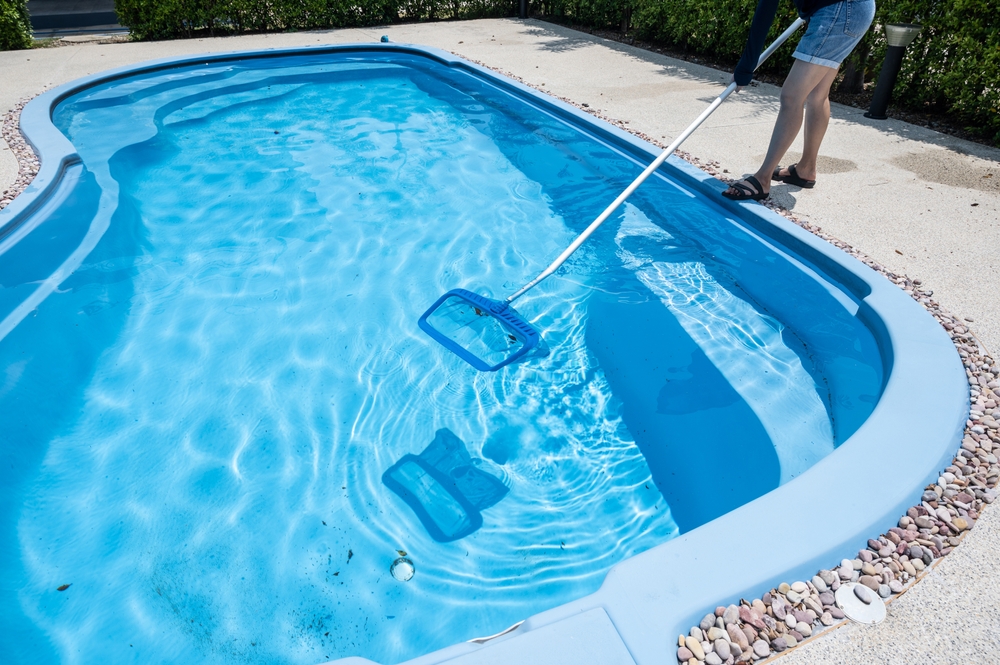
- Telescopic poles and nets: Essential for daily skimming and reaching tricky corners.
- Brushes and scrubbing pads: Select nylon brushes for liners or soft plaster; bronze bristles for concrete or tiled surfaces.
- Chemical dosing pumps: Install automated dispensers to maintain continuous optimal chlorine and pH levels, particularly for large or commercial pools.
Maintaining Equipment: Pumps, Filters, and Heaters
Pool equipment forms the backbone of every Spanish pool. Routine check-ups and preventive maintenance extend their lifespan and keep your swimming environment pristine.
Pumps
Pool pumps circulate water through the filtration and chemical systems. Maintenance tips include:
- Weekly basket cleaning: Leaves, insects, and debris can clog baskets, restricting water flow and straining the motor.
- Seal inspection: Check for leaks or cracks and address them immediately to prevent water loss or pump breakdown.
- Noise and vibration checks: Any unusual noise may indicate blockages or bearing wear—address these promptly.
Filtration Systems
There are three main types—sand, cartridge, and diatomaceous earth (DE) filters. Each demands specific care:
- Sand filters: Backwash every 2-4 weeks during peak use to clear trapped contaminants. Replace the sand every 5-7 years for continued efficiency.
- Cartridge filters: Remove and hose off cartridges every 2-4 weeks; soak in cleaning solution as needed. Replace cartridges annually.
- DE filters: Backwash and recharge with fresh DE powder after major cleanings; inspect grids for damage routinely.
Heaters and Solar Systems
Spanish pools often use solar or electric/gas heaters to extend swimming season. Maintain by:
- Flushing lines annually to prevent mineral buildup in heat exchangers or solar coils.
- Inspecting panel and control systems for leaks, rust, or malfunction.
- Professional servicing for complex repairs or before seasonal startup is highly recommended.
Taking Care of Pool Surfaces and Surroundings
A gleaming pool surface, clean tiles, and tidy surroundings are just as crucial as water quality for a luxurious pool experience.
Tile, Liner, and Grout Care
- Brushing: Regularly brush tile lines and grout to prevent grime, algae, and staining.
- Use of cleaners: Only use pool-safe cleaners—never household detergents, as they may contaminate pool water.
- Repair damage: Promptly address cracks, grout gaps, or liner tears to prevent water loss or further deterioration.
Deck and Surroundings
- Pressure washing: Use moderate-pressure cleaners to remove dirt, mildew, and algae from pool decks, but avoid excessive force that could damage stone or tile.
- Antislip coatings: Apply specialized coatings on frequently wet surfaces to enhance safety.
- Landscaping: Keep plants pruned and select non-deciduous varieties near the pool to minimize leaf drop and clogging risks.
Seasonal Changes: Opening and Closing Your Spanish Pool
Mastering the seasonal transition is key for damage prevention and maximizing year-round enjoyment.
Opening the Pool
- Thorough cleaning: Remove pool covers, clean and store away. Scrub walls, floor, and tile lines; vacuum debris.
- Restore equipment: Reinstall pumps, fit clean filters, and reconnect heaters or dosing systems.
- Gradual refilling: Top up the water to optimal level. If water has been stagnant, partial draining and refilling may be required.
- Shock and balance: Add shock chlorine and test/correct all aspects of water chemistry before inviting swimmers.
Winterizing the Pool
- Deep cleaning: Remove as much organic material as possible to prevent decomposition under the cover.
- Lower water level: Drain water below the skimmer and return lines to avoid freeze damage (in cold regions).
- Add winter chemicals: Use special algaecides and scale inhibitors designed for overwintering.
- Protect equipment: Drain pumps, filters, and heaters if necessary; store delicate accessories safely.
- Cover securely: Use a robust, UV-resistant cover to keep sunlight and debris out.
Essential Spanish Regulations and Safety Norms
Spanish statutory regulations for private and communal swimming pools are in place to safeguard swimmers and maintain public health.
Water Quality Standards
- Chlorine/pH: Local authorities often conduct periodic tests, particularly in urbanizaciones (communal urbanizations). Maintain levels within regulatory requirements.
- Signage: Pools open to the public must display hygiene and safety instructions in Spanish and other common languages.
Pool Fencing and Access Control
- Safety barriers: In some provinces, physical pool enclosures are mandatory, especially if children’s safety is a concern.
- Anti-slip surfaces: Compliance with grip and traction standards helps minimize accident risk.
Equipment Certification
- Pumps, heaters, and chemical dosing systems: These must meet CE certification and approved installation guidelines.
- Electrical installations: Qualified electricians should complete all setup and confirm compliance with local electrical codes.
Pool Covers, Energy Saving, and Environmental Protection
An effective pool cover is an indispensable accessory in Spain. It conserves water, saves energy, and reduces overall maintenance effort.
- Evaporation prevention: Covers inhibit water loss from the intensive Spanish sun, saving on refills and chemical usage.
- Heat retention: Solar pool covers maintain higher temperatures for extended swimming seasons.
- Debris control: Automatic or manual covers keep leaves, insects, and dust from polluting the water, making cleaning easier.
- Safety: Rigid or motorized covers provide a barrier for children and pets, reinforcing safety on the property.
Many pool owners also choose:
- Energy-efficient pumps: Variable-speed pumps use less electricity and can be programmed to operate during off-peak hours.
- Solar heating systems: Eco-friendly solar panels use Spain's abundant sun to provide comfortable water temperatures without fossil fuels.
- Automatic chemical dosing: Ensures consistent chemical balance, reducing waste and chemical runoff.
Professional Pool Maintenance Services: When to Call the Experts
While many maintenance tasks can be performed by diligent owners, some situations demand seasoned professionals to safeguard your investment:
- Major repairs: Cracks, leaks, or faulty equipment might signal underlying issues best handled by certified technicians.
- Water troubleshooting: Persistent cloudiness, unresponsive algae, or recurring chemical imbalances require advanced diagnostic skills.
- Renovations: Upgrading surfaces, tiles, or filtration systems not only enhances comfort but can also improve water quality and property value.
- Legal conformity: Ensuring compliance with evolving health and safety statutes may require documentation and professional confirmation.
Choose pool maintenance providers with trusted local reputations, transparent contracts, and a deep understanding of the Spanish pool landscape.
Pool Maintenance for Rental Properties in Spain
If you own a vacation rental or investment property, immaculate pool maintenance plays a vital role in guest satisfaction, repeat bookings, and positive reviews. Consider:
- Pre-arrival preparation: Ensure the pool is perfectly clean, filled, and chemically balanced before each guest check-in.
- On-call support: Provide a contact number for prompt response in case of pool issues during a rental stay.
- Clear usage instructions: Leave laminated signage explaining safety, cover operation, and any local pool rules.
- Regular visits: Schedule quick mid-stay maintenance for longer-term guests—especially during high occupancy seasons.
A well-maintained pool enhances both reputation and rental value in the competitive Spanish holiday market.
Eco-Friendly and Innovative Pool Maintenance Solutions
Sustainability is increasingly significant for homeowners. Spanish pool owners can reduce ecological impact while maintaining luxury by:
- Saltwater chlorinators: Transform salt into chlorine on-site, providing gentle, consistent sanitation with fewer chemical additions.
- Natural pools: Incorporate plant-based filtration zones for a chemical-free, eco-aesthetic pool environment.
- Rainwater harvesting: Collect and use rainwater to top up pool levels, reducing demand on municipal water supplies.
- Low-energy lighting: Use LED pool lights with automation features, decreasing electrical consumption dramatically.
Regularly review your pool’s environmental footprint and invest in upgrades promoting water and energy conservation—a win for both your wallet and the planet.
Budgeting and Planning for Pool Maintenance Costs
Effective zwembadonderhoud is an investment requiring careful budgeting. Spanish pool maintenance costs are shaped by size, equipment, frequency of use, and local service fees. Main cost categories include:
- Chemicals: Chlorine, pH balancers, algaecides, and clarifiers form a significant but variable expense, peaking in summer months.
- Utilities: Electricity for pumps, filters, and heaters constitutes a steady monthly cost; solar systems can provide savings over time.
- Equipment maintenance: Parts (seals, cartridges, sand) and professional servicing should be anticipated in your annual plan.
- Repairs and replacements: Allocate funds for unexpected breakdowns or long-term wear and tear.
- Professional services: Costs for full-service maintenance contracts or specialized interventions.
Document annual expenses to adjust future budgets, ensuring financial preparedness for a trouble-free, enjoyable pool experience.
Long-Term Care: Extending Your Spanish Pool’s Lifespan
Proactive, consistent care is the secret to a pool that remains a source of enjoyment and beauty for decades. To promote long-term value:
- Monitor trends: Track water chemistry, equipment performance, and wear-and-tear with detailed logs.
- Invest in quality: Select premium materials and equipment known for durability; they offset higher upfront costs with lasting returns.
- Train household members: Basic upkeep knowledge shared among residents prevents simple oversights from becoming costly issues.
- Plan for upgrades: As technology evolves, integrating innovative solutions (automation, energy efficiency) can boost comfort and lower operating costs.
At IMMO ABROAD, we understand that your pool is a central investment. Our mission is to empower Spanish property owners with the guidance and expertise to nurture their aquatic retreats.
Conclusion: The Pathway to Perfect Pool Ownership in Spain
Spanish swimming pools are a passport to relaxation, social connection, and prestige. Attaining and sustaining this oasis demands more than occasional cleaning—it relies on sound knowledge, steadfast routine, and a willingness to adapt to seasonal or regulatory changes. Embrace the guidelines detailed in this all-encompassing manual for zwembadonderhoud, and your Spanish pool will deliver a lifetime of shimmering delight.
For personalized advice, upgrades, or year-round management, reach out to a qualified pool maintenance expert with proven regional experience and a commitment to excellence. Enjoy the peace of mind that comes from seeing your investment flourish in the Spanish sun.
With a little dedication and the right expertise, your pool will always be the gleaming heart of your Spanish home.