



Embracing an Active Retirement in Spain: Sports, Hiking, and Culture
Retirement marks the beginning of a new chapter in life—a thrilling period brimming with opportunities for personal fulfillment, vibrant activity, and the exploration of passions anew. Spain, a country celebrated for its rich tapestry of culture, dynamic landscapes, and enviable climate, stands as a beacon for those seeking to infuse their retirement years with energy and purpose. This comprehensive guide delves into every facet of staying active after retirement in Spain, encompassing the exhilarating world of sports, the rejuvenating embrace of hiking, and the inspiring immersion into the nation’s diverse cultural offerings. Whether you're newly retired or planning ahead, discover how Spain's inviting environment and abundant resources empower retirees to thrive physically, socially, and intellectually.
Why Choose Spain for an Active Retirement?
Spain has become synonymous with the dream retirement destination—and for good reason. Its Mediterranean climate boasts mild winters and glorious sunshine throughout much of the year, fostering an outdoor lifestyle that encourages regular activity. More than just its climate, Spain's infrastructure harmoniously blends modern convenience with historical charm, offering access to sophisticated healthcare, efficient public transit, and well-maintained recreational facilities. From coastal villages to bustling cities and sweeping mountain vistas, Spain’s diverse geography invites retirees to tailor their lifestyles according to personal interests.
Culturally, Spaniards are renowned for their zest for life and attachment to community, welcoming newcomers into vibrant social scenes. Local traditions celebrate movement and participation, reflected in frequent festivals, dance, and communal sports events. Ultimately, these elements create the perfect backdrop for retirees eager to lead dynamic, engaged lives.
The Physical and Mental Benefits of Staying Active in Retirement
Physical activity in retirement transcends leisure—it is a vital contributor to long-term health and quality of life. Numerous studies demonstrate that consistent exercise, meaningful engagement, and social interaction collectively foster better physical, cognitive, and emotional outcomes among older adults. Spain’s lifestyle aligns seamlessly with these recommendations, promoting ways for retirees to remain energetic, self-assured, and socially integrated.
- Physical Health: Regular participation in sports and outdoor activities reduces the risk of cardiovascular diseases, diabetes, osteoporosis, and arthritis. It enhances mobility, flexibility, and strength, minimizing the likelihood of injury and disability in later life.
- Mental Wellness: Everyday movement, exposure to natural landscapes, and cultural involvement significantly lower stress levels and stave off symptoms of depression or anxiety. Cognitive engagement, through learning and creativity, supports memory and sharpness.
- Social Connections: Group classes, sports clubs, and cultural societies provide important contexts for forming friendships, combating loneliness, and building a supportive network in a new environment.
By integrating these facets into the fabric of everyday life, retirees in Spain enjoy not only longevity but fulfillment and happiness.
Popular Sports for Retirees in Spain
Retirees in Spain are spoiled for choice with numerous sports tailored to a variety of interests and fitness levels. The Mediterranean tradition highly values “vida activa”—active living—welcoming all generations onto the playing field.
Golf
Spain is a golfer’s paradise, with over 400 top-tier golf courses spread across regions such as the Costa del Sol, Costa Blanca, and Catalonia. The country’s favorable climate means courses are playable nearly year-round, while the standard of maintenance and value for money remain consistently high. Many clubs offer senior leagues and clinics, making it easy to integrate for newcomers.
- Social aspect: Golf clubs in Spain typically feature welcoming communities with social events, clubhouses, and opportunities to build lasting friendships.
- Health benefits: The sport encourages gentle, low-impact exercise and plenty of walking, ideal for cardiovascular health and coordination.
Tennis and Padel
Tennis is widely practiced across Spain, thanks in part to the success of local stars on the global stage. Many towns feature public courts and private clubs, offering lessons, tournaments, and social play for retirees. Padel, a fast-growing racket sport unique to Spain and Latin America, is easy to learn and less physically demanding than tennis—making it especially popular among older adults.
- Easy integration: Both sports provide excellent settings for social interaction and friendly competition.
- Accessibility: Padel clubs are ubiquitous, with reasonable membership fees and beginner lessons widely available.
Swimming and Aquatic Activities
With its extensive coastline and public pools in virtually every community, Spain is perfect for those who relish swimming, aquarobics, and water fitness. The buoyancy of water relieves joint stress, making aquatic activities appropriate for all fitness levels.
- Year-round enjoyment: Many pools are heated and offer indoor facilities, ensuring continuous access regardless of season.
- Additional activities: Water yoga, synchronized swimming, and “water walking” classes are increasingly popular among retirees.
Cycling
Spain’s variegated terrain—rolling countrysides, lush valleys, and dramatic seaside promenades—provide cyclists of all abilities with endless trails and routes to explore. Major cities, such as Valencia, Seville, and Barcelona, maintain bicycle-friendly infrastructure, while organized group rides are convened regularly for social and fitness pursuits.
- Scene for every level: Whether for leisure or sporting challenge, cycling is embraced as both recreation and a means of transportation.
- E-bike popularity: The surge in electric-assist bicycles makes cycling more accessible for those less confident with hills or long distances.
Yoga, Pilates, and Wellness Practices
A holistic approach to active retirement places emphasis on flexibility, balance, and mental tranquility. Yoga and Pilates studios flourish in cities and resort towns, often offering classes outdoors or with a view of Spain’s awe-inspiring landscapes. These classes are adapted for seniors, focusing on gentle movement and breathwork.
- Community feel: Classes often cultivate a supportive atmosphere, elevating both body and spirit.
- Retreats and workshops: Special events and retreats are held in tranquil settings such as Andalusian cortijos or Mallorca's hillsides, providing immersive wellness experiences.
The Hiking Haven: Exploring Spain on Foot
For retirees seeking invigorating exercise combined with nature’s beauty, hiking in Spain is second to none. From gentle coastal paths to challenging mountain ascents, Spain’s unique geology supports a tapestry of trails suitable for every ambition and ability.
Walking in Spain: A Way of Life
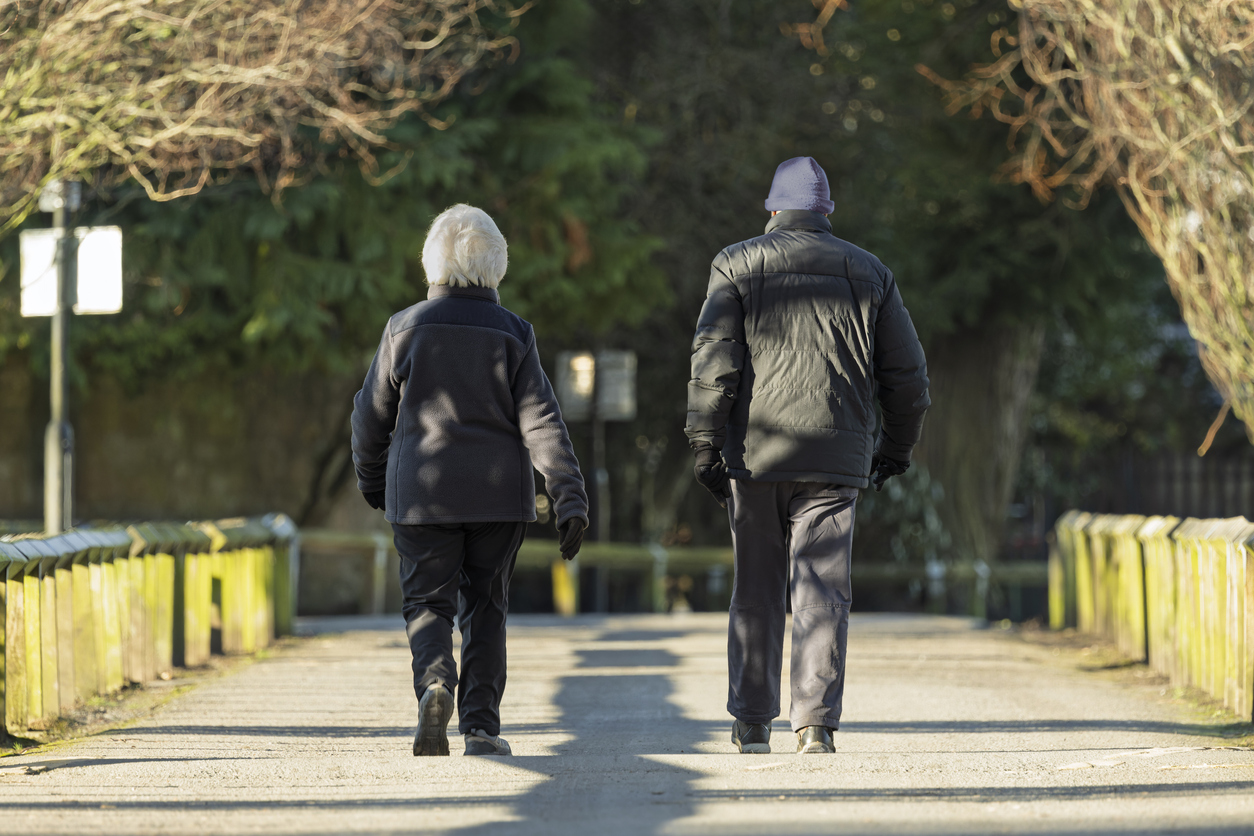
The Spanish concept of “paseo”—an evening stroll—is woven into daily routines, as residents of all ages walk along seafront promenades, rural paths, or central plazas at sundown. For newcomers, embracing the paseo serves as a gentle introduction to Spain’s tradition of walking for pleasure, health, and social interaction.
Spain’s Top Hiking Regions
- Andalusia: Home to the Sierra Nevada, Alpujarras, and Pueblos Blancos, Andalusia boasts a wide array of well-marked trails and natural parks. The Caminito del Rey offers a thrilling walkway along sheer cliffs, while the gentle olive orchard paths around Cordoba and Seville appeal to those seeking less strenuous outings.
- Canary Islands: The islands’ volcanic origins give rise to breathtaking routes—such as the Camino de la Cumbre in La Palma or Tenerife’s Teide trails—framed by exotic flora and lunar landscapes. The temperate climate makes hiking comfortable even in mid-winter.
- Catalonia: The Pyrenees mountain range provides both challenging ascents and serene forest walks, complemented by stunning views of lakes and medieval villages. Coastal walks along the Costa Brava combine nature and dramatic seascapes.
- Galicia: The green northwest boasts misty forests and the legendary Camino de Santiago, a pilgrimage traversed by both spiritual seekers and those drawn to its cultural and natural heritage.
- Costa Blanca and Costa del Sol: Sun-drenched regions abound with boardwalks, mountain villages, and scenic routes suitable for all levels.
The Camino de Santiago: A Pilgrim’s Journey
Arguably Spain’s most celebrated trail, the Camino de Santiago (Way of St. James) is a network of ancient routes culminating in Santiago de Compostela. While many approach it as a spiritual challenge, the Camino also attracts retirees keen on cultural immersion, physical accomplishment, and camaraderie.
- Flexible distances: Walkers can choose short segments or embark on week-long adventures, all supported by a robust network of services and sociable hostels.
- Sense of achievement: The act of “walking the Camino” is deeply meaningful, offering personal transformation, mental clarity, and lasting friendships.
Nature Parks and Protected Reserves
Spain maintains more than 15 national parks and countless protected reserves, each an ecological jewel offering guided tours, educational programs, and pristine hiking trails.
- Doñana National Park (Andalusia): A paradise for birdwatchers, with seasonal migrations and unique wetland landscapes.
- Picos de Europa (Asturias, Cantabria): Home to rugged peaks and tranquil forests, ideal for challenging treks and easier nature walks alike.
- Sierra de Guadarrama (Madrid): A favorite weekend escape, this park covers everything from gentle, flower-strewn meadows to alpine routes.
Building Community and Social Networks Through Activity
Retirement in Spain is rarely a solitary experience. The country’s dedication to communal living and shared endeavors is evident in its clubs, societies, and recreational groups catering specifically to retirees and expatriates.
Joining Local Sports Clubs
Local councils support “centros de mayores”—community centers for older adults—offering a packed schedule of sport, fitness, and social classes. Many towns host pétanque (boules), bowling, and even basketball tournaments designed for the over-60 set. For newcomers, these clubs are vital stepping stones into the rhythms of community life and an excellent way to practice Spanish in a friendly, supportive setting.
Participating in Group Excursions and Tours
Hiking and travel associations coordinate day hikes, cycling tours, and cultural outings, often at reduced rates for seniors. Participation typically includes insurance, guides, and the opportunity to develop enduring friendships while exploring new locales.
- Examples: The Federación Española de Montañismo and local hiking groups organize regular excursions, open to both beginners and seasoned walkers.
Multi-Cultural Communities
With its growing expatriate population, Spain offers a multitude of clubs where internationals and locals mingle. Book clubs, bridge nights, walking societies, and artistic workshops cater to a diversity of interests, ensuring retirees never lack for company or conversational stimulation.
Cultural Pursuits: Art, Music, and Lifelong Learning
Beyond the physical, an active retirement flourishes through mental, creative, and cultural engagement. Spain’s awe-inspiring heritage, world-class arts scene, and celebrated festivals offer a kaleidoscope of opportunities for exploration and self-improvement.
Mastering Spanish Language
Immersion in Spanish not only aids practical navigation—shopping, medical care, or meeting neighbors—but deepens connections and broadens cultural understanding. Language schools welcome retirees with specialized courses designed for mature learners, emphasizing conversation and cultural context.
- Social element: Classes themselves serve as hubs for forging friendships and expanding local networks.
Exploring Museums and Galleries
From the world-famous Prado in Madrid to the futuristic Guggenheim in Bilbao and the Picasso Museum in Málaga, Spain enchants lovers of the visual arts. Countless regional museums pay homage to everything from modernist sculpture to ancient artifacts, while smaller galleries welcome visitors into Spain’s thriving contemporary art scene.
- Discounts and special programs: Many institutions offer reduced or free entry for seniors, guided tours, and even workshops led by practicing artists.
Appreciating Music, Dance, and Performance
Spain’s musical traditions are legendary, from the haunting melodies of flamenco in Andalusia to the effervescent folk music of the north. Retirees might attend regular recitals, festivals, or open-air concerts, or even participate in dance classes, choral groups, or amateur theatre—a joyful fusion of social interaction and self-expression.
Lifelong Learning: Universities and Workshops
Spanish universities and adult education centers typically run “programas para mayores”—dedicated courses for older adults encompassing literature, history, technology, languages, and arts. Participation is encouraged regardless of previous academic background, reflecting the Spanish belief in “formación continua”—lifelong acquisition of skills and knowledge.
- Online resources: For those in rural areas, digital platforms now bring language practice, art appreciation, and history courses to every corner of Spain.
Volunteering and Giving Back
Many retirees find renewed purpose and satisfaction in volunteerism, contributing their time and skills to Spanish communities. Local charities, environmental groups, and cultural organizations are eager to recruit experienced newcomers, offering a meaningful path to integration and the chance to “give back.”
- Teaching English: Volunteering as an English language assistant is one of the most popular options, especially in rural schools and senior centers.
- Environmental stewardship: National and regional parks frequently welcome retirees as guides, wildlife monitors, or event volunteers.
- Cultural promotion: Museums and cultural festivals often require docents, event organizers, or behind-the-scenes helpers.
Healthy Lifestyle Choices: Nutrition and Well-being in Spain
Staying active encompasses more than movement—it’s a holistic lifestyle. Spain’s culinary heritage and accessible local produce support healthy eating habits that complement physical and mental wellness.
The Mediterranean Diet
Celebrated as one of the world’s healthiest, the Mediterranean Diet places fresh fruit, vegetables, olive oil, legumes, whole grains, and fish at the heart of daily meals. Traditional Spanish dining favors leisurely meals with friends and family, reinforcing positive mealtime habits and nurturing social bonds.
- Easy access: Weekly markets in every town overflow with locally grown produce, cheese, olives, nuts, and fresh fish straight from the Mediterranean or Atlantic.
- Simple delights: Tapas, soups, and grilled meats offer variety without excess, keeping meals interesting yet balanced.
Wellness Retreats and Spas
Spain’s spa heritage dates to Roman times, and countless thermal baths, seawater centers, and wellness resorts continue to flourish. Retirees can enjoy everything from mineral soaks to specialized wellness packages encompassing massage, nutrition counseling, and holistic therapies—all set in tranquil, rejuvenating environments.
Planning Your Active Retirement in Spain: Practical Considerations
Thriving in retirement involves thorough planning. From finding a home base that suits your interests to budgeting and legal formalities, consider these essentials to ensure a seamless transition and an active, fulfilling life.
Choosing Your Ideal Location
- Coast vs. Inland: The bustling costas (coastal areas) offer Mediterranean flair, access to beach activities, and lively expatriate scenes. Inland villages are peaceful, steeped in tradition, and provide direct access to national parks and hiking trails.
- Urban vs. Rural: Cities cater to those desiring vibrant cultural amenities, sporting facilities, and Michelin-starred dining, while the countryside ensures tranquility and close-knit community life.
- Proximity to Airports and Healthcare: Consider travel needs and proximity to medical centers to ensure convenience as you age.
Accessing Healthcare and Wellness Resources
Spain’s public health system is internationally acclaimed, offering comprehensive medical services to residents. Private healthcare supplements public provision, ensuring prompt specialist care when needed. Specialized geriatrics, physiotherapy, and rehabilitation centers are widely available, often with support in multiple languages.
- Staying informed: Attend local healthcare briefings or clinics to familiarize yourself with providers and prevention programs.
- Pharmacies: Easily accessible in every neighborhood, staffed by knowledgeable professionals who offer guidance on wellness and medication management.
Financial Planning for an Active Lifestyle
Enjoying an active retirement in Spain is generally cost-effective, as everyday expenses—from groceries to memberships—tend to be lower than in many parts of Europe. Nevertheless, careful planning assures you can participate fully in travel, sports, and cultural activities without worry.
- Discounts for seniors: Many venues, classes, and transportation services provide significant reductions for retirees.
- Club memberships: Sports and recreation clubs often offer annual rates tailored to retirees, with inclusive packages covering classes and events.
- Travel: Spain’s excellent public transit system makes it easy to explore the country on a budget, from high-speed trains to well-connected bus lines.
Legal and Residency Requirements
Long-term residency is essential for accessing services and making Spain your home. Retirees from the EU generally enjoy straightforward integration, while non-EU nationals can explore options like the non-lucrative visa or the “Golden Visa” for property investment.
- Stay informed: Consult with qualified advisors to ensure all paperwork, healthcare registration, and tax obligations are addressed promptly.
Navigating Language and Cultural Differences
Living actively means feeling confident in new surroundings. Embracing Spanish customs and language is essential for a richer, more rewarding experience.
Fostering Language Skills
- Daily practice: Engage with neighbors, join classes, and listen to Spanish media. Even simple efforts are warmly appreciated by locals.
- Language exchange: Participate in “intercambio” sessions pairing Spanish learners with locals wanting to practice English or other languages.
Understanding Spanish Customs
Spaniards cherish “convivencia”—living together harmoniously. Observe local rituals such as the evening paseo, lunch as the main meal of the day, and late-night dinners or festivals. Participation in fiestas and public holidays, respecting siesta customs, and greeting neighbors with a smile will ease your social integration.
Embracing Multiculturalism
Spain is a tapestry of regions, each with unique traditions, cuisines, and dialects. Savoring the variety—whether Catalan castells, Galician seafood festivals, or Andalusian ferias—enhances your understanding and deepens your enjoyment of life in your chosen community.
Seasonal Activities: Making the Most of Spain’s Year-Round Climate
One of Spain’s greatest appeals is its four-season climate, which encourages activity all year long. Adapt your outdoor pursuits to take advantage of nature’s rhythms and local celebrations.
Spring and Autumn: Hiking and Festivals
Mild weather, blooming landscapes, and a packed calendar of local fêtes—these are the best times for countryside walks, pilgrimages, and enjoying open-air markets, arts, and music festivals.
Summer: Coastal Sports and Water Fun
The coasts come alive with sailing, swimming, beach volleyball, and paddleboarding. Early mornings or evenings are ideal for golf and tennis; Spain’s lively ferias celebrate local music, dance, and cuisine late into the night.
Winter: Mountain Activities and Culture
The ski resorts of the Sierra Nevada, Pyrenees, and Cantabrian Mountains offer pristine slopes and cozy villages. Lower altitudes are perfect for brisk countryside walks, museum visits, and exploring Spain’s festive Christmas markets.
Integrating Technology to Stay Connected and Active
Technology enhances active retirement by connecting retirees with information, opportunities, and distant loved ones. Spain’s robust digital infrastructure makes integration seamless.
Apps for Activity and Learning
- Walking, fitness, and cycling: Numerous local and international apps map routes, track progress, and connect users with nearby activity groups.
- Language and learning: Digital platforms offer language study, brain games, and access to virtual museum tours from your living room.
Staying in Touch With Family and Friends
Video calls, instant messaging, and social media—enabled by widespread high-speed internet—ensure you remain close to loved ones wherever they reside. Online groups, blogs, and forums help maintain a support network and share experiences.
Overcoming Challenges and Ensuring Longevity in Active Living
An active retirement isn’t without its obstacles—be it health setbacks, motivation dips, or the challenge of forging a new identity post-career. Spain’s environment, however, makes overcoming these hurdles both rewarding and achievable.
Adapting Activities to Physical Needs
- Choose low-impact sports and outdoor pursuits that minimize injury risk yet challenge the body and mind.
- Seek guidance from physiotherapists and trainers for tailored routines, especially post-injury or surgery.
- Take advantage of adaptive programs and senior-friendly equipment (like e-bikes, walking poles, or aqua fitness gear).
Building New Routines and Habits
- Set small, achievable goals—daily walks, joining one new club, or mastering a new recipe—then expand as confidence grows.
- Celebrate milestones, however modest, and seek positive reinforcement from peers, friends, and family.
Nurturing Mental Resilience
- Engage in mindfulness practices, such as yoga, meditation, or simple quiet reflection in nature.
- Stay curious and open to new experiences, using every year as an opportunity to learn or try something different.
Personal Stories: Inspiration from Retirees Thriving in Spain
The landscapes, resources, and culture of Spain have sparked countless stories of transformation among retirees from around the globe. Their journeys demonstrate that active retirement here is not only possible but eminently rewarding.
- A Northern European couple discovered newfound health through daily golf and regular caminos, forming friendships that filled their social calendars.
- A North American artist reignited a long-held passion, finding creative community in Malaga and exhibiting in regional galleries.
- An avid hiker from the UK, initially hesitant about language barriers, found confidence through Spanish classes and volunteer work, eventually leading guided walks for fellow residents.
These stories reinforce the message: with the right mindset and resources, retirement in Spain can be a flourishing period of health, joy, and meaning.
Conclusion: Creating Your Own Active Retirement Adventure in Spain
Spain’s magic lies not just in its sunlit shores, world-class cuisine, and wealth of cultural treasures, but in its ability to inspire retirees to redefine what’s possible in later life. Whether your vision of active retirement centers on competitive sports, gentle hikes through lemon-scented groves, or the stirring rhythm of a flamenco performance, Spain is poised to turn dreams into reality.
The country’s infrastructure, openness, and tradition of community ensure there is always something to discover and someone with whom to share the journey. By embracing a well-rounded approach—balancing sport, nature, culture, nutrition, and social life—you’ll not only stay active but also savor every moment of your retirement, enriched by the beauty and spirit of Spain.
Whatever path you choose, let it be one that fills your days with vitality, connection, and purpose. Spain awaits—step boldly into the adventure.