





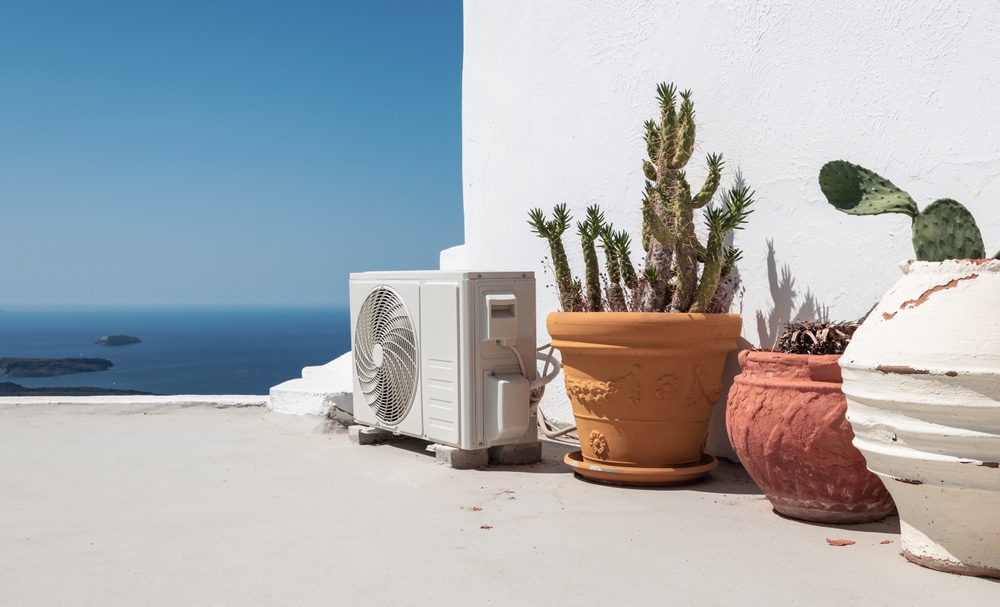
Introduction: The Unique Climate at the Seaside
Choosing to install air conditioning in a coastal area raises unique considerations compared to inland locations. Living at the seaside offers breathtaking views, refreshing breezes, and a special lifestyle. However, the maritime climate presents specific challenges that impact home comfort, energy consumption, and the lifespan of technical installations. In this comprehensive guide, we explore in detail whether having air conditioning (“airco”) at the coast is wise, and how to make informed choices for optimal comfort and long-term value.
Understanding the Maritime Climate
The coastal climate is shaped by proximity to the sea, resulting in moderate temperatures, higher humidity, and frequent winds. While extremes of heat and cold are often less pronounced near the coast, humidity and saline air create unique living conditions that directly affect indoor comfort and building installations.
- Temperature moderating: The sea tempers the seasonal changes, often making summers cooler and winters milder.
- High humidity: Seaside areas experience persistently higher relative humidity than inland.
- Salt-laden air: Salt aerosols from seawater present maintenance challenges for many household systems.
- Wind: Breezes from the water can be pleasant but also complicate temperature control.
Understanding these attributes is essential for anyone considering air conditioning along the coast. Let’s examine how each factor influences the necessity and functionality of airco systems.
Thermal Comfort Needs at the Coast
Many newcomers to the seaside assume air conditioning is superfluous, thanks to cool breezes. Yet, coastal living can bring its own set of thermal comfort challenges:
- Summer Heatwaves: Climate change has led to increased frequency and intensity of heatwaves, even along the coast. Even if temperatures do not soar as high as inland, prolonged high humidity can make the perceived temperature (“apparent temperature”) uncomfortable.
- High Humidity: Excess moisture in the air not only causes discomfort but can exacerbate feeling of heat and impair sleep quality. Standard fans or opening windows may not sufficiently reduce humidity.
- Insufficient Ventilation: Modern homes, often well-insulated and air-tight, may retain both heat and moisture, reducing the effectiveness of natural cooling by wind.
- Seasonal Use: Many seaside residences are used seasonally or at weekends, meaning rapid and efficient cooling or dehumidifying is essential after periods of closure.
A carefully chosen air conditioning system can address all these scenarios, ensuring comfort, protecting property, and supporting health.
The Role of Air Conditioning in Humid Climates
Coastal air is persistently moist – a fact often underestimated. High humidity not only leads to clammy discomfort, but allows for the proliferation of mold, dust mites, and can accelerate wear on furniture and electronics. Air conditioning, more than just cooling, plays a pivotal role in humidity regulation.
- Dehumidification: Modern airco units lower indoor humidity as they cool, creating a drier, more comfortable interior.
- Mold and Mildew Prevention: By controlling humidity, air conditioning inhibits the development of mold spores and protects valuable possessions.
- Health Benefits: Reduced moisture discourages allergens and improves air quality, especially important for people with respiratory sensitivities.
Even in moderate temperatures, a well-regulated indoor climate promotes wellness and preserves the condition of one’s property.
Challenges Specific to Seaside Air Conditioning
Despite the advantages, the coastal environment also creates obstacles for installing and maintaining air conditioning.
- Corrosive Marine Air: Salt in the air accelerates corrosion of metal components, especially on outdoor units, coils, and connections. This can shorten equipment lifespan and require special anti-corrosion features.
- Sand and Debris: Windblown sand may clog filters or damage external units, requiring more frequent maintenance.
- Intensity of UV Light: Coastal areas often experience harsh sunlight, which can impact plastic and rubber components.
Therefore, selecting robust, marine-grade solutions and planning for regular, proactive maintenance is essential to maximize performance and durability.
Technological Options: Which Airco System Suits Coastal Living?
Air conditioning is no longer a one-size-fits-all proposition. There are several system types, each with advantages and considerations specific to seaside living:
-
Split Units:
- Comprise an indoor unit connected by pipes to an outdoor compressor.
- Often feature advanced dehumidification and filtering technology, ideal for controlling coastal humidity.
- Compact designs suit apartments, holiday homes, and new builds.
- Outdoor units must be specifically rated for marine environments to prevent corrosion.
-
Multi-split and Central Systems:
- Serve multiple rooms via one or more outdoor compressors.
- Visually unobtrusive and more energy-efficient when managing larger homes.
- Require carefully planned ductwork, preferably with corrosion-resistant materials.
-
Portable Units:
- Affordable and mobile, ideal for occasional use or rental properties.
- Less efficient at dehumidification and may struggle with larger spaces.
- No exposure to external marine air, so fewer corrosion risks – but limited comfort.
-
Heat Pump Airco:
- Provide both cooling (for summer) and efficient heating (for mild winters).
- Highly efficient for coastal climates with modest temperature swings.
Ultimately, the best choice depends on property size, usage patterns, expectations for comfort, and willingness to invest in high-quality, corrosion-resistant equipment.
Features to Look for in a Coastal Airco
To ensure longevity, comfort, and energy efficiency, invest in a system specially adapted to challenging maritime environments. Key features include:
- Anti-Corrosion Protection: Units with coated condensers, protected connections, stainless steel fasteners, and sealed electronics withstand salt exposure far better.
- High-Efficiency Dehumidification: Opt for models with robust moisture removal capabilities, not just temperature control alone.
- Advanced Filters: Anti-mold and anti-bacterial filtration for improved air quality and allergen reduction.
- Smart Controls: Programmable thermostats, remote app access, and humidity sensors to ensure personalized microclimates, even remotely.
- Quiet Operation: Especially important in tranquil coastal settings, where background noise can disturb peace and relaxation.
- Energy Efficiency: Look for high seasonal efficiency ratings (SEER/EER), inverter technology, and eco-friendly refrigerants to keep bills lower and environmental impact minimal.
Only by prioritizing these features will you maximize comfort and minimize risk of premature failure.
Professional Installation Matters: Why Expertise is Critical
Even the most advanced air conditioning unit will underperform or degrade prematurely if not installed correctly. The following aspects are particularly crucial at the coast:
- Location of Outdoor Unit: Must be sited to minimize exposure to direct salt spray, avoid wind tunnels, and allow for easy servicing and cleaning.
- Sealing and Insulation: Pipework and wall penetrations need meticulous weatherproofing to prevent moisture ingress and maintain energy efficiency.
- Use of Marine-Grade Materials: All fixings, brackets, and external components should be specified for coastal conditions.
- Correct Sizing: A system too small will struggle to regulate humidity and temperature, while an oversized unit will cycle inefficiently and waste energy.
Relying on experienced professionals ensures optimal system selection, placement, and lasting investment security.
Maintenance: Safeguarding Performance and Longevity
Coastal airco systems demand more rigorous maintenance than their inland counterparts. Establishing a proactive maintenance schedule is vital.
- Regular Cleaning: Outdoor units must be rinsed to remove salt deposits, sand, and debris that can undermine heat exchange and corrode components.
- Filter Replacement: High airborne particles and humidity mean filters clog faster and must be checked and replaced more frequently.
- Professional Inspections: Annual (or bi-annual) checks by qualified technicians ensure that anti-corrosion coatings remain intact, electrical connections are safe, and performance remains optimal.
- Monitor for Mold: Indoor evaporator coils and drip trays can become mold-prone; professional cleaning reduces health risks and keeps airflow unobstructed.
Cutting corners on these activities shortens equipment life and risks service interruptions during high-demand periods.
Energy Efficiency and Cost Considerations at the Coast
A key question for many seaside homeowners is whether air conditioning will lead to high energy bills, especially if the sea breeze might suffice for cooling.
- Humidity and Energy Use: In coastal areas, air conditioners work harder to remove moisture, so energy use correlates not just with temperature, but with humidity levels.
- Modern Systems Offer Significant Savings: Inverter technology and high-efficiency models minimize waste by adapting to real-time demand, rather than the “on/off” cycles of older units.
- Complementary Strategies: Combining air conditioning with shading, window treatments, and night cooling with natural airflow (when humidity is lower) keeps energy use in check.
- Smart Control: Remote scheduling and occupancy sensors prevent unnecessary operation, especially for second homes not permanently occupied.
By investing in the right technology and integrating with passive cooling strategies, it is possible to balance comfort and cost.
Comfort and Indoor Air Quality: More than Just Temperature
The perceived comfort of an indoor environment at the coast is determined by more than air temperature alone. Relative humidity, ventilation, air quality, and noise levels all play a role. Modern air conditioning systems deliver benefits well beyond basic cooling:
- Constant Humidity Levels: Maintaining optimal indoor humidity (typically 40-60%) mitigates health and property risks while eliminating the “sticky” feeling of excess moisture.
- Filtration: High-quality airco filters remove pollen, mold spores, dust, and even marine aerosols that can infiltrate during windy days.
- Ventilation Integration: Some advanced systems can introduce or extract fresh air strategically, maintaining indoor freshness even when windows stay closed.
- Noise Suppression: Well-designed coastal air conditioning runs quietly, protecting the restful ambiance that attracts so many to seaside living.
These factors combine to create interiors that are healthy, serene, and conducive to well-being all year round.
Property Value and Attractiveness in the Coastal Market
For many, buying or maintaining a coastal property is an investment in lifestyle and financial security. Air conditioning can significantly influence both property value and rental or reselling potential.
- Rental Appeal: Coastal vacationers increasingly expect modern comforts – air conditioning is often a prerequisite for discerning tenants and short-stay guests.
- Protection of Interiors: By defending against humidity and mold, airco preserves finishes, art, and valuable furniture, maintaining the home’s long-term market value.
- Future-Proofing: As regulations and buyer expectations trend toward energy efficiency and year-round usability, a quality air conditioning system makes a property more competitive.
- Insurance Considerations: Some insurers may reward active humidity and climate management with lower premiums, recognizing the reduction in mold and damage risks.
In the high-value, high-expectation coastal market, air conditioning is not an extravagance, but rather a strategic investment.
Environmental Considerations: Sustainable Cooling at the Coast
As concern for sustainability grows, many seaside homeowners are conscious of their environmental footprint. Fortunately, today’s air conditioning systems offer multiple opportunities to minimize impact:
- Efficient Refrigerants: Opt for systems using modern, climate-safe refrigerants (like R32) with low global warming potential.
- Renewable Integration: Solar panels can offset the energy consumption of airco systems, particularly feasible in sunny coastal regions.
- Smart Energy Management: Adaptive controls reduce waste by cooling only when needed and maintaining efficiency at part loads.
- Passive Cooling: Architectural elements such as shades, cross-ventilation, and landscaping can be combined with mechanical cooling for optimal effect and reduced runtime.
Sustainable comfort at the coast is a realistic and responsible ambition, with modern technology supporting low-impact lifestyles.
Case Studies: Air Conditioning Solutions for Diverse Coastal Properties
1. Coastal Apartment: Balancing Views and Comfort
A contemporary apartment on the beach showcases floor-to-ceiling windows overlooking the sea, maximizing natural light and scenic views. However, glass exposure leads to solar gain, requiring strategic cooling.
- Solution: Multi-split system positioned discreetly on sheltered balconies with anti-corrosion coated outdoor units.
- Window Treatment: High-performance blinds and reflective films significantly reduce heat load.
- Outcome: Consistent indoor comfort, preservation of views, and protection from salt-laden air through carefully planned installation and regular filter servicing.
2. Historic Coastal Villa: Maintaining Heritage with Modern Comfort
A classic villa, with delicate plaster work and original finishes, demands climate control that does not compromise aesthetics or fabric.
- Solution: Invisible ducted air conditioning with concealed outlets and marine-grade hardware.
- Humidity Control: System integrated with dehumidification mode prevents mold without overcooling.
- Outcome: Preservation of historic interiors and year-round appeal for potential buyers or tenants.
3. Family Home: Year-Round Living by the Sea
A family uses their coastal home throughout all seasons, requiring both summer cooling and winter warmth.
- Solution: Highly efficient heat pump airco offering climate management for both seasons.
- Smart Controls: Zoning for individual rooms allows the family to tailor comfort and minimize energy usage.
- Outcome: Optimized living conditions regardless of the weather, and significant savings on annual energy bills.
Frequently Asked Questions about Airco by the Sea
1. Is natural ventilation enough at the coast?
While sea breezes are pleasant, high humidity and occasional heatwaves often make natural ventilation insufficient for optimal comfort, especially at night or during peak summer. Air conditioning provides reliable control over both temperature and moisture, ensuring healthy, restful interiors.
2. Does coastal air shorten airco lifespan?
Yes, if standard or low-quality units are installed, exposure to salt and sand can drastically reduce operational life. However, systems specifically designed for marine environments, supported by proactive maintenance, routinely deliver robust and lasting performance.
3. Can airco prevent mold problems in a seaside home?
Absolutely. Air conditioning systems with strong dehumidification capabilities are the single most effective tool for combating the persistent dampness that leads to mold and mildew in coastal properties.
4. Will air conditioning increase our energy bills dramatically?
Not necessarily. Highly efficient systems, operated intelligently, particularly those with inverter technology, use energy judiciously. Moreover, they can create savings by protecting interiors and reducing maintenance or replacement costs elsewhere.
5. How often should maintenance be performed?
At least annually, but even more frequent maintenance is recommended in exposed, windy, or salt-prone settings. Professional service agreements provide security and peace of mind.
Best Practices for Maximizing Coastal Comfort
Beyond the technical solution, homeowners can implement various strategies to support their air conditioning systems and safeguard property:
- Invest in Shading: Awnings, overhangs, and plantings reduce solar heat gain and moderate cooling demand.
- Control Air Ingress: Weatherstrip doors and windows to prevent humid outside air from entering.
- Check for Leaks: Ensure all airco ducting or pipework is sealed for both energy efficiency and to keep out salt and sand.
- Ventilate Wisely: Use spot ventilation (like fans in kitchens and bathrooms) to remove excess moisture at the source.
- Insulation: Quality insulation helps stabilize indoor temperatures, reducing the burden on air conditioning systems.
By combining strong building envelope practices with advanced air conditioning, the challenges of the coastal climate can be thoroughly addressed.
Future Trends: The Evolution of Coastal Air Conditioning
Technological evolution is constantly improving airco performance, sustainability, and convenience, especially in demanding settings like the coast.
- Smart Home Integration: Connectivity with voice assistants, weather forecasts, and occupancy sensors makes comfort seamless and energy savings automatic.
- Self-Cleaning Features: Emerging units can reduce salt and biofilm buildup on coils, reducing maintenance needs.
- Adaptive Operation: AI-driven controls learn inhabitant preferences and adjust modes in anticipation of weather changes.
- Enhanced Sustainability: Continuous upgrades in refrigerant technology and integration with renewable energy are setting new benchmarks for green living.
The future will bring ever-more resilient, efficient, and environmentally conscious solutions to seaside living.
Expert Tips: What to Ask Before Choosing Air Conditioning at the Coast
-
Is the system certified for marine or coastal use?
Check for anti-corrosion warranties and technical features tailored to salt-rich environments. -
What are the expected maintenance intervals under local conditions?
Clarify the recommended service frequency for your location. -
How well does the system handle high humidity?
Seek detailed specifications regarding moisture extraction, particularly important at the seaside. -
What is the energy efficiency rating (SEER/EER)?
Higher ratings translate to lower operating costs and greater environmental responsibility. -
Does the installer have proven experience with seaside projects?
Local expertise is invaluable for optimal placement, sealing, and long-term performance.
These questions help filter out generic solutions and ensure tailored performance for your unique coastal needs.
When Air Conditioning Isn’t the Best Choice
For completeness, consider scenarios where air conditioning may not be immediately necessary at the coast:
- Traditional, well-ventilated buildings: Thick-walled stone homes, shaded by trees, sometimes maintain comfortable conditions without mechanical cooling.
- Short stay or outside-the-summer use: For properties rarely used during hottest months, a robust fan or periodic dehumidifier may suffice.
- Ultra-sustainable homes: Homes designed to passive house standards, using cutting-edge insulation, window placements, and controlled ventilation, may minimize or eliminate the need for supplemental cooling.
Nonetheless, for most modern or renovated homes, or where high levels of comfort are desired year-round, airco remains the preferred solution.
IMMO ABROAD: Your Partner for Comfort by the Sea
Choosing to install air conditioning at the coast is a significant decision requiring a nuanced approach. IMMO ABROAD understands the distinctive needs of coastal homeowners, offering tailored advice and support throughout the process. Our expertise ensures you select the right equipment, benefit from flawless installation, and enjoy years of reliable, comfortable living by the water’s edge.
From initial consultation to ongoing service, we’re dedicated to your satisfaction — delivering sophisticated comfort for every lifestyle and property type.
Conclusion: Is Airco at the Coast Wise? A Clear Yes — With the Right Planning
The answer to whether air conditioning is a prudent investment at the seaside is a resounding yes if approached with care. The special challenges of the coastal climate—humidity, salt, winds, and solar gain—require robust, thoughtfully chosen airco solutions and diligent maintenance. In return, homeowners benefit from serene, healthy interiors, enhanced property durability, and outstanding market appeal.
By understanding the unique demands of the coastline and investing in high-quality equipment, professional installation, and regular upkeep, you ensure years of trouble-free enjoyment in your precious seaside haven. For expert guidance and support, trust IMMO ABROAD—your partner for living in comfort, whatever the elements may bring.