





Introduction: Choosing the Right Windows for Your Property
Selecting the ideal windows for your home or commercial property is a decision that impacts not only the aesthetics but also the performance, comfort, and value of the building. Among the most popular window frame materials on the market today are aluminum and PVC (polyvinyl chloride). Each material has its unique advantages and characteristics, making the choice between them far from straightforward. This comprehensive guide is designed to provide an in-depth comparison of aluminum and PVC windows, focusing on three crucial aspects: durability, insulation, and price. Whether you are renovating a historic residence, constructing a modern villa, or upgrading an office block, understanding these differences will empower you to make an informed, confident choice for your investment.
The Evolution of Window Materials
Over the centuries, window technology has evolved significantly. Early windows were little more than holes in the wall, later covered with animal hides or cloth. With the advent of glass in the Roman era, windows began to provide both light and protection from the elements. The development of window frames followed suit, with wood being the primary material for hundreds of years. In the 20th century, new materials such as aluminum and PVC revolutionised the industry, offering alternatives that promised greater durability, improved insulation, and diverse aesthetic options.
Today, aluminum and PVC dominate the market, each appealing to different needs and preferences. Their rise in popularity can be attributed to advances in material science, engineering, and manufacturing, resulting in high-performance windows that cater to the demands of modern living.
Understanding Aluminum Windows
Material Composition and Manufacturing
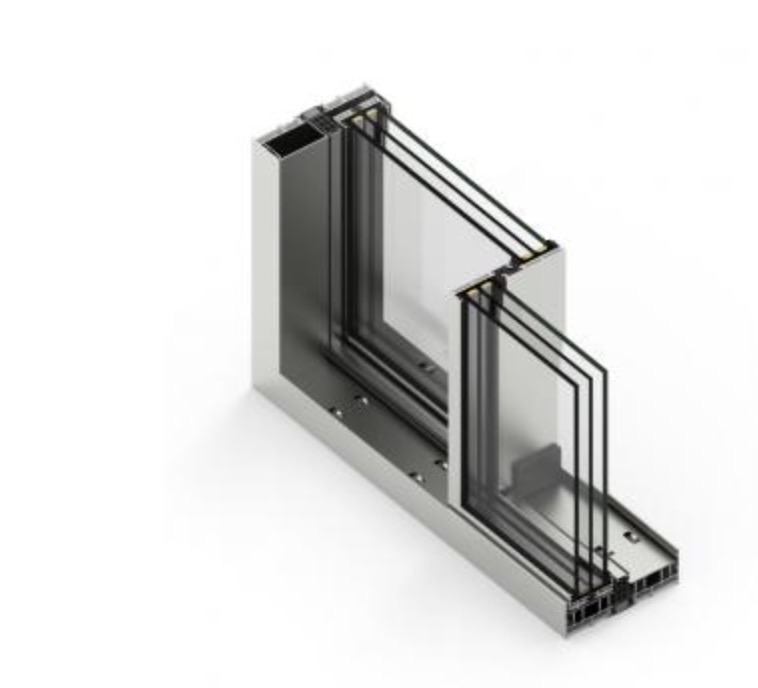
Aluminum windows are crafted from extruded aluminum profiles, often incorporating a thermal break to enhance energy efficiency. The raw aluminum is treated, shaped, and assembled with precision, and may be finished with powder coating or anodisation for added durability and aesthetics. The result is a sleek, robust frame that can be tailored to a variety of shapes and sizes, making it a favourite for both residential and commercial applications.
Key Features of Aluminum Windows
- Strength and Rigidity: Aluminum's inherent strength allows for thinner frames and larger panes of glass, maximising natural light and views.
- Customisation: Wide range of colours, finishes, and styles, including the popular metallic and matte looks.
- Low Maintenance: Resistant to rust, corrosion, and weathering, requiring minimal upkeep compared to wood.
- Recyclability: Aluminum is a sustainable choice, being 100% recyclable without loss of quality.
Understanding PVC Windows
Material Composition and Manufacturing
PVC, or polyvinyl chloride, is a synthetic plastic polymer that has become a mainstay in window manufacturing. Modern PVC windows are made from unplasticised (uPVC) or rigid PVC, ensuring stability and durability. The material is extruded into profiles, reinforced (often with steel or aluminium internally for strength), and welded or mechanically joined to create frames with excellent performance characteristics.
Key Features of PVC Windows
- Thermal Insulation: Naturally low thermal conductivity, offering superior insulation properties.
- Affordability: Generally more cost-effective than aluminum, making them attractive for budget-conscious projects.
- Low Maintenance: Does not require painting or sealing; easily cleaned with soap and water.
- Variety of Finishes: Available in a range of colours, including wood-effect laminates to complement traditional or modern designs.
Durability: How Aluminum and PVC Perform Over Time
Aluminum Windows: Built for Longevity
One of aluminum's most celebrated attributes is its exceptional durability. Engineered to withstand the harshest weather conditions, aluminum frames do not warp, crack, or swell when exposed to moisture or temperature fluctuations. Modern protective coatings, such as powder coating and anodisation, further enhance resistance to corrosion, fading, and surface damage.
In coastal or industrial environments, where salt, pollution, and humidity can degrade other materials, aluminum maintains its integrity for decades. The material's non-combustible nature also adds a layer of safety, particularly in fire-prone areas. With proper installation and minimal maintenance, aluminum windows can easily last 40 years or more without significant deterioration.
PVC Windows: Engineered for Stability
PVC windows, while not as inherently strong as aluminum, have evolved considerably in terms of durability. Advances in formulation and reinforcement techniques have produced frames that resist warping, rotting, and insect damage. PVC is impervious to water, making it an excellent choice for damp environments or where condensation is a concern.
However, PVC is more susceptible to degradation from prolonged exposure to ultraviolet (UV) radiation, especially in regions with intense sunlight. High-quality PVC windows incorporate UV stabilisers and protective coatings to mitigate this risk, but over decades, some discolouration or brittleness can occur. Proper maintenance, such as regular cleaning and avoiding harsh chemicals, will extend the lifespan of PVC frames to around 25-35 years on average.
Thermal and Acoustic Insulation: Creating a Comfortable Interior
Thermal Performance of Aluminum Windows
Historically, aluminum was criticised for its high thermal conductivity, which allowed heat to transfer easily between indoors and outdoors, leading to energy loss. This challenge has been overcome with the introduction of thermal breaks: sections of low-conductivity material (often polyamide) inserted between the interior and exterior aluminum profiles. These breaks significantly reduce heat transfer, bringing thermal performance in line with, or even surpassing, some PVC windows.
High-performance double or triple glazing, combined with thermally broken aluminum frames, results in windows that meet or exceed strict energy efficiency standards. The precision engineering of aluminum profiles also allows for tight seals and advanced weatherstripping, further enhancing insulation and reducing drafts.
Thermal Performance of PVC Windows
PVC's natural low thermal conductivity is one of its strongest selling points. Even without additional insulating materials, PVC frames act as effective barriers against heat loss or gain. The multi-chambered design of modern PVC profiles increases this effect, trapping air within the frame and improving overall insulation.
When paired with energy-efficient glazing, PVC windows can achieve outstanding U-values (a measure of heat transfer), making them a preferred choice in climates where thermal performance is paramount. PVC frames are also less prone to condensation, contributing to a healthier indoor environment.
Acoustic Insulation: Blocking Out the Noise
Both aluminum and PVC windows can deliver excellent sound insulation when fitted with appropriate glazing. The frame material plays a supporting role, with the primary determinant being the thickness and composition of the glass units. However, the tightness of the frame-to-glass seal and the profile's design can influence acoustic performance.
- Aluminum: Rigid frames and precision engineering enable strong seals, minimising vibration and sound transmission. With the right glazing, aluminum windows can achieve impressive levels of noise reduction.
- PVC: The flexible nature of PVC can dampen vibrations, and the multi-chambered profiles add an extra layer of sound insulation. As with aluminum, pairing with acoustic glazing enhances performance significantly.
In summary, both materials can meet high acoustic insulation requirements, but the final result depends on the glazing and installation quality.
Comparing Prices: Initial Investment and Long-Term Value
Cost of Aluminum Windows
Aluminum windows typically command a higher upfront price compared to PVC. The reasons for this include the cost of raw materials, more complex manufacturing processes, and the premium finishes often associated with aluminum products. Custom shapes, large sizes, and specialised coatings can further increase costs.
However, the longevity and minimal maintenance requirements of aluminum windows contribute to a lower total cost of ownership over time. Their durability ensures fewer replacements and repairs, while their aesthetic versatility can enhance property value, especially in high-end or architecturally significant projects.
Cost of PVC Windows
PVC windows are known for their affordability, making them a popular choice in both new build and renovation projects. The material is less expensive to produce, and the manufacturing process is highly automated, resulting in cost savings passed on to the consumer. Standard sizes and finishes offer the best value, while premium laminates or customised designs may increase the price.
While PVC windows may require more frequent replacement in harsh environments or after decades of use, their lower initial investment makes them an attractive option for budget-conscious buyers or those renovating on a large scale.
Value for Money: A Long-Term Perspective
When evaluating the price of aluminum versus PVC windows, it is important to consider not just the purchase cost, but also factors such as maintenance, energy savings, and potential impact on property value. Aluminum's higher upfront cost may be offset by its durability and minimal upkeep, while PVC's insulation efficiency can lead to lower energy bills. Ultimately, the best value depends on the specific requirements of the project and the priorities of the owner.
Aesthetics and Design Possibilities
Aluminum: Modern, Minimalist, and Versatile
Aluminum windows are celebrated for their sleek, contemporary appearance. The strength of the material allows for slim profiles and expansive glass areas, creating a minimalist look that suits modern and industrial architecture. The flexibility of aluminum makes it suitable for bespoke shapes, curved frames, and large sliding or folding systems, offering architects and designers unparalleled creative freedom.
Finishes range from classic metallics to bold colours, with advanced powder coatings providing excellent resistance to fading and scratching. Whether aiming for a subtle frame that blends into the building's façade or a statement feature in a bold hue, aluminum delivers a refined, high-end finish.
PVC: Versatility and Warmth
PVC windows have evolved significantly in terms of design and finish. While traditionally associated with white frames, today's PVC windows are available in a vast array of colours, textures, and wood-effect laminates. This adaptability makes them suitable for traditional homes, cottages, and period properties where a classic or timber-look finish is desired.
The thicker profiles of PVC windows can provide a sense of substance and warmth, appealing to those who prefer a more conventional appearance. However, advances in profile engineering have enabled slimmer sightlines and more contemporary aesthetics, broadening PVC's appeal across a range of architectural styles.
Maintenance Requirements: Keeping Windows in Prime Condition
Aluminum Windows: Low Effort, High Reward
One of aluminum's standout features is its low maintenance requirement. The inert nature of the material means it does not rust, rot, or attract pests. Powder-coated or anodised finishes protect against scratches and fading, ensuring the frames retain their appearance with minimal intervention.
- Cleaning: Occasional washing with mild soapy water and a soft cloth is typically all that is needed.
- Inspection: Annual checks for damaged seals or hardware are recommended, but repairs are rarely necessary.
- Re-coating: Not generally required, but possible if a colour change or surface refresh is desired after many years.
PVC Windows: Simple Care for Lasting Performance
PVC windows also offer a low-maintenance solution. The non-porous surface resists staining and can be easily cleaned, while the frames do not require painting or special treatments.
- Cleaning: Regular wiping with a damp cloth and mild detergent removes dirt and grime.
- Protection: Avoid abrasive cleaners or solvents that may damage the surface or cause discolouration.
- Hardware Checks: Periodic lubrication and adjustment of hinges and locks will ensure smooth operation over time.
While both materials are highly durable, aluminum may have a slight edge in harsh environments or demanding applications due to its superior resistance to impact and extreme weather.
Environmental Impact and Sustainability
Aluminum: The Green Metal
Aluminum is often hailed as a sustainable building material due to its recyclability. Up to 75% of all aluminum ever produced remains in use today, thanks to efficient recycling processes that require only 5% of the energy needed for primary production. Modern aluminum windows often incorporate a high percentage of recycled material without compromising strength or appearance.
In terms of lifecycle impact, aluminum's durability reduces the frequency of replacement, and the lightweight nature of the material can lower transportation emissions. Responsible sourcing and manufacturing practices further enhance its green credentials.
PVC: Progress in Sustainable Production
Historically, PVC has faced criticism due to concerns about environmental impact, especially in terms of production and end-of-life disposal. However, significant progress has been made in recent years. Many manufacturers now use lead-free stabilisers and implement recycling programmes for off-cuts and end-of-life frames. Recycled PVC can be incorporated into new window profiles, reducing waste and conserving resources.
PVC's excellent insulation properties also contribute to reduced energy consumption in buildings, indirectly supporting sustainability goals. It is important, however, to select PVC windows from reputable manufacturers committed to eco-friendly practices.
Security: Keeping Your Property Safe
Aluminum Windows: Robust and Resilient
Aluminum's strength makes it a formidable barrier against forced entry. High-quality aluminum frames, combined with advanced locking systems and laminated glazing, can achieve top security ratings. The rigidity of the material resists bending or prying, providing peace of mind for homeowners and building occupants.
Security features may include multi-point locking mechanisms, reinforced hinges, and toughened or laminated glass. Custom security upgrades are easily integrated, making aluminum windows an excellent choice for properties where safety is a paramount concern.
PVC Windows: Safe and Secure
Modern PVC windows are designed with security in mind. Internal reinforcements (often steel) strengthen the frame, while multi-point locks and tamper-resistant hardware deter intruders. The flexibility of PVC allows for tight seals and secure glazing beads, further enhancing security.
While not as inherently strong as aluminum, well-engineered PVC windows can meet stringent security standards. As with aluminum, the quality of installation and hardware selection is critical to achieving optimal protection.
Weather Resistance: Withstanding the Elements
Aluminum: Unyielding in Adverse Conditions
Aluminum's resilience to weather is one of its defining qualities. The material does not swell, warp, or crack in response to humidity, rain, or extreme temperatures. Protective finishes guard against corrosion from salt, pollution, and ultraviolet radiation, making aluminum windows suitable for coastal, industrial, and high-altitude locations.
Even after decades of exposure, aluminum frames maintain their structural integrity and appearance, requiring little more than occasional cleaning to remain in peak condition.
PVC: Adaptable to Most Climates
PVC windows perform well in most weather conditions, thanks to their moisture resistance and stable construction. The non-porous surface prevents water ingress, while modern formulations resist fading and discolouration from sunlight.
In extremely hot climates, lower-quality PVC may be prone to expansion or warping, but high-quality products with UV stabilisers are engineered to withstand these challenges. Regular maintenance and correct installation are essential to prevent issues such as seal failure or condensation.
Installation Considerations: Ensuring Optimal Performance
Professional Installation: Key to Success
Regardless of material, the quality of window installation is critical to achieving the full benefits of durability, insulation, and security. Precision fitting ensures airtight seals, smooth operation, and long-term reliability. Professional installers will assess the building structure, measure accurately, and address any potential challenges such as uneven openings or integration with insulation systems.
Both aluminum and PVC windows can be installed in new constructions or as replacements in existing openings. Considerations include:
- Structural support: Larger aluminum windows may require additional reinforcement due to their size and weight.
- Thermal bridging: Proper use of thermal breaks in aluminum and multi-chamber designs in PVC prevents unwanted heat transfer.
- Weatherproofing: High-quality seals, tapes, and flashings are essential to prevent water ingress and drafts.
- Finishing: Careful finishing around the frame ensures a neat appearance and protects against air and water leaks.
Engaging experienced professionals for installation will safeguard your investment and ensure the windows perform to their full potential.
Regulatory Compliance and Certifications
Energy Efficiency Standards
Stringent regulations govern the energy efficiency of windows in most regions. Both aluminum and PVC windows can be engineered to meet or exceed these standards, with performance measured in terms of U-values, solar heat gain coefficients, and air tightness.
Look for products that carry recognised certifications or comply with local building codes, as these guarantee that the windows have been independently tested for thermal and acoustic performance, security, and durability.
Quality Marks and Guarantees
Leading manufacturers of aluminum and PVC windows offer warranties covering materials and workmanship, typically ranging from 10 to 25 years. Quality marks from industry bodies provide additional assurance of product reliability and performance.
Before making a purchase, request documentation of compliance and clarification of warranty terms to ensure your chosen windows deliver long-term peace of mind.
Case Studies: Aluminum vs. PVC in Real-World Applications
Luxury Urban Apartments: The Aluminum Advantage
In high-end urban developments, the desire for uninterrupted views and minimalist design often leads architects to specify aluminum windows. Their slim frames and strength allow for expansive glazing without compromising structural integrity. Powder-coated finishes offer a refined, contemporary appearance that complements modern interiors and exteriors.
The durability of aluminum is particularly valued in city environments, where exposure to pollution and weather demands materials that retain their quality over time. Residents benefit from enhanced security, low maintenance, and energy efficiency, making aluminum windows a worthy investment in luxury settings.
Suburban Family Homes: The Comfort of PVC
For family homes in suburban areas, PVC windows are a popular choice due to their affordability, thermal insulation, and versatility. The wide range of finishes enables homeowners to match windows to traditional brickwork or contemporary render, while the energy-saving properties contribute to reduced heating and cooling costs.
Parents appreciate the low maintenance requirements and safety features, while the insulating qualities create a comfortable living environment year-round. PVC's resistance to rot and pests also ensures longevity, even in damp or shaded locations.
Coastal Villas: The Resilience of Aluminum
Properties located near the sea face unique challenges, including exposure to salt-laden air, high humidity, and intense sunlight. In these demanding conditions, aluminum windows excel due to their corrosion resistance and ability to withstand extreme weather.
Specialised coatings protect against fading and surface damage, ensuring the windows remain attractive and functional for decades. The strength of aluminum also enables large openings and panoramic views, enhancing the connection between indoor and outdoor living spaces.
Historic Renovations: PVC with a Traditional Touch
Renovating period properties requires sensitivity to heritage aesthetics alongside improvements in performance. PVC windows, available in wood-effect finishes and with traditional detailing, offer a practical solution for preserving character while enhancing insulation and security.
Double or triple glazing can be incorporated without compromising the appearance, allowing homeowners to enjoy modern comforts in historic surroundings. The affordability of PVC also makes it a cost-effective option for large-scale refurbishments.
Pros and Cons: A Side-By-Side Comparison
Aluminum Windows
- Pros:
- Exceptional strength and durability
- Slim profiles for maximum glass area
- Wide range of colours and finishes
- Excellent weather and fire resistance
- Recyclable and sustainable
- Low maintenance
- Cons:
- Higher initial cost
- Thermal performance depends on quality of thermal breaks
- May feel colder to the touch in winter
PVC Windows
- Pros:
- Excellent thermal insulation
- Affordable initial cost
- Low maintenance
- Variety of finishes, including wood effect
- Resistant to rot, moisture, and pests
- Cons:
- Not as strong as aluminum; large openings may require reinforcement
- Potential for discolouration or brittleness over decades
- Limited recyclability compared to aluminum
- Thicker profiles may not suit all architectural styles
Making the Right Choice: Factors to Consider
Project Requirements and Personal Preferences
The decision between aluminum and PVC windows should be guided by a careful assessment of your project’s unique needs and aesthetic goals. Consider the following factors:
- Budget: Determine your available investment, balancing initial cost with long-term value.
- Climate: Assess the environmental conditions, including exposure to moisture, sunlight, and temperature extremes.
- Architectural Style: Select frames that complement the character and period of your building.
- Performance Priorities: Decide whether insulation, security, or minimal maintenance is most important.
- Regulatory Requirements: Ensure compliance with local building codes and energy standards.
Consultation and Customisation
Every property is unique, and a bespoke approach guarantees the best results. Engage with experienced professionals to discuss your requirements, view samples, and explore custom options in terms of colour, finish, and glazing. Professional advice can help you navigate technical considerations and achieve the perfect blend of style and performance.
Frequently Asked Questions
Are aluminum windows better than PVC in terms of energy efficiency?
Both aluminum and PVC windows can be engineered to deliver excellent energy efficiency. PVC naturally insulates well, while modern aluminum frames with thermal breaks match or exceed PVC's performance. The key is to select quality products with low U-values and appropriate glazing.
How long do aluminum and PVC windows last?
Aluminum windows typically last 40 years or more with minimal maintenance, while high-quality PVC windows offer a lifespan of 25-35 years. Environmental factors and product quality can influence these figures.
Can I change the colour of my windows in the future?
Aluminum windows can be re-coated if you wish to update the colour after installation. PVC windows cannot be painted in the traditional sense, but some specialist coatings are available. It is advisable to choose a timeless colour or finish from the outset.
Which material is best for coastal properties?
Aluminum is generally preferred for coastal properties due to its resistance to corrosion and fading. Special marine-grade finishes are available for maximum durability. High-quality PVC can perform well, but may require more frequent replacement in harsh marine environments.
Do both materials offer good security?
Yes, both aluminum and PVC windows can be equipped with advanced locking systems and reinforced frames to achieve high levels of security. Installation quality and hardware selection are critical to maximising protection.
Conclusion: Finding the Ideal Solution for Your Home or Project
The choice between aluminum and PVC windows is a significant decision with lasting implications for the comfort, performance, and value of your property. Aluminum windows offer unmatched durability, strength, and modern aesthetics, making them the preferred option for high-end, architecturally ambitious, or challenging environments. PVC windows, on the other hand, excel in insulation, affordability, and versatility, providing a practical solution for a wide range of residential and commercial applications.
By carefully considering factors such as climate, architectural style, budget, and personal preferences, you can select windows that not only meet your immediate needs but also enhance the long-term enjoyment and value of your space. Engaging experienced professionals for consultation and installation ensures that your investment delivers optimal results, whether you opt for the sleek sophistication of aluminum or the cosy efficiency of PVC.
Ultimately, both materials represent major advances in window technology, offering solutions that blend beauty, performance, and sustainability for modern living. Take the time to assess your options, prioritise your requirements, and make the choice that will bring comfort, style, and peace of mind for years to come.