


Introduction: The Evolution of Seasons in Spain
The rhythm of life in Spain has long been defined by its seasons—a vibrant tapestry woven from sun-drenched summers, temperate springs, colorful autumns, and mild winters. Yet, in recent decades, both residents and visitors have observed perceptible changes in the length and character of these seasons. Conversations among locals frequently touch on how the summer seems to stretch a little longer each year, autumnal colors arrive later, and winters grow increasingly brief and unpredictable. This phenomenon prompts an essential inquiry: Are the seasons in Spain actually longer now than in the past?
This article delves deeply into this intriguing question, analyzing scientific research, climate data, and expert perspectives to uncover the multifaceted factors driving these seasonal shifts. We will explore Spain's diverse geography, historical climatology, the influence of climate change, and the profound effects on culture, society, tourism, agriculture, and the real estate sector. By the end, you will gain a nuanced understanding of how and why Spain's seasons are transforming, and what this means for the future of life in this enchanting country.
Spain’s Diverse Climate: A Land of Contrasts
To understand how Spain’s seasons are evolving, it is crucial to first appreciate the nation’s exceptional climatic diversity. Spain encompasses a mosaic of microclimates thanks to its unique topography, ranging from the lush hills of Galicia to the sun-baked plains of Andalusia, the Mediterranean coastlines, the arid zones of Murcia and Almería, and the cool mountain air of the Pyrenees.
The Major Climatic Zones
- Mediterranean Climate: Characterized by hot, dry summers and mild, wetter winters. Dominates the coastal regions such as Costa del Sol, Costa Blanca, and Barcelona.
- Oceanic Climate: Found in the north—Galicia, Asturias, Cantabria, and the Basque Country—marked by moderate temperatures and higher rainfall year-round.
- Continental Climate: Central regions like Madrid, Castilla-La Mancha, and Aragón experience greater temperature extremes, hotter summers, and colder winters.
- Semi-arid Climate: Southeastern areas such as Murcia and Almería see low precipitation and very high summer temperatures.
- Mountain Climate: The Pyrenees and Sierra Nevada exhibit cool summers and cold, snowy winters.
Each of these zones experiences the four seasons differently—a key point when investigating shifts in seasonal duration across Spain.
Historical Perspective: Traditional Seasonal Patterns
Spain’s seasonal cycle has been recorded since Roman times and meticulously chronicled through agricultural almanacs, local traditions, and folklore. Historically, the four seasons followed a fairly predictable pattern:
- Spring (Primavera): Mid-March to end of May. Marked by blossoming flora and moderate temperatures.
- Summer (Verano): June to mid-September. Hot, dry, and sunny, often reaching into the high 30s (Celsius).
- Autumn (Otoño): Mid-September to end of November. A transitional period with cooling temps and harvest festivals.
- Winter (Invierno): December through mid-March. The coldest period, with snow in the mountains and milder conditions along the coasts.
This regularity shaped agricultural schedules, festivals, and daily life for generations. But, as climate trends in the 21st century show, these calendar-guided patterns are shifting.
Scientific Evidence: Are the Seasons Shifting?
Extensive research by Spanish and international climatologists provides compelling evidence that the seasons are indeed changing—not just anecdotally, but measurably. Multiple datasets corroborate the perception that summers are extending and winters are contracting.
Key Findings from Spanish Meteorological Studies
- Temperature Increases: Spain’s average annual temperature has climbed by approximately 1.5°C since 1970, according to the Spanish Meteorological Agency (AEMet).
- Changing Onset and Duration: The onset of spring is occurring, on average, 8-10 days sooner than in the mid-20th century, while the summer heat is lasting longer, often into early October.
- Reduced Frost Days: Frost-free periods in central and northern Spain now last up to 20 days longer than 30 years ago.
- Varied Regional Effects: In Mediterranean zones, “beach season” often stretches from April well into October, while higher-altitude areas experience shorter, milder winters.
National agencies and independent research groups continue to monitor Spain’s climate, consistently confirming a movement towards protracted warm seasons and condensed cold periods.
The Role of Climate Change in Spain’s Seasonal Lengthening
The most significant driver behind the evolution of Spain’s seasons is the phenomenon of global climate change. Spain is considered one of Europe’s most climate-vulnerable countries, and mounting scientific consensus points toward human-driven warming as the principal cause.
Mechanisms of Change
- Greenhouse Gas Emissions: Rising concentrations of CO2 and other greenhouse gases trap heat, disrupting historical weather patterns.
- Heat Waves: The frequency and intensity of heat waves have soared, particularly in central and southern Spain—these now frequently begin in late spring and extend into autumn.
- Diminished Rainfall: Many regions, notably the south and southeast, are experiencing longer dry spells, shrinking the boundaries of “true” autumn and spring.
- Record-Breaking Temperatures: Each year, more ‘all-time’ records are set for high temperatures during months traditionally classified as spring or autumn.
The net effect is the elongation of the warm season at the expense of spring, autumn, and, especially, winter.
Regional Case Studies: How the Changes Manifest
The impact of these shifting seasons is not uniformly distributed across Spain. Let’s examine key regions to understand how each experiences and adapts to the lengthening of summer and the contraction of winter.
The Mediterranean Coast (Costa del Sol, Costa Blanca, Barcelona)
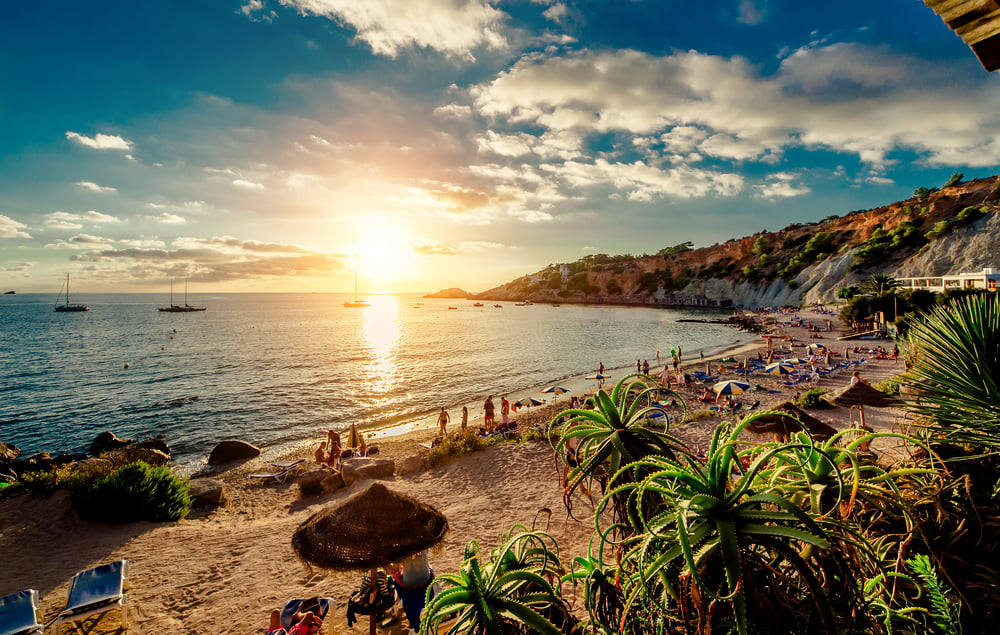
Mediterranean Spain’s iconic coast is where seasonal changes are perhaps most evident. The coast now boasts nearly seven consistent months of beach-friendly weather, with spring-like conditions emerging in February and the true heat extending into mid-October. Figures from AEMet indicate that the average number of “high summer” days (over 30°C) has jumped by more than 30% since the 1980s. This has led to earlier tourist arrivals, longer holiday rental seasons, and extended restaurant and leisure activities.
Central Spain (Madrid, Castilla-La Mancha, Extremadura)
Madrid and its surroundings, at the heart of the Iberian Peninsula, have historically experienced marked temperature contrasts. Here, summer heat often now arrives by late May and lingers into late September. In recent years, winter temperatures have rarely dipped to historical lows and the snow season in surrounding mountains is drastically shorter.
Northern Spain (Basque Country, Cantabria, Galicia)
The north, while still moderated by Atlantic influences, is not immune to longer, warmer periods. Frost-free days now stretch well into late autumn, and grape harvests in Rioja and Galicia are moving up by several weeks compared to past decades—clear indicators of earlier, warmer springs and longer summers.
The Islands (Balearics and Canary Islands)
Both archipelagos already enjoyed “eternal spring,” but even so, subtle changes are being documented. The Balearics see hotter and longer summers, while the Canaries report higher average sea temperatures and shifting marine ecosystems, signaling protracted warm periods and less temperature variance year-round.
Impacts on Spanish Society and Culture
The changing calendar of the seasons exerts a profound influence on Spanish society, which has, for centuries, synchronized its rhythms and rituals with nature.
Festivals and Public Life
- Festivals: Many regional festivals historically mark seasonal transitions—harvest feasts, spring fairs, and winter celebrations. Shifts in seasonal boundaries have prompted changes in festival timing and even the ways these traditions are celebrated.
- Outdoor Life: The customary “veraneo” (summer holiday exodus) is extending, with urbanites seeking the coast or countryside from late spring through autumn. Restaurant terraces, “chiringuitos” (beach bars), and open-air events last longer each year.
Daily Routines and Lifestyle
- Work and School Calendars: Heat waves and protracted summers have prompted some regions to adjust school and business calendars, introducing more flexible schedules and earlier summer breaks.
- Siesta and Leisure: The tradition of the midday siesta is adapting as extreme heat extends into more days of the year, affecting work-life patterns.
The interplay of climate and culture in Spain is dynamic, responding both consciously and organically to the expanded 'summer' season.
The Shift in Spanish Agriculture
Agriculture, the backbone of Spain’s rural economy, is highly sensitive to changes in seasonal duration and temperatures. As the growing season shifts, so too does the timing—and sometimes the viability—of key crops.
Earlier Planting and Harvest Times
- Grapes and Olives: Vineyards in Rioja and Andalucía now harvest up to two weeks earlier, due to accelerated ripening from lingering warmth.
- Fruit and Vegetables: The timing of harvest for tomatoes, peppers, and citrus has advanced, and some varieties are being phased out in favor of climate-resilient strains.
Challenges and Opportunities
- Drought and Water Stress: Prolonged dry periods challenge irrigation systems and have forced investment into water-saving technologies.
- Crop Diversification: Some regions introduce new, heat-tolerant crops (such as almonds and avocados) to adapt to the longer warm season.
These changes are reshaping rural landscapes, with both risks and rewards for farmers responsive to the new realities of Spanish seasons.
Consequences for Spanish Tourism
Spain’s status as one of the world’s leading tourist destinations is closely linked to its climate. The elongation of the warm season carries sweeping ramifications for the travel industry.
Benefits
- Longer Tourist Season: Destinations on the Costa del Sol, Costa Blanca, and the islands now welcome sun-seekers from March through October, boosting occupancy rates and revenues.
- More Diverse Experiences: Early and late-season travel is increasingly popular, offering milder temperatures and fewer crowds.
Challenges
- Heat Waves and Comfort: Peak-summer temperatures occasionally deter tourists or require adaptations in infrastructure—hotel cooling systems, shaded public areas, and heat-alert protocols are increasingly common.
- Ecosystem Stress: Certain areas experience strain on water supply, beaches, and parklands due to a heavier and more prolonged tourist footprint.
While overall positive for Spain’s tourism sector, the shift demands agile responses and thoughtful planning for sustainability.
Effects on Spanish Real Estate
The climate-driven transformation of Spain's seasons has also begun reshaping preferences in the real estate domain. Prospective buyers and tenants—both domestic and international—are increasingly attentive to how climate, comfort, and sustainability intersect in property choices.
Shifting Demand Patterns
- Coastal and Island Properties: Properties with pool access, strong air conditioning, and outdoor shady areas are at a premium, reflecting extended summers.
- Year-Round Use: The longer mild periods make it viable to live (or let homes) year-round, driving interest in off-season rentals and long-term leases.
Adaptation and Innovation
- Energy-Efficient Homes: Demand is rising for properties with high insulation, solar panels, and efficient cooling/heating systems.
- Landscaping for Heat: Traditional gardens are giving way to drought-resistant landscapes and features like shaded patios, pergolas, and automated sprinkler systems.
For both current homeowners and those seeking new property, responding to Spain’s evolving climate is simultaneously a challenge and an opportunity.
Ecological Ramifications
Beyond human concerns, the elongation of Spain’s seasons has direct and sometimes dramatic consequences for the country’s unique ecological heritage.
Biodiversity and Natural Cycles
- Shifts in Flora and Fauna: Many plant and animal species are altering their migration, breeding, and flowering cycles in response to warmer, longer seasons. Some are thriving, while others face new threats.
- Forest Health: Extended dry seasons elevate fire risk—Spain has witnessed increasingly destructive wildfires in recent years, impacting both landscapes and communities.
- Water Resources: Wetlands, rivers, and aquifers are experiencing stress from reduced precipitation and increased evaporation.
Conservation groups and scientists are working to mitigate these risks and foster adaptation, but the pace of change necessitates heightened vigilance and evolving management practices.
Future Projections: How Will Spain’s Seasons Evolve?
What might the future hold for the seasons in Spain? Climate models from leading institutions provide scenario-based insights into how the length and intensity of each season could change through mid-century and beyond.
Key Projections
- Even Longer Summers: By 2050, Spain’s warm season could last up to six months in many regions, with true “summer” weather drifting into both spring and autumn.
- Further Shrinking Winters: The likelihood of snow events in lowland areas will diminish, and the winter period could contract to as little as 2-3 months, mostly in the north and higher elevations.
- More Extreme Events: Heat waves, drought, and occasional heavy rainfall will punctuate the extended seasons, requiring robust preparation.
Policy-makers, communities, and private stakeholders in Spain are aligning national adaptation strategies and resilience measures to guide this ongoing climatological transformation.
How Residents and Visitors Are Adapting
As Spain’s seasons evolve, so too do the strategies of those who live in and visit the country. Adaptation is visible in both day-to-day tactics and long-term planning.
Home Life
- Insulation and Cooling: Homeowners invest in thermal insulation, energy-efficient air conditioning, and natural cooling methods such as cross-ventilation and landscaping.
- Flexible Schedules: Activities and routines are increasingly planned to avoid peak midday heat, and siesta traditions are modified as needed.
Travel and Leisure
- Off-Season Holidays: Travelers look to spring and autumn for vacations, taking advantage of prolonged good weather while avoiding the summer’s intensity.
- Nature Engagement: Early-morning and late-afternoon outings are preferred, and there’s a growing emphasis on eco-friendly, sustainable travel to support resilience in communities and natural spaces.
Policy and Planning: Building Resilience
Governments at all levels in Spain recognize the pressing need to manage the challenges and seize the opportunities posed by shifting seasons.
Initiatives in Place
- Water Management: Nationwide investments in irrigation modernization, wastewater recycling, and reservoir infrastructure aim to mitigate water stress.
- Energy Transition: Spain’s ambitious renewable energy targets seek to reduce greenhouse emissions and build climate resilience.
- Urban Planning: Cities and towns adapt with more green spaces, shaded public areas, and requirements for energy efficiency in construction.
- Educational Campaigns: Public awareness efforts highlight the new seasonal norms and promote health and safety during prolonged warm periods.
The Role of IMMO ABROAD in an Evolving Climate
In the context of expanding warm seasons and shorter winters, IMMO ABROAD continues to advise clients with up-to-date, location-specific expertise. Whether seeking a sun-drenched holiday home on the Costa Blanca, a mountain retreat in the Pyrenees, or a city apartment in Madrid, clients benefit from insights into how the local climate will impact property enjoyment—and long-term value.
- Property Selection: Knowledge of climatic trends enables clients to choose homes that are comfortable, efficient, and well-suited for year-round living.
- Investment Advice: Guidance on renovations and upgrades ensures that properties meet the demands of future climate conditions—maximizing rental yields, sustainability, and comfort.
- Community Integration: IMMO ABROAD assists in understanding the evolving lifestyle patterns in each region, facilitating a seamless transition for newcomers and supporting ongoing engagement for existing residents.
This commitment to client-focused adaptation and resilience places IMMO ABROAD at the heart of Spain’s vibrant, changing landscape.
Conclusion: Embracing a New Seasonal Reality
The question, “Do the seasons last longer in Spain than before?” is no longer only a topic for local debate or poetic musings—it is now a scientifically validated reality. Spain is experiencing longer, hotter summers, shorter, milder winters, and shrunken transitional periods of spring and autumn. These changes, largely driven by global climate forces, have deep implications for society, culture, ecosystems, tourism, agriculture, and property markets.
Yet, Spain remains a nation of resilience and innovation, responding creatively to new norms while preserving its centuries-old traditions and appeal. Whether you are a resident, a regular visitor, or considering making Spain your home, understanding the evolution of the seasons is key to making informed decisions and enjoying everything this remarkable country has to offer.
In the years ahead, the climate may continue to evolve—but so too will Spain’s ability to adapt, thrive, and welcome those drawn to its timeless charm and ever-changing warmth.
Frequently Asked Questions (FAQ) About Spain’s Changing Seasons
- Are summers in Spain really longer than before?
Yes, scientific data confirm that summers in Spain now last longer, with high temperatures starting earlier in the year and lasting well into the autumn.
- Is this change uniform across the country?
No, the changes vary by region. The Mediterranean coast, central plains, and south experience the most pronounced extensions of the warm season, while the north and mountains show more moderate shifts.
- How does this affect property ownership or rental in Spain?
Longer warm periods mean wider opportunities for year-round living and letting, but also require consideration of cooling and energy efficiency in the property selection process.
- Is Spain still attractive for tourism despite the changes?
Absolutely; the expanded beach season, combined with milder shoulder periods, enhances Spain’s appeal. However, travel practices and local infrastructure are adapting to new climatic realities.
- What’s being done to adapt to these longer seasons?
Spain is investing in water management, urban resilience, energy sustainability, and public awareness to ensure both residents and visitors can continue to enjoy life under the Mediterranean sun, whatever the season may bring.
Resources for Further Insight
- Spanish Meteorological Agency (AEMet) climate reports and projections
- Academic studies on Mediterranean and Iberian climate change
- Local government adaptation and sustainability strategies
- Community forums and agricultural cooperatives sharing real-time seasonal insights
The seasons in Spain—shaped by history, nature, and now, a rapidly changing world—continue to set the pulse of the country. Understanding their evolution is more than an academic exercise; it is a guide to thriving within the new Mediterranean reality.