





Understanding the Ayuntamiento: The Cornerstone of Spanish Local Government
The word ayuntamiento holds immense significance within the context of Spanish civic life. Often translated as “town hall” or “municipality,” the ayuntamiento operates as the axis of local administration, representing not just the seat of governmental authority within communities, but also the beating heart of civic interaction, community decision-making, and local service provision. This article provides an in-depth exploration of everything you need to know about the ayuntamiento in Spain, encompassing its historic roots, organizational structure, legal framework, manifold responsibilities, and influential role in daily life and real estate transactions.
The Historical Evolution of the Ayuntamiento in Spain
To truly appreciate the importance of the ayuntamiento, it is essential to examine its historical origins. The story of the Spanish ayuntamiento stretches back to medieval times, when emerging local communities required autonomous bodies to govern day-to-day affairs independently from centralized royal powers. Initially, these bodies were gatherings of local notables or leading families who convened to resolve community matters.
The model was formalized over centuries, especially during the reign of the Catholic Monarchs (Ferdinand and Isabella). During this pivotal era, the term “ayuntamiento” began to be widely adopted, cementing its association with the local council. During later centuries, the structure of these councils evolved under successive monarchs and legislative reforms, gradually incorporating democratic principles and citizen participation, especially after the Spanish Constitution of 1812 and later constitutions that emphasized municipal self-governance.
This decades-long evolution means that today’s ayuntamiento is the product of both tradition and modern legal systems, essential for fostering community identity while efficiently serving diverse, contemporary needs.
Legal Framework: The Ayuntamiento’s Place in Spanish Law
The ayuntamiento is governed by a distinct set of Spanish legal provisions. The most important is the Ley 7/1985, Reguladora de las Bases del Régimen Local (Law on the Basis for Local Regimes), which provides the core regulations for how municipalities are governed, their competences, and their relationship with other branches of administration.
Complementing this is the Spanish Constitution of 1978, which guarantees the autonomy of municipalities and explicitly mentions the importance of local government. The law divides Spain into autonomous communities and, within those, provinces and municipalities, each administered by their respective ayuntamientos.
Every Spanish municipality, regardless of its population, has to have an ayuntamiento, with the specifics of organization, size, and scope of responsibilities depending on the population, category, and local circumstances. The law also dictates procedures for municipal elections and the mechanisms citizens can use to engage with their local government.
The Ayuntamiento’s Organizational Structure
Behind the imposing façade of every town hall lies a complex and well-ordered structure. The organization of the ayuntamiento reflects the need for both efficiency and democratic representation. The main elements of this structure include:
- The Alcalde (Mayor): The highest authority and figurehead of the ayuntamiento, elected by the municipal council. The mayor represents the municipality, directs municipal administration, and enforces the law within its jurisdiction.
- The Pleno (Municipal Council): The plenary assembly of elected councillors. It acts as a decision-making body, approving budgets, regulations, and significant municipal projects. Councillors' total number varies according to the size of the population.
- The Junta de Gobierno Local (Local Government Board): An executive committee led by the mayor and typically including deputies and nominated councillors. It makes routine executive decisions and prepares issues to be debated by the full council.
- Municipal Departments: Large ayuntamientos have multiple specialized departments—urban planning, finance, citizen services, social affairs, traffic, culture, youth, tourism, and more—each managed by civil servants and technical staff.
- Civil Service Staff: Administrative and technical personnel provide the day-to-day services to residents, support councillors, and maintain records, ensuring that municipal business runs smoothly.
This hierarchical structure creates both accountability and expertise, enabling the efficient delivery of public services and the representation of local interests.
The Key Functions and Responsibilities of the Ayuntamiento
The ayuntamiento’s remit stretches far beyond the symbolic. Its functions are both broad and essential, touching every resident’s daily life in profound ways.
- Urban Planning and Development: Designing and managing the urban environment—land use planning, issuing building permits, overseeing public infrastructure, and ensuring sustainable local development.
- Local Services Management: The ayuntamiento organizes and funds crucial services such as waste collection, street cleaning, water supply, lighting, local police, and fire departments.
- Community and Social Welfare: Through various departments, town halls manage social support programs, elderly care, family services, children’s services, and initiatives for residents with special needs.
- Local Taxes and Fees: Collecting municipal taxes (such as property tax, or IBI), license fees (for local businesses), and other public charges fundamental to financing municipal projects and services.
- Cultural and Recreational Initiatives: Promoting local culture through festivals, libraries, concerts, museums, sports facilities, and leisure programs.
- Citizen Participation and Representation: Facilitating civic engagement through neighborhood associations, public meetings, and participatory budgeting schemes.
- Economic Promotion: Stimulating economic growth by supporting local businesses, managing markets, enhancing tourism, and attracting investment.
- Environmental Stewardship: Enforcing local regulations related to green spaces, air and water quality, renewable energy, and sustainable transport.
These wide-ranging responsibilities illustrate the profound impact the ayuntamiento has on every aspect of municipal life, ensuring that towns and cities remain vibrant, functional, and responsive to resident needs.
The Ayuntamiento and Real Estate: Essential Interactions
Anyone considering purchasing, selling, or renovating property in Spain must interact with the ayuntamiento. The town hall is the single most important authority in many aspects of property management, from initial research to the moment keys change hands.
- Land Registry and Catastro: Official property documentation is maintained both at the central “Registro de la Propiedad” (Land Registry) and the municipal “Catastro.” The ayuntamiento manages catastro records, which list property details for tax and administrative purposes.
- Building Permits: All construction and refurbishment projects must be authorized by the municipal technical department. Applications include details of the work, technical drawings, and compliance with building codes.
- Urban Planning Certificates: “Certificado urbanístico” documents are provided by the urbanism office, specifying what can be built on a site and under what conditions.
- Property Taxes: Annual “Impuesto sobre Bienes Inmuebles” (IBI) is collected directly by the ayuntamiento, as are other local taxes related to property use, waste collection, road maintenance, or occupation of public land.
- Licenses for Change of Use: Any change in usage (for example, from private residence to a business premise) must be registered and approved by the local authority through a formal licensing procedure.
- Certificate of Habitability: Required for legal occupation or sale, this certificate proves the property meets local health and safety standards. It is only issued or endorsed by the ayuntamiento.
- Community Development and Neighborhood Associations: Any planned developments or significant changes often involve neighborhood consultation, coordinated by the ayuntamiento to ensure harmonious integration into the area.
Because of the fundamental role of the ayuntamiento in these matters, engaging with qualified advisors is highly recommended for non-residents or those unfamiliar with the Spanish system.
Navigating Ayuntamiento Procedures: Practical Guidance for Residents and Property Owners
Interacting with the ayuntamiento is a regular part of life for all local residents and property stakeholders. Mastery of local procedures equips you to efficiently manage property affairs and utilize local services. Here are critical touchpoints in the relationship between citizens and their ayuntamiento:
- Empadronamiento (Municipal Registration): Essential for residents, registering with the local padrón provides access to municipal services, healthcare, schooling, and even voting in local elections. Registration is simple but mandatory for legal residency.
- Obtaining Certificates: Certificates of residence, proof of life, or other documentation are regularly issued at the ayuntamiento for a range of legal and administrative procedures.
- Paying Local Taxes: Tax payment windows are generally announced annually. Payment can often be managed in person or through municipal online portals, for added convenience.
- Filing Urban Planning Requests: Any planned construction or modification—even minor works—must be processed through municipal technical and architectural offices, sometimes requiring detailed reports or coordination with multiple departments.
- Municipal Complaints and Suggestions: Residents can propose initiatives or lodge complaints regarding public services, road maintenance, noise, or municipal management. Many ayuntamientos now have digital platforms to facilitate quick resolution.
- Participating in Local Elections: Residents—both Spanish and, in many cases, EU citizens—can vote in municipal elections if registered in the local padrón.
- Applying for Housing or Social Assistance: Access to subsidized housing, social care, family support, and other benefits often starts at the ayuntamiento.
Municipal buildings are usually centrally located, accessible, and increasingly modernized to ensure efficient, friendly service.
The Role of the Ayuntamiento in Urban Planning
Perhaps the most visible demonstration of ayuntamiento authority is its hand in urban planning and design. Every Spanish municipality must adopt and periodically revise its “Plan General de Ordenación Urbana” (PGOU). This comprehensive document outlines:
- Land Use Zones: Areas available for residential, commercial, industrial, and green purposes, clearly demarcated to ensure balanced community growth.
- Infrastructure Projects: Plans for streets, schools, health centers, sports, and public amenities, to be funded and developed in the coming years.
- Protection of Heritage: Numerous towns in Spain are home to heritage buildings and protected sites. The ayuntamiento is tasked with safeguarding their character, overseeing renovations, and preventing inappropriate development.
- Sustainability Targets: Increasingly, urban plans must include measures for renewable energy, low-emission transit, and resource-efficient infrastructure to comply with evolving European and national laws.
Property owners and residents should be aware that all activities— from simple façade renovations to large-scale new builds—must be harmonized with this plan. Any modifications require explicit ayuntamiento approval, which helps protect residents’ quality of life while encouraging progressive, organized urban growth.
Key Services Provided by the Ayuntamiento
Every ayuntamiento is responsible, to varying degrees, for orchestrating a symphony of essential public services. Quality and scope depend on municipal size and resources, but the core provisions are typically consistent. Key services include:
- Waste Collection and Environmental Health: Regular collection of household and recyclable waste, street cleaning, pest control, and maintenance of public spaces.
- Transport and Mobility: Regulation of local traffic, supervision of public parking, and (in larger towns) offering or contracting local public bus services.
- Local Police (Policía Local): Responsible for upholding local ordinances, traffic safety, and public order.
- Public Lighting and Water: Managing water distribution networks and maintaining public lighting throughout communal areas.
- Parks, Gardens, and Green Spaces: Maintenance and development of public parks, children’s play areas, and community gardens to enhance urban life.
- Cultural and Sports Centers: Libraries, theaters, museums, municipal sports facilities, and organization of community events.
- Social Services: Municipal offices assist residents with services for the elderly, support for families, childcare, disability assistance, and integration programs.
- Civil Protection and Emergency Management: Collaborating with regional authorities to prepare emergency response plans and community safety campaigns.
These services underpin much of the liveability and character of Spanish towns, contributing to high quality of life and strong community bonds.
The Ayuntamiento as a Platform for Civic Participation
Spanish law mandates that municipal government is not just about administration, but also about participation. Successive legal reforms have strengthened direct citizen involvement in local policy, creating numerous ways for inhabitants to have their voices heard. Common methods include:
- Neighborhood Assemblies: Regular public forums allow residents to voice concerns about safety, public services, cultural issues, and urban development.
- Participatory Budgets: Increasingly, ayuntamientos allocate a portion of the annual budget for direct citizen decision—residents propose, discuss, and vote on projects from park renovations to technology upgrades.
- Online Platforms: Digital participation portals facilitate everything from formal complaints to urban planning suggestions, increasing access and transparency.
- Consultative Councils: Special advisory bodies that include residents, local businesspeople, and associations, who are formally consulted before major decisions.
- Referenda: On rare occasions, specific issues of local importance may be subject to binding or non-binding referenda.
This robust participatory structure fosters a sense of ownership and belonging, empowering communities to shape their towns with dynamism, diversity, and resilience.
How to Access Ayuntamiento Services: In-Person and Online
Ayuntamiento services are increasingly accessible both in traditional offices and via modern digital platforms. For those unfamiliar with Spanish bureaucracy, in-person assistance at the “Oficina de Atención al Ciudadano” (Citizen Service Desk) is efficient and welcoming. Staff members are trained to assist with everything from form filing to payment processing and appointment scheduling.
In parallel, most ayuntamientos now offer comprehensive online portals where users can:
- Request certificates (empadronamiento, proof of residence, urban planning)
- Pay taxes and fees securely
- Register for municipal courses or cultural events
- Schedule appointments with relevant offices or technical departments
- Report local incidents or request public works
- Follow up on construction permits and urban planning files
Registration typically requires a digital certificate or “Cl@ve” system authentication, available to residents and foreigners with a valid NIE. Virtual services accelerate processes, reduce queues, and allow 24/7 access.
Ayuntamiento and Foreign Residents: What You Need to Know
Foreign nationals play an increasingly prominent role in Spanish society and property ownership, especially in popular regions for expatriates. The ayuntamiento ensures equal access for all legal residents, but it is crucial for newcomers to understand their obligations and rights.
The most important first step is the “empadronamiento.” Registration at the local ayuntamiento is compulsory for anyone living in Spain, regardless of nationality. It enables access to benefits such as public health, education, and social programs, and, for EU citizens, even voting in local and European Parliament elections.
Most ayuntamientos have multilingual staff and materials to assist those unfamiliar with the Spanish language. As a best practice, keep relevant documents ready: passport, NIE (Número de Identificación de Extranjero), rental or purchase contract, and proof of address. Once registered, foreigners can:
- Access local schools and health centers for themselves and their families
- Engage in municipal cultural and sports programs
- Benefit from information on taxes, waste collection, and property regulations
- Apply for business or construction licenses
Ayuntamiento staff are typically very experienced in dealing with the needs of the international community, making the integration process as smooth as possible.
Dealing With Important Ayuntamiento Procedures: A Step-By-Step Guide
Below, discover step-by-step guides for the most frequent and essential interaction points with the ayuntamiento:
How to Register on the Empadronamiento
- Visit the Ayuntamiento: Proceed to the Oficina de Padrón or Citizen Office. Check if you need an appointment.
- Provide Required Documentation: Present your valid identification, proof of address (rental contract, utility bill, or property deed), and required forms.
- Fill the Registration Form: Municipal forms are straightforward; staff are available to help if needed.
- Obtain Your Certificate: Once registered, you receive a “certificado de empadronamiento,” required for many further procedures.
Applying for a Building or Renovation Permit
- Prepare Documents: Technical project documents and plans, property deed, and the completed application form.
- Submit to Technical Department: Present the application in person or via the municipal online portal.
- Permit Payment: Pay the municipal fee (the amount depends on the project size).
- Technical Review: Municipal architects review the documents and inspect the site if needed.
- Receive the Permit: Upon approval, the permit (“licencia de obras”) is issued, allowing you to legally begin construction or renovation.
Paying IBI (Property Tax)
- Check Payment Notice: Notices are sent annually to registered property owners.
- Pay by Deadline: Pay at municipal offices, collaborating banks, or online via the ayuntamiento website.
- Keep Proof of Payment: Essential for future transactions or changes in property status.
These guides demonstrate the clarity and transparency that the ayuntamiento strives for in daily dealings with residents, property owners, and businesses.
Ayuntamiento Finances: Revenue, Expenditure, and Investment
Municipal financial management is both a complex technical exercise and a transparent public responsibility. Each ayuntamiento’s annual budget outlines expected income and how it will be spent to deliver local services and promote development.
-
Revenue Sources:
- Local taxes (IBI, vehicle tax, business licenses)
- Fees for permits and services
- Regional and state government transfers
- EU funding, especially for infrastructure and environmental projects
-
Main Expenditure Items:
- Salaries for staff and elected officials
- Contracts for waste management, lighting, and water
- Social, cultural, and sports program funding
- Urban development and maintenance of municipal infrastructure
The ayuntamiento’s budget and financial plan are approved annually in an open council session and published to ensure transparency and allow resident oversight. Responsible fiscal management ensures vibrant public life and long-term municipal solvency.
Special Ayuntamiento Functions: Small Municipalities, City Councils, and Consortia
While the basic model of the ayuntamiento is consistent, there are nuances depending on municipal size and urban or rural characteristics.
Small Villages and Rural Municipalities
In Spain’s smallest communities, the ayuntamiento may be a single official (the mayor) or a very small board. With limited staff, many services are shared with nearby municipalities, coordinated through inter-municipal associations for cost-effectiveness.
Large City Councils
Major cities (Madrid, Barcelona, Valencia, etc.) have highly complex ayuntamientos, divided into multiple districts, each with its own council to increase citizen access. Specialized agencies may exist for transport, social care, or economic development.
Consortia and Metropolitan Areas
When municipalities cluster in conurbations (for example, the Costa del Sol), multiple ayuntamientos cooperate through formal entities known as “mancomunidades” or consortia, managing transport, water, or waste on a larger scale.
This adaptability ensures that the ayuntamiento system remains robust and responsive, from tiny hamlets to major metropolises.
The Ayuntamiento and the Future of Smart Cities in Spain
Ayuntamientos are at the forefront of Spain’s smart city revolution. Modern municipalities are leveraging digital technology to drive sustainability, efficiency, and citizen engagement. The transformation includes:
- Intelligent Waste Collection: IoT sensors optimizing collection routes and frequency; reducing costs and emissions.
- Smart Mobility: Real-time traffic analysis, electric public transport, and digital parking systems.
- Civic Apps: Municipal applications for reporting incidents, accessing certificates, or tracking urban development.
- Open Data Initiatives: Public release of municipal data for transparency and community-driven applications.
- Environmental Monitoring: Air and noise quality sensors, urban green management, and real-time energy consumption dashboards.
These digital innovations further enhance the accessibility and responsiveness of the ayuntamiento, positioning Spanish towns at the cutting edge of European urban management.
Case Study: Day-to-Day Life in a Spanish Ayuntamiento
To illustrate the diversity and vibrancy of municipal administration in Spain, let’s follow a week in the life of a typical mid-sized ayuntamiento:
- Monday: Morning brings the mayor’s weekly coordination meeting—department heads present updates on roadworks, social services, and scheduled events. Afternoon sees citizen service counters handling empadronamiento registrations, tax queries, and permit applications.
- Tuesday: The urban planning board meets to review new construction permits and minor renovation requests. Staff from the environmental department coordinate with local schools for a tree-planting program.
- Wednesday: The municipal police conduct a traffic campaign with support from the public information officer. Neighbourhood forums gather in the council chamber in the evening to discuss proposals for a new playground.
- Thursday: Social welfare officers process applications for elderly care financing, while cultural staff finalize logistics for the upcoming annual fiesta.
- Friday: The finance department closes books for the month, while the mayor visits a new municipal sports facility site. Weekend public notices go out, and the week’s priorities are set for the following Monday.
This snapshot demonstrates the dynamic, multidimensional nature of the ayuntamiento—balancing routine duties with innovation, community events with infrastructure, and administrative formality with public engagement.
Frequently Asked Questions About the Ayuntamiento
To further illuminate the topic, here are answers to questions regularly posed by residents, property buyers, and newcomers:
Can I deal with the ayuntamiento if I don’t speak Spanish?
Yes. In areas with many foreign residents, staff frequently speak English, French, or German. Key forms may be available in translation, and interpreters are often provided upon request.
How do I update my empadronamiento?
Notify the ayuntamiento if you move within or out of the area, or if there are changes in family composition. This process often requires simple documentation (new contract, birth certificate, etc.).
Do all property modifications require ayuntamiento permits?
Yes. Even minor works or a change of façade color may need municipal approval, especially in historic or protected zones. Consult with municipal technicians before beginning any work.
Can non-Spaniards vote in municipal elections?
EU citizens and those from certain countries with reciprocal arrangements (e.g., Norway) may vote in local elections if properly registered on the padrón and the electoral roll.
How do I file a complaint about local services or suggest improvements?
Most ayuntamientos offer multiple channels: in person at the citizen office, through online forms, or at neighborhood assemblies. All submissions are formally logged and must be answered within set timeframes.
These questions underscore the welcoming and inclusive approach of the modern Spanish ayuntamiento.
The Symbolism and Architecture of the Ayuntamiento Building
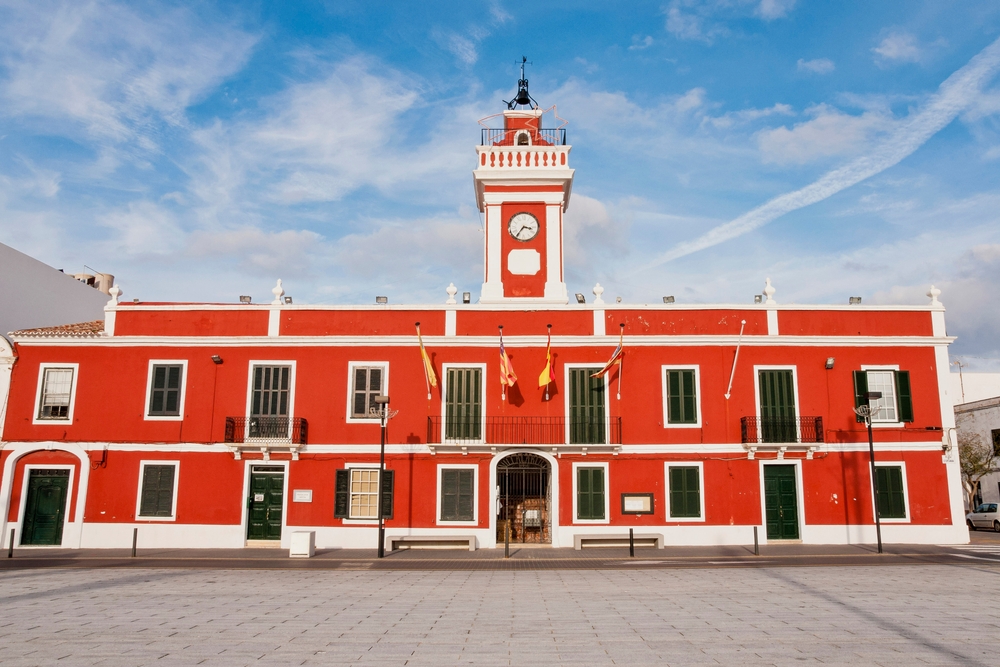
Beyond its practical functions, the ayuntamiento is often a town’s architectural star and a symbol of local pride. Traditionally, Spanish town halls occupy historic or grand-purpose built structures, sometimes centuries old, often located at the town’s main square (“plaza mayor”). Distinctive features may include:
- Imposing façades with ornate balconies and clock towers
- Plaques inscribed with the date of construction and the coat of arms
- Arcaded walkways framing the entrance, used for public gatherings
- A grand assembly hall for council meetings, adorned with artwork or portraits of historical figures
- Open public courtyards and ornamental fountains
Many ayuntamientos host local festivals, music, official ceremonies, or processions that start and finish at the town hall, reinforcing its identity as both a civic and cultural icon.
Conclusion: The Ayuntamiento at the Heart of Spanish Civic Life
The story of the ayuntamiento is fundamentally that of the Spanish community—rooted in tradition, governed by law, and defined by its commitment to local identity and democratic participation. Its offices are accessible, its procedures increasingly transparent, and its mission unwaveringly focused on the wellbeing and prosperity of residents.
Whether you are a lifelong inhabitant, a new resident, or a property investor, understanding the vital role of the ayuntamiento equips you to navigate Spanish life, liaise with local authorities, and make the most of the enduring warmth, dynamism, and opportunity found throughout Spain’s towns and cities.
If you wish to purchase, sell, invest, or simply enjoy community life in Spain, your relationship with the ayuntamiento will form the backbone of a successful and rewarding experience—a partnership in building the future, one municipality at a time.