





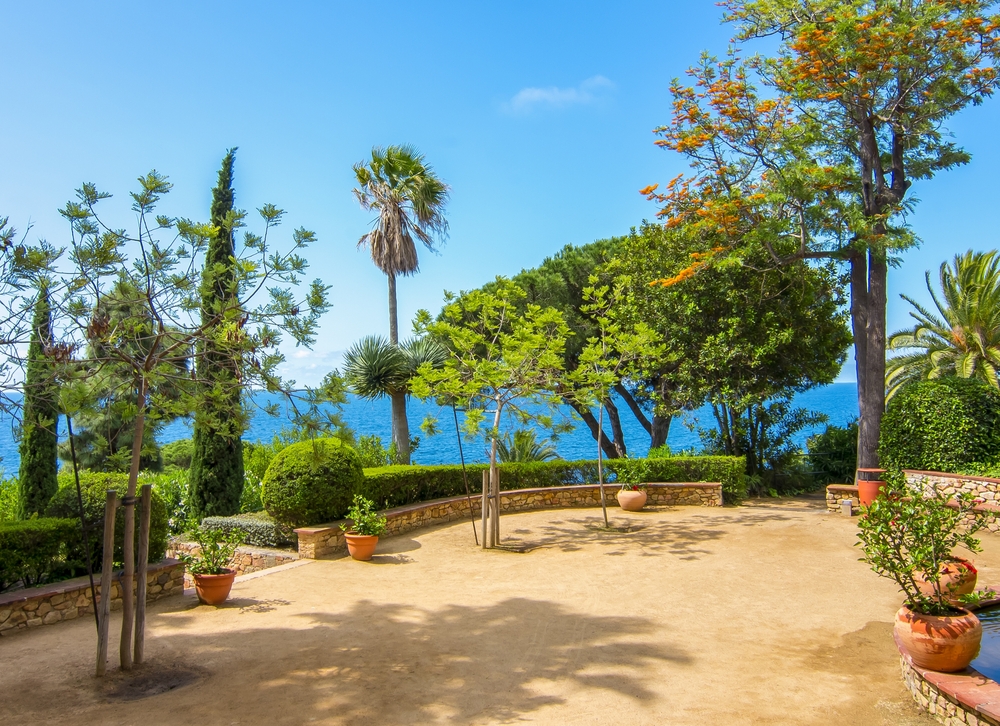
Understanding the Spanish Climate and Regional Garden Challenges
Spain is a nation blessed with a rich tapestry of climates, from the temperate northern regions to the arid southern zones, Mediterranean coastal areas, and subtropical islands. For gardening enthusiasts or property owners looking to enhance their outdoor space, it becomes crucial to understand Spain’s diverse weather patterns and microclimates before deciding which plants to cultivate. This knowledge forms the cornerstone for curating a thriving, beautiful, and sustainable garden.
Why does this matter? Plants native to, or well-adapted for, a certain climate zone will be healthier, easier to maintain, and less resource-intensive. Selecting the right species is not merely an aesthetic choice but also an ecological and economic one, especially in a country where water conservation and environmental preservation are increasingly prioritized.
- Atlantic North (Galicia, Asturias, Cantabria, Basque Country): Characterized by cooler temperatures, high rainfall, and lush vegetation.
- Continental Inland (Madrid, Castilla y León, Castilla-La Mancha): Hot summers, cold winters, and greater seasonal temperature fluctuation.
- Mediterranean Coast (Catalonia, Valencia, Murcia, Andalusia): Mild, wet winters and hot, dry summers.
- Arid Southeast (Almería, parts of Murcia): Minimal rainfall, high temperatures, and desert-like landscapes.
- Balearic and Canary Islands: Subtropical climates, with consistent warmth and varying humidity.
Understanding your region’s particular climate will guide your plant choices, irrigation needs, and design approach, ensuring your Spanish garden is resilient, beautiful, and uniquely suited to its environment.
The Importance of Soil Quality and Adaptation
Soil composition is another essential aspect of gardening successfully in Spain. Spanish soils can range from rich, fertile loam in river valleys to poor, rocky, or sandy types in coastal and arid inland areas. Each soil type interacts differently with water and nutrients, influencing which plants will thrive.
Assessing and Improving Spanish Soils
Before planting, a thorough soil test is advised to check for clay, sand, organics, pH level, and drainage. Amending soils with compost, mulch, or organic fertilizer can improve fertility and water-holding capacity, essential for sustained garden health—especially in drier climates where water retention is key.
- Clay Soils: High nutrient content but poor drainage. Break up with organic matter to prevent root rot.
- Sandy Soils: Fast-draining but low in nutrients. Integrate compost to boost fertility and moisture retention.
- Limestone/Alkaline Soils: Common along the coast; ideal for Mediterranean plants, but may require acidification for others.
- Saline Soils: Prevalent near the sea. Opt for salt-tolerant species for success.
Choosing plants naturally adapted to your local soil type typically yields better results than attempting to force unsuitable varieties. However, amendments and raised beds can widen your plant choices dramatically.
Drought-Resistant and Water-Saving Plant Choices
Water availability is a pressing concern in many parts of Spain, particularly in the Mediterranean and southern regions. Modern Spanish garden design embraces xeriscaping—creating landscapes that require minimal irrigation. This approach is both environmentally responsible and economically sensible.
Top Drought-Tolerant Plants for Spanish Gardens
- Lavandula (Lavender): Renowned for its aromatic blooms and resilience. Thrives in full sun and poor soils.
- Rosmarinus officinalis (Rosemary): Both decorative and culinary, this woody herb grows vigorously in Mediterranean climates.
- Pistacia lentiscus (Mastic Tree): Native to southern Spain, valued for its glossy foliage and drought tolerance.
- Olea europaea (Olive Tree): Synonymous with the Spanish landscape; productive and evergreen, tolerates arid conditions.
- Cistus (Rockrose): Abundant wildflower, great for coastal and dry gardens, bearing colorful blooms in early summer.
- Agave and Succulents: These sun-loving, water-sparing plants create dramatic focal points and need almost no irrigation.
- Salvia, Santolina, and Teucrium: Native aromatic shrubs, crucial for pollinators and Mediterranean ecosystems.
Integrating drought-tolerant plants reduces dependence on irrigation systems and is ideal for second homes, rental villas, or anyone seeking manageable maintenance in their Spanish garden.
Classic Mediterranean Garden Plants
The Mediterranean garden embodies Spanish charm and sophistication with its harmonious palette of silvers, greens, purples, and bursts of bright color. It is a timeless style that marries function, form, and regional authenticity—suiting both contemporary and classic Spanish architecture.
Iconic Choices for Mediterranean Gardens
- Olea europaea (Olive): As both fruiting and ornamental trees, olives add sculptural elegance and historical resonance to the garden.
- Quercus ilex (Holm Oak): A majestic native evergreen oak, slow-growing but vital for shade and wildlife.
- Punica granatum (Pomegranate): Vivid red flowers and edible fruit; a symbol of the Spanish South.
- Cerastium tomentosum (Snow-in-Summer): Spreads a silvery carpet and white summer blossoms, reflecting sun and conserving soil moisture.
- Bougainvillea: Famed for intense purple, pink, or red bracts; flourishes on walls and trellises in full sun.
- Jasminum (Jasmine): Delivers intoxicating nighttime scent and rapid growth—ideal for pergolas and patio screens.
- Cytisus (Broom): Bright yellow spring flowers and airy foliage, excellent for dry or rocky soils.
Mediterranean garden plants not only offer visual delight and heady scents but also attract beneficial bees, birds, and butterflies, promoting a healthy and balanced ecosystem.
Flowering Species for Colorful Appeal
Spanish gardens are renowned for their vibrant hues, from the terracotta of flower pots to the splashes of red, white, and yellow that animate traditional patios. For gardeners seeking year-round color, there are many dazzling species to choose from, perfectly adapted to Spain’s sunny climate.
Perenials and Annuals that Conquer the Sun
- Geranium (Pelargonium): Ubiquitous in Spanish window boxes, valued for continuous blooms and toughness.
- Lantana camara: Multi-colored flower clusters, drought-tolerant, and tolerant of coastal winds.
- Hibiscus rosa-sinensis: Lush, tropical appeal for warm coastal or sheltered gardens.
- Gazania rigens: Dazzles with orange, yellow, and white midday blooms; exceptionally sun-resistant.
- Gaura lindheimeri: Airy white/pink clouds of flowers from spring to autumn—sways elegantly in the breeze.
Pairing these exuberant florals with architectural green shrubs creates visual contrast, highlights focal areas, and supports pollinators such as butterflies and bees.
Edible Plants: Vegetables, Fruits, and Culinary Herbs
Spanish cuisine revels in its fresh, sun-ripened flavors, many of which can be harvested directly from the garden. From olives and citrus to tomatoes and aromatic herbs, your outdoor space can double as a productive kitchen resource.
Best Edible Choices for Spanish Climates
- Citrus Trees (Lemon, Orange, Mandarin): Ideal in frost-free areas, bringing fragrance and fruit to patios or orchards.
- Tomato (Solanum lycopersicum): Prolific during the lengthy Spanish summer.
- Figs (Ficus carica): Statue-like trees bearing delectable fruit; great for southern Spain.
- Almond (Prunus dulcis): Early spring blooms and nutritious nuts on hardy trees.
- Albahaca (Basil), Perejil (Parsley), and Cilantro: Essential, sun-loving herbs for Mediterranean cooking.
- Pimientos (Peppers), Berenjenas (Aubergines), and Calabacines (Courgettes): Heat-loving summer vegetables.
- Chard, Lettuce, and Spinach: Cooler-season greens for early spring and autumn harvests.
Planting edible species encourages year-round garden use, reduces food bills, and offers the special satisfaction of homegrown produce in both traditional and contemporary homes.
Trees and Palms for Shade, Structure, and Privacy
The Spanish sun, while glorious, means that shade is essential for outdoor comfort. Well-chosen trees and palms not only provide respite from summer heat, but also lend form, structure, and privacy to garden spaces.
Top Canopy Trees and Palms for Spanish Settings
- Morus alba (White Mulberry): Fast-growing, broad-leafed, ideal for patio shade; fruit is bird-attracting but can be messy.
- Albizia julibrissin (Silk Tree): Delicate, ferny foliage and pink powder-puff blooms—light dappled shade for terraces.
- Washingtonia filifera and Phoenix canariensis (Canary Island Palm): Classic palms accentuating driveways and swimming pool areas.
- Cupressus sempervirens (Italian Cypress): Creates striking vertical accents and living screens.
- Tamarix: Tolerates salt, wind, and drought; soft, feathery look well-suited to coastal plots.
- Acer negundo (Box Elder) and Cercis siliquastrum (Judas Tree): Spring color and seasonal interest for ornamental groves.
- Magnolia grandiflora: Elegant, evergreen, and shade-casting, with exquisite white blossoms.
Grown correctly, these trees can lower garden temperatures, reduce water usage under their canopy, and provide welcome privacy throughout long Spanish summers.
Hedges, Screens, and Ground Covers for Structure
Achieving privacy or wind protection in the Spanish garden often relies on effective hedges, fast-growing screening plants, and low-maintenance ground covers that suppress weeds and conserve soil moisture.
Recommended Species for Hedges and Ground Cover
- Pittosporum tobira: Dense, evergreen foliage, sweetly scented spring flowers, and drought resistance.
- Ligustrum japonicum (Japanese Privet): Fast-growing, forgiving of varied soils, and easy to shape.
- Arbutus unedo (Strawberry Tree): Attractive bark, edible fruits, and broad adaptability.
- Lonicera nitida (Box Leaf Honeysuckle): Versatile small-leafed hedge; fast to establish.
- Buxus sempervirens (Box): More suited for shadier, northern gardens, ideal for formal designs.
- Vinca major/minor (Periwinkle), Hedera helix (Ivy), and Thyme: Ground covers for slopes, sunny or shaded areas, and underplanting.
Selecting regionally proven hedging and ground covers guarantees long-term success, reduces garden labor, and improves garden visual harmony.
Native Spanish Plants and Their Ecological Benefits
Utilizing Spain’s exquisite native flora not only honors the country’s biodiversity but also fosters resilient, self-sustaining gardens that attract and sustain indigenous wildlife.
Examples of Native Spanish Plants to Include
- Cistus (Rockrose): Offers shelter for small creatures and abundant nectar for pollinators.
- Phlomis purpurea (Jerusalem Sage): Showy purple flowers, drought-tolerance, and suitability for wildflower meadows.
- Lavandula stoechas (Spanish Lavender): Key for native bee species, with distinctive tufted blooms.
- Juniperus oxycedrus (Prickly Juniper): Evergreen, forms natural screens and supports local birds.
- Erica arborea (Tree Heath): Excels in poor soils and adds delicate white spring blooms.
- Teucrium fruticans (Bush Germander): Excellent for hedges and for attracting butterflies.
- Rhamnus alaternus (Italian Buckthorn): Works as a hedging shrub, is evergreen and bird-friendly.
Native planting reduces garden inputs, protects endangered species, enhances garden identity, and showcases the beauty inherent in the wild Spanish countryside.
Gardening for Wildlife: Pollinator and Bird-Friendly Varieties
Modern Spanish gardens often aim to encourage biodiversity. Selecting flowering, fruiting, and seed-bearing plants can make your garden a sanctuary for bees, butterflies, songbirds, and beneficial insects.
Plants That Attract and Support Local Fauna
- Lavender, Rosemary, and Sage: Magnet for honeybees and native pollinators.
- Salvia microphylla (Baby Sage): Bright flowers attract butterflies and hummingbird hawk-moths.
- Pyrostegia venusta (Flame Vine): Supplies nectar and dense cover for small birds.
- Sunflower (Helianthus annuus): Seeds provide food for finches and other seed-eaters.
- Pyracantha (Firethorn): Attractive white flowers, bird-attracting berries, and spiky security hedging.
- Cotoneaster and Viburnum tinus: Winter berries for blackbirds and thrushes.
Thoughtful landscaping with wildlife in mind boosts natural pest control, promotes ecological balance, and turns your garden into a living, breathing ecosystem.
Low-Maintenance and Evergreen Options
For many, the ideal Spanish garden is robust and low-maintenance—perfect for holiday properties, busy households, or anyone keen to minimize ongoing work and costs.
Effortless, All-Year-Green Plants
- Pittosporum tobira, Viburnum tinus, and Laurus nobilis (Bay Laurel): All retain dense, glossy greenery and require little pruning.
- Nerium oleander: Dramatic pink, white, or salmon blooms on tough evergreen shrubs (note: toxic if ingested, so not suited for child- or pet-centered gardens).
- Euphorbia characias (Mediterranean Spurge): Unique lime-green flowers and silver foliage, thrives on neglect.
- Phormium tenax (New Zealand Flax): Architectural, drought-tolerant, suitable for modern garden design.
- Photinia x fraseri 'Red Robin': Offers striking red new leaves; makes excellent hedges or stand-alone shrubs.
Evergreens provide crucial winter interest, foster a sense of permanence, and simplify outdoor maintenance, freeing you to enjoy your garden rather than constantly tend it.
Colorful Cacti and Succulents for Year-Round Interest
Cacti and succulents have risen in popularity for Spanish gardens, combining low water demands with sculptural beauty and resistance to pests. Their forms range from the bold and architectural to the delicate and intricate, offering all-season visual interest.
Stylish Species for Spanish Gardens
- Agave americana and Agave attenuata: Iconic rosette forms, ideal for focal points and borders.
- Aloe vera: Both decorative and practical—its sap is renowned for medicinal properties.
- Opuntia (Prickly Pear): Produces edible fruit (“higo chumbo”), well adapted to rocky, dry soil.
- Echeveria and Aeonium: Compact, colorful rosettes suitable for pots, rockeries, or green roofs.
- Yucca: Sword-shaped leaves and striking flower spikes; tolerates heat, salt, and drought.
Succulent gardens require little care and can be designed in borders, containers, or even integrated into gravel gardens and contemporary outdoor living spaces.
Designing Themed Gardens for Spanish Villas
A well-considered theme can transform your garden into a harmonious extension of your property, reflecting your personal style and enhancing the overall atmosphere. From rustic Andalusian courtyards to bold Mediterranean terraces, a themed garden creates unity and purpose.
Popular Themes and Plant Palettes
- Andalusian Patio: Potted geraniums, jasmine climbing arbors, lemon trees, and tinkling fountains beneath shaded arcades.
- Mediterranean Dry Garden: Gravel beds, olive trees, rosemary hedges, lavender, agaves, and clay amphorae.
- Modern Minimalist: Structured lines, bold succulents and phormiums, white pebbles, and sculpted lawn spaces.
- Wildlife Meadow: Native wildflowers, ornamental grasses, fruit trees, and butterfly-friendly shrubs.
- Contemporary Coastal: Salt-tolerant tamarix, ornamental grasses, lantana, and trailing bougainvillea for vibrant color against whitewashed walls.
Choosing a garden theme brings coherence to plant selections, hardscape elements, and furnishing, ensuring that all aspects of your outdoor space work together in harmony.
Spanish Garden Care: Seasonal Tips and Advice
Success with Spanish plants is not just about initial selection—it also requires a tailored garden care routine attuned to local seasons. Understanding these rhythms ensures lush, long-lived planting and a garden that flourishes all year.
Spring (Primavera)
- Plant or transplant perennial borders and new shrubs.
- Refresh mulch and compost layers to lock in moisture for the dry season ahead.
- Start sowing summer vegetables and annuals.
Summer (Verano)
- Water deeply but infrequently; early mornings or evenings are ideal to reduce evaporation.
- Deadhead spent flowers to prolong blooming in annuals and perennials.
- Shade tender species with awnings or shade cloth during peak heat.
Autumn (Otoño)
- Plant evergreens, bulbs, and cool-season vegetables.
- Prune flowering shrubs post-bloom (e.g., bougainvillea, oleander).
- Rake and compost fallen leaves to maintain soil health.
Winter (Invierno)
- Protect frost-sensitive species with fleece in colder regions.
- Prune vines and dormant fruit trees.
- Plan and redesign planting schemes for the coming spring.
Adapting your gardening timetable to Spain’s seasons helps both native and ornamental species prosper and reduces maintenance effort throughout the year.
Patio and Container Gardening for Small Spaces
Not every Spanish property comes with a large plot. For city apartments, townhouses, or villas with compact patios, container and vertical gardening offer versatile, beautiful solutions. Thoughtful plant choice and arrangement transform even the smallest balcony into a Mediterranean paradise.
Best Plants for Containers and Patios
- Oleander, Bougainvillea, and Hibiscus: Colorful and dramatic in tubs or planters.
- Mediterranean Herbs (Rosemary, Basil, Thyme): Thrive in pots, provide fragrance and culinary value.
- Citronella and Lemon Verbena: Scented foliage for relaxing terraces and natural mosquito repellent.
- Scented Pelargoniums: Aromatic leaves and eclectic flowers, ideal for window boxes.
- Aloe vera and succulents: Minimal hassle for urban balcony gardens.
Group containers of varying heights and colors for layered impact, and use trailing species such as 'Vinca major' or 'Ipomoea' to soften edges and add charm.
Lawns and Lawn Alternatives
Traditional grass lawns can struggle in Spain’s heat and drought. Many homeowners now favor alternatives that look good year-round with less water and maintenance.
Innovative Alternatives to Classic Lawns
- Dymondia margaretae (Silver Carpet): Creates a resilient, low-profile mat with yellow blooms, requires far less water than lawn.
- Thyme and Chamomile: Fragrant, bee-friendly, and surprisingly durable underfoot.
- Sedges (Carex species): Suitable for shaded or moist areas, forming soft, tufted expanses.
- Gravel, Artificial Turf, and Mulched Areas: Low-maintenance, attractive, and can be planted through with Mediterranean perennials.
Lawn alternatives are particularly appealing for second homes, holiday lets, or climate-conscious gardeners seeking both sustainability and style.
Vertical, Trellis, and Wall Plants
In sun-baked courtyards and beside white-washed Spanish walls, climbers and wall-plants deliver vivid color, privacy, and cooling shade. They are also invaluable in maximizing the usable space within compact plots.
Climbers and Espalier Options
- Bougainvillea: Stars in sun-baked spaces, clustering around doorways, columns, and pergolas.
- Trachelospermum jasminoides (Star Jasmine): Evergreen foliage, intensely scented white flowers, tolerates sun or partial shade.
- Wisteria sinensis: Lavish spring blooms and cooling leafy cover over pergolas or porches.
- Campsis radicans (Trumpet Vine): Bright orange-red flowers, adored by hummingbird hawk-moths; thrives in coastal gardens.
- Jasminum officinale and Passiflora caerulea (Passion Flower): Lush foliage and dramatic flowers, perfect for training along fences and trellises.
Climbing plants can shade walls and patios, regulate building temperature, and craft vertical interest for maximum impact in limited areas.
Garden Water Features and Plant-Friendly Ponds
Water is central to traditional Spanish landscaping, from Moorish-inspired fountains to wildlife-friendly ponds. Even in arid climates, carefully managed water features provide cooling relief and support local flora and fauna.
Pond and Water Feature Planting Suggestions
- Nymphaea (Water Lilies): Float stunning blooms across garden ponds.
- Iris pseudacorus (Yellow Flag Iris): Dramatic foliage and yellow flowers for pond margins.
- Cyperus alternifolius (Umbrella Plant): Great for wildlife habitats at water’s edge.
- Calla lily, Typha (Bulrush), and Sagittaria: Purify water and attract dragonflies.
- Trailing or marginal species: Ajuga, mint, and water hyacinth for lushness and diversity.
Integrating water-loving and marginal plants reinforces the oasis atmosphere, increases biodiversity, and echoes classic Spanish garden heritage.
Conclusion: Creating Your Perfect Spanish Garden
Gardening in Spain is an exercise in both creativity and pragmatism. Whether your space is an expansive finca, a compact patio, or a sweeping villa plot on the coast, understanding the unique interplay of climate, soil, and local ecosystem is key to making the right plant choices.
By selecting drought-resistant, regionally adapted, and native plants, you not only create a stunning and low-maintenance landscape but also support Spain’s precious biodiversity. Consider both aesthetic and ecological factors, pairing year-round structure with seasonal color, edible plants with ornamentals, and evergreens with flowering species for a balanced, dynamic outdoor space.
With planning, expertise, and the right palette of plant species, your Spanish garden will flourish—offering year-round beauty, environmental harmony, and the enduring pleasure of life lived outdoors.