



Introduction: Discovering Spain’s Diverse Provincial Charms
Spain, a country known for its sun-kissed coastlines, vibrant culture, and rich tapestry of history, is a top contender for those seeking an exceptional place to live. Each of its fifty provinces boasts distinct traditions, climates, landscapes, and lifestyle opportunities. Understanding the nuanced advantages of each province is essential for making an informed decision about where to settle in this enchanting country. Whether your priorities are a cosmopolitan lifestyle, tranquil rural beauty, Mediterranean beaches, or thriving business environments, our comprehensive guide will illuminate the unique character of every Spanish province to help you define your ideal home.
Understanding Spain’s Regional Landscape
Spain’s provinces are grouped into 17 autonomous communities and two autonomous cities, each with its own government, language, and cultural heritage. From the green hills of Galicia in the northwest to the warm shores of Andalusia in the south, the diversity is staggering. Before delving into each province, it’s vital to appreciate how these regions shape the overall lifestyles, local economies, and housing trends.
The diversity between the north and south, the Mediterranean east and Atlantic west, and even the island and mainland regions contributes to a mosaic of choices suited to varied tastes. Whether you're seeking dynamic urban centers or subtle rural retreats, Spain's provincial diversity ensures there's a perfect match for every lifestyle.
Factors That Define the Ideal Living Place in Spain
Before we examine province by province, it’s important to clarify the criteria that make a place ‘the best’ to live in. Each prospective resident will have a unique checklist, but the following factors are commonly considered by newcomers and locals alike:
- Climate: Spain offers a range from Mediterranean warmth to Atlantic freshness and continental extremes.
- Cost of Living: Variations are substantial between metropolitan and rural areas, and between coastal and inland locations.
- Healthcare and Education: Accessibility to high-quality public and private services is a significant factor.
- Employment Opportunities: Concentrated in major cities, but some provinces are developing thriving niche economies.
- Lifestyle and Culture: Spanish culture is deeply regional, influencing everything from cuisine to festivals to daily rhythms.
- Accessibility and Transportation: Proximity to airports, highways, and efficient public transportation is often critical for expats and frequent travelers.
- Natural Environment and Outdoor Activities: Mountains, beaches, and rural countryside—the Spanish landscape is incredibly diverse.
- Safety and Quality of Life: Spain is generally safe, but some provinces are renowned for tranquility and a laid-back pace.
Andalusia: The Soul of Southern Spain
Seville: Cultural Majesty and Urban Charm
Seville, the capital of Andalusia, captivates newcomers with its resplendent Moorish architecture, lively festivals, and world-renowned gastronomy. The city enjoys a Mediterranean climate with over 300 days of sunshine per year. Life in Seville promises vibrant traditions, from flamenco to Semana Santa, and an urban infrastructure that caters to professionals and families alike. The cost of living is attractively moderate compared to major European cities, while offering excellent healthcare facilities and international schools.
Malaga and the Costa del Sol: Sun, Sea, and Sophistication
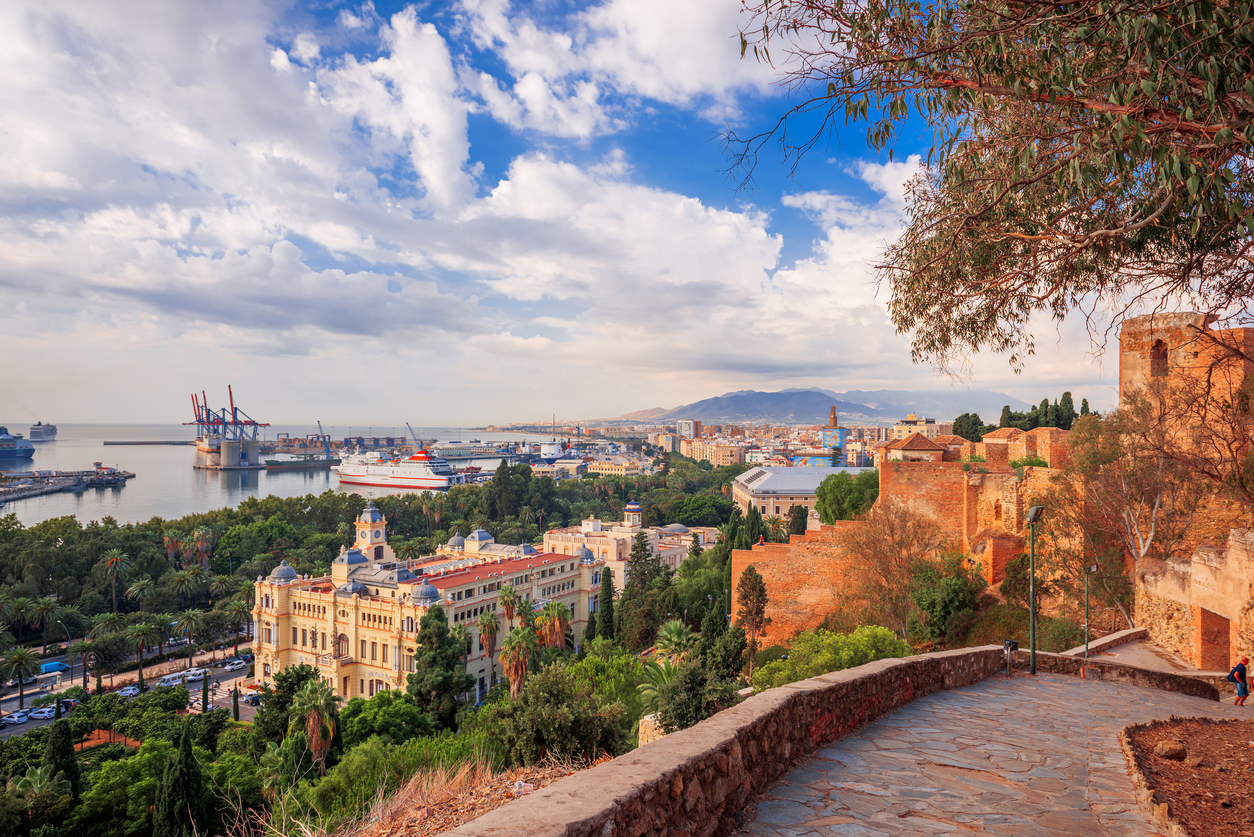
Malaga province, anchored by its cosmopolitan capital and famed coastline, is a magnet for international residents. The Costa del Sol boasts some of the country’s most desirable climate and beaches, complemented by golf resorts, designer boutiques, and an ever-growing gastronomic scene. Beyond the coast, the white-washed villages and rural fincas provide a tranquil contrast for those seeking serenity.
Granada: Blend of History and Nature
Granada is synonymous with the breathtaking Alhambra, yet the province extends far beyond its Moorish jewel. Life is enriched by the juxtaposition of the snowy Sierra Nevada and Mediterranean foothills. Its university draws a youthful, international population adding vibrancy to its historic heart. The cost of living remains accessible, and the area is renowned for its dynamic tapas culture and affordable leisure.
Madrid Province: Spain’s Beating Heart
A True Global Capital
Madrid, the nation’s political and commercial hub, sits at the confluence of Spanish tradition and European modernity. The province offers a blend of cosmopolitan living in the capital and countryside charm in its surrounding towns. The array of high-quality healthcare, education, and employment opportunities is unrivaled in Spain.
Lifestyle and Living Standards
Madrid is ideal for professionals and families who seek high cultural engagement, robust public services, and unparalleled dining and entertainment. The city’s extensive public transportation links the wider province seamlessly, making commutes and regional exploration remarkably efficient. Its international communities thrive, ensuring newcomers acclimate swiftly.
A Village Retreat in the Sierra
Northern Madrid province features picturesque villages like Manzanares El Real or Cercedilla, offering residents a blend of rural tranquility and proximity to the capital’s vibrant life. Weekends can be spent hiking in the Sierra de Guadarrama or enjoying the local gastronomy.
Catalonia: Innovation and Mediterranean Living
Barcelona: Dynamic Urbanity with Seaside Allure
Barcelona is globally acclaimed for its design, architecture, and cultural innovations. The city and its province offer stunning beaches, cutting-edge business infrastructure, and a continuous calendar of international events. The province appeals to those who wish to blend urban excitement with access to dramatic natural landscapes, from the Collserola hills to the crystal-clear waters of the Costa Brava.
Girona: The Best of Both Worlds
Girona province showcases the best Catalonia offers: medieval villages, rugged coastlines, pristine hiking trails, and a flourishing culinary scene. The city itself is peaceful yet vibrant, and the cost of living is slightly lower than Barcelona, appealing to those seeking a quieter existence near top amenities. The area has a strong cycling and outdoor culture, thanks to its terrain and climate.
Tarragona: History, Wine, and Tranquility
The Roman legacy endures in Tarragona, a province famous for its archaeological treasure troves, rolling vineyards, and coastline known as Costa Dorada. Tarragona’s beaches are less crowded than Barcelona’s, and the region boasts family-friendly resorts, ample outdoor pursuits, and access to world-class wines from the Priorat and Penedès regions.
Valencian Community: Coastal Vibrance and Tradition
Valencia: Urban Cool and Mediterranean Ease
Valencia is a city that never ceases to surprise: futuristic architecture, historic markets, celebrated cuisine and a sense of space unusual in major Spanish cities. The province stretches beyond the metropolis, offering a dramatic hinterland dotted with mountain villages and tranquil orange groves. The city’s commitment to green living—reflected in its Turia Gardens and cycling infrastructure—makes it attractive to families and professionals alike.
Alicante: International Magnet with Endless Sun
Alicante province is synonymous with sun, sea, and high quality of life. The Costa Blanca region, with resort towns like Jávea, Altea, and Dénia, features prominently among expatriate favorites. The province caters to all, from those seeking urban living in the cosmopolitan city to lovers of quiet, fishing-village charm. The area is distinguished by its friendly locals, accessibility, and variety of housing options, from beachside apartments to rural estates.
Castellón: Unspoiled Nature and Affordable Living
Castellón, though lesser known, is rapidly becoming a secret paradise for those in the know. The province is noted for its rugged mountain ranges, pristine beaches, and charming inland towns. Life here is slower-paced, with affordable real estate and easy access to both the Mediterranean Sea and expansive natural parks.
The Basque Country: Sophistication and Outdoor Pursuits
Biscay (Vizcaya): Bilbao’s Urban Renaissance
Biscay is anchored by Bilbao—a city transformed from industrial grit to cultural hub, thanks largely to icons like the Guggenheim Museum. Surrounded by green hills and the Atlantic coast, the province spoils residents with an extraordinary culinary scene and top healthcare and services. The area is ideal for professionals, art lovers, and families who appreciate progressive cities with strong local identities.
Guipúzcoa: San Sebastián and Gourmet Living
Guipúzcoa, home to San Sebastián, is renowned for its world-class restaurants, beautiful bay, and international film festival. The province embodies elegance with its Belle Epoque architecture and impressive natural surroundings, including mountains that plunge into the sea. Life here means blending sophisticated urban enjoyment with the pleasures of coastal and outdoor pursuits.
Álava: Tranquility Among Vineyards
Álava, less populated than its Basque neighbors, unfolds as a tapestry of vineyards (Rioja Alavesa) and medieval villages. The capital, Vitoria-Gasteiz, offers a high standard of living, sustainability, and peace. It’s ideal for those in search of less hurried paces paired with cultural interest and wine-lovers’ paradise.
Galicia: Lush Landscapes and the Atlantic Spirit
A Coruña: Urban Modernity and Atlantic Beauty
A Coruña unites the amenities of a modern coastal city with the rugged, scenic beauty that defines Galicia. The province is home to dramatic cliffs, tranquil beaches, and the bustling city of A Coruña itself, renowned for its seafood and maritime heritage. Though weather can be rainy, the verdant landscape and refreshing climate are major draws for nature lovers.
Pontevedra: Rías, Islands, and Cultural Wealth
Pontevedra, concealing some of Spain’s most idyllic coastlines, also boasts a lively urban heart and ancient towns packed with history and nightlife. The Rías Baixas region is celebrated for albariño wines, shellfish, and mild microclimates. The balance of affordable living and beauty makes it attractive for families and retirees alike.
Lugo and Ourense: Mountain Air and Authentic Living
The provinces of Lugo and Ourense offer a more authentic, rural Galician experience, with Romanesque architecture, lush forests, and rejuvenating thermal springs. Life here is deeply traditional, typically quieter, and well-suited for those who prioritize community, peace, and nature.
Balearic Islands: Island Bliss and Mediterranean Exclusivity
Mallorca: Jewel of the Med
Mallorca, the largest Balearic island, offers a blend of sophisticated capital living in Palma and tranquil village life in the Tramuntana mountains or along secluded bays. The island’s international ambiance, yachting culture, and gourmet cuisine combine with superb healthcare and educational offerings. It remains a perennial favorite for high-net-worth individuals and families.
Ibiza: Bohemian Spirit and Luxury Living
Ibiza is more than its party reputation; it is a year-round haven of natural beauty, from pine-covered hills to hidden calas. The north of the island is known for wellness, rustic fincas, and quiet beaches, while the south attracts those drawn to luxury and cosmopolitan nightlife. Local markets, organic food, and creative communities define the unique Ibizan lifestyle.
Menorca: Peace, Heritage, and Family Focus
Menorca, less developed and more tranquil than its neighbors, retains a strong local culture and focus on outdoor living. The UNESCO-protected biosphere preserves natural beauty, making it ideal for families and retirees who value peace and access to unspoiled beaches and hiking trails.
Formentera: Untouched Paradise
Formentera, the smallest of the main islands, is the closest one can come to untouched Mediterranean paradise. Car-free stretches, turquoise waters, and a laid-back ethos make it perfect for those seeking escape from fast-paced modern life.
Canary Islands: Eternal Spring and Volcanic Majesty
Tenerife: Cosmopolitan Island Life
Tenerife offers year-round sun, diverse geography, and bustling towns alongside tranquil rural interiors. Santa Cruz and Costa Adeje have broad international communities, excellent health services, and a variety of leisure activities from whale watching to mountain hiking. The island is a prime choice for those who value climate consistency and outdoor living.
Gran Canaria: Urban Pleasure and Nature’s Playground
Gran Canaria divides urban excitement in Las Palmas with rugged highland villages and sand dunes. It’s a favorite for digital nomads and retirees, offering excellent medical services, ease of integration, and vibrant cultural life. The island balances robust transport infrastructure with a sense of remoteness.
Lanzarote and Fuerteventura: Artistic Legacy and Wild Beaches
Lanzarote, famed for its surreal volcanic landscapes and the artistic impact of César Manrique, provides a slower pace and a unique natural aesthetic. Fuerteventura is paradise for wind and water sports, with miles of sandy, uncrowded beaches. Both appeal to those seeking a life of tranquility and nature.
Northern Spain: Green Spain’s Contrasts
Asturias: Mountains, Cider, and Coastal Wonders
Asturias captivates with its juxtaposition of rugged coast, verdant hills, and traditional sidrerías (cider bars). Oviedo and Gijón provide urban amenities, but outside these towns, villages hug dramatic cliffs and mountain valleys. Outdoor enthusiasts will revel in hiking, surfing, and simple village living.
Cantabria: From Surf to Snow
Cantabria unites seaside towns such as Santander with inland peaks topped by snow in winter. Famous for its green pastures and dairy traditions, Cantabria is a superb choice for those who love mild summers, bracing air, and local authenticity. The quality of life is high, and the sense of tradition endures.
Navarra: Historical Crossroads and Outdoor Life
Navarra is both gateway to the Pyrenees and a land of ancient traditions, famed for the running of the bulls in Pamplona. The province blends heritage with vibrant modern life, stunning mountain scenery, and fertile valleys. It enjoys relatively high employment indices and is popular among families who value education and safety.
La Rioja: Wine Country Living
La Rioja is Spain’s wine heartland, famed for its rolling vineyards, historical villages, and artistic festivals. The capital, Logroño, is lively yet manageable, and life moves at the pace of the grape harvest. Wine lovers and those seeking authentic gastronomy will feel at home here.
Aragon and Castilla y León: Heartland Heritage
Zaragoza: East-West Connector
Zaragoza, Aragon’s capital, sits conveniently between Madrid, Barcelona, and Valencia, blending Roman legacies with a bustling modern economy. Its prosperity is reflected in shopping, education, and medical care. Surrounding villages offer tranquility, and the Ebro River Valley is both fertile and beautiful.
Huesca: Gateway to the Pyrenees
Huesca is synonymous with adventure. From skiing in the winter to canyoning and hiking in warmer months, its mountain terrain is only matched by the hospitality of its rural towns. Life here is slower, peaceful, and oriented toward nature.
Castilla y León: Castles, Gastronomy, and Grandeur
The provinces of Castilla y León—Salamanca, Valladolid, León, Burgos, Ávila, Segovia, Palencia, Zamora, and Soria—are Spain’s historic heartland, characterized by extraordinary architecture, university cities, and a culinary tradition of roasts and stews. Urban centers provide all amenities, while rural stretches offer authenticity, low property prices, and a sense of living history.
Castilla-La Mancha and Extremadura: Spain’s Hidden Heart
Toledo: Medieval Splendor
Toledo, a UNESCO World Heritage site, retains its winding streets and cultural riches, providing a romantic setting for those who savor history and tradition. The province offers splendid olive groves, imposing castles, and more affordable living compared with bigger cities.
Ciudad Real, Cuenca, Guadalajara, and Albacete: Rural Retreats
These provinces are a patchwork of Don Quixote’s windmills, expansive plains, and charming small towns. Cuenca’s dramatic cliff-side setting and medieval core, in particular, attract artists and romantics. Life is unhurried, and the connection to land and heritage is palpable.
Extremadura: Tranquil Living and Natural Parks
Cáceres and Badajoz provinces embody an untouched facet of Spain, famed for storks, oak forests, and Roman ruins. Extremadura attracts those who pursue peace, wildlife, and blue skies. The pace of life is gentle, the cost of living is low, and hearty cuisine reflects the region’s pastoral history.
Murcia Region: Warmth, Tradition, and Growth
Murcia Province: Mediterranean Living at Good Value
Murcia, often overlooked, is burgeoning with life and opportunity. The province combines fertile countryside, coastal wetlands and resorts, and the cultural richness of Murcia city. The area is gaining attention for its affordable property, excellent climate, and emerging international community, especially in resort-focused municipalities like San Javier and Cartagena.
Lorca and the Sierra Espuña: Rural Beauty
Lorca impresses with its castle, historic festivals, and urban renewal. The surrounding rural areas and regional parks provide infinite opportunities for hiking, cycling, and enjoying authentic local life at attractive prices.
Mar Menor: Unique Lagoon and Family Focus
The Mar Menor, Europe’s largest saltwater lagoon, is surrounded by relaxed beach towns boasting safe swimming, affordable housing, and an emphasis on family-friendly activities. The area is seeing growing investment in tourism infrastructure and residential amenities.
Comparing Spain’s Provinces: Where Will You Find ‘The Best’?
For Families
Provinces like Madrid, Barcelona, Valencia, and Mallorca tend to lead in international schooling, diverse activities, and healthcare. Coastal provinces with lower population densities (Alicante, Girona, Pontevedra) are also highly suitable, offering easy access to nature and quieter living while maintaining services.
For Professionals and Entrepreneurs
Madrid, Barcelona, Bilbao, and Valencia offer Spain’s most robust environments for career-oriented residents, with international business presence and abundant networking opportunities.
For Retirees
Alicante, Malaga, Cadiz, and Menorca are perennial favorites due to climate, accessibility, and pace of life, while smaller towns in Galicia, Extremadura, and Castilla y León offer unrivaled tranquility and low-cost living for those in search of a rural retreat.
For Lovers of the Outdoors and Nature
Asturias, Cantabria, Huesca, Granada, and the Canary and Balearic Islands offer profound natural variety: mountains, beaches, forests, and unique biodiversity set the scene for year-round activity.
For Art, Culture, and Gastronomy Enthusiasts
Seville, San Sebastián, Bilbao, La Rioja, and Palma dazzle with a calendar of festivals, world-class gastronomy, and unique regional arts—from flamenco to modernist architecture.
Housing, Investment, and Practical Considerations
Property Market Trends by Province
Property prices and rental rates vary hugely across Spain’s provinces. Prime city centers (Madrid, Barcelona) and select Balearic/Canary island locales command premium prices, while inland provinces and secondary coastal regions present excellent value. Robust demand is observed in Malaga and Alicante, especially in areas popular with expatriates and second-home buyers.
Legal and Fiscal Stability
Spanish provinces offer a robust framework for property ownership, including for non-residents. Regional taxes, inheritance laws, and investment incentives can differ, making local guidance crucial. Many regions encourage foreign direct investment, and provincial governments often offer grants and incentives to entrepreneurs and tech startups.
Quality of Life: Medical, Education, and Social Services
Universal public healthcare covers all provinces, but urban centers tend to offer the widest choice of specialists and languages. Private medical services are available throughout. Education is regionalized: bilingual and international schooling is concentrated in major cities and international communities, though many provincial capitals offer excellent Spanish and bilingual options.
Integration and Community: Making Spain a True Home
Each province has its own traditions, dialects or languages, and festivals. The spirited diversity of local fiestas, cuisine, and communal life ensures newcomers can integrate and feel at home. Some, particularly in small towns and rural provinces, may find integration is helped by learning Castilian and, where appropriate, a co-official language (Catalan, Basque, Galician, Valencian).
Building Connections
Local clubs, cultural organizations, and expat gatherings are excellent ways to meet neighbors. Spain’s famed friendliness and openness bridge provincial boundaries, but it’s important to respect local customs and history.
Embracing the Spanish Lifestyle
From long lunches to afternoon siestas to bustling evening promenades, integrating into local rhythms enhances both quality of life and sense of belonging. Each province’s way of living is an opportunity to expand your horizons.
Future Trends: Spain’s Provinces in Transformation
Emergence of ‘New Lifestyles’ Hubs
Remote working, digital entrepreneurship, and environmental sustainability are shaping new living patterns. Provinces with high-speed connectivity, natural beauty, and local investment in innovation—such as Girona, the Balearic Islands, and even rural corners of Castilla y León—are attracting a new wave of residents seeking balance between professional and personal fulfillment.
Demographic and Economic Shifts
Spain’s population is aging, but selective provinces are attracting young families and professionals thanks to policy incentives, improved services, and enhanced infrastructure. Investment in green energy, cultural regeneration, and tourism continues to enhance quality of life across the board.
Conclusion: Finding Your Perfect Province in Spain
Spain’s provinces unfurl a captivating panorama of choices—each with its own climate, culture, amenities, and advantages. The ‘best’ place will ultimately reflect your aspirations, priorities, and desired lifestyle: nightlife and business in Madrid or Barcelona; Mediterranean elegance in Valencia or Mallorca; tranquil authenticity in Asturias or Extremadura; cosmopolitan island living in Tenerife or Ibiza; or a blend of urban amenities and rural grace in countless provincial towns.
No matter your criteria, relocating to Spain offers a chance to craft a life rich in community, culture, and personal fulfillment. Whether you dream of vibrant city plazas, serene mountain villages, or endless sunshine on golden beaches, the Spanish provinces offer your ideal destination.
Take the time to visit, explore, and experience the contrasts and comforts firsthand. Your adventure in Spanish living begins with understanding the spectrum of opportunity and delight that Spain’s unique provinces have to offer.
Frequently Asked Questions: Choosing the Best Province in Spain
-
Is it easy to find English-speaking communities?
Major urban centers and coastal regions like Costa del Sol, Alicante, and Mallorca have extensive English-speaking communities. In smaller towns and rural areas, integrating into the local culture and language is encouraged, though expat groups can still be found.
-
Which provinces offer the best combination of climate and low cost of living?
Andalusia, Murcia, and some areas of Valencia and Extremadura balance excellent weather with affordable properties and daily expenses.
-
What are the safest provinces?
Spain is one of Europe’s safest countries. Provincial towns in northern Spain (La Rioja, Asturias, Cantabria) and rural Andalucia consistently rank high for tranquility and low crime.
-
Are there provinces with especially good healthcare?
All provinces have universal healthcare. Madrid, Barcelona, and Bilbao are leaders in cutting-edge hospitals, while some smaller provinces—like Navarra and Asturias—boast high life expectancy and excellent care statistics.
-
What about transport and travel?
Madrid’s position as a transport hub means easy internal connections. Valencia, Malaga, and Barcelona are well-served for international flights. Island provinces (Balearic and Canary) offer frequent flights but may have longer waits in peak seasons.
-
Which provinces are best for rural retreats?
Castilla y León, Castilla-La Mancha, rural Galicia, Extremadura, and interior Andalusia offer unique rural lifestyles set against breathtaking landscapes.
-
Are property prices rising everywhere?
While property prices increase in prime urban and coastal markets, many inland and rural provinces (as well as some smaller cities) continue to offer stable, affordable pricing and excellent investment opportunity.
Let this provincial guide be your springboard for a rewarding journey to finding the perfect place to live in Spain, a land where every corner tells a different story and promises a life of color, comfort, and discovery.