





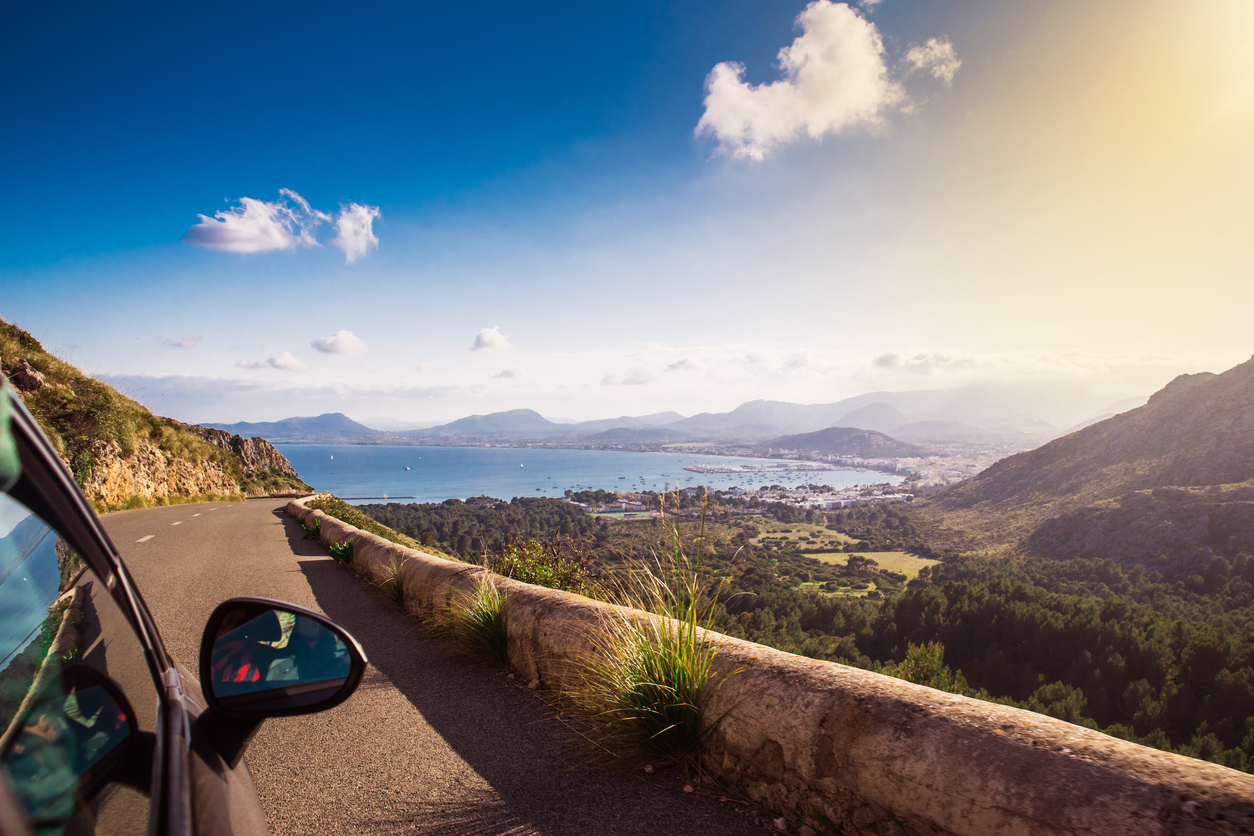
Discovering the Most Beautiful Road Trips in Spain for Retirees
Spain stands as one of Europe’s most enchanting destinations, offering an extraordinary variety of landscapes, culture, culinary delights, and age-old traditions. For retirees in search of a leisurely adventure that combines comfort with stunning scenery, road-tripping across Spain promises not only the discovery of the country’s breathtaking diversity but also a journey brimming with new experiences, relaxed rhythms, and lasting memories. In this comprehensive guide curated by IMMO ABROAD, you will journey through the most beautiful road trips in Spain—each carefully selected to provide an unforgettable travel experience tailored to the interests and preferences of retirees.
Why Spain Is Ideal for Retiree Road Trips
Spain’s roads are the gateway to remarkable regions, charming villages, and endless coastlines. Warm hospitality, a world-class healthcare system, and a deep-rooted respect for tradition make Spain particularly inviting for retirees. Here’s why hitting the road in Spain is such a fantastic idea for the golden years:
- Mild and Pleasant Climate: Many Spanish regions, especially along the Mediterranean and southern coasts, enjoy mild winters and sunny weather year-round—perfect for comfortable travel.
- Scenic Diversity: From the rugged Pyrenees to serene olive groves, dramatic cliffs, and shimmering beaches, Spain’s geography offers countless vistas to savor at your own pace.
- Well-Maintained Infrastructure: Modern highways, picturesque byways, and accessible rest stops cater to safe and enjoyable long journeys.
- Tranquil Pace of Life: Spanish culture embraces a slower tempo, especially in small towns—ideal for those looking to avoid the hustle and bustle.
- Cultural and Historical Richness: Every route is dotted with UNESCO Heritage sites, ancient castles, museums, and awe-inspiring cathedrals.
- Gastronomic Excellence: Each region’s cuisine invites travelers to indulge in local flavors, whether it’s seafood by the coast or hearty stews in the highlands.
- Easy Access to Healthcare and Amenities: Spain’s modern, widely available healthcare and comfortable accommodation options assure peace of mind throughout your journey.
Essential Considerations for Retiree Travelers
Before venturing onto Spain’s open roads, thoughtful planning will ensure your journey is as relaxing as it is enriching. Here are several key tips for retirees setting off on a Spanish road trip:
Choose the Right Vehicle
Comfort is paramount. Opt for a robust rental car with supportive seats, air conditioning, and ample trunk space for luggage. Consider an automatic transmission if preferred, and check for amenities such as GPS and cruise control.
Plan Moderate Daily Distances
Avoid long, fatiguing drives. Spain’s road trips are most rewarding when each day’s distance allows you time for leisurely stops, gentle walks, and local exploration.
Accommodation
Spain boasts a wealth of comfortable hotels, welcoming guesthouses, and paradores—unique state-run hotels set in historic sites. Many cater to mature travelers with accessible rooms, elevators, and convenient facilities.
Health and Safety
Bring all necessary medications, a checklist of emergency contacts, and copies of important documents. The European health insurance card (for EU citizens) or adequate private coverage is recommended.
Season and Timing
Spring and autumn often offer pleasant weather, fewer tourists, and milder temperatures, making them ideal seasons for road travel and sightseeing in Spain.
The Great Spanish Road Trips for Retirees
From the lush green hills of the north to the sun-drenched shores of the Mediterranean, each region offers its own unique flavor. We've selected iconic routes perfectly suited for a leisurely pace, each one rich in scenery, culture, and authentic local experiences.
1. The Mediterranean Splendor: Costa Brava to Costa del Sol
Overview
This iconic journey threads Spain’s dazzling east and southern coasts, taking you from the French border near the wild Costa Brava to the sun-kissed beaches of the Costa del Sol. Marvel at medieval towns, tranquil fishing ports, and glamorous resorts. Along the way, savor Mediterranean food, stroll through historic centers, and soak in some of Europe’s finest coastal scenery.
Highlights and Route
-
Costa Brava:
Start at the French border, where rugged cliffs meet hidden coves. Don’t miss the painterly bays of Cadaqués or the breathtaking Cap de Creus Natural Park. The charming village of Begur and the medieval town of Pals offer memorable stops.
-
Barcelona:
No visit to Spain’s east coast would be complete without exploring Barcelona’s modernist architecture, Las Ramblas, and the Sagrada Família. Enjoy the city’s dynamic food scene and artistic heritage.
-
Costa Dorada:
South of Barcelona, this “Golden Coast” is famed for long sandy beaches and Roman heritage. Tarragona’s UNESCO-listed amphitheatre and ancient streets make a fascinating day trip.
-
Valencia:
This vibrant city is known for its dazzling City of Arts and Sciences, gorgeous Turia Gardens, and the birthplace of paella. Stroll through the Central Market and enjoy sunsets by the beach.
-
Costa Blanca:
Savor the white sandy beaches of Jávea, Altea, and Denia. The picturesque old town of Altea is a particular highlight, with its whitewashed houses and blue-domed church.
-
Alicante and Murcia:
Explore Alicante’s castle, promenades, and bustling marina, then meander through Murcia’s orchards and baroque architecture.
-
Costa del Sol:
The journey concludes along the legendary “Sun Coast”—from the cultural treasures of Málaga and Ronda’s dramatic gorge to Marbella’s elegant promenades.
Each segment of this Mediterranean odyssey caters to relaxed exploration, fresh seafood by the sea, and restorative time in charming coastal lodgings.
2. Enchanted Castile: The Routes of the Spanish Heartland
Overview
Central Spain is a tapestry of golden plains, vineyards, and longevity-defying villages. The Castilian routes offer cultural depth, atmospheric towns, and world-famous wine regions. This trip is about tracing the roots of Spanish history and savoring its rural tranquility.
Highlights and Route
-
Segovia:
Wander beneath the Roman aqueduct, visit fairy-tale Alcázar, and sample roast suckling pig in a centuries-old restaurant.
-
Ávila:
Marvel at the perfectly preserved medieval walls, stroll cobbled lanes, and enjoy local Yemas de Santa Teresa sweets.
-
Salamanca:
This university city dazzles with honey-colored stone, a majestic Plaza Mayor, and lively tapas bars. Visit the monumental cathedral complex.
-
Valladolid:
Known for its wine, this noble city offers Renaissance palaces and lively markets. Follow the Ribera del Duero wine route for vineyard tours and tastings.
-
Toledo:
The “City of Three Cultures” rises above the Tagus River and is famous for its Gothic cathedral and El Greco masterpieces. Its old town is a UNESCO World Heritage Site.
-
La Mancha:
Just south, La Mancha’s saffron fields, windmills, and storybook villages evoke the legendary journeys of Don Quixote.
Pause often in charming plazas, enjoy traditional Castilian cuisine, and rest in historic paradores nestled in the heart of these towns.
3. Green Spain: Northern Road Trips through the Basque Country, Asturias, and Galicia
Overview
Northern Spain is a hidden emerald—lush mountains, rugged coastlines, mystical forests, and a culture distinct from the south. This route is perfect for retirees who relish green scenery, fresh Atlantic air, and a gentler summer climate.
Highlights and Route
-
San Sebastián:
Renowned for its elegant bay, gastronomy (especially pintxos), and Belle Époque architecture.
-
Bilbao:
Go beyond the Guggenheim Museum to discover Bilbao’s revitalized riverside and vibrant old quarter.
-
Picos de Europa:
This national park offers dramatic peaks, deep gorges, and tranquil mountain villages—ideal for short walks or scenic drives.
-
Oviedo and Gijón:
In Asturias, savor cider in local bars and marvel at pre-Romanesque churches.
-
Galician Coast:
The Rías Baixas offer beaches, crystal-clear waters, and world-class seafood—including octopus and Albariño wine. Don’t miss the pretty port of Combarro and the pilgrimage site of Santiago de Compostela.
-
Cape Finisterre:
Conclude your journey at the ‘end of the world’, with the spectacular Atlantic coastline stretching before you.
This northern route is especially lovely from late spring to early autumn, when green landscapes are at their most vibrant.
4. Andalusia’s White Villages and Mediterranean Heritage
Overview
Southern Spain’s Andalusia is a feast for the senses: flamenco rhythms, almond blossoms, sun-drenched olive groves, and dazzling “pueblos blancos” (white villages). This route meanders through some of Andalusia’s most graceful towns and spectacular landscapes, perfect for relaxed days punctuated by siestas and tapas.
Highlights and Route
-
Ronda:
This dramatic town straddles a deep gorge, its historic bridges offering breathtaking views. Home to beautiful gardens and romantic moonlit strolls.
-
Setenil de las Bodegas:
Renowned for homes built into limestone caves with a picturesque river running below.
-
Grazalema:
Nestled in a natural park, this charming village is an excellent base for gentle hikes and birdwatching.
-
Arcos de la Frontera:
Famed for its soaring clifftop setting and medieval quarter.
-
Mijas:
This hilltop village near the sea boasts quaint streets, artisan shops, and panoramic terraces.
-
Nerja:
With its celebrated balcony overlooking the Mediterranean, Nerja is the perfect spot to unwind by crystal-clear waters.
Feel free to linger in olive groves, explore flamenco towns, or even stretch out the route to include Granada’s Alhambra or Seville’s majestic cathedral and Plaza de España.
5. The Ebro River Valley: From La Rioja to the Mediterranean
Overview
This less-traveled route follows the Ebro River from Spain’s celebrated Rioja wine region through the mystical lands of Navarra and Aragón, ending in the luminous delta by the Mediterranean. It’s a journey for the senses—where the grapevine landscapes meet Roman ruins, natural wonders, and exquisite cuisine.
Highlights and Route
-
La Rioja:
Tour world-renowned wineries in Haro, explore Logroño’s historic center, and walk the cobbled lanes of Laguardia.
-
Navarra:
Don’t miss Pamplona’s medieval city and the atmospheric fortress town of Olite.
-
Zaragoza:
Admire the magnificent Basilica del Pilar on the banks of the Ebro, and explore the Roman heritage in this dynamic city.
-
Monasterio de Piedra:
A magical spot in Aragón where waterfalls and lush gardens hide an ancient monastery, perfect for peaceful reflection.
-
Ebro Delta:
Finish your journey in the unique wetlands of the Ebro Delta, a paradise for birdwatchers and seafood enthusiasts.
This route particularly appeals to those drawn to wine, history, and the tranquility of Spain’s interior riverside landscapes.
6. The Pyrenees: Mountain Majesty and Village Charms
Overview
The Spanish Pyrenees offer alpine beauty, pristine air, and a collection of stone-built villages frozen in time. The region, stretching from the wild Atlantic to the Mediterranean, is ideal for retirees seeking unspoiled nature, gentle hiking, and enchanting small towns.
Highlights and Route
-
Navarre and Valleys:
Explore the Roncal Valley, deep forests, and cozy inns serving robust local cuisine.
-
Ordesa National Park:
Marvel at waterfalls and dramatic peaks; easy trails and scenic viewpoints abound.
-
Aínsa:
Step into a medieval fortress town with panoramic views of the surrounding mountains.
-
Vall de Boí:
Home to UNESCO-listed Romanesque churches and quiet hiking paths.
-
Vielha and Aran Valley:
Picturesque villages and Pyrenean culture converge in the verdant Aran Valley.
With crisp mountain air, tranquil lakes, and inviting local hotels, this route invites relaxation and gentle adventure among some of Spain’s most dramatic landscapes.
7. The Silver Route: Vía de la Plata from Seville to Gijón
Overview
This ancient Roman road, the “Silver Route,” traverses western Spain, connecting Seville’s historic grandeur with Gijón’s green Atlantic shore. The journey passes through spellbinding landscapes, baroque cities, and traditional markets—a strikingly less-traveled way to discover Spain’s heartland.
Highlights and Route
-
Seville:
Begin in Andalusia’s vibrant capital, known for its Moorish Alcazar, Gothic cathedral, and tapas culture.
-
Mérida:
The remains of a Roman theatre, bridge, and temple evoke the glory of ancient Lusitania.
-
Cáceres:
Its medieval walled city is one of Spain’s best preserved, a tapestry of Renaissance palaces and cobbled streets.
-
Salamanca:
Pause again in this golden-stone university town, with its lively plazas and intellectual ambience.
-
León:
Visit its impressive Gothic cathedral, Roman walls, and lively old quarter.
-
Asturias:
The route ends by the Atlantic, perhaps in the elegant city of Gijón or the rugged wildlife of Somiedo Natural Park.
The Silver Route is dotted with monumental cities and natural parks, inviting leisurely exploration and cultural immersion.
8. Culinary Spain: A Gourmet Discovery from San Sebastián to Cádiz
Overview
For retirees who delight in Spain’s culinary traditions, a themed road trip through its finest food regions is irresistible. This indulgent route pairs stunning landscapes with the joy of discovering regional specialties—from pintxos in the Basque Country to sherry in Andalusia.
Highlights and Route
-
San Sebastián:
Savor famous pintxos bars, Michelin-starred restaurants, and fresh seafood markets.
-
La Rioja:
Tour wineries and enjoy classic Riojan cuisine—roast lamb, artichokes, and excellent local cheeses.
-
Castilla y León:
Sample hearty Castilian fare in Burgos (morcilla), Valladolid (lechazo asado), and Segovia.
-
Extremadura:
Discover the flavors of Ibérico ham, sheep’s cheese, and Spain’s best paprika in Cáceres and Mérida.
-
Andalusia:
Arrive in Seville, Jerez (for sherry), and Cádiz, with their legendary tapas, fried fish, and Moorish desserts.
Each destination invites you to savor local markets, vineyards, and slow-cooked meals, with plenty of scenic riverside or seaside restaurants for relaxed lunches.
9. Spain’s Legendary Pilgrimage: The Camino de Santiago by Car
Overview
The iconic Camino de Santiago route, traditionally walked by pilgrims, can also be experienced by car, offering a spiritual dimension and a profound immersion in centuries of history. Retirees can trace key segments, pausing at Romanesque churches, ancient bridges, and vibrant market towns.
Highlights and Route
-
Starting Point – Roncesvalles:
A medieval starting gate, surrounded by Pyrenean scenery.
-
Pamplona:
Explore its storied walls and enjoy Navarrese cuisine.
-
Burgos:
The Gothic cathedral and El Cid’s resting place offer a wealth of cultural heritage.
-
León:
Continue west, exploring wealth of stained-glass art and grand squares.
-
O Cebreiro:
Visit this stone village for Celtic lore and panoramic views.
-
Santiago de Compostela:
Your journey culminates at the magnificent cathedral, with time to explore winding medieval streets and savor Galician cuisine.
This journey allows for flexibility—you might linger in key towns or explore lesser-known waypoints. The path is rich with spiritual sites, peaceful inns, and the gentle landscapes of northern Spain.
10. The Islands: Road Trips in Mallorca, Menorca, and Tenerife
Overview
While mainland Spain abounds with legendary drives, its islands also offer captivating road trips for retirees. Each island promises a blend of spectacular scenery, distinctive culinary traditions, and inviting Mediterranean or Atlantic air.
Mallorca
- Serra de Tramuntana: A winding coastal route from Andratx to Pollensa reveals mountain villages, terraced olive groves, and cliffside views. Valldemossa and Deià are especially picturesque.
- Palma: Don't miss the capital's Gothic cathedral and vibrant waterfront.
- East Coast Coves: Discover golden sands and crystalline waters at Cala d’Or and Cala Millor.
Menorca
- Mahón to Ciutadella: Drive between the two charming capitals, pausing at ancient talayotic sites and white-sand beaches.
- Fornells: This fishing village is perfect for a seafood lunch overlooking azure waters.
Tenerife
- Teide National Park: Circle Spain’s highest peak amid lunar landscapes and pine forests—doable as a relaxed loop.
- La Laguna and La Orotava: History-rich towns filled with colonial architecture and lush gardens invite gentle walking and exploration.
- South Tenerife: Enjoy golden beaches and comfortable resorts ideal for extended stays.
All three islands offer well-signposted roads, tranquil seaside accommodation, and a wonderfully laid-back pace—perfect for retirees looking to soak up island life.
Planning Your Spanish Road Trip: Practicalities and Recommendations
Booking Accommodation
Spain excels in hospitality, with a range of accommodations fit for retirees—from charming paradores and boutique hotels to well-rated guesthouses. IMMO ABROAD recommends booking ahead, especially in popular regions or during festivals, to secure rooms with added comfort features and accessible amenities. Many rural hotels offer ground-floor rooms, elevators, and friendly, attentive service.
Driving in Spain: Tips for Retirees
- Floor It? Not Here: Spain’s secondary roads invite relaxed driving. Take your time; enjoy the journey, not just the destination.
- Navigation: GPS and reliable paper maps make navigating Spain’s diverse regions a breeze.
- Parking: Most towns have well-signposted car parks near historic centers. Consider walking or a short taxi ride to avoid traffic in the oldest, narrowest streets.
- Fuel: Stations are widespread, though in very rural areas, it’s wise to refuel whenever possible.
- Local Etiquette: Respect siesta time (typically 2–5pm), when some shops and restaurants may close. Dinner is often later than elsewhere in Europe, but many places now accommodate earlier diners.
Best Times for Road Trips
- Spring (April–June): Flowers bloom, temperatures are mild, and tourist crowds are light.
- Autumn (September–November): Vineyards turn golden, the countryside is lush, and beach weather lingers until late October in the south.
Health Considerations
Bring required medication, keep prescriptions on hand, and ensure your travel insurance is up to date. Pharmacies are prevalent, and Spain offers high-quality medical care, but it’s always prudent to be prepared.
Local Experiences Not to Miss
- Regional Markets: Each village and town has its own weekly market, where you can sample produce, watch artisans, and mingle with locals.
- Festivals: Throughout the year Spain is alive with local fiestas—think grape harvests, regional fairs, or folk music traditions. Attending even a small village event is a highlight.
- Slow Lunches (“La Comida”): Spaniards linger over lunch, making this midday meal the day’s most elaborate. Find a shadowed terrace, order local wine, and let time slow down.
- Tapas and Pintxos: Whether you’re in the Basque Country or Andalucía, these small plates offer a way to taste the region and socialize with friendly locals.
- Historical Walks: Many towns offer guided strolls through historic quarters, providing insight into local legends, architecture, and traditions.
- Nature Parks: Spain is home to dozens of stunningly preserved natural reserves, ideal for birdwatching, gentle walks, or simply a scenic picnic.
Connecting with Local Spain: People and Traditions
One of the joys of a Spanish road trip is the opportunity to encounter the unique customs, crafts, and ways of life that make each region distinct. For retirees in particular, the slower pace allows for authentic interactions and immersion. Here are ways to engage meaningfully with Spain along your journey:
- Join Workshops: Many villages offer courses in ceramics, cheese-making, or flamenco dancing—welcoming to visitors and a window into traditional skills.
- Enjoy Local Music: Attend a village festival or seek out a small tavern or plaza performance for flamenco, folk, or even classical guitar.
- Sample Village Cuisine: Rural Spain is home to time-honored recipes. Don’t hesitate to try the “menu del día” at a small family restaurant.
- Pause for Coffee: Spain’s café life is an institution; don’t rush. Enjoy your “café con leche” in a bustling plaza or sunlit terrace.
- Chat with Locals: Spanish people are famously friendly—conversations in markets or parks often lead to tips for secret spots off the beaten path.
Senior-Friendly Activities along Spanish Road Trips
- Gentle Walking Tours: Many historic centers, parks, and coastal promenades are flat and accessible, perfect for leisurely ambles.
- Wine and Olive Oil Tastings: Across Spain, estates welcome visitors for tastings and light, informative tours.
- Botanical Gardens: From the gardens of Alhambra to coastal estates, Spain’s gardens are restful sanctuaries.
- Historic Train Rides: In regions like Asturias or Andalucía, consider a short scenic rail journey for a change of pace.
- Seaside Relaxation: Spain’s safest beaches offer sun loungers, ramps, and shaded terraces for unwinding by the water.
- Boat Excursions: On lakes or rivers—or even a sailing trip off the Balearic Islands—gentle boat rides are magical and easily arranged.
- Art and History Tours: Local museums, palaces, and galleries often provide guided tours and special programs for seniors.
Sample Two-Week Itinerary for Retiree Road Trippers
If you have two weeks to luxuriate on the Spanish roads, here is a suggested itinerary that blends the country’s finest corners with ample time for rest, local encounters, and spontaneous discoveries:
-
Day 1-3: Barcelona and Costa Brava
Arrive and settle in Barcelona, explore Gaudí’s works, then meander the Costa Brava’s coves and fishing villages.
-
Day 4: Tarragona and Valencia
Head south to sample Roman heritage in Tarragona and relish paella by the Mediterranean in Valencia.
-
Day 5-6: Inland Castilian Towns
Venture to Cuenca’s cliff-hanging houses, then relax in the UNESCO center of Toledo.
-
Day 7-8: Extremadura and Andalusia
Discover medieval Cáceres before arriving in Seville for flamenco and tapas.
-
Day 9-10: White Villages and Ronda
Explore the “pueblos blancos” en route to Ronda’s breathtaking bridge and gardens.
-
Day 11-12: Granada and Alhambra
Bask in Granada’s Moorish atmospheres, visit the Alhambra, and enjoy local teas and sweets.
-
Day 13: Costa del Sol
Rest on golden sands, stroll beachside promenades, and enjoy the gentle sea air.
-
Day 14: Málaga
End with idyllic art museums, botanical gardens, and a final taste of Andalusian cuisine.
This itinerary offers flexibility for additional nights or short excursions. Each major region is packed with options for personalized stops, culinary adventures, and cultural detours.
Spain off the Beaten Path: Hidden Gems for Retirees
Many of Spain’s treasures lie beyond the main tourist circuit, in small villages, scenic reserves, and rural corners where time seems to pause. The following are lesser-known but deeply rewarding additions to any road trip:
- Albarracín, Aragón: A fantasy village of pink sandstone, winding streets, and hilltop vistas—a delight for photographers and romantics.
- Baeza and Úbeda, Andalucía: Twin Renaissance jewels, filled with quiet plazas, olive oil shops, and elaborate churches.
- Cazorla Natural Park: Andalucía’s largest nature reserve, ideal for easy walking, birdwatching, and serene picnics.
- Garrotxa, Catalonia: A volcanic landscape dotted with beech forests and medieval villages; explore Olot and Santa Pau.
- Potes and Liebana Valley, Cantabria: Nestled beneath the Picos de Europa, this lush valley is famed for cheese, cider, and gentle hikes.
- Alpujarra, Granada: Whitewashed hamlets clinging to the slopes of the Sierra Nevada, known for crafts, local hams, and spectacular valley views.
Frequently Asked Questions from Retiree Travelers
Is Spain Safe for Self-Drive Road Trips?
Yes. Spain’s road system is modern and well signposted, with emergency services and reliable infrastructure. Rural areas and small towns are particularly peaceful; as everywhere, keep valuables secure and follow local traffic rules.
What Are the Best Foods to Try on the Road?
From Galician octopus to Andalusian gazpacho and Basque pintxos, regional specialties await at every stop. Try artisan cheeses, local wines, and seasonal produce from roadside markets and village eateries.
Are There Senior Discounts Available?
Many sites, museums, and even public transport (including some highway tolls and bus routes) offer senior discounts—have your identification handy and don’t hesitate to inquire locally.
Can I Find English-Speaking Assistance?
Although English is not universally spoken in rural towns, hospitality sector staff are often able to communicate in basic English. In tourist areas, signage and menus are routinely available in multiple languages.
What Is the Best Way to Interact with Locals?
Engage with gentle curiosity and take time in local cafes, village markets, and public parks. Spaniards value warmth, respect, and friendliness—slow conversation over a coffee or simple greetings go a long way.
Making the Most of Your Spanish Road Trip
Retirement is a season for rediscovery and adventure, and Spain offers a tapestry of road trips as rich and varied as its culture. From the azure coastlines to verdant mountain valleys, from village festivals to vineyard lunches, and from ancient cities to windswept cliffs, each journey with IMMO ABROAD brings new perspectives, friendships, and joys.
As you prepare for the open road, allow time for serendipity—to linger in a market square, watch a sunset over the hills, or join in a village fiesta. The true beauty of Spain’s road trips for retirees lies not only in the vistas but also in the connections, flavors, and stories waiting to be discovered. IMMO ABROAD wishes you a delightful journey, paved with lifelong memories and the true spirit of Spanish hospitality.
Spain’s most beautiful road trips are yours to savor—one gentle mile at a time.