





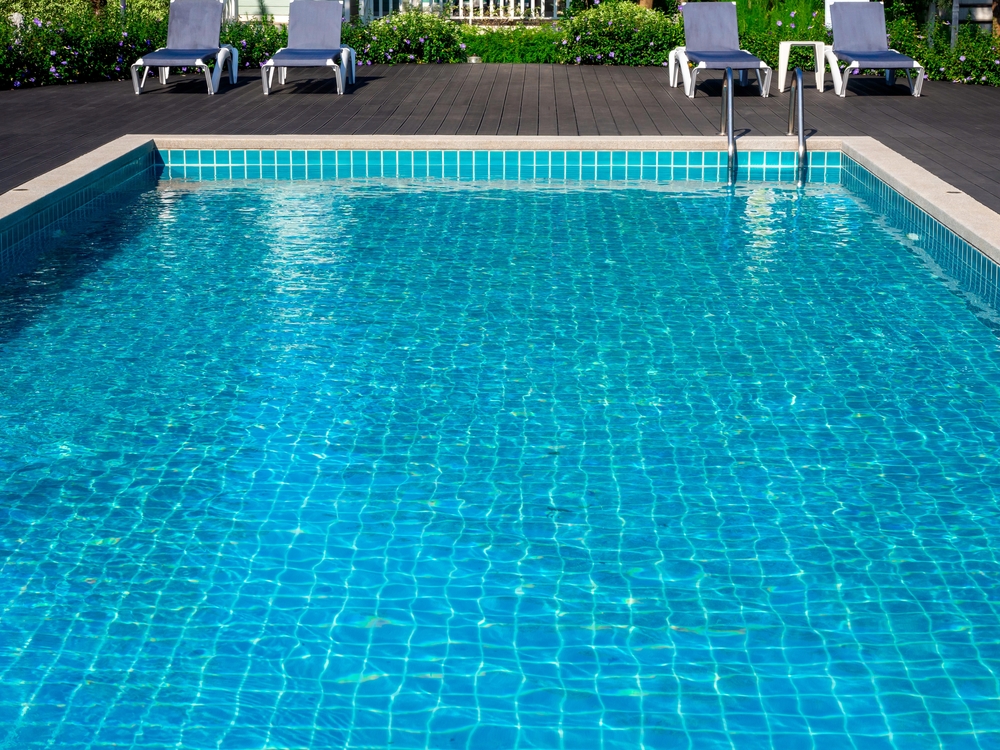
Understanding the Importance of Poolside Tiles in Spain
Selecting the right tiles for the area surrounding your swimming pool in Spain is no small undertaking. The region's unique climate, lifestyle, and architectural trends mean your choice of tiles has a significant impact—not only on the appearance of your pool area but also on safety, comfort, and property value. Whether you are designing a brand-new swimming pool or renovating an existing one, thoughtful planning and informed decision-making are crucial. In this comprehensive guide, we will explore every facet of choosing poolside tiles: from aesthetics and functionality to installation and maintenance—all tailored to the Spanish context.
Climate Considerations: Pool Tiles in the Spanish Environment
Spain enjoys a diverse climate, ranging from the balmy Mediterranean on the eastern and southern coasts to the temperate Atlantic climates in the north, and the hot, dry interiors of the central provinces. When choosing tiles for your swimming pool area, it is essential to consider how weather will affect tile performance.
- Sun Exposure: Spanish pools are often exposed to intense sunlight for much of the year. This can fade colors and degrade sub-par materials over time.
- Heat Retention: Surfaces in direct sun can become uncomfortably hot. The composition and finish of a tile can reduce heat absorption, improving comfort.
- Humidity and Precipitation: Coastal areas may experience salt air and higher humidity, requiring materials that resist corrosion, staining, and algae.
- Freeze-Thaw Cycles: In certain areas—especially inland—nights can see temperatures drop below freezing part of the year. Therefore, tile materials must be frost-resistant to prevent cracking.
Understanding these climatic influences allows homeowners to narrow their options and choose poolside tiles that will last, look good, and stay safe.
Defining Your Style: Aesthetic Trends for Spanish Pool Surrounds
The aesthetic of your pool surrounds tells a story—about you, your home, and your landscape. In Spain, the interplay between modern minimalism, Spanish tradition, and Mediterranean color palettes is particularly notable. Let’s dive into some of the most popular style directions for Spanish pool areas:
- Mediterranean Heritage: Think terracotta hues, hand-painted mosaics, and the vibrant blues and whites of classic Andalusian ceramics.
- Contemporary Minimalism: Large-format, stone-effect tiles in neutral shades exude modern elegance and expand the sense of space.
- Rustic Chic: Weathered stone and wood-look porcelain tiles blend seamlessly into natural landscapes, invoking the essence of a Spanish finca.
- Bold Color Play: Creative use of colored tiles—turquoise, emerald, and sand—can set a playful, resort-like tone for your pool area.
Crucially, your tile selection should harmonize with your home’s architectural style, existing landscaping, and personal taste, ensuring a pool area that feels both inviting and cohesive.
Material Choices: Pros and Cons for Poolside Tile in Spain
Material selection is perhaps the most critical factor affecting the longevity, safety, and beauty of your poolside. Below we break down the leading tile materials commonly used around pools in Spain, highlighting the unique benefits and drawbacks of each.
1. Porcelain Tiles
Porcelain is the gold standard for outdoor tiling in Spain, thanks to its low water absorption, resistance to stains, and wide variety of finishes. Modern porcelain tiles often mimic natural stone or wood, delivering style without the maintenance headaches. Porcelain is particularly suitable for coastal environments, standing up to salt air and strong sun.
- Pros: Non-porous, durable, vast style options, easy to clean, UV and frost-resistant.
- Cons: Higher initial cost, requires professional installation to prevent cracking.
2. Natural Stone (Travertine, Limestone, Slate, Sandstone, Granite)
Stone has been favored in Spain for centuries owing to its timeless appeal and tactile warmth. Each variety—travertine’s earthy tones, limestone’s cool elegance, slate’s iridescence—offers a unique result. Natural stone is ideal for a rustic, traditional look.
- Pros: Highly attractive, stays cool underfoot, complements natural surrounds, adds property value.
- Cons: Porous varieties need sealing, can be slippery when wet unless properly textured, subject to staining and erosion in salt environments, higher maintenance.
3. Ceramic Tiles
Traditional glazed ceramic tiles—especially decorative mosaics—can add delightful Spanish flavor, particularly on waterline edges or accent areas. However, standard ceramics are often too fragile for heavy traffic pool decking.
- Pros: Endless decorative possibilities; relatively affordable; classic Spanish look.
- Cons: Brittle, often slippery, limited suitability for high-traffic or exposed areas, may crack in cold snaps.
4. Wooden Decking & Wood-Look Tiles
While not technically a ‘tile’, wooden pool decks, or porcelain tiles that perfectly imitate wood, are increasingly popular for their warm aesthetic and comfortable feel. Wood-look tiles offer the best of both worlds: style and zero maintenance.
- Pros: Visually appealing, modern, doesn’t overheat, slip-resistant finish options, zero splinter risk with tiles.
- Cons: Real wood requires regular treatments; composite and wood-look porcelain entail higher upfront investment.
5. Concrete Tiles & Pavers
Precast concrete pavers or tiles are staples in commercial applications and modern homes for their cost-effectiveness and design flexibility. Their modularity allows for creative patterns.
- Pros: Affordable, durable, available in bespoke shapes and sizes, generally slip-resistant.
- Cons: Can become hot in strong sunlight, color may fade over time, somewhat utilitarian finish unless high-end variants are chosen.
Ultimately, the selection of material hinges on a careful assessment of priorities: style preferences, budget, environmental exposure, ease of maintenance, and, above all, safety.
Safety First: Anti-Slip and Comfort Considerations
Safety is paramount when designing any poolside environment. Wet surfaces pose a significant slipping hazard, making it critical to select tiles rated for anti-slip performance. In Spain, regulations and manufacturer guidelines will indicate the slip resistance (expressed as R9-R13 or “Clases antideslizantes”).
- For Pool Perimeters: At minimum, tiles should be rated R11 or equivalent, providing extra grip when wet.
- For Areas Prone to Saturation: Steps, shallow sunbathing ledges, or entrances should have the highest anti-slip rating (R12 or higher).
- Tactile Comfort: Some highly textured tiles can be abrasive. Always test samples barefoot to evaluate daily comfort.
- Temperature: Consider surface heat buildup; choose lighter colors or special cooling finishes to ensure tiles remain pleasant even on the hottest days.
The perfect tile blends security and comfort, allowing you and your guests to enjoy your Spanish pool in total confidence.
Color Psychology and Light Reflection around Pools
The color of your poolside tiles influences more than just appearance—it affects how the space feels and functions, especially in the blazing Spanish sun:
- Light Colors: Whites, creams, and light beiges make the area feel more expansive and reflect sunlight, keeping the surface cooler. They also cast beautiful reflections into the water.
- Darker Shades: Charcoals, deep blues, and browns create an intimate atmosphere but may absorb more heat and show water spots or salt deposits more readily.
- Multicolor or Patterned Tiles: Decorative borders, mosaics, or geometric motifs can highlight key areas—steps, waterline, lounging sections—while hiding minor stains or debris between cleaning.
- Color Fastness: Opt for tiles with high UV stability and color retention to prevent fading over years of sun exposure.
Professional color consultations are commonplace in luxury Spanish homes, ensuring the tile selection not only dazzles initially but sustains its splendor over decades.
Installation Techniques: Ensuring a Lasting Result
Proper installation is as crucial as choosing the right tile. Spanish pool environments present unique challenges—shifting ground, temperature swings, and intense humidity. Whether building anew or upgrading your pool surround, adhere to best-practice installation to avoid costly callbacks.
- Substrate Preparation: For excellent adhesion and crack resistance, ensure a stable, waterproof, and clean substrate. Consider anti-crack membranes in seismic or unstable zones.
- Grouting and Sealing: Choose high-quality, exterior-grade grout. For stone or porous tiles, a penetrating sealant is necessary to guard against stains and algae.
- Drainage Planning: Professional design incorporates subtle slopes so rain and pool splash flow away from the pool, minimizing puddling and slip risks.
- Expansion Joints: Temperature swings mean tiles expand and contract. Properly placed expansion joints prevent lifting and cracks.
- Professional Installation: Always use skilled tradespeople who specialize in exterior tiling, ideally with experience in the Spanish market.
Cutting corners on installation undermines even the best materials—make long-term durability a non-negotiable aspect of your project.
Maintenance: Keeping Your Poolside Pristine Year-Round
The Mediterranean climate is kind to outdoor living, but persistent sunshine, pool chemicals, and occasional storms demand a thoughtful maintenance routine to ensure your pool tiles remain beautiful and safe.
- Routine Cleaning: Weekly sweeping and hosing prevent dirt buildup. Use pH-neutral cleaners specifically designed for your tile type to avoid damaging the surface or grout.
- Dealing with Salt & Hard Water: Spanish water supplies are often hard; calcium deposits may appear. Vinegar solutions or specialist anti-limescale products can help.
- Moss and Algae Prevention: In shaded or humid areas, keep an eye out for slippery green growths. Periodic cleaning and ensuring good drainage will minimize this risk.
- Periodic Sealing: Natural stone or unglazed tiles typically require resealing every 1-2 years to maintain stain resistance.
- Timely Repairs: Address any loose tiles, cracked grout, or lifting sections immediately. Quick repairs prevent water ingress and the need for more extensive work later.
Modern tile choices are designed for ease of care, but a little attention goes a long way towards sustaining your investment and enjoyment.
Legal and Regulatory Concerns in Spain
In Spain, pool-related construction and renovation are subject to stringent municipal, regional, and even national regulations.
- Planning Permissions: Any major alteration to your property, including a substantial change in pool surroundings, may require a municipal permit. Always verify before starting work.
- Regulations for Safety: Anti-slip ratings, accessible pathways, and minimum setback distances from boundaries may be enforced by local building codes.
- Historic Properties: If your home is in a historic area, extra restrictions on materials, colors, and installation may apply to respect the region’s architectural integrity.
Engage a local architect or project manager who understands the legal environment to streamline the approval process and ensure full compliance.
Sustainable and Eco-Friendly Options for Pool Tiling
Sustainability is an ever-increasing priority in luxury Spanish homes. Environmentally conscious choices not only reduce ecological impact but also position your property as a forward-thinking investment.
- Recycled Porcelain and Ceramic: Many manufacturers now offer tiles using post-industrial and post-consumer recycled content without compromising performance or appearance.
- Natural Stone from Responsible Quarries: Select suppliers that follow ethical extraction and processing methods; enquire about environmental certification.
- Locally Sourced Materials: Opting for tiles produced within Spain reduces transport emissions and supports local industry.
- Cool Roof Tiles: Specialized coatings or light-reflective tiles can help keep surfaces—and adjacent indoor spaces—cooler, reducing the need for air conditioning.
- Water-Based Sealers and Cleaners: Use products that are low in volatile organic compounds for ongoing maintenance.
Green credentials increasingly add value to property listings in Spain, making ecological investment a smart financial as well as ethical choice.
Budget Planning: Understanding the Full Scope of Tiling Costs
Designing a poolside area with premium tiles represents both an aesthetic and financial investment. Understanding the full spectrum of costs ensures there are no unpleasant surprises.
Direct Material Costs
Porcelain and premium natural stone typically command higher prices, especially large formats or intricate mosaic designs. Factor in matching skirting, steps, and accent tiles for a complete look.
Installation Charges
Skilled installation, including substrate preparation and high-quality grouting, can represent approximately 30-50% of total budgeting. In areas with existing pools, additional costs may arise for removing old materials.
Maintenance and Lifecycle Costing
It pays to consider maintenance frequency and costs over a typical 10-15 year period. While premium tiles have higher up-front costs, they often require less intensive upkeep, saving money over time.
Permits and Professional Design Fees
Don’t forget to budget for any legal permits, as well as architect or project management fees, all of which vary by region and project complexity.
- Tip: Ask for detailed, itemized quotes and stress-test the budget with a 10-20% contingency to absorb any surprises.
A professionally designed and executed tile project may slightly exceed a DIY approach, but the return in terms of value, durability, and enjoyment will be substantial.
Harmonizing Tiles with Landscape and Pool Design
In Spain, an exceptional pool is one that feels like an organic extension of the landscape. Proper choice of poolside tiles bridges this transition, fostering a seamless connection between built environment and nature.
- Consider Pool Shape: Curved edges favor smaller, modular tiles for smooth lines, while geometric pools suit large-format slabs for striking visual impact.
- Synergy with Surrounds: Tiles should echo other exterior elements—garden walls, terraces, planters, or even the roof—to unify the overall composition.
- Water Features and Accents: Mosaics and decorative borders can highlight water features, steps, or infinity edges, adding layers of visual complexity.
- Planting Schemes: Avoid overly rough or porous tiles near planters, as organic matter and falling leaves may complicate cleaning and maintenance.
Give as much attention to the transitions—the thresholds between pool, patio, and garden—as to the pool deck itself for a truly integrated result.
Current Innovations and Designer Insights in Poolside Tiling
Spanish homes are at the forefront of alfresco living, with pool tile trends reflecting both technological innovation and design evolution. Stay ahead of the curve by exploring some of the latest developments:
- Extra-Large Formats: Seamless, slab-sized porcelain tiles create a luxurious, monolithic effect with fewer grout lines.
- Ultra-Thin Profile Tiles: Lightweight, high-strength tiles ideal for renovations, minimizing the need for substrate reworking.
- Non-Standard Finishes: Textured matt, anti-slip, or even leathered finishes offer both practical and tactile interest.
- Invisible Drainage Systems: Smart integration of discreet slot drains between tiles ensures functional drainage without disrupting the design flow.
- Digital Printing: Highly realistic wood, marble, or patterned effects rival natural products in beauty and longevity.
- LED Integration: Flush-mounted, waterproof LED strips embedded within tile edges create magical night-time ambiance.
Consult with a designer specializing in Spanish exteriors to incorporate these details into your poolside vision for the ultimate in style and innovation.
Seasonal Adaptation: Managing Extreme Spanish Summers and Winters
Spain's marked seasonal contrasts place extra demands on poolside tiles.
- Summer: Intense sun and heat make thermal expansion a key issue; ensure tiles and grout can flex appropriately. Heat-resistant materials or cooling coatings can make a world of difference in user comfort.
- Winter: Even in Mediterranean zones, cold snaps and rare frosts demand frost-resistant tiles and proper drainage to expel freeze-thaw water. Inland areas near mountains may need especially robust materials.
- Year-Round Use: If your pool is heated for shoulder-season or winter swimming, ensure tile safety and comfort underfoot in cold, wet conditions.
Preparation for all seasons guarantees long-lived performance and consistent visual excellence, whatever the weather brings.
Expert tips for Choosing and Caring for Spanish Pool Tiles
The selection and long-term management of poolside tiles are not simply matters of taste and initial investment; they demand informed decisions and timely care. Here are some expert tips distilled from years of hands-on experience with Spanish pools:
- Order Samples: Before finalizing your choice, request samples and view them in-situ, under natural sunlight, barefoot and wet, to assess comfort, appearance, and heat retention.
- Think Beyond the Pool: Plan for harmonious transitions between pool, terraces, house, and gardens. Consistency in material and color elevates the estate’s overall impression.
- Opt for Local Sourcing: Spanish-made tiles tailored for local climates often outperform imports when it comes to color fastness, slip resistance, and compatibility with water chemistry.
- Don’t Skimp on Grout: High-quality grouting is your best defense against water ingress and cracking—don’t economize here.
- Schedule Annual Inspections: Especially with stone or concrete, look for shifting, cracks, or staining at least once a year before the swimming season begins.
- Understand Product Warranties: Not all tiles are created equal; reputable manufacturers will offer explicit guarantees on frost-resistance, color retention, and slip resistance.
- Foster Good Drainage: Never underestimate the importance of invisible but effective slopes—from pool edge outward—to ensure your beautiful tiles don’t become slick after a storm.
Meticulous planning and regular attention are the foundation of breath-taking, long-lived pool surrounds in the Spanish climate.
The Investment Perspective: Boosting Property Value with Poolside Tiles
A stunning pool surround is a magnetic feature in the Spanish property market, often making the difference between a quick sale and a property that lingers unappreciated.
- First Impressions: The pool and its immediate environment are key to the emotional impact of luxury homes. Cohesive, high-quality tiling instantly enhances perceived value.
- Turnkey Enjoyment: Buyers value move-in ready exteriors. Investment in enduring tiles, safe finishes, and a unified design can boost offers and reduce time on the market.
- Energy Efficiency: Light, reflective, or cool-roof tiles can impact utility costs, an increasingly marketable feature.
- Low Maintenance: A history of annual cleaning, sealing, and prompt repairs reassures buyers, translating to higher sale prices.
For those considering future returns—as well as present enjoyment—an investment in premium poolside tiles is never wasted: it amplifies both lifestyle pleasure and resale value.
Case Studies: Exemplary Spanish Poolside Tiling Projects
Let’s bring these principles to life by exploring compelling examples from across Spain, showcasing how homeowners have achieved harmony, durability, and beauty in their pool projects.
Case Study One: Contemporary Marbella Elegance
A coastal villa in Marbella opted for large-format, light beige porcelain tiles around an infinity pool. The seamless edge, anti-slip matt finish, and cool color reflect the sun’s glare and stay comfortable even on peak summer days. Subtle LED lighting integrated under the skirting adds drama after dusk, while a matching mosaic accent at the waterline infuses gentle Mediterranean character. Regular professional cleaning and sealing maintain its pristine appearance year-round.
Case Study Two: Rustic Chic in Priorat’s Vineyards
Inland, a traditional stone finca surrounded by vines chose locally quarried travertine tiles. Their textured, warm shades blend into the terraced gardens while providing pleasant barefoot comfort. The porous stone is meticulously sealed and maintained, and the layout features soft curves hugging the natural contours of the land. The overall effect is simultaneously luxurious and organic.
Case Study Three: Ibiza’s Playful Color Palette
On Ibiza, a family villa embraced patterned ceramic tiles in deep turquoise and white for the pool’s border and steps, evoking the island’s bohemian roots. The main terrace uses slip-resistant wood-look porcelain for a beach-club atmosphere. Bright hues pop against the whitewashed house and dazzling blue pool, creating an unforgettable setting for year-round entertaining.
Each case underscores the transformative power of thoughtful tile selection—when climate, lifestyle, and Spanish aesthetic are considered in unison.
Conclusion: Making Wise Choices with IMMO ABROAD
Selecting poolside tiles in Spain is an enriching journey, balancing climate resistance, aesthetics, safety, and return on investment. From the diverse material options—porcelain, stone, ceramics, modern hybrids—to design leadership and eco-sensitivity, every detail forms part of an outdoor legacy.
With IMMO ABROAD’s experience and insight, you can navigate the complexity with confidence, ensuring your Spanish pool not only reflects your dreams but endures as a source of pleasure, pride, and value for decades to come.
In summary, the wisdom lies in informed selection, expert installation, and regular care. Embrace the full potential of your Spanish outdoors—and enjoy every moment, poolside and beyond.