



Introduction: The Bidet Debate in Spain
The question of whether to install or use a bidet in Spain—“Bidet in Spanje: Wel of niet doen?”—touches on culture, hygiene, tradition, and the evolving preferences of homeowners and travelers alike. While some see the bidet as an outdated relic, others are rediscovering its practical, hygienic, and even environmental benefits. As Spain continues to host a dynamic blend of native residents, tourists, and expats, the topic has never been more relevant. In this comprehensive guide, we will explore every angle of the bidet debate in Spain with a professional, detailed lens, arming you with the information you need to make an informed, confident decision for your Spanish home or vacation property.
The History of the Bidet: From European Origins to Spanish Bathrooms
The bidet’s origins trace back to 17th-century France, where it was initially considered a luxury item in aristocratic homes. The word “bidet” itself means “pony” in French, a nod to the way the bidet is straddled. Over the centuries, its use spread throughout Europe, particularly in southern countries such as Italy, Portugal, and Spain, embraced for its promise of enhanced personal hygiene.
In Spain, bidets made their way into mainstream housing from the mid-20th century onward, especially as indoor plumbing became standard. They found particular favor in hotels and upscale apartments but gradually permeated even modest homes. The cultural embrace of the bidet continued until more recent decades when modern minimalist design trends and changing lifestyles resulted in fewer new installations.
Understanding the historical context gives us valuable insight into the current debate and why the bidet still evokes strong opinions among both Spanish families and international visitors.
Cultural Perspectives: Bidet Use in Spanish Homes
Cultural attitudes towards the bidet in Spain are unique. Elsewhere in Europe, bidets may still be found only in luxury hotels or older homes, but in Spain, the bidet reached a sort of ubiquity, especially in properties built between the 1970s and 1990s.
- Habitual Practice: Many older generations view the bidet as an essential for intimate hygiene and often use it daily.
- Modern Shifts: Younger Spaniards and international residents may see the bidet as unnecessary, citing advances in bathroom tissue quality and personal care habits.
- Hospitality Influence: Tourists and expats are frequently surprised by its presence or confused about its use, occasionally mistaking it for a secondary handwashing sink.
In short, while the bidet’s presence is a marker of Spanish hospitality and attention to hygiene, acceptance varies greatly depending on demographic, region, and personal upbringing.
Functional Benefits of the Bidet: Hygiene, Comfort, and Health
Central to the defense of the bidet is its promise of superior personal hygiene. Here are key functional benefits:
- Enhanced Cleanliness: A bidet provides a gentle yet thorough clean, often superior to paper products alone, significantly reducing the chance of irritation or infection.
- Comfort for Sensitive Skin: Individuals with allergies, hemorrhoids, or other sensitivities often prefer water to abrasive toilet tissue.
- Support for Special Circumstances: Elderly people, those with mobility issues, or women during menstruation or postpartum recovery, all benefit tremendously from the bidet’s accessibility and gentle cleaning.
- Odor Control: Eliminating residue quickly helps reduce odor, contributing to more comfortable and inviting bathrooms.
These distinct advantages illustrate why the bidet remains a staple in Spanish homes concerned with both health and comfort.
Environmental Impact: Bidet Versus Toilet Paper
Environmental consciousness is growing around the globe, and the bathroom is no exception. The average Spaniard uses a significant amount of toilet paper annually, contributing to deforestation, water consumption in manufacturing, and challenges in waste management.
Water Usage Comparison
At first glance, a bidet might seem to use excessive water. In reality, a typical bidet uses less than half a liter (about a pint) per use. Compared to the extensive water involved in producing toilet paper (about 140 liters per roll during manufacturing), the bidet comes out ahead in sustainability.
Reduction in Waste
- Less Toilet Paper: Bidet use often eliminates the need for paper altogether or at least dramatically reduces it, resulting in fewer blockages and less landfill waste.
- Biodegradable Alternatives: When paper is needed only for drying, switching to biodegradable towels becomes more feasible and cost-effective.
For the environmentally-minded, the bidet presents a clear path towards a more sustainable lifestyle without compromising on cleanliness.
Modern Design and Technology: Bidets for the 21st Century
The image of a squat, porcelain fixture is being rapidly overtaken by new designs and innovations in the bidet market. Today, Spanish homeowners and property investors can choose from an impressive array of modern options.
Standalone Versus Attachments
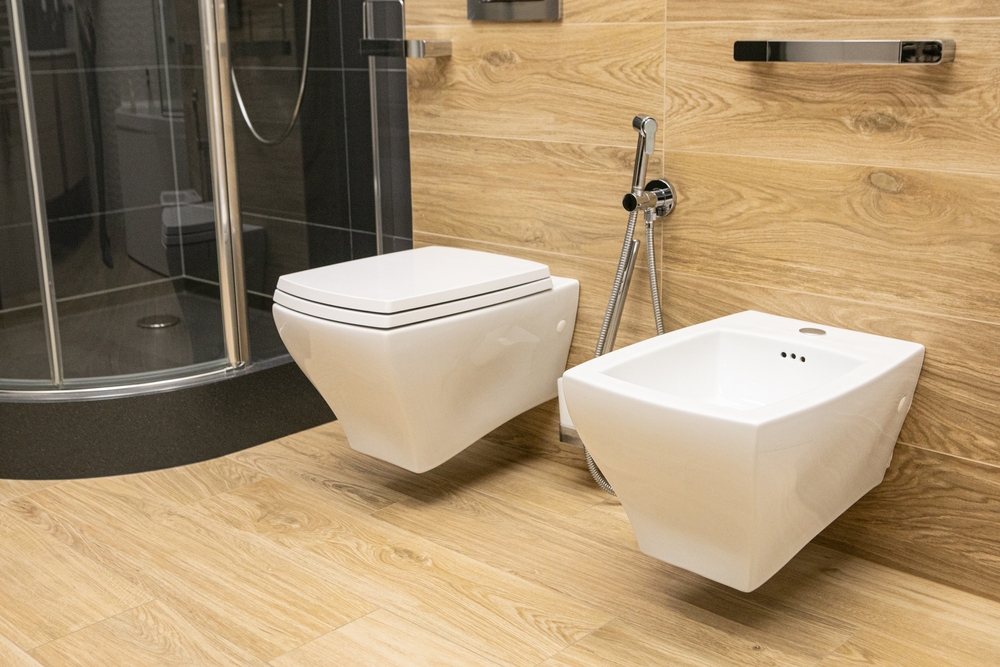
- Classic Standalone Bidet: The type most commonly found in Spanish homes; typically installed adjacent to the toilet.
- Integrated Toilet-Bidet: A single unit combining both functionalities, perfect for smaller bathrooms or minimalist aesthetics.
- Bidet Attachments and Seats: Affordable, easy-to-install devices that fit onto existing toilets without requiring major plumbing work.
Tech Features
- Temperature Control: Users can regulate the warmth of the water, ensuring comfort even in cooler months.
- Adjustable Nozzles: Customizable direction and pressure of water for a tailored experience.
- Remote Controls, Air Dryers, and Night Lights: Additional innovations that enhance ease of use, accessibility, and luxury.
Contemporary Spanish bathrooms can thus integrate bidets seamlessly, whatever the design theme, combining tradition with state-of-the-art convenience.
Installation Considerations: Space, Plumbing, and Costs
One of the key concerns for those contemplating installing a bidet in Spain is the practical question of space and cost. Here’s what to consider:
Space Requirements
- Standalone Bidet: Typically requires at least 60 cm of additional width beyond your toilet. Not always feasible in modern, smaller bathrooms.
- Bidet Toilet Seats: These require no extra footprint, making them ideal for renovated or redesigned spaces.
Plumbing Needs
- Water Inlet: Sufficient water pressure and a dedicated supply are required for standalone bidets; adapters are available for less-invasive upgrades.
- Drainage: Proper waste drainage must be considered to avoid unpleasant odors or backups. Existing older bathrooms may already have this infrastructure in place.
Budget Considerations
- Installation Costs: Installing a new standalone unit is the most expensive option, factoring in both labor and possible floor modifications.
- Attachment Costs: High-tech bidet seats or nozzles are affordable and widely available, requiring minimal changes to existing arrangements.
A thorough evaluation of your space, plumbing infrastructure, and budget is critical before making a final decision. Professional guidance can ensure the installation blends harmoniously with your existing bathroom layout.
Bidet Use: Myths, Etiquette, and Proper Technique
For many, using the bidet is shrouded in mystery. Misconceptions abound, especially among those who have never encountered the fixture except during travel. To address concerns, let’s clarify the most common myths and outline accepted etiquette and usage.
Common Bidet Myths
- Myth 1: The bidet is dirty or unsanitary.
Fact: On the contrary. Regularly cleaned bidets are among the most hygienic bathroom fixtures, as they encourage users to wash rather than wipe. - Myth 2: Bidets are only for women.
Fact: Men benefit equally from bidet use for cleanliness, especially after toilet use. - Myth 3: Bidets are difficult to use.
Fact: With simple controls and adjustable settings, modern bidets are accessible to all ages and abilities.
Bidet Etiquette and Best Practices
- After using the toilet, shift to the bidet or activate an integrated spray on the same seat.
- Adjust water temperature and pressure as desired to avoid discomfort.
- Use your hands to clean if necessary but always ensure hands are washed with soap and water afterward.
- Use a tissue or towel to dry, disposing or laundering as appropriate.
- Never wash shoes, pets, or inappropriate objects in the bidet; this is considered poor manners in Spain.
Mastering bidet use is a gateway to more hygienic and comfortable bathroom routines, and being aware of local customs helps avoid embarrassment.
The Bidet in Spanish Real Estate: Modern Trends and Buyer Expectations
Spanish real estate trends influence the popularity of bidets. As new developments embrace open-plan and compact designs, the role of traditional fixtures is being reimagined.
Bidet Popularity in Old Versus New Properties
- Established Homes: Properties built in the late 20th century almost always feature a bidet, often as a selling point, especially for buyers from Mediterranean backgrounds.
- New Builds: Many developers now treat the bidet as optional, offering space-saving fixtures or omitting it to increase usable restroom space.
Expectations from International Buyers
- European Buyers: British, French, and Italian clients often appreciate the inclusion of a bidet, seeing it as a mark of quality.
- Northern Europeans and North Americans: Some may view it as superfluous or outdated, especially if unfamiliar with bidet use.
Understanding these expectations is crucial for sellers and investors looking to appeal to a broad market. Customization options, such as offering easy-to-install bidet attachments, can widen appeal without significant remodeling.
First-Time Users: Overcoming Hesitation and Maximizing Comfort
For first-time users, the idea of washing with water can provoke uncertainty or shyness. Offering step-by-step orientation and reassurance resolves hesitation and turns the bidet into a feature rather than a question mark.
Simple Steps to Confident Bidet Use
- Inspect Controls: Familiarize yourself with any knobs, dials, or buttons. Modern versions often have clear pictograms or instructions.
- Adjust Gradually: Set water temperature and pressure to their lowest and increase slowly to your comfort level.
- Relax: Take your time. Improper use stems most often from rushing or embarrassment.
- Dry Off: Use a clean towel or tissue, as preferred, remembering to wash your hands afterward.
Hospitality Tips
- For Spanish hosts, offering written instructions in guest bathrooms (in English and Spanish) can make international visitors feel welcome and informed.
- If renting out property, including bidet-oriented FAQs in your welcome package helps avoid confusion.
A bit of gentle guidance transforms the bidet from potential oddity into celebrated luxury, appreciated by users of every background.
Frequently Asked Questions: Bidet Use and Maintenance in Spain
To further guide your decision, here are carefully curated answers to the most commonly asked questions about bidets in Spain.
-
How do you clean a bidet?
Answer: Treat the bidet much like a sink. Disinfect daily and thoroughly scrub all surfaces at least weekly. For bidet seats, follow the manufacturer’s cleaning instructions, avoiding harsh or abrasive chemicals that might damage plastic parts or electronic components. -
Does the bidet require special plumbing?
Answer: Traditional bidets require a separate water line and drain. Modern attachments often connect to existing supply lines with minimal tools and expertise. -
Is it safe for children and elderly people?
Answer: Absolutely. Most users report increased comfort and safety, provided water pressure and temperature are set appropriately. Always supervise small children, especially with electronic units. -
Can I add a bidet to a rental property?
Answer: Bidet toilet seats are a simple, effective upgrade for any rental, attracting international guests and adding a touch of luxury. -
Do Spanish hotels have bidets?
Answer: Many 3-star and higher hotels, especially those with classic or luxury décor, still provide bidets. However, the trend in newer or minimalist hotels is to omit them. Always inquire ahead if this is an important criterion for your travel comfort. -
How often should the bidet be used?
Answer: Frequency is personal, but many Spaniards and expats use the bidet after every toilet visit, especially for number two, menstruation, or before intimate moments.
Bidet and Property Value: Does It Impact Your Spanish Real Estate Investment?
A frequent point of discussion is whether a bidet increases or decreases property value in Spain. As with all fixtures, the answer depends on the local buyer pool and their priorities.
Bidet as a Selling Feature
- In regions with strong Mediterranean influences, such as Valencia, Malaga, or Seville, many buyers actively seek properties with bidet-equipped bathrooms.
- For upscale family homes or villas, the bidet is seen as evidence of quality construction and pampering attention to detail.
When the Bidet May Deter Buyers
- Some younger or international buyers may prefer extra storage or shower space and could see the bidet as unnecessary. For these cases, removable bidet attachments are a perfect compromise.
Ultimately, maintaining or enhancing property value involves aligning bathroom features with the expectations of your most likely buyers. Consulting with knowledgeable property specialists ensures your choices appeal to the widest audience, with the option for easy alterations should preferences change.
Health and Medical Recommendations: When a Bidet is (or Isn’t) Preferred
Medical professionals increasingly recommend the bidet as an aid for personal cleanliness. Here’s when specialists in Spain and beyond particularly advocate for its use:
- Post-Surgical Recovery: Gentle rinsing with a bidet is less painful and more sanitary for patients recovering from surgeries involving the lower body.
- Pregnancy and Postpartum: Warm water cleaning is soothing and protects sensitive, healing tissues.
- Chronic Conditions: Individuals with hemorrhoids, rashes, or irritable bowel syndrome often find relief in the bidet’s non-abrasive rinse.
- Mobility Issues: The elderly and people with disabilities benefit from the bidet’s ease of use, reducing the need for awkward stretching or excessive movement.
Potential Contraindications
- Care must be taken not to use water pressure that is too strong, which could cause irritation.
- Always ensure the water is clean and the bidet is disinfected regularly to avoid cross-contamination, especially in shared households or rental properties.
For specific questions regarding health and the bidet, consult a Spanish healthcare provider who can recommend best practices tailored to individual needs.
Bidet Trends: Spain in the Context of European and Global Preferences
Bidet culture varies across Europe and the rest of the world, with Spain occupying a unique position.
Southern Europe versus Northern Europe
- Southern Europe (Spain, Italy, Portugal): The bidet remains a marker of refined hygiene and is a common feature in homes and hotels.
- Northern Europe (UK, Germany, Scandinavia): Historically, the bidet has seen little popular uptake, though interest is quietly increasing among eco-conscious or luxury consumers.
Worldwide Trends
- Asia: In countries such as Japan and South Korea, bidet-toilets with advanced functions (heated seats, air dryers) have set international trends and are now exported worldwide.
- United States: The COVID-19 pandemic sparked an increase in bidet interest due to toilet paper shortages, but mainstream adoption remains limited compared to Spain.
Spain continues to bridge traditional and modern attitudes, often serving as a reference point for other regions rediscovering the bidet for both function and flair.
Choosing the Right Bidet for Your Spanish Home: Key Factors
Selecting the ideal bidet involves balancing personal preference, bathroom layout, budget, and lifestyle needs. Here’s how to approach this important decision:
- Space: Measure available bathroom area and consult with your contractor or bathroom designer.
- Integration: Decide if you prefer a classic standalone, high-tech attachment, or all-in-one unit.
- Functionality: Identify must-have features (temperature control, heated seat, air dry) based on household needs.
- Design: Match bidet appearance to your bathroom décor for seamless aesthetic harmony.
- Cost: Factor installation, product, and potential plumbing upgrades into your budget.
Researching product reviews, seeking professional input, and understanding the latest options ensures your investment delivers long-term satisfaction and value.
Environmental Benefits Versus Drawbacks: A Deeper Dive
While earlier we touched on sustainability, let’s take a detailed look at the impact of bidets versus continued reliance on toilet paper:
Environmental Advantages
- Deforestation Reduction: Lower paper usage equals fewer trees felled, aiding in habitat conservation and CO2 reduction.
- Energy & Water Conservation: Despite using water with every bidet rinse, the total usage is negligible compared to the energy and water consumed during large-scale toilet paper manufacturing.
- Wastewater Treatment: Reduced solid waste from decreased paper use leads to easier, more efficient municipal wastewater treatment.
Potential Challenges
- Water Quality: Spanish homes drawing water from older municipal systems must ensure safe and clean water, particularly in rural areas.
- Maintenance: Bidet parts, especially high-tech versions, require periodic inspection to prevent leaks and water waste.
Weighing these considerations affirms that the bidet is an environmentally friendly upgrade for most Spanish bathrooms, with only minimal challenges that can be easily managed.
Case Studies: Real Experiences from Spanish Homeowners and Expats
First-hand accounts are invaluable in gauging real-world satisfaction. Here we present a selection of testimonials from both Spanish residents and international property owners who have chosen to embrace, retain, or remove the bidet.
Maria (Madrid Homeowner)
Maria, a lifelong Madrid resident, insists her daily routine would be unthinkable without the bidet: “My parents and grandparents always taught me the importance of personal cleanliness. For me and my children, the bidet is more than tradition—it’s part of daily comfort.”
John (British Expat in Alicante)
John initially found the bidet in his Alicante apartment perplexing. After a period of curiosity, he grew to appreciate the added hygiene during Spanish summers: “Now, I wouldn’t want a bathroom without one, especially in this climate.”
Teresa (Barcelona Designer)
Teresa specializes in bathroom renovations for central Barcelona flats: “We’re blending the best of tradition and practicality, often replacing standalone bidets with modern attachments to save space but keep the core benefit.”
Luisa (Valencia Landlord)
Luisa rents her property to visiting professionals: “Surprisingly, the bidet is a talking point! Guests from all over Europe find it charming, and it sets my rental apart.”
These stories underline that attitudes may evolve, but in Spain, the bidet continues to hold relevance, adapting to new needs and lifestyles.
Hospitality and Health Regulations: Bidet Standards in Accommodation and Rentals
While the bidet is not a legal requirement for Spanish hotels or short-term rental properties, it is considered an amenity that enhances perceived quality and comfort—often reflected in guest reviews.
Regional Variations and Hospitality Trends
- In luxury accommodations and four-star or higher hotels, the bidet is commonly found, particularly in suites and larger rooms.
- Vacation rentals (casas rurales, fincas) increasingly offer a bidet, with many marketing it as a “touch of local tradition.”
- Urban apartments may favor bidet attachments or multifunctional toilets due to spatial constraints.
Ensuring proper maintenance and providing clear instructions for international guests further solidifies the bidet as a differentiator in Spain’s competitive hospitality sector.
Embracing the Bidet: Practical Advice for Spanish Living
Ultimately, the decision to embrace or omit the bidet in Spain depends on your circumstances. Here’s targeted advice for making the most of this unique feature:
For Homeowners
- Retaining a traditional bidet can add value and preserve character in older homes.
- For renovations, consider modern attachments to enjoy advantages without spatial sacrifice.
For Landlords and Investors
- Bidets can attract a broader pool of tenants, including families, expats, and those seeking a premium experience.
- Simple, upgradeable attachments make the feature flexible and adaptable to changing tenant needs.
For Travelers and Expats
- Familiarizing yourself with bidet use enhances comfort and helps you “live like a local.”
- When house hunting, consider your preference—you’ll likely encounter both equipped and non-equipped bathrooms in your search.
Practical, open-minded adoption of the bidet may transform your Spanish living experience, blending cleanliness, convenience, and a touch of tradition.
Conclusion: Bidet in Spanje – Wel of Niet Doen?
The decision to install, retain, or remove a bidet in your Spanish property is multifaceted—reflecting personal preference, cultural tradition, practical needs, and evolving design trends. For many, the bidet stands as the hallmark of Spanish hygiene and comfort, echoed through generations and increasingly favored by contemporary homeowners seeking sustainability and luxury.
As you weigh your options, consider the specificities of your property, the expectations of future residents, and your own daily routines. Consulting with real estate professionals and interior designers ensures a tailored solution that blends flawlessly with the vibrant, welcoming lifestyle that Spain is celebrated for.
The bidet, whether classic or high-tech, eccentric or indispensable, remains a symbol of care—for the home, for one’s health, and for the environment. In the end, “Bidet in Spanje: Wel of niet doen?” is less a question of yes or no, and more a journey towards personalized comfort, responsible living, and true Spanish hospitality.