




Understanding the Appeal: Why Buy a Bungalow in Spain?
Spain has for decades captivated the hearts and minds of property seekers from around the globe. Among the array of property options available, the bungalow enjoys a special status, offering a unique combination of comfort, convenience, and Mediterranean charm. But what drives so many buyers to seek out bungalows in this sun-drenched paradise?
Bungalows in Spain offer the ease of single-floor living, spacious designs, sun-kissed terraces, and often, private gardens and swimming pools. Whether nestled along the sparkling coasts of the Costa Blanca and Costa del Sol or tucked away in scenic inland valleys, these properties epitomize leisure, relaxation, and a seamless connection between indoor and outdoor spaces.
From retirees desiring an accessible, maintenance-friendly home to families dreaming of endless outdoor play for their children, bungalows cater to varied lifestyles. With their characteristic blend of Spanish tradition and modern comfort, they provide an ideal base from which to embrace the enviable climate, lifestyle, and vibrant culture for which Spain is famous.
Let us take you on an in-depth journey through every aspect of buying a bungalow in Spain — from essential legalities, financial considerations, and neighborhood selection, to personalized tips on making Spanish life your own.
Popular Regions for Bungalow Living in Spain
Bungalows grace many corners of Spain, but some regions stand out for their climate, amenities, and enduring popularity among international buyers. Here’s an overview of key hotspots:
- Costa Blanca: Renowned for its extensive white beaches, turquoise Mediterranean waters, and cosmopolitan ambiance. Towns such as Javea, Denia, Moraira, and Torrevieja offer bustling markets, golf courses, and vibrant expat communities.
- Costa del Sol: Famed for its year-round sunshine, lively resorts, and world-class marinas. Marbella and Estepona are favorites, combining luxury with laid-back coastal living.
- Costa Brava: A striking landscape of rugged coastline, secluded coves, and historic villages. The region appeals to those seeking both culture and tranquility.
- Costa Dorada: With its family-friendly atmosphere and proximity to Barcelona, the “Golden Coast” is drawn by golden beaches and Mediterranean pine forests.
- Inland Spain: Cities and historical towns such as Valencia, Seville, Granada, and Toledo offer bungalows within cultural epicenters, often at more affordable prices than the coast.
- Baleares and Canary Islands: For those seeking island life, bungalows on Mallorca, Ibiza, Tenerife, and Gran Canaria boast spectacular views and a unique pace of life.
Each region brings its own advantages — climate, accessibility, cost of living, and lifestyle possibilities. Before choosing, it is essential to consider your personal priorities and how each location aligns with them.
The Buying Process: Step-by-Step Guide
Buying a bungalow in Spain can seem daunting at first, especially for international buyers unfamiliar with local property law and customs. Fortunately, with adequate preparation and knowledgeable support, the process becomes straightforward. Let’s break down each step:
1. Define Your Budget and Secure Financing
The journey begins with an honest assessment of your finances and a clear budget. In addition to the bungalow price, factor in the following costs:
- Property transfer tax (ITP)
- Notary and land registry fees
- Legal representation
- Valuation and survey costs
- Furniture and renovations (if needed)
- Ongoing community and maintenance fees
If a mortgage is required, non-residents can typically borrow up to 60-70% of the property’s value. Consult with local banks to understand the conditions. Pre-approval will streamline the offer process when you find your ideal property.
2. Establish Your Requirements
Create a checklist of your needs and desires. Consider:
- Preferred regions and settings (coastal, inland, urban, rural)
- Size (number of bedrooms and bathrooms, total square meters, plot size)
- Essential features like pools, garages, gardens, terraces, or single-level access
- Proximity to amenities, transport, schools, or healthcare
- New build versus resale
Prioritizing these will help filter choices and streamline viewings.
3. Property Search and Shortlisting
Once your criteria are clear, begin your property search. Take care to use reputable, established agencies — their experience and local knowledge will be invaluable throughout the process. When you have shortlisted your favorite bungalows, arrange in-person or virtual visits (especially advisable for off-plan properties).
4. Make an Offer and Sign the Reservation Contract
Once you find your bungalow, you (via your representative) will make a formal offer. If accepted, both parties sign a reservation contract, and you pay a deposit (typically €3,000 – €6,000). This agreement removes the property from the market while due diligence is completed.
5. Due Diligence and Legal Verification
Appoint a qualified, independent lawyer to conduct comprehensive checks:
- Verify title deed (escritura) and property ownership
- Check for debts, charges, or encumbrances
- Confirm planning permissions and habitability certificates
- Review community statutes if the bungalow is part of an urbanization
This stage ensures you are buying a property free of legal issues or financial surprises.
6. Sign the Private Purchase Contract (‘Contrato de Arras’)
With legal clearance, you sign the main private contract and pay an additional deposit (usually 10% of the agreed price). This contract sets out the timeline and agreed terms.
7. Completion and Notary Formalities
The final step takes place at a Spanish notary office, where both parties (or their representatives) sign the title deed. The remaining balance is paid, and keys are handed over. The notary registers the transaction in the Land Registry, officially transferring the title to your name.
8. Post-Purchase Registrations and Set-Up
After completion, your legal team assists with transferring utility contracts, setting up direct debits for taxes and maintenance, and registering for local taxes as a property owner.
Legal Aspects of Buying a Bungalow in Spain
A key aspect of a successful property transaction is navigating Spain’s legal framework. Below are the essentials to ensure a secure purchase:
Understanding Land Registry and Title Deeds
The Spanish Land Registry (Registro de la Propiedad) records all property titles, mortgages, and rights. Registration is mandatory for full legal security. Always verify the seller is the registered owner and that the bungalow can legally be sold.
Notary’s Role in Completion
All sales in Spain are concluded before a public notary, who ensures the authenticity of documentation and compliance with the law. The notary registers the transfer, but it is wise to engage your own legal counsel to guarantee your interests are protected.
The NIE Number
All foreign buyers must obtain a Número de Identidad de Extranjero (NIE), a unique tax ID required for any official process — from opening a bank account to completing the purchase.
Due Diligence on Rural and Urban Properties
While urban bungalows usually have clean paperwork, extra care is needed on rural homes to confirm correct registration, building licenses, and that there are no outstanding sanctions for illegal construction.
Community Statutes and Building Regulations
If your bungalow is in a shared development, acquaint yourself with comunidad de propietarios rules — these may govern exterior modifications, use of common spaces, and community fees.
Financial Considerations and Ongoing Costs
Understanding both the immediate and annual costs of buying and owning a bungalow in Spain is vital for effective planning and financial security.
Purchase Taxes and Fees
- Transfer Tax (ITP) on resale homes: Ranges from 6–10% depending on region.
- VAT (IVA) on new builds: 10% plus 1.5% stamp duty.
- Notary and land registry: 1–2% of the purchase price.
- Legal fees: Typically 1% of the price.
- Mortgage costs: Arrangement fees and life insurance, if required.
Budget approximately 10–13% of the agreed price to cover these acquisition costs.
Annual Property Expenses
- IBI (local property tax): Paid annually to the town hall, based on cadastral value.
- Refuse tax (basura): Annual rubbish collection fee.
- Community fees: If in an urbanization, for shared amenities and maintenance.
- Utility bills: Water, electricity, gas, telephone, internet.
- Insurance: Covering both property and contents.
- Non-resident income tax: Applies if you do not reside full-time in Spain.
- Property management: If you rent out or visit only occasionally.
Proper budgeting for these recurring costs ensures uninterrupted enjoyment of your property.
Choosing the Right Bungalow: Features and Styles
Spanish bungalows come in a range of styles, catering to classic and contemporary tastes alike. Here’s what to consider when weighing your options:
Traditional vs Modern Bungalows
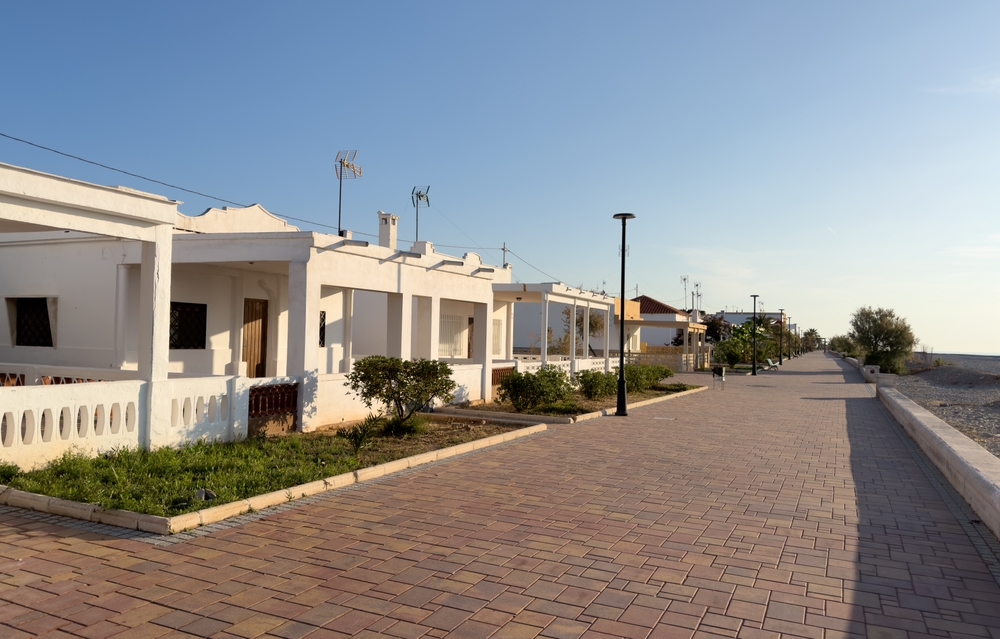
Traditional bungalows, especially in regions like Andalusia or the Costa Blanca, are famed for whitewashed facades, terracotta roofs, and arched verandas. Interiors often include tiled floors, open hearths, and ornate wooden features. These properties exude Spanish character and are often located in established neighborhoods.
In contrast, newly built bungalows are increasingly sleek, energy-efficient, and tailored to international tastes. Expect open-plan layouts, floor-to-ceiling windows, smart home technology, and minimalist landscaping. Newly built options offer warranties, advanced insulation, and premium amenities.
Privacy and Communal Living
Some bungalows are in independent plots, offering a private driveway, gardens, and sometimes even orchards. Others are in gated communities (urbanizaciones), sharing pools, gardening, and security services. Choose based on your preferred balance between privacy and socialization.
Outdoor Living Spaces
A highlight of Spanish bungalows is the opportunity for seamless outdoor living. Look for homes with:
- South-facing terraces for year-round sun
- Private pools or Jacuzzis
- Covered alfresco dining areas (naya or porch)
- Spacious gardens with Mediterranean planting
Sustainability and Modern Comforts
Sustainability is increasingly in focus, with features such as solar panels, double glazing, energy-efficient air conditioning, and native drought-resistant landscaping. If sustainability matters to you, ask about the home’s energy certificate (‘Certificado de Eficiencia Energética’) and energy-saving installations.
New Build vs Resale Bungalows: Advantages and Considerations
Choosing between a new build bungalow and an existing resale home is one of the key decisions you’ll make. Each option offers distinct benefits and some unique challenges:
Advantages of New Builds
- Modern Design: Open plan, bright interiors, top-quality materials.
- Energy Efficiency: Compliant with the latest regulations for insulation, solar, water savings.
- Developer Warranties: 10-year insurance on major construction defects.
- Customization: Ability to select finishes, layouts, and fixtures (if buying off-plan).
- Minimal Maintenance: New installations require little intervention in early years.
Considerations on New Builds
- Higher initial taxation (10% VAT rather than transfer tax on resales)
- Delivery delays if purchased off-plan; always verify developer reliability
- Settling-in period for new communities can take time
Benefits of Resale Properties
- Immediate availability and the ability to inspect what you are buying
- Established neighborhoods; more mature gardens, trees, and ambiance
- Potentially lower acquisition cost versus new builds
- Often larger plots; old bungalows can be ideal for renovation projects
Considerations on Resale Homes
- Older installations may need upgrading (plumbing, electrics, heating)
- Be attentive to potential hidden defects or undocumented building extensions
- Budget for renovation and ongoing maintenance
It’s crucial to conduct a thorough survey and factor in all costs—short-term and long-term—when making your selection.
Financing Your Spanish Bungalow: Mortgage Options
For those not purchasing in cash, Spain offers various mortgage products to qualified international buyers. Here’s what you need to know:
Types of Mortgages Available
- Standard repayment mortgages (hipoteca de amortización): Fixed or variable rate, paid over 15–30 years.
- Interest-only options: Available for shorter terms, usually with higher rates.
- Construction mortgages: For those building a bungalow from scratch.
Eligibility and Documentation
- NIE number
- Valid passport
- Proof of income (salary slips, bank statements, tax returns)
- Credit report from your home country
- Purchase reservation contract or property details
Banks typically lend up to 60–70% of the appraisal value to non-residents. The interest rate will depend on your financial profile and the loan-to-value ratio.
Mortgage Approval Timeline
The mortgage process can take several weeks. Begin application early and have contingency funds available to avoid delays at completion.
Costs Associated with Mortgages
- Bank appraisal and arrangement fees
- Notary and registration costs (for mortgage deed)
- Insurance (life, property)
Working with an Estate Agency: Advantages of Professional Guidance
Navigating the Spanish real estate market is more comfortable, secure, and rewarding when you have experienced support on your side. Partnering with a dedicated estate agency provides several benefits:
Expertise and Local Knowledge
A knowledgeable agent can present you with curated property selections, arrange viewings, and share invaluable insights into neighborhoods, schools, healthcare, and lifestyle factors.
Negotiation and Representation
Estate agents advocate on your behalf, ensuring the best terms and price are achieved, and guiding you through every contractual detail to avoid costly errors.
Coordination of Services
Your agency can connect you with trusted lawyers, architects, surveyors, and tradesmen—saving you precious time and minimizing risks.
After-Sales Care
Assistance doesn’t end at purchase; agents can help with utility registration, property management, insurance, and integration into your new community.
Legal and Tax Residency: Staying Compliant in Spain
Many buyers begin as holiday homeowners but later consider spending more time in their Spanish bungalow. Understanding the difference between property ownership and residency is essential:
Property Ownership vs. Residency
Owning property does not automatically grant the right to reside or work in Spain beyond 90 days (per 180-day period) for non-EU nationals.
Options for Longer Stays
- Non-Lucrative Visa: For retirees and those living from passive income.
- Golden Visa Program: For buyers investing €500,000+ in real estate.
- EU and EEA nationals: Freedom of movement allows stays without restriction, but registration as a resident is required for long-term stays.
Taxation for Residents and Non-Residents
- Non-resident property tax: Payable annually, even if property is not rented out.
- Income tax: Applies on rental income, with deductions for expenses if you pay in the EU.
- CGT and Inheritance Tax: Spain levies capital gains (on profit from sale) and inheritance taxes, with regional variations.
Consult a tax advisor to optimize your position and remain compliant.
Renovating and Personalizing Your Bungalow
Many buyers aspire to tailor their Spanish bungalow to personal tastes. Whether updating kitchens, extending living areas, or transforming gardens, Spanish law regulates construction and renovations:
Licenses and Permissions
Minor works, such as interior painting or kitchen upgrades, often only require notification to the local city hall. Major renovations—new swimming pools, extensions, or substantial structural changes—demand an architect’s project and council permission.
Hiring Local Contractors
Engage established, insured tradesmen and confirm license status. Obtain written estimates and detailed contracts, specifying materials and timelines. Unlicensed work can cause problems during resale or when obtaining insurance.
Renovation Incentives
Some municipalities offer tax breaks or grants for energy-efficient upgrades. Take advantage of opportunities to make your bungalow both comfortable and eco-friendly.
Living the Lifestyle: Spanish Culture, Cuisine, and Community
Owning a bungalow in Spain is ultimately about embracing a lifestyle. Here’s what awaits:
Mediterranean Leisure
Proximity to stunning beaches, golf courses, yachting marinas, and hiking trails creates endless opportunities for recreation and relaxation.
Cuisine and Gastronomy
From fresh seafood paellas to aromatic tapas, Spain’s culinary scene is a daily pleasure. Discover local farmers’ markets, wine tours, and vibrant restaurants in every region.
Festivals and Cultural Events
Spain’s rich heritage comes alive in fiestas, music festivals, and processions. Experience region-specific traditions—flamenco in Andalusia, Fallas in Valencia, and Easter parades across the country.
Integrating with the Community
Spain is famed for its warm hospitality and strong community spirit. Join local clubs, language groups, sporting activities, and neighborhood associations to make new friends and establish roots.
Essential Tips for International Buyers
Here are some indispensable tips to ensure a smooth and rewarding Spanish bungalow purchase:
- Always conduct a professional survey to uncover any hidden problems.
- Don’t rush. Visit potential locations multiple times and at different seasons before committing.
- Hire an independent lawyer who is fluent in your language and familiar with the region’s nuances.
- Plan for the future—consider resale value, inheritance, and legacy planning.
- Budget for all costs, both at purchase and annually, to avoid surprises.
- Be mindful of exchange rates if transferring funds from abroad.
- Insure your investment: property, liability, and contents insurance are a must.
- Learn basic Spanish: It opens doors, smooths integration, and enhances enjoyment of daily life.
Frequently Asked Questions
Here are answers to some of the most common queries when buying a bungalow in Spain:
Can foreigners freely buy property in Spain?
Yes, Spain places no restrictions on foreign property ownership. Both EU and non-EU nationals can purchase freehold property, including land.
What is the typical timescale for completing a purchase?
A straightforward purchase can complete in 4–8 weeks, but allow longer if mortgages or complex paperwork are involved.
Is it necessary to be present at every stage of the process?
No. Power of attorney allows your legal representative to complete tasks and sign on your behalf, making the process manageable even from abroad.
Can I rent out my bungalow?
Yes, but regional rules may apply. Some areas require a tourist rental license for short-term lets. Long-term lease agreements are standard across Spain.
What happens if I later decide to sell?
Selling follows a similar process. Capital gains tax applies on the profit, with some exemptions for reinvesting or residents over 65.
Conclusion: Turning the Spanish Dream into Reality
The process of purchasing a bungalow in Spain represents far more than a simple transaction. It is the gateway to an enriching, sun-filled lifestyle shaped by culture, community, and natural beauty. Bungalows, with their spacious designs and effortless luminosity, continue to draw buyers seeking both comfort and a touch of Mediterranean magic.
By equipping yourself with thorough knowledge, seeking professional guidance, and planning every step from search to settlement, you can turn your Spanish dream into a vibrant reality. Let the sun shine on your future — your perfect Spanish bungalow awaits.
Ready to begin your search? Contact IMMO ABROAD for tailored advice and to discover the bungalows that best match your aspirations.