





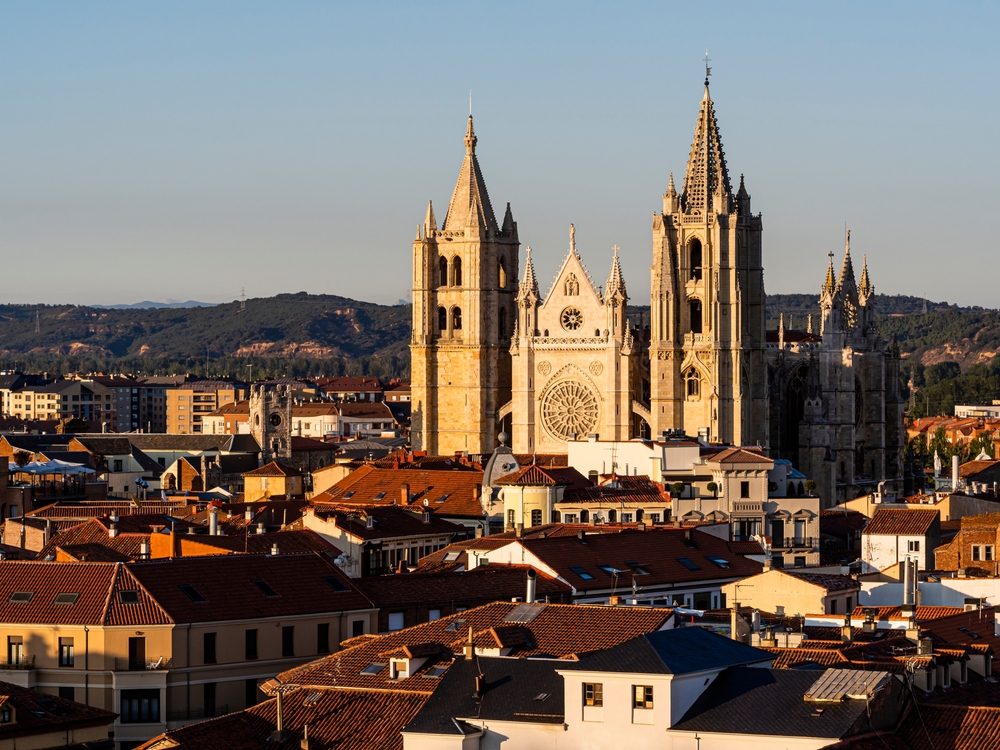
Introduction to Buying a House in León
León, with its rich cultural heritage, breathtaking landscapes, and vibrant urban centers, has emerged as one of Spain’s most sought-after destinations for homebuyers. From historic city apartments to tranquil countryside villas, this region offers an impressive range of real estate opportunities. Whether you are seeking a primary residence, a holiday retreat, or a lucrative investment property, understanding the unique characteristics of León’s property market is essential for making informed decisions. This guide provides an in-depth exploration of the steps, considerations, and insights you’ll need on your journey to owning a home in León.
The Allure of León: Why Choose This Spanish Region?
León’s appeal goes far beyond its architectural wonders and historical significance. Nestled in the northwest of Spain, it charms residents and visitors alike with its enchanting old town, dynamic gastronomy, and access to natural wonders such as the Picos de Europa. Here, you will find a perfect blend of tradition and modernity. The lifestyle is relaxed yet invigorating, offering cultural festivities, outdoor recreation, and a genuine sense of community.
Some of the most compelling reasons to choose León as your destination for purchasing a house include:
- Diverse Property Types: From stylish city flats to rustic fincas and spacious villas, León offers something for every preference.
- Competitive Property Prices: Real estate in León is typically more affordable than in Spain’s larger metropolitan areas, providing outstanding value and investment potential.
- Quality of Life: The region’s climate, cuisine, and laid-back pace make it an attractive destination for families, retirees, and young professionals.
- Safety and Security: León is renowned for its low levels of crime and welcoming local population, making it a safe haven for homeowners.
- Excellent Infrastructure: With quality healthcare, good schools, and efficient transport links, León is well-equipped to meet the needs of its residents.
Navigating the León Real Estate Market
Before embarking on your search, it is essential to familiarize yourself with the dynamics of León’s property market. Over the past decade, the region has witnessed steady growth in both demand and housing values, particularly in popular urban centers such as León city and Ponferrada. At the same time, rural areas continue to attract buyers seeking tranquility and authentic Spanish living.
Market Trends and Opportunities
León’s property market displays several distinctive trends:
- Increasing Demand for Urban Living: Many buyers, especially young professionals and families, are choosing city apartments and townhouses for their proximity to amenities, schools, and cultural attractions.
- Renovation Potential: There is considerable opportunity in purchasing older properties and renovating them. Such investments can result in significant added value, particularly in the city’s historic center.
- Country Retreats: The rural villages and countryside surrounding León are especially appealing to those seeking peace, open spaces, and proximity to nature.
Prices and Affordability
In León, property prices fluctuate based on location, condition, and property type. On average, urban apartments cost less than equivalent spaces in Spain’s largest cities, while larger homes and rural properties offer exceptional value per square meter. As of recent reports, the median price for urban housing in León stands notably below national averages, positioning León as a highly accessible option for a broad spectrum of buyers.
Types of Properties Available in León
León’s property landscape is as diverse as its geography. Prospective buyers can select from a wide array of real estate options:
- City Apartments: Ranging from charming historic flats within ancient buildings to sleek modern condominiums, perfect for urban lifestyles.
- Townhouses: These multi-level dwellings often come with private terraces or courtyards and offer a balance between privacy and convenience.
- Villas and Detached Homes: Ideal for families or those who prefer private gardens and more spacious interiors, commonly found in residential neighborhoods on the city’s outskirts.
- Country Estates and Rural Properties: From picturesque stone cottages to larger farmhouses (“casas rurales”), these homes are nestled amidst some of León’s most stunning landscapes.
- New Developments and Renovations: While new-build projects cater to the demand for modern amenities, historic homes ripe for restoration captivate those drawn to authenticity and architectural heritage.
Each property type presents its own set of advantages, and the right choice will depend on your lifestyle, preferences, and investment objectives. Working with knowledgeable professionals is the best way to identify the ideal property for your needs.
Key Steps in the Home Buying Process in León
Navigating the Spanish property market involves several crucial stages, from the initial search to signing the title deed. While buying property in Spain is a straightforward process, particularly for EU citizens, adherence to local regulations and procedures is imperative for a successful transaction.
Step 1: Define Your Requirements
A clear understanding of your priorities is fundamental before beginning the search. Consider the following:
- What type of property suits your lifestyle?
- Do you prefer urban, suburban, or rural settings?
- What is your budget, and what additional costs should you anticipate?
- Are there specific features or amenities you require, such as outdoor space, proximity to schools, or accessibility features?
Step 2: Secure Financing
Many buyers finance their home purchase with a mortgage from a Spanish bank. The process consists of several key steps:
- Determine your eligibility for a mortgage, considering factors such as income, credit history, and residency status.
- Gather required documentation (proof of income, tax returns, proof of assets).
- Compare mortgage products to identify the most favorable rates and terms.
- Obtain a mortgage “pre-approval” to streamline the search process and signal your seriousness to sellers.
It is advisable to consult with a mortgage advisor familiar with Spanish property laws to clarify any doubts and ensure all paperwork is completed correctly.
Step 3: Property Search
With requirements and financing in place, you are prepared to begin your property search. Arrange viewings, take detailed notes, and don’t hesitate to revisit properties of interest.
Step 4: Making an Offer and Negotiating
Once you find your ideal property, submit a formal offer. Negotiations are customary in Spain, so there may be room to secure a more favorable price or include additional benefits in the agreement.
Step 5: Legal Checks and Due Diligence
This phase is critical in safeguarding your investment. Engage a qualified legal expert to conduct a comprehensive review of the property’s documentation. The key checks include:
- Confirming the seller’s legal right to sell the property
- Verifying there are no outstanding debts or liens (such as unpaid property taxes or utilities)
- Reviewing the property’s boundaries and compliance with local planning regulations
- Obtaining the certificate of habitability and energy efficiency certificate
Step 6: Sign the Preliminary Agreement (“Contrato de Arras”)
After satisfactory completion of all legal checks, both parties sign a preliminary contract. This agreement often requires a deposit, typically 10% of the purchase price, and sets forth the terms and timeline for the final transaction.
Step 7: Finalize the Purchase (“Escritura Pública de Compraventa”)
The final stage involves signing the public deed of sale before a notary. Upon payment of the outstanding balance, the property is officially transferred, and you receive the keys to your new home.
Step 8: Registering the Property
After the sale, register the property in your name at the Land Registry. This step is fundamental for asserting your legal ownership and safeguarding your rights as the new proprietor.
Legal and Administrative Considerations
Understanding the legal framework governing property transactions in León is essential. Spanish property law is robust and well-defined, but buyers should be attentive to all required steps to avoid complications.
Legal Representation
A knowledgeable lawyer is indispensable throughout the purchasing process. Your lawyer will:
- Conduct due diligence and verify the property’s legal status
- Draft and review contracts
- Ensure compliance with local and national regulations
- Act as your representative at official appointments, if necessary
Select a legal professional with expertise in León’s real estate market and proficiency in your preferred language.
Documents Required for Property Purchase
- NIE (Número de Identidad de Extranjero): A tax identification number required for all foreign nationals purchasing property in Spain.
- Valid Identification: Passport or national identity card.
- Proof of Funds or Mortgage Approvals.
- Property Documents: Including the title deed, land registry certificate, and current tax receipts.
Notary and Land Registry Process
The notary is a central figure in Spanish real estate transactions, ensuring all documents are correctly drafted and that the transfer adheres to legal requirements. After the signing, the completed deed must be submitted to the Land Registry for official record.
Calculating the True Cost of Buying a Home in León
The purchase price is only one component of the total investment. Prospective buyers should budget for the associated costs to avoid surprises.
Taxes and Fees
-
Property Transfer Tax (“Impuesto sobre Transmisiones Patrimoniales”):
- Applicable to resale properties, usually between 6% and 10% of the purchase price in approximately most Spanish regions. In León, current rates should be confirmed prior to purchase.
-
Value Added Tax (“IVA”):
- Charged on new builds, typically 10%.
-
Stamp Duty (“Actos Jurídicos Documentados”):
- Applied on new builds, ranging from 0.5% to 1.5% of the price.
- Notary Fees: Generally based on the value of the property.
- Land Registry Fees: Also variable according to the property price.
- Legal Fees: For legal representation throughout the purchase.
- Mortgage Arrangement Fees (where applicable): Set-up costs for securing financing.
Be sure to request detailed estimates from your real estate advisor and legal representative to establish an accurate budget.
Ongoing Costs
- Property Taxes: Annual taxes such as the IBI (“Impuesto sobre Bienes Inmuebles”), calculated based on the property’s cadastral value.
- Community Fees: For properties located in shared developments or buildings.
- Insurance Premiums: Home and contents insurance.
- Utilities and Maintenance: Including electricity, water, gas, and upkeep.
León’s Neighborhoods and Surrounding Areas
Choosing the right neighborhood is as important as selecting the right property. León’s diverse locales accommodate a variety of lifestyles and preferences.
León City Center
- Casco Histórico (Old Town): Famed for its medieval charm, vibrant tapas scene, and proximity to landmarks such as the León Cathedral and Casa Botines. Perfect for culture enthusiasts and those who enjoy urban living.
- Barrio Húmedo: Infamous for its social life, tapas bars, and youthful energy, this area is ideal for those who appreciate nightlife and culinary adventures.
- San Mamés and Eras de Renueva: Home to modern apartments and excellent services, popular among families and professionals.
Residential Districts
- La Lastra: A contemporary, expanding area featuring new developments, retail centers, and easy transport connections.
- El Crucero and La Palomera: Tranquil districts with access to green spaces, schools, and daily amenities.
Outskirts and Villages
Charming villages and rural communities on the fringes of León city, such as Valverde de la Virgen and Villaquilambre, offer larger plots, a slower pace of life, and stunning natural backdrops. These locales are favored by those seeking peace, privacy, and a connection to nature while maintaining access to urban conveniences.
Ponferrada and El Bierzo
Situated to the west, Ponferrada boasts a medieval castle, a lively cultural calendar, and proximity to the lush vineyards of the El Bierzo region. A wonderful option for wine lovers and those who appreciate the dramatic mountain scenery.
Astorga, La Bañeza, and the South
These towns captivate with their Roman heritage, gastronomic delights, and welcoming communities. They are known for their affordable property prices and quality of life, representing excellent value for buyers.
Financing Your Home in León
Securing financing is often an essential component for property purchases in León. Spanish banks offer a range of mortgage products, with eligibility depending on nationality, income, and the property itself.
Types of Mortgages in Spain
- Fixed-Rate Mortgage: The interest rate remains constant for the loan’s duration. This provides predictability and stability, making it a popular choice for those prioritizing budgeting certainty.
- Variable-Rate Mortgage: The rate fluctuates according to the Euribor (Euro Interbank Offered Rate) index. This option can be advantageous when rates are low, but it carries some risk if market rates rise.
- Interest-Only and Mixed Mortgages: Some lenders offer products where, during the initial period, the borrower pays only the interest, with principal repayments commencing at a later date.
Eligibility Criteria
Both residents and non-residents can obtain a mortgage in Spain, though terms and requirements may vary. Typically, the bank will consider:
- Proof of income or employment
- Current debts and monthly obligations
- Credit history (Spanish or international)
- The value and type of property being purchased
- Down payment: Non-residents are usually required to contribute a higher down payment, often between 30-40% of the property value.
Application Process
- Gather financial and personal documentation (proof of earnings, identification, bank statements).
- Submit an application to your chosen lender and receive a pre-approval decision.
- An independent appraisal of the property will be arranged to establish its market value.
- On final approval, the mortgage agreement is signed contemporaneously with the purchase deed before the notary.
Additional Considerations
Some buyers may also require bridge loans, renovation loans, or construction mortgages for specific projects. Consulting with a financial advisor who understands the León market can help optimize your approach and maximize purchasing power.
Life in León: Culture, Cuisine, and Community
Purchasing a home in León is not merely a financial decision—it is an investment in lifestyle and community. The region has a distinctive identity, merging centuries-old traditions with contemporary Spanish life.
Cultural Landmarks and Annual Events
- León Cathedral: A marvel of Gothic architecture and one of Spain’s purest Gothic churches, the cathedral dominates León’s skyline and hosts regular choral and organ concerts.
- Semana Santa (Holy Week): León’s renowned Easter processions attract visitors from near and far, steeped in both solemnity and spectacle.
- Fiestas de San Juan y San Pedro: The city comes alive with music, fireworks, and parades every summer.
Gastronomy
León’s culinary scene is acclaimed for its quality, diversity, and innovation. From traditional stews like “cocido maragato” and “botillo del Bierzo” to cured meats, cheeses, and the region’s celebrated wines, every meal is an opportunity to savor local character. Tapas are a way of life in León; countless bars and restaurants offer complimentary bites with every drink—an irresistible feature for both residents and guests.
Outdoor Activities and Nature
Nature lovers will delight in León’s plethora of outdoor pursuits. The nearby mountains and valleys are ideal for hiking, cycling, climbing, and skiing in winter. Riverside walks, nature reserves, and the famous Way of St. James (Camino de Santiago) offer endless ways to explore the region’s diverse landscapes.
Community and Lifestyle
Life in León is defined by a strong sense of community, security, and hospitality. From family-run markets to friendly neighborhood gatherings, newcomers will find it easy to integrate and forge lasting connections.
Essential Tips for International Buyers
León’s property market welcomes buyers from across the globe. However, international purchasers must be aware of some specific requirements and best practices.
Obtaining an NIE Number
Foreign nationals require an NIE (Número de Identidad de Extranjero) for all legal and financial transactions in Spain. This identification number is necessary to purchase property, open a bank account, and pay property-related taxes.
- Apply at a Spanish consulate in your home country or at a police station in Spain.
- Submit the required forms and documentation (passport copy, reason for application, application form EX-15).
- Your NIE will be processed and issued by the relevant authorities.
Currency and Banking
If you are purchasing from abroad, consider the implications of currency exchange and international bank transfers. Specialist currency exchange services may offer more competitive rates compared to traditional banks.
Setting up a Spanish bank account is highly recommended. This will facilitate the payment of utility bills, taxes, and community fees, while simplifying financial processes associated with homeownership.
Residency Options
- Golden Visa Program: Buyers investing €500,000 or more in Spanish real estate may qualify for the Golden Visa, which grants residency and travel privileges within the Schengen Zone.
- Non-Lucrative Visas: For retirees or those not seeking employment in Spain, this visa type may be suitable, provided you can demonstrate sufficient income.
Language and Integration
While many professionals in León speak English, especially within the real estate and tourism sectors, acquiring basic Spanish is invaluable for full integration and day-to-day transactions. Language classes and community groups are widely available.
Renovating and Restoring Property in León
Many buyers are drawn to the character and history of older properties. Whether purchasing a centuries-old townhouse or a rural farmhouse, renovation presents creative opportunities and financial rewards.
Assessing Renovation Potential
- Investigate the property’s structural condition through a professional survey.
- Identify necessary repairs: roofing, plumbing, wiring, or foundational work.
- Clarify building permissions and local regulations—especially if planning significant structural changes.
Hiring Local Craftsmen and Contractors
León boasts skilled construction professionals, including architects, builders, and tradespeople, who are familiar with traditional and contemporary methods. Employing experienced local experts is the best way to ensure quality results and compliance with legal requirements.
Obtaining Permits and Licenses
- Minor works (Obras Menores): Cosmetic improvements or internal rearrangements may only require a simple notification or minor permit from the town hall.
- Major works (Obras Mayores): Structural renovations, extensions, or façade changes will demand a more rigorous application, often requiring architectural plans and council approval.
Understanding Costs
Renovation budgets must account for materials, labor, professional fees, permits, contingencies, and VAT. Adding a buffer for unforeseen expenses is prudent—especially when dealing with older structures.
Historic Preservation Considerations
If your property is classified as historic or located in a designated preservation area, additional controls may apply. These usually involve restrictions regarding materials, colors, or alterations to original features. Engaging with heritage consultants or architects experienced in such projects is often essential.
Investment Potential in León Real Estate
León’s real estate sector holds strong prospects for capital appreciation and rental income, particularly in popular urban areas and rural retreats with tourism appeal.
Short-Term Rentals and Holiday Homes
The rise in tourism has spurred demand for holiday rental properties, especially well-restored city center apartments and countryside villas. Rental yields can be attractive, especially during peak travel seasons.
To operate a short-term rental, owners typically need to register the property with local authorities and comply with standards for safety, accessibility, and taxation. Professional property management services can simplify marketing, guest management, and maintenance.
Long-Term Leasing
A significant student and professional population in León’s urban centers also generates consistent demand for long-term rentals. Investing in well-located apartments or townhouses is an effective strategy for steady income and property value retention.
Capital Appreciation
While real estate prices in León are generally lower than in Spain’s largest cities, the region’s ongoing urban development, infrastructure projects, and growing population contribute to positive trends in property values. Buyers with a long-term outlook may enjoy both lifestyle returns and robust financial gains.
Settling In: Practical Aspects of Moving to León
Making the transition to life in León is an exciting endeavor. Here are some key considerations for a seamless relocation.
Utilities and Property Services
- Electricity, Water, Gas: Set up or transfer utility accounts through local providers. In most cases, this will require copies of your purchase contract, NIE, identification, and direct debit banking details.
- Internet and Communications: Several providers offer fiber-optic connections, mobile phone plans, and television packages throughout León.
- Waste Collection and Recycling: Municipalities provide regular refuse and recycling services—familiarize yourself with your area’s schedules and guidelines.
Education
León offers a range of educational options for families. Public schools, private institutions, and international schools cater to diverse needs and language backgrounds. University of León and specialized colleges contribute to the region’s reputation as an educational hub.
Healthcare
- Public Healthcare: Spain’s national health service delivers high-quality care to residents. Registration at your local health center provides access to doctors, specialists, and emergency services.
- Private Healthcare: Numerous private clinics and hospitals serve those who opt for additional insurance coverage or direct payment options.
Transport and Connectivity
- Road and Rail: León is connected via highway and high-speed rail to major Spanish cities, including Madrid and Oviedo. Urban and regional bus networks facilitate local travel.
- Air Connections: León’s airport offers flights to domestic and select international destinations, with major hubs accessible within reasonable driving distance.
- Walking and Cycling: The city is compact and pedestrian-friendly, encouraging healthy living and easy exploration.
Sustainable Living and Green Homes in León
As sustainability becomes increasingly central to homebuyers’ priorities, León is seeing a rise in eco-friendly construction and renovation.
Energy Efficiency
- Seek properties with updated insulation, double or triple-glazing, and efficient heating systems.
- Consider installing solar panels or modern heat pumps to reduce energy costs and environmental impact.
- Energy performance certificates (EPCs) are mandatory for property sales—use them to evaluate a home’s efficiency.
Gardens and Outdoor Spaces
Many properties in León feature private gardens or courtyards. Sustainable landscaping, organic gardens, and native plantings are common choices, blending aesthetic appeal with ecological responsibility.
Local Food and Zero Waste
León’s tradition of local markets and food festivals encourages sustainable consumption. Many residents practice zero-waste principles and support regional producers, reducing their ecological footprint while enjoying fresher products.
Tax Implications for Homeowners in León
Understanding the tax obligations associated with Spanish homeownership is crucial, particularly for international buyers.
Ongoing Taxes
- Impuesto sobre Bienes Inmuebles (IBI): An annual municipal property tax calculated based on the cadastral value (“valor catastral”) of the property.
- Rubbish Collection Tax (“Tasa de Basuras”): Typically charged annually by the municipality.
- Personal Income Tax: Residents must declare global income, including rents or capital gains from property sales. Non-residents are liable for income tax on Spanish-source income and potential imputed income on vacation homes.
Tax on Rentals and Capital Gains
- Rental Income: Spanish tax law requires owners to declare and pay income tax on rentals, though deductions for expenses may apply.
- Capital Gains Tax: Payable on profits from property sales. Exemptions and reductions exist for main residences and certain long-term holdings.
Inheritance and Gift Tax
Spanish inheritance and gift tax rates vary by region and the relationship between the giver and recipient. Advance planning helps beneficiaries minimize liabilities.
Seeking Professional Tax Advice
Engaging an accountant or tax adviser familiar with Spanish property tax law is strongly recommended for optimizing your tax position and ensuring compliance.
FAQs About Buying a House in León
Can foreigners buy property in León?
Yes, both EU and non-EU citizens can purchase property in León without restrictions. The main requirement is obtaining an NIE number.
How long does the property purchase process take?
Barring any legal complications, the process can typically be completed within one to three months, depending on financing and the speed of due diligence.
Is it safe to buy property in the rural areas of León?
Absolutely. Many rural properties offer exceptional value, but comprehensive legal due diligence is vital since land boundaries and building permissions can sometimes be complex.
What are the annual costs of homeownership in León?
Annual costs include IBI property tax, utilities, community fees (if applicable), insurance, and routine maintenance. Rural properties may incur lower utility bills but higher maintenance expenses.
Are there restrictions on short-term rentals?
Short-term rentals must comply with local regulations regarding tourist accommodations. Registration, safety standards, and tax reporting are generally required for legal operation.
What support is available for buyers who do not speak Spanish?
Qualified bilingual legal and real estate professionals provide translation, negotiation, and guidance throughout the purchasing process, making León’s property market accessible to international buyers.
Conclusion: Realizing Your Dream of Homeownership in León
León, with its unique charm, rich history, and promising property market, is a region that continues to captivate homebuyers from around the world. Whether your dream is an elegant urban apartment, a serene country estate, or a lucrative investment property, León offers an abundance of opportunity and lifestyle advantages.
A successful home purchase in León requires methodical planning, local expertise, and attention to detail at every stage, from the initial search and financing to legal checks and integration into the local community. By educating yourself on market trends, legal requirements, and cultural nuances, you position yourself to make the most of your investment and enjoy all that this extraordinary region has to offer.
In choosing León for your next home, you are embarking on one of life’s most rewarding journeys—a new chapter grounded in beauty, community, and enduring value.