





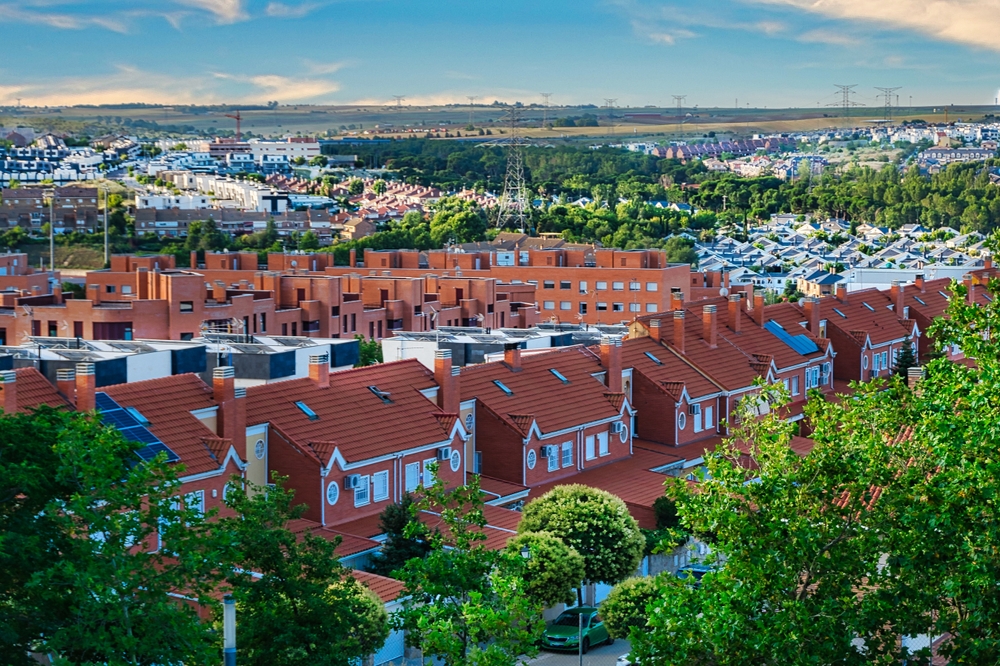
Why Buy a House in Madrid?
Madrid, the vibrant capital of Spain, stands as one of Europe’s most compelling cities. Whether it's the allure of gorgeous architecture, world-renowned gastronomy, a cosmopolitan lifestyle, or the undeniable warmth and energy of Spanish culture, Madrid is fast becoming a top destination for discerning real estate investors and homebuyers. For those considering huis kopen in Madrid, there are many factors distinguishing this metropolis as a prime setting for property investment or relocation.
With its dynamic real estate market, economic resilience, and unmatched quality of life, Madrid has established itself as a prime destination for both local and international buyers. The rich cultural mix, renowned educational institutions, and a thriving business environment make it not only a great place to live but also to invest. Let us now delve deeper into what makes buying a house in Madrid an exceptional and strategic choice.
The Most Desirable Districts in Madrid for Homebuyers
Madrid comprises a striking patchwork of neighborhoods, each with a unique character and appeal. For anyone looking at huis kopen in Madrid, it is vital to understand the most sought-after districts and what makes them stand out. Here’s a comprehensive look at the top neighborhoods worth considering:
Salamanca
Often referred to as the city’s most luxurious district, Salamanca radiates elegance and exclusivity. This neighborhood is famed for its upscale boutiques, Michelin-star dining, and stately residences. Wide tree-lined avenues, historic buildings, and proximity to Retiro Park make it highly coveted among professionals, diplomats, and families seeking prestige and tranquility.
Chamberí
Chamberí offers a captivating balance between tradition and modernity. Its robust local culture, trendy cafés, classic markets, and well-maintained parks combine to offer an enticing lifestyle. Typically favored by families and young professionals, Chamberí provides a tranquil yet lively atmosphere not far from Madrid’s bustling center.
Centro
For those who crave urban energy, the Centro district—the heart of Madrid—boasts proximity to iconic plazas, museums, nightlife, and shopping. While property here can be pricier due to its historic significance and prime location, living in Centro means experiencing the heartbeat of Madrid daily. From Malasaña to La Latina, Centro offers old-world charm interwoven with modern vibrancy.
Chamartín
Respected for its modern business centers, international schools, and green spaces, Chamartín appeals especially to expatriates and corporate clients. The area features spacious apartment blocks, premium amenities, and excellent connectivity to the city center and beyond.
Retiro
Named after the world-famous park—El Retiro—this residential district provides a leafy sanctuary. The abundance of green space, prestigious schools, and family-friendly facilities make it a favored destination for families. Retiro is ideal for those wanting peace and privacy within easy reach of Madrid’s attractions.
- Moncloa-Aravaca: Popular with students and young professionals
- Arganzuela: Up-and-coming, excellent transportation links
- Tetuán: Multicultural and dynamic, attracting younger buyers
Each of Madrid’s districts presents a distinctive living environment, making it essential for buyers to weigh lifestyle preferences, investment priorities, and long-term goals before settling on a location.
Types of Properties Available in Madrid
Exploring options for huis kopen in Madrid reveals a rich diversity of properties, appealing to a wide spectrum of taste and budgetary considerations. Understanding these typologies is crucial to aligning aspirations with the realities of the market.
Historic Apartments (Pisos Antiguos)
Madrid’s heart is studded with historic buildings, many dating back to the 19th and early 20th centuries. These charming apartments often feature high ceilings, ornate moldings, and classic wooden floors. Found frequently in districts such as Salamanca, Chamberí, and the Centro, they offer a blend of heritage aesthetics and urban living.
Modern Developments (Obra Nueva)
In contrast, the city also offers cutting-edge new-builds outfitted with modern amenities—energy-efficient systems, security features, pools, or gyms. These are commonly found in emerging districts like Chamartín or Arganzuela, catering to buyers seeking comfort, convenience, and contemporary style.
Penthouses (Áticos)
For those with a taste for opulence and discretion, penthouses provide exclusive privacy and sweeping city vistas. Features such as expansive terraces, rooftop pools, and open-plan layouts are customary in these upscale properties.
Townhouses and Villas
Although rarer within the immediate city center, elegant townhouses or detached villas can be found in outer neighborhoods such as Moncloa-Aravaca and Hortaleza. These properties typically include private gardens, multi-car garages, and ample living space, making them perfect for families.
Loft and Studio Apartments
Ideal for singles and young professionals, lofts and studios typify Madrid’s urban chic, often set within converted industrial spaces or innovative new designs that maximize light and spatial efficiency.
Whether your preferences lean toward classic grandeur, slick modernity, or urban minimalism, Madrid offers a home for every sensibility and stage of life.
The Step-by-Step Process of Buying a House in Madrid
Acquiring a property in Madrid is a structured process, but navigating the local specifics can be challenging without the right knowledge. Below is a detailed walkthrough of the steps involved in purchasing a house, ensuring a smooth and rewarding experience.
-
Define Your Budget and Financing Options
Conduct a comprehensive assessment to determine your budget. Factor in property prices, taxes, legal expenses, and insurance. If a mortgage is required, explore Spanish bank offerings—be aware that non-residents may face different terms and may need a larger deposit.
-
Engage an Expert Real Estate Service
Professional guidance from a reputable agency is invaluable. Their local expertise assists in property selection, negotiation, legal verification, and coordination of formalities, ensuring all is tailored to the client’s interests.
-
Property Search and Selection
With your preferences and budget defined, viewings are arranged. Detailed property analyses—including historical background, communal fees, and future development plans—ensure you make an informed decision.
-
Legal Due Diligence
Before advancing, a thorough check of the property’s legal status is essential. This includes verifying ownership, confirming the absence of debts, reviewing planning permissions, and scrutinizing the property registry (Registro de la Propiedad).
-
Reservation Agreement
Once a suitable property is found, a reservation contract is typically signed. This document removes the property from the market and involves a small deposit to formalize your interest and intentions.
-
Signing the Deposit Contract (Contrato de Arras)
The buyer and seller then sign a deposit contract, usually requiring 10% of the purchase price. This legally binds both parties and outlines terms, including completion deadlines.
-
Completion at the Notary
The final deed of sale (Escritura Pública de Compraventa) is executed before a notary. Outstanding payments are made, and the property is officially transferred. The notary’s oversight ensures transparency and legal compliance.
-
Registering the Property
The new ownership must be recorded in the Land Registry. This guarantees title security and legal protection against third-party claims.
-
Utility Transfers and Settling In
Finally, utilities and community services are transferred to your name. At this point, you become the official owner, ready to enjoy your new Madrid home.
Legal Considerations and Documentation
A successful property purchase in Madrid requires an attentive approach to legal requirements and documentation. Spanish property law offers robust protection for buyers, but strict adherence to legal procedures is fundamental.
Necessary Documents
- NIE (Número de Identificación de Extranjero): All non-Spanish buyers must obtain this foreigner’s identity number before any property transaction can be completed.
- Proof of Funds/Mortgage Approval: Buyers must demonstrate their ability to make the purchase, whether through proof of bank savings or mortgage pre-approval.
- Property Registry Extract (Nota Simple): Confirms ownership, property description, and if there are any charges or encumbrances.
- Cadastral Reference: Provides detailed information on the physical attributes and location of the property.
- Energy Performance Certificate (Certificado de Eficiencia Energética): Required to be provided by the seller at the time of transaction.
Understanding Contracts
Spanish contracts, while standardized in some respects, can differ in terms and nuances. It is crucial that a legal specialist reviews each clause, especially regarding penalties, responsibilities, completion timelines, and conditions under which a deposit may be forfeited or retained.
The Role of the Notary
A public notary oversees and validates the final deed of sale. Their duties include checking the legitimacy of documents, confirming identities, ensuring fiscal obligations are met, and registering the transaction for public record. The notary’s involvement is a critical legal safeguard for buyers.
Taxation
- Transfer Tax (Impuesto de Transmisiones Patrimoniales, ITP): Applies to resale properties, with rates in Madrid typically around 6%.
- VAT (IVA) and Stamp Duty (AJD): New-build purchases are subject to VAT (10%) plus stamp duty (around 1.5%).
- Municipal Tax on the Increase in Value of Urban Land (Plusvalía Municipal): Paid by the seller, but sometimes negotiated in the sale.
- Annual Property Tax (IBI – Impuesto sobre Bienes Inmuebles): Payable each year for ownership.
Understanding and budgeting for these legal and fiscal obligations is critical to a transparent and satisfactory acquisition process.
Financing Your Madrid Home: Mortgages, Transfers, and Payment Structures
Securing the required funds is a fundamental element in the huis kopen in Madrid process. Buyers must consider both domestic and international financing options, taking into account local regulations and typical market practices.
Spanish Mortgages for Residents and Non-Residents
Banks in Spain finance property purchases for residents and, increasingly, for international clients. However, non-residents may need to provide higher down payments (generally 30-40%) compared to residents (usually around 20%). Mortgage terms often run up to 25-30 years, although conditions can vary.
Required Documentation for Mortgage Approval
- Valid passport or national ID
- NIE (Foreigner Identification Number)
- Proof of income and employment status
- Recent banking statements and credit reports
- Evidence of existing debts or financial commitments
Potential buyers are well-advised to begin the mortgage application process early, as pre-approval not only defines the budget but also signals financial credibility during negotiations.
Foreign Currency Transfers
International buyers often face challenges with transferring large sums across borders. It is prudent to work with specialized currency transfer advisors who streamline the process, minimize fees, and protect against exchange rate volatility.
Understanding Payment Schedules
Standard practice in Madrid’s property sales involves staggered payments—an initial deposit at reservation, further payment at the contract stage, with the balance due at final notarization. Buyers should ensure funds are available as per contractual stipulations to avoid penalties or nullifying the agreement.
Taxation and Financial Implications of Buying a House in Madrid
One of the distinguishing aspects of real estate acquisition in Spain is the clear framework of property taxes and associated fees. To make an informed decision for your huis kopen in Madrid, it is essential to understand both the initial and ongoing financial implications.
Main Purchase Taxes
- Resale Properties: The main tax is the "Impuesto de Transmisiones Patrimoniales" (ITP), usually set at 6% in Madrid, calculated on the registered property price.
- New Build Properties: Subject to 10% Value Added Tax (IVA) plus 1.5% Stamp Duty (AJD).
Notary and Registry Fees
Notary fees for the execution of the sale deed vary according to property value, generally ranging between €600 and €1,500. Registration of the transaction in the Land Registry incurs additional charges, similarly calculated based on property price.
Ongoing Property Ownership Taxes
- IBI (Impuesto sobre Bienes Inmuebles): A yearly municipal tax, typically between 0.4% and 1.1% of cadastral value, which is often lower than market value.
- Waste Collection Tax (Tasa de Basuras): A small annual fee imposed by some districts.
- Wealth Tax: Non-residents and residents alike may be liable for annual wealth tax on Spanish assets above a certain threshold.
Other Fees
- Community Fees (Gastos de Comunidad): Applicable for flats and some housing complexes, covers upkeep of shared spaces, security, and amenities.
- Home Insurance: While not legally mandated, it’s strongly recommended and, in most cases, required if a mortgage is involved.
- Legal Fees: Engaging a lawyer for due diligence and contract review ensures security and may cost 1-2% of the purchase price.
Accounting for these outlays is crucial in establishing a realistic purchasing budget and for avoiding financial surprises after completion.
Residency, Golden Visa, and Stay Options Linked to Madrid Real Estate
For international buyers, the Spanish real estate market extends unique residency incentives, notably the Golden Visa program. Acquiring a home in Madrid could present not just property benefits, but valuable immigration advantages.
The Golden Visa Program
- Investment Threshold: Non-EU citizens who invest at least €500,000 in Spanish property are eligible for a special residency permit.
- Benefits: Includes the right to live and work in Spain, visa-free travel throughout the Schengen area, and eligibility for family reunification.
- Renewal and Permanent Residency: The permit can be renewed indefinitely as long as the investment is maintained, with the possibility of eventually applying for permanent residency.
The process is streamlined compared to other residency tracks, making Madrid especially attractive for non-EU citizens seeking greater freedom of movement and lifestyle flexibility.
Other Residency Options
- Standard Non-Lucrative Residency: Allows prolonged stays for those not intending to work in Spain but able to demonstrate sufficient means.
- EU Citizens: Benefit from automatic residency rights, making the property purchase process and subsequent stay comparatively seamless.
Legal Support and Ongoing Compliance
Engaging experts familiar with the nuances of visa law is critical, as regulations and documentation requirements can evolve. Buyers are advised to maintain clear records of their investment and to adhere strictly to renewal and compliance schedules for residency permits.
Lifestyle Benefits: Living in Madrid
Beyond the logistics of purchase, huis kopen in Madrid unlocks access to a lifestyle that is both unquestionably world-class and quintessentially Spanish. The city effortlessly weds old-world elegance with contemporary flair, offering residents an unparalleled quality of life.
Culture and Leisure
- World-Class Museums: Renowned institutions such as Prado, Reina Sofía, and Thyssen-Bornemisza place some of the finest art collections globally within easy reach.
- Theatre and Music: The Gran Vía and Teatro Real offer vibrant performances, ranging from musicals to classical concerts.
- Culinary Excellence: From tapas bars to Michelin-star venues, Madrid delights with a seemingly endless array of gastronomic options.
- Green Spaces: El Retiro, Casa de Campo, and numerous pocket parks provide tranquility and recreation in the heart of the city.
Education and International Schools
Madrid is home to some of Spain’s premier public and private educational institutions, including world-renowned universities and international schools that offer British, American, French, and German curricula, making it a family-friendly destination.
Healthcare
Spain’s healthcare system is lauded worldwide. Madrid offers easy access to both public and private hospitals and clinics, many with multilingual staff, ensuring high standards of care for residents and expatriates alike.
Transportation and Connectivity
Madrid boasts a world-class transportation network—extensive metro, train, and bus systems, high-speed rail (AVE), and an international airport—making both everyday commuting and global travel seamless.
Year-Round Events and Expat Community
From local festivals and sporting events to international trade fairs and exhibitions, Madrid maintains a rich calendar of activities. The presence of a significant expatriate community ensures newcomers are welcomed and supported.
Madrid’s Real Estate Market: Trends, Pricing, and Future Outlook
Staying attuned to market dynamics and trends is essential when purchasing property. Madrid has a resilient real estate market, supported by a strong local economy, international demand, and a controlled supply of premier properties.
Recent Market Trends
- Steady Price Growth: Over recent years, Madrid has seen consistent price appreciation, particularly in prime neighborhoods such as Salamanca and Chamartín.
- New Developments on the Rise: The city’s periphery is witnessing a surge in new housing projects, diversifying inventory for buyers.
- Increased Foreign Investment: International buyers make up a growing proportion of transactions, attracted by favorable returns and lifestyle perks.
Current Pricing Metrics
Average property prices in Madrid vary considerably by district and property type, but as of the most recent market reports:
- Prime Centro and Salamanca: €6,000 – €10,000+/m2
- Chamberí, Retiro, Chamartín: €5,000 – €7,000/m2
- Emerging areas (Tetuán, Arganzuela, Carabanchel): €3,000 – €4,500/m2
Forecast and Investment Prospects
All indicators suggest continued resilience and moderate growth in Madrid’s real estate market. The city’s role as a business and cultural hub draws ongoing investment, while prudent urban planning curtails oversupply, contributing to long-term value retention.
Rental Yields and Investment Returns
Madrid offers attractive rental yields—typically ranging from 3% to 6% depending on neighborhood, property type, and management strategy. Short-term rental prospects also abound, particularly in centrally located properties.
Common Challenges and How to Overcome Them
While purchasing a home in Madrid is a rewarding venture, there are common challenges that buyers must be prepared to address:
Language and Cultural Differences
Negotiations, legal documentation, and daily interactions primarily occur in Spanish. Enlisting bilingual specialists ensures clear communication and avoids misunderstandings.
Complex Bureaucracy
Spanish property law is exacting; thorough preparation and correct documentation are critical. An experienced real estate professional will safeguard your interests at every stage.
Property Condition and Renovations
Older homes may require significant upgrades. Conduct a comprehensive technical inspection (“peritaje técnico” or “ITE”) before closing, and ensure renovation permits are properly secured.
Market Competition
Madrid’s best properties often move quickly. Getting pre-approval for financing and engaging in proactive property searches greatly enhances the likelihood of securing the desired house.
By anticipating such hurdles and working with specialized experts, buyers can enjoy a seamless transaction process and immediate post-sale satisfaction.
Tips for a Successful Property Purchase in Madrid
- Do Your Research: Familiarize yourself with preferred neighborhoods, schools, transport links, and amenities. Take multiple viewings to assess ambiance and condition.
- Verify Legal Status: Ensure the property is free of encumbrances, debts, or pending disputes before committing.
- Budget for Additional Costs: Factor in all taxes, fees, potential renovation, and furnishing expenses.
- Engage Experienced Advisors: Invaluable assistance in negotiation, contract review, and process management.
- Plan for the Long Term: Consider potential resale value, rental demand, and versatility of the property.
- Visit at Different Times: Experience the neighborhood during various hours and days to ensure it matches your lifestyle.
- Understand Resale Rules: Be aware of capital gains tax and exceptions should you plan to sell in the future.
- Secure Your Investment: Take out comprehensive home insurance and safeguard legal documentation meticulously.
Adhering to these essential recommendations will help guarantee a robust, resilient investment in Madrid’s property market.
After the Purchase: Settling Into Your Madrid Home
Once the transaction is completed, new homeowners can immerse themselves in all that Madrid has to offer. The city welcomes with open arms, providing endless opportunities for enrichment, growth, and belonging.
Registering with Local Authorities
After move-in, new residents should register at their local “ayuntamiento” (municipality) and update documentation as required—crucial for accessing municipal services and confirming residency status.
Setting Up Utilities and Services
- Electricity, gas, and water contracts must be transferred to new names.
- Arrange for high-speed internet and telecommunications based on provider availability in your neighborhood.
- Register for waste collection and management services if needed.
Integrating Into the Community
- Neighborhood Associations: These local groups offer forums for socializing and civic participation.
- Language Learning: Enrolling in Spanish classes accelerates cultural integration and enhances the Madrid living experience.
- Join Clubs or Sports Leagues: Madrid offers countless societies, from book clubs to football leagues, enriching social connections.
Understanding Your Rights and Responsibilities
Owners are expected to adhere to community rules, respect urban by-laws, and ensure appropriate maintenance. Seeking legal or administrative guidance when in doubt is always advisable.
Frequently Asked Questions About Buying a House in Madrid
Can foreigners buy a home in Madrid?
Absolutely. There are no restrictions on foreigners acquiring property in Madrid. Both EU and non-EU nationals may buy freely, although tax and residency implications can vary.
What is the time frame for purchasing a home?
Typically, the process takes between 6 and 12 weeks. Much depends on the speed of due diligence, mortgage approval (if required), and the agreement between buyer and seller.
Is property a good investment in Madrid?
Yes—Madrid’s market is historically resilient, supported by local demand, international appeal, and controlled supply. Prime neighborhoods, in particular, see regular value appreciation and robust rental demand.
What are community fees?
Community fees are paid by owners of properties in buildings or complexes with shared facilities—covering expenses for maintenance, cleaning, security, and amenities.
Do I need to hire a lawyer?
While not strictly compulsory, hiring a lawyer is highly recommended for non-resident and international buyers. Legal professionals secure your interests, verify contracts, ensure clean title, and process regulatory paperwork.
How much are annual holding costs?
Annual costs vary by property type and district but typically include property tax (IBI), community fees, waste collection charges, insurance, and ongoing maintenance.
Madrid Real Estate Glossary: Key Terms You Should Know
- NIE: Foreigner Identification Number—mandatory for all official procedures.
- Piso: Apartment or flat.
- Ático: Penthouse.
- Chalet: Villa or detached house.
- Arras: Deposit contract that binds the transaction terms.
- Escritura: Deed of sale signed before a notary.
- Nota Simple: Land registry extract summarizing legal status.
- Gastos de Comunidad: Community fees for upkeep of shared areas.
- ITP/IVA: Key property transfer taxes for resale (ITP) or new build (IVA).
- Plusvalía: Municipal tax on the increase in land value, generally payable by the seller.
Why Choose IMMO ABROAD for Your Property Search in Madrid
Navigating Madrid’s property landscape demands expertise, professionalism, and local insight. With decades of experience and a commitment to personalized service, IMMO ABROAD provides seamless guidance throughout every phase of your property acquisition journey.
- Local Knowledge: Extensive understanding of Madrid’s districts, trends, and legal frameworks.
- Customized Property Matching: Tailored recommendations ensure your home suits your unique requirements and aspirations.
- Comprehensive Support: From search and negotiation to completion and post-sale integration, every step is covered.
- Transparent Processes: Clarity and accountability remain at the core of all operations, protecting your interests and ensuring total peace of mind.
With IMMO ABROAD, the Madrid huis kopen experience is redefined—effortless, secure, and enjoyable.
Conclusion: Madrid Awaits—Your Next Chapter Begins Here
Buying a house in Madrid is a transformative experience—an investment not simply in bricks and mortar, but in lifestyle, opportunity, and future potential. As Spain’s emblematic capital, Madrid harmonizes tradition and innovation, offering residents a place where life can truly be lived to the fullest.
From choosing your perfect home and navigating the legal terrain, to integrating fully into Madrid’s social and cultural fabric, each step is enriched by the guidance IMMO ABROAD provides. Begin your journey of property ownership in Madrid with confidence, clarity, and genuine excitement for the possibilities that lie ahead. The vibrant streets, green parks, and sophisticated neighborhoods of Madrid await—make them your own.