





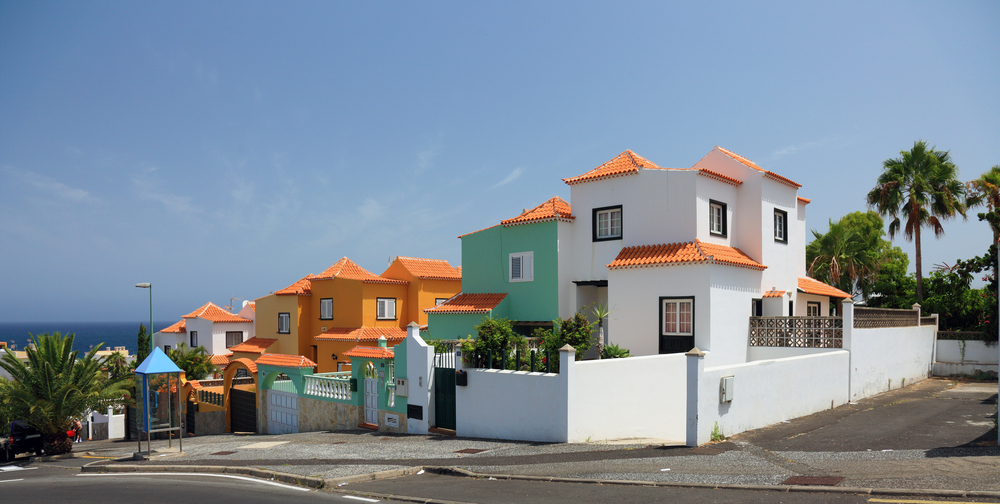
Introduction: Why Buy a Home in Spain?
Spain has long captivated international property buyers with its exceptional blend of sun-drenched beaches, rich culture, and unparalleled quality of life. Whether you dream of a foothold on the Costa del Sol, a tranquil villa in the Balearic Islands, or a historical townhouse in Madrid, purchasing a home in Spain offers both lifestyle and investment advantages. Understanding the real estate landscape, local regulations, and purchasing process is crucial to making your dream a reality. In this comprehensive guide, we cover every aspect of buying property in Spain, drawing on industry expertise to equip you with the knowledge to buy with confidence. Welcome to a world of opportunity—welcome to your future Spanish home.
The Allure of Spanish Real Estate
The property market in Spain is renowned for its diversity, value, and enduring appeal. From contemporary apartments overlooking the Mediterranean to rustic country properties nestled among olive groves, Spain’s real estate portfolio is as rich and varied as the country itself.
Climate and Lifestyle
Spain offers over 300 days of sunshine per year in many regions, particularly along the coasts. The warm Mediterranean climate most notably distinguishes the Costa Blanca, Costa Brava, and Costa del Sol, making these areas highly attractive for those seeking an outdoor lifestyle. The slower pace of life, matched with a world-famous gastronomic scene, vibrant festivals, and welcoming communities, ensures that homeowners can immerse themselves in the authentic Spanish way of life.
Investment Potential
Economic stability and a robust tourism sector underpin property values in Spain. Over the past decade, property prices have shown steady growth, offering reassuring prospects for long-term capital appreciation and rental income. The rise in remote working has increased interest in Spanish real estate from international buyers, promising further market resilience.
Quality of Infrastructure
Spain boasts excellent infrastructure: high-speed rail, modern highways, and efficient airports connect the country’s cities and coastal resorts. The wide availability of international schools, renowned healthcare facilities, and a booming expat community create a safe and comfortable environment for homeowners from all backgrounds.
Regions and Cities: Where to Buy in Spain?
Spain’s regions each bring a unique flavor to the property market. Understanding their characteristics helps you align your preferences and needs with the ideal location for your new home.
The Costa Blanca
The Costa Blanca is celebrated for its spectacular white-sand beaches, dramatic cliffs, and charming seaside towns. Popular destinations such as Alicante, Jávea, and Denia offer an appealing mix of traditional Spanish culture and cosmopolitan vibrancy. Real estate here ranges from modern beachfront apartments to luxurious inland villas.
The Costa del Sol
This stretch of coastline in Andalusia has earned its reputation as a luxury property hub. Marbella is synonymous with glamorous living, golf courses, and upscale developments, while Estepona and Mijas attract buyers seeking a more tranquil, family-friendly environment. The Costa del Sol’s microclimate, with mild winters and warm summers, makes it an evergreen favorite.
Barcelona and the Catalonia Region
Barcelona, the cosmopolitan capital of Catalonia, is famed for its architecture, nightlife, and global outlook. Property options range from chic urban apartments in the Gothic Quarter to grand houses in the suburbs of Sarrià-Sant Gervasi. Beyond the city, the Costa Brava features idyllic fishing villages and rolling vineyards.
The Balearic Islands
Mallorca, Ibiza, and Menorca hold strong appeal for buyers desiring island life with excellent international connections. Mallorca’s coastal villages, sophisticated Palma, and the tranquil countryside present a wide spectrum of property styles.
The Canary Islands
Year-round warm weather, volcanic scenery, and a relaxed pace attract buyers to Tenerife, Gran Canaria, and Lanzarote. Each island offers its own unique lifestyle and property market nuances.
Madrid
The Spanish capital combines culture, business, and urban chic. Madrid’s property market is dynamic, offering high-value investments. Neighborhoods such as Salamanca and Chamartín are especially sought after for their elegance and amenities.
The Costa Brava
Located in Catalonia’s northeast, the Costa Brava is noted for its rugged coastline, medieval towns, and tranquil beaches. This region offers excellent opportunities for buyers seeking both luxury and authenticity.
The Valencia Region
Valencia combines historic charm with a modern edge. Its coastal resorts and hinterland villages provide diverse property options at competitive prices, increasingly attracting investors and lifestyle buyers alike.
The Spanish Property Buying Process Explained
The process of buying property in Spain comprises several distinct phases. Mastery of each stage ensures a smooth and successful purchase journey.
1. Initial Research and Budget Setting
Begin by clearly defining your goals—whether for relocation, investment, or holiday usage. Establish a realistic budget accounting for the price of the property, taxes, notary and legal fees, and additional costs such as renovations or furnishings. Assess your financing options, including Spanish or international mortgages, before committing to a particular spending range.
2. Engaging a Trusted Real Estate Agency
Partner with a reputable and experienced real estate agency. An agency like IMMO ABROAD provides invaluable local knowledge, property curation, and negotiation expertise, ensuring buyers are supported at every step and protected from common pitfalls.
3. Property Search and Viewings
With your agent, create a shortlist of suitable properties and arrange viewings, either in person or virtually. Take time to explore neighborhoods, consider amenities, and evaluate the long-term potential of each location.
4. Reservation Agreement and Deposit
Upon selecting a property, your agency will draw up a reservation agreement or ‘contrato de reserva’ to formalize your interest and remove the property from the open market. At this stage, a financial deposit is typically required, credited toward the eventual purchase price.
5. Due Diligence and Legal Checks
Legal, architectural, and municipal checks are crucial. Your legal advisor will:
- Confirm the property’s title is clear of debts or legal disputes
- Review urban planning compliance
- Verify that utilities and community fees are up to date
- Ensure the seller has legal authority to sell
- Facilitate the transfer of deposits to client accounts
6. Private Purchase Contract (Contrato de Arras)
Once due diligence is complete, both buyer and seller sign a private purchase contract. A larger deposit—usually around 10% of the purchase price—is paid at this stage, and the terms of the sale are agreed upon.
7. Completion at the Notary
The completion of the transaction occurs in the presence of a Spanish notary, where the public deed (‘escritura pública’) is signed. The balance of the purchase price is paid, and new property ownership is registered.
8. Post-Purchase Administration
Following completion, your agency assists with essential tasks such as utility changeover, registration in the property registry, and payment of relevant taxes. Ongoing property management and after-sales support are readily available.
Legal Frameworks and Buyer Protection
Spain’s real estate laws are comprehensive, safeguarding both domestic and foreign buyers. A sophisticated legal infrastructure ensures transparency and security throughout the transaction.
Foreign Ownership Rights
Non-residents have the same rights as Spanish nationals to buy and own property. There are no special restrictions for EU citizens, and non-EU buyers are also welcomed. Notably, Spain’s ‘Golden Visa’ program incentivizes real estate investment by providing residency rights to those purchasing property of significant value.
NIE: The Foreigner’s Identification Number
Before purchasing property, buyers must obtain a Número de Identificación de Extranjero (NIE), which is essential for all property, tax, and banking transactions. Your agency will guide you through this straightforward administrative process.
Role of the Notary
The Spanish notary acts as an impartial legal witness to the property transfer, ensuring all documents are correct, taxes are paid, and the buyer’s rights are fully protected.
Title Deed and Land Registry
Registration of the new ownership with the local Land Registry guarantees your legal title, providing official recognition and protection against third-party claims.
Costs Involved in Buying Property in Spain
Transparency about the full spectrum of purchasing costs is crucial for effective financial planning. The following are key expenses associated with buying a house in Spain:
1. Purchase Price
The agreed price for the property, as stated in the contract.
2. Property Transfer Tax (ITP) or VAT (IVA)
- New Properties: Subject to 10% VAT (IVA) and, in some regions, a stamp duty of between 1% and 1.5%.
- Resale Properties: Transfer tax (ITP), ranging from 6% to 10%, depending on the region.
3. Notary and Land Registry Fees
Typically amounting to 1%–2% of the property price. Costs vary depending on the price, region, and complexity of the transaction.
4. Legal Fees
Professional legal services usually represent around 1%–2% of the purchase value. Investing in quality legal representation is essential for peace of mind.
5. Agency Fees
The seller customarily pays the agency fees, although fee structures can vary.
6. Additional Costs
- Utilities and connection fees
- Annual property taxes (IBI)
- Community fees for communal areas and maintenance
- Insurance
- Ongoing property management (if required)
Financing Options for International Buyers
Securing the right financing is an important step, especially for international buyers. Spanish banks are increasingly open to lending to foreign purchasers—subject to their citizenship, residence status, and income verification.
Mortgages in Spain
- Loan-to-Value (LTV): Typically, non-residents can borrow up to 60%–70% of the property’s purchase price.
- Term: Mortgage terms usually extend up to 20 or 25 years, depending on the buyer’s age and profile.
- Interest Rates: Both variable and fixed-rate mortgages are available, with competitive conditions reflecting the European financial climate.
- Documentation: Lenders require proof of income, creditworthiness, tax returns, and other supporting documents.
Considerations When Choosing a Mortgage
- Evaluate your ability to service the loan in euros and factor in currency exchange risks if your income is in another currency.
- Consider total mortgage costs, including arrangement fees, insurance, and notary expenses.
- Seek professional financial advice to align your borrowing with long-term investment goals.
Making the Most of Your Spanish Property: Use Cases
Whether as a holiday retreat, private home, or rental investment, ownership in Spain can suit multiple purposes. Explore how to maximize enjoyment and returns from your Spanish property.
Primary Residence
For many, Spain offers the ideal location for year-round living. Its climate, international connectivity, and quality services make it an attractive choice for permanent relocation. Families benefit from excellent international schools, while retirees appreciate the favorable cost of living and healthcare.
Holiday Home
Holiday homes in Spain enable owners to escape to the sun whenever they wish. Strategic use of your property calendar and local property management ensure your investment remains secure and well-maintained between visits.
Rental Investment
Spain’s robust tourist market supports strong demand for short-term and long-term rental accommodation, particularly in coastal hotspots. Buying to let can provide a lucrative income stream, especially in sought-after areas with high occupancy rates. Full-service property management agencies can handle bookings, maintenance, and tenant relations.
Golden Visa Residency
Significant property investment in Spain can provide eligibility for the Spanish Golden Visa, paving the way for residency rights and family reunification. This is an attractive pathway for non-EU clients wishing to secure mobility and lifestyle benefits in Europe.
Taxation: What Buyers Need to Know
Understanding Spanish tax implications is vital for effective planning. Buyers should be aware of taxes payable at the time of purchase, as well as ongoing obligations.
One-Off Taxes at Purchase
- Property Transfer Tax (ITP) or VAT (IVA): As previously outlined, depending on whether the property is new or resale.
- Stamp Duty (AJD): On new builds, usually 1-1.5% of the price.
Ongoing Ownership Taxes
- Annual Property Tax (IBI): Based on the cadastral value, amount varies depending on municipality and property.
- Non-Resident Income Tax: Owners not residing in Spain must pay tax on potential rental income, even if the property is not let.
- Wealth Tax: Applicable above certain asset thresholds; regional rules may affect liability.
Tax Resident vs. Non-Resident Status
Your tax obligations depend on your residency status. Tax residency is generally established if you spend more than 183 days per year in Spain. Consult an experienced tax advisor to optimize your tax structure and declare worldwide assets as required under Spanish law.
After-Sales Care and Property Management
The relationship between the buyer and agency often continues well beyond the initial purchase. Comprehensive after-sales care is essential to a seamless transition and peace of mind.
Utility Connections and Transfers
Facilitating the transfer and connection of essential utilities such as electricity, water, internet, and gas is a valued service. Your agent will handle paperwork and communication with local service providers.
Renovations and Interior Design
Whether planning minor updates or full-scale renovations, local expertise is key to achieving results that preserve the character of your Spanish property while enhancing comfort and value. Interior design professionals adapt spaces to reflect your preferences and lifestyle requirements.
Ongoing Property Management
Your agency can provide property management packages, including key holding, cleaning, maintenance, and rental services. This is particularly important for absentee owners or those using their home primarily as an investment.
Community Relations
For properties within communal developments, insight into homeowners’ association rules, fee payments, and community meetings ensures you are integrated and informed.
Insurance and Security
Comprehensive insurance is essential to protect your investment against unforeseen events. Local providers offer tailored policies covering buildings, contents, and public liability. Reliable alarm and security systems further safeguard your property.
Navigating Common Challenges and Solutions in the Spanish Market
While buying a home in Spain is generally straightforward with expert guidance, buyers may encounter challenges that require proactive management.
Language and Bureaucracy
The Spanish administrative process can appear daunting to non-Spanish speakers. Partnering with bilingual professionals assures that all documents, contracts, and negotiations are understood and correctly completed.
Understanding Local Regulations
Spain’s regional governments have autonomy in areas such as property law, taxation, and rental control. Ensure your legal and agency representation is fully conversant with local specificities.
Building and Planning Permissions
If you intend to renovate or build, checks on planning permissions and building regulations are critical. Unauthorized works can lead to fines or complications at resale.
Avoiding Unforeseen Liabilities
Meticulous due diligence uncovers any burdens such as debts, pending charges, or disputes affecting the property. Your agency will shield you from unpleasant surprises by fully researching every transaction.
Currency Fluctuations
For buyers from outside the eurozone, currency risk can alter the effective purchase price or mortgage cost. Specialized financial advisers help you manage exposure with hedging or forward contracts.
Living in Spain: A Guide to Everyday Life
Beyond the purchase of bricks and mortar, relocating to Spain is about embracing a vibrant, dynamic way of life. Prepare for this transition with practical insight into daily living.
Integration and Community
Expats in Spain enjoy access to numerous clubs, cultural events, and language classes. Whether you choose a bustling metropolis or a quiet village, you’ll find opportunities for friendship and engagement with both locals and fellow expatriates.
Education
International schools are widespread, especially in cosmopolitan regions and cities. The public education system is strong and open to resident children, offering instruction in Spanish and regional languages. Private and semi-private schools provide further choice.
Healthcare
Spain’s universal healthcare system is regarded among Europe’s finest. Residents can access public healthcare, while private insurance offers additional flexibility. Many hospitals and clinics maintain English-speaking staff.
Transport and Connectivity
Spain’s transport network places the entire country—and much of Europe—within easy reach. High-speed trains, low-cost airlines, and efficient metro and bus systems make travel simple and affordable.
Culture and Recreation
Spain’s art, history, and lively social calendar delight newcomers. From flamenco and fiestas to world-class museums and natural parks, there’s always something to discover just beyond your front door.
Environmental Considerations and Sustainable Living
Modern Spanish property buyers are increasingly interested in eco-friendly features and sustainable lifestyles.
Building Standards and Materials
Contemporary developments often include advanced insulation, energy-efficient windows, and renewable energy installations such as solar panels. Buyers are encouraged to assess the energy rating and potential for green upgrades when evaluating properties.
Water and Energy Conservation
Spain’s climate means water conservation is essential. Look for homes with modern appliances, water-saving fixtures, and rainwater harvesting where possible. Energy-efficient air conditioning, heating, and lighting also reduce environmental impact and running costs.
Nature and Local Agriculture
Living close to Spanish natural parks or agricultural regions offers fresh produce, inspiring landscapes, and sustainable lifestyle choices—whether participating in local markets, farm-to-table initiatives, or community gardens.
Frequently Asked Questions (FAQ)
- Is it possible for non-residents to buy a property in Spain? Yes, the process is open to residents and non-residents alike, with no significant restrictions in most regions.
- How long does the purchase process typically take? From offer to notary completion, most transactions complete within 2 to 3 months, depending on the complexity and due diligence required.
- Do I need to be in Spain to buy property? No, power of attorney can be granted to representatives to complete procedures on your behalf if travel is not possible.
- Can I rent my property out when I am not using it? Yes, but you must comply with regional licensing and registration requirements for short-term tourist rentals.
- Are there property restrictions for non-EU buyers? No, all nationalities can purchase property, though additional paperwork may be required for non-EU citizens.
Steps to Successfully Buying Your Dream Home in Spain
- Define Your Objectives – Know your main motivation for buying (investment, relocation, vacation).
- Set Your Budget – Include all ancillary costs, and arrange finance if necessary.
- Choose Your Location – Research regions and select based on lifestyle, climate, and amenities.
- Select a Trustworthy Agency – Rely on professionals like IMMO ABROAD to guide you through local markets and regulations.
- Shortlist Properties – View options and decide on the ideal match for your goals.
- Secure Legal Support – Engage experienced legal representation for contract reviews and due diligence.
- Make an Offer – Negotiate and submit a reservation deposit once agreed.
- Complete Due Diligence – Ensure no legal anomalies, debts, or obstacles exist.
- Sign the Private Contract & Pay Deposit – Lock in your purchase with a formal agreement.
- Finalize at the Notary – Pay the balance and register your ownership officially.
- Post-Purchase Services – Arrange utilities, property management, and settle into your new home with confidence.
Conclusion: Your Spanish Home Awaits
Spain’s enchanting landscapes, storied heritage, and outstanding quality of life position it among the premier property destinations worldwide. With every step guided by expert support, buying your home in Spain can be a joyful, rewarding, and secure experience.
Embrace the journey with clarity and excitement—your Spanish dream is uniquely yours to shape. Warm Mediterranean breezes, cosmopolitan cities, and sleepy villages await, as does a lifestyle characterized by sunshine, culture, and enduring value. Place your confidence with IMMO ABROAD, and take the first step toward your future in Spain’s vibrant property market. The adventure begins today!