





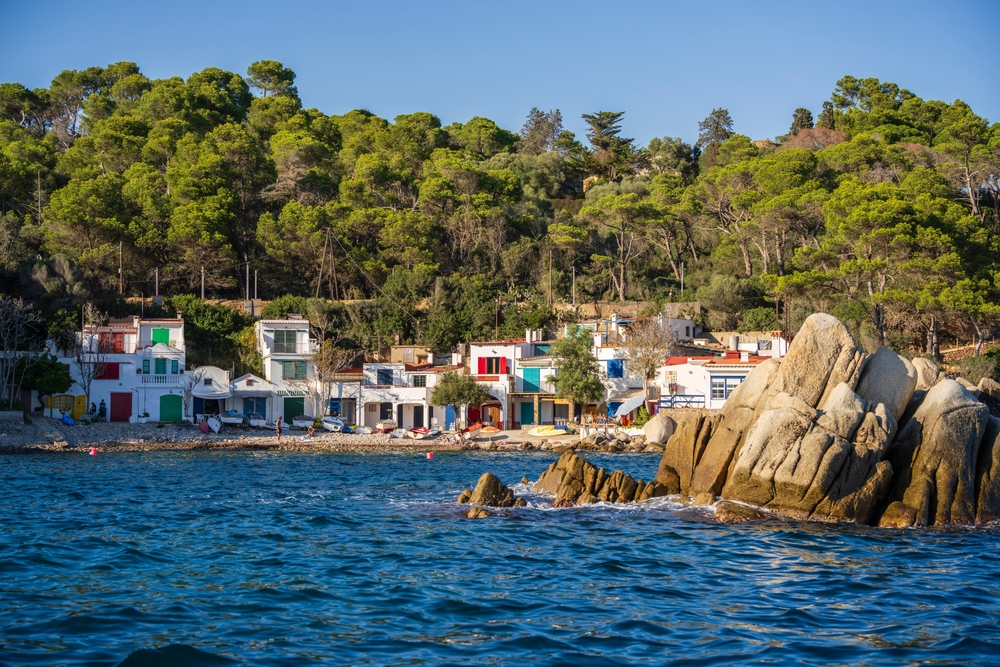
Introduction: The Dream of Owning a Spanish Home Under €50,000
The allure of the Spanish lifestyle—sun-kissed coastlines, charming rural villages, vibrant cities, and a relaxed pace of life—continues to attract international homebuyers year after year. However, the market has evolved, and questions abound: Is it still possible to buy a property in Spain for under €50,000? Is it a realistic dream or a remnant of the past? This extensive guide provides detailed insights, uncovers hidden opportunities, and navigates the practicalities and challenges relevant to purchasing a Spanish home on a budget—exclusively focusing on properties below €50,000.
Understanding the Spanish Property Market Landscape
Spain's property market is diverse and dynamic, reflecting decades of economic, cultural, and demographic transformation. Affordable properties still exist—especially outside the most popular tourist destinations, and in need of renovation—but buyers need thorough preparation, meticulous research, and the right expectations regarding locations, property conditions, and legal requirements.
Over the past decade, the Spanish market has recovered from the 2008 global financial crisis. Property values in high-demand areas, such as the Costa del Sol, Balearic Islands, and metropolitan Barcelona or Madrid, have rebounded considerably. However, plenty of secondary locations, as well as rural and inland regions, continue to offer attractive prices, including homes under €50,000. Understanding where and why these price differentials exist is crucial for a successful buying experience.
Regional Variation in Property Prices
Spain’s property prices are shaped by geographic and economic diversity. Holiday hotspots command premium prices, but vast areas away from the Mediterranean or Atlantic coastline remain affordable. For example:
- Andalusia Inland: Mountainous provinces offer many inexpensive townhouses and villages ripe for restoration.
- Castile-La Mancha and Castile & León: These central regions have seen reduced population densities, leaving opportunities for budget-friendly purchases.
- Extremadura and Aragón: Less visited, with abundant bargains, but often require buyers to integrate into rural communities.
- Galicia and Asturias: Northern Spain’s green, lush areas with unique stone cottages and rural retreats.
Popular coastal areas, while more expensive overall, sometimes have studio apartments or repossessed properties at the lower end of the market.
The Aftermath of Spain’s Housing Crisis
The 2008 crisis resulted in thousands of bank foreclosures and a legacy of empty property stock in certain regions. Even today, a portion of this supply remains available at discounted rates, occasionally surfacing at auction or through motivated sales—particularly in municipalities with stagnant or declining populations.
Prospective buyers should realize that the vast majority of homes under €50,000 need renovation or modernization, and may be in less popular locations, but gems can be found with careful and persistent searching.
Identifying the Types of Properties Available Under €50,000
A crucial step in the buying process is understanding what you can realistically expect for under €50,000 in Spain. Such properties tend to fall into several main categories:
- Village Townhouses (Casas de Pueblo): Traditional homes, often several stories, located in small communities. Typically require updating or refurbishment.
- Country Cottages (Fincas or Cortijos): Rural properties, frequently with land, sometimes without full modern utilities. Ideal for those seeking tranquility and a project.
- City Apartments: Mostly studios or one-bedroom flats in less central zones of small cities. Occasionally bargains in larger towns or ex-industrial cities.
- Repossessed or Bank-Owned Properties: Homes sold by banks following default, sometimes part of asset bundles, can represent outstanding value if buyers are patient with bureaucracy.
- Ruins or Properties Requiring Major Renovation: For the bold, derelict homes listed at rock-bottom prices offer the chance for a custom renovation—though costs can mount rapidly.
Buyers must evaluate their comfort level with various property conditions, willingness to manage renovation projects, and openness to integrating into smaller, quieter communities.
Prime Locations to Search for Sub-€50,000 Homes
Where should you look to maximize your chances of securing a Spanish property within this modest budget? While such opportunities are scattered countrywide, some regions stand out for their consistent availability of affordable real estate.
Andalusia (Inland)
Beyond the famed beaches of the Costa del Sol, inland Andalusia is a treasure trove of old stone townhouses and farmhouses in villages that time seems to have forgotten. Provinces such as Jaén, Granada (away from the Albaicín and Alhambra), Córdoba, and Almería frequently list properties—some habitable, others in need of work—well under €50,000.
- Jaén: Known for olive groves, castles, and rolling foothills, often with genuine Spanish culture and competitive prices.
- Granada Province (La Alpujarra): Whitewashed mountain villages appeal to buyers seeking a balance of remoteness and beauty.
Castile-La Mancha
This vast interior region offers rolling landscapes, Don Quixote windmills, and stone villages. Cuenca, Albacete, and Ciudad Real all have markets for very affordable townhouses, sometimes renovated by expats, but usually requiring personalized improvement.
Galicia and Asturias
Northern Spain’s Celtic-influenced culture and dramatic landscapes are mirrored in property bargains. Granite cottages (“casas de piedra”) abound, many with gardens and close proximity to forests or the Atlantic coastline. Weather tends to be wetter and cooler, but rural serenity is a certainty.
Valencian Community (Inland)
While the Costa Blanca is famous for its expat communities and rising prices, towns inland—such as Ontinyent, Cocentaina, or parts of Castellón—offer Spanish lifestyle at a fraction of coastal costs.
Extremadura and Aragón
Few regions offer as many ruins and farmhouses for sale as Extremadura, bordered by Portugal, or Aragón’s Teruel and Huesca provinces. These are for the adventurous, and social integration can be as important as bricks and mortar.
Urban Opportunities
A handful of Spain’s less populous cities have experienced slow economic recovery, especially those removed from the tourism trail. Apartments in these areas, particularly in need of modernization, can sometimes be found below €50,000, though yields and resale prospects may vary.
The Real Costs Involved: Beyond the Purchase Price
Acquiring a home in Spain involves costs that extend beyond the headline sales price. Prospective buyers must accurately budget for several mandatory and optional expenses.
Taxes and Legal Fees
- Property Transfer Tax (ITP): Ranges from 6% to 10% of the purchase price, depending on the region and property type.
- Notary and Land Registry Fees: Necessary for legally recording the purchase; generally add another 1%–2% to the transaction.
- Legal Representation: Hiring a local lawyer familiar with property transactions is highly advisable, ensuring the property is debt-free, properly registered, and compliant with local zoning. Fees vary but are often 1%–1.5% of the purchase price.
Renovation and Restoration Budgets
A high percentage of sub-€50,000 properties will be in need of repairs, modernization, or even structural rehabilitation. Budget ranges widely, often starting at €300–€600 per square meter for basic improvements, with full restorations requiring more.
Utilities, Ongoing Taxes, and Community Charges
- IBI (Council Tax): Annual property tax, generally modest in rural locations but higher in urban or coastal zones.
- Utilities Installation: Connection or restoration of electricity, water, or sewage can carry upfront costs, especially in remote areas.
- Community Fees: In apartment blocks, contributions to the community of owners for upkeep and shared services are obligatory.
Understanding and proactively preparing for these additional costs is essential in maintaining budget discipline and avoiding unpleasant surprises.
The Legal Aspects of Buying Spanish Property Under €50,000
Spain’s property laws are robust, but due diligence and local expertise are key to avoiding pitfalls. Even (or especially) in low-priced transactions, never overlook the legal process.
Verifying Legal Title and Debts
- Land Registry Check: Ensure that the seller has legal title, that the property is duly inscribed, and free of encumbrances, mortgages, or hidden debts.
- Catastro Consistency: Confirm that the cadastral reference and actual property match, especially regarding boundaries and size.
Obtaining a NIE (Número de Identificación de Extranjero)
Foreigners must hold a NIE number for any property transaction in Spain. This process is straightforward but can take time; obtaining yours early in the search process is advisable.
Reservations, Deposits, and Purchase Contracts
Typically, a small reservation deposit secures your intent to purchase while contracts are drawn up. The “contrato de arras” (deposit agreement) is a preliminary binding instrument, followed by signing the public deed (escritura) at the notary.
Working with a Notary
All property transactions in Spain must be officiated before a public notary. The notary’s role focuses on verifying the legitimacy of documentation, but they do not act as a buyer’s or seller’s representative.
Renovation Realities: From Ruin to Retreat
Many sub-€50,000 homes in Spain require extensive renovation, sometimes amounting to a full “gut and rebuild.” While daunting, this process can transform a dilapidated structure into a bespoke Spanish haven. Preparation and patience are vital.
Assessing Structural Integrity
Before purchase, consider investing in a structural survey, especially on older townhouses or rural dwellings. Fundamental issues—such as unstable foundations, serious damp, or roof collapse—can multiply costs, making some projects economically unviable.
Budgeting and Project Management
- Setting a Realistic Budget: Factor in not only building costs but architect’s fees, permits, taxes, and a contingency for unexpected discoveries.
- Finding Local Tradespeople: Engage reputable local builders; recommendations from other foreign homeowners or long-term residents are invaluable.
- Planning Permissions: Internal reforms often require notification; external changes or major work demand formal planning consent from the town hall (ayuntamiento).
Blending Tradition and Modernity
A sensitive restoration respects a property’s Spanish character while integrating modern comforts—such as insulation, double glazing, and efficient heating. Embrace original tiles and stonework but update wiring, plumbing, and roofing for safety and longevity.
Navigating Language Barriers and Regulations
While many Spanish professionals speak English, especially in expat-inhabited areas, understanding local dialects and regulations is essential for smooth progress. Clear communication and patience underpin a successful project.
Life after the Purchase: Integrating and Settling In
Buying a bargain property in Spain is only the beginning of your adventure. Integrating into your local community, adjusting to cultural differences, and embracing the Spanish way of life reward those who approach the experience with respect and openness.
Building Relationships in Rural Spain
- Learn Basic Spanish: Even modest efforts to speak the local language build bridges and earn respect.
- Participate in Village Activities: Fiestas, markets, and religious festivals are at the heart of Spanish rural life. Attendance is both social lubricants and important for integration.
- Support Local Businesses: Sourcing materials, food, and services locally deepens place-based connections and sustains your new community.
Understanding Spanish Bureaucracy
From residency and taxation to car ownership and health insurance, Spain’s bureaucratic processes can initially confound. Take time to understand your civil obligations and maintain required documentation.
Embracing a Slower Pace
Many newcomers come to love Spain’s rhythm—the siesta, the late sunsets, the convivial cafés. Developing patience and adapting to local schedules make for a happier and more successful transition.
Financing a Sub-€50,000 Spanish Property
Financing a modestly priced Spanish home, especially for non-residents, presents unique considerations compared to higher-value transactions.
Cash Purchases: Simplicity and Speed
Most buyers in this price bracket opt for cash purchases, given that many Spanish banks are reluctant to offer mortgages on properties below €50,000. This route simplifies negotiations and expedites completion, but buyers should ensure their funds are readily accessible and compliant with Spanish anti-money-laundering regulations.
Alternative Financing Methods
- Home Equity Release: Buyers may use equity from a home sale or refinancing in their home country to fund a Spanish purchase.
- Personal Loans: Non-mortgage loans can be arranged, but buyers must be confident in their repayment capacity.
Ensuring Secure International Transactions
Transferring funds internationally for property completion should be done through recognized currency exchange specialists or through your bank, always maintaining detailed records to satisfy legal checks.
Investment Perspective: Is a Sub-€50,000 Spanish Home a Good Deal?
Beyond personal enjoyment, investment or rental potential motivates many buyers. The answer to “is it a good investment?” depends greatly on the location, condition, future demand, and your personal goals.
Short-Term Profit versus Long-Term Enjoyment
Affordable properties in remote locations often see slow appreciation and limited resale markets. However, certain rural areas, especially those with tourism potential or proximity to amenities, can see steady value growth. For those seeking a holiday base or creative working retreat, the lifestyle return may well outweigh capital gains.
Renovate to Add Value
Well-executed renovations can unlock latent value and make resale or rental more attractive. Properties with unique features—historic detailing, gardens, views—generally outperform the market, especially when restored with care and taste.
Long-Term Rental or Holiday Let Opportunities
Letting your property as a holiday home or long-term rental is increasingly feasible in some rural communities, as remote working encourages urban exodus. However, all letting requires registration with local authorities and adherence to tourism or tenancy laws.
Navigating Challenges Specific to Low-Cost Property Purchases
Properties under €50,000 can present unique difficulties, especially for overseas buyers. Being mindful of the following common issues ensures your Spanish dream remains a joy, not a burden.
Recognizing Unrealistic Listings
Online portals sometimes include properties with misleading prices or conditions. Always verify whether the advertised price includes all aspects of the offered home—sometimes initial prices exclude land, legal title, or necessary urbanization contributions.
Hidden Debts or Building Order Issues
A minority of cheap properties may be encumbered with unpaid taxes, utility bills, or unresolved planning orders. Professional legal checks are not optional; they are your best defense.
Integrating Utility Supplies
Especially in rural areas, electricity, water, or sewage services may require costly connection or upgrading. Check the practicalities before finalizing any purchase.
Ensuring Accessibility and Transport Links
Ultra-affordable properties are sometimes located in remote settings, with limited public transport and poorly maintained roads. Consider your travel needs and lifestyle carefully.
Case Studies: Real Stories of Buying Under €50,000
Hearing the experiences of other buyers demystifies the process and brings the possibilities into sharper focus. Here are several anonymized case studies illustrating different approaches to the sub-€50,000 opportunity.
Case Study 1: Charming Village Townhouse in Jaén
- Background: An international buyer with a limited budget targeted the olive-rich heartland of Jaén in Andalusia. Their goal: a small, structurally sound home with scope for interior updates.
- The Deal: Successfully purchased for just under €35,000, the two-bedroom townhouse required a new bathroom and kitchen, with the work performed by local craftsmen.
- Outcome: After €12,000 in renovations, the property is now a comfortable retreat, with low ongoing costs and strong ties to the local community.
Case Study 2: Stone Cottage Revival in Galicia
- Background: Drawn by Galicia’s lush landscapes, a couple bought a derelict stone cottage for €21,000, liberally scattered with historic features but without running water or mains power.
- The Project: Extensive restoration, including solar power installation, a modern septic tank, and roof rebuilding, all carefully managed over two summers.
- Outcome: The result is a unique holiday home and creative retreat, fully legal and registered, and the entire project completed for under €50,000 total investment.
Case Study 3: Urban Studio Apartment in Castilla-La Mancha
- Background: A young buyer, seeking an affordable base for remote working in Spain, found a compact studio apartment in a secondary city for €28,000.
- The Purchase: Required moderate modernization—new wiring, bathroom updating, and painting—but the work was organized locally and completed in three months.
- Outcome: Now used for both personal living and as an occasional long-term rental to visiting students, providing a modest income stream.
Practical Advice for a Successful Search
Approaching the sub-€50,000 market with methodical planning will maximize your chances of success and satisfaction.
Define Your Criteria Early
Establish your non-negotiables. Consider: Is location or condition your top priority? Are you seeking a project or a “liveable now” home? How comfortable are you with remote or rural living?
Inspect Properties Personally
Whenever feasible, visit shortlisted properties in person before committing. Photographs can be deceiving, and a physical visit reveals both potential and potential drawbacks.
Negotiate Assertively but Respectfully
In this price range, sellers may be motivated for rapid sales. Fair, thorough negotiation—especially after a careful survey—can prevent costly regrets while securing true value.
Be Patient and Persistent
Finding the perfect property under €50,000 may require many months of searching, and often, flexibility on initial expectations. Persistence is ultimately rewarded for those prepared to search widely and adjust their vision.
The Role of IMMO ABROAD in Facilitating Your Spanish Purchase
IMMO ABROAD specializes in guiding international clients through every stage of the search and purchase process in Spain. With deep local knowledge and experience in the unique challenges of the sub-€50,000 market, IMMO ABROAD offers tailored support, from property selection and viewing arrangements to legal due diligence and after-sales assistance.
- Curated Affordable Listings: IMMO ABROAD’s portfolio features a wide range of budget-friendly homes throughout Spain, including hidden gems in rural and lesser-known regions.
- Trusted Local Contacts: Long-standing relationships with notaries, legal professionals, and tradespeople ensure seamless processes for even the most complex purchases.
- Multilingual Support: IMMO ABROAD’s team fluently navigates both Spanish bureaucracy and language barriers, clarifying your transaction at every stage.
Anticipating the Future: Trends in Spain’s Budget Property Market
While the Spanish housing market continues to evolve, opportunities for sub-€50,000 purchases remain, particularly for those open to renovation and unconventional locations.
Demographic Shifts and Rural Repopulation Initiatives
Spanish authorities have implemented incentives in certain regions to encourage population return to rural areas—some municipalities even offering tax breaks, subsidies, or grants for restoration projects.
Remote Work and Digital Nomadism
The rise of remote working, coupled with Spain’s relaxed visa policies for certain expat categories, has given new life to overlooked towns and villages. Properties with basic amenities and good internet can be transformed into modern outposts for international buyers.
Continued Recovery and Market Stability
Economic stability and rising domestic tourism have contributed to greater market confidence. While prices may rise in some areas, fringe and inland regions are set to remain accessible for creative and resourceful buyers for years to come.
Frequently Asked Questions about Buying Under €50,000 in Spain
- Is it realistic to expect to find a move-in-ready home under €50,000?
In most cases, properties at this price will require at least some modernization or updating, unless located in more remote or less desirable locations. However, habitable homes do exist, particularly in certain villages and towns previously depopulated.
- Are foreign buyers subject to different taxes or restrictions?
Generally, foreign buyers enjoy equal rights compared to Spanish nationals. However, all purchasers must have a NIE number, and are subject to the same property transfer taxes and legal requirements.
- What are the biggest risks of buying a very cheap property?
Potential challenges include undisclosed debts, unclear title, high renovation costs, or remote locations with weak resale potential. Legal and physical due diligence are essential.
- Can I get a mortgage for a property of this value?
Spanish banks typically will not provide mortgages for properties under €50,000. Buyers should expect to purchase with cash or alternative financing.
- How long does the purchase process take?
With funds in place and professional assistance, completion can be achieved in 2–3 months. More complex properties (such as those requiring legal clarification or inheritance resolution) may take longer.
Conclusion: Fulfilling the Spanish Dream Within a €50,000 Budget
Buying a house in Spain for under €50,000 is a compelling, achievable venture for those with the right blend of realism, patience, and flexibility. With a clear-eyed view of the market, a willingness to embrace renovation and rural life, and the support of a knowledgeable agency such as IMMO ABROAD, it is possible to secure a foothold in one of Europe’s most desirable destinations—without breaking the bank.
The journey is not without challenges, but the rewards—personal, cultural, and financial—can be significant. Whether your goal is a peaceful retirement, a creative retreat, an investment project, or simply a slice of Andalusian, Galician, or Castilian sunshine, your dream lies within reach. Begin by defining your criteria, conducting thorough research, and embarking on your Spanish adventure with confidence.
For expertly curated opportunities and personalized service throughout your home-buying journey in Spain, the team at IMMO ABROAD stands ready to assist. Your destination home—and a richer, more vibrant lifestyle—awaits.