





Why Choose to Buy a House with Garden in Spain?
The allure of Spain as a destination for property investment is undeniable. From sun-drenched beaches to vibrant cities, the country offers a unique blend of culture, nature, and lifestyle that attracts buyers from all over the globe. But when considering a huis met tuin kopen in Spanje (buying a house with garden in Spain), you open yourself up to an even richer experience. This section delves into the fundamental reasons why this choice can transform your life and investment portfolio.
A Mediterranean Lifestyle at Your Doorstep
Spain is globally renowned for its laid-back Mediterranean way of life. Imagine spending your mornings in your lush garden with a café con leche, your afternoons with freshly prepared tapas, and your evenings entertaining friends under olive trees. Lifestyle enhancement is one of the primary motivations for buyers seeking properties with private gardens, allowing for outdoor living year-round.
Broad Appeal: From Families to Retirees
A private garden appeals to a wide range of buyers. Families appreciate having an outdoor space for children to play safely. Retirees and expatriates value the tranquility and opportunity for gardening, relaxation, or creating an outdoor kitchen. For pet owners, a garden offers freedom and convenience. This broad appeal translates to consistent rental demand and strong resale prospects.
Health and Wellbeing Advantages
Living in a house with a garden in Spain means regular exposure to fresh air, sunshine, and the ability to grow your own herbs, fruits, and vegetables. Medical studies confirm that time spent outdoors boosts both mental and physical well-being. The quality of life you can achieve simply by stepping out of your back door is unmatched.
Investment Perspective
Properties with gardens traditionally command a premium in terms of purchase price and future value. Gardens in Spain—especially in sought-after regions—are prized assets, often separating an average property from an exceptional one. The long-term investment potential is substantial, bringing about both lifestyle and financial rewards.
Popular Regions to Buy a House with Garden in Spain
Spain is a vast country, each region offering its own atmosphere, climate, and investment potential. Understanding the best places to buy a house with a garden is crucial to realizing your dream lifestyle or investment ambition. Below, we explore the most popular destinations and their unique attributes.
Costa Blanca
Known for its white-sand beaches and welcoming communities, Costa Blanca is a top choice for foreign buyers. Towns like Jávea, Dénia, and Altea offer a vibrant mix of traditional charm and modern amenities. Here, gardens are often lush and benefit from over 300 days of sunshine per year. The local flora thrives, allowing for Mediterranean landscaping—think palm trees, olive groves, and fragrant lavender.
Costa del Sol
If you seek glamour and year-round sun, Costa del Sol is the epitome of luxury. Marbella, Estepona, and Mijas are renowned for their upscale villas featuring expansive gardens, swimming pools, and outdoor entertainment areas. Proximity to golf courses adds allure, making houses with gardens especially attractive to golf enthusiasts.
Balearic Islands
Ibiza, Mallorca, and Menorca offer a unique blend of natural beauty, cosmopolitan lifestyles, and tranquility. Gardens here can be landscaped with indigenous flora and seamlessly blend into the surrounding countryside. Privacy is of utmost value, ensuring that outdoor spaces feel like secluded retreats.
Costa Brava
North of Barcelona, Costa Brava combines dramatic coastlines with picturesque villages. Gardens in this region may incorporate sloping terrain, stone terraces, and Mediterranean plants. Lush pine forests offer privacy, while sea breezes keep outdoor spaces comfortable even in the summer heat.
Andalusia's Interior
For those seeking authenticity and tradition, the interior regions of Andalusia such as Ronda, Antequera, and Granada offer rustic estates with ample gardens. Olive groves and fruit trees are common, and the slower pace of life is reflected in generous outdoor living spaces designed for relaxation and family gatherings.
Valencia Region
From the cosmopolitan city of Valencia to its charming countryside, this region offers abundant properties with gardens. The local horticulture culture encourages beautiful private gardens, often flourishing with citrus trees and colorful bougainvillea, reflecting the region’s agricultural heritage.
Canary Islands
If a subtropical climate is preferred, the Canary Islands offer a year-round temperate environment. Garden styles here may differ, incorporating exotic palms, volcanic rocks, and sea views, promising a unique and enchanting atmosphere.
Key Considerations Before You Start House Hunting
Before you embark on the journey of purchasing a house with a garden in Spain, there are fundamental considerations you must evaluate to ensure a successful and satisfying acquisition.
Budget and Financing Options
Your financial readiness is paramount. Spain offers a wide range of property prices depending on region, proximity to the coast, and property size. It's advisable to consult with specialized financial advisors familiar with international clients. Many Spanish banks offer mortgages to foreign buyers, usually covering up to 70% of the property value for non-residents. Factor in additional costs such as taxes, fees, and renovations.
Purpose of Purchase
- Primary Residence: Evaluate proximity to schools, healthcare, and amenities.
- Holiday Home: Consider accessibility from airports, security during absence, and potential for rental income.
- Investment Purpose: Analyze rental demand, expected ROI, and future resale values.
Type and Size of Garden
Decide on your preferred garden style—whether you desire an expansive estate for entertaining or a manageable courtyard for easy maintenance. Gardens attached to villas differ significantly from those with townhouses or rural fincas. Consider your willingness and ability to maintain the landscape or whether you’ll hire professional assistance.
Legal and Regulatory Aspects
Familiarize yourself with Spanish property law, land registry procedures, and zoning regulations. Be vigilant for any restrictions on garden expansions, tree plantings, or water usage, especially in protected or historic zones.
Local Services and Infrastructure
Access to utilities such as water, electricity, and internet may vary, particularly in rural locations. Proximity to public transport, shopping, medical facilities, and schools can significantly impact your comfort and property value.
The Step-by-Step Process: Buying a House with Garden in Spain
The process of acquiring a house with a garden in Spain is rewarding but demands careful planning and due diligence. Here is a detailed walk-through of each key milestone from the initial search to final ownership.
1. Define Your Requirements
Craft a checklist detailing your must-haves and preferences—desired region, property style, garden size, number of bedrooms, amenities such as pools, terraces, and outdoor kitchens. This step determines the direction of your further actions and clarifies your expectations for real estate professionals.
2. Financial Preparation
Arrange a budget incorporating all relevant costs: property price, taxes (such as ITP for resale properties or VAT for new builds), notary fees, legal assistance, administrative costs, and potential improvements to the garden or house.
3. Initiate Property Search
With your priorities established, collaborate with IMMO ABROAD to identify a curated selection of properties matching your criteria. Their team’s local expertise ensures access to listings—both on and off market—meeting your specifications.
4. Viewing Properties and Gardens
Schedule visits at different times of day to assess natural lighting, privacy, and ambient sounds. Evaluate the garden’s health, soil quality, existing irrigation systems, and potential for future enhancements. Observe if outdoor spaces meet your vision for relaxation, entertainment, or gardening.
5. Legal Due Diligence
Engage a qualified lawyer to scrutinize property titles, cadastral records, and licenses. Ensure that the house and garden adhere to zoning laws and building regulations. Verify the absence of liens or encumbrances and confirm all structures are legally registered.
6. Reservation Contract
Once a suitable property is found, a reservation contract secures your intent, usually involving a small, refundable deposit. This removes the listing from the market while due diligence continues for a set period.
7. Private Purchase Contract (Contrato de Arras)
This is a binding agreement between buyer and seller, incorporating property details, sale price, completion date, and penalties for default. At this point, a deposit (typically 10%) is paid. Your lawyer ensures contractual protections.
8. Securing a Mortgage (If Needed)
Should you require a mortgage, initiate applications with Spanish banks. Be prepared to provide proof of income, creditworthiness, and details of the reserved property.
9. Completion at the Notary
Transfer of ownership occurs before a Spanish notary, where the public deed of sale is signed, and the balance is paid. The notary registers the transaction, ensuring legal transfer and protecting your rights as the new owner.
10. Post-Purchase Registration and Utilities
Following completion, update the property at the Land Registry and Cadastre. Transfer or initiate service contracts for water, electricity, internet, and garden irrigation, ensuring a seamless transition into your new Spanish home.
Navigating Legal Requirements and Documentation
Spain’s property laws protect both buyers and sellers, but proper compliance and understanding are essential. The following section offers a comprehensive look at the principal legalities and documentation required when buying a home with a garden in Spain.
NIE Number (Foreigner Identification Number)
This unique identification number is required for all property transactions in Spain. Obtain an NIE from the nearest police station or Spanish consulate before the purchase process advances. IMMO ABROAD can guide you through the application and appointment process.
Legal Representation
A reputable lawyer ensures your interests are protected throughout the transaction. Solicitors scrutinize title deeds, confirm property boundaries, review building permits, and liaise with notaries, facilitating a smooth purchase experience.
Land Registry and Title Checks
The Spanish Land Registry (Registro de la Propiedad) contains comprehensive data on ownership, plot size, and encumbrances. Confirm that the property—including the garden—is accurately catalogued. Any discrepancies must be resolved prior to completion.
Cadastral Surveys
The Cadastre (Catastro) is a government record of physical property characteristics. Garden size, location, and boundaries must correspond to registry documents. A surveyor can confirm the physical reality matches legal records.
Building Licenses and Non-Urban Land Considerations
If the house or garden includes extensions or additional buildings (such as pergolas, pools, or outdoor kitchens), verify the existence of appropriate municipal permits. In rural areas (suelo rústico), special regulations may impact future building or gardening projects.
Community of Owners (Comunidad de Propietarios)
If purchasing within a residential complex or urbanisation, review the community statutes regarding garden use, maintenance responsibilities, and restrictions (such as tree planting or fencing). Your lawyer obtains and reviews these regulations on your behalf.
Property Tax Record (IBI) and Utility Bills
Comparison of the latest paid property tax (IBI – Impuesto sobre Bienes Inmuebles) receipt with cadastral data ensures accuracy. Request evidence of up-to-date utility bills so that no outstanding debts pass to the new owner.
Exploring Garden Styles and Landscaping Trends in Spain
Gardens in Spain range from classical and structured to wild and Mediterranean. Whether you wish for a minimalist urban oasis, traditional Andalucian courtyard, or sprawling finca gardens, understanding styles and current landscaping trends is crucial.
Traditional Mediterranean Gardens
Defined by drought-resistant plants, crushed gravel paths, terracotta pots, and cooling fountains, Mediterranean gardens are low maintenance yet visually appealing. Key features include olive and cypress trees, lavender, rosemary, bougainvillea, and water-saving irrigation systems.
Andalusian Patios
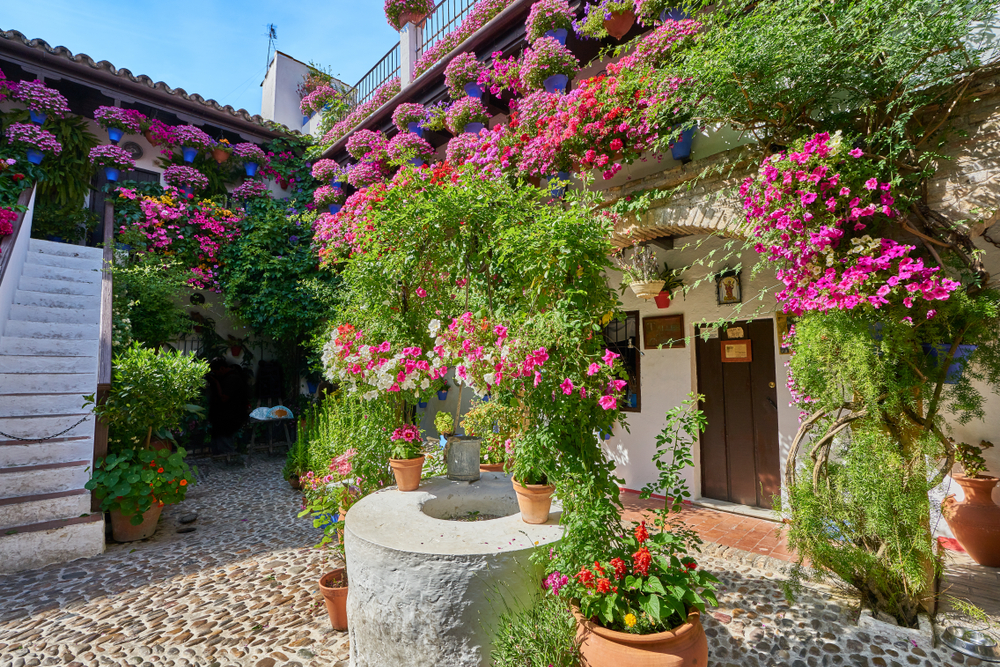
Inspired by centuries-old traditions, Andalusian patios feature tiled floors, shaded pergolas, and vibrant flowers such as geraniums. Central fountains and mosaics create inviting spaces for relaxation during hot afternoons.
Modern Minimalist Landscapes
For those seeking sleek contemporary appeal, minimalist gardens integrate geometric layouts, clean lines, and native plantings. Integration of sophisticated lighting, infinity pools, and sculptural elements adds a sense of luxury and modernity.
Rustic Finca Retreats
Country estates (fincas) often include large orchards, vegetable gardens, and wildflowers. Incorporating local stone, natural grasses, fruit trees, and even small vineyards, these gardens harmonise with the surrounding landscape and tradition.
Eco-Friendly and Sustainable Designs
With sustainability in focus, eco-gardening is trending across Spain. Features include rainwater harvesting, native planting to reduce water consumption, composting, and solar-powered lighting. Lawns are minimized in favor of natural ground covers and wildlife-friendly spaces.
Managing and Maintaining Your Spanish Garden
Owning a garden in Spain is a joy, but maintenance is essential to ensure its lasting beauty and functionality. This section offers in-depth guidance on garden care and management for newcomers and seasoned homeowners alike.
Understanding Spain’s Climate Zones
Spain’s diverse geography creates varied climate zones, impacting plant selection, watering needs, and landscaping approaches. Mediterranean coasts differ dramatically from Atlantic regions, mountain interiors, and island climates. Tailoring your garden’s features to the local climate reduces ongoing maintenance.
Water Management and Irrigation
Water is a precious resource, especially in southern Spain. Consider automating irrigation systems—drip irrigation is particularly effective for water efficiency. Rainwater collection and storage can further minimize reliance on municipal supplies.
Soil Health and Fertility
Spanish soils range from sandy near the coasts to loamy inland. Conduct a soil analysis before planting to determine pH and nutrient needs. Composting and organic amendments can improve fertility, supporting garden vibrancy year-round.
Seasonal Care Tips
- Spring: Prune shrubs and trees, refresh mulch, begin fertilization.
- Summer: Water early morning or evening, maintain shade and monitor for pests.
- Autumn: Plant new perennials, collect leaves for compost, protect sensitive plants.
- Winter: Minimize watering, shield non-hardy species, maintain hardscapes.
Finding Professional Gardeners and Maintenance Services
For absentee owners or those desiring minimal involvement, professional gardeners can manage routine maintenance and oversee large-scale landscaping projects. IMMO ABROAD assists clients in sourcing reliable local professionals.
Interior-Exterior Integration: Enhancing Your Home’s Value
Seamless integration between indoor and outdoor spaces is a hallmark of Spanish architectural style, boosting both lifestyle enjoyment and property value. Here’s how thoughtful design amplifies your investment.
Open-Plan Living and Alfresco Dining
Design trends favor extended open-plan lounges that flow onto terraces or patios. Folding glass doors, sun awnings, and covered dining areas enable year-round outdoor living, transforming gardens into an integral part of daily life.
Outdoor Kitchens and Barbecues
Equipping your garden with an outdoor kitchen, barbecue, or pizza oven turns entertaining into an event. Well-designed outdoor cooking areas can range from simple grills to fully appointed culinary spaces with sinks, fridges, and prep areas.
Swimming Pools and Water Features
Private swimming pools add considerable value, offer summer entertainment, and visually cool the landscape. Infinity pools with garden views are especially desirable, while fountains or small ponds create serene focal points.
Landscape Lighting
Sophisticated lighting—combining low-energy LEDs with smart controls—enhances security and ambiance. Highlight paths, trees, and architectural features to multiply the garden’s appeal both day and night.
Shaded Structures and Pergolas
Pergolas, retractable awnings, and gazebos offer respite from the Spanish sun and add definition to entertainment spaces. With creative planting—such as climbing vines—these structures evolve into green sanctuaries over time.
Costs, Taxes, and Ongoing Expenses
Accurately calculating total expenditures is vital when purchasing and owning a house with a garden in Spain. This section outlines all typical costs and provides insights into ongoing financial responsibilities for property owners.
Acquisition Costs
- Property Transfer Tax (ITP): Ranges from 6% to 10% of the purchase price for resale properties, varying by region.
- VAT (IVA): Applied at 10% for new builds.
- Notary Fees: Usually between 0.5% and 1% of the sale price.
- Legal and Administrative Fees: Approximately 1% of the sale value.
- Land Registry Fees: Typically 0.5%-1% of property value.
Ongoing Taxes and Fees
- IBI (Impuesto sobre Bienes Inmuebles): Annual local property tax, calculated based on cadastral value.
- Basura (Waste Collection Tax): Yearly municipal charge for rubbish collection.
- Home Insurance: Strongly recommended to cover both building and third-party liability.
- Community Fees: Applicable for properties in urbanisations or residential communities, covering communal garden and pool maintenance, security, and shared amenities.
- Garden and Pool Maintenance: Varies depending on property size and requirements.
Utilities and Service Charges
Allow for regular bills for electricity, water (including for irrigation), gas, internet, and cable or satellite TV. Some rural areas may incur additional costs for water delivery or energy supply.
Budgeting for Upkeep and Improvements
Factor in periodic replanting, tree surgery, irrigation system upgrades, and garden furniture replacements. Setting aside a contingency fund protects against unplanned expenses such as storm damage or pest treatments.
Rental Income Potential and Investment Analysis
Spanish houses with gardens command premium short- and long-term rental rates, especially in prime coastal and urban locations. Understanding the investment potential, legalities, and management necessities can help maximize your returns.
Rental Market Overview
Tourism remains one of the pillars of the Spanish economy. Holidaymakers prioritize houses with gardens for privacy, outdoors living, and family gatherings. In urban or suburban areas, long-term tenants—especially expatriates and professionals—seek homes with green spaces.
Licenses for Holiday Rentals
If you intend to rent the property short-term, acquire the required tourist rental license from the Ayuntamiento (Town Hall). Regulations vary by region, specifying safety standards, documentation, and registration processes.
Peak Season Returns
High season (June to September) rental prices can be significant, especially in locations close to the coast, golf courses, or city attractions. A well-maintained garden and outdoor entertainment areas add considerably to the weekly rental rates.
Property Management Solutions
Absentee landlords benefit from contracting a reputable property manager who oversees guest check-in, cleaning, linen services, garden and pool care, and emergency responses. IMMO ABROAD advises on trusted local partners.
Taxation on Rental Income
Non-resident property owners must declare Spanish rental income and pay the appropriate tax (typically 19% for EU citizens, 24% for non-EU). Consult a tax advisor familiar with double taxation treaties and allowable expense deductions (maintenance, utilities, etc.).
Understanding Spanish Culture and Neighbourhood Life
Beyond bricks and mortar, owning a house with a garden in Spain invites you to immerse yourself in a lifestyle enriched by culture, community, and tradition.
Integration into Spanish Society
Spaniards value community and hospitality. Inviting neighbours for an aperitivo in your garden or participating in local fiestas helps build lasting social connections. Learning basic Spanish phrases is invaluable for day-to-day life and friendly relations.
Celebrating the Outdoors
Outdoor celebrations are an essential part of Spanish culture, from BBQs to long Sunday lunches. Gardens become central to festivities, allowing you to participate in traditions such as “La Noche de San Juan” (Midsummer Night) or family paella gatherings.
Local Produce and Gardening Traditions
Many Spaniards take pride in homegrown produce—whether citrus fruits on the Costa Blanca or olives in Andalusia. Joining community gardening events or learning from neighbors supports a sense of belonging and enhances your garden’s productivity.
Safety and Tranquility
Spanish neighbourhoods—urban or rural—benefit from strong community bonds. The presence of a well-tended garden often reflects pride of ownership and fosters mutual respect among neighbours, encouraging a secure and peaceful environment.
Case Studies: Real Experiences with Garden Home Ownership in Spain
Real stories bring the dream of owning a Spanish house with a garden to life. Here, we share anonymized experiences of diverse buyers to illustrate challenges, joys, and ultimate satisfaction.
The Family Villa on the Costa Blanca
A Dutch family with young children sought a secure, spacious home with a pool and play area in proximity to bilingual schools. After working with IMMO ABROAD, they located a modern villa in Moraira with a child-friendly garden. The transition was seamless, with local legal support, a reliable gardening service, and plenty of opportunities for family fun in the sun.
The Retiree’s Country Escape in Andalusia
Attracted by rural tranquility, an English couple purchased a traditional cortijo set within four hectares of olive groves. Their focus was sustainable living and growing organic produce. With expert guidance, they navigated rural property regulations and were connected with skilled landscapers who revitalized neglected terraces into flourishing gardens.
The Investor’s Urban Gem in Valencia
A Belgian investor purchased a townhouse with a private patio and small garden in Valencia, targeting long-term expatriate tenants. After minor upgrades—adding an automated irrigation system and stylish outdoor lighting—the property’s rental appeal soared. The combination of location and outdoor space ensured steady occupancy and strong returns.
Sustainable Living and Gardens in Spain’s Changing Climate
Climate adaptation is vital in modern Spanish gardening. This section examines the principles and practices of sustainable living, emphasizing biodiversity, water conservation, and low-impact design.
Drought-Tolerant Plants and Xeriscaping
Given periodic droughts, choosing native and drought-resistant plants is key. Succulents, agaves, carob trees, and Mediterranean herbs reduce irrigation demands while contributing to a distinctive Spanish landscape.
Edible Gardens and Permaculture
Combine beauty with utility by integrating fruit trees, vegetable beds, and aromatic herbs into your garden design. Permaculture practices—such as composting, mulching, and companion planting—maximize productivity while nurturing soil health.
Wildlife Gardens and Pollinator Support
Biodiversity brings balance and beauty. Incorporate nectar-rich flowers to encourage butterflies and bees, and leave wild corners or install bird baths to support local fauna. Such practices benefit ecosystem health and garden resilience.
Rainwater Harvesting and Greywater Use
Collect rainwater from roofs for irrigation, reducing reliance on mains water. Advanced systems can also filter and repurpose household greywater, further cutting environmental impact.
Energy-Efficient Outdoor Living
Opt for solar lighting, energy-efficient pumps for pools, and natural shade instead of mechanical cooling. These measures not only lower bills but also enhance your home’s green credentials.
Top Tips for a Successful House with Garden Purchase in Spain
Drawing on years of collective experience, these insider tips smooth your journey and help you avoid common pitfalls, ensuring your Spanish garden home meets or exceeds expectations.
- Visit in Different Seasons: Experience properties during different times of year to assess sunlight, temperature, and comfort across seasons.
- Prioritize Orientation: South-facing gardens enjoy maximum sun, essential for year-round gardening and outdoor living.
- Investigate Local Restrictions: Some regions impose limits on water use, tree removal, or new constructions—be sure you understand them before committing.
- Factor in Maintenance: An ambitious garden can be overwhelming alone; budget for professional help or opt for a more manageable design.
- Secure Property Boundaries: Verify legal boundaries and existing fencing to prevent future disputes with neighbours.
- Explore Potential for Enhancements: Consider the feasibility of adding a pool, kitchen, or extra landscaping to tailor the property to your tastes.
- Review Community Rules: If in a community, check regulations affecting garden layout, pet ownership, or rental activity.
- Monitor Sun and Shade: Tree positions and building shadows interact throughout the day; ensure critical garden areas receive desired sunlight.
- Check for Pest and Disease Risks: Olive fly, pine processionary caterpillar, and others can affect Spanish gardens. Ask sellers about past issues.
- Plan for Security: Install motion-sensitive lighting, alarm systems, and secure garden gates for peace of mind.
How IMMO ABROAD Facilitates Your Dream House with Garden in Spain
A purchase as significant and personal as a huis met tuin kopen in Spanje requires expert support, transparency, and meticulous attention to detail. IMMO ABROAD’s tailored guidance ensures a seamless journey for each client, from property search through legal closing and beyond.
Personalized Property Selection
IMMO ABROAD’s local specialists match your unique requirements to the most appropriate properties, presenting carefully vetted homes with beautiful gardens in the region of your choice. Their intimate knowledge of local regulations and hidden gems puts clients at a clear advantage.
Full-Service Assistance
Clients benefit from comprehensive support: arranging viewings, recommending qualified legal and financial advisors, interpreting documents, and negotiating favorable terms. IMMO ABROAD manages each step to minimize stress and ensure clarity.
Post-Sale Support and Integration
Beyond the transaction, IMMO ABROAD assists new homeowners with practical matters such as utility transfer, insurance setup, garden maintenance recommendation, and community integration. This ongoing partnership guarantees a smooth transition into Spanish life.
Frequently Asked Questions About Buying a House with Garden in Spain
Confident decision-making rests on accurate knowledge. Here, we address the most common queries from buyers considering house and garden purchases in Spain.
Can foreigners buy property with a garden in Spain?
Yes, Spain places no restrictions on foreign buyers. Non-residents follow the same purchase process as Spanish nationals, though they must obtain an NIE (foreigner identification number) and comply with local banking regulations.
Is financing available for non-residents?
Yes, many Spanish banks offer mortgages to non-residents, typically financing up to 70% of the property's value. Documentation requirements include proof of income, credit history, and property details.
How do I ensure the property’s boundaries include the entire garden?
A qualified lawyer and property surveyor will review land registry and cadastral records, ensuring no inconsistencies. Any boundary ambiguities should be resolved before signing the purchase deed.
Are there restrictions on building pools or expanding gardens?
Variations exist between municipalities regarding new constructions and landscaping modifications, particularly in protected zones. Consult local urban planning offices or your lawyer for region-specific advice.
What is the typical maintenance cost?
Maintenance costs depend on garden size, features (such as pools), and whether upkeep is DIY or contracted. Budget annually for gardeners, irrigation system servicing, and plant renewal.
What taxes will I need to pay annually?
Mandatory taxes include IBI (annual property tax), waste collection fees, and—in urbanisations—community fees for garden and pool maintenance. Rental income, if applicable, is subject to Spanish income tax.
Can I use the property for holiday rental income?
Yes, provided you obtain a tourist rental license where required. Each region sets its own rental regulations, so seek guidance on compliance and market opportunities.
Conclusion: Realizing Your Dream with a House and Garden in Spain
The pursuit of owning a house with a garden in Spain represents the fulfillment of lifestyle aspirations and an astute investment in your future. From vibrant coasts to serene countryside, the nation’s diversity ensures a perfect match for every taste and ambition. By following the structured guidance in this comprehensive guide, and with the dedicated expertise of IMMO ABROAD at your side, your Spanish property adventure is destined for success.
Embrace the beauty of outdoor living, the warmth of Mediterranean culture, and the comfort of home tailored to your vision. Start your journey today, and watch as the dream of owning a Spanish house with a garden blossoms into a rewarding reality.