





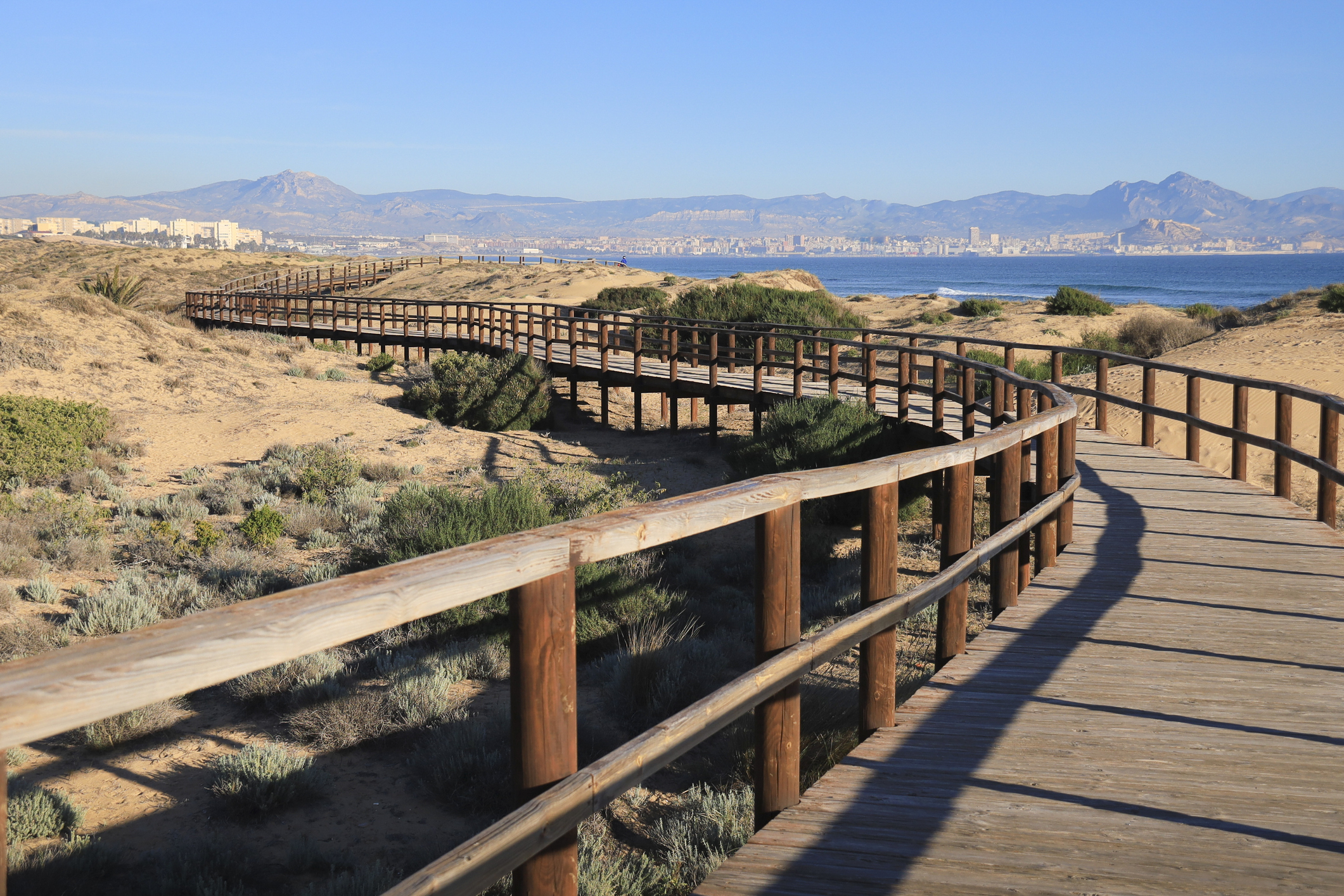
Introduction to Costa Cálida: The Jewel of Spain’s Mediterranean Coast
The allure of Costa Cálida, stretching along Spain’s southeastern coastline, has captivated property buyers for decades. Known for its sun-drenched beaches, tranquil waters of the Mar Menor, and a climate boasting over 320 days of sunshine annually, Costa Cálida stands as a premier destination for those seeking a Mediterranean lifestyle. In recent years, this region has emerged as a hotspot for international homebuyers, retirees, and investors eager to secure their slice of Spanish paradise. Whether you’re contemplating a permanent move, a holiday retreat, or a shrewd investment, understanding the nuances of buying a home in Costa Cálida in 2025 is essential. This comprehensive guide, meticulously crafted for discerning buyers, will navigate you through every facet of the process — from understanding the locale to finalising your purchase and embracing the Spanish way of life.
1. Understanding Costa Cálida: Location, Climate, and Appeal
1.1. Geographical Overview
Costa Cálida, which translates to “Warm Coast,” lies within the Region of Murcia, bordered by the Costa Blanca to the north and the Costa de Almería to the south. Spanning approximately 250 kilometres, its coastline is diverse — featuring sandy beaches, rocky coves, saltwater lagoons, and vibrant coastal towns. The region’s unique geography includes the famed Mar Menor, Europe’s largest saltwater lagoon, separated from the Mediterranean by La Manga, a narrow strip of land that is itself a prime property hotspot.
1.2. Climate Advantages
Costa Cálida is celebrated for its microclimate, offering mild winters and long, hot summers. With minimal rainfall and average temperatures ranging from 16°C in winter to 32°C in summer, the region is ideal for year-round living and outdoor pursuits. This enviable climate not only enhances quality of life but also boosts rental potential, making it attractive to holidaymakers and investors alike.
1.3. Lifestyle and Attractions
Life in Costa Cálida is characterised by a harmonious blend of tradition and modernity. The area is renowned for its relaxed pace, excellent gastronomy, and a wealth of cultural festivals. Golf enthusiasts are drawn to its world-class courses, while water sports aficionados revel in the calm waters of the Mar Menor. Historic towns such as Cartagena and Lorca offer rich heritage, while bustling resorts like Los Alcázares and La Manga del Mar Menor cater to all amenities and creature comforts a discerning buyer could desire.
2. The Costa Cálida Property Market in 2025
2.1. Market Overview
The property market in Costa Cálida has demonstrated remarkable resilience and dynamism. In 2025, the region continues to witness growing demand from both domestic and international buyers, with a particular uptick in remote workers, retirees, and holiday homeowners. Prices remain competitive compared to neighbouring Costa Blanca and Costa del Sol, offering exceptional value for money.
2.2. Current Trends and Forecasts
Recent years have seen a surge in new developments, especially sustainable and eco-friendly communities, reflecting the evolving preferences of modern buyers. Key markets include beachfront apartments, luxury villas, and traditional fincas, with increasing interest in gated communities offering security and amenities. Forecasts for 2025 suggest steady price appreciation, particularly in prime areas such as La Manga, Los Alcázares, and the golf resorts of Torre Pacheco.
2.3. Investment Potential
Costa Cálida’s strategic location, excellent transport links, and ongoing infrastructure improvements underpin its investment appeal. The region’s popularity with tourists ensures robust rental yields, while the relatively low entry price compared to other Spanish coasts enhances capital growth prospects. Investors are increasingly attracted to off-plan properties and renovation projects, which offer scope for significant returns.
3. Choosing the Perfect Location in Costa Cálida
3.1. La Manga del Mar Menor
La Manga is perhaps the most iconic stretch of Costa Cálida, famed for its unique geography — a narrow strip separating the Mar Menor from the Mediterranean. Properties here range from high-rise beachfront apartments to luxury villas with panoramic sea views. The area boasts marinas, golf courses, and a vibrant nightlife, making it ideal for those seeking a cosmopolitan coastal lifestyle.
3.2. Los Alcázares
A favourite among expatriates and families, Los Alcázares offers a charming blend of old-world Spanish charm and modern convenience. The town is renowned for its beautiful promenade, thermal baths, and a wealth of restaurants and bars. Property choices are diverse, from traditional townhouses to contemporary new builds, all within walking distance of the beach.
3.3. Cartagena
Cartagena, a historic port city, appeals to those seeking a cultural and urban environment. Its Roman heritage, bustling harbour, and array of museums and theatres create a vibrant atmosphere. Buyers can select from elegant period properties in the city centre to modern apartments with marina views.
3.4. Mazarrón and Puerto de Mazarrón
For those desiring a more tranquil setting, Mazarrón and its coastal extension, Puerto de Mazarrón, present an appealing option. The area boasts unspoilt beaches, rugged cliffs, and a relaxed, authentic Spanish ambience. Property here ranges from affordable apartments to exclusive villas in developments like Bolnuevo and El Alamillo.
3.5. Torre Pacheco and Golf Resorts
Torre Pacheco and its surrounding golf resorts, including Mar Menor Golf Resort and Hacienda del Álamo, are magnets for golf aficionados and investors. These gated communities offer not only championship courses but also secure living, communal amenities, and high rental demand.
3.6. Águilas and Lorca
On the southwestern edge of Costa Cálida, Águilas and Lorca offer a mix of coastal splendour and historic charm. Águilas is celebrated for its crystal-clear waters and lively festivals, while Lorca is steeped in Moorish and Baroque heritage. Both areas are gaining popularity among buyers seeking authenticity and value.
4. Types of Properties Available in Costa Cálida
4.1. Apartments and Penthouses
Apartments and penthouses are ubiquitous along the coast, offering low-maintenance living and stunning sea or lagoon views. New developments often feature modern amenities such as communal pools, landscaped gardens, and underground parking. Penthouses, in particular, command premium prices due to their terraces and panoramas.
4.2. Villas and Detached Homes
For those seeking privacy and space, villas — both contemporary and traditional — abound. Many offer private pools, expansive gardens, and bespoke finishes. Gated communities and golf resorts are popular choices, delivering a secure environment and a sense of community.
4.3. Townhouses and Semi-Detached Houses
Townhouses provide a balance between apartment convenience and villa space. Often arranged over two or three storeys, they are ideal for families or buyers seeking a permanent base. Semi-detached options frequently come with private gardens and communal pools.
4.4. Fincas and Country Estates
Beyond the coast, traditional fincas and country estates offer rustic charm and tranquillity. These properties, often set amidst orchards or vineyards, are perfect for those desiring a rural lifestyle with easy access to the coast. Many fincas have been sympathetically restored, blending original features with modern comforts.
4.5. Off-Plan and New Developments
Off-plan properties are increasingly popular, providing buyers with the opportunity to personalise finishes and benefit from staged payment plans. New developments tend to prioritise energy efficiency and smart home technology, catering to eco-conscious buyers.
5. The Buying Process in Costa Cálida: Step-by-Step
5.1. Initial Research and Budgeting
The journey to owning a home in Costa Cálida begins with thorough research. Define your priorities — location, property type, budget, and intended use (permanent residence, holiday home, or investment). Setting a realistic budget is crucial; remember to account for additional costs such as taxes, legal fees, and ongoing maintenance.
5.2. Engaging a Trusted Estate Agency
A reputable, experienced estate agency is invaluable in navigating the local market, identifying suitable properties, and negotiating terms. Their expertise streamlines the search, ensures compliance with local regulations, and safeguards your interests throughout the transaction.
5.3. Viewing Properties
Once shortlisted, arrange viewings — in person or, where necessary, via virtual tours. Evaluate properties not only for their features but also for orientation, proximity to amenities, and future resale potential. Making multiple visits at different times of day can offer crucial insights.
5.4. Making an Offer and Negotiation
When you’ve identified your ideal property, submit a formal offer. Negotiation is customary, and your agent will advise on an appropriate strategy. Factors influencing negotiations include market trends, property condition, and seller motivation.
5.5. Reserving the Property
Upon acceptance, a reservation contract is signed, typically accompanied by a deposit (usually €3,000–€6,000 or a percentage of the purchase price). This removes the property from the market while due diligence is conducted.
5.6. Legal Checks and Due Diligence
A qualified legal representative will conduct exhaustive checks: verifying ownership, confirming the absence of debts or charges, and ensuring all planning permissions are in order. This step is non-negotiable, protecting you against future disputes or liabilities.
5.7. Signing the Private Purchase Contract
The private purchase contract (Contrato de Compraventa) formalises the agreement between buyer and seller, outlining terms, conditions, and deadlines. A further deposit (usually 10% of the purchase price) is paid at this stage.
5.8. Completion at the Notary
The final transfer of ownership occurs at a public notary, where both parties sign the official deeds (Escritura de Compraventa). The balance of the purchase price is paid, and keys are handed over. The notary ensures all legal requirements are met and submits the deed for registration.
5.9. Post-Completion Registration and Utilities
Following completion, the property is officially registered in your name at the Land Registry. Your legal representative will assist in transferring utilities, setting up direct debits, and updating local tax records as required.
6. Legal Considerations and Documentation
6.1. The Role of the Notary
The notary is a public official who verifies the legality of the transaction and ensures both parties understand the terms. Their impartial oversight is a cornerstone of the Spanish conveyancing process, and their fees are regulated by law.
6.2. Essential Documents for Buyers
- NIE Number: All buyers must obtain a Número de Identidad de Extranjero (NIE), a tax identification number required for all property transactions.
- Proof of Funds: Evidence of the origin of funds is often required, in line with anti-money laundering regulations.
- Passport/ID: Valid identification for all parties involved.
- Power of Attorney (if applicable): Enables your legal representative to act on your behalf if you are unable to attend in person.
6.3. Vendor Documentation
- Escritura de Propiedad: The title deed proving ownership.
- Nota Simple: An extract from the Land Registry confirming ownership and the absence of charges.
- Energy Certificate: Required by law for all property sales.
- Receipts for Local Taxes and Community Fees: To prove all obligations are up to date.
6.4. Taxes and Fees
Buyers should budget for approximately 10–13% of the purchase price in additional costs, including:
- Transfer Tax (Impuesto de Transmisiones Patrimoniales – ITP): Typically 8% for resale properties.
- VAT (IVA): 10% for new builds.
- Notary and Land Registry Fees: Approximately 1–2% combined.
- Legal Fees: Usually 1% of the purchase price, plus VAT.
6.5. Residency and Visa Requirements
Non-EU buyers may be eligible for Spain’s Golden Visa programme, granting residency in exchange for property investment exceeding €500,000. EU citizens face no restrictions, but all buyers should seek advice on their individual circumstances and long-term residency planning.
7. Financing Your Costa Cálida Home Purchase
7.1. Mortgage Options for International Buyers
Spanish banks and international lenders offer a range of mortgage products to non-resident buyers. Typically, up to 70% of the property value can be financed, subject to financial checks and valuation. Fixed and variable rate options are available, with terms ranging from 10 to 30 years.
7.2. Mortgage Application Process
- Obtain a mortgage pre-approval to clarify your budget and demonstrate seriousness to sellers.
- Submit documentation, including proof of income, tax returns, bank statements, and details of existing debts.
- The lender will arrange an independent valuation of the property.
- Upon approval, a formal offer is issued, and the mortgage deed is signed alongside the purchase deed at the notary.
7.3. Currency Exchange Considerations
For international buyers purchasing in euros, currency fluctuations can impact the final cost. Specialist currency exchange services allow you to lock in favourable rates and manage transfers efficiently, potentially saving thousands of pounds or dollars.
7.4. Additional Financing Tips
- Factor in all purchase and running costs to ensure affordability.
- Consult a financial adviser familiar with cross-border transactions.
- Consider life and property insurance to protect your investment and meet mortgage requirements.
8. Taxation and Ongoing Costs of Property Ownership
8.1. Annual Property Taxes
- IBI (Impuesto sobre Bienes Inmuebles): A municipal property tax based on the cadastral value, payable annually.
- Basura: Rubbish collection tax, typically a modest annual fee.
8.2. Non-Resident Income Tax
Non-resident owners must file an annual Spanish tax return, declaring notional rental income (even if not let) or actual income if the property is rented. The applicable rate for non-EU citizens is 24%, while EU citizens benefit from a reduced rate of 19%.
8.3. Community Fees and Maintenance
Properties in apartment complexes or gated communities incur community fees, covering maintenance of shared areas, pools, and gardens. The amount varies by development and facilities offered.
8.4. Utilities and Insurance
Ongoing costs include electricity, water, internet, and property insurance. Spain’s competitive utility market allows buyers to choose from multiple providers for the best rates.
8.5. Wealth and Inheritance Tax
Spain levies a wealth tax on worldwide assets held by residents and Spanish assets for non-residents, subject to generous allowances. Inheritance tax varies by region and familial relationship; early estate planning with a qualified adviser is recommended.
9. Living in Costa Cálida: The Expat Experience
9.1. Integration and Community Life
Costa Cálida is home to a vibrant and welcoming expatriate community, with established networks in towns such as Los Alcázares and Mazarrón. Local associations and clubs facilitate integration, language exchange, and a rich social life. The Spanish are renowned for their warmth and hospitality, and participation in fiestas and markets is a gateway to deeper cultural immersion.
9.2. Education and Schools
Families relocating to Costa Cálida have access to a range of educational options, including public, private, and international schools. Many international schools offer British or International Baccalaureate curriculums, ensuring continuity for children transitioning from abroad.
9.3. Healthcare and Services
The Region of Murcia boasts a modern healthcare system, with public hospitals and private clinics providing high-quality medical care. EU citizens benefit from reciprocal healthcare arrangements, while non-EU buyers are required to obtain private health insurance.
9.4. Transport and Connectivity
Costa Cálida is well-served by road, rail, and air links. The Region of Murcia International Airport offers flights to major European destinations, while high-speed trains connect Cartagena and Murcia to Madrid and beyond. Car ownership is common, but efficient local transport makes it easy to explore the region.
9.5. Cost of Living
Compared to other Mediterranean destinations, Costa Cálida offers an excellent cost of living, with affordable groceries, dining, and services. Many expatriates find their purchasing power increases, allowing for a comfortable and fulfilling lifestyle.
10. Buying Off-Plan and New Build Properties in 2025
10.1. Advantages of Buying Off-Plan
- Potential for capital appreciation by securing at today’s prices before completion.
- Choice of the best units, layouts, and finishes.
- Modern energy efficiency, technology, and design standards.
- Staged payment plans easing financial pressure.
10.2. Key Considerations and Risks
While buying off-plan offers significant benefits, it requires due diligence. Ensure the developer is reputable, with a proven track record and all planning permissions in place. Spanish law mandates that all deposits must be bank-guaranteed, offering buyers peace of mind.
10.3. The Off-Plan Purchase Process
- Reservation and deposit to secure your chosen unit.
- Review and signing of the private purchase contract, outlining specifications, timelines, and guarantees.
- Staged payments linked to construction milestones.
- Final payment and handover upon completion, subject to inspection and snagging.
10.4. New Build Warranties
All new homes in Spain are covered by a ten-year structural warranty, with additional guarantees for fixtures and finishes. These protections ensure buyers are safeguarded against construction defects.
11. Sustainability and Eco-Friendly Living in Costa Cálida
11.1. The Rise of Green Developments
Environmental consciousness is increasingly shaping the Costa Cálida property market. Many new developments incorporate solar panels, rainwater harvesting, and energy-efficient insulation. Buyers are prioritising homes with low carbon footprints and sustainable credentials.
11.2. Energy Performance Certificates
All properties for sale in Spain require an Energy Performance Certificate (EPC), rating the home’s efficiency from A (most efficient) to G (least efficient). High efficiency not only reduces environmental impact but also lowers running costs.
11.3. Eco-Lifestyle Opportunities
- Local organic markets and farm-to-table dining experiences.
- Community initiatives promoting recycling and conservation.
- Outdoor pursuits such as hiking, cycling, and sailing in protected natural parks.
12. Retiring to Costa Cálida: Opportunities and Considerations
12.1. Attractiveness as a Retirement Destination
Costa Cálida’s mild climate, affordable healthcare, and excellent quality of life make it an ideal location for retirees. The region’s infrastructure caters to older residents, with accessible amenities, social clubs, and tailored services.
12.2. Residency and Healthcare for Retirees
Retirees from the EU benefit from straightforward residency procedures and access to public healthcare. Non-EU retirees may need to demonstrate sufficient income and secure private health insurance. Comprehensive planning ensures a seamless transition and peace of mind.
12.3. Social Integration and Wellbeing
Active retirement communities, volunteering opportunities, and a rich calendar of events contribute to fulfilling retirement years. The Mediterranean diet and outdoor lifestyle promote health and longevity.
12.4. Financial Planning for Retirement
- Seek advice on pension transfers and tax obligations.
- Consider currency solutions for regular income transfers.
- Explore inheritance planning and local regulations.
13. Renting Out Your Costa Cálida Property
13.1. Holiday Letting Potential
Costa Cálida’s popularity with tourists underpins strong demand for holiday rentals, particularly in beachfront and resort locations. Owners can achieve attractive yields, especially during peak seasons.
13.2. Legal Requirements for Short-Term Rentals
Short-term rental regulations vary by municipality but generally require registration with the local authorities and compliance with health and safety standards. Owners must collect and remit tourist taxes and adhere to occupancy limits.
13.3. Long-Term Letting
Long-term rentals are in demand, particularly in towns with international schools and business hubs. Lease agreements are governed by national law, with tenant protections and clear notice periods.
13.4. Taxation of Rental Income
Rental income is subject to Spanish taxation, with allowable deductions for expenses such as maintenance, utilities, and insurance. Non-residents must file annual returns, and professional advice is recommended to optimise tax efficiency.
14. Navigating Cultural Differences and Embracing Spanish Life
14.1. Language and Communication
While English is widely spoken in expatriate communities, learning Spanish enhances integration and unlocks deeper connections. Language schools and online resources facilitate learning at any age.
14.2. Social Customs and Etiquette
- Greetings are warm and often accompanied by a handshake or kiss on both cheeks.
- Lunch is the main meal of the day, typically enjoyed between 2 pm and 4 pm.
- Siesta culture, though less prevalent, still influences opening hours in smaller towns.
14.3. Festivals and Traditions
Costa Cálida’s calendar is rich with fiestas, from the spectacular Semana Santa processions in Cartagena to the colourful Carnival in Águilas. Participation in local celebrations deepens appreciation of the region’s heritage and fosters lasting friendships.
14.4. Embracing the Mediterranean Lifestyle
Outdoor living is central to the Costa Cálida experience. Enjoy al fresco dining, sunset strolls along the promenade, and leisurely weekends exploring the countryside. The region’s pace encourages mindfulness and a focus on quality of life.
15. Frequently Asked Questions: Buying in Costa Cálida in 2025
15.1. Can Foreigners Buy Property in Costa Cálida?
Yes. There are no restrictions on foreign buyers purchasing property in Costa Cálida. The process is straightforward, provided all legal requirements are met.
15.2. What Is the Average Price of Property?
Prices vary by location and property type. As of 2025, apartments in popular coastal towns start from €120,000, while villas and luxury homes can exceed €1 million in premium areas. The region remains more affordable than many other Mediterranean coasts.
15.3. How Long Does the Buying Process Take?
From offer to completion, the process typically takes 6–12 weeks, depending on due diligence, financing, and individual circumstances. Off-plan purchases may take longer, in line with construction timelines.
15.4. Is It Safe to Buy Off-Plan?
Yes, provided you work with reputable developers and ensure all deposits are bank-guaranteed. Legal representation is essential to verify planning permissions and contractual protections.
15.5. Can I Obtain Residency Through Property Purchase?
Non-EU buyers investing €500,000 or more may qualify for Spain’s Golden Visa programme, granting residency rights. EU citizens enjoy automatic residency rights.
15.6. Are There Any Ongoing Taxes for Non-Residents?
Non-resident owners must pay annual property and income taxes, even if the home is not rented. These are relatively modest but should be factored into your budget.
15.7. What Are the Main Pitfalls to Avoid?
- Failing to conduct thorough legal checks.
- Underestimating purchase and ongoing costs.
- Buying without visiting the property or area in person.
- Not using an independent legal adviser.
16. Working with IMMO ABROAD: Your Trusted Partner in Costa Cálida
16.1. Comprehensive Property Search
IMMO ABROAD offers unparalleled expertise and an extensive portfolio of properties across Costa Cálida. Our dedicated team listens to your requirements, curates bespoke selections, and coordinates seamless viewings, ensuring you find your ideal home.
16.2. Personalised Guidance Throughout the Process
From initial consultation to completion, IMMO ABROAD provides expert advice, negotiates on your behalf, and liaises with legal and financial professionals. Our commitment is to deliver a stress-free, transparent, and rewarding experience for every client.
16.3. After-Sales Support and Relocation Services
Our support extends beyond purchase. IMMO ABROAD assists with utility transfers, furnishings, property management, and settling into your new community. We pride ourselves on building enduring relationships with our clients.
17. Practical Tips for a Successful Purchase
17.1. Take Your Time and Explore the Area
Spend time in Costa Cálida before committing to a purchase. Explore different towns, sample local cuisine, and gauge the atmosphere year-round. A well-informed decision is the foundation of lasting satisfaction.
17.2. Engage Independent Legal and Financial Advisers
Professional advice protects your interests at every stage. Choose advisers with expertise in Spanish property law and cross-border transactions.
17.3. Understand Your Rights and Responsibilities
Familiarise yourself with local regulations, tax obligations, and community rules. Clear understanding ensures a smooth transition and avoids future complications.
17.4. Plan for the Future
Consider your long-term goals for the property — whether as a home, holiday retreat, or investment. Factor in resale potential, inheritance planning, and evolving lifestyle needs.
18. Conclusion: Making Costa Cálida Your Home in 2025
Costa Cálida, with its sun-kissed shores, vibrant towns, and welcoming communities, offers an unrivalled opportunity for homebuyers in 2025. Whether you dream of a beachfront apartment, a golf-side villa, or a rustic finca, the region presents exceptional value and lifestyle benefits. Armed with this comprehensive guide and the support of IMMO ABROAD, your journey to owning a home in Costa Cálida will be a rewarding chapter in your life’s story. The Mediterranean awaits — embrace the warmth, culture, and possibilities of Spain’s “Warm Coast.”