





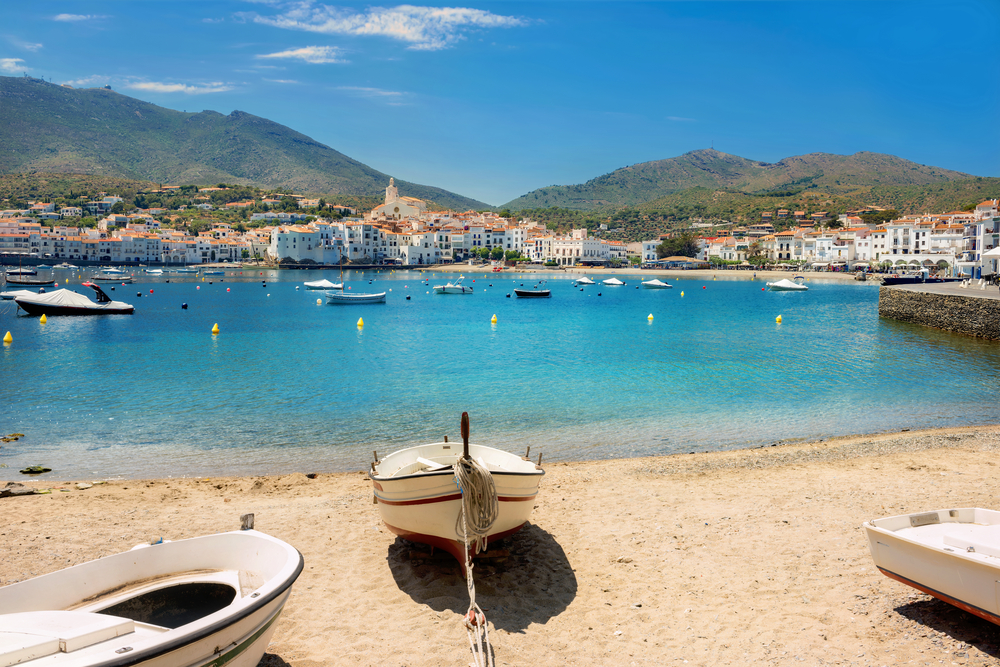
Understanding the Allure: Why Buy a House by the Sea in Spain?
Spain’s sun-drenched coastlines have long captivated property buyers from across the globe. The thought of owning a house by the sparkling Mediterranean or the wild Atlantic holds timeless appeal, blending lifestyle dreams with tangible investment promise. For many, the lure is about more than breathtaking views—it is about embracing a healthier, outdoor-centric way of life; enjoying plentiful seafood and vibrant Spanish culture; and taking advantage of the reliable climate, which offers over 300 sunny days a year in many parts of Spain.
Buying a property by the sea in Spain isn't just an aspiration for retirees. Young families, professionals, and investors are drawn to Spain’s coasts, be it the glamour of the Costa del Sol, the more tranquil Costa de la Luz, or the charming Costa Brava. Each coastline presents its own unique character and pace of life, from the cosmopolitan offerings of Marbella to the historic ambiance of Valencia and the island tranquility of Mallorca.
- Lifestyle: Enjoy year-round outdoor living, beach walks at sunset, watersports, and vibrant seaside fiestas.
- Culture & Cuisine: Savor Mediterranean diet staples—fresh seafood, olive oil, and local wines—surrounded by friendly, welcoming communities.
- Climate: Escape the cold climate at home with Spain’s warm summers and mild winters, ideal for all ages.
- Quality of Life: Experience a slower pace, improved well-being, and often lower living costs than in many Northern European countries.
Understanding the factors that make Spanish coastal properties so desirable is the first step toward realizing your dream of a home by the sea in Spain.
Popular Spanish Coastal Regions: From the Costa Brava to Costa del Sol
When considering buying a house by the sea in Spain, the diversity of Spain’s coastlines presents both opportunity and delightful dilemmas. Each region offers distinct geography, local culture, and atmosphere. Here are some of the most sought-after coastal regions, each with its own unique character:
Costa Brava
Stretching from the French border to Blanes, Costa Brava is famed for rugged landscapes, picturesque fishing villages, and azure coves. It attracts buyers seeking authenticity, natural beauty, and proximity to vibrant Barcelona. Historic towns like Cadaqués and Tossa de Mar offer charming whitewashed homes and cultural heritage.
Costa del Sol
Known as the ‘Sun Coast’, Costa del Sol boasts nearly year-round sunshine and golden beaches. Marbella, Estepona, and Fuengirola are favorites for their high-quality amenities, luxury properties, and lively expat communities. The region offers a cosmopolitan lifestyle, international schools, golf courses, and world-class dining.
Costa Blanca
Offering some of Spain’s best property values, the Costa Blanca runs from Denia to Pilar de la Horadada. Alicante, Altea, Javea, and Torrevieja are hubs for foreign buyers, with a wide assortment of properties—from affordable apartments to luxurious villas—often within walking distance of sandy beaches and turquoise waters.
Costa de la Luz
Located along the Atlantic, between Cadiz and Huelva, Costa de la Luz is renowned for wilder beaches, sand dunes, pine forests, and lower-density development. Chiclana, Tarifa, and Rota attract buyers seeking tranquility away from tourist crowds, with an authentic Andalusian character and rich culinary traditions.
Baleares and Canary Islands
The Balearic Islands (Mallorca, Ibiza, Menorca) captivate with crystalline waters, charming villages, and vibrant nightlife. The Canaries (Tenerife, Gran Canaria, Lanzarote, Fuerteventura) offer subtropical climates and volcanic beauty, perfect for year-round enjoyment and diversity in real estate opportunities.
Your choice of region will depend on your lifestyle, investment goals, climate preferences, and desired pace of life. Research each area thoroughly to find the perfect spot that suits your vision for Spanish coastal living.
The Step-by-Step Buying Process for a House by the Sea
Acquiring a property in Spain involves a series of legal, administrative, and financial steps, carefully designed to protect both the purchaser and seller. Whether you are a first-time buyer or a seasoned investor, understanding the process is key to ensuring a smooth transaction. Here is a comprehensive walkthrough:
-
Property Search and Reservation:
- Identify your preferred location and property style: apartment, townhouse, villa, or new development.
- Collaborate with an experienced agency such as IMMO ABROAD, who can offer expert local guidance and access to a broad portfolio of verified properties.
- Once you find your ideal property, a reservation agreement is signed and a small deposit (typically €3,000–€6,000) is paid to reserve the property and remove it from the market.
-
Legal Checks and Due Diligence:
- Engage a reputable local lawyer to examine building permits, land registry (Registro de la Propiedad), community fees, outstanding debts, and urban planning regulations.
- Request a “Nota Simple” from the Land Registry office to confirm legal ownership and ensure the property is free from encumbrances.
-
NIE Application:
- Non-residents require a NIE (Número de Identidad de Extranjero) – a Spanish tax identification number essential for property transactions, bank account opening, and utility registrations.
- Your representative or lawyer can assist with the application at the local police office or consulate.
-
Private Purchase Contract (Contrato de Arras):
- This binding agreement is usually signed within two weeks of reservation.
- A deposit of 10% of the purchase price is typically paid, and the terms, completion date, and conditions are clearly set out. If the buyer pulls out, the deposit is usually forfeited; if the seller does, double the deposit is returned.
-
Completion at the Notary:
- Final payment is made (often via bank draft), and the public deed (“Escritura Pública de Compraventa”) is signed before a Spanish Notary.
- Title is transferred, and taxes and fees are settled.
-
Registration and Utilities:
- The new deed is lodged with the Land Registry.
- Set up or transfer utility contracts (water, electricity, internet), and inform the local town hall of your new ownership status for council tax purposes.
Meticulous preparation and professional guidance make the purchasing process in Spain transparent and secure for both residents and foreign buyers.
Legal Considerations When Buying a Seaside Property
Navigating the legal landscape is crucial for a seamless property transaction in Spain—especially when acquiring seaside real estate, which is sometimes subject to special regulations and restrictions.
Property Ownership Rights and Title Deeds
Foreigners enjoy equal property ownership rights in Spain. However, regardless of nationality, verifying the property’s legal title and status is vital:
- Escritura Pública: This is the public deed of sale, signed at the notary, confirming your status as the legal owner.
- Nota Simple: An official summary document detailing current ownership, debts, and legal status of the property.
- Registro de la Propiedad: The land registry office where all changes in ownership are officially registered.
Ley de Costas: The Spanish Coastal Law
Spanish seaside properties are subject to the “Ley de Costas” (Coastal Law), which restricts construction and usage within a set distance from the shoreline to protect natural habitats and public access. It is crucial to:
- Verify that the property is outside the protected “public maritime domain” and any “protection zone.”
- Review historical titles, as some older properties may be subject to concessions or extra permissions.
Licencia de Primera Ocupación and Building Permits
When purchasing new-builds or properties renovated after 1979, ensure they have the “Licencia de Primera Ocupación” (First Occupancy License), which certifies compliance with planning and building regulations.
- Extensions, pools, or significant renovations also require planning permission—check that all structures on the land are legally recognized.
Taxes and Community Rules
The ownership of property in Spain includes obligations:
- IBI (Impuesto sobre Bienes Inmuebles): Annual property tax levied by the local town hall.
- Basura: Waste collection fee, also municipal.
- Comunidad de Propietarios: In apartment complexes or gated communities, owners pay monthly or quarterly community fees covering maintenance of common areas, pools, and security.
Thorough legal due diligence, ideally with professional support, will safeguard your acquisition and ensure full enjoyment of your Spanish coastal home.
What’s Different About Buying New Builds vs. Resale Properties?
When purchasing a home by the sea in Spain, one of the first decisions involves choosing between a new build (obra nueva) or an existing (resale) property (segunda mano). Both options come with unique benefits and considerations.
New Builds: Pros, Cons, and Considerations
- Modern Features: Contemporary layouts, energy efficiency, smart technology, and high-quality materials are standard in new developments.
- Warranty Protection: Developers must provide a 10-year guarantee against structural defects (“Seguro Decenal”). Other guarantees apply for finishes and installations (1-3 years).
- Customization: Early buyers may choose flooring, fixtures, or other design aspects.
- Additional Time & Tax: Purchasing ‘off-plan’ requires patience until completion. VAT (IVA) of 10% applies instead of the 6-10% transfer tax on resales.
Resale Properties: Pros, Cons, and Considerations
- Location & Character: Resale homes are often in established neighborhoods, closer to the sea, with mature landscaping and potential for historical character.
- Immediate Use: Move in shortly after completion, with utilities and amenities already connected.
- Potential Renovations: Some resales may require upgrading or refurbishment, offering an opportunity to personalize or add value.
- Due Diligence: Extra care must be taken to check for hidden defects or unauthorized structures.
Making the right choice between new and resale depends on your priorities, budget, and desired timeline for enjoying your new Spanish home.
Financing Your Spanish Seaside Property: Options and Requirements
Securing appropriate financing is a critical step in the property purchase process, particularly for international buyers investing significant sums in holiday or permanent residences.
Mortgage Availability for Foreign Buyers
- Spanish banks commonly lend to non-residents for property purchases, with most offering mortgages for up to 60–70% of the property value (“loan-to-value ratio”) for non-residents, and 70-80% for tax residents.
- Mortgage types: fixed-rate, variable-rate, and mixed (fixed for early years, variable later).
Steps to Secure a Spanish Mortgage
- Residency Status: Identify as resident or non-resident for tailored mortgage offers.
-
Gather Documentation: Typically required:
- Passport
- NIE number
- Proof of income (payslips, tax returns, bank statements)
- Credit report
- Proof of existing debts or loans
- Set Up a Spanish Bank Account: Necessary for mortgage payments, utility bills, and property taxes.
- Obtain Mortgage Approval in Principle: This pre-approval demonstrates your seriousness to sellers and streamlines the final purchase steps.
- Final Approval and Signing: Once a property is selected, the bank’s appraiser values the property. The mortgage deed is signed before a notary alongside the deed of sale.
Other Financing Considerations
- Some buyers use equity release from properties in their home country or opt for international private banks.
- Large cash transactions above €10,000 require proof of fund origin under Spain’s anti-money laundering regulations.
- Shop around and use independent mortgage advisers to secure the best terms and rates.
Plan your finances meticulously. Factor in purchase taxes, legal fees, and ongoing costs alongside the actual property price for a full picture of your total investment.
Hidden Costs and Ongoing Expenses of Coastal Property Ownership
Aside from the listed sales price, prospective buyers should be well-prepared for closing costs and ongoing expenses associated with owning a coastal home in Spain. Here is a comprehensive breakdown:
One-Time Purchase Costs (“Closing Costs”)
- Property Tax (ITP or IVA): For resale, Transfer Tax (ITP) ranges from 6-10% depending on region; for new-builds, VAT (IVA) is 10% plus 1.5% stamp duty (AJD).
- Legal Fees: 1–2% of the purchase price, covering conveyance and due diligence by a registered lawyer.
- Notary and Land Registry Fees: Approximately 1–1.5% of the purchase price.
- Mortgage Fees: If applicable, include bank fees, opening commissions (up to 1%), and real estate valuation (~€400–€1,000).
- Agency Fees: Typically paid by the seller, but always confirm before committing.
Ongoing Annual Expenses
- IBI (Municipal Property Tax): €100–€2,000+ per year depending on property size and location.
- Basura (Rubbish Collection Tax): €100–€300 per year.
- Community Fees (for shared developments): €500–€4,000 per year, depending on services and amenities.
- Home Insurance: €200–€800+ per year depending on property value and coverage.
- Utilities (water, electricity, gas, internet): €1,000–€3,000 per year for typical properties.
- Non-Resident Imputed Income Tax: Paid by non-resident owners on potential rental value, calculated as a percentage of the cadastral value.
- Rental Income Tax: Payable if you rent out your property, with deductions for allowable expenses.
Maintenance Considerations
- Properties close to the sea require regular checks for humidity, saltwater corrosion, and wind exposure.
- Budget for periodic painting, roof maintenance, pool cleaning, garden care, and pest management.
- Absentee owners should consider a property management service for peace of mind and prompt responses to issues.
Being well-informed about hidden costs guarantees a sustainable and enjoyable ownership experience and prevents unpleasant surprises for buyers of Spanish seaside properties.
Living on the Spanish Coast: Lifestyle, Culture, and Integration
Owning a house by the sea in Spain is not simply about the property—it is about immersing yourself in local culture, adapting to a new way of living, and enjoying all that coastal Spain has to offer. Here is what to expect and how to make the most of your new home.
The Spanish Coastal Lifestyle
- Enjoy a relaxed daily rhythm, centered around the plaza, local shops, markets, and the beach promenade.
- Savor long meals (‘comida’ is usually eaten around 2:00–3:00PM), with fresh seafood, local wines, and awe-inspiring sunset views.
- Embrace social traditions, from tapas evenings to annual town fiestas featuring music, dance, and flamenco.
- Engage in outdoor pursuits—swimming, sailing, tennis, golf, hiking, and cycling are all at your doorstep.
Cultural Integration Tips
- Learning some Spanish—especially basic greetings and pleasantries—will make everyday interactions easier and help foster good relationships with neighbors.
- Get involved in community events, join local associations, or volunteer in cultural or environmental initiatives.
- Spanish bureaucracy may seem complex at first; rely on local guidance and a patient, polite approach for best results.
Spain’s coastal communities are famously welcoming to newcomers but respecting local sensitivities and integrating into village life will help you become a true part of your new home.
Holiday Home or Permanent Residence: Tailoring Your Purchase
Your intended use of the property—whether as a holiday retreat, a buy-to-let investment, or a year-round residence—plays a significant role in determining the optimal type and location of property to buy.
Buying as a Second/Holiday Home
- Prioritize easy airport access, good transport links, and proximity to international services—ensuring flexible weekend escapes or short-term breaks.
- Choose a property with minimal maintenance and consider on-site management services for peace of mind while you are away.
- Explore established holiday enclaves where rental potential is strongest, should you wish to let the property during peak season.
Permanent Living Considerations
- Check for year-round infrastructure such as schools, hospitals, supermarkets, and cultural venues within easy reach.
- Seek properties with robust insulation, heating, and cooling systems (important for year-round comfort).
- Engage with local schools, language classes, and integration programs to accelerate your adaptation and forge lasting friendships.
Investment and Buy-to-Let
- Properties in high-demand tourist areas or urban centers near the sea can offer attractive yields in peak holiday periods.
- Spanish urban rental laws differ significantly from tourist lease laws—be thoroughly familiar with local regulations to avoid penalties.
- Factor in management, cleaning, marketing, and key-holding costs into your yield calculations.
Define your principal purpose for buying—and adjust your search and decision-making accordingly for optimal enjoyment and return on investment.
Short-Term and Long-Term Rentals: Maximizing Your Investment
If you intend to rent out your Spanish seaside property, understanding the two primary rental markets—short-term (holiday lets) and long-term (standard residential leases)—is essential to maximizing occupancy and returns.
Holiday (Short-Term) Rentals
- Short-term rentals are popular along the coast, particularly in tourist-favored regions—peak season (June–September) offers highest occupancy rates and returns.
- Licensing: Most municipalities require a “Vivienda de Uso Turístico” (VUT) license—rented homes without a license may face heavy fines.
- Expect changing guests weekly, with a need for cleaning, key exchange, and rapid maintenance response.
- Online platforms such as Airbnb and Booking.com make marketing simple, but competition is fierce, and presentation is key.
Long-Term Rentals
- Long-term leases (minimum 6 or 12 months) offer stability, lower management effort, and more predictable income.
- Strict tenancy laws protect both landlord and tenant rights—ensure all contracts meet Spanish legal standards.
- Ideal properties are those with year-round amenities and proximity to services.
Taxation on Rental Income
- Both residents and non-residents must declare rental income to Spanish tax authorities; EU residents can deduct certain property costs, while non-EU residents have less flexibility.
- Hire an accountant or tax adviser familiar with international property owners to ensure full compliance.
Smart management, a professional approach to marketing, and legal compliance will maximize your rental profits while minimizing hassle.
Practical Tips for Viewing and Selecting Spanish Coastal Properties
Selecting the right property by the sea in Spain is an exciting but crucial process. Here’s how to approach viewings and negotiations to ensure you secure the ideal home for your needs.
Before the Visit
- List your ‘must-haves’ (e.g., proximity to the beach, sea views, outdoor terraces, pools, number of bedrooms, step-free access, parking, etc.).
- Research the area and ask independent residents about year-round noise, local services, and any potential seasonal issues (such as flooding).
- Prepare a shortlist of properties, prioritizing those with full documentation and no legal encumbrances.
During the Viewing
- Assess the orientation—south-facing balconies and terraces offer optimal sunshine and wind protection.
- Pay attention to build quality, humidity, insulation, and soundproofing—coastal conditions require resilient materials.
- Test all utilities (water, electricity, heating/cooling) and check for signs of saltwater corrosion or moisture penetration.
- Inspect communal spaces and common amenities, as these influence ongoing costs and daily enjoyment.
Evaluating Resale Value and Flexibility
- Homes close to the sea with unobstructed views tend to hold or increase value, especially in sought-after, low-density areas.
- Consider the future resale market and rental versatility—flexible properties attract a wider pool of buyers and tenants if your plans change.
Negotiation and Reservation
- Obtain a detailed list of inclusions (furnishings, appliances, parking spaces).
- Don’t hesitate to make a reasonable offer—negotiations are common, especially for older resales or properties with minor defects.
- Request all relevant planning and ownership documentation in advance of any financial commitment.
Trust your instincts—research thoroughly, visit multiple properties, and consult with experienced professionals throughout the process to find the perfect Spanish coastal home.
Essential Documentation for Your Purchase
Spanish real estate transactions are defined by rigorous documentation—here are the essentials you will encounter, and what they mean for your security as a buyer.
Key Documents
- NIE (Número de Identidad de Extranjero): Your personal identification number for all legal and fiscal processes in Spain.
- Nota Simple: A summary extract from the Land Registry showing legal status, title, debts, and identification details of a property.
- Escritura Pública de Compraventa: The formal deed of sale, executed at the notary.
- Certificado de Deudas: Certificate confirming there are no outstanding debts owed to the community of owners (if applicable).
- Receipt for Payment of IBI: Proof of current payment of local property taxes.
- Energy Performance Certificate (EPC): Required for all sales since 2013, grading the property’s energy efficiency.
Additional Documentation
- First Occupancy License: For new or recently renovated properties.
- Urbanistic Certificate: For rural or edge-of-development properties, confirming status, allowable building, and local regulations.
- Bank Guarantee: For off-plan purchases to ensure any paid funds are protected in the event of developer non-completion.
Diligently reviewing all documents with expert guidance is crucial for a secure, reassuring buying process—and for peace of mind that your new home is fully legitimate and risk-free.
Residency, Visas, and Long-Term Relocation
If you are considering using your new Spanish seaside home as a primary base, understanding Spain’s residency, visa, and tax laws is crucial for a smooth transition to full-time Mediterranean living.
Residency Status—EU and Non-EU Buyers
- EU Citizens: No visa is required to live or retire in Spain; you must register as a resident after the initial 90 days and obtain a Certificado de Registro de Ciudadano de la Union.
- Non-EU Citizens: Several long-stay visa options exist. The “Golden Visa” offers residency rights in exchange for property investment of €500,000 or more, with the added benefits of Schengen Area freedom.
Golden Visa Advantages
- Live and travel freely in Spain with minimal stay requirements to maintain residency.
- Extend visas to immediate family members.
- Option to apply for permanent residency and citizenship after several years.
Practical Considerations for Full-Time Residents
- Register with your local town hall (Empadronamiento) for access to local services, voting rights, and healthcare.
- Understand tax residency rules—generally, those residing in Spain for more than 183 days a year become tax residents and must declare global income/assets.
- Spain’s public healthcare system is available to legal residents; private insurance is widely used for faster access and broader bilingual coverage.
- Prepare for logistics such as car registration, transferring your driving license, and enrolling children in local or international schools.
With the right planning, moving to Spain is a rewarding step, offering unparalleled lifestyle, cultural, and financial advantages for international homeowners.
Expert Tips for a Successful Purchase with IMMO ABROAD
Choosing the right support is key to a smooth, efficient, and successful purchase of a coastal property in Spain. Here’s what you can expect and how best to prepare for a seamless journey.
Why Rely on a Professional Agency Like IMMO ABROAD?
- Access to a meticulously curated portfolio of homes, pre-vetted for legal compliance and quality.
- In-depth local knowledge—neighborhood strengths, investment trends, insider property availability.
- Multilingual support at every stage of the process—negotiations, inspections, documentation, and post-sale integration support.
- Comprehensive legal and administrative guidance, including help obtaining the NIE, bank accounts, and connection of utilities.
Preparing for Your Search and Purchase
- Define your budget, location priorities, must-have features, and preferred timing.
- Gather all critical documents and financial proof ahead of time for a faster process.
- Be open-minded and willing to consider expert suggestions based on current market realities.
Post-Purchase Support
- Orientation in the local neighborhood—introductions to services, language assistance, and integration resources.
- Help with property management, rental setup, maintenance, and further improvements.
- Long-term support to protect your investment and ensure total enjoyment of your Spanish seaside home.
By collaborating with IMMO ABROAD, you will enjoy a streamlined, enjoyable, and fully supported process—from initial dreams to final keys and beyond.
Conclusion: Making Your Dream of a Spanish Seaside Home a Reality
There are few experiences as rewarding as waking each morning to the gentle sound of waves, the golden light of the Mediterranean, and the promise of another day lived under the Spanish sun. Buying a house by the sea in Spain is both an emotional and financial investment—a path to a richer, more fulfilling lifestyle and a secure, appreciating asset for the future.
Through careful research, expert support, and diligent planning, your dream home on the Spanish coast—from the family-friendly beaches of the Costa Blanca to the glamour of the Costa del Sol, or the peaceful inlets of the Costa Brava—can become a reality. The right property awaits you, offering personal enjoyment, cultural enrichment, stable investment, and the perfect stage for years of memories by the sea.
IMMO ABROAD is at your service every step of the way, delivering an elite, professional, and genuinely caring approach to helping you secure, enjoy, and make the most of your house by the sea in Spain.
Make the move. Enjoy Spain’s coast. Live the life you’ve dreamed—in your very own seaside home.