





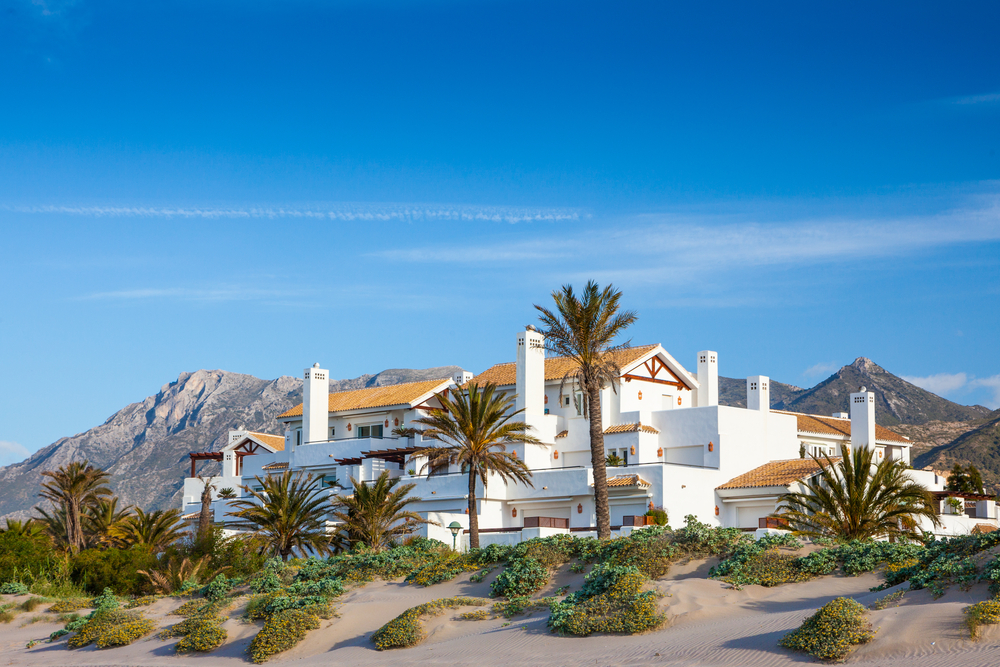
Why buy a house in Spain?
Spain has been among the top ten most popular countries for buying a second home or holiday home for years. This is not only due to its pleasant climate, delicious Mediterranean cuisine, and stunning coastlines, but also thanks to its rich culture, friendly people, and excellent accessibility from the Netherlands and Belgium. For many people, buying a home in Spain is a dream come true. Yet, it's a process that requires considerable time, attention, and preparation. In this comprehensive article, we'll guide you step by step through everything involved in buying a home in Spain: from the initial considerations to the final purchase and the aftercare. You'll discover what to look out for, the legal and tax implications, and how IMMO ABROAD supports you every step of the way.
Inventory your wishes and options
Before you actually explore the Spanish property market and contact IMMO ABROAD, it's essential to clearly define your needs and options. This forms the foundation for a successful search and eventual purchase.
- Purpose of purchase: Do you want to live permanently in Spain, a second home for holidays, or are you thinking of investing and renting out?
- Area: Do you prefer the Costa Blanca, Costa del Sol, the Balearic Islands, Catalonia, Andalusia or perhaps a quiet inland area?
- Budget: What is your maximum budget, including additional costs such as taxes, notary fees, and any renovations or furnishing?
- Property type: Do you prefer an apartment, villa, finca (country house), village house, modern new construction or existing construction?
- Amenities and facilities: Think of a swimming pool, garden, garage, sea view, proximity to shops and restaurants, medical facilities, golf courses, beaches and airports.
- Accessibility: Do you value good connections via highways, airports or public transport?
Clearly defining your needs allows you to focus your search and prevents disappointments along the way. IMMO ABROAD helps you with this with personalized advice.
The Spanish property market: regions and price developments
The Spanish real estate market is as diverse as the country itself. Each region has its own character, climate, market dynamics, and price level. Here's an overview of the most popular regions and what you can typically expect there.
Costa Blanca
With 320 sunny days a year, beautiful beaches, and vibrant resorts like Benidorm, Altea, and Jávea, the Costa Blanca is particularly popular with Northern Europeans. Property prices vary widely, from affordable apartments in lakeside areas to exclusive villas with sea views in towns like Moraira or Altea Hills.
Costa del Sol
This southern coast stretches from Malaga to the Gibraltar border and offers a wonderful climate, along with plenty of luxury and exclusivity. Towns like Marbella, Estepona, Fuengirola, and Mijas attract jet-setters, families, and retirees. The property market boasts high-end properties with multi-million dollar villas, as well as affordable apartments and townhouses.
Costa Brava & Catalonia
Known for its rugged coastline, stylish seaside resorts (such as Begur, Tossa de Mar, and Lloret de Mar), and proximity to Barcelona, there are significant price differences between the coastal region, the hinterland, and the Pyrenees.
Balearic and Canary Islands
Ibiza, Mallorca, and Menorca are among Spain's most expensive markets, with many exclusive properties and an international buyer market. The Canary Islands, such as Tenerife and Gran Canaria, are popular for their mild climate and attractive prices.
Interior regions
The Spanish countryside, including Andalusia, Castilla-La Mancha, and Extremadura, offers peace and tranquility. Here you'll find authentic fincas, villages, and historic properties at relatively low prices.
The Spanish market is recovering well and, despite fluctuations, is experiencing steady growth, fueled by foreign demand and domestic investment. Due to global developments and regional differences in popularity, prices are constantly shifting. Expert guidance from IMMO ABROAD prevents you from overpaying.
The purchasing process step by step
- 1. Orientation and selection: Together with IMMO ABROAD you create a shortlist of properties that meet your requirements;
- 2. Viewings: During an extensive tour you will visit the interesting objects together;
- 3. Research and due diligence: Legal and technical checks ensure there are no surprises, both on paper and in practice;
- 4. Offer and reservation contract: You make an offer, which is then negotiated. After acceptance, a reservation contract is (usually) signed and a small deposit is paid to take the house off the market.
- 5. Purchase Contract (Contrato de Arras): The preliminary purchase contract is then drawn up, the second deposit is paid and all conditions are recorded;
- 6. Notarial transfer: The actual transfer takes place at the notary, where you sign the deed, pay the remaining amount and receive the keys;
- 7. Registration: Your property will be officially registered in the Spanish Land Registry.
IMMO ABROAD guides you from start to finish, with clear communication, transparent information, and intensive, personal attention – in your native language.
Legal aspects of buying Spanish property
The Spanish legal system differs in significant ways from what you might be used to in the Netherlands or Belgium. A good understanding of this is essential for worry-free purchasing.
The role of the notary
In Spain, the notary is responsible for the legal transfer of ownership, not for verifying the property's legal status (such as mortgage debt, renovation permits, or land tax). Therefore, engaging an experienced lawyer (attorney or gestor) alongside IMMO ABROAD is essential.
The Purchase Contract (Contrato de Arras)
This preliminary purchase agreement sets out all agreements, payment terms, transfer dates, and any contingencies. Typically, you'll pay 10% of the purchase price. Please note: if you withdraw after signing without a valid reason, you will lose this deposit.
Property title and registration
Only after full payment on the day of the transfer, signing at the notary, and registration with the land registry will you officially become the owner. Until then, the house remains legally in the seller's name.
Inheritance and family questions
Spanish law has different inheritance and gift rules than those in the Netherlands or Belgium, which can have consequences for your estate. Good legal advice is therefore essential, especially if you're purchasing a property for the future.
Financing and mortgage in Spain
Although buying a house in Spain is entirely possible with your own funds, more and more Dutch and Belgians are opting for a (partial) Spanish mortgage. This offers tax advantages and spreads the capital.
Things to note:
- Mortgage type: Most Spanish mortgages are annuity, with terms of up to 30 years.
- Own contribution: Foreigners generally have to finance at least 30% of the purchase price themselves, plus additional costs (on average approximately 10-13% of the purchase price).
- Documentation: Banks require income and employment certificates, tax returns, copies of passports, and proof of equity.
- Processing: It can take 6 to 8 weeks before a mortgage is actually completed.
IMMO ABROAD works closely with reliable banks and advisors to help you navigate the complex Spanish financing process.
Taxes and additional costs when purchasing
Buying Spanish property comes with various one-time and recurring expenses. Keep these in mind when budgeting.
Purchase tax
- New construction: You pay VAT (IVA) of 10% on the purchase price, plus 1-2% stamp duty.
- Existing construction: You pay transfer tax (ITP) on existing houses. This percentage varies per region and is between 6% and 10%.
Notary and land registry
The costs for notary, land registry and registration amount to approximately 1.5% of the purchase price.
Lawyer and tax specialist
Legal advice (by an independent lawyer or gestor) usually costs 1 to 2% of the purchase price.
Annual costs
- Real estate tax (IBI): Depends on the municipal rate.
- Service charges/owners' association (for apartments and urbanizations): Annual or monthly contribution.
- Income tax (for non-residents): On a fictitious income, if you do not live permanently in Spain.
- Waste disposal charges, water, electricity, insurance: Varies per residence and use.
IMMO ABROAD can prepare a cost estimate for you per property type and region, so you won't encounter any unpleasant surprises.
Tax implications of owning a house in Spain
Owning real estate in Spain has tax consequences, both in Spain and in the Netherlands or Belgium.
Tax in Spain
If you are a Spanish taxpayer (resident), the rules are different than if you only own a holiday home. Non-residents must file an annual income tax return on the property (not on rental income if you don't rent it out).
Double taxation and treaties
Thanks to tax treaties between Spain and the Netherlands/Belgium, double taxation is largely avoided. However, you must always declare property ownership in Spain to the tax authorities in your home country. Copying and pasting tax information is not without risk; always consult a tax specialist.
Inheritance tax and gifts
In the event of death or donation, different rates and exemptions apply in Spain; the exact treatment varies by autonomous region and your personal situation.
IMMO ABROAD works with leading tax specialists and legal advisors who proactively support you in this regard.
Selecting the right home: tips and pitfalls
The choices are endless, but choosing requires knowledge of local situations and sensitivity to expressed and unspoken wishes. What should you pay attention to?
- Location: Check accessibility, neighborhood safety, surroundings and amenities, not only during peak season.
- Structure and build quality: Have a building inspection carried out and check the year of construction, foundation, insulation, and state of maintenance.
- Permits: Check that all extensions, terraces, swimming pools, and outbuildings are legally permitted – unpermitted parts may have to be demolished later or may not be registered in the land registry.
- Homeowners' Association: Inquire about the rules, any backlogs in contributions or disputes, and planned maintenance projects.
- Orientation and view: Do you enjoy the morning or evening sun? Do you have a view of the sea or mountains, or are you looking at a wall?
- Future developments: Are there plans for new construction projects in the area that could disrupt your view or peace and quiet?
- Parking: Is there sufficient private or public parking space?
- Verbal promises: Record all agreements; in Spain, it's what's written that counts!
IMMO ABROAD knows the local market and what to look for. Thanks to intensive screening, we only offer reliable and high-quality properties.
Renting out your Spanish property: regulations and returns
Many buyers partially rent out their (second) home to recoup (some of) the costs. What should you keep in mind when renting out a house in Spain?
Rental permit
In most autonomous regions (such as Andalusia, the Valencian Community, the Balearic Islands, and Catalonia), a permit is required for tourist rentals. Without this permit, the municipality can impose heavy fines.
Tax on rental income
You pay tax on rental income in Spain; the exact rates and deductions differ for residents and non-residents. Declarations must be correct and up-to-date.
Management and service
Consider handling the management yourself or outsourcing it to local professionals. IMMO ABROAD can advise you and recommend reliable rental managers.
Return and risks
- High season vs. low season: Rental availability is highly seasonal in coastal areas.
- Competition: In recent years, more and more holiday homes have been added – so the price/quality ratio is becoming increasingly important.
- Insurance: Take out good rental and liability insurance.
- Legal aspects: Good rental contracts, clear house rules and knowledge of your rights are essential.
IMMO ABROAD is happy to help you optimize your rental strategy and achieve an attractive return.
Practical matters after purchase
The handover of the keys is not the end, but the beginning of a new chapter full of practical choices:
- Transferring utilities: Water, electricity, gas, internet, waste.
- Registration with the town hall: Necessary for some services (“empadronamiento”).
- Taking out insurance: buildings, contents, liability and possibly rental.
- Furnishings, odd jobs, and maintenance: Find reliable professionals through IMMO ABROAD for everything from small repairs to major renovations.
- Remote management: How do you manage key management, cleaning, and supervision? Consider local administrators or alarm systems.
IMMO ABROAD remains your point of contact for all questions, problems, and requests even after delivery – because a home in Spain deserves carefree enjoyment.
Spanish culture: living like a local
A second home or permanent residence in Spain means integrating into a different culture. How do you get the most out of your Spanish adventure?
Pace of life
Spaniards live by the rhythm of the day: afternoon nap, late dinner, everything at a leisurely pace. This sometimes requires adjustment, but it brings an enormous quality of life.
Neighbors and social interaction
Be open to neighbors, have a chat, and participate in local activities and fiestas: that's how you quickly become part of the community.
Traditions and customs
Spain boasts a rich tradition of festivals, religious celebrations, and gastronomy. From Semana Santa to verbena blossoms and Christmas markets: immerse yourself in local life.
Language
Speaking a little Spanish makes everything easier: from grocery shopping to paperwork. IMMO ABROAD helps you get started with translation support and sometimes even organizes language courses.
Future and value development of your Spanish property
A house in Spain is not only a source of relaxation, but also an investment. How does its value typically develop?
Market dynamics
The Spanish housing market follows European trends, but has significant regional variations. Coastal areas and cities generally experience higher property value increases than inland areas.
Influence of infrastructure, tourism and economy
New airports, road connections, or tourism developments can boost property values in certain regions. Conversely, environmental issues, oversupply, or economic downturns can slow the market.
Value retention and increase
Maintaining your home well, furnishing it smartly, and taking energy-efficient measures (such as insulation or solar panels) contribute to its value stability and marketability.
Thanks to local knowledge and market monitoring, IMMO ABROAD advises you on the ideal time to buy or, when the time is right, to sell again.
IMMO ABROAD: Your partner for carefree Spanish property ownership
Buying a home in Spain is a great adventure – sometimes exciting, often complex, but above all: a wonderful step towards your Mediterranean dream life. IMMO ABROAD guides, advises, and supports you intensively and personally every step of the way to Spanish property ownership. Our Dutch-speaking specialists know the market, are attentive to your needs, and guarantee a reliable, transparent purchase process. From the initial exploration to the notarial transfer, furnishing, rental, and management: you can always count on our commitment and expertise.
Thanks to a broad network, local connections, and a love for Spain, IMMO ABROAD makes the difference – so all you have to do is enjoy the sun, sea, culture, comfort, and Spanish lifestyle.
Haven't found your dream home yet? Contact IMMO ABROAD. Your Spanish homeownership adventure begins today!
1. Choosing a Spanish house step by step: floor by phase
1.1 Assessing motivation and lifestyle
The motivation behind buying a home in Spain is unique for everyone. For some, it's about achieving a Mediterranean lifestyle, while others are looking for a safe investment, a family vacation home, or a place to spend the winter. The difference in motivation determines not only your search criteria but also your priorities. For example, investors will primarily focus on rental potential, return, and revaluation, while families will prioritize schools, child-friendly beaches, and cultural activities. Retirees look for medical facilities, tranquility, and social integration.
Consider:
- Frequency of stay: Will you be living permanently, wintering, or visiting periodically with family/friends?
- The level of privacy: Does a villa offer more privacy and a garden, but require more maintenance than an apartment?
- Activities in the area: Are you a golf enthusiast, water sports enthusiast, hiker, or do you just want to enjoy the sun?
- The composition of the traveling party: Children, pets, or seniors – each brings with it its own requirements for comfort and facilities.
By answering these questions, you will avoid impulse purchases and lay the foundation for a lasting relationship with your Spanish property.
1.2 Making plans: from expected budget to financing
Determining how much you can and want to spend in Spain is more than just adding up your savings. Besides the purchase price, there are other things to consider besides the taxes and expenses mentioned above:
- Reservations for furniture and furnishings: Depending on the current condition of the house, the type of property and your living preferences, these costs vary from a few thousand euros to tens of thousands of euros.
- Renovation, renovation, or modernization: Older homes or fincas sometimes need structural upgrades; budget realistically.
- Technical installations (climate control, sun blinds, alarm system): Especially with long-term stays or rentals, investing in comfort can save costs in the long run.
- Savings vs. financing: Consider whether you want to borrow (partly) in the Netherlands, Belgium, or Spain. The Spanish market has different mortgage terms.
A realistic picture of all expenses prevents unpleasant surprises and ensures a relaxed purchasing process.
2. The unique challenges of Spanish real estate
2.1 Regional legislation and permits
Spain is a federalized country, with each autonomous region applying its own laws and regulations. This has significant consequences for real estate transactions. In some regions, for example, a "Licencia de Primera Ocupación" (occupancy permit) is required for residential or rental purposes; in others, registration with the town hall is sufficient. Legalizing existing extensions, swimming pools, patios, or carports can sometimes require months of preparatory work.
- Always check with IMMO ABROAD that all legal documents, permits, and certificates are present and valid. Without complete documentation, fines and even expropriation may follow.
- Changes in urbanisation or neighbourhood development can entail unexpected costs, such as municipal levies or mandatory contributions.
- Don't be blinded by architectural splendor alone; the legal status is at least as important.
2.2 Spanish building traditions and climate challenges
Spanish architecture differs significantly from Dutch or Belgian architecture. Older houses often lack central heating, roof and wall insulation, and double glazing. Especially in inland and mountainous areas, winters can be uncomfortably chilly without the right adjustments. Therefore, it's important to pay close attention to:
- Is the house suitable for four seasons? (Heating, air conditioning, insulation, ventilation.)
- Have your walls, roof and frames been recently maintained and waterproof?
- Is there moisture penetration, mold or termites?
- What is the orientation in relation to the sun/wind? What determines comfort and energy bills?
IMMO ABROAD will guide you to architects and contractors who will make summer and winter-proof renovations. This way, your Spanish dream home will remain comfortable under all circumstances.
2.3 Influence of Spanish taxes on marketability
Local taxes and levies can directly impact the ultimate marketability and return on your Spanish property. Older properties with tax arrears or outstanding fines can be difficult to sell and entail unnecessary legal complications. IMMO ABROAD always advises you to engage a tax specialist to review outstanding debts, levies, and complex inheritance structures before you proceed with the purchase or subsequent sale. This prevents you from unexpectedly being held responsible for someone else's negligence and maintains maximum flexibility in future sales plans.
3. Getting to know the Spanish regions: in-depth
3.1 Costa Blanca: something for everyone
The Costa Blanca offers a perfect living environment for every taste. Consider:
- Northern Costa Blanca: Green, hilly, luxury urbanisations, quiet villages such as Moraira, Dénia, Jávea, characterful architectural styles and less mass tourism.
- Southern Costa Blanca: Busier resorts, a wider range of affordable housing, a flat landscape, pleasant harbours and beaches.
- Jalón Valley/Jalón Valley: Famous for orange and almond groves, picturesque villages and restored fincas.
IMMO ABROAD knows the offerings in this region like no other, from starter apartments to exclusive villas with sea views.
3.2 Costa del Sol: luxury and tradition
The Costa del Sol offers options for every type of buyer: from prestigious golf resorts in Marbella to historic city centers like Málaga and lesser-known gems in the surrounding hills. The climate is mild, amenities are excellent, and the infrastructure is optimal. Here you'll find everything: vibrant nightlife, culture, tranquility, and nature. Spaniards and foreigners alike enjoy the Mediterranean lifestyle. There are also many Dutch-speaking amenities, schools, and clubs, making life easier.
3.3 Balearic and Canary Islands: exclusive living in paradise
Spain's archipelagos attract an international clientele with diverse goals, from pure pied-à-terre to permanent migration. Price and availability vary significantly. In Mallorca and Ibiza, you'll find primarily exclusive villas, fincas, and luxury apartment complexes, often offering complete privacy and services such as concierges and private security. The Canary Islands offer options for every budget, with a permanently pleasant climate and competitively priced real estate.
3.4 Spanish countryside: tranquility, history and affordability
For those seeking authentic Spain, regions like Andalusia, Extremadura, Aragon, and Castilla-La Mancha are ideal. Here you'll find castles, centuries-old windmills, whitewashed villages, and estates nestled among olive groves and vineyards. Prices are attractive, life is slow, and the scenery is breathtaking. However, amenities are more limited, and not all Spaniards speak English outside the cities and coast.
4. Legal and fiscal: pitfalls and points of attention
4.1 The importance of the NIE – Número de Identificación de Extranjero
The NIE is your personal identification number for foreigners in Spain. It's required for every official contract, bank account, insurance policy, or utility service. Without it, you can't buy a house, register it, or perform any official duties. IMMO ABROAD will guide you through the application process, which can take several weeks. Make sure your NIE is always up to date.
4.2 Land Registry and Registration: Securing Your Rights
While in the Netherlands or Belgium a notary offers many guarantees, this is less common in Spain. The Land Registry ( Registro de la Propiedad ) guarantees legal ownership and must be thoroughly checked for:
- Correct cadastral description and plot area;
- Presence of mortgages, servitudes, repossessions;
- Permits for existing and new construction;
- Existing leasehold structures or ownership restrictions.
IMMO ABROAD works with certified legal partners who carry out all checks before you sign – for maximum security and peace of mind.
4.3 Buying from abroad: power of attorney and digitalization
Not all buyers are able to be present in Spain at all times during the purchase process. This doesn't have to be a problem. With a notarial power of attorney ( poder notarial ), you can authorize IMMO ABROAD, a lawyer, or a trusted person to perform official acts on your behalf. Spanish notaries also now offer the option of signing online via secure digital channels.
Especially for urgent transactions, auction purchases and notarial formalities, such a power of attorney is a practical solution that allows you to avoid missing out on market opportunities.
5. Financial scenarios and cost picture per purchase type
5.1 New construction vs. existing construction
The choice between new construction and existing construction depends not only on personal taste, but also significantly influences the cost:
- New construction: You pay 10% VAT (IVA) and usually receive guarantees (10-year construction warranty). Notary fees, stamp duty, and connections are higher than for existing construction. You often have less or no direct maintenance costs, modern insulation, and energy savings.
- Existing buildings: The tax is the property transfer tax (ITP), lower than the new construction tax. Renovation costs, any legalization, and modifications are at your own expense and risk.
IMMO ABROAD calculates for you what the best choice is financially, practically and in the long term.
5.2 Cost indication based on region and property type
| Region | Apartment starting price (€) | Villa starting price (€) | Monthly costs (indication) |
|---|---|---|---|
| Costa Blanca North | 130,000 | 450,000 | 150-500 |
| Costa Blanca south | 90,000 | 300,000 | 100-400 |
| Costa del Sol | 150,000 | 600,000 | 200-600 |
| Mallorca/Ibiza | 250,000 | 1,000,000 | 400-1000 |
| Interior/Andalusia | 50,000 | 200,000 | 60-250 |
*Monthly costs: including IBI, VvE, utilities, insurance (excl. mortgage).
These figures are indicative and are constantly changing. IMMO ABROAD provides you with up-to-date market insights.
5.3 Mortgage: choosing and concluding
Due to the growing number of international buyers, Spanish banks are becoming increasingly flexible, but their documentation requirements remain strict. Keep in mind:
- Domestic mortgages are mainly provided with proof of income, tax returns and proof of own resources;
- Repayment age limit often 75 years (at the latest);
- Advice to always calculate with a higher interest rate than in the Netherlands or Belgium;
- Most banks require you to open a Spanish bank account;
- Pre-financing through your own international capital is sometimes simpler and faster, but less advantageous in terms of interest;
- Currency risks: A mortgage in euros is recommended for Dutch and Belgian citizens.
IMMO ABROAD guides you through the entire mortgage process – from application to completion.
6. Rental: maximize your return
6.1 Permanent or temporary rental
Depending on your goals and the type of property, you can choose between permanent rentals (long-term, minimum one year) or short-term vacation rentals (weekly/daily). Each option has its advantages and disadvantages:
- Long-term rental: Provides stable income, lower management costs, and less wear and tear, but usually a slightly lower return and less flexible use for yourself.
- Short-term rental: Maximum rental income during peak season, more personal use possible, but higher service and maintenance costs, more communication, and a risk of vacancy.
A tailored rental strategy – tailored to your property, location, and needs – optimizes returns and minimizes risks.
6.2 Requirements per region: permits, taxes and regulations
Each autonomous region has different requirements for the tourist rental market. Important documents may include:
- Tourist License: Required in Andalusia, the Balearic Islands, the Valencian Community, Catalonia, and elsewhere. Without a permit, fines can range from €10,000 to €60,000.
- Registration at the town hall: Often required for short-term stays.
- Safety: Fire extinguisher, first aid kit, clear escape routes and information are often mandatory.
IMMO ABROAD informs you about the latest regulations per region.
6.3 Taxes on rental income
Net rental income is taxed in Spain (and in the Netherlands/Belgium). Non-resident Ukrainians and EU citizens typically pay 19% of the net income (after deductible expenses), while other foreigners pay 24%. The Spanish tax authorities accept expenses such as management, cleaning, energy, and local taxes.
You can avoid double taxation thanks to tax treaties, but always report your foreign income. IMMO ABROAD collaborates with tax specialists for optimal tax structuring.
6.4 Management and maintenance for rentals
A successful rental requires local management: key handover, cleaning, guest contact, technical assistance, and legal registration. Many owners choose professional rental managers who handle the entire process, including marketing and bookings.
IMMO ABROAD has a network of reliable partners – so you can maximize your returns and rent out your property worry-free.
7. Practical living in Spain: integration and participation
7.1 Getting to know your environment
Feel at home quickly by actively participating in local activities: from sports clubs, markets, and city festivals to volunteering. Spaniards appreciate an interest in their culture.
7.2 Care, schools, facilities
Spain boasts an excellent healthcare system. European citizens enjoy access to public healthcare through the Tarjeta Sanitaria Europea (EHIC card). Private health insurance is affordable and offers a wider range of options. International schools can be found in all major coastal regions; Spanish education is highly regarded and offered free of charge to all EU citizens.
7.3 Daily life: shops, markets, catering
Most regional towns have a wide selection of supermarkets, markets, and restaurants. Opening hours vary: shops often close in the afternoon for a nap, but stay open later in the evening.
8. Sustainability, energy labels and innovations in Spanish real estate
8.1 Energy labels and regulations
Anyone buying a property in Spain is required to obtain the Certificado de Eficiencia Energética (CEE). This energy label, mandatory for both sales and rentals, provides insight into the property's energy consumption. Especially with older homes, investments in insulation, windows, or sustainable installations are a priority. IMMO ABROAD can provide energy advice or engage technical partners for sustainability measures.
8.2 Sustainable renovation and greening
From solar panels, solar water heaters, and heat pumps to green roofs and LED lighting: the options for making your Spanish home more sustainable are expanding rapidly. There are (temporary) subsidy programs available, depending on the region.
- Ask about local regulations regarding solar panels and permits;
- Modernisation improves living comfort, increases rental and sales value;
- Consider smart irrigation systems in the garden; water is relatively scarce, especially in the south.
IMMO ABROAD works with installers and consultants who guide you from planning to implementation.
9. Aftercare and future planning: for lasting carefree ownership
9.1 Annual inspections and maintenance
It's wise to perform an annual technical inspection of the most important systems: roof, pipes, electrical system, sewer system, and swimming pool. Spain experiences extreme heat, drought, and sometimes heavy rain; preventative maintenance prevents major damage.
Have your administration (owners' register, municipal taxes, utilities) checked annually by a gestor or tax specialist, so you don't risk additional assessments or fines.
9.2 Family planning: transmission and inheritance
A Spanish house is part of your estate; Spanish inheritance law is less flexible than Dutch or Belgian inheritance law. Draw up a Spanish will as soon as possible, preferably in consultation with your Dutch or Belgian notary for optimal coordination.
IMMO ABROAD guides you and your family through all the formalities – both during your lifetime and when transferring your property to children or (grand)children.
10. The benefits of IMMO ABROAD in your purchasing process
There are numerous reasons to choose IMMO ABROAD as your partner in the Spanish purchase process:
- Local market knowledge: We know the current offerings, the legal realities, and the pitfalls per region and property type.
- Personal guidance: You will have a dedicated contact person who understands your situation and needs – from start to finish.
- Complete transparency: Our working method is clear, without hidden commissions, coercion or surprises.
- Network of specialists: From lawyers to tax specialists, architects and rental managers – one point of contact for everything.
- Aftercare and future advice: Even after purchase, we remain available for questions, problems, and requests.
IMMO ABROAD stands for certainty, convenience and worry-free Spanish buying pleasure!
Your adventure starts at IMMO ABROAD
Buying a home in Spain means investing in comfort, freedom, and happiness. With patience, realism, and expert guidance, your dream can become a reality—now and in the future. IMMO ABROAD will support you from start to finish: from the first viewing to the handover of keys, and years to come. Request a personal consultation and discover just how close your Spanish dream home is. Sun, culture, nature, and a warm welcome await you in Spain!
Do you have any questions, would you like to learn more about legal or tax aspects, or are you curious about the properties IMMO ABROAD currently has available? Our team is ready to help you find and realize your dream home in Spain. Bienvenido a España!