





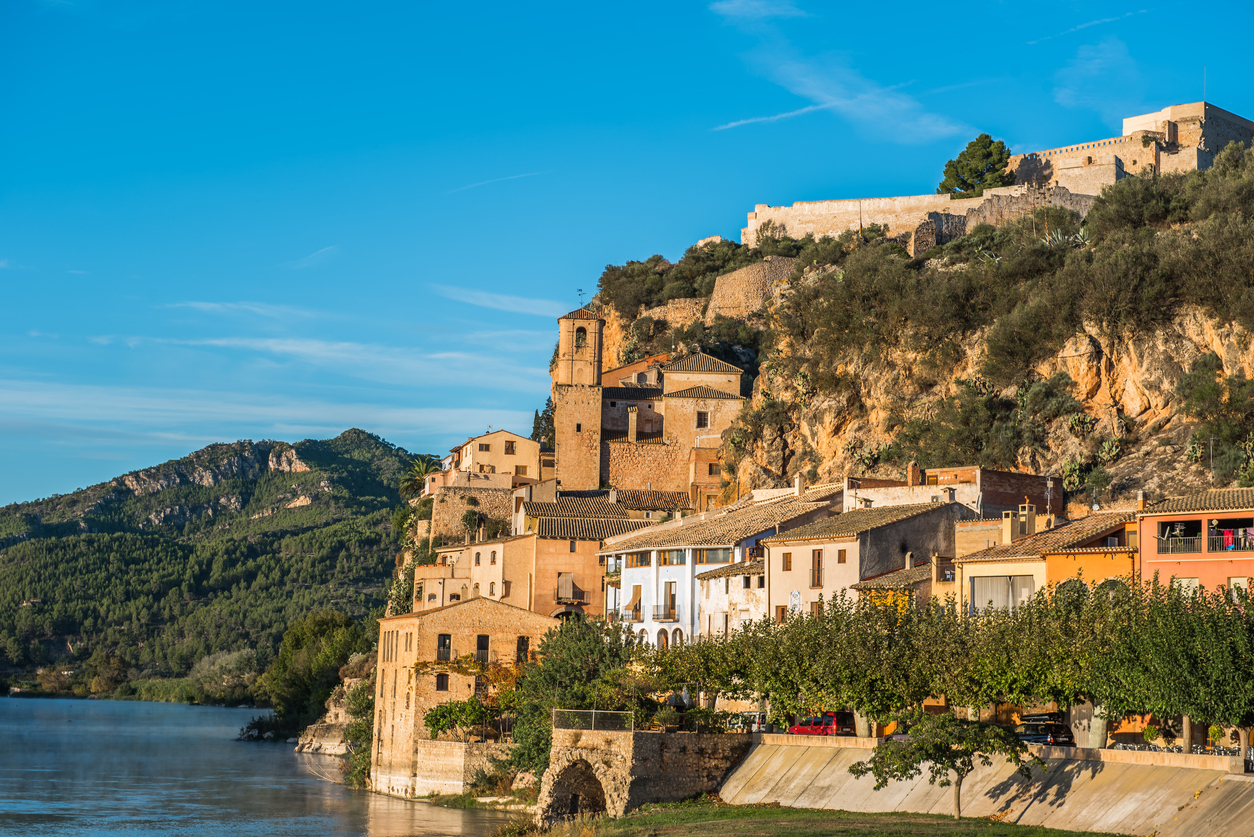
Introduction: The Allure of Tarragona’s Ebro Region
Nestled in the southern part of Catalonia, the Ebro region of Tarragona is quickly emerging as one of the most desirable locales for property investment in Spain. With its scenic river valleys, mild Mediterranean climate, storied history, and vibrant cultural scene, the Ebro region attracts an eclectic mix of expatriates, investors, and holidaymakers yearning for a slice of authentic Spanish living. Buying a house in this region is not only about acquiring real estate—it's about securing a coveted lifestyle and making a smart investment in an area with robust growth potential.
As international buyers increasingly set their sights on Tarragona’s Ebro region, it becomes vital to understand the intricacies of the local property market, the nuances of the purchasing process, and the essential legal and financial considerations. This comprehensive guide is designed to empower foreign buyers with knowledge, confidence, and clarity on their journey to property ownership in one of Spain’s most captivating and promising districts.
The Ebro Region Overview: Geography, Culture, and Lifestyle
The Ebro region is centered around the Ebro River, Spain’s largest river, which gracefully meanders from the Cantabrian Mountains to the Mediterranean Sea. In Tarragona, the Ebro Delta forms a spectacular ecological zone, characterized by rice paddies, lagoons, and sandy beaches. The region encompasses picturesque towns such as Tortosa, Amposta, Deltebre, and L’Ampolla, each offering distinct atmospheres and opportunities for property buyers.
Natural Beauty and Outdoor Activities
The Ebro region is a sanctuary for nature lovers. The delta and surrounding hills offer a mosaic of landscapes perfect for birdwatching, cycling, hiking, fishing, and water sports. The beaches are uncrowded, and the countryside is dotted with olive groves, vineyards, and orange orchards, providing an enchanting backdrop for rural and coastal properties.
Cultural Depth
A rich tapestry of Catalan and Spanish influences permeates daily life, from the colorful local festivals to the exquisite Mediterranean cuisine. Ancient monuments, Gothic cathedrals, and Moorish castles stand as a testament to the region’s layered history, while vibrant street markets and bodegas embody its contemporary charm. This multicultural ambiance is particularly alluring for buyers seeking both authenticity and diversity.
Lifestyle
Life in the Ebro region moves at a tranquil pace. Residents enjoy a high quality of life, with access to fresh produce, excellent health care, and top-rated schools—not to mention a generally lower cost of living compared to larger Spanish cities. The welcoming local communities make it easy for foreigners to integrate, whether relocating for retirement, telecommuting, or seeking a second home.
Understanding the Local Property Market
Before making an investment, it is vital to understand the unique dynamics that shape the Ebro region’s real estate market. Factors such as property type, location, supply and demand, and seasonal fluctuations play significant roles in pricing and availability.
Property Types
- Village Houses: These traditional stone or white-washed homes, often with original beams and courtyards, are located in the heart of historical towns like Tortosa or Miravet. They appeal to buyers who want character and immersion in local culture.
- Fincas: Authentic farmhouses, sometimes with adjoining land for olive or almond farming. Many feature rustic charm and panoramic views, suited for those seeking privacy and space.
- Modern Villas: Newer constructions, often along the coast, that include pools and modern amenities. These properties are favored by families and retirees who prioritize comfort and minimal upkeep.
- Apartments: Both urban and beachside apartments offer practical, low-maintenance living, making them ideal for holidaymakers or investors seeking rental income.
Price Trends
The Ebro region remains one of the more affordable areas of Catalonia, with prices generally lower than in Barcelona or the Costa Brava. However, coastal areas and historic town centers typically command a premium. Over the past decade, the region has seen steady, sustainable growth in property values, with increasing interest from international buyers.
Key Locations
- Tortosa: The region’s cultural and administrative hub, featuring a mix of amenities, heritage sites, and vibrant markets.
- L’Ampolla & L’Ametlla de Mar: Charming fishing villages known for sandy beaches, crystalline coves, and a growing number of luxury properties.
- Amposta & Deltebre: Centers of the Ebro delta, offering proximity to nature reserves and eco-friendly developments.
- Rural Interior: Villages inland provide picturesque fincas and traditional properties, often at more accessible prices, amidst rolling countryside.
Legal Framework for Foreign Buyers
Spain welcomes foreign investment in real estate, and the Ebro region is no exception. However, understanding the legal framework is crucial to safeguard your interests and ensure a smooth transaction.
Can Foreigners Buy Property in Tarragona?
Yes, there are no restrictions for non-residents wishing to buy property in Spain, including Tarragona’s Ebro region. The process is the same for EU and non-EU nationals.
Obtaining an NIE (Número de Identificación de Extranjero)
The NIE is an identification number required for all foreigners involved in any legal or financial transaction in Spain, including property purchases. It can be obtained through the local police station, Spanish consulates abroad, or via a representative.
- Apply in person or through a third party (with power of attorney).
- Provide valid identification, application form, and pay the requisite fee.
- Processing times vary, but it’s wise to apply as early as possible.
Engaging a Notary & Legal Representation
All real estate transactions in Spain must be conducted before a notary, who authenticates the sales deed and ensures compliance with applicable laws. It is strongly recommended to engage a qualified lawyer who specializes in Spanish property law, fluent in your language and Spanish, to:
- Conduct thorough due diligence on the property’s legal status.
- Review or draft private sale/purchase contracts (contrato de arras).
- Negotiate terms and safeguard your interests.
- Represent your interests during completion (especially if you cannot attend in person).
Importance of Due Diligence
Your legal representative will perform “due diligence” which may encompass:
- Verifying clear title (no debts, liens, or prior claims).
- Checking urban planning permissions and zoning regulations.
- Ensuring the property is registered in the Land Registry (Registro de la Propiedad).
- Obtaining a certificate of habitability (Cédula de Habitabilidad).
- Reviewing community fees, taxes, and utilities status.
This careful approach protects you from potential pitfalls, such as illegal constructions or unresolved inheritance issues.
The Buying Process: Step-by-Step Guide
Buying a house in Tarragona’s Ebro region involves a series of well-defined steps, from property search to registration. Here is a detailed breakdown to help you navigate confidently:
1. Defining Your Budget and Needs
- Consider not only the purchase price but also additional costs (taxes, notary, agency, legal fees, etc.).
- Clarify your objectives—holiday home, primary residence, rental income, or investment.
- Identify preferred locations, property types, and features.
2. Property Search and Viewing
Once your criteria are set, the property search begins.
- Work with experienced professionals who understand the local market and your specific requirements.
- Arrange property viewings and compare offers.
- Assess properties not just for their aesthetics, but also for practical aspects such as accessibility, size, orientation, and potential for renovations.
3. Making an Offer and Pre-Contract (Contrato de Arras)
Once you select a property, your representative will negotiate terms with the seller. If both parties agree, a pre-contract (contrato de arras) is signed and a deposit (typically 10% of the purchase price) is paid. This contract is binding and outlines the agreed timeline and conditions for the final sale. Backing out without cause can incur financial penalties.
4. Due Diligence and Mortgage Arrangements
- Your lawyer conducts legal checks as outlined previously.
- If you require financing, initiate the mortgage application process. Spanish banks may lend up to 60-70% of the property value to non-residents (subject to assessment).
5. Completing the Sale at the Notary
- The formal deed of sale (escritura de compraventa) is executed before a Spanish notary public, signed by both buyer and seller (or their proxies).
- Full payment of the purchase price and closing costs is made at this time.
- The keys are handed over, and you become the legal owner.
6. Registration and Post-Sale Tasks
- The deed is submitted to the Land Registry to officially record you as the new owner.
- Pay applicable property taxes and fees within stated deadlines.
- Transfer utility contracts, arrange for property insurance, and, if applicable, notify the local council of your residency status.
Throughout this journey, clear communication with your representative ensures that you are always aware of your rights, obligations, and progress at every stage.
Financing Your Purchase: Mortgages and Payment Options
Careful financial planning is essential when purchasing property in a foreign country. The Ebro region’s affordability opens opportunities for buyers with a wide range of budgets, but it’s important to understand available financing options and associated costs.
Financing Options for Foreign Buyers
- Cash Purchase: Many foreign buyers opt to pay cash, simplifying the process and speeding up completion.
- Spanish Mortgages: Non-residents can secure a mortgage from Spanish banks, typically 60-70% of the property’s appraised value. The application process involves:
- Proof of income and assets (bank statements, tax returns, employment contracts).
- Evidence of existing debts and outgoings.
- Enhanced scrutiny for non-EU/EEA buyers regarding source of funds (anti-money laundering measures).
- Home Country Mortgage: Occasionally, it is possible to leverage an existing property or assets in your home country for equity release or personal loans, but Spanish banks prefer collateral within Spain.
Types of Mortgages
- Fixed Rate: Offers predictable payments throughout the term, typically at slightly higher rates, but protects from interest fluctuations.
- Variable Rate: Linked to the Euribor (European Interbank Offered Rate) plus a margin. Monthly payments can fluctuate.
- Mixed Rate: Often fixed for the initial years, then converting to a variable rate.
Associated Costs with Buying Property
Apart from the purchase price, buyers must plan for:
- Property Transfer Tax (Impuesto de Transmisiones Patrimoniales): 10% in Catalonia for resale properties.
- Value-Added Tax (IVA): 10% (plus 1.5% stamp duty) for new builds.
- Notary and Land Registry Fees: Typically 1-2% of purchase price.
- Legal Fees: Around 1%, depending on complexity.
- Mortgage Costs: Bank arrangement fees (about 1%), valuation, and potentially early repayment or cancellation fees.
All costs should be budgeted carefully to avoid surprises and maintain financial flexibility post-purchase.
Residency, Tax Implications, and Ongoing Obligations
Owning property in Tarragona’s Ebro region comes with specific tax and administrative responsibilities, whether you plan to use your house as a holiday home, rental investment, or permanent residence.
Taxation Overview
- Non-Resident Income Tax: Even if you don’t rent out your property, you are required to file a non-resident income tax return, based on the cadastral value of the house (valor catastral).
- Rental Income Tax: Income generated from letting your property is taxable. EU/EEA residents benefit from deductible expenses; non-EU/EEA residents may face a flat rate on gross rental income.
- Local Taxes: Annual property tax (IBI), garbage collection, community charges (if in a development), and water/environmental taxes in specific municipalities.
- Wealth Tax: Applicable for high-value properties, with exemptions and reliefs depending on residency and treaty status. It is advisable to consult with a tax adviser to assess liability.
Residency and the Golden Visa Scheme
While property ownership does not automatically grant residence in Spain, those making significant investments (currently 500,000 € or more) may be eligible for Spain’s Golden Visa program, offering residency rights for themselves and close family members. This can be a compelling pathway for regular visitors or retirees.
Keeping Everything in Order
- Ensure annual tax declarations are correctly filed (with the guidance of a local accountant).
- Stay up to date with local bylaws and urban planning regulations, particularly if you plan renovations or extensions.
- Maintain insurance on your property (building and contents insurance is recommended).
- Comply with rental registration and licensing if you let your property on a short-term basis.
A professional adviser will help you stay updated with any regulatory changes, particularly as rules may shift due to evolving global or regional circumstances.
Renovation and Restoration in the Ebro Region
Many buyers are enchanted by the idea of restoring an old farmhouse, villa, or town house to its former glory. The Ebro region is replete with properties that can be transformed—with vision and proper planning—into stunning contemporary residences.
Understanding Local Building Regulations
Restoration or renovation often requires approval from local authorities, especially for properties in historic districts or within environmentally protected zones (such as the Ebro Delta Natural Park). Key considerations include:
- Obtaining planning permission (licencia de obras), often via the municipal urban planning department.
- Respecting building codes, conservation rules, and restrictions on external appearance (especially for listed properties).
- Working with qualified, locally registered architects and builders familiar with regional regulations.
Choosing Professionals
Engage reputable architects, surveyors, and tradesmen, preferably with experience in heritage or rural renovations. Good communication is crucial; language barriers can be bridged by selecting bilingual teams or employing project managers with a track record of assisting international clients.
Project Management and Budgeting
Establish a realistic budget, including contingencies, and manage timelines with clear contracts and defined milestones. Unexpected issues—such as structural surprises, asbestos, or the need for upgraded infrastructure—should be planned for without jeopardizing your overall vision.
Restoring a property can be richly rewarding, offering a unique blend of personal expression and investment reward, but navigating Spanish bureaucracy with patience and diligence is key.
Integrating into Local Life: Social and Practical Tips
The Ebro region’s warmth is not just in its climate, but also in its communities. Successful integration enriches your experience and helps you get the most out of your new surroundings.
Learning the Language
While Spanish (Castellano) is universally spoken, Catalan is widely used, particularly in schools, local government, and media. Enrolling in language classes enables deeper cultural understanding and smooths day-to-day interactions, from shopping in markets to networking with neighbors.
Joining Community Life
- Participate in neighborhood associations, village festivities, and charitable events.
- Explore local markets, where you can meet residents and sample regional produce.
- Be open to invitations and reciprocate hospitality—shared meals and parties are at the heart of Catalan culture.
Schools and Family Life
The region offers both public and private education, including bilingual and international schools in larger towns. Children adapt quickly thanks to Spain’s inclusive educational environment.
Healthcare and Wellbeing
- Public healthcare is high-quality and accessible; EU citizens with an EHIC can access emergency care, and non-EU residents should secure private health insurance.
- Local pharmacies offer friendly, multilingual advice, and there is a strong tradition of wellness and fitness activities.
Adapting to life in the Ebro region is made easier by a relaxed pace, welcoming attitudes, and the diversity of the expatriate and local populations.
The Holiday Home and Short-Term Rental Market
The Ebro region is not only a refuge for those seeking a peaceful residence but also a promising destination for holiday property investment. The growth in international tourism, especially eco and adventure tourism, has fueled demand for authentic stays and comfortable rentals.
Rental Yields and Occupancy Trends
Properties in scenic villages, near beaches, or adjacent to the national parks are particularly attractive for holiday rentals, especially during summer and festival seasons.
- Short-term rentals can offer impressive yields, especially for well renovated and strategically located homes.
- The burgeoning eco-tourism sector means that rural fincas and villas are increasingly sought after by families and groups, seeking space and natural beauty.
- Shoulder seasons and winter can yield lower occupancy, but creative marketing (targeting birdwatchers, cyclists, fishermen, or remote workers) helps sustain year-round interest.
Legal Requirements for Letting
Letting your property as a holiday rental requires regional registration and, in some cases, a tourist license (licencia turística). Authorities may conduct checks to ensure compliance with safety, hygiene, and capacity standards.
- Requirements vary by municipality; consult your legal adviser to ensure all obligations are met.
- Income from rentals is taxable and must be declared each fiscal year.
A professionally managed property can turn your investment into a source of reliable income, while also giving you the flexibility to enjoy your house at your leisure.
Common Pitfalls and How to Avoid Them
While the Ebro region offers a wealth of opportunity, careful preparation protects you from the handful of pitfalls that can befall unwary buyers. Here are common risks and proactive strategies to steer clear:
Title and Land Registry Issues
Some rural properties, especially fincas, may suffer from historical registration errors, unclear boundaries, or unresolved inheritance matters.
- Always engage legal experts to confirm the property is properly registered, with up-to-date cadastral details and no outstanding debts or encumbrances.
- Be alert for properties marketed without an official certificate of habitability—this can impact utilities, renovation permissions, and resale opportunities.
Hidden Costs
Underestimating the full cost of acquisition, including taxes, insurance, and maintenance, is a classic buyer error.
- Request a complete breakdown of all foreseeable costs from your property adviser before submitting an offer.
- Ask for recent utility bills and community charges when viewing resale properties.
Renovation Surprises
Romantic visions of restoration can be tempered by the realities of planning delays and budget overruns.
- Commission a thorough survey before purchase, especially with older or rural homes. Detailed inspections reveal structural issues or outdated wiring/plumbing.
- Secure realistic quotes and ensure compliance with all local permits before starting works.
Cultural and Bureaucratic Misunderstandings
Simple miscommunications can delay transactions or sour relations with neighbors and authorities.
- Prioritize clear documentation, reliable translation, and professional representation.
- Give yourself time to adjust to differences in business practice, pace, and negotiation style.
Forewarned is forearmed; a little patience and foresight go a long way in making your Ebro region property dream a successful reality.
Case Studies: Real-Life Experiences of Foreign Buyers
Nothing illustrates the diversity and appeal of Tarragona’s Ebro region better than stories from those who’ve already set down roots. Here we present a selection of buyer journeys to highlight practical tips and lessons learned.
The Restored Finca: A British Couple’s Story
Torn between the romance of rural living and practical concerns, a couple from the UK found a picturesque finca outside El Perelló. Working with local architects and craftspeople was a learning curve, but their patience was rewarded. Today, their restored farmhouse is a haven—earning rave reviews as a boutique holiday rental in the summer months.
- Key Lesson: “Don’t rush the renovation process, and always build in extra time for local holidays and permitting.”
Village Living: Dutch Family in Tortosa
Drawn by the Ebro’s vibrant arts scene and excellent schools, a Dutch family bought a spacious townhouse in Tortosa. The nearby delta and beaches offered endless activities for their children, and they praised the supportive expat community for helping them settle in.
- Key Lesson: “Being proactive about language learning opened doors—our neighbors quickly became friends.”
Working Remotely: German Retirees in L’Ampolla
Eager for tranquility and sea views, a retired couple from Germany chose a modern villa near L’Ampolla. The reliable internet and easy access to Barcelona’s airport suited their cosmopolitan lifestyle and allowed regular visits from family and friends.
- Key Lesson: “Basing our decision on both lifestyle and connectivity made life here work for us year-round.”
Future Trends: Why Tarragona’s Ebro Region Is a Smart Buy
Tarragona’s Ebro region has all the hallmarks of a sound, long-term investment. Several emerging trends further strengthen its case:
Eco and Sustainable Development
Strong regional policies support ecological tourism, preservation of green spaces, and sustainable construction. Buyers interested in green renovations and off-grid living have ample options and local support networks.
Infrastructure Improvements
Recent investment in road, rail, and broadband infrastructure facilitates easy connectivity with Barcelona, Valencia, and major airports. This increases the region’s attractiveness for both full-time residents and digital nomads.
Expanding International Appeal
As international awareness grows, so does buyer diversity and demand. The region is increasingly featured in lifestyle media and travel publications, ensuring its profile rises and market liquidity strengthens.
Stable Price Growth
Unlike overheated urban or coastal hotspots, the Ebro region’s steady but measured price growth allows buyers to invest with confidence, minimizing risk and maximizing the potential for capital appreciation.
Checklist for Foreign Buyers in Tarragona’s Ebro Region
To ensure your purchase proceeds smoothly, use this comprehensive checklist as you progress through each stage:
- Obtain your NIE (foreigner identification number).
- Define your ideal location, property type, and budget.
- Engage experienced professionals for representation, advice, and translation.
- View a range of properties and compare all market options.
- Negotiate and sign a pre-contract (contrato de arras).
- Commission comprehensive due diligence and property survey.
- Arrange financing and open a Spanish bank account if required.
- Review all contracts and documentation before committing.
- Complete the deed of sale before a notary.
- Register the property and pay all associated taxes and fees.
- Arrange transfer of utilities, insurance, and any necessary licenses.
- File annual tax returns and comply with local and national regulations.
- Foster connections with your new community for a rewarding integration.
Conclusion: Making Tarragona’s Ebro Region Your Home
Buying a house in Tarragona’s Ebro region is, above all, an investment in quality of life. Whether enchanted by the possibility of a riverside villa, a rural finca, or a coastal apartment, foreign buyers are welcomed by an area rich in tradition, natural beauty, and opportunity. With diligent preparation, trusted guidance, and a spirit of adventure, your dream of Mediterranean living can flourish in this exceptional corner of Catalonia. Embrace the journey with knowledge and confidence—and soon, you may be calling Tarragona’s Ebro region home.
IMMO ABROAD stands ready to offer the expertise, local insight, and personalized service to make your buying experience as rewarding and smooth as possible.