





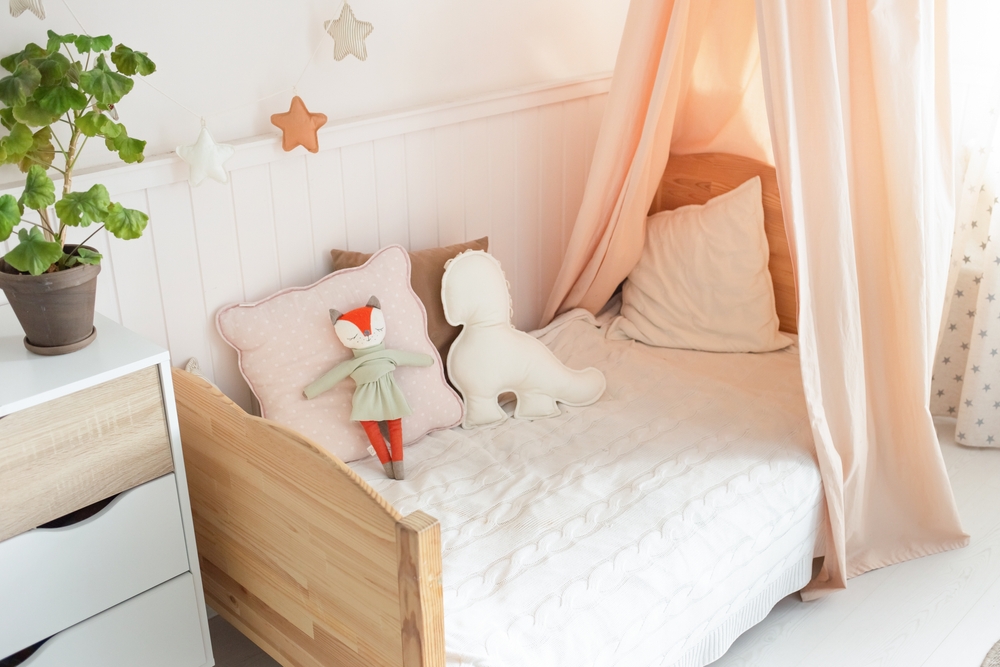
Understanding the Essentials of Buying Kinderbedjes in Spain
When considering a purchase as significant as a kinderbedje (children's bed) in Spain, parents and guardians are met with a unique set of questions and concerns. Whether you are a local resident or an expatriate settling into a new Spanish home, the choice of your child’s sleeping solution warrants careful research and consideration. In this detailed guide, we will explore every aspect of buying children’s beds in Spain, from safety regulations to styles, materials, shopping venues, and logistical issues. Our intention is to arm you with thorough knowledge so you can make a confident and informed decision for your family.
Why Choosing the Right Kinderbedje Matters
The transition from a crib to a children’s bed is a significant milestone in any child’s development. It represents not just a shift in sleeping routine, but also in autonomy and comfort. Choosing the correct kinderbedje in Spain should be approached with care, taking into account the child’s safety, well-being, and the unique climate and living conditions that prevail in Spanish residences. The selection process encapsulates much more than mere aesthetics; it is about providing your child with a safe, comfortable, and nurturing sleeping environment that meets all local standards and prices.
Familiarizing Yourself with Spanish Regulations and Safety Standards
Spanish authorities, in line with European Union directives, have established rigorous standards governing the safety of children’s furniture. Understanding these regulations is crucial:
- Materials Used: Kinderbedjes sold in Spain must be constructed from non-toxic materials and finishes. Painted surfaces should be free from lead or other harmful chemicals.
- Structural Integrity: Beds should not have sharp edges or pinch points. All joints and connections must be secure to avoid the risk of collapse.
- Slat Spacing: The slats of the mattress base must be spaced close enough to prevent a child’s head or limbs from becoming trapped.
- Guardrails: For beds designed for younger children, especially transition beds, guardrails are mandatory to prevent accidental falls during sleep.
- Compliance Labels: Always check for an EU compliance mark or Spanish quality certification on any bed you consider.
These precautions not only ensure peace of mind but also protect you from potential liability issues should you later wish to resell or donate the furniture.
Assessing the Ideal Size and Type of Kinderbedje
Not all children’s beds are created equal. The type you choose should reflect your child’s age, size, sleeping habits, and projected growth. Here are the main options you’ll encounter in Spain:
- Toddler Beds: Designed for children aged 18 months to 5 years, these beds are low to the ground, often featuring side rails for added security.
- Single Beds: The next step up, suitable for children from 4 or 5 years onwards, depending on the child’s size and confidence. These beds are a long-term investment and often serve well into adolescence.
- Bunk Beds: Popular among families with multiple children or limited bedroom space, bunk beds maximize floor space but require strict adherence to safety norms for the upper bunk.
- Convertible Beds: An innovative solution, these beds can be adjusted or expanded as your child grows, offering flexibility and excellent value for money.
Consider your current and future housing plans, family size, and your child’s preferences, all of which should inform your final choice.
The Importance of Mattress Selection and Compatibility
An often-overlooked element in the purchase of a kinderbedje is the mattress. Not all children’s beds accommodate standard mattress sizes, especially imported or locally crafted furniture. Here’s what to keep in mind:
- Correct Fit: The mattress must fit snugly within the frame, leaving no more than a two-finger width of space to prevent entrapment or injuries.
- Material Quality: Opt for hypoallergenic, breathable materials that discourage dust mites and mold, crucial for Spain’s varied climates.
- Firmness: Spanish pediatricians recommend medium-firm mattresses to support healthy spinal alignment.
- Certifications: Choose mattresses with relevant health and safety certifications applicable in Spain.
Investing in a high-quality mattress is equally as important as the bed frame itself; it ensures restful sleep and supports healthy development.
Understanding Local Spanish Styles and Preferences
Spain’s vibrant culture and Mediterranean aesthetic are often reflected in children’s furniture, including kinderbedjes. Spanish design often favors:
- Noble Woods: Timeless and durable, woods like beech, pine, and oak remain popular, often left with natural finishes.
- Soft Pastel Colors: While some regions embrace vivid colors, many Spanish bedrooms feature soft blues, pinks, and neutral greys or whites.
- Practicality and Minimalism: Sleek, functional designs with minimal ornamentation prevail, especially in urban settings where space is at a premium.
- Thematic Beds: Beds shaped like race cars, castles, or pirate ships may be common in specialized furniture shops catering to younger children.
When purchasing locally, you may find unique designs that aren’t widely available in other countries, providing character and authenticity to your child’s bedroom.
Where to Buy Kinderbedjes in Spain
Spain’s furniture market is diverse and robust. You will find several avenues for purchasing kinderbedjes:
- Specialist Children’s Furniture Stores: These retailers focus exclusively on children’s furnishings, offering both traditional and contemporary designs and a knowledgeable sales staff who can provide valuable guidance.
- Large Furniture Retailers: Many international and national brands maintain a strong presence in Spanish cities, providing a wide selection and often competitive pricing.
- Local Artisan Workshops: For those seeking bespoke or eco-friendly options, artisanal workshops can craft custom beds using local materials.
- Second-Hand Markets: Online platforms and local bazaars offer pre-owned beds, a sustainable and budget-friendly alternative, though it’s essential to verify safety and cleanliness.
Each option has its merits and drawbacks depending on your budget, timeline, and specific requirements.
Delivery, Assembly, and After-Sales Support: What to Expect
Logistics can be an important concern, especially for expatriates or those new to Spanish commerce. Here’s what you should know:
- Delivery Services: Most reputable retailers offer home delivery, often free within certain urban areas. For rural or remote locations, expect higher fees and longer lead times.
- Assembly Options: Children’s beds may require simple or complex assembly. Many stores provide this service for a nominal charge, and it’s wise to inquire in advance.
- Warranty and Returns: Spanish consumer law mandates a minimum two-year warranty on most household goods. Check the return policy carefully, particularly for customized or special-order items.
- Customer Support: After-sales service quality varies by retailer. Keep all documentation, including receipts, assembly instructions, and warranty certificates for future reference.
Meticulous attention to these logistics will ensure a smooth, stress-free purchasing experience.
Practical Considerations for Expatriate Families
Foreign families living in Spain may face unique challenges when shopping for kinderbedjes. Some helpful tips include:
- Language Assistance: If you are not fluent in Spanish, bring a trusted friend or use translation tools to avoid miscommunications regarding specifications or delivery.
- Adapted Sizing: Spanish and European mattress and bed sizes may differ from those in your home country. Always confirm measurements in centimeters before making a final purchase.
- Documentation: You may be asked for a local address, DNI/NIE (national or foreigner ID), and trustworthy contact information for delivery arrangements.
- Local Climate: Spain’s climate can vary greatly by region. Consider moisture-resistant materials for coastal areas and breathable fabrics for hot inland zones.
Preparation is key to ensuring your child’s new bed fits seamlessly into your new Spanish home.
Budgeting and Price Ranges for Kinderbedjes in Spain
Pricing for children’s beds in Spain depends on several factors, including materials, brand, design, and customization. As a general guideline:
- Entry-Level: Simple wooden or metal beds start from around €70–€150, often requiring self-assembly.
- Mid-Range: Higher quality options, possibly with added features such as storage, canopy, or guardrails, range from €200–€500.
- Premium/Bespoke: Artisanal creations or designer brands can exceed €700–€1,500, especially for customized sizes or specialty finishes.
- Second-Hand: Gently used beds may be found from €30–€100, but exercise caution regarding wear and compliance with current safety norms.
Applying a clear budget from the outset will make the selection process more efficient and focused.
Eco-Friendly and Sustainable Options
Environmental consciousness is increasingly influencing consumer choices across Spain. If sustainability is a priority, consider these tips:
- Certified Woods: Opt for beds crafted from FSC-certified timber, which ensures responsible forest management practices.
- Non-Toxic Finishes: Look for finishes and paints labeled as eco-friendly or water-based, minimizing exposure to potentially harmful chemicals.
- Upcycled/Second-Life Materials: Some Spanish workshops specialize in giving new life to reclaimed wood or repurposed materials, combining environmental responsibility with bespoke design.
- Durability: A well-built bed that lasts through multiple children is itself an eco-friendly investment.
Sustainable shopping doesn’t just align with ecological values—it often results in higher quality and more resilient products.
The Role of Accessories and Bedroom Design
The bed is just one component of a child’s room. Coordinated accessories enhance both the function and the aesthetics of the sleeping space:
- Guardrails and Bumpers: Essential for very young children transitioning from cribs, these add-ons are widely available and often customizable to match the bed frame.
- Underbed Drawers or Pull-Outs: Particularly useful in compact homes or apartments, under-bed storage helps maximize space.
- Canopies and Tents: Decorative yet practical, these accessories create a sense of privacy and imagination, encouraging restful sleep.
- Themed Linens: Spanish stores frequently offer bedding sets that echo the bed’s theme, from fairy tale motifs to modern geometric patterns.
- Reading Lights or Nightlights: Many Spanish parents install low-intensity lighting, fostering independence and security during nighttime hours.
Strategically chosen accessories can transform your child’s bed into a cherished part of their daily routine.
Transitioning Your Child: Preparing for the Big Move
Introducing a new kinderbedje can be exciting but also unsettling for some children, especially if they’re graduating from a crib. Consider these steps:
- Involve Your Child: Allow them to pick out colors, designs, or themed elements so they feel invested in the change.
- Prepare Gradually: Place the new bed in your child’s room without insisting on immediate use. Let them explore it at their own pace.
- Storytelling: Use books and stories about sleeping in a “big kid” bed to foster enthusiasm.
- Maintain Routine: Keep pre-bedtime habits consistent. A new bed signals change, but constant routines provide reassurance.
- Praise and Encouragement: Celebrate the first nights in the new bed with small rituals or rewards.
With patience and positivity, your child’s new bed will quickly become a beloved fixture in your home.
Cleaning and Maintenance: Prolonging the Life of Your Kinderbedje
Proper care extends the lifespan of children’s furniture. Here are best practices suitable for Spanish conditions:
- Regular Dusting: Spain’s varying climates, from humid coasts to arid interiors, mean regular dust removal is important.
- Spot Cleaning: Address spills promptly with gentle, non-corrosive cleaning agents to protect finishes and upholstery.
- Check Joints and Fixings: Every few months, check the stability of slats, screws, and guardrails, especially after moving furniture.
- Mattress Care: Rotate and air the mattress regularly to avoid sagging and ensure hygiene.
- Guard Against Pests: In some southern regions, watch for wood-boring beetles—treat promptly with eco-approved solutions if necessary.
Routine maintenance not only preserves the functionality and good looks of your child’s bed but also upholds safety standards.
Navigating Warranty and Legal Protections
Spanish consumer protection laws are comprehensive, but it pays to be well informed:
- Minimum Two-Year Warranty: All new children’s beds sold in Spain come with at least a two-year warranty, covering manufacturing defects and faults.
- Return Policies: Unused beds may often be returned within 14 days of delivery, provided they are in the original condition and packaging. Customized items may be exempt from this rule.
- Documentation: Retain your proofs of purchase, warranty cards, and all communication with the retailer.
- Dispute Resolution: If you encounter issues that cannot be resolved directly, Spanish consumer agencies provide clear channels for mediation.
Understanding your legal standing protects your investment and ensures a fair transaction.
Shopping Online vs. In-Store: Pros and Cons
Both in-person and online shopping have unique advantages and trade-offs in Spain:
- In-Store Shopping:
- Allows you to physically inspect the bed for quality, dimensions, and comfort.
- Provides access to expert advice in your language or with translation support.
- Facilitates immediate resolution of questions about delivery, assembly, and warranty.
- Online Shopping:
- Enables convenient browsing from home, often with a wider selection.
- Access to reviews and testimonials from other buyers.
- Potential for exclusive online discounts or promotions.
Consider your own comfort with technology, the urgency of your purchase, and whether you prioritize tactile inspection over convenience.
Adapting Kinderbedjes for Special Needs
If your child has specific medical or developmental requirements, specialized kinderbedjes are available:
- Adjustable Beds: Models with height adjustments or reclining features provide added accessibility.
- Sensory-Friendly Designs: Certain beds come with features to calm children with sensory processing concerns, such as gentle motion, canopy options, or weighted blankets.
- Reinforced Guardrails and Padding: For children prone to nighttime movement or seizures, additional safeguards are available.
When shopping for adapted children’s beds, consult both your pediatrician and the retailer to ensure all health and safety needs are addressed.
Preparing for Seasonal Changes and Moving
Spanish families—local and expatriate—often experience seasonal moves within the country or even internationally. Considerations include:
- Modular Beds: Lighter, modular designs are easier to disassemble and transport, supporting mobile lifestyles.
- Climate-Appropriate Materials: Mediterranean summers can be hot. Beds and mattresses that breathe well and resist moisture are ideal.
- Storage: Choose beds with built-in drawers or trundle options to assist during temporary relocations.
Planning ahead for mobility ensures your investment remains practical, even as circumstances evolve.
Fostering a Harmonious Sleep Environment
A quality kinderbedje is just one element of restful sleep. Consider the broader environment:
- Light Control: Spanish homes often have excellent natural light, so invest in blackout blinds if early sunrise disrupts sleep.
- Soundproofing: Urban areas can be noisy. Simple additions like rugs or wall hangings dampen sound, improving sleep quality.
- Air Quality: Use hypoallergenic bedding and maintain good airflow to safeguard your child’s respiratory health.
- Personalization: Encourage your child to help decorate their space, fostering pride and a sense of ownership.
Comprehensive planning yields not just a functional bed, but a true sanctuary where your child feels secure, creative, and at home.
Frequently Asked Questions About Kinderbedjes in Spain
- Can I bring my child’s bed from another country?
Importing beds is common, but check that foreign sizes are compatible with Spanish mattresses and that materials meet European safety norms. - How often should I replace a children’s bed?
Beds can last from toddlerhood to adolescence if properly maintained, but replace at the first sign of structural damage or unsafe wear. - Are there seasonal sales for children’s beds?
Yes, especially during national sales events like the January and July “rebajas.” - Is financing available for purchasing?
Many stores offer payment plans or financing options, subject to proof of income or residence.
Summary and Next Steps
Buying a kinderbedje in Spain is a significant investment in your child’s comfort, health, and happiness. By taking into account Spanish safety standards, local styles, practical logistics, and the broader bedroom environment, you can confidently select the bed that will nurture your child’s growth and imagination.
Whether you choose a classic wooden bed from a boutique artisan workshop, a space-saving bunk bed for siblings, or a themed creation that transforms bedtime into an adventure, remember that preparation, knowledge, and personal involvement are the foundations of a successful purchase.
As you embark on this important decision, rest assured that with attention to detail and clear priorities, your child’s new bed will serve as the cornerstone of many sweet dreams and cherished childhood memories.