





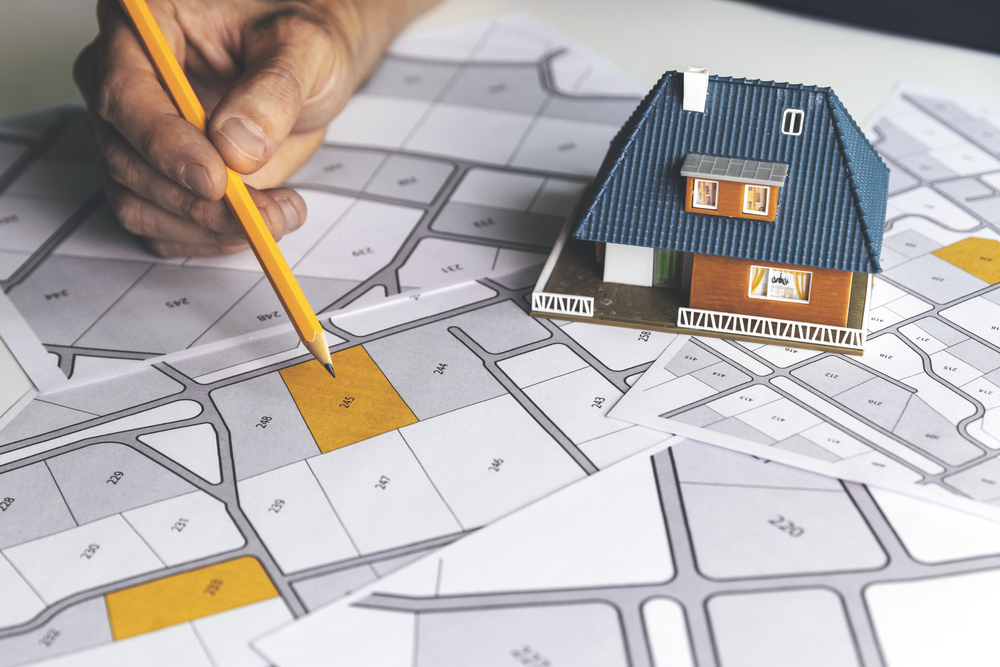
Understanding Land Purchase in Spain: An Intricate Opportunity
Spain is renowned for its vibrant culture, picturesque landscapes, temperate climate, and rich history—a country where the dream of owning a bespoke home is within reach. Increasingly, discerning individuals are seeking to purchase land ("grond kopen") in Spain, drawn by the opportunity to shape their living environment from the ground up. This comprehensive guide is designed to illuminate every aspect of acquiring land in Spain and embarking on the journey to build a home, all while navigating the legal, financial, and practical terrain with confidence and clarity.
Popular Regions for Land Acquisition in Spain
The first step towards building your Spanish dream home is choosing the right location. Spain's geography is remarkably diverse, offering a wide spectrum of possibilities, from sun-kissed coastal plots to tranquil inland valleys.
The Costa del Sol
Characterized by golden beaches, enticing Mediterranean views, and an international lifestyle, the Costa del Sol remains a perennial favorite among foreign buyers. Land is available both along the bustling coastline and within serene, hilltop enclaves that offer panoramic sea vistas.
Balearic Islands
Mallorca, Ibiza, and Menorca blend natural splendor with distinct cultural vibrancy. Here, land plots range from rural fincas surrounded by olive groves to exclusive clifftop lots overlooking turquoise waters.
Valencia & Alicante
These sun-drenched provinces reveal a more relaxed pace of life, with fertile valleys and orange groves providing a picturesque backdrop for your future home.
Andalucía
Andalucía’s southwest region is famed for its historic cities, rolling vineyards, and whitewashed villages. Rural land in the countryside (“campo”) often comes with ample space and authenticity.
The Northern Regions
For those captivated by lush green hills, temperate summers, and proximity to the Basque and Cantabrian coasts, the north offers distinct charm and fewer crowds.
Types of Land Available for Purchase in Spain
Understanding the categories of land is fundamental to a successful acquisition and subsequent construction. Spanish law recognizes several distinct classifications:
- Urbanizado (Urban land): Fully developed for building, with access to utilities and infrastructure.
- Urbanizable (Urbanizable land): Zoned for potential future development, pending final municipal approval.
- Rústico (Rural or Rustic land): Primarily reserved for agriculture or protected landscapes; strict building restrictions may apply.
Each type offers unique potential and limitations. Working with professionals is essential to unequivocally determine the current and potential status of the plot before purchase and construction.
Legal Framework for Buying Land in Spain
The legal process for acquiring land in Spain is structured, precise, and requires careful due diligence. Prospective buyers must understand Spanish property law and municipal planning regulations to avoid costly pitfalls.
Land Registry and Cadastral Records
Every plot is recorded in the Registro de la Propiedad (Land Registry) with unique identifiers and ownership history. Additionally, cadastral records confirm the physical details and boundaries of the land.
Obtaining a Nota Simple
Before committing, a nota simple (a simple registry extract) must be obtained. This official document details the property’s legal status, debt loads (such as mortgages or liens), and any unresolved legal issues.
Licenses, Zoning & Building Permits
Building on your land begins with clarity regarding urbanization status, municipal zoning laws, and future construction potential. Premature purchase of agricultural or protected land without development approval can result in years of frustration. Early consultation with local authorities is thus imperative.
The Purchase Process: Step-by-Step
Investing in Spanish land follows a structured process, designed to protect all parties. Each stage requires careful consideration and professional guidance.
1. Initial Search and Offer
Begin with a search based on location, intended use, legal status, and budget. Once a desirable property is identified, an offer is made to the vendor, frequently through a reservation contract and a small holding deposit.
2. Due Diligence
Prior to formal commitment, all legal, urbanistic, and cadastral information must be verified. This includes ensuring there are no outstanding encumbrances, debts, or restrictions. The importance of engaging both a qualified solicitor (abogado) and architect cannot be overstated at this stage.
3. The Private Contract (Contrato de Arras)
Upon successful checks, both parties sign a contrato de arras, a private sales agreement that formalizes intent and sets a deadline for full completion. This is accompanied by a more substantial deposit, typically 10% of the purchase price.
4. Notarial Deed and Registration
Closing the transaction occurs before a Spanish notario (notary public), culminating in the signing of the escritura pública (public deed). The new ownership is then recorded at the Land Registry. Payment of purchase tax, notarial and registration fees are due at this point.
Costs Associated with Buying Land in Spain
Buyers should expect not only the purchase price but also associated costs, which can range from 10–15% above the negotiated amount.
- Land transfer tax (Impuesto sobre Transmisiones Patrimoniales, ITP): Ranges from 6–10% depending on region.
- Notary fees: Typically between 0.5–2%, often set by local decree.
- Registration fees: Generally 0.5–1% of purchase price.
- Legal and professional fees: Solicitor fees generally between 1–2% of the purchase price, depending on transaction complexity.
- Architect and surveyor fees: Essential for technical due diligence and design; subject to negotiation.
Transparency at each stage will help prevent unexpected financial strain, and allow for realistic planning.
Financing Options for Purchasing Land and Building in Spain
Securing finance for a land purchase and subsequent building is achievable, though Spanish banks impose stricter conditions compared to acquiring an existing house.
Land Loans
Banks tend to offer a lower financing ratio for undeveloped land—generally, loans cover around 50–60% of land value, reflecting the perceived risk.
Self-Build Mortgages (Autopromotor Mortgage)
When it comes to building your property, specialized “self-build” loans are available. These mortgages are typically paid out in stages as the build progresses (“drawdowns” tied to construction milestones). Initial approval requires detailed project documentation, including architectural plans, planning permission, and cost estimates.
Considerations for Foreign Buyers
Non-residents may face more rigorous requirements, such as higher down payments and additional income proof. It is often beneficial to work with professionals with experience guiding international buyers.
Planning, Designing, and Building Your Spanish Home
Turning your plot into your ideal home involves a well-structured process, blending legal requirements with the fun and creative aspects of architectural design.
Appointing an Architect
A qualified architect registered with the Spanish Colegio de Arquitectos is mandatory for most new builds. The architect’s role extends beyond design into navigating permitting, coordinating engineers, and overseeing quality control during construction.
Obtaining Construction Permits
Several stages of permits are typically required:
- Licencia de Obra Mayor (Building License): Granted by the local town hall once project plans are approved by the municipal architect.
- Visado: Official “visa” confirming project compliance with national and municipal laws.
Starting any work before final approval is granted can result in hefty penalties or demolition orders.
Finding and Managing a Building Contractor
Selecting a reputable builder is crucial. Experience, transparent budget breakdowns, insurance, and a solid track record are paramount. Contracts should clearly define project scope, payment stages, timelines, and penalties for delays.
Building Regulations and Technical Standards in Spain
Spanish construction is governed by the national Código Técnico de la Edificación (CTE), which covers structural integrity, energy efficiency, environmental sustainability, and fire safety, among other standards.
- Structural safety: Foundations and materials must adhere to strict technical norms.
- Energy efficiency: Insulation, orientation, and solar gain are carefully regulated.
- Accessibility: New homes must provide for access for those with reduced mobility.
- Environmental standards: Drainage, waste, and water management are subject to control to protect local ecosystems.
Engaging local experts ensures that your build is not just legal, but ready to provide comfort and longevity.
Utilities and Infrastructure: Connecting to Essential Services
Proper planning for connection to water, electricity, gas, and telecommunications is fundamental. In urban areas, plots are almost always fully serviced. Rural locations (“rústico”) may require investment in infrastructure or consideration of off-grid solutions.
Connecting to Water and Electricity
Urban plots will generally have connections at the plot boundary, requiring only formal application for transfer. In the case of rustic land, private wells or renewable systems (such as solar PV) may be necessary.
Wastewater and Sewerage
Urban areas connect to the municipal sewer. Rural houses may rely on septic tanks, which must comply with health and environmental laws.
Internet and Telecommunications
Rapidly expanding fiber networks now cover much of Spain, and even remote areas increasingly benefit from high-speed connections. Early investigation is advised if fast access is indispensable.
Environmental Considerations and Sustainability
With climate change and ecological responsibility more important than ever, Spain strongly encourages sustainable construction, particularly in new developments.
- Solar orientation: Homes making best use of south-facing aspects reduce heating and cooling needs.
- Renewable energy: Solar panels and heat pumps may be integrated from the planning stage.
- Sustainable materials: Local stone, adobe brick, and recycled products are increasingly popular.
- Water management: Rainwater harvesting, drought-resistant landscaping, and efficient plumbing are encouraged by local building codes.
Sustainable investment not only safeguards the natural beauty of Spain, it also offers lower running costs and potential added value.
Timeline: From Purchase to Moving In
The journey from buying land to moving into your new Spanish residence is a marathon, not a sprint, but with professional guidance, can be a rewarding and organized process.
- Site Selection & Due Diligence: 1–2 months
- Purchase Process & Registration: 1–2 months
- Design & Permitting: 2–6 months (dependent on project and municipal efficiency)
- Construction Phase: 9–18 months on average
- Final Certification & Habitability: 1–2 months
A typical project, from plot reservation to handing over of keys, takes between 18–30 months. Timely engagement of architects, contractors, and legal professionals can help avoid unnecessary delays.
Potential Challenges and How to Overcome Them
Complexity is a hallmark of any international property purchase, and Spanish land acquisition is no exception. Here are the most common challenges, with advice for neutralizing them:
- Unclear property boundaries: Always commission an updated survey to ensure cadastral records match reality.
- Access rights: Verify that your plot is not “landlocked” and has legal, physical access for vehicles and construction equipment.
- Corruption risks and fraudulent sales: Rigorous legal due diligence and trusted professional representation are paramount.
- Delays in planning approval: Use a local architect with knowledge of municipal processes to expedite paperwork and monitoring.
- Unexpected project costs: Include a buffer of 10–15% for unforeseen expenses; insist on fixed-rate construction contracts where possible.
With preparation and expert guidance, these risks can be effectively minimized.
Living in Spain: What to Expect After Construction
Once the construction dust has settled and your new Spanish home is a reality, a new adventure begins. Spain’s lifestyle is marked by a healthy work-life balance, a rich culinary scene, lively festivals, and welcoming communities.
Integration and Community Life
Whether you choose a quiet inland village or a bustling coastal resort, everyday life in Spain offers both tranquility and vibrancy. Many expatriates find themselves quickly integrated through local markets, cultural events, and seasonal fiestas.
Language and Services
While Spanish (Castilian) is the national language, regional languages (Catalan, Valencian, Galician, Basque) are widely spoken in their respective areas. Enrolling in language classes accelerates integration and enjoyment.
Healthcare and Education
Spain’s public healthcare system is highly regarded. For families with children, both international and local schools are accessible in most major regions and resorts.
Investment Potential and Future Value
Building a bespoke home on Spanish land is more than a lifestyle choice—it is often a shrewd investment. Key factors influence long-term appreciation:
- Location: Coastal proximity, sea or mountain views, and travel accessibility consistently ensure higher value.
- Design and Sustainability: Modern, eco-friendly homes are increasingly prized in the Spanish market.
- Ongoing Infrastructure Development: Proximity to new transportation links and local amenities typically drives price growth.
With careful selection and construction, many investors realize solid capital appreciation, as well as enjoyment.
Tax Implications and Ongoing Ownership Obligations
Ownership in Spain brings several ongoing tax responsibilities:
- Property Tax (Impuesto sobre Bienes Inmuebles, IBI): Levied annually by the local council.
- Capital Gains Tax: Payable on profit if the property increases in value and is later sold.
- Non-resident Income Tax: If you do not reside year-round, notional rental income may be taxed.
- Wealth Tax: Applicable for high-value assets held by non-residents in some regions.
Understanding and planning for these costs with the advice of a competent tax consultant is advisable.
Working With Trusted Professionals: Your Key to Success
Purchasing and building on Spanish land is a sophisticated process best navigated with expert assistance. Services from IMMO ABROAD offer comprehensive local knowledge and experience, ensuring legal and financial security at every stage.
- Property consultants and agents: Offer invaluable market insight and introduction to vetted opportunities.
- Solicitors and legal advisors: Protect buyer interests and oversee all documentation and contracts.
- Architects and engineers: Transform your vision into a compliant, enduring home.
- Construction managers and surveyors: Maintain budget, quality, and timelines throughout the build.
These experts ensure a seamless, enjoyable investment and construction journey.
Case Studies: Real-Life Experiences of Building in Spain
The success of a land acquisition and built-to-order home in Spain is best illustrated through real-world stories.
Case Study 1: Coastal Retreat in Costa Blanca
A family from northern Europe purchased a gently sloping plot a short drive from a white sandy beach. After six months of design and engineering work, they began to build a three-bedroom villa, complete with terraces overlooking the sea. With close guidance from local legal advisors and daily project management, the build progressed smoothly, and the villa was finished within fifteen months, on time and on budget.
Case Study 2: Sustainable Finca in Andalucía
Drawn by olive groves and mountain scenery, a young couple acquired rustic land on the fringes of a traditional white-washed village. With innovative use of stone, lime plaster, and solar panels, their architect created an energy-neutral home. Navigating local planning laws took extra patience, but the result—a property that respects the landscape—became a much-admired community landmark.
Case Study 3: Modernist Hideaway in Mallorca
A retired architect sought a final project—a plot on a clifftop with sweeping Mediterranean views. Embracing minimalism and glass, the resulting villa is both at one with its environment and a showcase of modern Spanish design. Extensive due diligence avoided historic disputes about access and boundaries.
Frequently Asked Questions (FAQ) about Buying Land in Spain
Properly informed, buyers can confidently approach this unique opportunity.
- Can foreign nationals buy land in Spain?
Yes, there are no fundamental restrictions; however, proper documentation and due diligence are essential. - Is building on rural land (“rústico”) possible?
While strict, it is not impossible; you must be aware of rigorous municipal, environmental, and agricultural regulations. - How do I know if a plot is buildable?
Request official urbanization documentation from the town hall and work with a knowledgeable architect and lawyer for confirmation. - What happens if planning permission is denied?
Your project cannot proceed. Therefore, verifying all licenses and potential for approval before final purchase is necessary. - How do utilities and road access get established?
Most urban land is fully serviced, but for rural plots, these may require additional negotiation and investment. - Can I import my own builder or architect?
Foreign professionals may collaborate but must work in coordination with local, duly-registered Spanish experts to comply with national standards. - What documentation is needed at closing?
The notarial signing will require ID, NIE number (Spanish tax identification), proof of funds, completed contracts, and proof of fee/tax payment.
Proactive research and early engagement of expertise help ensure your Spanish property journey is defined by transparency and confidence.
The IMMO ABROAD Approach: Guiding You Every Step of the Way
Embarking on the journey from land purchase to home ownership in Spain is both exhilarating and complex. IMMO ABROAD provides a full-service experience founded on local knowledge, attention to legal detail, and personalized guidance fitting your unique dreams. From the initial consultation and market search, through due diligence and contract negotiation, to selecting architects and ensuring construction excellence, you benefit from seamless coordination at every turn.
Whether you envision a contemporary villa overlooking the Mediterranean, a secluded rural finca, or a stately house in Spain’s rolling countryside, your ambition is realized through expertise, trust, and passion for excellence. A world of opportunity awaits those determined to lay their foundation in one of Europe’s most captivating destinations.
Conclusion: Realizing Your Spanish Dream
Purchasing land and building a home in Spain is the ultimate exercise in personal expression and the fulfilment of a lifestyle vision. With the right groundwork—both literal and metaphorical—you are one step closer to Mediterranean sunsets, thriving villages, and the unique embrace of Spanish culture.
From identifying your ideal location, understanding local regulations, and securing sound legal and architectural support, to financing, managing the build, and integrating into the vibrant Spanish way of life, each stage holds potential for reward. With precision, diligence, and the support of trusted professionals, your dream of Spanish home ownership can become a beautifully constructed reality—built to last for generations to come.
IMMO ABROAD stands by to ensure your investment and experience are secure, enjoyable, and successful at every stage of the journey.